
Entry Nos. 3900–3999
99 Garrison-Morton entries in this range.
1856
#22
Тα ∑ωζομενα. The extant works of Aretaeus, the Cappadocian. Edited and translated by Francis Adams.
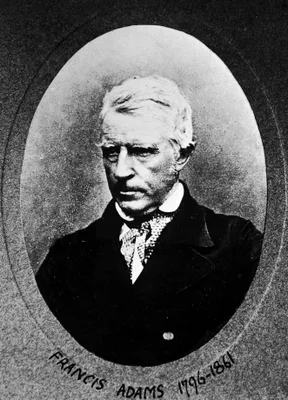
Aretaeus left many fine descriptions of disease; in fact Garrison ranks him second only to Hippocrates in this respect. In the printed editions of this bibliography, before the present online version, the Adams editio…
1909
#244.1
Inborn errors of metabolism.
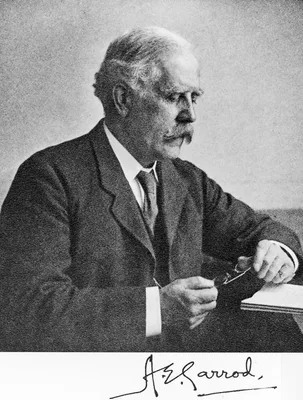
Garrod established chemical individuality as a paradigm of Mendelian variation. His study, which he began around the turn of the 20th century, coincided with the rediscovery of Mendel's laws of inheritance in 1900. He…
1937
#1173
Permanent experimental diabetes produced by pituitary (anterior lobe) injections.
Anterior pituitary diabetogenic hormone.
1921 –1922
#1205
The internal secretion of the pancreas.
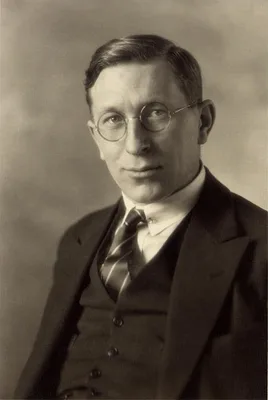
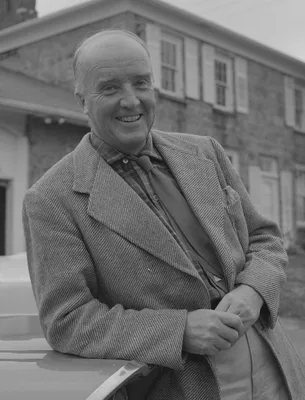
This paper reports the isolation of insulin. An extract from the pancreas of a dog, removed after ligation of the excretory duct, was found to exercise a reducing influence on the percentage of sugar in the blood. Dig…
1926
#1206
Crystalline insulin.
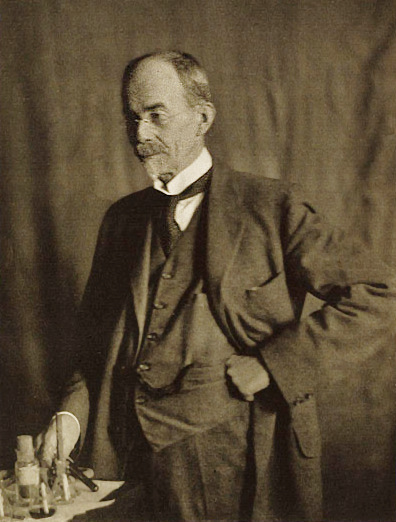
Crystalline insulin first obtained. See also J. Pharmacol., 1927, 31, 65-85.
1913
#3900
Z kazuistyki zmian anatomo-patholigicznych w przysadce mózgowej
Glinski preceded Simmonds in this important description of post-partum necrosis of the anterior pituitary. Abstract in Dtsch med. Wschr., 1913, 39, 473.
1914
#3901
Ueber Hypophysisschwund mit tödlichem Ausgang.
“Simmonds’s disease”-pituitary cachexia. See also Virchows Arch. path. Anat., 1914, 217, 226-39.
1916
#3902
Nanosomia pituitaria
Erdheim made important studies on the pathology of the pituitary. He gave the name “nanosomia pituitaria” to describe pituitary dwarfism. See also his paper in Ergebn. allg. Path, 1926, 21, 482.
1932
#3903
Acromegaly.
An extensive analytical tabulation of acromegaly; 1,319 cases are reported.
1932
#3904
The basophil adenomas of the pituitary body and their clinical manifestations (pituitary basophilism).
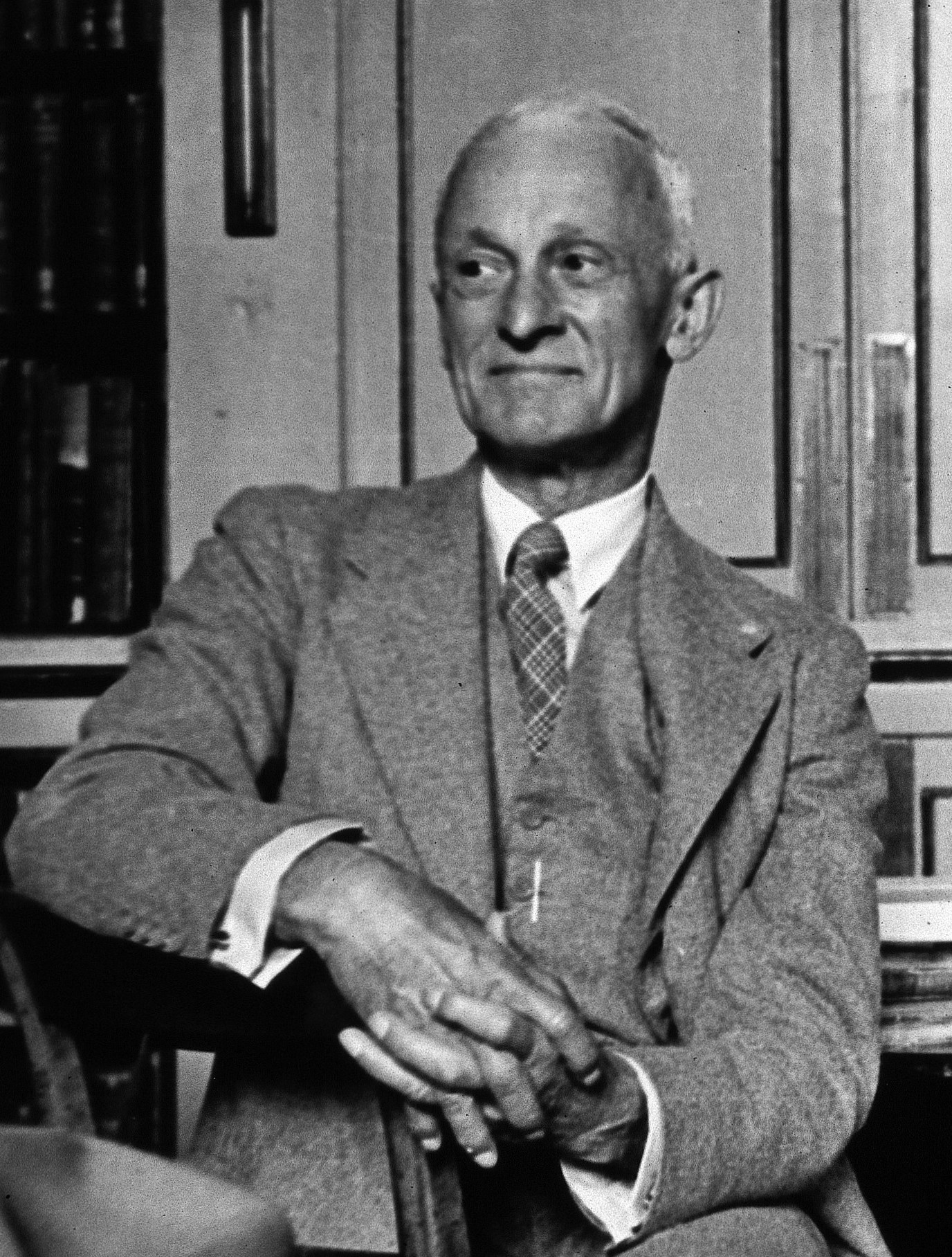
“Cushing’s syndrome”.
1936
#3905
Experimental diabetes insipidus in the monkey.
With C. Fisher and S. W. Ransom.
1939
#3907
Experimental diabetes insipidus.
Production of diabetes insipidus in dogs by injury to the hypothalamus.
1948
#3908
Studies in growth. I. Interrelationship between pituitary growth factor and growth-promoting androgens in acromegaly and gigantism. II. Quantitative evaluation of bone and soft tissue growth in acromegaly and gigantism.
L. W. Kinsell, G. D. Michaels, C. H. Li, and W. E. Larsen showed that there is an increase in growth hormone in plasma in acromegaly.
1936
#3909
The endocrine organs in health and disease. With an historical review.
"As a history of the subject, this work is unsurpassed in detail and accuracy" (L.T. Morton).
1982
#3910
A history of endocrinology.
A detailed illustrated history, tracing the development of knowledge from ancient times to the present. Includes biographical notes on the important pioneers in the field and chronological tables. Revised and updated …
1971
#3911
Geschichte und Ikonographie des endemischen Kropfes und Kretinismus.
A superbly produced and illustrated work, with tipped-in color plates. English translation, Bern: H. Huber, 1984.
1822 –1823
#3912
Account of a singular variety of urine, which turned black soon after being discharged; with some particulars respecting its chemical properties.
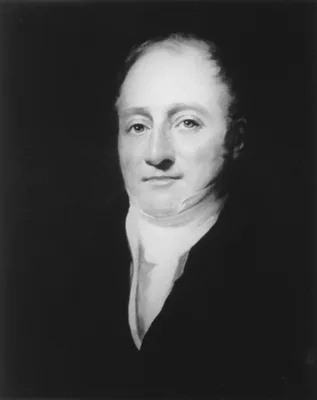
Alkaptonuria described.
1859
#3913
Lieber das Alcapton; ein neuer Beitrag zur Frage: welche Stoffe des Harns können Kupferreduction bewirken?
Excretion of homogentisic acid (in alkaptonuria) first described.
1863
#3914
Letter on corpulence; address to the public.
Banting, a prominent English undertaker, and formerly obese, was the first to popularize a weight loss diet based on limiting intake of refined and easily digestible carbohydrates. He changed his diet at the suggestio…
1865
#3915
Glycosurie, diabète sucré. In his Clinique médicale de l’Hôtel-Dieu, 2me. éd., 2, 663-98.
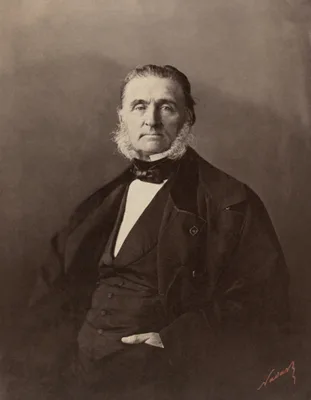
First description of hemochromatosis.
1889
#3916
Ueber Haemochromatose.
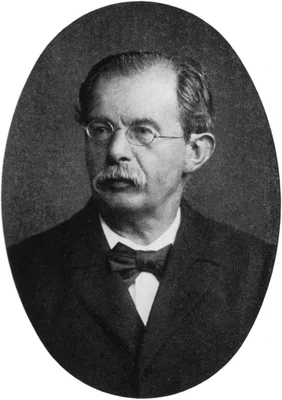
Recklinghausen gave to hemochromatosis its present name.
1888 –1889
#3917
A subcutaneous connective tissue dystrophy of the arms and back, associated with symptoms resembling myxoedema.
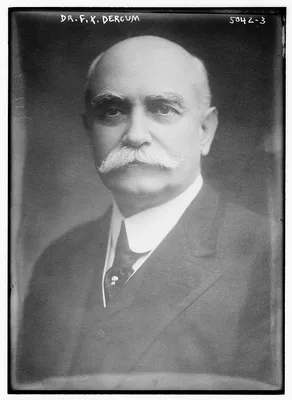
First description of adiposis dolorosa (“Dercum’s disease”).
1895
#3918
Ueber die Pentosurie, eine neue Anomalie des Stoffwechsels.
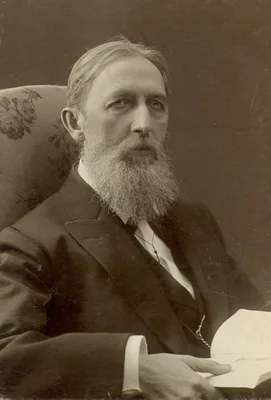
Pentosuria first described.
1900 –1910
#3919
Sammlung klinischer Abhandlungen über Pathologie und Therapie der Stoffwechsel- und Ernährungsstörungen. 9 pts.
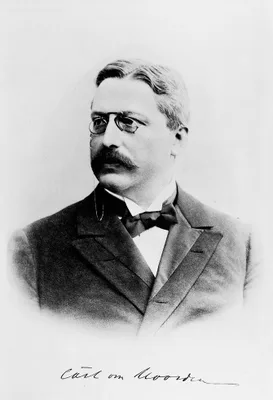
Noorden succeeded Nothnagel at Vienna. He made important studies of metabolism and its disorders. His section on obesity was translated into English as Obesity: the indications for reduction cures. Part 1 of Clinical …
1903
#3920
Familiäre Cystindiathese.
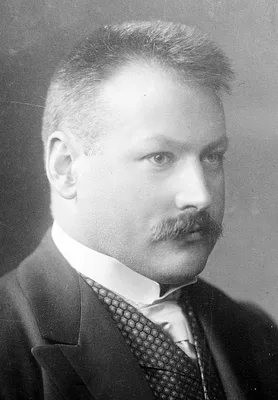
Cystinosis described.
1919
#3922
A system of blood analysis.
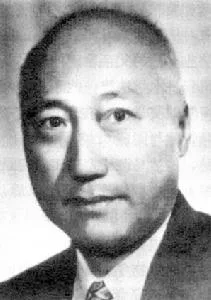
Folin–Wu test for blood sugar.
1931
#3923
The analysis of whole-blood. II. The determination of sugar and of saccharoids (non-fermentable copper-reducing substances).
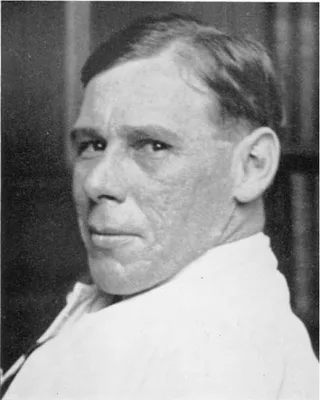
Benedict’s test for blood-sugar.
1934
#3924
Utskillelse av fenylpyrodruesyre i urinen som stoffskifteanomali i forbindelse med imbecilletet.
Phenylketonuria (PKU) first described. This was the first hereditary metabolic disorder shown to be responsible for mental retardation. German translation in Hoppe-Seyl. Z. physiol. Chem., 1934, 227, 169-76. English t…
1674 –1675
#3926
Pharmaceutice rationalis sive diatriba de medicamentorum operationibus in humano corpore. 2 vols.
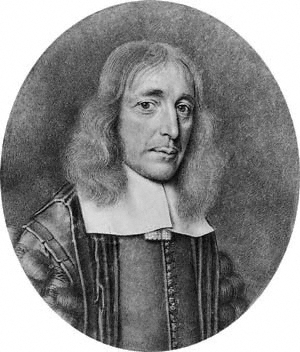
Willis’s last work deals with the anatomy and physiology of the thoracic and abdominal organs, and contains the first description of the superficial lymphatics of the lungs, the first clinical and pathological account…
1683
#3927
Experimenta nova circa pancreas.
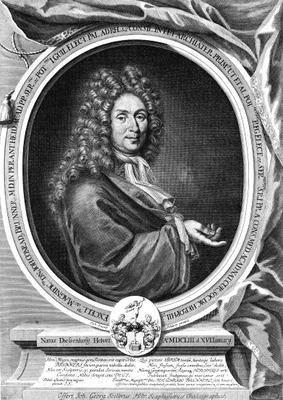
Brunner came near to discovering pancreatic diabetes. His experiments on the dog represent pioneer work on internal secretion. Following excision of the pancreas, he recorded extreme thirst and polyuria. Translated in…
1776
#3928
Experiments and observations on the urine in a diabetes.
Dobson proved that the sweetish taste of diabetic urine was produced by sugar, an observation following on Willis’s discovery of the sweetness of diabetic urine. He also discovered hyperglycemia.
1788
#3929
A singular case of diabetes, consisting entirely in the quality of the urine; with an inquiry into the different theories of that disease.
Cawley was the first to suggest a relationship between the pancreas and diabetes, observing that the disease may follow injury to that organ.
1797
#3930
An account of two cases of the diabetes mellitus: With remarks, as they arose during the progress of the cure. To which are added, a general view of the nature of the disease and its appropriate treatment, including observations on some diseases depending on stomach affection; and a detail of the communications received on the subject since the dispersion of the notes on the first case....And some observations on the nature of sugar by William Cruickshank. 2 vols.
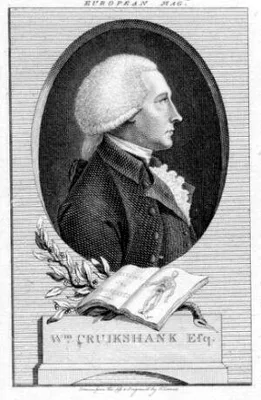
Rollo reported the success of a meat diet in the treatment of diabetes. He was the first to take Matthew Dobson's discovery of glycosuria in diabetes mellitus and apply it to managing metabolism.[He was a pioneer in t…
1815
#3931
Note sur le sucre de diabètes.
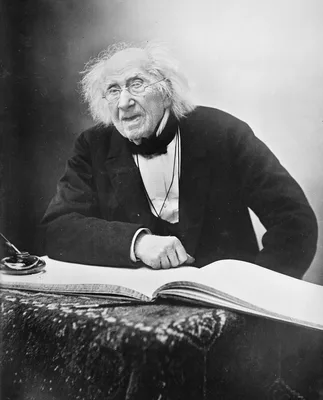
Chevreul proved that the sugar in diabetic urine is glucose.
1841
#3932
Unterscheidung von Gummi, Dextrin, Traubenzucker, und Rohrzucker.
Trommer’s test for glucose in urine.
1850
#3933
Chiens rendus diabétiques.
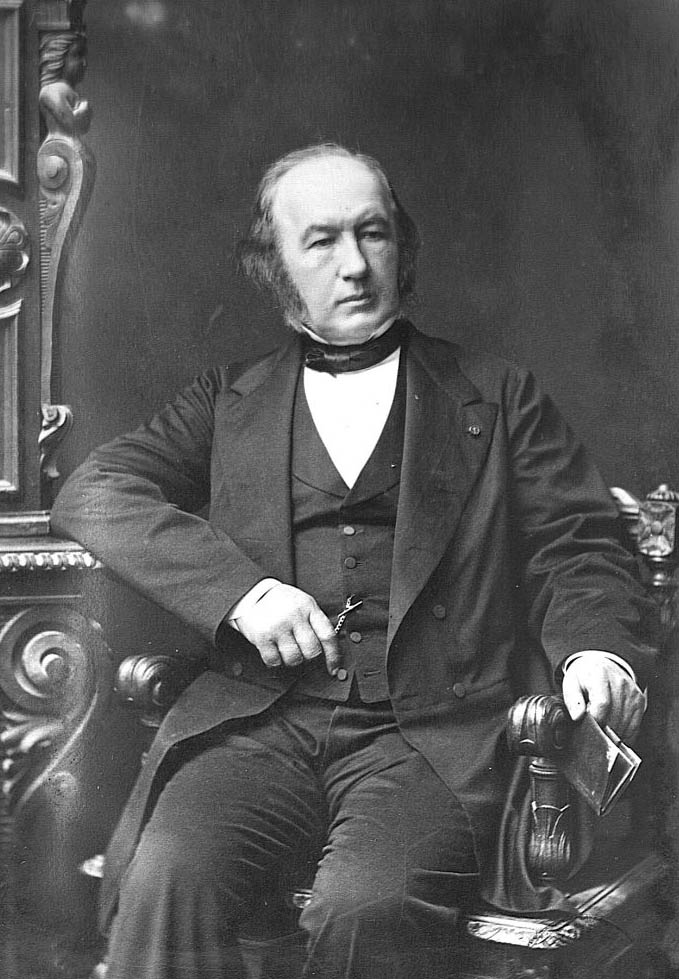
By experimental puncture (piqûre) of the fourth ventricle of the brain, Claude Bernard produced temporary glycosuria.
1856
#3934
Bericht über einige Versuche, um den Ursprung des Harnzuckers bei künstlichem Diabetes zu ermitteln.
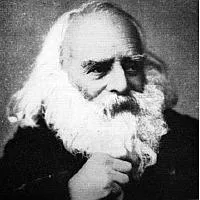
Schiffs important experiments on the production of artificial diabetes.
1857
#3935
Untersuchungen über die Honigharnruhr.
Petters discovered acetone in diabetic urine.
1862
#3936
Researches on the nature and treatment of diabetes
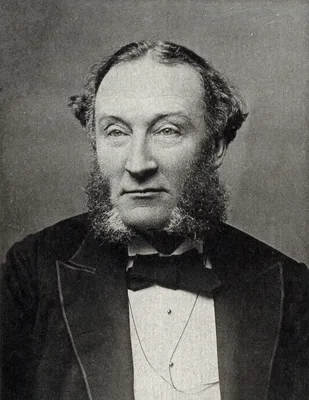
Pavy devoted many years to the study of diabetes. He concluded that there was a definite relationship between the degree of hyperglycemia and glycosuria.
1865
#3937
Diabetes mellitus und Aceton.
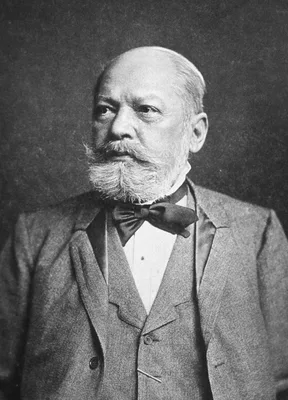
Gerhard’s iron-chloride reaction for aceto-acetic acid in acetonaemic urine.
1869
#3938
Retinitis in glycosuria.
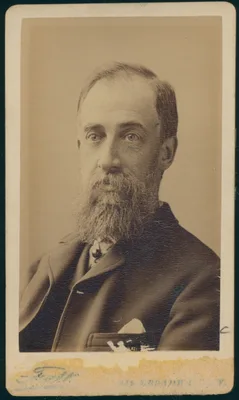
First investigation of retinitis accompanying glycosuria.
1874
#3939
Zur Lehre vom diabetes mellitus.
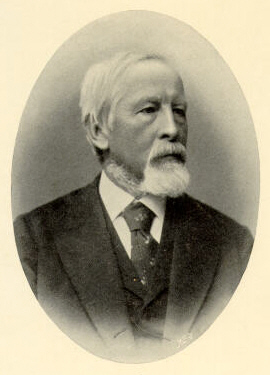
Kussmaul explained diabetic coma as being due to acetonemia. He described the air-hunger (“Kussmaul’s respiration”) present in this condition. Partial English translation in No. 2241.
1875
#3940
De la glycosurie ou diabète sucré; son traitement hygiénique.
Bouchardat used the fermentation test, polariscope and copper solutions for the detection of diabetes; he substituted fresh fats for carbohydrates, advised the avoidance of milk and alcohol, invented gluten bread and …
1875
#3941
Ueber die Erkrankungen des Auges bei Diabetes mellitus.
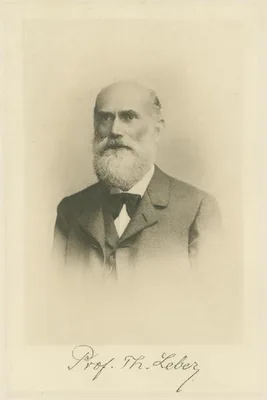
A record of Leber’s important studies on the disorders of the eye in diabetes.
1877
#3942
Leçons sur le diabète et la glycogenèse animale.
Bernard showed that in diabetes there is primarily glycemia followed by glycosuria.
1877
#3943
Notes et reflexions à propos de 2 cas de diabète sucré avec altération du pancreas.
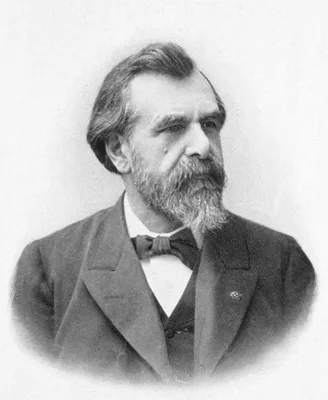
Lancereaux was the first definitely to claim a causal relationship between lesions of the pancreas and diabetes.
1881
#3944
Ueber Drüsenepithelnekrosen beim Diabetes mellitus mit besonderer Berücksichtigung des diabetischen Coma.
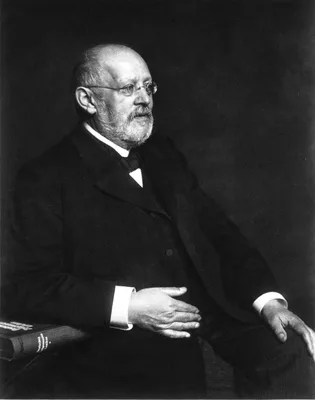
“Ebstein’s disease”, hyaline degeneration and necrosis of the epithelial cells of the renal tubules, sometimes seen in diabetes mellitus.
1883
#3945
Ueber die Ursachen der pathologischen Ammoniakausscheidung beim Diabetes mellitus und des Coma diabeticum.
Stadelmann studied ammonia excretion in diabetes and noted an acid substance in the urine, which Minkowski (No. 3947) showed to be ß-oxybutyric acid. Stadelmann recognized that diabetic coma was the result of the incr…
1884
#3946
Contribution à l’étude du pancreas du lapin. Lésions provoquées par la ligature du canal de Wirsung.
Arnozan and Vaillard showed that blockage of the pancreatic ducts caused atrophy of the pancreas but not diabetes.
1884
#3947
Ueber das Vorkommen von Oxybuttersäure im Harn bei Diabetes mellitus.
Discovery of ß-oxybutyric acid in diabetic urine.