
Facets
Browse across eight MeSH (opens in new tab) facets — era, geography, science, specialty, technology, history, culture, and reference. Select one tag per group; counts update across the others. What’s new in facet browse how facets relate to subjects and MeSH.
Clear filtersFacet filters
Geography
Specialties & Disease
- Anatomy & Pathology 111
- Cardiology & Blood 7
- Neurology & Psychiatry 21
- Obstetrics & Reproductive 15
- Infectious Disease (General) 73
- Surgery & Anesthesia 12
- Public Health 348
- Immunology & Dermatology 21
- General Clinical Medicine 27
- Military Medicine 15
- Psychology 12
- Alternative & Fringe Medicine 14
- Pediatrics 4
- Ophthalmology & Vision 2
- ENT & Hearing 1
- Urology & Nephrology 3
- Gastroenterology & Hepatology 1
- Pulmonary & Respiratory 2
- Rheumatology, Rehab & Pain 5
- Internal, Emergency & Geriatric 8
- Veterinary Medicine 7
- Epidemiology & Demography 38
- Physiology & Embryology 16
- Dentistry 7
- Plagues & Epidemics 73
- Microbiology & Virology 21
Social & Historical Studies
Institutions & Culture
Reference & Scholarly Works
823 entries match Historiography & General Works [K01.900]
1456
#6818
Aderlasskalender.
The Aderlasskalender for the year 1457, also known as the Laxierkalender, was issued in Mainz, printed in the type of the 36-line Bible, presumably in 1456. It survives in only one incomplete copy in the Bibliothèque …
1467
#2190
De sermonum proprietate sive Opus de universo.
Also known as De rerum naturis. This dictionary or encyclopedia is the earliest known printed book to include a section dealing with medicine, and this brief section, Book 18, Chap. V concerning medicine and diseases,…
1478
#20
De medicina. Ed: Bartholomaeus Fontius.
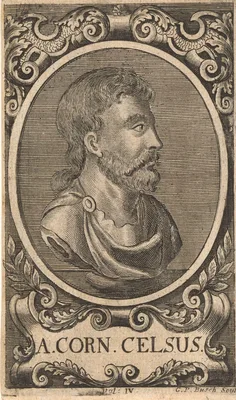
De Medicina is the oldest Western medical document after the Hippocratic writings. Written about 30 CE, it remains the greatest medical treatise from ancient Rome, and the first Western history of medicine. Celsus’s s…
1482
#48
Colliget.
The Kitab-al-Kullyat or Colliget (Book of Universals) was an “attempt to found a system of medicine upon the neo-Platonic modification of Aristotle’s philosophy” (Garrison, p. 132). Averroës was the greatest Arab comm…
1486
#40
Rhazes: Liber Elhavi sive Ars medicinae. Translated by Feragius Salernitanus. Edited by Joannes Bugatus.
The Al-Hawi, or Continens, a great encyclopedia of medicine. The above first Latin translation by Feragius Salernitanus is the largest and heaviest of the medical incunabula. The original manuscript was in Arabic. IST…
1490
#47
Liber Teisir, sive rectificatio medicationis et regiminis. Antidotarium. Translated from Arabic into Hebrew by Jacobus Hebraeus; into Latin by Paravicius. Add: Averroes: Colliget.
This is a Latin translation from a Hebrew version dating from 1280. Avenzoar, the greatest Muslim physician of the Western Caliphate, described the itch-mite, Sarcoptes scabiei, serous pericarditis, mediastinal absces…
c. 1490
#13042
Governayle of helthe. Add: John Lydgate, Medicina stomachi.
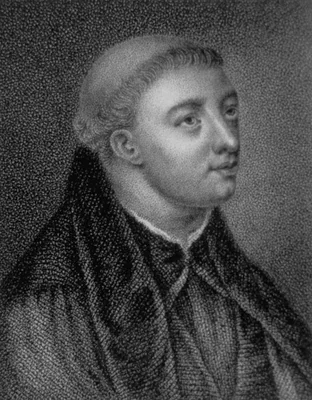
Though it's exact publication date is uncertain, this is the first medical publication issued in English by William Caxton, the first English printer, who set up the first English press in Westminster Abbey. Only two …
1492
#2191
Rosa anglica practica medicinae. Ed: Nicolaus Scyllacius.
The first printed medical book of an Englishman. John of Gaddesden was a prebendary of St. Paul’s Cathedral and physician to Edward II. The work, to quote Garrison, “consists mainly of Arabist quackeries and countrysi…
1500
#53
Aphorismi secundum doctrinam Galeni. Add: Johannes Damascenus [Mesue?]: Aphorismi. Hippocrates: Secreta; Prognosticatio secundum lunam; Capsula eburnea; De humana natura; De aere et aqua et regionibus; De pharmaciis; De insomniis. Avenzohar: De curatione lapidis.
![GALEN, [Κλαύδιος Γαληνός; Galen of Pergamon] (129 – 216)](/media/portraits/21)
An edition of the Latin translation of Maimonides’ Aphorismi (first published, Venice, 1489), together with a compilation of the works of Mesue, Avenzoar, Galen, etc. Page for page reprint, Venice, 1508. See No. 6495.…
1506
#6376
De medicine claris scriptoribus in quinque partitus tractatus. In his: Libelli duo
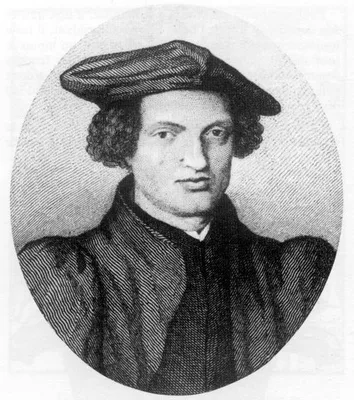
French physician and writer Symphorien Champier's biographical study of famous medical writers, De medicine claris scriptoribus in quinque partibus tractatus, issued as part of his Libelli duo, has been called the fir…
1528
#36
In principio singulorum librorum omnia indicantur, quae in eo libro continentur. [Title in Greek and Latin].
Paul of Aegiina was the most famous physician and surgeon in the Byzantine Empire during the seventh century, and probably thereafter. According to Eugene F. Rice, "Paulus Aegineta", Catalogus translationum et comment…
1536
#46
Omnia opera Ysaac in hoc volumini contenta: cum quibusdam alijs opusculis: Liber de definitionibus. Liber de elementis. Liber dietaru[m] vniversalium: cum co[m]me[n]to Petri Hispani. Liber dietarum particularium ... Liber de vrinis cum commento eiusdem. Liber de febribus. Pantechni decem libri theorices: et decem practices: cum tractatu de gradibus medicinarum Constantini. Viaticum Ysaac quod constantinus sibi attribuit. Liber de oculis Constantini. Liber des stomacho Constantini. Liber virtutum de simplici medicina Constantini. Compendium megatechni Galeni a Constantino compositum ; Cum tabula [et] repertorio omnium operum et questionum in co[m]mentis contentarum. Edited by Andreas Turinus.
Constantine was a Muslim from North Africa who converted to Christianity. His writings were first published with those of Isaac Judaeus in the above edition which includes many separate texts. Many of the writings of …
1547
#54
Medici antiqui omnes, qui latinis literis diversorum morborum genera et remedia persecuti sunt.
MEDICI ANTIQUI OMNES
Contains selections from the writings of Celsus, Plinius Secundus, Soranus, Apuleius, Barbarus, Musa, Priscianus, Trotula, Macer, Caelius Aurelianus, Marcellus Empiricus, Scribonius Largus, Serenus Samonicus, Strabus …
1562
#14123
Bullein's bulwarke of defẽce againste all sicknes, sornes, and woundes that dooe daily assaulte mankinde, which bulwarke is kepte with Hillarius the Gardiner, Health the Phisician, with their chyrurgian to helpe the wounded soldiors. Gathered and practised frō the moste worthie learned, both old and newe: to the greate comforte of mankinde. Doen by Williyam Bulleyn, and ended this Marche, Anno Salutis 1562.
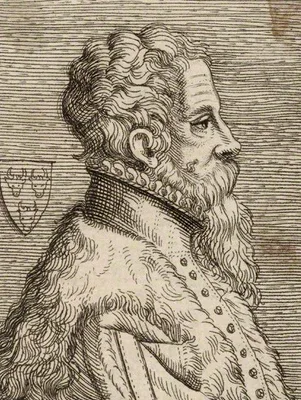
A work of medical humanism written while Bullein and his wife were in prison for debts. Bullein was the only writer of medical works in English in the sixteenth century to employ the dialogue form, allowing the physic…
1566
#13060
Vocum, quae apud Hippocratem sunt, collectio. Cum annotationibus Bartholomaei Eustachii . . . Eiusdemque Libellus de Multitudine.
First edition in Latin edited by Eustachi of the glossary to Hippocrates by the first century Greek grammarian Erotianus. Erotianus's work contains the earliest list of the writings of Hippocrates, including some now …
1592
#379
Theatrum anatomicum infinitis locis auctum, ad morbos accommodatum....
Includes historical data. Bauhin was professor of anatomy at Basle.
1601
#2194
De praesagienda vita et morte aegrotantium.
A classical work on prognosis. English translation, London, 1746.
1602 –1603
#2195
Praxeos seu de cognoscendis, praedicendis, praecavendis, curandisque affectibus homini incommodantibus. 2 vols.
The first attempt at a classification of diseases according to symptoms. Over a period of 50 years Platter dissected more than 300 bodies and made many observations of value to pathological anatomy.
1627
#1094
De lactibus sive lacteis venis.
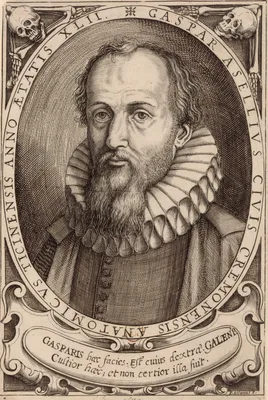
Records the discovery of the lacteal vessels. While performing vivisection on a dog that had recently fed, Aselli noticed a network of vessels in the mesentery and along the peritoneal surface of the intestine. The ve…
1627
#2196
De febribus libri iv. Accessit ad calcem; ejusdem de dysenteria tractatus.
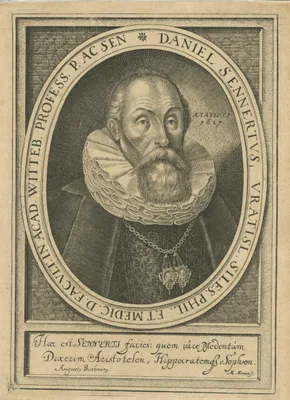
An important monograph on fevers.
1642
#8956
La presence des absens; ou facile moyen de rendre présent au médecin l'estat d'un malade absent. Dressé par les docteurs en médecine consultans charitablement à Paris pour les pauvres malades.
Renaudot, physician, philanthropist and journalist, published this self-diagnostic handbook so that charity patients could communicate with their physicians by correspondence. Digital facsimile from biusante.paris.des…
1671 –1674
#2197
Praxeos medicae idea nova. 4 vols.
Sylvius was a supporter of the Iatrochemical School. At Leiden he established the first university chemical laboratory in Europe. His extensive treatise on the diseases of children was first published as volume 4 of t…
1676
#2198
Observationes medicae circa morborum acutorum historiamet curationem.
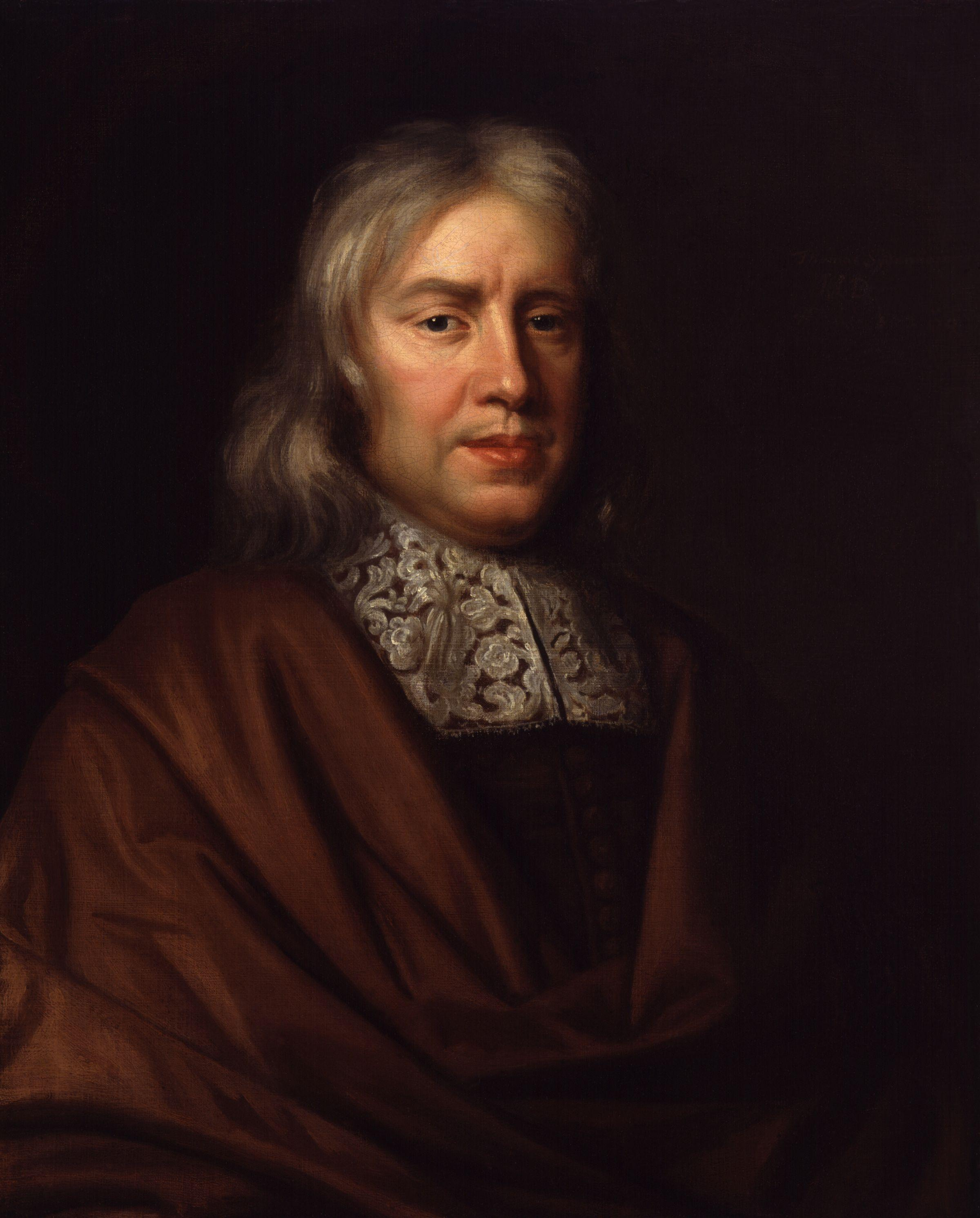
Sydenham recorded significant observations on dysentery, scarlet fever (p. 387), scarlatina, measles and other conditions. He stressed the clinical study of medicine and kept careful case records. Includes (pp. 272-80…
1682
#10017
Mercurius compitalitius, sive, Index medico-practicus.per decisiones, cautiones, animadversiones, castigationes & observationes in sugulis affectibus praeter naturam et praesidiis medicis, deaeteticis, cheirurgicis & pharmaceuticis... Accessit appendix de medici munere.
Discusses 63 topics on medical ethics and decorum, patient behavior, medical diagnosis, prognosis, and practice guidelines, including how to relate to the patient in all matters, including extreme old age and death. "…
1708
#581
Institutiones medicae in usus annuae exercitationis domesticos digestae.
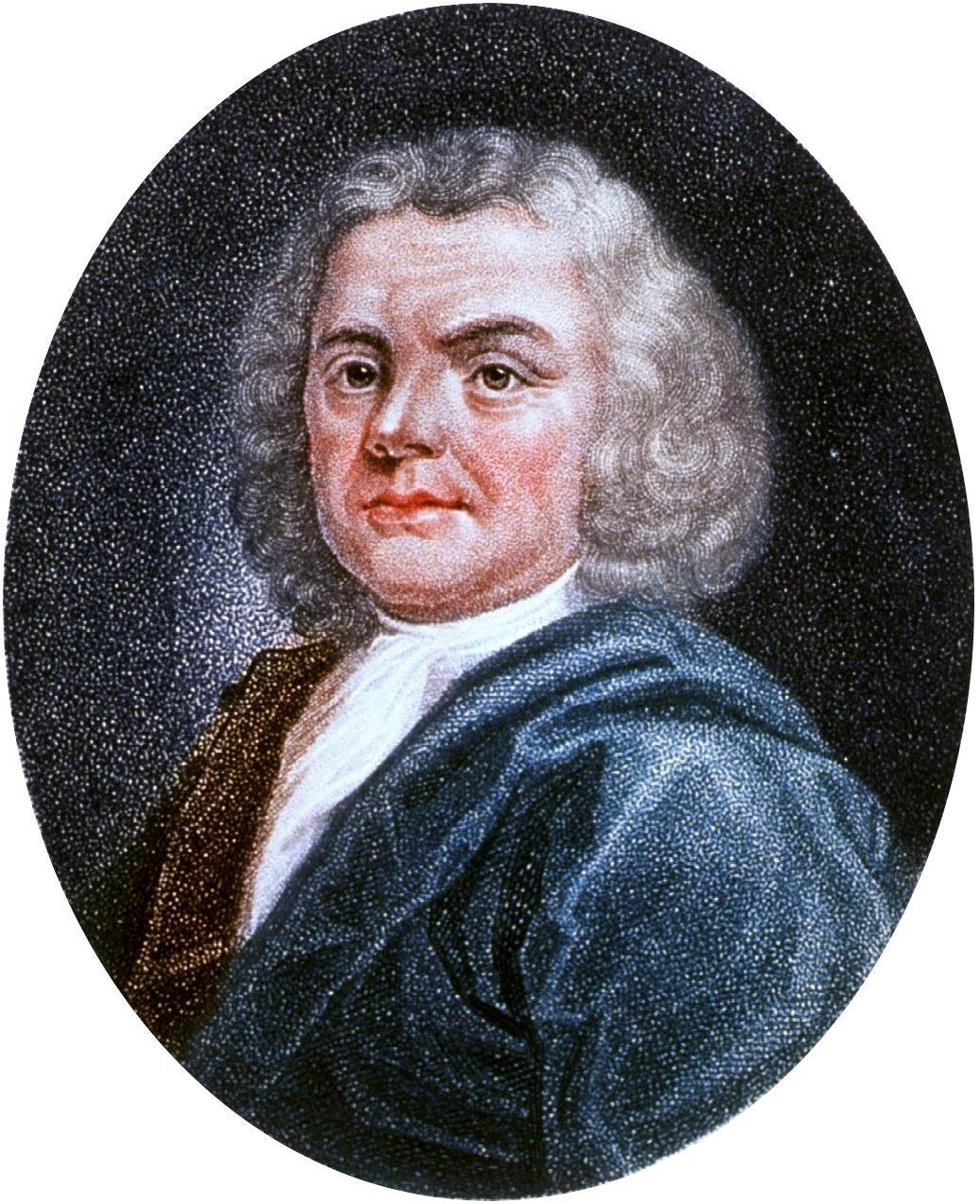
Institutiones medicae, Boerhaave’s first book, represented lectures given by Boerhaave on June 23, 1701; it was soon being used in virtually every medical school in Europe, going though numerous authorized and unautho…
1708
#582
Theoria medica vera.
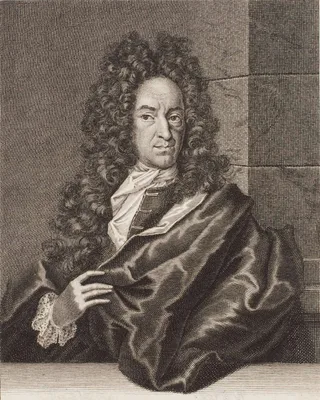
Stahl tried to explain vital phenomena by mystical means. He was the head of the so-called Animistic School which explained disease as caused by misdirected activities on the part of the soul. A three-volume German tr…
1709
#2199
Aphorismi de cognoscendis et curandis morbis.
The Aphorisms represent one of Boerhaave’s best and most influential works. English translation, 1715.
1725 –1726
#6378
The history of physick; from the time of Galen to the beginning of the sixteenth century. 2 vols.
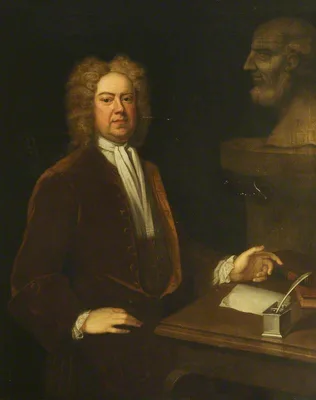
Freind was the first English historian of medicine, and his book is a classic study of the period with which it treats. Freind dabbled in politics and planned the above work while committed to the Tower of London on a…
1726
#6746
Methodus discendi medicinam.
During 1710 Boerhaave lectured on the Methodus discendi medicinam. In 1726 the first edition was published from notes taken at his lectures but without his permission. Lindeboom, Bibliographia Boerhaaviana (1959) No. …
1729
#6379
Histoire de la médecine.
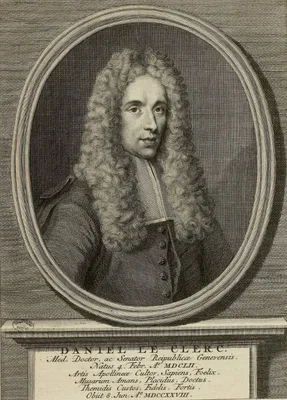
The first large history of medicine; Le Clerc is sometimes called the “Father of the History of Medicine”. The first edition appeared in 1696, but later editions are more useful. English translation, 1699. Reprint of …
1731
#6746.1
Anleitung zur Historie der medicinischen Gelahrheit.
A pioneer history of medical writing, for which the historian, Stolle, collaborated with the medical historian/biographer/bibliographer Kestner. Digital facsimile from the Google Books at this link.
1731
#9461
Tabular observations recommended as the plainest and surest way of practising and improving physick. In a letter to a friend.
Clifton argued that physicians should base their judgments about the effects of treatments on a sufficient number of their own observations, or trusted observations by other physicians, rather than on the correlation …
1732
#9460
The state of physick, ancient and modern, briefly considered: with a plan for the improvement of it.
Instead of assessing the efficacy of therapies by their correlation with theories, Clifton argued that physicians should base their judgments about the effects of treatments on a sufficient number of their own observa…
1738
#8356
Introductio in historiam litterarium anatomes nova aeque ac antiqua, bseu, Conspectus plerorumque, si non omnium, tam veterum quam recentiorum scriptorum, qui a primis artis medicae originibus usque ad praesentia nostra tempora anatomiam operibus suis illustrarunt: Una cum indice nominum rerumque locupletissimo.
1740 –1753
#72
Opera omnia physico-medica. (Supplementum, etc) 9 vols.
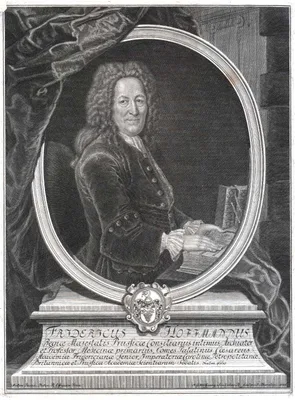
Hoffmann of Halle was the most important of the Iatromechanists. He believed an ether-like “vital fluid” to be present in the nervous system and to act upon the muscles, giving them “tonus”.
1742 –1776
#2200
Commentaria in Hermanni Boerhaave aphorismos, de cognoscendis et curandis morbis. 6 vols.
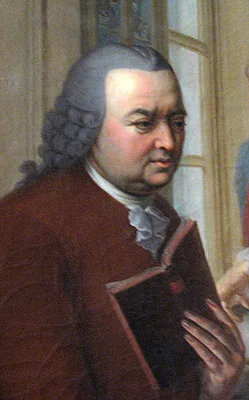
A pupil of Boerhaave, van Swieten transplanted the latter’s method of teaching to Vienna and founded the Vienna School of Medicine. He spent many years on the preparation of his great Commentaria. English translation,…
1747
#13830
Europae medicina a sapientibus illustrata.
"This work is an attempt to give, first, the story of medicine in each country by means of excerpts from the important writers; and secondly, the state of medicine in each country at the time of writing, gathered by c…
1756
#11607
Deux mémoires sur le mouvement du sang, et sur les effets de la saignée, fondés sur des experiences faites sur des animaux.
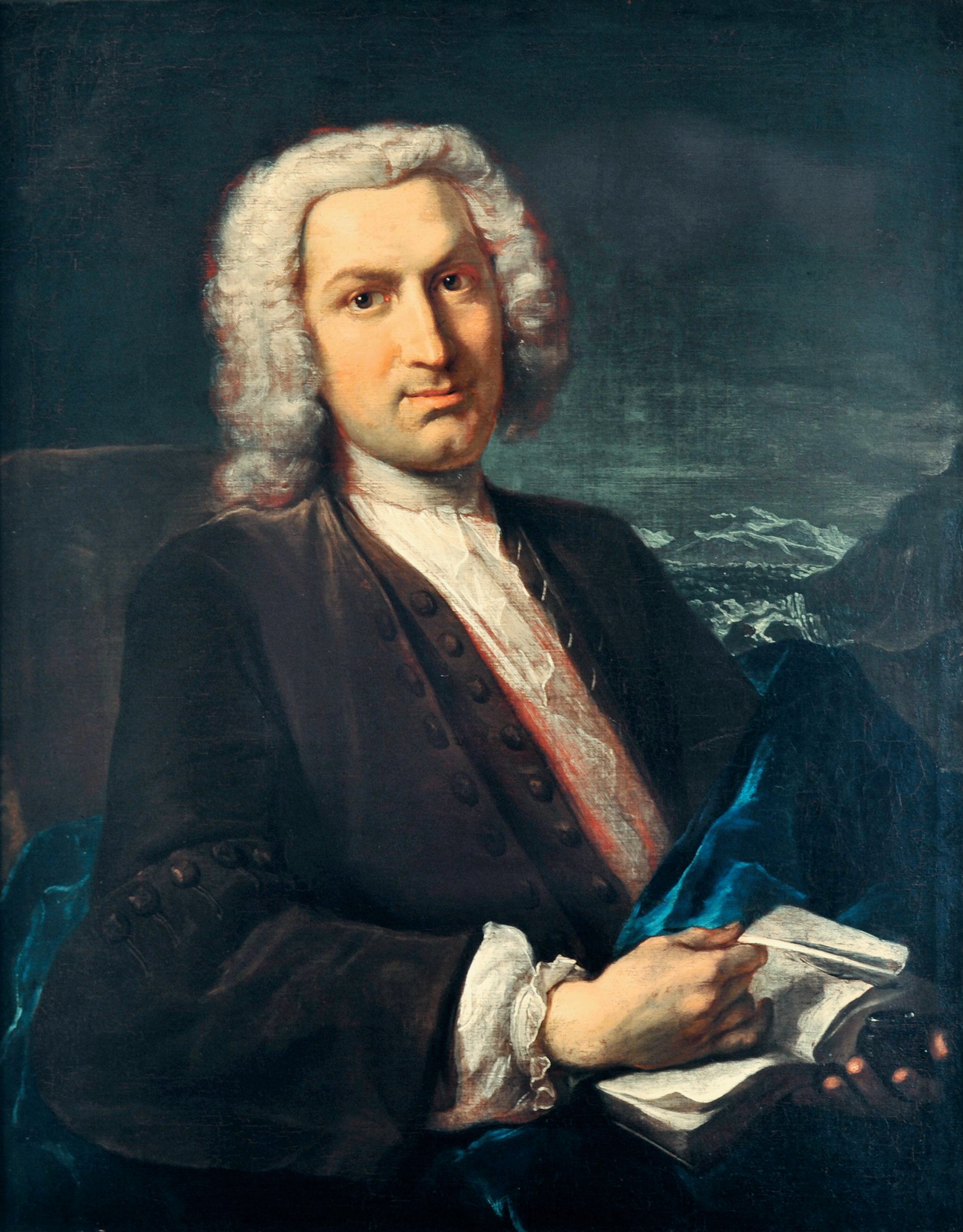
In these memoirs Haller described the results of 235 vivisections. Haller has been called "the founder of modern haemodynamics." "The myogenic theory of the heartbeat can be traced to Haller, who concluded on the basi…
1760
#9902
An essay on the medicinal nature of hemlock.
"Störck is remembered for his clinical research of various herbs, and their associated toxicity and medicinal properties. His studies are considered to be the pioneering work of experimental pharmacology and his metho…
1763
#2202
Nosologia methodica sistens morborum classes, genera et species juxtà Sydenhami mentem & botanicorum ordinem. 5 vols.
Sauvages de Lacroix, a friend of Linnaeus, adopted the botanical system of Linnaeus for the classification of diseases. His classification system listed 10 major classes of disease, which were further broken down into…
1769
#2204
Synopsis nosologiae methodicae.
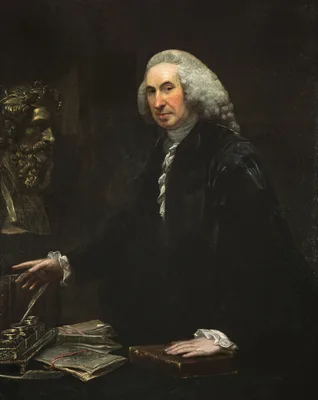
This work made Cullen’s reputation. In it he divided diseases into fevers, neurosis, cachexias and local disorders. Cullen was the foremost British clinical teacher of his time, one of the first to give clinical lectu…
1769
#6380
A medical discourse, or an historical inquiry into the ancient and present state of medicine: The substance of which was delivered at opening the medical school, in the city of New York. Printed by Desire.
The first American publication on medical history. Digital facsimile from U.S. National Library of Medicine at this link.
1770 –1773
#437.1
Histoire de l’anatomie et de la chirurgie. 6 vols.
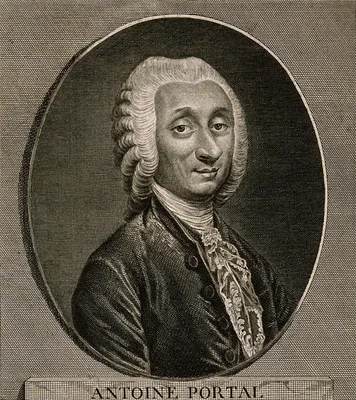
A biobibliographical survey to 1755, including dentistry.
1774 –1777
#438
Bibliotheca anatomica. 2 vols.
Haller is one of the greatest names in medical bibliography. While pursuing his monumental scientific career he found time to compile bibliographies of botany, anatomy, medicine and surgery which together form the mos…
1775 –1776
#75
Opera medica. 3 vols.
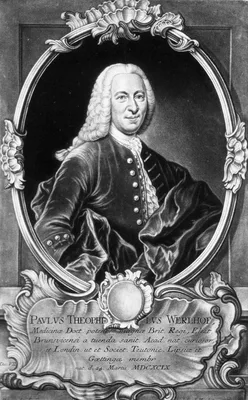
Werlhof, a contemporary and friend of Haller, is remembered for his classic description of purpura haemorrhagica (see No. 3052). He was Court physician at Hannover.
1780
#5488
Tableau historique et raisonné des épidémies catharrales vulgairement dites la grippe; depuis 1510 jusques et y compris celle de 1780.
1786
#11711
Aphorismi de cognoscendis et curandis febribus.
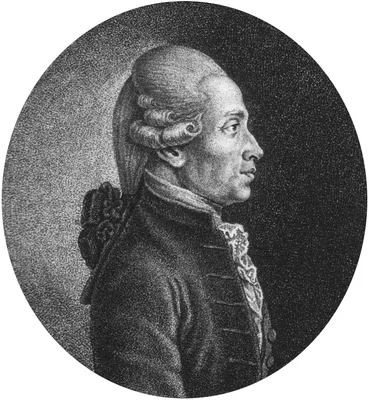
Stoll was one of the few physicians of the Viennese school who supported Auenbrugger's views on percussion. In this treatise on fevers Stoll referred favorably to the practice, and it is thought that Corvisart became …
1788 –1789
#5199
Abhandlung über die venerische Krankheit. 3 vols.
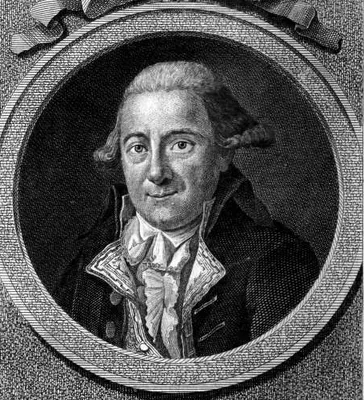
Girtanner’s important textbook on the venereal diseases contains some history.
1789 –1793
#80
Medical inquiries and observations. 2 vols.
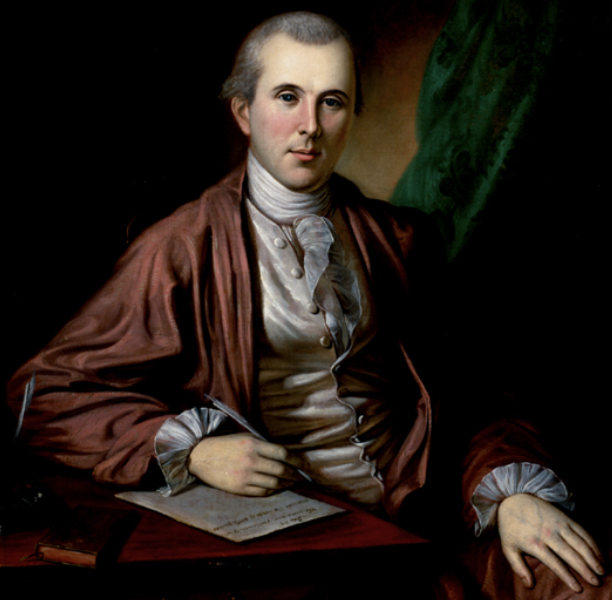
Rush was considered the ablest American clinician of his time. He was a friend of Benjamin Franklin and one of the signers of the Declaration of Independence. His many writings are distinguished for their classical st…
1792 –1803
#6382
Versuch einer pragmatischen Geschichte der Arzneikunde. 5 vols.
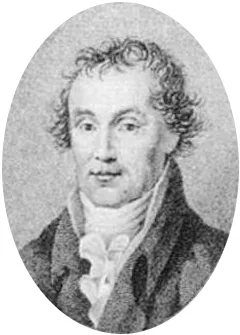
A monumental work, full of information which was of great assistance to later historians. Includes a useful chronology. Third edition, 1821-28; fourth edition of vol. 1, 1846.