
Facets
Browse across eight MeSH (opens in new tab) facets — era, geography, science, specialty, technology, history, culture, and reference. Select one tag per group; counts update across the others. What’s new in facet browse how facets relate to subjects and MeSH.
Clear filtersFacet filters
Geography
Specialties & Disease
- Anatomy & Pathology 43
- Cardiology & Blood 13
- Neurology & Psychiatry 44
- Obstetrics & Reproductive 20
- Infectious Disease (General) 3
- Surgery & Anesthesia 48
- Public Health 154
- Immunology & Dermatology 61
- General Clinical Medicine 87
- Military Medicine 32
- Psychology 16
- Alternative & Fringe Medicine 52
- Pediatrics 6
- Ophthalmology & Vision 7
- ENT & Hearing 12
- Urology & Nephrology 7
- Gastroenterology & Hepatology 7
- Pulmonary & Respiratory 2
- Rheumatology, Rehab & Pain 7
- Internal, Emergency & Geriatric 12
- Veterinary Medicine 4
- Epidemiology & Demography 18
- Physiology & Embryology 204
- Dentistry 259
- Plagues & Epidemics 26
- Microbiology & Virology 44
Social & Historical Studies
Institutions & Culture
Reference & Scholarly Works
1,253 entries match Professions & Education [M01 / N02]
1465
#6819
Cerrahiyyetu'l-Haniyye (Imperial Surgery)
In 1465, at the age of 80, Ottoman surgeon and physician Şerafeddin Sabuncuoğlu published in manuscript an illustrated atlas of surgery and dentistry. This was also the first medical textbook written in Turkish, proba…
1469
#89
Historia naturalis, libri XXXVII.
The most ancient Western encyclopedia extant, Pliny’s Historia contained essentially all that was known in his time concerning geography, mineralogy, anthropology, botany, zoology and meteorology. Books XX-XXXII deal …
1474
#146
Historiae. Tr: Laurentius Valla. Ed: Benedictus Brognolus. Add: Benedictus Brognolus: Epistola ad Nicolaum Donatum.
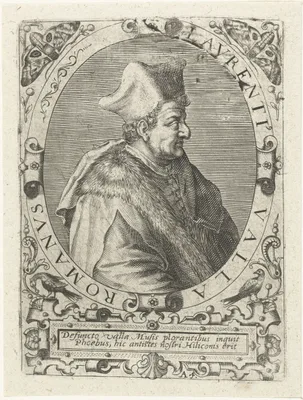
Born in Asia Minor, Herodotus travelled through Greece, Asia Minor and North Africa. His Historiae includes careful observations on the nature and habits of various peoples, and he may be regarded as the founder of an…
1476
#52
Articella seu opus artis medicinae. Con: Johannitius: Isagoge ad tegni Galeni. Philaretus: De pulsibus; Theophilus Protospatharius: De urinis. Hippocrates: Aphorismi (comm: Galenus; tr: Constantinus Africanus); Prognostica (comm: Galenus); De regimine acutorum morborum (comm: Galenus; tr: Gerardus Cremonensis). Galenus: Liber Tegni, sive Ars medica (comm: Hali; tr: Gerardus Cremonensis).
![GALEN, [Κλαύδιος Γαληνός; Galen of Pergamon] (129 – 216)](/media/portraits/21)
![HIPPOCRATES, [Ἱπποκράτης; Hippocrates of Kos] (-460 – -370)](/media/portraits/50)
A collection of Greek, Roman and Byzantine texts on medicine, written in Latin, that was mainly used as medical school textbook or reference manual between the 13th and 16th centuries. The Articella grew around a synt…
1478
#20
De medicina. Ed: Bartholomaeus Fontius.
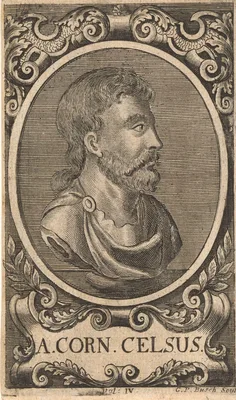
De Medicina is the oldest Western medical document after the Hippocratic writings. Written about 30 CE, it remains the greatest medical treatise from ancient Rome, and the first Western history of medicine. Celsus’s s…
1478
#3666.83
Chirurgia [French]. Translated by Nicolaus Panis.
Guy de Chauliac studied medicine and surgery in Montpellier and Paris, and served as the personal physician to Popes Clement VI, Innocent VI and Urban V. His Chirurgia magna, written in the early 1360s, remained a sta…
1480
#12984
Chirurgia. Edited by Matthaeus Moretus.
Argelata was a pupil of Guy de Chauliac, and professor at Bologna. He is supposed to have done the autopsy on Pope Alexander V, who died suddenly on May 3, 1410. ISTC No. ia00951000. Digital facsimile from U.S. Nation…
1483
#6813
De divisione librorum Galeni IN: Articella seu Opus artis medicinae.
Considering the central importance of Galen's writings in medicine from the time he wrote well through the sixteenth and even the seventeenth century, and the need for physicians to make sense of such a large number o…
1493
#3666.84
Practica. IN: Liber nonus ad Almansorem (cum expositione Joannis Arculani). Ed: Hieronymus Surianus and Elyanorus Sanseverinus.
Arcolani's Practica, published in this edition of Rhazes with Arcolani's commentary, includes the first documentation for the use of gold for filling diseased teeth. There are also several chapters on diseases of the …
1497
#39.1
Rhazes: Liber ad Almansorem sive Tractatus medicinae I-X. Liber divisionum. De aegritudinibus juncturarum. De aegritudinibus puerorum. De secretis sive aphorismi. Antidotarium. De praeservatione ab aegritudine lapidis; Introductorium medicinae. De sectionibus et ventosis. Synonyma. De animalibus. Add:Tabula de herbis medicis; Maimonides: Aphorismi; Mesue (the elder): Aphorismi; Hippocrates: Secreta; Prognosticatio secundum lunam; Capsula eburnea; De humana natura; De aere et aqua et regionibus; De pharmaciis; De insomniis; Avenzohar: De cura lapidis.
The best edition of the Opuscula of Rhazes, containing the second printing of the celebrated Liber ad Almansorem, not to be confused with Liber nonus ad Almansorem, as well as De aegritudine puerorum (No. 6313), and o…
1500 –1501
#3666.82
Chirurgia cum formis instrumentorum (Tr: Gerardus Cremonensis). IN: Guy de Chauliac: Chirurgia parva. Add: Albulcasis: Chirurgia cum formis instrumentorum. Jesus filius Hali: De oculis (Tr: Dominicus Marrochinus). Canamusali de Baldach: De oculis.
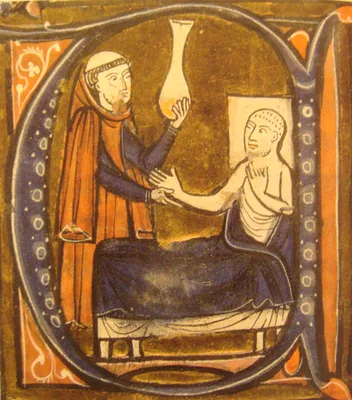
The surgical section of Albucasis’s Altasrif, the first rational, complete and illustrated treatise on surgery and surgical instruments. The author was an Arab Muslim physician and surgeon who lived in Al-Andalus. Dur…
1501
#363.3
Antropologium de ho[min]is dignitate, natura, et p[ro]prietatibus.
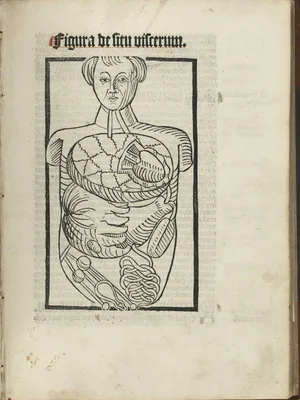
Includes the first illustrations of the viscera in a printed book. The four woodcuts are derived with modifications from Peyligk (No. 363.2). This work also contains the first mention ever of the word anthropology (in…
1510
#11034
La cyrogia di Miastro Bruno: Expertissimo in quella. Tradutta in vulgare.
Bruno da Longoburgo studied surgery in Bologna or possibly Padua, and practiced in the latter city, where he helped found the University of Padua. His Chirurgia magna, completed in 1252, antedates those of Lanfranch, …
1514
#5559.1
Practica in arte chirurgica copiosa… continens novem libros.
The first complete system of surgery after that of Guy de Chauliac. In 1503 Vigo became the personal surgeon to Pope Julius II. His Practica in arte chirurgia copiosa was completed in 1514 and first published in Latin…
c. 1520
#12772
Sesuyt le debat de l'home et de la femme; avec une ioyeuse medecie pour les dentz.
The last of the three poems in this collection may not be by Guillaume Alexis. It may be translated as "A joyful medicine for the teeth". Assuming that it was printed about 1520, it is the first printed text on dental…
1525
#12773
Opuscula nuper in lucem aedita quorum nomina proxima habentur pagella.
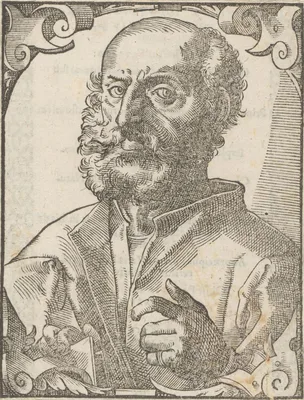
Thomaeus's commentary on Aristotle's Mechanica includes an explanation of the action of a dental forceps illustrated with two small woodcut illustrations on page XXXXI. This was the first printed dental illustration. …
1528
#149
Vier Bücher von menschlicher Proportion.
Written, designed, and illustrated by Dürer, this work is notable for its extraordinary series of anthropometrical woodcuts. The first two books deal with the proper proportions of the human form; the third changes th…
1528
#36
In principio singulorum librorum omnia indicantur, quae in eo libro continentur. [Title in Greek and Latin].
Paul of Aegiina was the most famous physician and surgeon in the Byzantine Empire during the seventh century, and probably thereafter. According to Eugene F. Rice, "Paulus Aegineta", Catalogus translationum et comment…
1530
#3667
Artzney Buchlein, wider allerlei Kranckeyten und Gebrachen der Tzeen: Getzogen auss dem Galeno, Auicenna, Mesue, Cornelio Celso vnd andern mehr der Artzney Doctorn seher nützlich zu lesen.
The first book on dentistry, probably intended for the general public. The unidentified writer confined himself to extracts from the works of ancient and recent writers on the subject. The woodcut on the title page wa…
1530
#12774
Lentretenement de vie, summairement compose par maistre Jehan Goeurot docteur en medicine... Contenant les remedes de medicine & cyrurgie, contre toutes maladies survenantes quotidiannement es corps humains. Lesquelles il a approuvees, & en ce petit livre inserees a la requeste de madame, pour la sante utilite & proffit de tout le monde...Item une régime singulier contre peste approuve sur plusieurs. Item une table pour plus facilement trouver le contenu dudict livre.
Concerns medical and surgical treatment of the diseases of the head, ears, eyes, chest, heart, liver, and intestines, and plague. Also includes treatments for tooth aches, bad breath, and how to whiten teeth. The Lyon…
1534
#12223
The castel of helth gathered and made by Syr Thomas Elyot knyghte, out of the chiefe authors of physyke, wherby euery manne may knowe the state of his owne body, the preseruatio[n] of helthe, and how to instructe welle his physytion in syckenes that he be not deceyued.
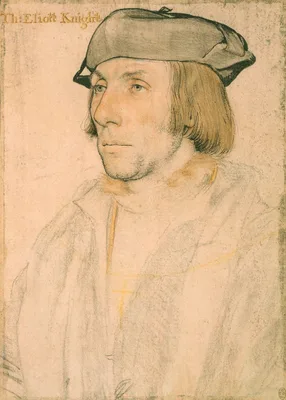
A few copies are dated 1534, but by internal evidence they cannot be dated before 1536. The next printing was in 1539. Digital text from Old English Books Online at this link.
1536
#46
Omnia opera Ysaac in hoc volumini contenta: cum quibusdam alijs opusculis: Liber de definitionibus. Liber de elementis. Liber dietaru[m] vniversalium: cum co[m]me[n]to Petri Hispani. Liber dietarum particularium ... Liber de vrinis cum commento eiusdem. Liber de febribus. Pantechni decem libri theorices: et decem practices: cum tractatu de gradibus medicinarum Constantini. Viaticum Ysaac quod constantinus sibi attribuit. Liber de oculis Constantini. Liber des stomacho Constantini. Liber virtutum de simplici medicina Constantini. Compendium megatechni Galeni a Constantino compositum ; Cum tabula [et] repertorio omnium operum et questionum in co[m]mentis contentarum. Edited by Andreas Turinus.
Constantine was a Muslim from North Africa who converted to Christianity. His writings were first published with those of Isaac Judaeus in the above edition which includes many separate texts. Many of the writings of …
1544
#1590
A new booke entyteled the regiment of lyfe.
Translation by John Phaer of a book by Jehan Goeurot published in 1530. Garrison states that it is a version of the Regimen Sanitatis.
1548
#3667.1
Nützlicher bericht wie man die Augen und das Gesicht wo das selbig magelhafft blöde dunckel oder befinstert. Scherpfen gesundt erhalten stercken und bekrefftigen soll…Mit weitterer unterrichtung. Wie man den Mundt die Zän und Biller…
This popular guide to health includes the first monograph on dentistry for the layman, encouraging the practice of oral hygiene and simple dental care. The first part of the book deals with the eyes, the second with t…
1555 –1556
#9773
Le benefice commun de tout le monde, ou commodité de vie d’vn chascun, pour la conseruation de santé: Remedes segretz tirées des plantes contre toutes maladies. 3 vols.
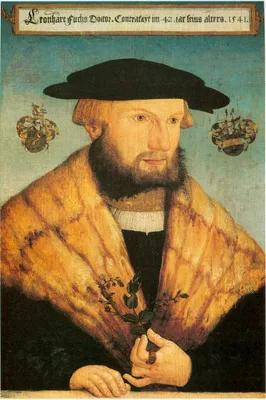
A vernacular guide for living a healthy life compiled from the writings of Fuchs. Includes herbal and dietary remedies, recipes for oils, pills and other preparations to treat maladies such as fever, plague and wounds.
1557
#3668.2
Coloquio breve y compendioso. Sobre la materia de la dentadura, y maravillosa obra de la boca, contiene muchos remedios y avisos necesarios y la orden de curar y aderezar los dientes.
The first Spanish book on dentistry.
1561
#1208
Observationes anatomicae.
Observationes anatomicae, a work of 232 leaves printed in the comparatively small octavo format, with no illustrations, was the only work Fallopio published before his death from tuberculosis at age thirty-nine, and i…
1561
#8987
De habitu et constitutione corporis, quam Greci χρασιν, triviales complexionem vocant, libri duo.
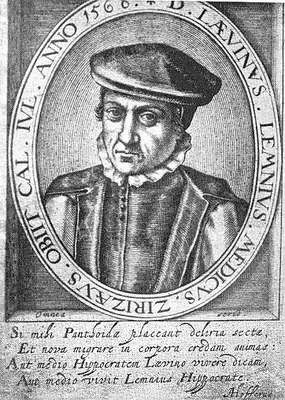
One of the earliest self-help medical guides, written by a pupil of Vesalius. Translated into English by Thomas Newton as The touchstone of complexions generallye appliable, expedient and profitable for all such, as b…
1563 –1564
#1093
Opuscula anatomica.
Eustachius is credited with several anatomical discoveries, among them the tensor tympani muscle and the Eustachian tube, published in his chapter entitled De auditus organis. In the last respect, however, he was anti…
1564
#3668.1
Dix livres de la chirurgie avec le magasin des instruments necessaires à icelle.
Paré’s first general treatise on surgery, and the most comprehensive of his treatises before his collected works (1575). Dix livres included Paré's first description of the use of the ligature in amputations, one of h…
1570
#12610
El Tratado breve y compendioso sobre la maravillosa obra de la boca y dentadura.
Martinez de Castrillo's second book on dentistry was based on richer clinical and therapeutic experience, and had a great influence in Spain for almost a century. It was partially copied or summarized by doctors, surg…
1575
#5565
Les oeuvres de M. Ambroise Paré.
Paré was the greatest of the army surgeons before Larrey. Born in poor circumstances, he became the most famous surgeon in France. He is particularly remembered for his abandonment of boiling oil and the cautery (No. …
1577
#7990
De arte medica infantium libri quatuor. Quorum duo Priores de tuenda eorum sanitate, posteriores de curandis morbis agunt.
An early illustrated work on pediatrics. The three parts of his book deal with the management of the nurse and her milk, the care and feeding of the new-born, and diseases of children, including skin diseases, and cha…
1582
#3668.3
Recherche de la vraye anathomie des dents, nature et propriété d’icelles.
The first French book on dentistry.
1586
#150
De humana physiognomonia libri IIII.
Della Porta preceded Lavater in attempting to estimate human character by the features. This is one of the first works on the ancient “science” of physiognomy to be extensively illustrated.
1590
#2244
Historia natural y moral de las Indias.
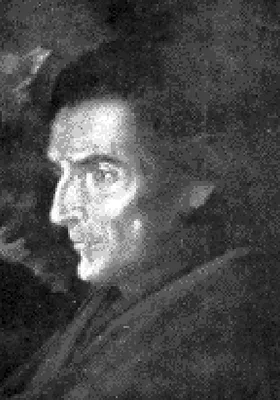
One of the earliest detailed and realistic descriptions of the New World. Acosta hypothesized that the indigenous peoples of Latin America had migrated from Asia. He also divided the native peoples into three barbaria…
1594
#3669
La chirurgie françoise recueillie des antiens médecins et chirurgiens.
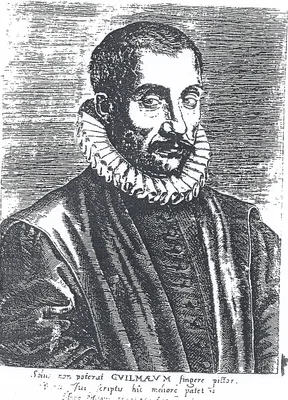
Guillemeau was Paré’s son-in-law. His splendidly illustrated work is of special importance for dentistry and for surgery for cleft lip. It describes pyorrhea alveolaris for the first time and is also the first work to…
1598
#10727
Discvrsos del amparo de los legitimos pobres.
A plan for a state-funded public health system and poor relief program. An emblem introduces each of the ten essays, which treat hospital sanitation and kitchen gardens, care of disabled veterans, prisoners and the in…
1603
#1541
In Galeni librum de ossibus.
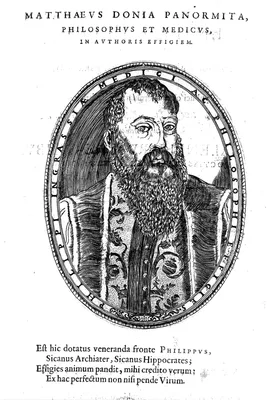
Ingrassia is by some accredited with the discovery of the stapes; he also observed the sound-conducting capacity of the teeth.
1622
#12529
La fleur des remèdes contre le mal des dents.
Digital facsimile of the second editiion "reveue corrigée & augmentée de nouveau" also printed in 1622 from BnF Gallica at this link. Translated into English by Jacques R. Fouré, edited by Milton B. Asbell as The flow…
1623
#10491
Historia vitae & mortis. Sive, titulus secundus in historia naturali & experimentali ad condendam philosophiam: Quae est instaurationis magnae pars tertia.
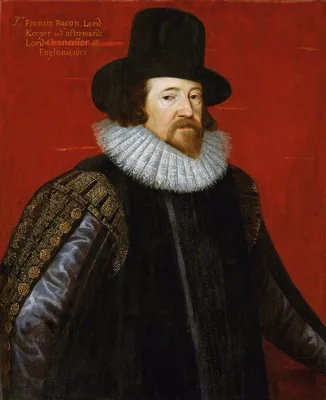
This was Bacon's direct contribution to medicine or medical philosophy, with natural and experimental observations on the prolongation of life. Translated into English as The History naturall And experimentall, of lif…
1632
#287
Thaumatographia naturalis, in decem classes distincta, in quibus admiranda 1 Coeli. 2 Elementorum. 3 Meteororum. 4 Fossilium. 5 Plantarum. 6 Avium. 7 Quadrupedum. 8 Exanguium. 9 Piscium. 10 Hominis.
A unillustrated pocket guide, issued in duodecimo format on "admiranda" or wonders of nature organized in ten categories (heaven, earth, and topics relating to meteors, fossils or minerals, plants, birds, quadrupeds, …
1632
#12780
Nuoua, et vtilissima prattica di tutto quello ch'al diligète barbiero s'appartiene: E particolarmente del cauar sangue ....
An extensively llustrated manual published specifically for barber surgeons, published in the vernacular, and instructing them in the art of bloodletting and phlebotomy, embalming dead bodies, curing headaches, and va…
1634
#12611
Opuscula medica senilia in quatuor libros tributa, quorum I. De dentibus. II. De rationali curandi ratione. III. De facultatibus medicamentorum, praecipud purgantium. IV. De morbo regio. Omnia nunc primum ex MS. Bibliotheca Romana in lucem data: ad singulare philiatrorum, omniumque sane philosophantium emolumentum, adiectis indicibus necessariis.
![CARDANO, Girolamo [Gerolamo; Hieronymus Cardanus] (1501 – 1576)](/media/portraits/7679)
1642
#6612.9
Religio medici.
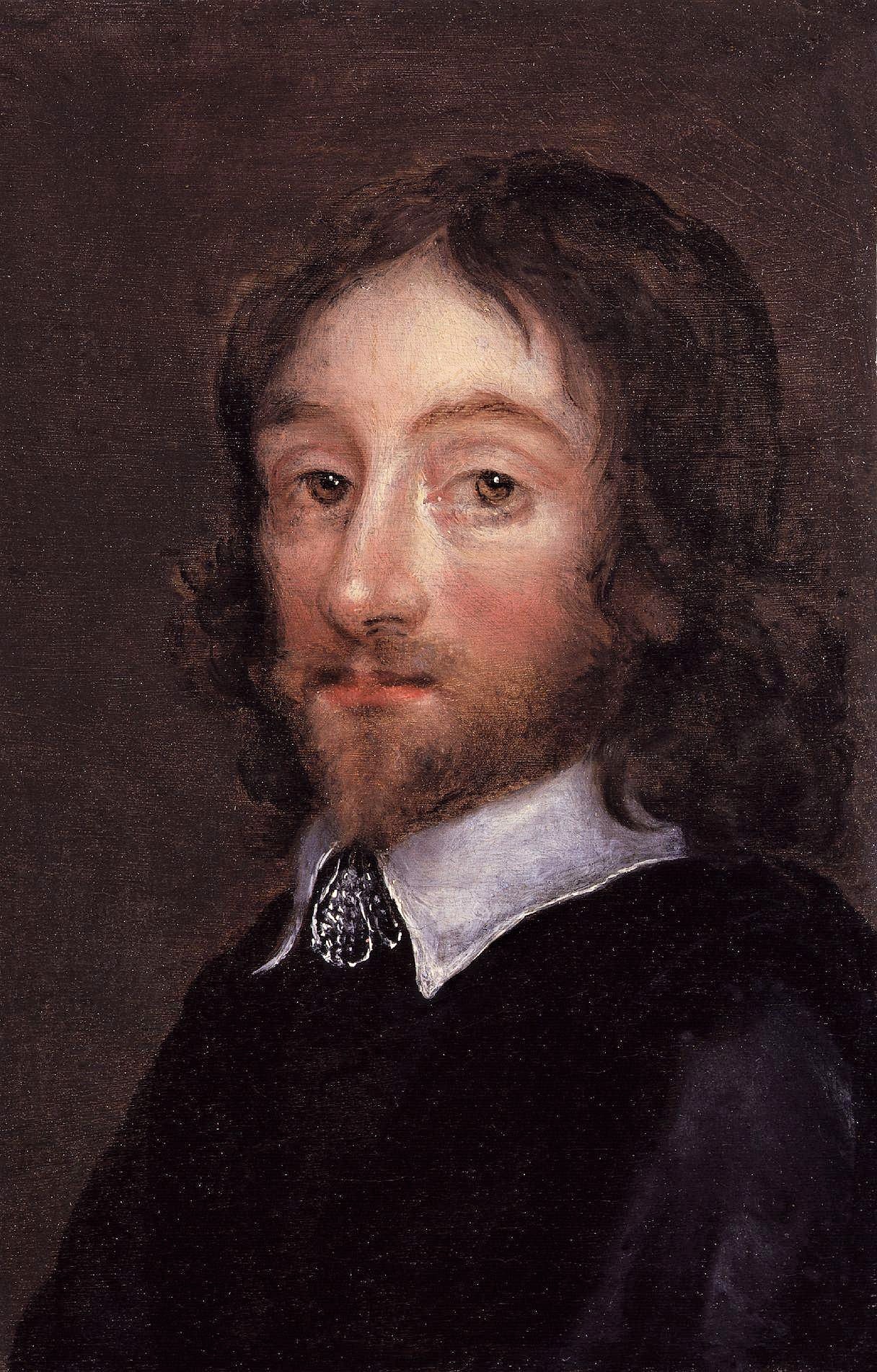
The most famous work of English literature written by a physician. Browne did not intend to have it published, but manuscripts of the work circulated privately. Two unauthorized and inaccurate editions were issued sur…
1642
#8956
La presence des absens; ou facile moyen de rendre présent au médecin l'estat d'un malade absent. Dressé par les docteurs en médecine consultans charitablement à Paris pour les pauvres malades.
Renaudot, physician, philanthropist and journalist, published this self-diagnostic handbook so that charity patients could communicate with their physicians by correspondence. Digital facsimile from biusante.paris.des…
1646
#10032
Pseudodoxia epidemica, or, enquiries into very many received tenents and commonly presumed truths.
In this widely read work of popular science that underwent six editions in Browne's lifetime Browne debunked numerous quack cures, etc. Full text from quod.lib.umich.edu at this link. Digital facsimile of the 4th edit…
1650
#10490
Anthropometamorphosis: Man transform’d, or the artificial changeling. Historically presented, in the mad and cruel gallantry, foolish bravery, ridiculous beauty, filthy fineness, and loathesome loveliness of most Nations, fashioning & altering their bodies from the mould intended by nature. With a vindication of the regular beauty and honesty of nature, and an appendix of the pedigree of the English gallant.
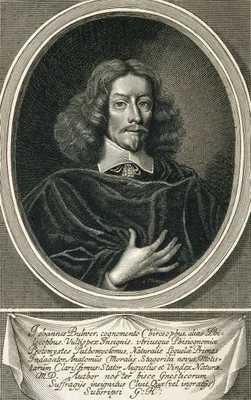
Extensively illustrated treatise on varieties of body modifications, real or imagined, includes details on hair styles, tatoos, piercing, including sexual aspects. Digital facsimile of the 1653 edition from the Intern…
1651
#382
Corporis humani disquisitio anatomica.
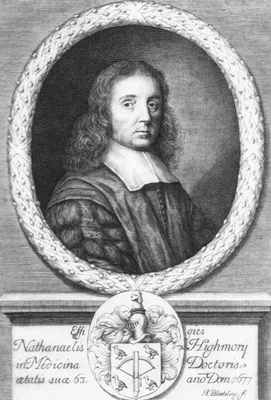
Highmore is remembered for his description of the maxillary sinus, known eponymically as the “antrum of Highmore” (already noticed by Casserius and figured by Leonardo da Vinci), the seminal ducts and the epididymis. …
1654
#151
Anthropometria.
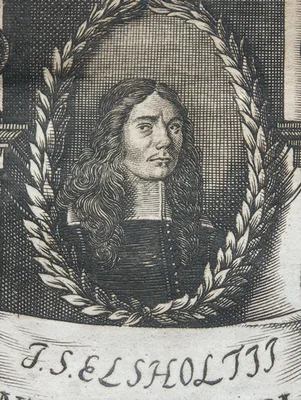
Elsholtz was the first physician to study anthropometry and human proportion.