
Facets
Browse across eight MeSH (opens in new tab) facets — era, geography, science, specialty, technology, history, culture, and reference. Select one tag per group; counts update across the others. What’s new in facet browse how facets relate to subjects and MeSH.
Clear filtersFacet filters
Geography
Specialties & Disease
- Anatomy & Pathology 765
- Cardiology & Blood 914
- Neurology & Psychiatry 1,258
- Obstetrics & Reproductive 551
- Infectious Disease (General) 147
- Surgery & Anesthesia 1,553
- Public Health 1,129
- Immunology & Dermatology 1,405
- General Clinical Medicine 487
- Military Medicine 436
- Psychology 202
- Alternative & Fringe Medicine 383
- Pediatrics 247
- Ophthalmology & Vision 412
- ENT & Hearing 293
- Urology & Nephrology 309
- Gastroenterology & Hepatology 316
- Pulmonary & Respiratory 233
- Rheumatology, Rehab & Pain 189
- Internal, Emergency & Geriatric 123
- Veterinary Medicine 165
- Epidemiology & Demography 397
- Physiology & Embryology 924
- Dentistry 259
- Plagues & Epidemics 1,279
- Microbiology & Virology 1,080
Social & Historical Studies
Institutions & Culture
Reference & Scholarly Works
924 entries match Physiology & Embryology [G07 / G02.149]
1476
#274
De animalibus. Translated by Theodorus Gaza. Edited by Ludovicus Podocarthus.
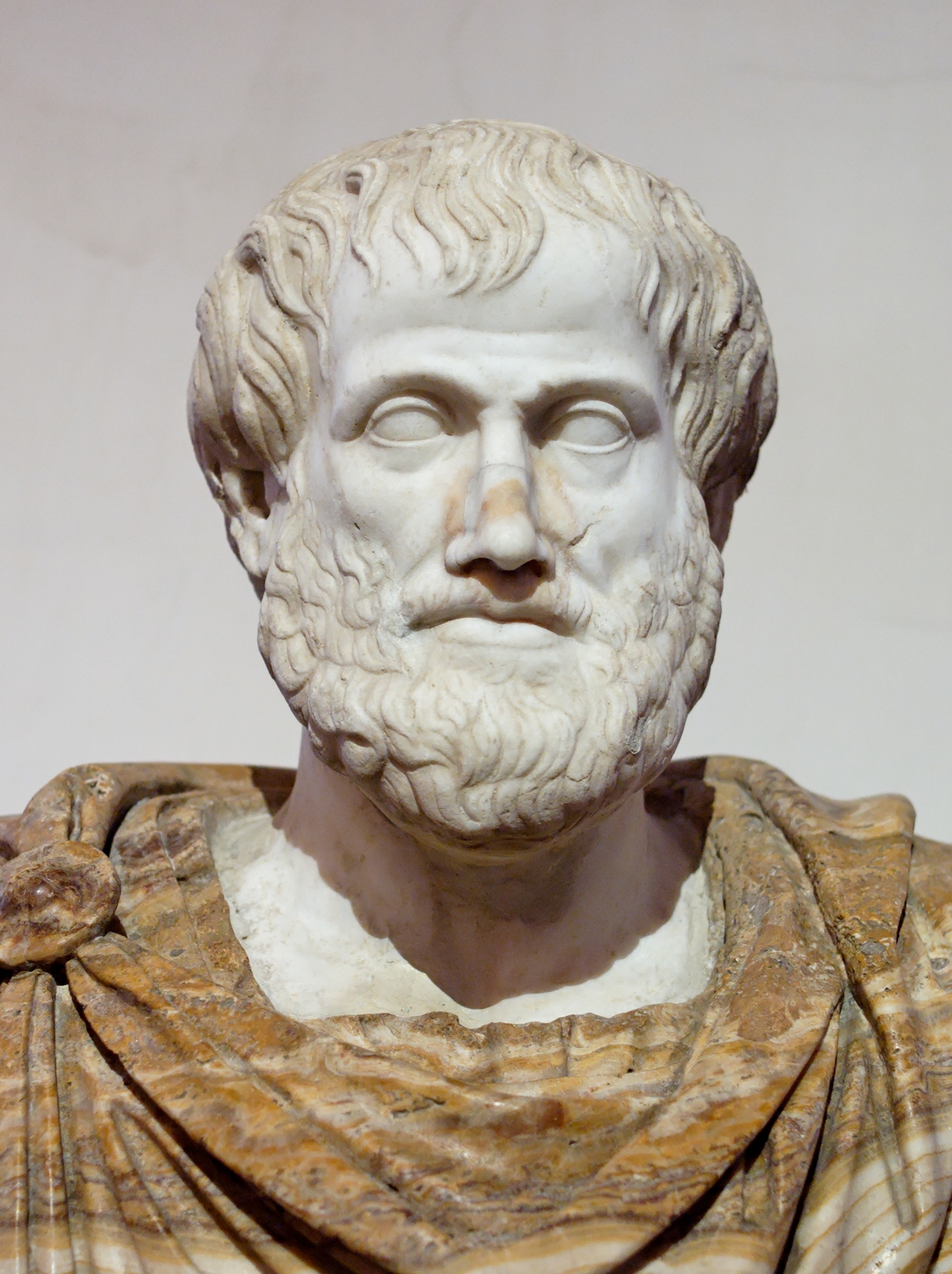
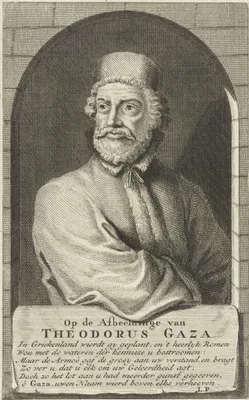
Includes Aristotle's De historia animalium, De partibus animalium, and De generatione animalium. Aristotle was the first scientist to gather empirical evidence about the biological world through observation. By his ca…
1477
#10725
Liber phsionomiae [and other works].
![SCOT, Michael [Michael Scotus] (1175 – 1232)](/media/portraits/12461)
"Composed between 1209 and 1226, the first of the two primary texts discusses human generation — anatomy, physiology, astrology, sexual behavior, conception and the health of the fetus. The second part, the Physiognom…
1512
#571
Divini Gregorii Nyssae episcopi qui fuit frater Basilii Magni libri octo. I. De homine. II. De anima. III. De elementis. IIII. De viribus animae. V. De voltario etinuoltario. VI. De fato. VII. De libero arbitrio. VIII. De prouidentia.
Nemesius’ De natura hominis, a physiological and psychological study of man, was highly esteemed during the Middle Ages. Nemesius, who wrote in the 4th century CE, was one of the first to propose that mental processes…
1533
#12591
De pulsuum scientia libellus utilis & necessarius. Theophili ... de exacta retrimentorum vesicae cognitione, commentariolus, Albano Torino interprete.
First separate, and perhaps the first complete printed edition of the Byzantine physician's De pulsibus, edited by Alban Thorer. This text, in the Galenic tradition "largely mediated through the pseudo-Galenic tract "…
1536
#10961
De medicamentis empiricis physicis ac rationalibus liber.... Edited by Janus Cornarius. Item Claudii Galeni libri novem nunc primum Latini facti.... Jani Cornarii.
![GALEN, [Κλαύδιος Γαληνός; Galen of Pergamon] (129 – 216)](/media/portraits/21)
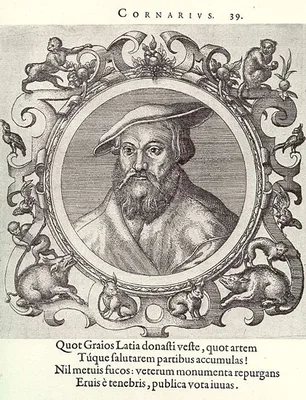
The Gallo-Roman physician Marcellus was born in Bordeaux. He may have served as magister officiorum under Theodosius I, or may have been royal physician. Sarton (Introduction to the history of science I, 391) consider…
1537
#7145
De corporis humani fabrica libri quinque a Junio Paulo Crasso Patavino in latinam orationem conversi. [Cum] Hippocratis praeterea Coi de purgatoriis medicamentis libellus perutilis, ac desideratus ab eodem Jun. Paulo Cras. Latinitate donatus.
![HIPPOCRATES, [Ἱπποκράτης; Hippocrates of Kos] (-460 – -370)](/media/portraits/50)
A Byzantine anatomical and physiological treatise almost entirely abridged from Galen's "De usu partium corporis humani," from which Theophilus now and then differed, and which he sometimes appears to have misundersto…
1542
#572
De naturali parte medicinae libri septem.
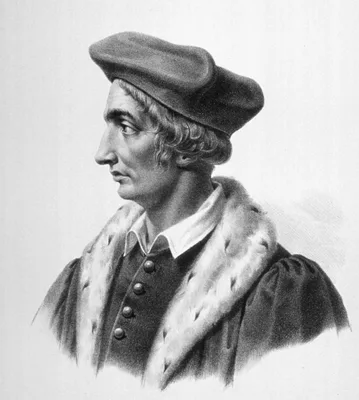
The earliest work devoted exclusively to physiology and the first to call the subject by that name. It was re-issued in 1554 as part of Fernel’s Medicina (No. 2271). Femel suggested that physicians should study the hu…
1551
#12945
Curationum medicinalium centuria prima, multiplici variaque rerum cognitione referta. Praexfixa est eiusdem auctoris commentatio, in qua docetur, quomodo se medicus habere debeat in introitu ad aegrotantem, simulque de crisi, & diebus decretoriis, in qui artem medicam exercent, & quotidie pro salute aegrotorum in collegium descendunt longe utilissima.
Lusitano has been credited with early recognition of the circulation of the blood. How much he might have understood the circulation remains in doubt; however, through dissections of the Azygos vein, he was the first …
1553
#754
Christianismi restitutio.
Contains (pp. 168-73) the first printed description of the lesser circulation. Because of the heretical nature of this book on the reform of Christianity, it was printed secretly and anonymously at Vienne, France. Cop…
1554
#2271
Medicina. 3 pts.
The first systematic treatise on pathology, which also introduced the names for the sciences of pathology and physiology. In the second part, entitled “Pathologia”, Fernel provided the first systematic essay on the su…
1557
#13203
Περὶ ἐνεργειῶν καὶ παθῶν τοῦ ψυχικοὺ πνεύματος καὶ τῆς κατ' αὐτὸ διαίτης. Actuarii de actionibus & affectibus spritus animalis, eusque victu, Libri II. Nunc primum in lucem prodeunt, Jac. Goupyli beneficio, qui nobis eorum exemplum dedit.
Editio princeps of this physiological and physiological work in two books. Digital facsimile from Google Books at this link. A Latin translation by Julius Alexandrinus was published in 1547.
1559
#378.1
De re anatomica libri xv.
Colombo was a pupil of Vesalius, and succeeded him in the chair of anatomy at Padua before proceeding to chairs first at Pisa and later at Rome. His book, published just after his death, rectified a number of anatomic…
1563 –1564
#1093
Opuscula anatomica.
Eustachius is credited with several anatomical discoveries, among them the tensor tympani muscle and the Eustachian tube, published in his chapter entitled De auditus organis. In the last respect, however, he was anti…
1564
#464
De humano foetu.
According to Charles Singer, Aranzi gave the first adequate printed account of the gravid uterus, and finally dispelled the idea of a human cotyledonous placenta. He gave by far the best description of fetal anatomy u…
1571
#755
Peripateticarum quaestionum libri quinque.
Cesalpino preceded Harvey in the discovery of the concept of the circulation, and Harvey must have known of his ideas, but Cesalpino’s idea of the circulation was not supported by convincing experimental work or quant…
1572 –1573
#1539
Externarum et internarum principalium humani corporis partium tabulae.
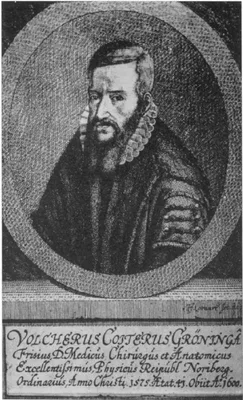
Coiter made several important contributions to the study of human anatomy, and was the first to elevate comparative anatomy to the rank of an independent branch of biology. His Externarum et internarum principalium hu…
1575
#4964
Examen de ingenios para las ciencias.
Huarte was a distinguished Spanish physician and psychologist. His Examen, which gained for him a European reputation, was the first attempt to show the connection between psychology and physiology. English translatio…
1575
#284
Lectiones Gabrielis Falloppi de partibus similaribus humani corporis, ex diversis exemplari eus a Volchero Coiter summa cum diligentia collecta. His accessere diversorum animalium sceletorum explicationes iconibus artificiosis, et genuinis illustratae.
Coiter, a pupil of Fallopius and Eustachius, became town physician of Nuremberg. His book on comparative osteology, contained in his edition of the lectures of Fallopius, extended his studies begun in his work of 1572…
1587
#7337
De humano foetu liber tertio editus, ac recognitus. Eiusdem anatomicarum observationum liber: ac De tumoribus secundum locos affectos liber nunc primum editi.
First edition of Aranzi's Anatomicarum observationum published with the third edition of De humano foetu. In the Anatomicarum observationum Aranzi pointed out that the eye muscles arise from the margin of the optic ca…
1587
#10660
De virtutibus et viciis cordis libri tres. Primus agit de virtutibus & functionibus cordis. Secundus de palpitatione cordis. Tertius de syncope.
The earliest separate treatise on cardiac physiology and pathology. Digital facsimile from Google Books at this link.
1590
#2244
Historia natural y moral de las Indias.
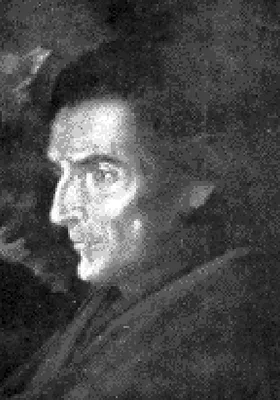
One of the earliest detailed and realistic descriptions of the New World. Acosta hypothesized that the indigenous peoples of Latin America had migrated from Asia. He also divided the native peoples into three barbaria…
1593
#756
Quaestionum peripateticum, libri V.
A greatly expanded second edition. The results of tying a vein and the centripetal flow in veins were first recorded in print by Cesalpino (lib. ii, Qu. xvii, p. 234). See the English translation, with commentary, of …
1597
#802
Opusculum physiologum & anatomicum in duos libellos distinctum: In quibus primùm, de integritatis & corruptionis virginum notis, deinde, de grauiditate & partu naturali mulierum in quo ossa pubis & ilium distrahi, dilucidè tractatur ....
In 1595 Pineau demonstrated the vestigial foramen ovale in the adult heart, settling the question of the perviousness of the septum of the heart. His work was first published in 1597. He published this study in a fran…
1603
#572.1
Methodi vitandorum errorum omnium, qui in arte medica…
First mention of Santorio’s pulse-clock (“pulsilogium”) and his scale. Through most of the 17th and 18th centuries Santorio’s name was linked with that of Harvey as the greatest figure in physiology and experimental m…
1603
#757
De venarum ostiolis.
Fabricius, teacher of Harvey at Padua, discovered the venous valves, and illustrated them in life-size copperplates in this monograph. He failed to recognize their true function, however, considering their function si…
1604
#465
De formato foetu.
Fabricius wrote at great length on embryology, inventing many theories, some of which were false. His illustrations marked a great advance on previous work. Fabricius recorded for the first time the dissection of seve…
1612
#572.2
Commentaria in artem medicinalem Galeni.
First printed mention of the air thermometer, an instrument that played a vital part in the creation of static medicine. This device was similar to Galileo’s open-air thermoscope, of which Santorio may have known, but…
1614
#573
Ars…de statica medicina aphorismorum sectionibus septem comprehensa.
This collection of aphorisms is the work by which Santorio’s ideas became widely known. Santorio used a beam balance to measure metabolism. See also nos. 572.1 & 572.2. For description of his experiments, see No. 2668…
1621
#466
De formatione ovi et pulli.
1625
#2668
Commentaria in primam fen primi libri canonis Avicennae.
The chief value of this work is in its cautious revelation of the principles of construction of various instruments that Santorio had invented, including a hygrometer, a pendulum for measuring pulse rate, a syringe fo…
1628
#759
Exercitatio anatomica de motu cordis et sanguinis in animalibus.
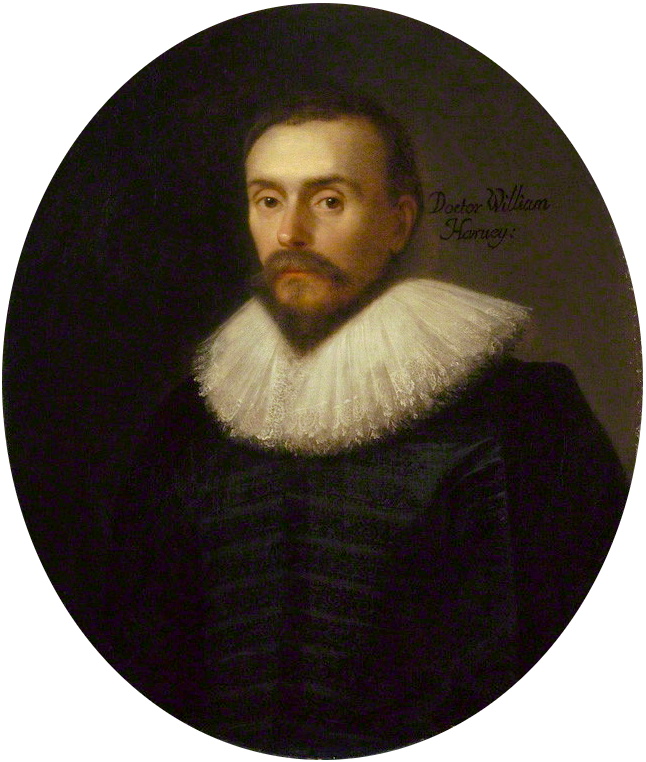
Discovery and experimental proof of the circulation of the blood. Together with Vesalius’s Fabrica (1543), Harvey’s De motu cordus shares the honor as the greatest book in the history of medicine. Since antiquity, ide…
1629 –1631
#11597
Integrum morborum mysterium, sive medicinæ catholicæ tomi primi tractatus secundus. [Pulsus seu nova et arcana pulsuum historia ... Hoc est, portionis tertiae pars tertia, de pulsuum scientia ... medicorum ... sive tomi primi tractatus secundi, sectio secunda, de morborum signis ... hoc est, divinatio per urinam.] In sectiones distributus duas : quorum ...
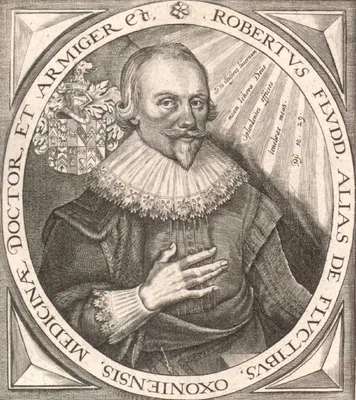
Fludd's Pulsus seu nova et arcana pulsuum historia contain's Fludd's chief medical writings. Dated 1629, but issued in this form, Fludd's Pulsus was the first published endorsement of Harvey's theory of the circulatio…
1638
#11647
De calculo renum & vesicae liber singularis. Cum epistolis & consultationibus magnorum virorum.
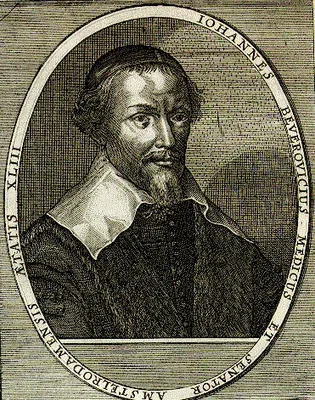
The first medical book to contain an endorsement of Harvey's theory of the circulation of the blood (originally published ten years earlier in 1628). Beverwijck began his work with a treatise on urinary and renal calc…
1644
#11581
Two treatises in the one of which the nature of bodies, in the other, the nature of mans soule is looked into in way of discovery of the immortality of reasonable soules.
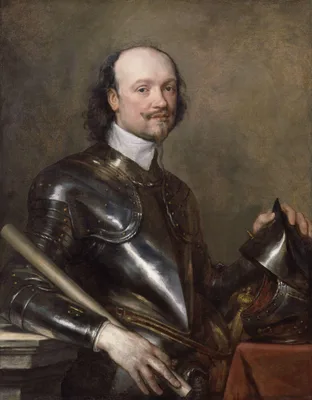
"Digby's Two Treatises was intended to prove the immortality of the rational soul and its distinction from the material body, a dualistic view shared by many of his contemporaries. the work is noteworthy on several co…
1645
#61.2
Opera quae extant omnia. Ex recension Joh. Antonidae vander Linden.
Spieghel succeeded Casseri in the chair of anatomy at Padua. This edition of his collected writings contains the second printing of the 97 copperplates first printed in Casseri’s Tabulae anatomicae (No. 381) plus 9 ex…
1648
#7230
Philocophus: or the deafe and dumbe mans friend.
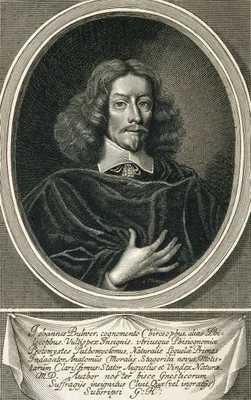
"Bulmer promoted what we would call today 'central nervous system plasticity,' in describing how one sense could take over the duties of another. This is well illustrated in the frontispiece of this work, which is the…
1648
#11609
Encheiridium anatomicum, et pathologicum, in quo naturali constitutione partium, recessus a naturali statu demonstatur.
In book III, chapter 8 Riolan discusses the heart and presents his views on the circulation of the blood. "Riolan's opinion of the blood movement seems to have arisen from his attempt to reconcile strict Galenic belie…
1649
#10658
Exercitatio anatomica de circulatione sanguinis.
In this work Harvey first described the circulation of blood through the coronary arteries. Harvey also described experiments that he made to provide further support to his theory of the circulation since the publicat…
1651
#467
Exercitationes de generatione animalium.
Harvey was among the first to disbelieve the erroneous doctrine of the “preformation” of the fetus; he maintained that the organism derives from the ovum by the gradual building up and aggregation of its parts. The ch…
1651
#467.1
The history of generation…
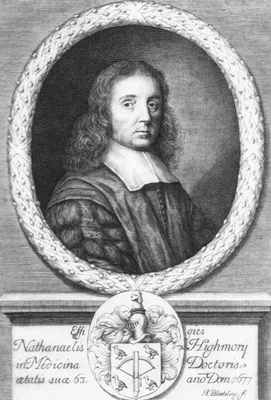
Highmore’s account of the development of the chick is the first embryological study based on microscopical examination, predating Malpighi (No. 468) by more than twenty years. This is also the first book in English to…
1660
#802.1
Opera omnia medica et chirurgica.
“Botallo’s duct”, the ductus arteriosus; “Botallo’s foramen”, the foramen ovale interauriculare; and “Botallo’s ligament”, the ligamentum arteriosum, are described in this work. However two of these traditional attrib…
1660
#914
New experiments physico-mechanical touching the spring of the air.
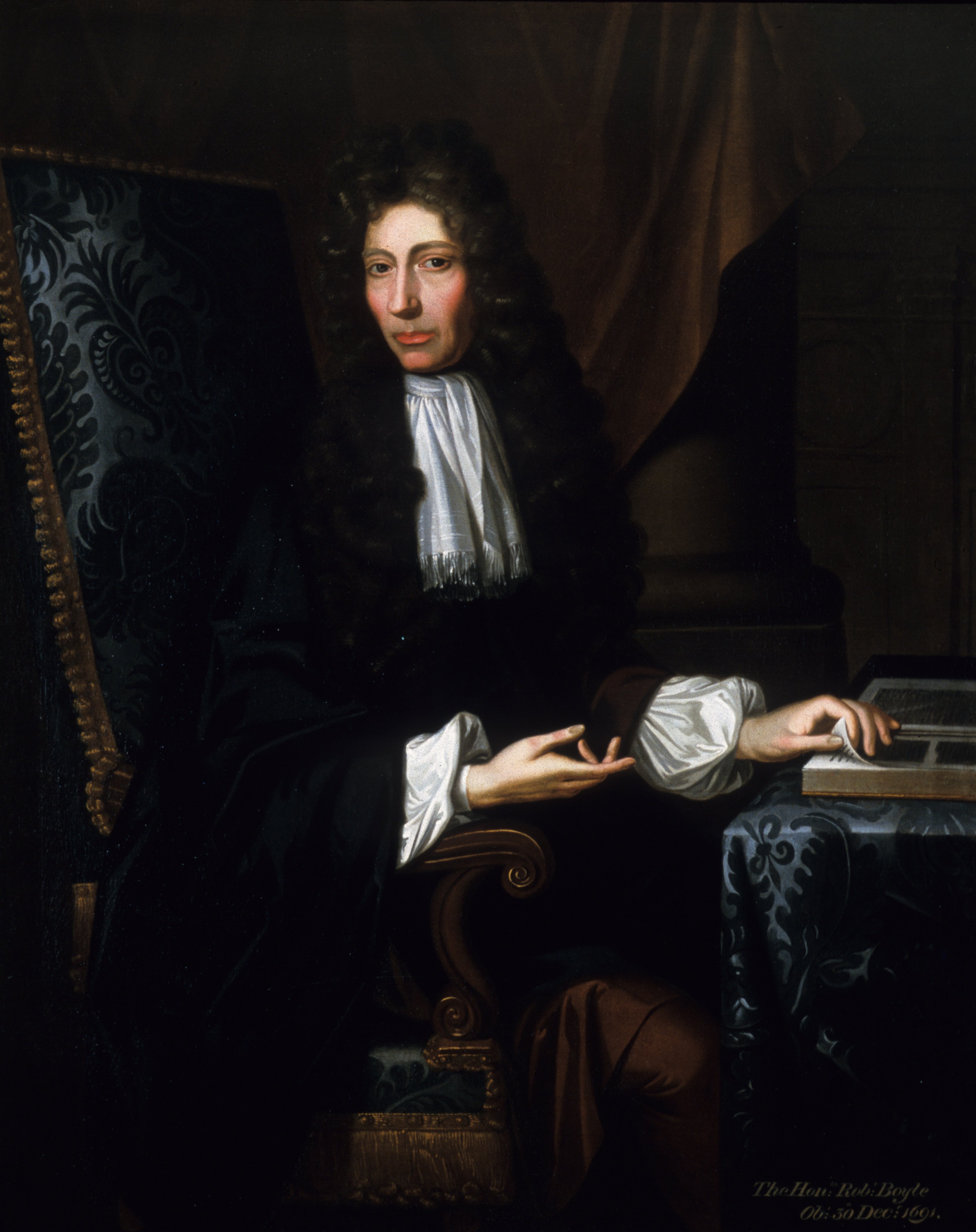
Boyle showed the effects of the elasticity, compressibility, and weight of air. He investigated the function of air in respiration, combustion, and conveyance of sound. Most significantly Boyle demonstrated that air i…
1660 –1662
#3245
Liber primus [-liber quintus et ultimus] de catarrhis. 6 vols.
Schneider put an end to the idea that nasal mucus originated in the pituitary. He demonstrated anatomically and clinically that the mucous membrane lining the nose (“Schneider’s membrane”) is the source of nasal disch…
1661
#760
De pulmonibus observations anatomicae.
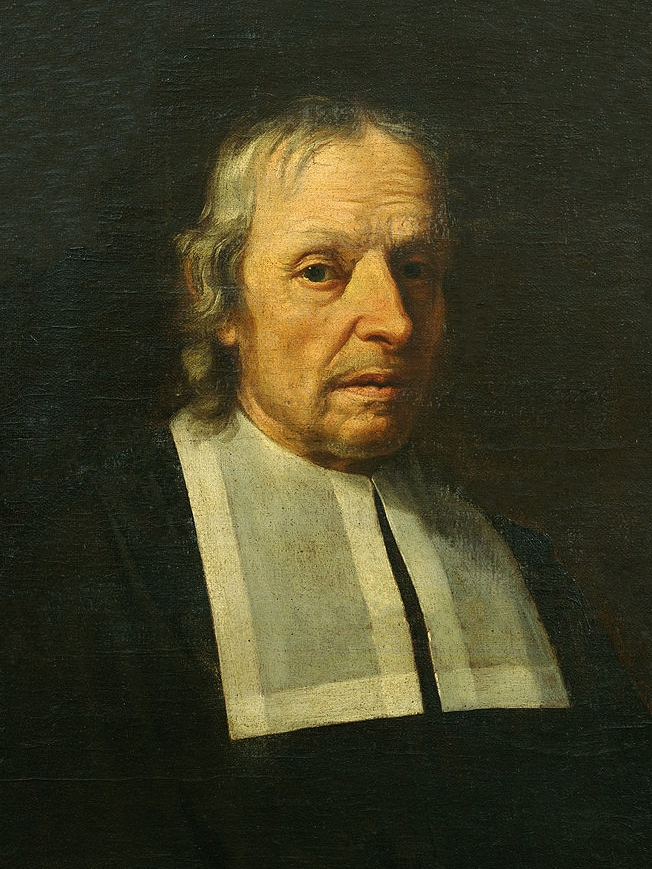
Discovery of the capillary circulation. Malpighi demonstrated that the pulmonary tissues are vesicular in nature and showed that the trachea ends in bronchial filaments. His De pulmonibus includes his demonstration of…
1662
#574
De homine figuris et latinitate donatus a Florentio Schuyl.
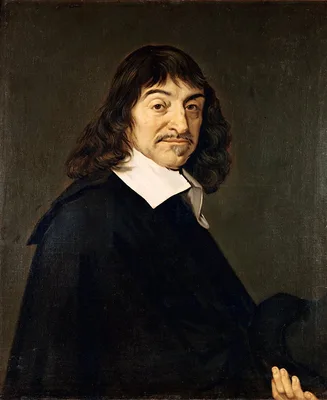
Descartes considered the human body a material machine, directed by a rational soul located in the pineal body. This book was the first attempt to cover the whole field of “animal physiology”. The work is really a phy…
1662
#666
A defence of the doctrine touching the spring and weight of the air.
Boyle’s law. The above pamphlet was appended to the second edition of Boyle’s The spring and weight of the air, 1662. The relevant passage is reproduced inj. F. Fulton’s Selected readings in the history of physiology,…
1664
#575
De ratione motus musculorum.
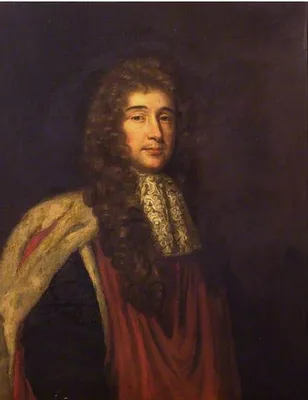
Croone accumulated a large fortune from his practice; with it his widow endowed the Croonian Lectures at the Royal College of Physicians, London. He believed muscular contraction to be brought about by the action of a…
1664
#576
De musculis et glandulis observationum specimen.
Stensen described the structure of muscles, the fibra motrix, confirming that contraction actually occurs in the muscle fibres, not in the tendon as Galen had thought. He attempted a geometrical description of muscle …
1664
#974
De succi pancreatici natura et usu exercitatio anatomico-medica.
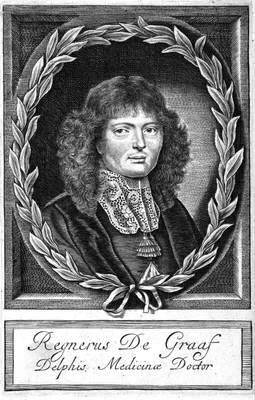
De Graaf was an early investigator of the pancreatic secretion. He collected the pancreatic juice of dogs by means of artificial pancreatic fistulae, commenting on the small quantity of juice secreted and on its alkal…
1667
#577
Elementorum myologiae specimen.
In this work Stensen, in collaboration with the mathematician Vincenzio Viviani (1622-1703), a pupil of Galileo, developed a geometrical description of muscular contraction, and attempted to show theoretically that mu…