
Facets
Browse across eight MeSH (opens in new tab) facets — era, geography, science, specialty, technology, history, culture, and reference. Select one tag per group; counts update across the others. What’s new in facet browse how facets relate to subjects and MeSH.
Clear filtersFacet filters
Geography
Specialties & Disease
- Anatomy & Pathology 18
- Cardiology & Blood 20
- Neurology & Psychiatry 8
- Obstetrics & Reproductive 0
- Infectious Disease (General) 0
- Surgery & Anesthesia 2
- Public Health 19
- Immunology & Dermatology 28
- General Clinical Medicine 8
- Military Medicine 4
- Psychology 0
- Alternative & Fringe Medicine 2
- Pediatrics 1
- Ophthalmology & Vision 5
- ENT & Hearing 1
- Urology & Nephrology 4
- Gastroenterology & Hepatology 10
- Pulmonary & Respiratory 19
- Rheumatology, Rehab & Pain 2
- Internal, Emergency & Geriatric 0
- Veterinary Medicine 0
- Epidemiology & Demography 0
- Physiology & Embryology 53
- Dentistry 1
- Plagues & Epidemics 14
- Microbiology & Virology 13
Social & Historical Studies
Institutions & Culture
Reference & Scholarly Works
411 entries match Chemistry & Biochemistry [K01.900.200]
1533
#12763
Kreutterbuch von allem Erdtgewächs. Anfenglich von Doctor Johan Cuba zusamen bracht/ Jietz widerum(m) new Corrigirt/ und auß den bestberümptsten Artzten/ auch täglicher erfarnuß/ gemehrt. Mit warer Abconterfeiung aller Kreuter. Distillirbuch Hieronymi Braunschwig/ von aller kreuter außgebren(n)ten Wassern/ hiemit füglich ingeleibt.
An illustrated and enhanced version of the Gart der Gesundheit (1485) and the Kleinen Destillierbuchs of Hieronymus Brunschwig (1500). Contents include animals, including imaginery animals, a bit of human anatomy, min…
1542
#572
De naturali parte medicinae libri septem.
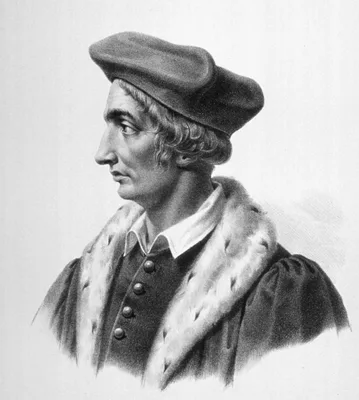
The earliest work devoted exclusively to physiology and the first to call the subject by that name. It was re-issued in 1554 as part of Fernel’s Medicina (No. 2271). Femel suggested that physicians should study the hu…
1562
#1818
De gradibus, de compositionibus, et dosibus receptorum ac naturalium libri septem.
Paracelsus has been called by some “the pioneer of modern chemists” and by others “uncouth, boorish, vain, ignorant and pretentious”. His De gradibus contains most of his innovations in Chemical therapeutics.
1563 –1564
#1093
Opuscula anatomica.
Eustachius is credited with several anatomical discoveries, among them the tensor tympani muscle and the Eustachian tube, published in his chapter entitled De auditus organis. In the last respect, however, he was anti…
1572
#10937
Opticae thesaurus: Alhazeni Arabis libri septem, nunc primum editi; Eiusdem liber De Crepusculis et nubium ascensionibus. Edited by Friedrich Risner.
The Arab mathematician, astronomer, and physicist of the Islamic Golden Age Alhazen made significant contributions to the principles of optics and the theory of visual perception in his Opticae thesaurus. Risner's edi…
1590
#2244
Historia natural y moral de las Indias.
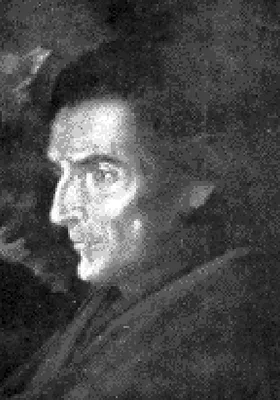
One of the earliest detailed and realistic descriptions of the New World. Acosta hypothesized that the indigenous peoples of Latin America had migrated from Asia. He also divided the native peoples into three barbaria…
1613
#13260
Opticorum libri sex philosophis juxta ac mathematicis utiles.
This work, beautifully printed by the Plantin-Moretus Press, includes an engraved title page and illustrations heading each chapter by Peter Paul Rubens. It contains one of the first studies of binocular vision. Digit…
1627
#1094
De lactibus sive lacteis venis.
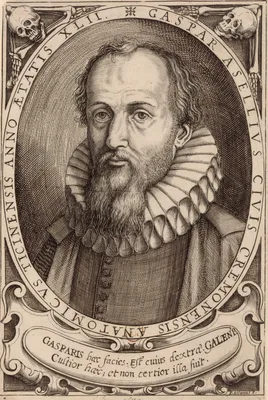
Records the discovery of the lacteal vessels. While performing vivisection on a dog that had recently fed, Aselli noticed a network of vessels in the mesentery and along the peritoneal surface of the intestine. The ve…
1644
#11858
Theatro d’Arcani del medico Lodovico Locatelli da Bergamo; nel quale si tratta dell’arte chimica, et suoi arcani, con gli afforismi d’Ippocrate commentati da Paracelso, et l’espositione d’alcune cifre, et caratteri oscuri de filosofi.
‘It is apparent that by the 1640’s Paracelsian medicine had gained momentum in Italy and that iatrochemical theories were being adopted by a number of Italian physicians. […] In 1644 there appeared the first Italian t…
1648
#665
Ortus medicinae.
Helmont was one of the founders of biochemistry. He was the first to realize the physiological importance of ferments and gases, and indeed invented the word “gas”. He introduced the gravimetric idea in the analysis o…
1651
#1095
Experimenta nova anatomica, quibus incognitum chyli receptaculum, et ab eo per thoracem in ramos usque subclavis vasa lactea deteguntur.
Pecquet discovered the thoracic duct in dogs and its relation to the lacteals. Using a dog that was digesting, he described the thoracic duct, its entry into the subclavian veins, and the receptaculum chyli or chyle r…
1652
#1096
De lacteis thoracicis in homine brutisque.
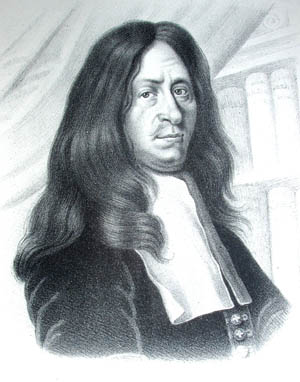
Contains Bartholin’s discovery of the thoracic duct. English translation, 1653.
1653
#1097
Vasa lymphatica.
Bartholin disputed the claim of Rudbeck as to priority in the discovery of the intestinal lymphatics. Although anticipated in this by Rudbeck, there is no doubt that Bartholinus was the first to appreciate the signifi…
1653
#1098
Nova exercitatio anatomica, exhibens ductus hepaticos aquosos, et vasa glandularum serosa.
Rudbeck claimed to have discovered the intestinal lymphatics and their connexion with the thoracic duct in 1651, a claim disputed as to priority by Bartholin (Nos. 1096-97). This book was reproduced in facsimile in 19…
1654
#1098.1
Anatomia hepatis … subjiciuntur nonnulla de lymphae-ductibus nuper repertis.
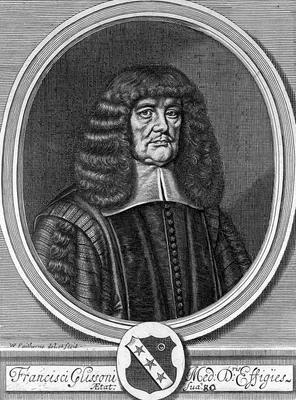
Independently of Bartholin and Rudbeck, George Joyliffe (1621-58) observed the lymphatics. He communicated his discovery to Glisson early in 1652 and the latter included an account in the above work (Cap. xxxi). See N…
1654
#12810
Bibliotheca chimica. Seu catalogus liborum philosophicorum hermeticorum. In quo quatuor millia ciciter, authorem chimicorum vel de transmutatione metallorum, re minerali & arcanis, tam manuscriptorum, quam in lucem editorum, cum eorum editionibus, usque ad annum 1653 continentur.
The first independent bibliography of chemistry and alchemy, citing 4000 books and manuscripts, including authors or titles now lost or obtainable today only with great difficulty. Digital facsimile from Google Books …
1660
#914
New experiments physico-mechanical touching the spring of the air.
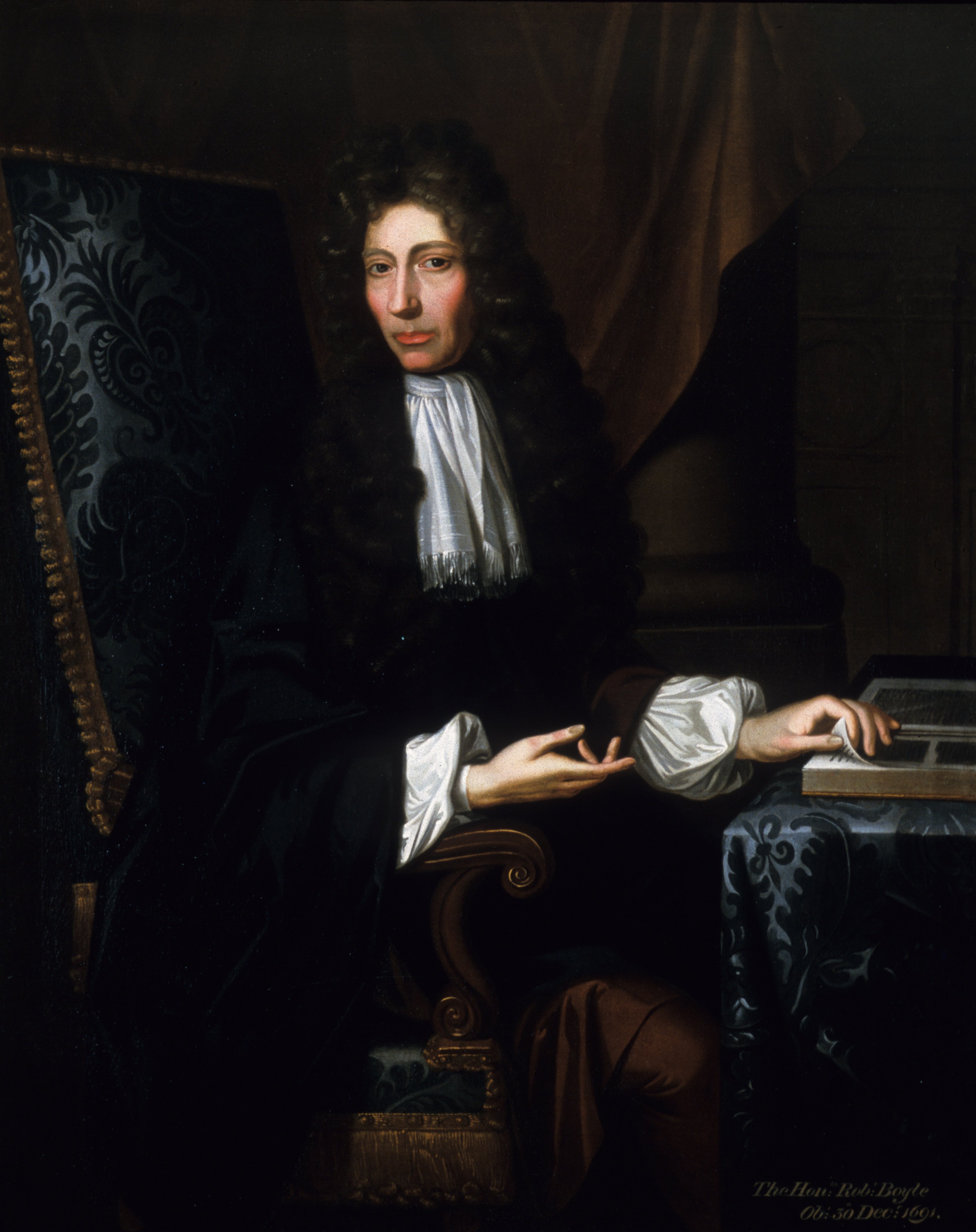
Boyle showed the effects of the elasticity, compressibility, and weight of air. He investigated the function of air in respiration, combustion, and conveyance of sound. Most significantly Boyle demonstrated that air i…
1661
#665.1
Certain physiological essays.
In this prelude to Boyle’s Sceptical chymist Boyle describes his corpuscular view of digestion, “giving recognition to the existence of the agents now designated the ‘enzymes’ ” (Fulton, Bibliography of Robert Boyle […
1662
#666
A defence of the doctrine touching the spring and weight of the air.
Boyle’s law. The above pamphlet was appended to the second edition of Boyle’s The spring and weight of the air, 1662. The relevant passage is reproduced inj. F. Fulton’s Selected readings in the history of physiology,…
1665
#1099
Dilucidatio valvularum in vasis lymphaticis et lacteis.
First description of the valves of the lymphatics, discovered by Ruysch. Facsimile reprint, Niewkoop, De Graaf, 1964.
1666
#6822
La chymie charitable et facile, en faveur des dames.
A book on practical chemistry, pharmacology and medicine written for the common reader by French autodidact Marie Meurdrac, La chymie charitable et facile, en faveur des dames, was the first treatise on chemistry writ…
1673
#12972
Nova medicina spirituum: Curiosa scientia & doctrina, unanimiter hucusque neglecta, & à nemine meritò exculta, medicis tamen & physicis utilissima. In quâ Primo Spirituum naturalis constitutio, vita, sanitas temperamenta, ingenia, calidum innatum, phantasiae vires, ideae, astrorum influentiae, μετεμψύχωσις, rerum magnetissimi, sympatiae & antipatiae, qualitates hactenus occultae, aliaq; caeteroquin abstrusa & paradoxa; Dehinc spirituum praeternaturalis seu morbosa Dispositio, causae, curationes per naturam, per diaetam, per arcana majora, palingenesiam, magnetissimum seu sympatheismum, transplantationes, amuleta, ingenuè & dilucidè demonstrantur.
”A very curious work, attributing the causes of many diseases to spirits and basing their cure on this theory. There is a great deal on insanity. The methods of treatment are partly chemical, partly magnetical, even s…
1675
#8451
A catalogue of chymicall books. In three parts. In the first and second parts are contained such chymical books as have been written originally, or translated into English: with a large account of their titles, several editions and volumes. Likewise in the third part is contained a collection of such things published in the Philosophical transactions of the Royal Society (for ten years together) as pertain to Chymistry, or the study of nature by art in the animal, vegetal, and mineral kingdoms. Collected by Will. Cooper, bookseller, at the pelican in Little-Britain, London.
The first bibliography of chemistry published in England. ESTC No. 00608591. ESTC Citation No. R20346. See William Cooper's A catalogue of chymical books, 1673-88: A verified edition by Stanford J. Linden (New York: G…
1677
#1100
Exercitatio anatomico-medica de glandulis intestinorum, earumque usu et affectionibus.
Independently of Bartholin and Rudbeck, George Joyliffe (1621-58) observed the lymphatics. He communicated his discovery to Glisson early in 1652 and the latter included an account in the above work (Cap. xxxi). See N…
1680
#3761
Esperienze del Dottor Giuseppe Zambeccari intorno a diverse viscere tagliate a diversi animali viventi.
Proof that the spleen is not essential to life. For a translation and notes on the book, see Bull. Hist. Med., 1941, 9, 144-76, 311-31 (S. Jarcho).
1683
#4162
De urinis et pulsibus de missione sanguinis de febribus de morbis capitis, et pectoris.
Bellini began to develop his hydraulic iatromechanics in this work, in which he considered the blood as a physical fluid with simple mechanical and mathematicizable properties. He realized the value of the urine as an…
1684
#861
Memoirs for the natural history of humane blood, especially the spirit of that liquor.
The first analysis of blood, Boyle’s Memoirs may be considered the first scientific study in physiological chemistry, exhibiting methods which have become universally adopted. This is Boyle’s most important medical work.
1685
#1101
De ductu salivali novo, saliva, ductibus oculorum aquosis, et humore oculi aqueo.
Nuck’s name has been attached to the glands and duct described by him.
1702
#11175
Bibliotheca chemica curiosa, seu rerum ad alchemiam pertinentium thesaurus instructissimus; quo non tantum artis auriferae, ac scriptorum in ea nobiliorum historia traditur; Lapidis veritas argumentis & experimentis innumeris. 2 vols.
A library of chemical and alchemical works, including various alchemical works (some illustrated) that were already rare by Manget's time. Digital facsimile from the Internet Archive at this link.
1719
#1380.1
Cerebri examen chemicum, ex eodemqve phosphorum singularem omnia inflammabilia accendentem dissertatione academica.
First account of the chemical composition of the brain. Hensing discovered the presence of phosphorus. Annotated English translation with biography and historical analysis, by D.B. Tower. New York, Raven Press, [1983].
1732
#666.1
Elementa chemiae. 2 vols.
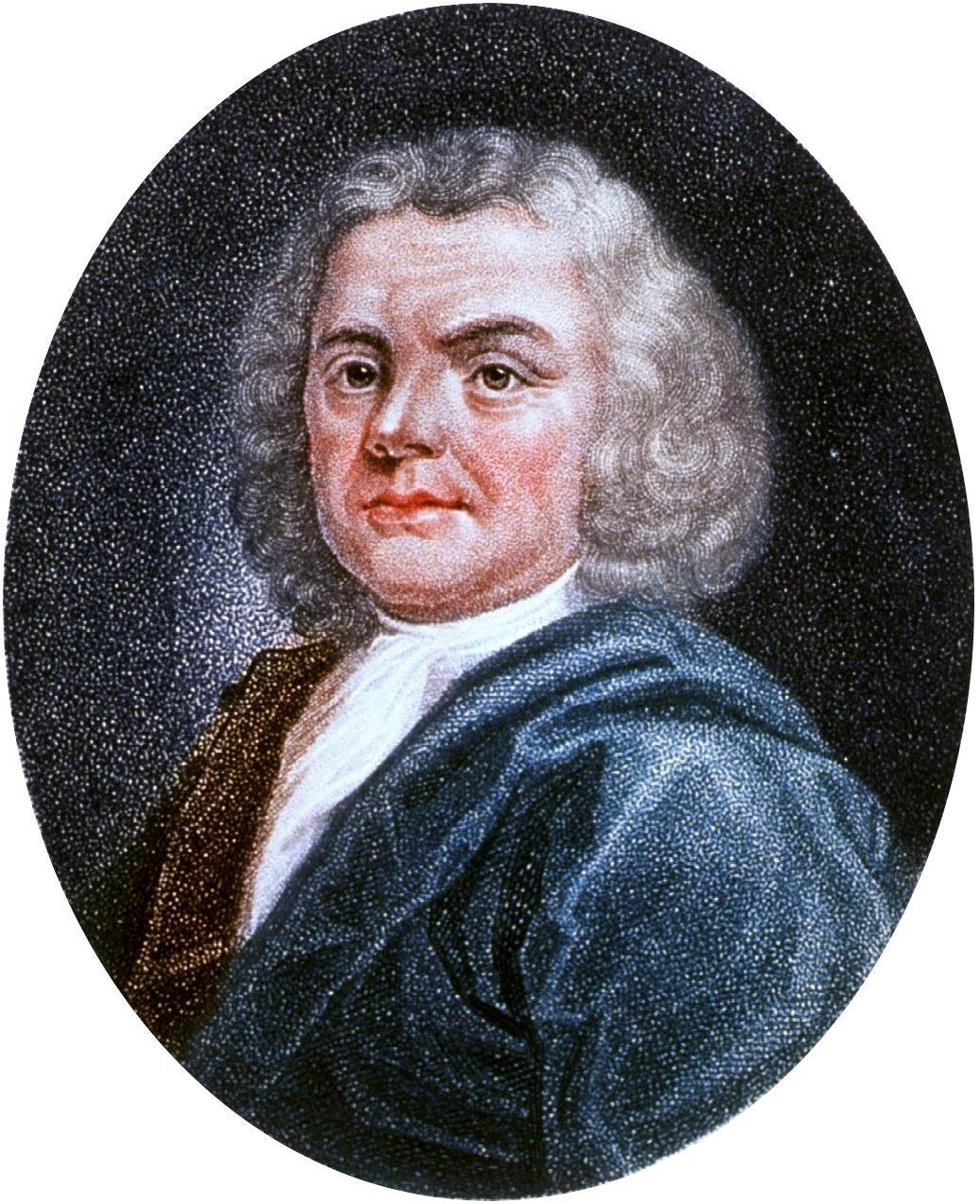
Boerhaave was the first to separate out urea from urine, and to do so without adding chemical substances such as alcohol or nitric acid. He first published his method for isolating it in the above work. English transl…
1754
#919
Dissertatio medica inauguralis de humore acido a cibis orto, et magnesia alba.
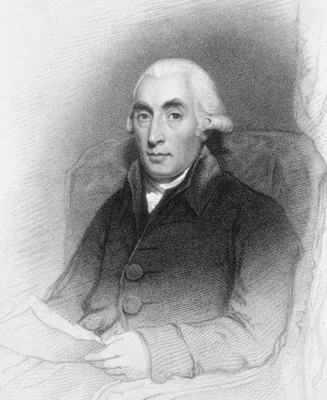
Isolation of carbon dioxide. English translation, Minneapolis, 1973.
1770
#9204
Syllabus of a course of lectures on chemistry.
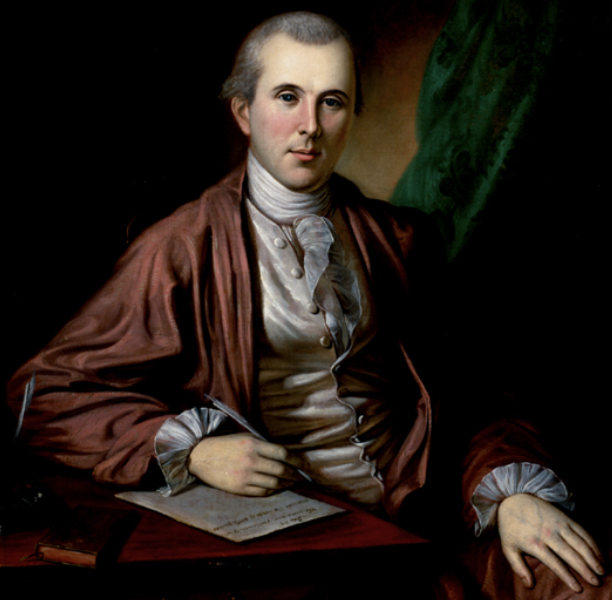
Rush inaugurated the first regular course of lectures on chemistry taught in America, at the College of Philadelphia. Includes much on pharmaceutical chemistry. Facsimile reprint with an introduction by L. H. Butterfi…
1772
#920
Observations on the different kinds of air.
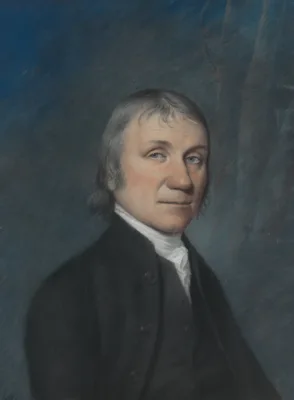
The isolation of oxygen was first achieved by Priestley. He also demonstrated that plants immersed in water give off oxygen and that this gas is essential for animal life.
1772
#921
De aëre fixo dicto, aut mephitico.
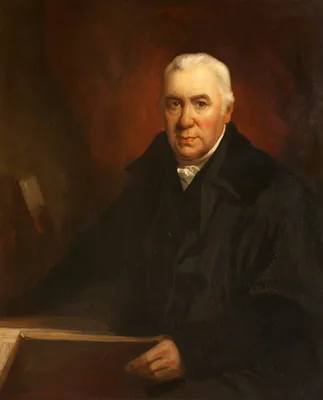
Discovery of nitrogen.
1773
#667
Observations sur l’urine humaine.
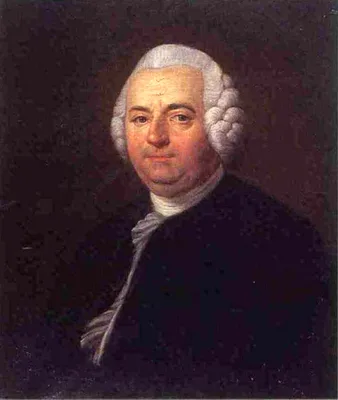
Discovery of urea, independently of Boerhaave. Rouelle isolated urea as the alcohol-soluble substance from urine. He was the first to present proof of the high nitrogen content of urea.
1774
#1102
Experimental inquiries: Part the second. Containing a description of the lymphatic system in the human subject and in other animals. Together with observations on the lymph, and the changes which it undergoes in some diseases.
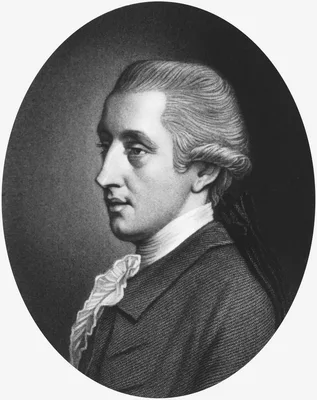
Hewson gave the first complete account of the anatomical peculiarities of the lymphatics. He divided the lymphatics into two groups – superficial and deep. He described the leucocytes as derived from the lymphatic gla…
1776
#668
Undersökning om blasestenen.
Discovery of uric acid. English translation in his Chemical Essays, London, 1786.
1778
#922
Mémoire sur la nature du principe qui se combine avec les métaux pendantleur calcination, et qui en augmente le poids.
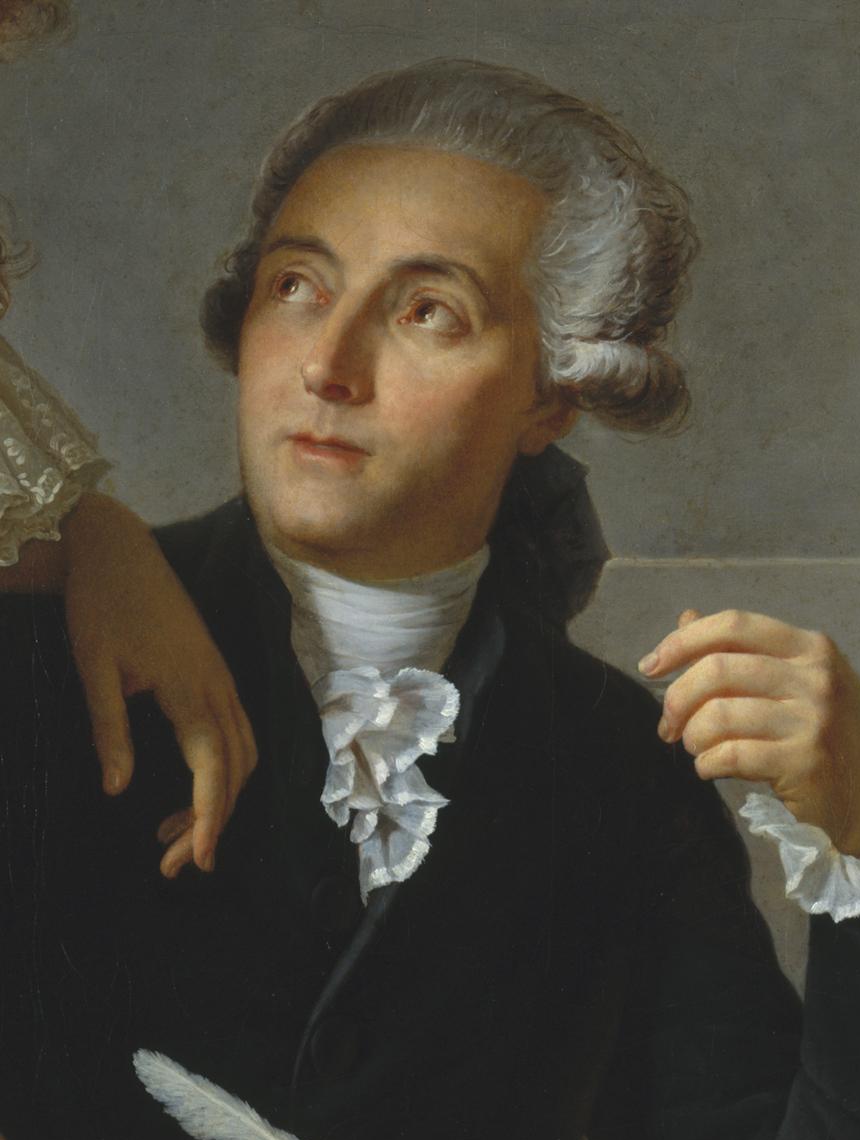
Although Priestley isolated oxygen, it was Lavoisier who discovered its real significance. He showed the true nature of the interchange of gases in the lungs and exploded Stahl’s phlogiston theory. Lavoisier was guill…
1779
#591
Experiments and observations on animal heat.
Earliest experiments upon animal calorimetry.
1784
#925
Experiments on air.
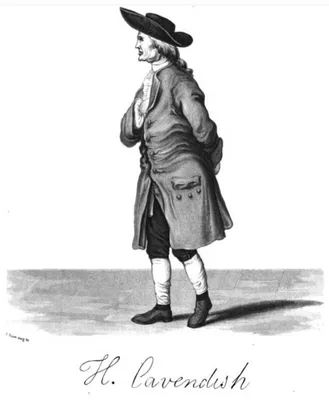
Cavendish isolated hydrogen in 1766, and later demonstrated the composition of air.
1784
#592
Mémoire sur la chaleur.
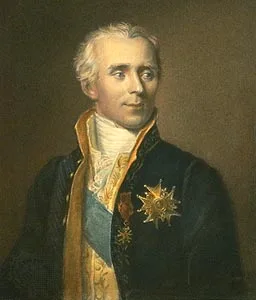
These workers invented an ice calorimeter, with it measured the respiratory quotient of a pig, and demonstrated the analogy between respiration and combustion.
1784
#923
Mémoire sur la formation de l’acide, nommé air fixe ou acide crayeux, et que je désignerai désormais sous le nom d’acid du charbon.
1784
#13467
A treatise on the glandular disease of Barbadoes: Proving it to be seated in the lymphatic system.
Digital facsimile from Google Books at this link.
1785
#924
Mémoire sur l’affinité du principe oxygine avec les différentes substances auxquelles il est susceptible de s’unir.
1786
#1103
The anatomy of the absorbing vessels of the human body.
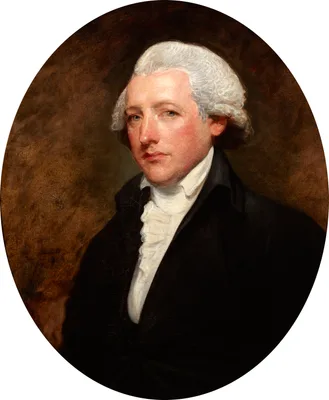
With Hunter and Hewson, Cruikshank laid the foundation of modern knowledge concerning the lymphatics. He was Dr. Johnson’s physician and William Hunter’s assistant.
1787
#1104
Vasorum lymphaticorum corporis humani historia et ichnographia.
Mascagni, Professor of Anatomy at Siena, made several discoveries regarding the lymphatics. His beautiful atlas contained 41 engravings of the lymphatics and gained him lasting fame. He had previously published a Prod…
1791
#926
Mémoire sur la combinaison de l’oxigéne avec le carbone et l’hydrogéne du sang, sur la dissolution de l’oxigéne dans le sang, et sur la maniére dont le calorique se dégage.
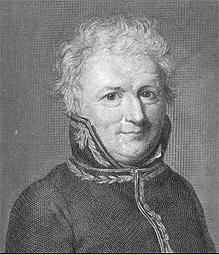
Hassenfratz, a pupil of Lagrange, maintained that the oxidation of carbon and hydrogen took place in the blood, and not in the lungs as taught by others.
1793
#594
Premier mémoire sur la respiration des animaux.
Séguin and Lavoisier measured the metabolism of a man (Séguin himself). They made three observations of fundamental importance in this respect; that the intensity of oxidation in man is dependent upon (1) food, (2) en…
1793
#1386.1
Examen chimique du cerveau de plusieurs animaux.
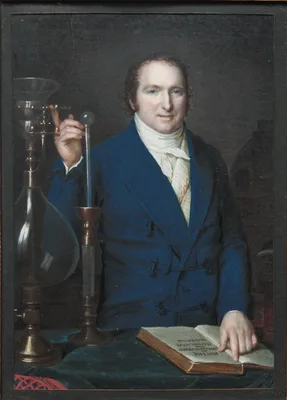
Fourcroy, French physician and chemist, made important researches on the chemistry of the brain. He noted albumen (protein) as a principal constituent.