
Facets
Browse across eight MeSH (opens in new tab) facets — era, geography, science, specialty, technology, history, culture, and reference. Select one tag per group; counts update across the others. What’s new in facet browse how facets relate to subjects and MeSH.
Clear filtersFacet filters
Geography
Specialties & Disease
- Anatomy & Pathology 765
- Cardiology & Blood 914
- Neurology & Psychiatry 1,258
- Obstetrics & Reproductive 551
- Infectious Disease (General) 147
- Surgery & Anesthesia 1,553
- Public Health 1,129
- Immunology & Dermatology 1,405
- General Clinical Medicine 487
- Military Medicine 436
- Psychology 202
- Alternative & Fringe Medicine 383
- Pediatrics 247
- Ophthalmology & Vision 412
- ENT & Hearing 293
- Urology & Nephrology 309
- Gastroenterology & Hepatology 316
- Pulmonary & Respiratory 233
- Rheumatology, Rehab & Pain 189
- Internal, Emergency & Geriatric 123
- Veterinary Medicine 165
- Epidemiology & Demography 397
- Physiology & Embryology 924
- Dentistry 259
- Plagues & Epidemics 1,279
- Microbiology & Virology 1,080
Social & Historical Studies
Institutions & Culture
Reference & Scholarly Works
412 entries match Ophthalmology & Vision [C11]
1474
#5816
De oculis eorumque egritudinibus et curis.
The earliest printed book on ophthalmology. Grassi was the most celebrated ophthalmic surgeon of the Middle Ages. English translation by Casey A. Wood, 1929. ISTC No. ig00352000.
1500 –1501
#3666.82
Chirurgia cum formis instrumentorum (Tr: Gerardus Cremonensis). IN: Guy de Chauliac: Chirurgia parva. Add: Albulcasis: Chirurgia cum formis instrumentorum. Jesus filius Hali: De oculis (Tr: Dominicus Marrochinus). Canamusali de Baldach: De oculis.
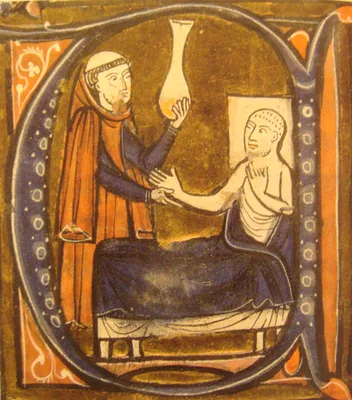
The surgical section of Albucasis’s Altasrif, the first rational, complete and illustrated treatise on surgery and surgical instruments. The author was an Arab Muslim physician and surgeon who lived in Al-Andalus. Dur…
1534
#33
Bιβλίων ὶαтριкω̂ν тομος ά. Librorum medicinalium tomus primus, primi scilicet libri octo nunc primum in lucem editi.
First printed edition in the original Greek of the first half of the Tetrabiblion, issued in Venice by the heirs of Aldus Manutius. In the Tetrabiblion Aetius collected together works of other men which might have bee…
1538
#6932
Ein newes hochnutzlichs Büchlin von erkantnus der Kranckheyten der Augen....
The first separate publication on diseases of the eye after Grassi (1474). This very rare anonymous work was intended, according to its title, to provide highly useful knowledge of the anatomy of the eye, and eye dise…
1539
#6933
Alle Kranckheyt der Augen ... allen augen artzten hochnöttig zuwissen ....
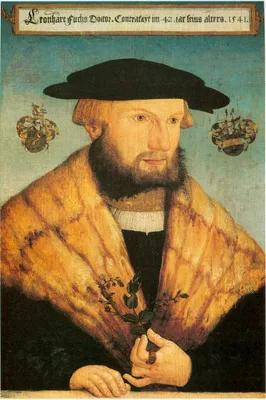
The first work on ophthalmology after Grassi (1474) written by a known physician. At the end of the anonymous Büchlin issued by the same publisher in 1538 (No. 6932) the writer promises a bigger and better work on eye…
1548
#3667.1
Nützlicher bericht wie man die Augen und das Gesicht wo das selbig magelhafft blöde dunckel oder befinstert. Scherpfen gesundt erhalten stercken und bekrefftigen soll…Mit weitterer unterrichtung. Wie man den Mundt die Zän und Biller…
This popular guide to health includes the first monograph on dentistry for the layman, encouraging the practice of oral hygiene and simple dental care. The first part of the book deals with the eyes, the second with t…
1552
#7807
Meletius, De natura structuraque hominis opus. Polemonis Atheniensis, Naturae signorum interpretationis. Hippocratis, De hominis structura. Diocles, De tuenda valetudine epistola. Melampus, De nevis corporis tractatus. Omnia haec non prius edita. Nicolao Petreio Corcyraeo interprete.
![HIPPOCRATES, [Ἱπποκράτης; Hippocrates of Kos] (-460 – -370)](/media/portraits/50)
This collection of Late Antique and Byzantine medicine edited by Nicolas Petreius begins with a Byzantine treatise on anatomy, probably written in the eighth century by Meletius, a Christian monk and physician from Ph…
1561
#3574
Traité des hernies... et autres excellentes parties de chirurgie assavior de la pierre, des cataractes des yeux, & autres maladies...
Greatly expanded second edition, including Franco's operations for cataract and urinary calculi. Digital facsimile from BnF Gallica at this link.
1572
#10937
Opticae thesaurus: Alhazeni Arabis libri septem, nunc primum editi; Eiusdem liber De Crepusculis et nubium ascensionibus. Edited by Friedrich Risner.
The Arab mathematician, astronomer, and physicist of the Islamic Golden Age Alhazen made significant contributions to the principles of optics and the theory of visual perception in his Opticae thesaurus. Risner's edi…
1573
#1377.2
De nervis opticis nonnulisque aliis praeter communem opinionem in humano capite observatis.
Varolio described a new method of dissection which enabled him to observe and describe the pons for the first time. By this new method Varolio was able to make some contributions to the knowledge of the course and ter…
1574
#1479
Anatomici libri II … In altero de musculis, palpebrarum atque oculorum motibus deservientibus, accurate disseritur.
First exact description of the lacrimal duct. Carcano gave the true position of the lacrimal gland and showed the route taken by the tears.
1583
#5817
̓Oφθαλμоδоύλεια das ist, Augendienst.
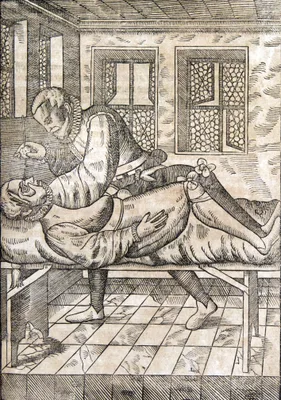
In this treatise on ophthalmic surgery Bartisch, who limited his practice to ophthalmology and hernia repair, left the first extensively illustrated account of any surgical specialty. Bartisch was a skilful operator a…
1585
#5818
Traité des maladies de l’oeil.
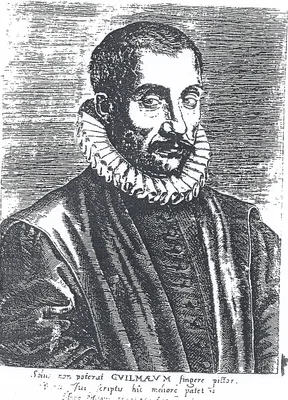
The first French work on ophthalmology. Guillemeau was a pupil and son-in-law of Ambroise Paré; his book was an epitome of the existing knowledge on the subject, chiefly from Greek and Arabian sources. English transla…
1586
#3417
De medica historia mirabili.
An early history of diseases, with extensive sections on ophthalmology (ff. 66-77) and urology (ff. 260-271). Lib. IV, Cap. iii, page 196 contains the first recorded case of gastric ulcer. Lib. VI. cap. iii contains t…
1586
#5819
A briefe treatise touching the preseruation of the eie sight.
This is the first separate work on ophthalmology printed in England.
1587
#7337
De humano foetu liber tertio editus, ac recognitus. Eiusdem anatomicarum observationum liber: ac De tumoribus secundum locos affectos liber nunc primum editi.
First edition of Aranzi's Anatomicarum observationum published with the third edition of De humano foetu. In the Anatomicarum observationum Aranzi pointed out that the eye muscles arise from the margin of the optic ca…
1590
#3343
De compositione medicamentorum; De morbis oculorum, & aurium….
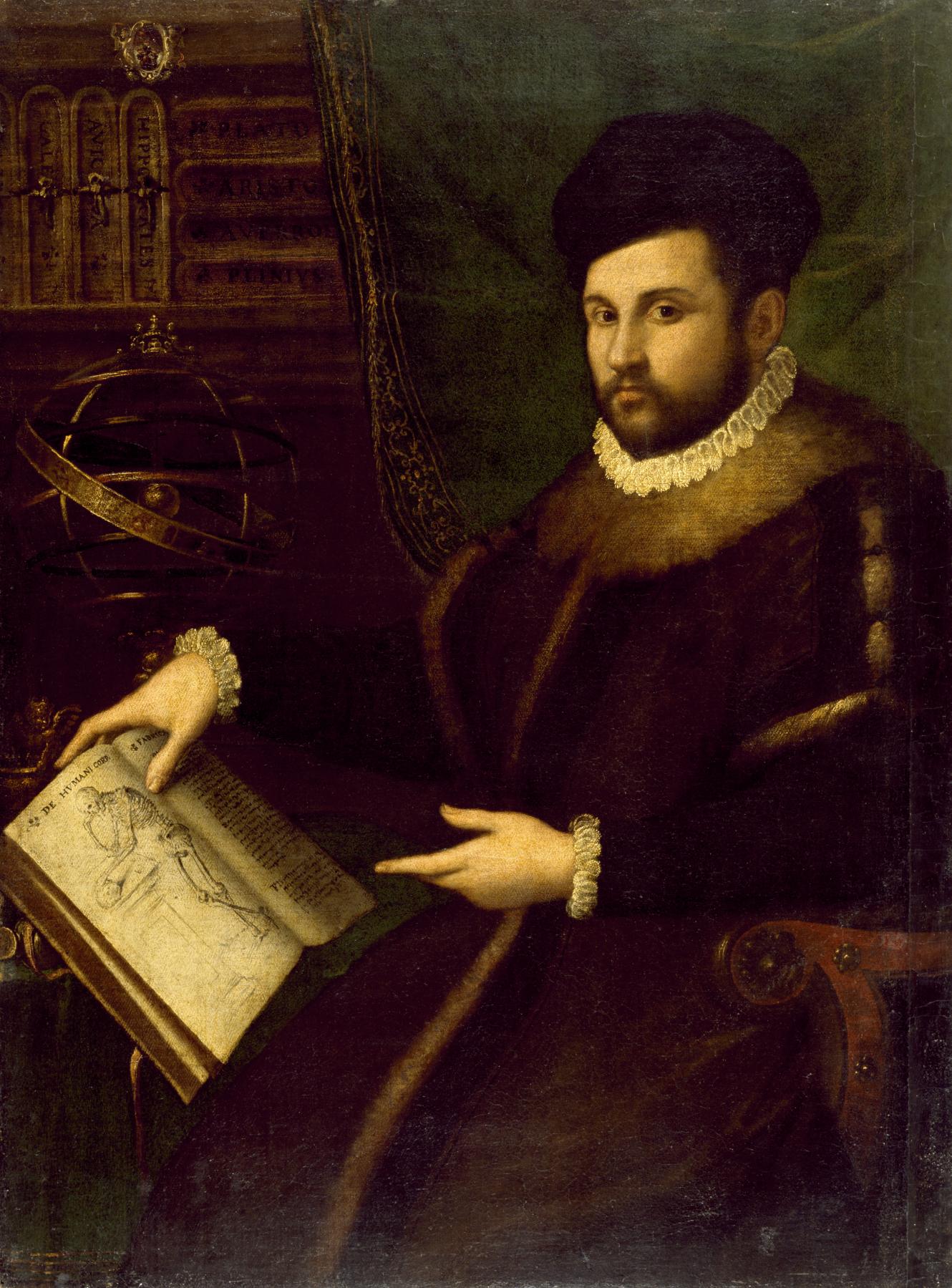
The De oculorum et aurium represents the first “clinical” manual on diseases of the ear. Mercuriali was primarily concerned with treatment.
1606 –1641
#5570
Observationum et curationum chirurgicarum centuriae. 6 vols.
Fabricius’s most important work; it was the best collection of case-records available for many years. Among other things, Fabricius used a magnet to extract an iron splinter from the eye – an idea suggested to him by …
1613
#13260
Opticorum libri sex philosophis juxta ac mathematicis utiles.
This work, beautifully printed by the Plantin-Moretus Press, includes an engraved title page and illustrations heading each chapter by Peter Paul Rubens. It contains one of the first studies of binocular vision. Digit…
1619
#1480
Oculus, hoc est: fundamentum opticum.
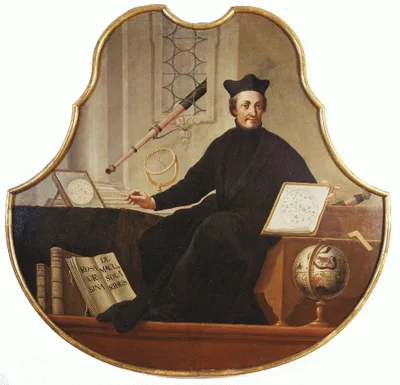
Scheiner, a Jesuit astronomer, was a pioneer in physiological optics. He demonstrated how images fall on the human retina, noting the change in curvature of the lens during accommodation, and devised the pin-hole test…
1622
#5820
A treatise of one hundred and thirteene diseases of the eyes.
Although much of this is a translation of Guillemeau (No. 5818), the first 112 pages are Banister’s own work, “Banister’s Breviary”. He was an itinerant but honest oculist, the first to point out that hardness of the …
1623
#5821
Uso del los antojos para todo genero de vistas, en que se enseña a conocer los grados que a cada uno le faltan de su vista, y los que tienen qualesquier antojos.
The earliest scientific work dealing with spectacles. It includes sight testing tables and points out the value of convex lenses after cataract operations. Digital facsimile from the Internet Archive at this link. Eng…
1656
#5821.1
Dissertationes anatomicae methodo synthetica exaratae…
Rolfinck was the first to demonstrate the location of cataract in the lens.
1666
#1481
De vasis palpebrarum novis epistola.
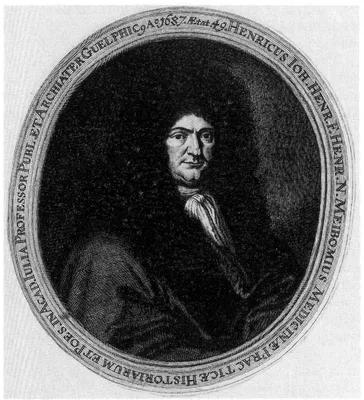
Meibom described the conjunctival Meibomian glands, holocrine type exocrine glands along the rims of the eyelid inside the tarsal plate. They were, however, already known to Galen and were figured by Casserius in 1609.
1668
#1481.1
Nouvelle découverte touchant la veüe.
Discovery of the blind spot in the retina, the existence of which Mariotte deduced from his experiments investigating the fate of light rays striking the base of the optic nerve. Facsimile reprint in J. Brons, The bli…
1676
#1481.2
Ophthalmo-graphia; sive, oculi eiusque partium descriptio anatomica.
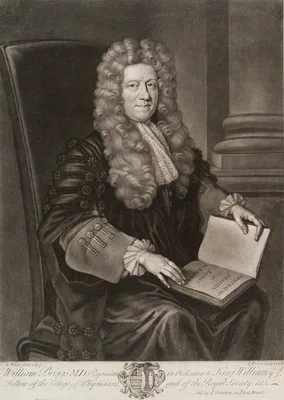
First English treatise on the anatomy of the eye. Briggs described the papilla of the optic disc and hypothesized that vibrations caused by rays of light striking fibers of the retina were conveyed to the papilla, and…
1682
#1481.3
Nova visionis theoria.
Briggs’ treatise on the physiology of vision influenced Sir Isaac Newton, who reprinted it in book form with his own introduction, London, 1685.
1684
#5822
Two remarkable cases relating to vision.
Includes the first known description of nyctalopia.
1702
#5823
Propempticon inaugurale, De fistula lacrimali. Published as addendum to: LANGE, ERNST CHRISTIAN. Disputatio inauguralis medica de affectibus oculorum in genere… sub praesidio… Stahl.
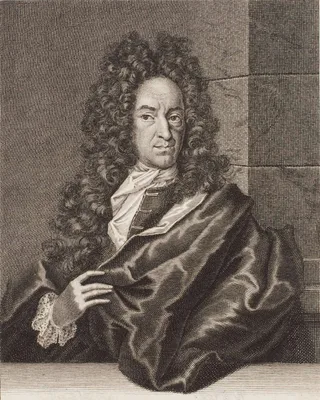
Stahl was the first to treat lacrimal fistula on the basis of correct anatomical understanding. He described his treatment in an addendum to the thesis on eye disease of his student, Lange.
1707
#5824
Traité des maladies de l’oeil
Called “the Father of French ophthalmology”, Maître-Jan energetically supported Brisseau’s doctrine, ensuring its acceptance. As far back as 1692, Maître-Jan had proved that the opaque lens is cataract, but before Bri…
1709
#5825
Traité de la cataracte et du glaucoma.
Brisseau was the first to demonstrate the true nature and location of cataract. His book was reprinted in facsimile, 1921.
1713
#5826
Observation singulière sur la fistule lacrimale, dans la quelle l’on verrà, que la matière des fistules lacrimales s’evacuë très souvent par les points lacrimaux; en même tems l’on apprendrà la methode de les guérir radicalement, etc.
Lacrimal duct catheterized for the first time. See No. 5823. Digital facsimile from Google Books at this link.
1722
#5827
Nouveau traité des maladies des yeux.
Records the removal of a cataract “en masse” from a living subject. English edition, 1741. Digital facsimile of the 1722 edition from Biu Santé at this link.
1729
#1482
A treatise of the diseases of the horny coat of the eye, and the various kinds of cataracts.
“Descemet’s membrane” was first described by Duddell. Descemet described it in 1758; see No. 1484.1.
1729
#5828
An account of some observations made by a young gentleman who was born blind, or lost his sight so early, that he had no remembrance of ever having seen, and was couch’d between 13 and 14 yrs. of age.
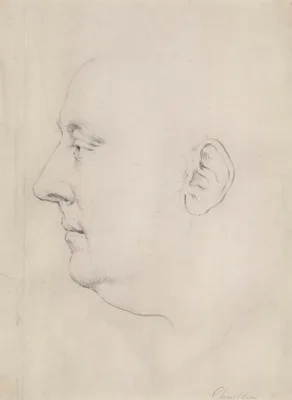
The versatile Cheselden made an artificial pupil in an eye in which the products of inflammation had closed or obscured the natural pupil. This iridotomy operation was, next to Daviel’s cataract operation, the most im…
1738
#5991.9
Degli occhiali da naso inventati da Salvino Armati…
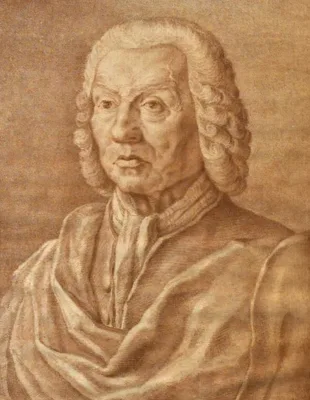
The first book on the history of spectacles. Manni gave credit for the invention to the Florentine Armati (fl. 1300).
1748
#13777
Lettre de M. Daviel, conseiller, chirurgien ordinaire du roi en survivance & par quartier, à M. de Joyeuse, docteur en médecine de l’Université de Montpellier ....
The first account of cataract extraction. Daviel also published this in the Mercure de France in September 1748, pp. 198-218. The separate edition, a 24-page pamphlet, was printed from a different setting of type.
1751
#1381
An essay on the vital and other involuntary motions of animals.
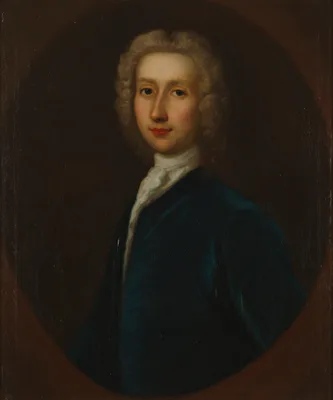
Whytt, famous Edinburgh neurophysiologist, was the first to prove that the response of the pupils to light is a reflex action (“Whytt’s reflex”). He described this reflex at length and mentioned that its afferent path…
1753
#1483
De ligamentis ciliaribus.
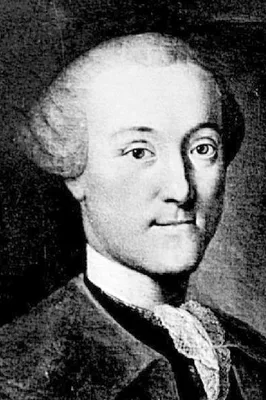
1753
#5829
Sur une nouvelle méthode de guérir la cataracte par l’extraction du cristalin.
Daviel originated the modern method of treating cataract by extraction of the lens. By the time he made this official scientific report to the Academy of Surgery, Daviel had already tested his method on 206 cases, wit…
1755
#1484
Descriptio anatomica oculi humani.
The first complete study of the anatomy of the eye, including the first description of the “zonule of Zinn” and the “annulus of Zinn”.
1758
#1484.1
An sola lens crystallina cataracte sedes?
“Descemet’s membrane”, the posterior membrane of the cornea; see No. 1482.
1759
#1484.2
A treatise on the eye. The manner and phenomena of vision. 2 vols.
Porterfield was Professor of the Institutes and Practice of Medicine at Edinburgh from 1724-26. His book included many original observations. It was the first important British work on the anatomy and physiology of th…
1761
#7669
History of the travels and adventures of the Chevalier John Taylor, ophthalmiater; pontifical imperial and royal to the Kings of Poland, Denmark, Sweden, the electors of the Holy Empire, the princes of Saxegotha, Mecklenburg, Anspach, Brunswick, Parma, Modena... Addressed to his only son.
1765
#1485
Ricerche de motu del iride.
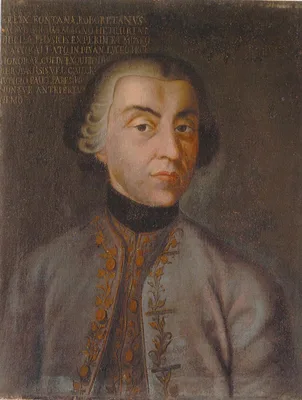
An investigation of how and why the iris contracts. See P.K. Knoefel, Felice Fontana: life and works, Trento, [1984], See also No.2103.
1767
#2103
Ricerche fisiche sopra il veleno della vipera.
The starting point of modern investigations of serpent venoms and their antidotes. This work also includes Fontana’s description of the ciliary canal in the eye of an ox. This structure does not appear in the human ey…
1768
#5831
Of the night-blindness or nyctalopia.
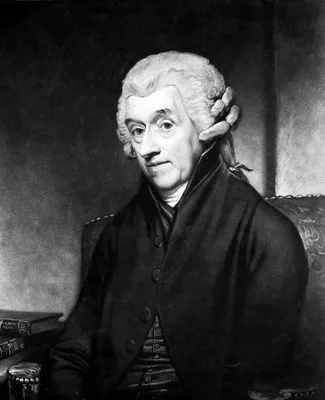
A classic description of nyctalopia. Report of a single case.
1768
#11733
The works of Robert Whytt, M.D. Late physician to his Majesty.... Published by his son.
Digital facsimile from the Internet Archive at this link.
1770
#5336.2
Sur un ver trouvé sous la conjunctive, à Maribou, isle Saint-Domingue.
First description of the worm Loa loa. Mongin was a French surgeon working in the West Indies. English translation in Kean (No. 2268.1).
1775
#2122
Chirurgical observations relative to the cataract, the polypus of the nose, the cancer of the scrotum, etc.
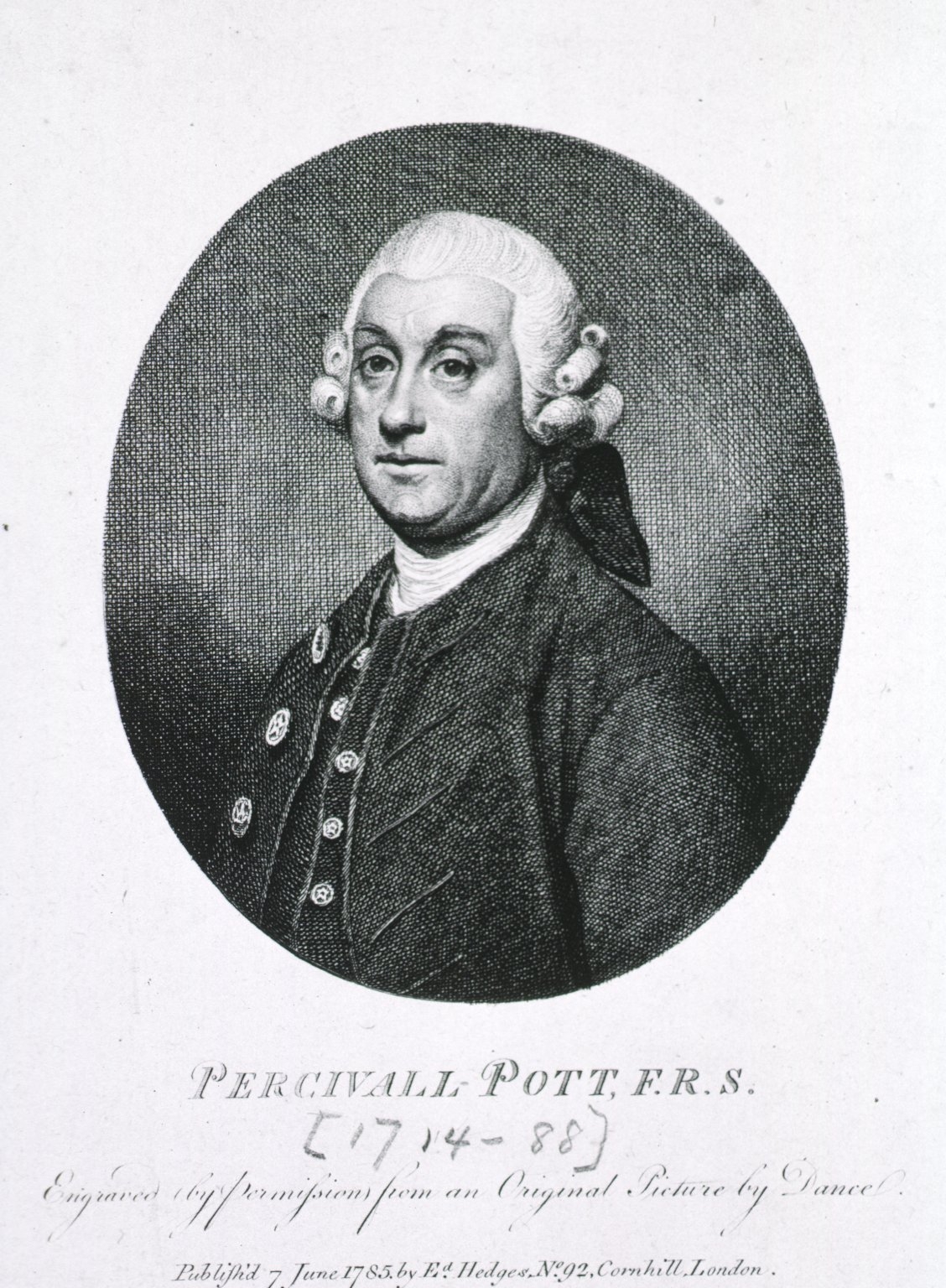
Includes the first description of occupational cancer. By describing chimney sweeps” cancer of the scrotum, Pott was the first to trace the origin of a type of cancer to a specific external cause. The above work also …