
Facets
Browse across eight MeSH (opens in new tab) facets — era, geography, science, specialty, technology, history, culture, and reference. Select one tag per group; counts update across the others. What’s new in facet browse how facets relate to subjects and MeSH.
Clear filtersFacet filters
Geography
Specialties & Disease
- Anatomy & Pathology 765
- Cardiology & Blood 914
- Neurology & Psychiatry 1,258
- Obstetrics & Reproductive 551
- Infectious Disease (General) 147
- Surgery & Anesthesia 1,553
- Public Health 1,129
- Immunology & Dermatology 1,405
- General Clinical Medicine 487
- Military Medicine 436
- Psychology 202
- Alternative & Fringe Medicine 383
- Pediatrics 247
- Ophthalmology & Vision 412
- ENT & Hearing 293
- Urology & Nephrology 309
- Gastroenterology & Hepatology 316
- Pulmonary & Respiratory 233
- Rheumatology, Rehab & Pain 189
- Internal, Emergency & Geriatric 123
- Veterinary Medicine 165
- Epidemiology & Demography 397
- Physiology & Embryology 924
- Dentistry 259
- Plagues & Epidemics 1,279
- Microbiology & Virology 1,080
Social & Historical Studies
Institutions & Culture
Reference & Scholarly Works
316 entries match Gastroenterology & Hepatology [C06 / C04]
1501
#363.3
Antropologium de ho[min]is dignitate, natura, et p[ro]prietatibus.
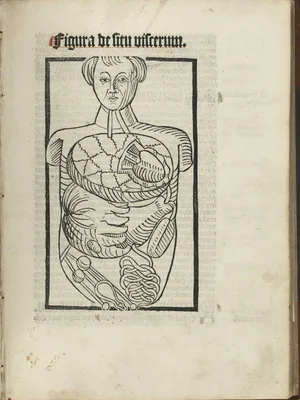
Includes the first illustrations of the viscera in a printed book. The four woodcuts are derived with modifications from Peyligk (No. 363.2). This work also contains the first mention ever of the word anthropology (in…
1565
#11489
Calculorum qui in corpore ac membris hominum innascuntur, genera XII. depicta descriptaque, cum historiis singulorum admirandis.
The first treatise to specifically on urinary calculi and gallstones, with each of the 12 chapters exploring a part of the human body where such stones are found (gall bladder, kidneys, bladder, etc.). Additionally, t…
1586
#3417
De medica historia mirabili.
An early history of diseases, with extensive sections on ophthalmology (ff. 66-77) and urology (ff. 260-271). Lib. IV, Cap. iii, page 196 contains the first recorded case of gastric ulcer. Lib. VI. cap. iii contains t…
1651
#1095
Experimenta nova anatomica, quibus incognitum chyli receptaculum, et ab eo per thoracem in ramos usque subclavis vasa lactea deteguntur.
Pecquet discovered the thoracic duct in dogs and its relation to the lacteals. Using a dog that was digesting, he described the thoracic duct, its entry into the subclavian veins, and the receptaculum chyli or chyle r…
1654
#972
Anatomia hepatis.
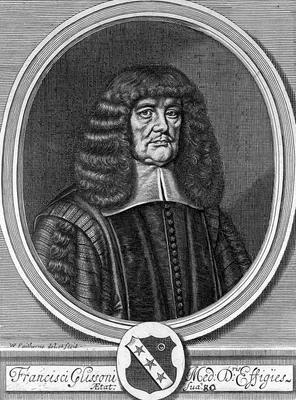
First accurate description of the capsule of the liver (Glisson’s capsule) and its blood-supply. He also described the sphincter of the bile duct (“Glisson’s sphincter”, the sphincter of Oddi). This is the first book …
1661
#665.1
Certain physiological essays.
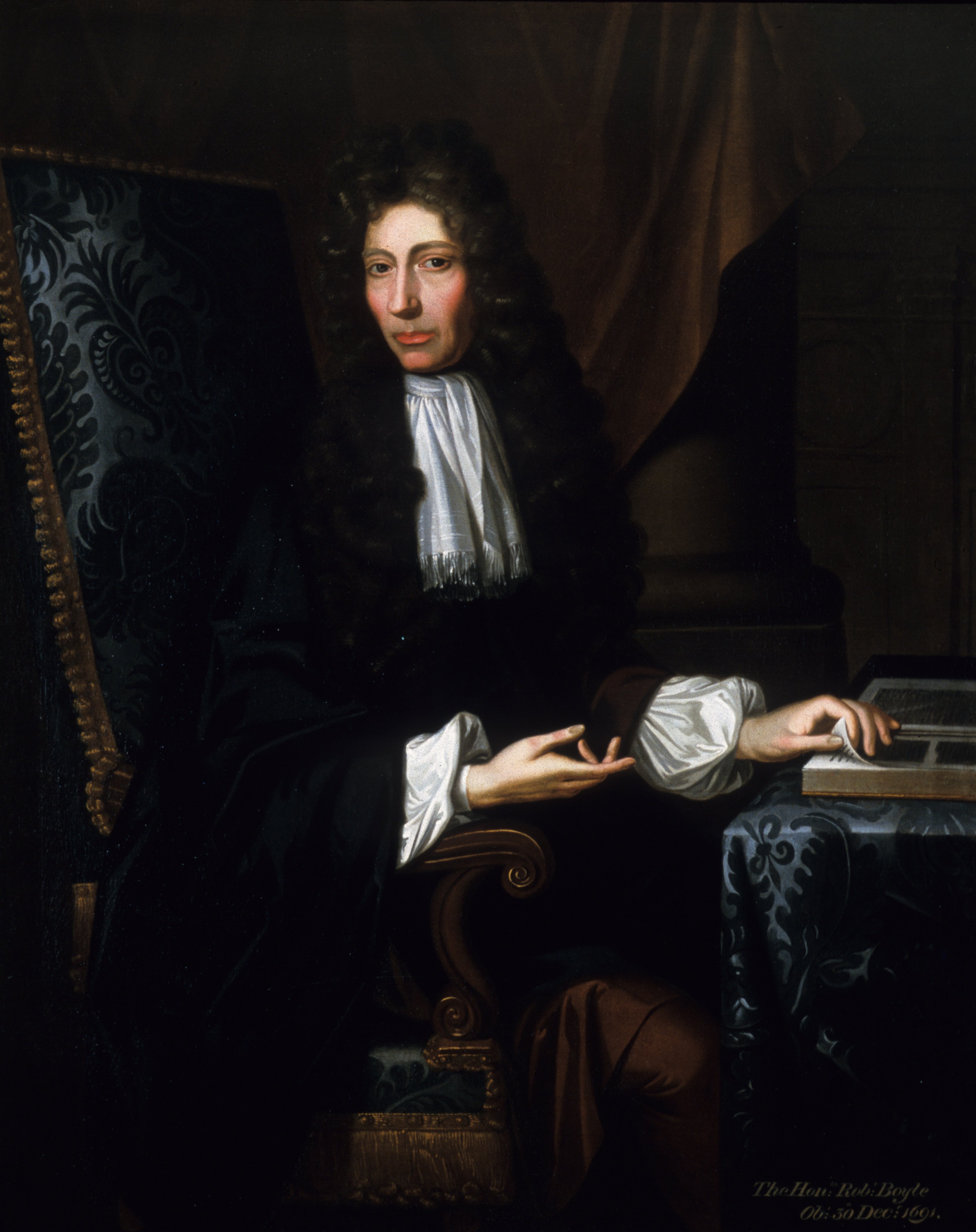
In this prelude to Boyle’s Sceptical chymist Boyle describes his corpuscular view of digestion, “giving recognition to the existence of the agents now designated the ‘enzymes’ ” (Fulton, Bibliography of Robert Boyle […
1662
#1543
Observationes anatomicae, quibus varia oris, oculorum & narium vas describuntur novique salivae, lacrymarum & muci fontes deteguntur.
Includes the first account of the excretory duct of the parotid gland (“Stensen’s duct”), discovered by Stensen. He first reported his discovery in a letter to his teacher, Thomas Bartholin, dated April, 22, 1661. Ste…
1664
#974
De succi pancreatici natura et usu exercitatio anatomico-medica.
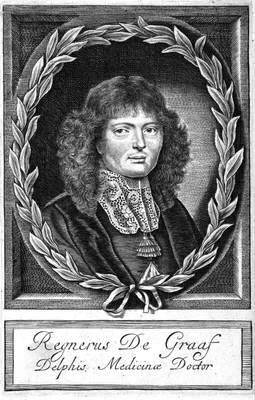
De Graaf was an early investigator of the pancreatic secretion. He collected the pancreatic juice of dogs by means of artificial pancreatic fistulae, commenting on the small quantity of juice secreted and on its alkal…
1679
#974.1
Cicutae aquaticae historia et noxae.
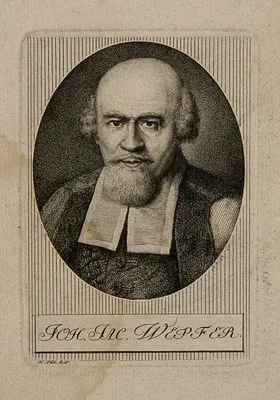
This is primarily a work on the poisonous water hemlock, its dangerous effects, its medicinal uses, and antidotes to counter the poison. However, it also contains the first description of the tiny glands in the mucosa…
1684
#974.2
Du ductu salivati hactenus non descriptio.
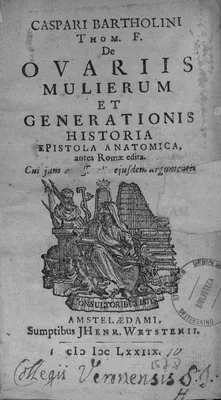
“Bartholin’s duct” and “gland”, the sublingual salivary gland and ducts.
1685
#3613
A remarkable account of a liver, appearing glandulous to the eye.
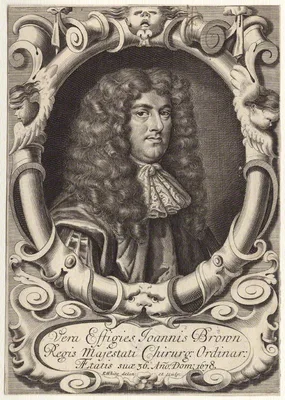
First description of cirrhosis of the liver.
1687
#975
De glandulis in intestino duodeno hominis detectis.
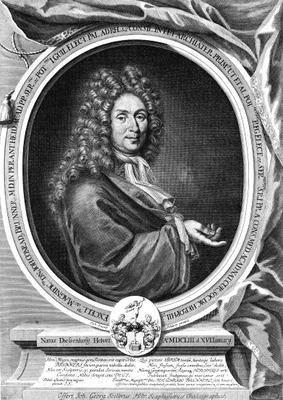
“Brunner’s glands”, earlier described by Wepfer (No. 974.1).
1707
#8938
Noticias do que he o achaque do bicho, diffiniçam do seu crestame[n]to, subimento corrupçaõ, sinaes, & cura atè, o quinto grao, ou intensaõ delle, suas differenças, & co[m]plicaços, com que se ajunta.
This book has been "considered by some authors to be the first reference to the chagasic megaesophagus and megacolon that appeared in history. In descriptions considered to refer megaesophagus, although dysphagia, the…
1717
#3419
An account of the dissection of a child.
First description of congenital hypertrophic pyloric stenosis. Reprinted in Mark M. Ravitch, "The story of pyloric stenosis," Surgery, 48 (1960) 1117-1143.
1720
#976
Dissertatio anatomica qua novum bilis diverticulum circa orificium ductus choledochi ut et valvulosam colli vesicae felleae constructionem ad disceptandum proponit.
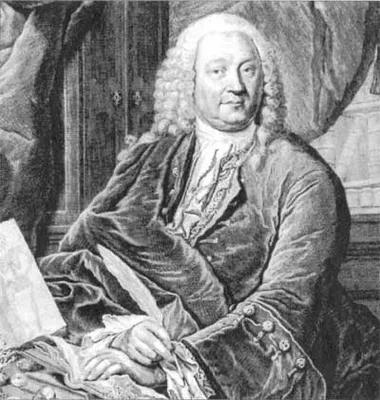
Following Vater’s classic description of the ampulla of the bile duct, it was named the “ampulla of Vater”.
1724
#13643
Atrocis, nec descripti prius, morbis historia: Secundum medicae artis leges conscripta.
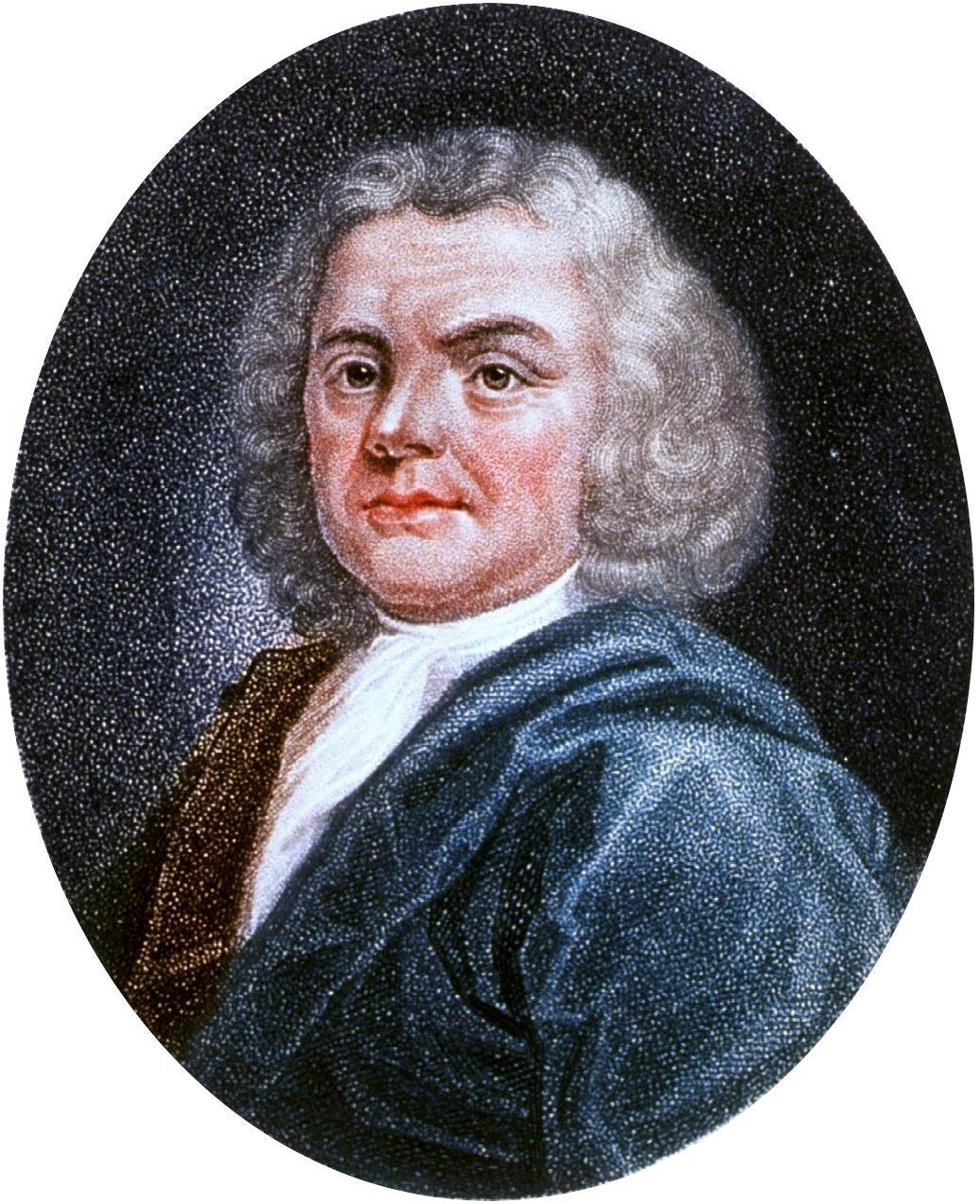
Boerhaave's syndrome: complete, transmural laceration of the lower part of oesophagus with exit of the gastric content into the mediastinum in the patient with a pre-existing oesophageal disease. This typically occurs…
1727
#3420
A preternatural perforation found in the upper part of the stomach, with the symptoms it produced.

First reported case of perforating gastric ulcer.
1730
#977
Suspenseurs de l’abdomen.
“Poupart’s ligament”, the inguinal ligament.
1733
#3422
Two examples of children born with preternatural conformations of the guts.

First description of congenital atresia of the ileum.
1742
#3423
De mutuo intestinorum ingressu.
First recorded successful operation for intussusception in an adult. The paper is also included in Haller’s Disputationes, vol. 1.
1745
#978
De fabrica et actione villorum intestinorum tenuium hominis.
“Lieberkühn’s glands” or “crypts” described. They were discovered by Malpighi in 1688.
1746
#3424
De ruptura intestini duodeni.
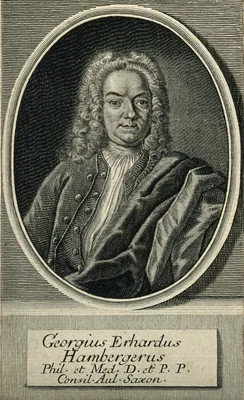
First description of duodenal ulcer.
1756
#979
Sur la digestion des oiseaux.
Using a pet buzzard, de Réaumur succeeded in isolating the gastric juice and demonstrating its solvent effect on foods.
1759
#1770
Observations on the changes of the air and the concomitant epidemical diseases, in the Island of Barbados.
Hillary included good accounts of lead colic and infective hepatitis, and probably the first description of sprue (celiac disease).
1777
#980
Dissertatio physiologica inauguralis de alimentorum concoctione.
First isolation of human gastric juice. Stevens was also the first successfully to perform an in vitro digestion, proving the presence in the gastric juice of the active principle necessary for the assimilation of foo…
1777
#3425
An account of the diseases most incident to children, from their birth till the age of puberty.
This is an enlarged and more important (third) edition of his An essay on the diseases most fatal to infants (1767) No. 6324. Page 49: Important description of congenital hypertrophic pyloric stenosis.
1780
#981
Dissertazioni di fisica animale e vegetable. 2 vols.
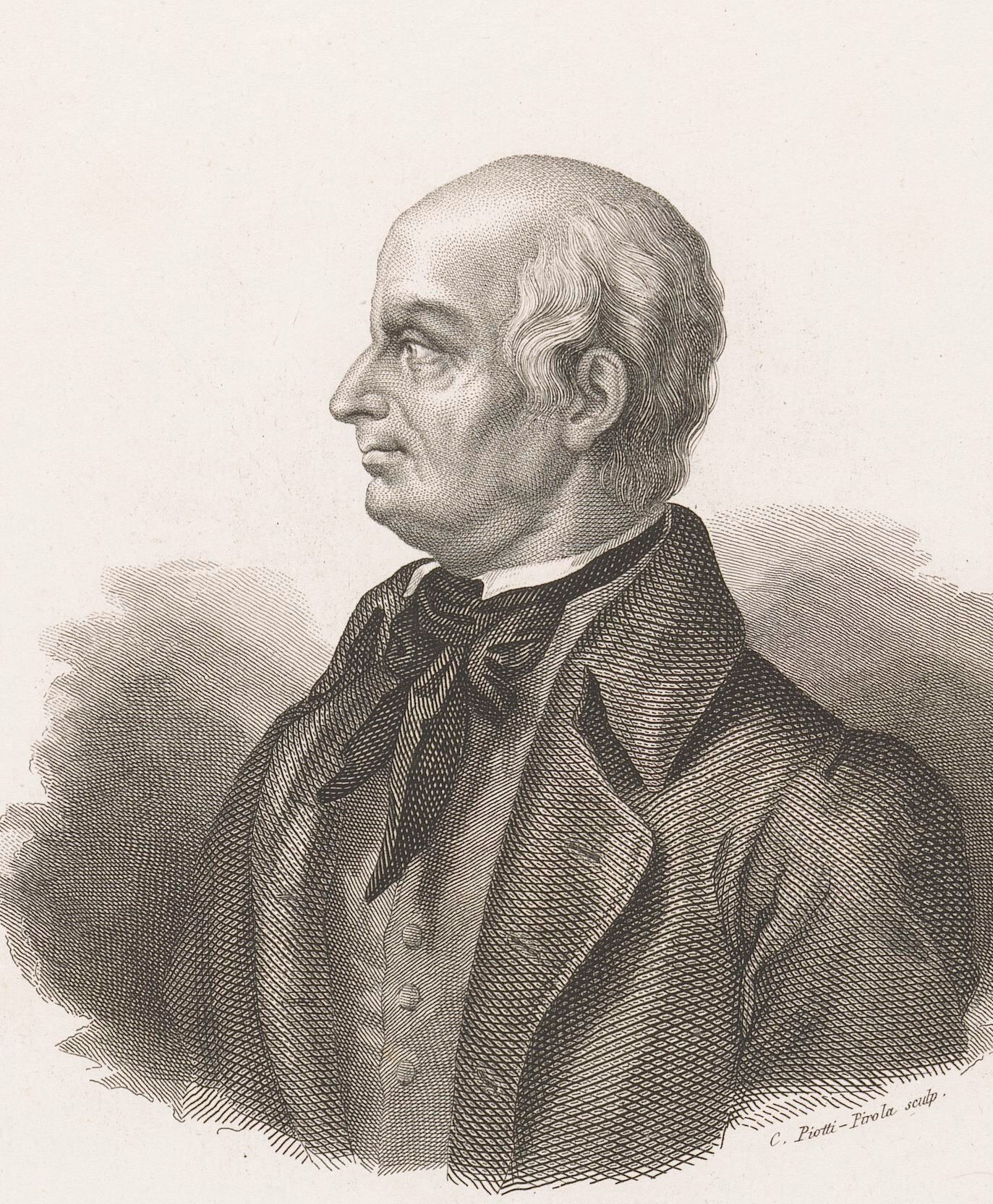
In the first patrt of this work, Della digestione dissertazione prima Spallanzani confirmed earlier doctrines of the solvent property of the gastric juice and discovered the action of the saliva in digestion. He state…
1782
#1835
Observations on the medical uses of the oleum jecoris aselli, or cod liver oil, in the chronic rheumatism, and other painful disorders.
First record of the clinical use of cod liver oil in England.
1788
#3426
Case of a scirrhus in the pylorus of an infant.
First American case report on congenital hypertrophic pyloric stenosis. Cases and observations by the Medical Society of New-Haven County…was the first American medical periodical. Only one volume was published. Beard…
1793
#2281
The morbid anatomy of some of the most important parts of the human body.
Baillie was a nephew and pupil of William Hunter. The above is the first systematic textbook of morbid anatomy, treating the subject for the first time as an independent science. See also Nos. 2736, 3167.1. Baillie wa…
1793
#3428
Saggio d’osservazioni, e memoire sopra alcuni case singolari riscontrati nell’esercizio della medicina, e della anatomia pratica.
Includes (pp. 33-56) an account of perforating duodenal ulcer.
1794
#3428.1
An account of a singular case of obstructed deglutition.
Bayford reported a a fatal case of "obstructed deglutition" caused by compression of the oesophagus by an aberrant right subclavian artery. This he called Dysphagia lusoria. See the account by N. Asherson in Ann. roy.…
1803
#982
An experimental inquiry into the principles of nutrition, and the digestive process.
Young, one of the first American experimental physiologists, showed the solvent principle in the gastric juice to be an acid, but wrongly inferred that it was phosphoric acid. He also deduced the association and synch…
1805
#3430.1
An essay on wounds of the intestines.
The first serious attempt at repairing intestinal injuries in America, and the first use of dogs for experimental surgery in America.
1806
#3582
Anatomisch-chirurgische Abhandlung über den Ursprung der Leistenbrüche
Includes description of “Hesselbach’s hernia” and “triangle”. He wrote a further volume on the subject in 1814.
1809
#984
Ueber die Divertikel am Darmkanal.
“Meckel’s diverticulum”.
1810
#3431
Animadversiones quaedam chirurgicae experimentis in animalibus factis illustratae.
Experimental excision of the pylorus.
1812 –1813
#3432
Account of a new mode of extracting poisonous substances from the stomach.
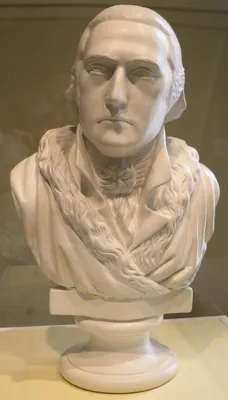
Physick was the first, in 1805, to use a stomach tube for gastric lavage in a case of poisoning. He acknowledged the priority of Monro secundus in the invention of a similar instrument in 1767. For history of the stom…
1812
#3433
An inquiry into the process of nature in repairing injuries of the intestines.
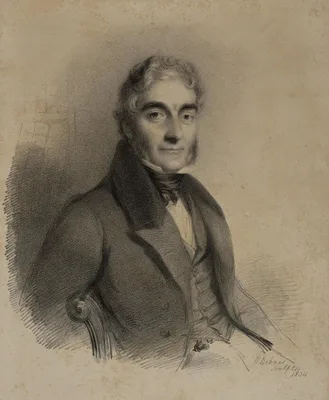
Travers’s researches on intestinal sutures recorded the first accurate knowledge on this subject.
1813
#985
Mémoire sur le vomissement.
Physiologists still consult Magendie’s classic description of the physiology of deglutition and vomiting. Magendie proved, against the current theory of Haller, that the stomach was passive rather than active in vomit…
1813
#985.1
Mémoire sur l’usage de l’epiglotte dans la déglutition …
Magendie showed that the epiglottis is not necessary for swallowing, which disproved the accepted doctrine that the epiglottis was necessary to cover the glottis to prevent food from entering the trachea.
1814
#986
Experiments and observations on the influence of the nerves of the eighth pair on the secretions of the stomach.
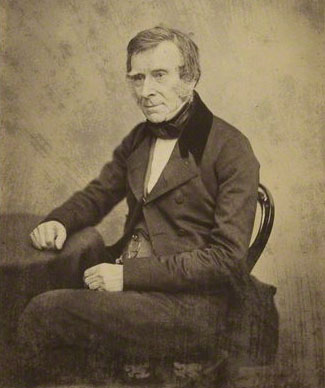
Before turning to surgery, Brodie did important work in physiology. Above is his study of the influence of the pneumogastric nerve on gastric secretion.
1816 –1817
#1041.1
Précis élémentaire de physiologie. 2 vols.
The first modern physiology textbook, in which doctrine gave way to simple, precise descriptions of experimental facts. Vol. 2 contains Magendie’s classic demonstration of the importance of nitrogenous food, or protei…
1819
#2673
De l’auscultation médiate, ou traité du diagnostic des maladies des poumons et du coeur. 2 vols.
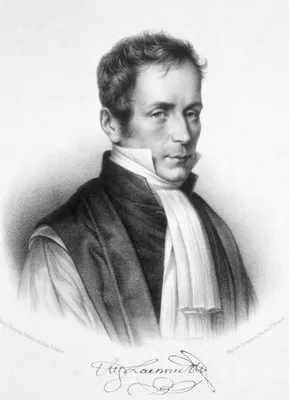
This book revolutionized the study of diseases of the chest. Auscultation in the instrumental sense dates from Laennec’s invention of the stethoscope (at first merely a roll of stiff paper) with a view to amplifying t…
1822
#1847
Erfahrungen über die grossen Heilkräfte des Leberthrans gegen chronische Rheumatismen und besonders gegen das Hüft- und Lendenweh.
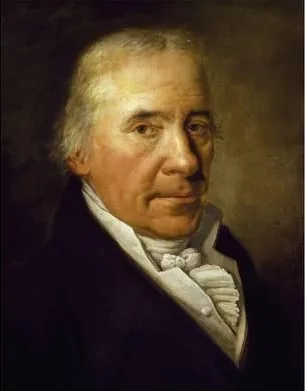
Schenk’s account of his experience with cod liver oil led to its general use on the continent of Europe. Author’s name incorrectly given as Scherer in original.
1824
#987
On the nature of the acid and saline matters usually existing in the stomachs of animals.
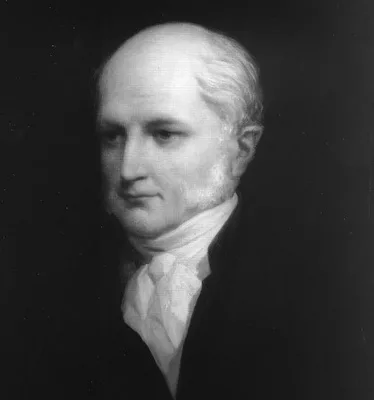
Proof that the gastric juice contains free hydrochloric acid.
1824
#3730
Beobachtungen Über den Nutzen des Berger Leberthrans (Oleum jecoris Aselli, von Gadus asellus L.)
First report of the value of cod-liver oil in the treatment of rickets.
1825
#987.1
A case of wounded stomach [by Joseph Lovell].
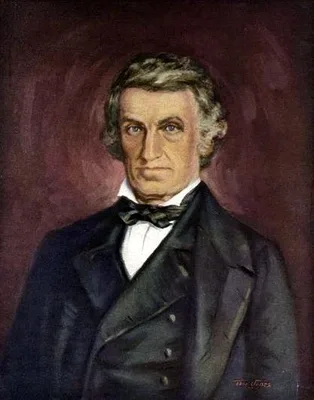
Beaumont’s first report on Alexis St. Martin was accidentally published under the name of Joseph Lovell, Surgeon-General of the U.S. Army. See No. 989.
1826
#987.2
Further experiments on the case of Alexis San Martin, who was wounded in the stomach by a load of buckshot.
In this and No. 987.1 Beaumont first described his revolutionary experiments on Alexis St. Martin. He continued these researches and published his monograph in 1833. See No. 989.
1826 –1827
#988
Die Verdauung nach Versuchen. 2 vols.
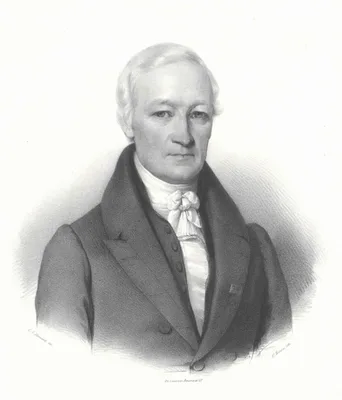
Confirmation of the work of Prout.