
Facets
Browse across eight MeSH (opens in new tab) facets — era, geography, science, specialty, technology, history, culture, and reference. Select one tag per group; counts update across the others. What’s new in facet browse how facets relate to subjects and MeSH.
Clear filtersFacet filters
Geography
Specialties & Disease
- Anatomy & Pathology 765
- Cardiology & Blood 914
- Neurology & Psychiatry 1,258
- Obstetrics & Reproductive 551
- Infectious Disease (General) 147
- Surgery & Anesthesia 1,553
- Public Health 1,129
- Immunology & Dermatology 1,405
- General Clinical Medicine 487
- Military Medicine 436
- Psychology 202
- Alternative & Fringe Medicine 383
- Pediatrics 247
- Ophthalmology & Vision 412
- ENT & Hearing 293
- Urology & Nephrology 309
- Gastroenterology & Hepatology 316
- Pulmonary & Respiratory 233
- Rheumatology, Rehab & Pain 189
- Internal, Emergency & Geriatric 123
- Veterinary Medicine 165
- Epidemiology & Demography 397
- Physiology & Embryology 924
- Dentistry 259
- Plagues & Epidemics 1,279
- Microbiology & Virology 1,080
Social & Historical Studies
Institutions & Culture
Reference & Scholarly Works
Drugs & Technology
233 entries match Pulmonary & Respiratory [C08]
1536
#10961
De medicamentis empiricis physicis ac rationalibus liber.... Edited by Janus Cornarius. Item Claudii Galeni libri novem nunc primum Latini facti.... Jani Cornarii.
![GALEN, [Κλαύδιος Γαληνός; Galen of Pergamon] (129 – 216)](/media/portraits/21)
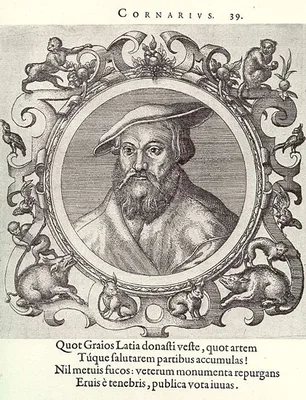
The Gallo-Roman physician Marcellus was born in Bordeaux. He may have served as magister officiorum under Theodosius I, or may have been royal physician. Sarton (Introduction to the history of science I, 391) consider…
1567
#2118.1
Von der Bergsucht oder Bergkranckheiten drey Bücher…
Paracelsus’s book on the diseases of miners was the first full monograph on the diseases of an occupational group. The first section covers the diseases, mainly pulmonary affections, of miners, including the etiology,…
1568
#3164
Pro magni, et illustr. Terraenovae Ducis fistula, ex levi axilla in thoracis concavum pervia, etc. In P. Ingrassia, Quaestio de purgatione per medicamentum
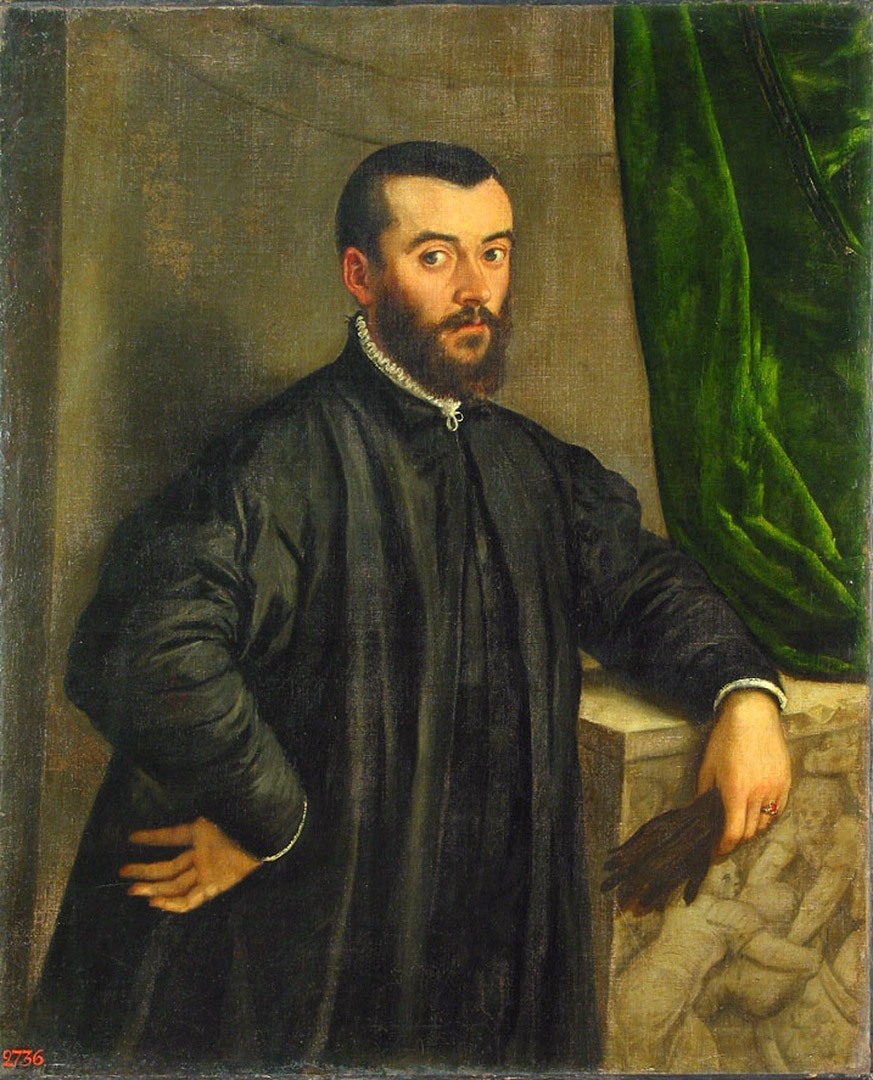
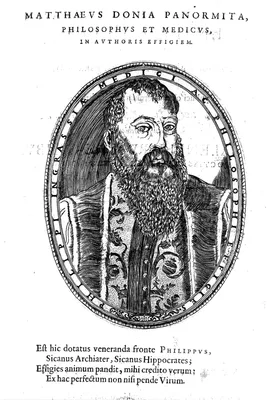
Vesalius’s consilium to Ingrassia, dated Madrid, 1562, in which he clearly described the operation for empyema (pp. 92-98). Although treatment of empyema by surgery was referred to in classical times, it became unfash…
1614
#2119
Consilium Peripneumoniacum: Das ist Ein getrewer Rath in der beschwerlichen Berg und Lungensucht : darinnen verfasset, was die fürnemsten Ursachen seyn beyderley Beschwerungen, beydes der gifftigen, die vom Bergwerck entstehet: so wol der gemeinen, die von Flüssen herrühret: Zuvor aber, wie der Mensch mit der kleinen Welt, und mit dem Bergwerck artlich zu vergleichen, und wie beyde Suchten zu vertreiben seyn.
Martin Pansa, a pupil of Georg Agricola, wrote the most important work on occupational disease before Ramazzini. He described the symptoms of the lung diseases of miners and smelters. Digital facsimile from the Bayeri…
1660
#914
New experiments physico-mechanical touching the spring of the air.
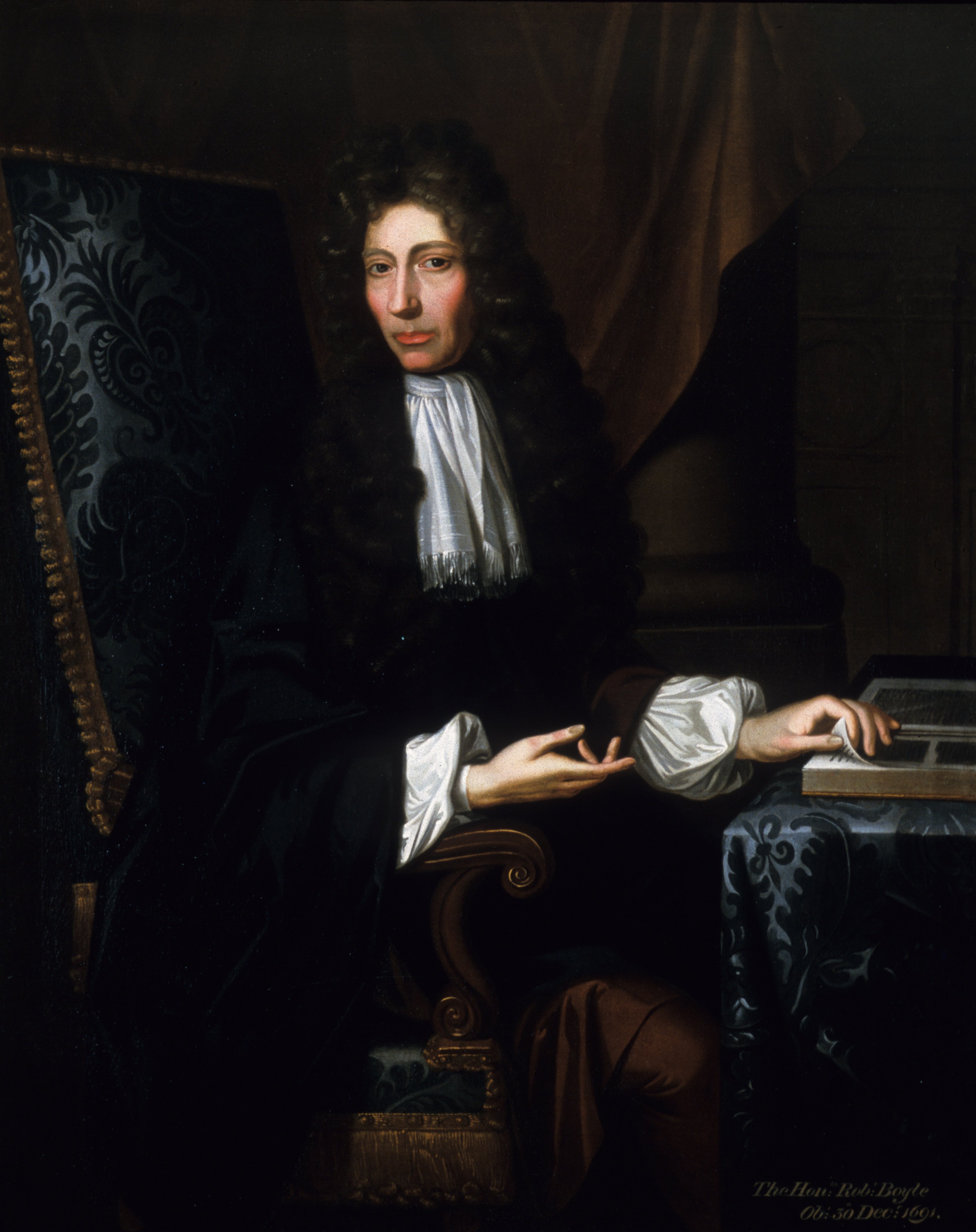
Boyle showed the effects of the elasticity, compressibility, and weight of air. He investigated the function of air in respiration, combustion, and conveyance of sound. Most significantly Boyle demonstrated that air i…
1661
#760
De pulmonibus observations anatomicae.
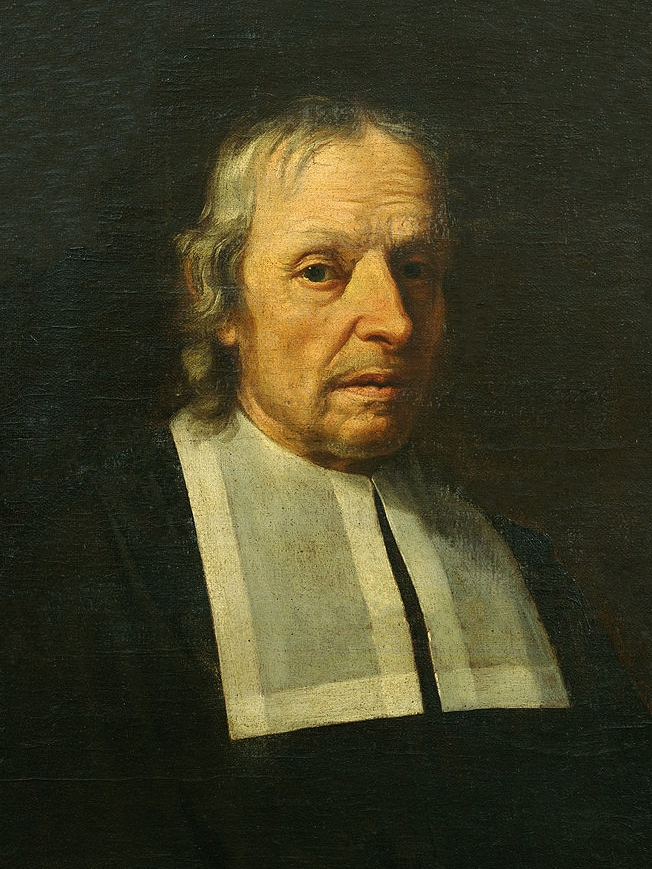
Discovery of the capillary circulation. Malpighi demonstrated that the pulmonary tissues are vesicular in nature and showed that the trachea ends in bronchial filaments. His De pulmonibus includes his demonstration of…
1667
#916
An account of an experiment of preserving animals alive by blowing through their lungs with bellows.
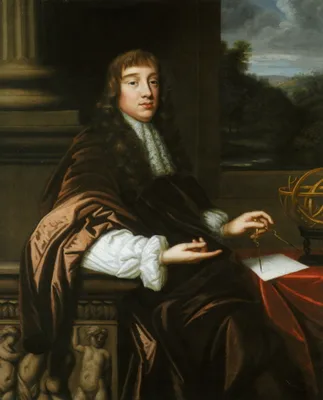
By blowing air from a bellows over the exposed lungs of a dog, Hooke proved that respiratory motion is not necessary to maintain life, but that the essential feature of respiration lies in certain blood changes in the…
1674
#2726.2
Tractatus quinque medico-physici.
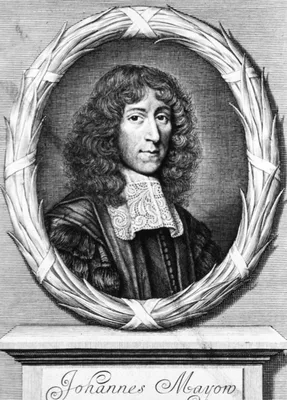
Mayow was the first to locate the seat of animal heat in the muscles; he discovered the double articulation of the ribs with the spine and came near to discovering oxygen in his suggestion that the object of breathing…
1689
#3216
Phthisiologia, seu exercitationes de phthisi.
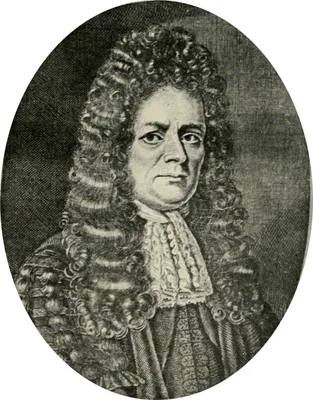
The first application of the principles of pathology to the study of pulmonary tuberculosis. Morton showed that the formation of tubercles is a necessary part of the development of this lung disease, and pointed out t…
1698
#3166
A treatise of the asthma.
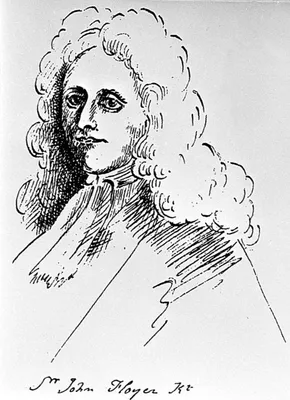
Floyer provided the first clear descriptions of cases of bronchial asthma. Floyer himself suffered from asthma for over 30 years. He recognized the influence of heredity in asthma. The above includes (p. 239) an impor…
1720
#3217
A new theory of consumptions : more especially of a phthisis, or consumption of the lungs.
Marten believed that an infectious micro-organism was the cause of tuberculosis, thus forecasting the existence of the tubercle bacillus 162 years before its actual discovery. Though Leeuwenhoek reported seeing bacter…
1727
#918
De respirationis mechanismo atque usu genuino. [Praeses:] Georgius Erh. Hamberger. [Defendet:] Justinus Gerhardus Duising.
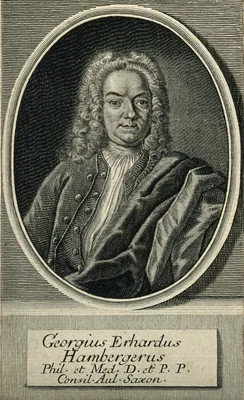
"Recent data on intercostal muscle function, largely electromyographic, tend to confirm the ideas of Hamberger, who, in 1748 (recte 1727), proposed a theory of intercostals muscle action upon the rib cage. Hamberger's…
1746 –1747
#917
De respiratione experimenta anatomica, quibus aëris inter pulmonem etpleuram absentia demonstratur et musculorum intercostalium internorum officium adseritur. 2 pts.
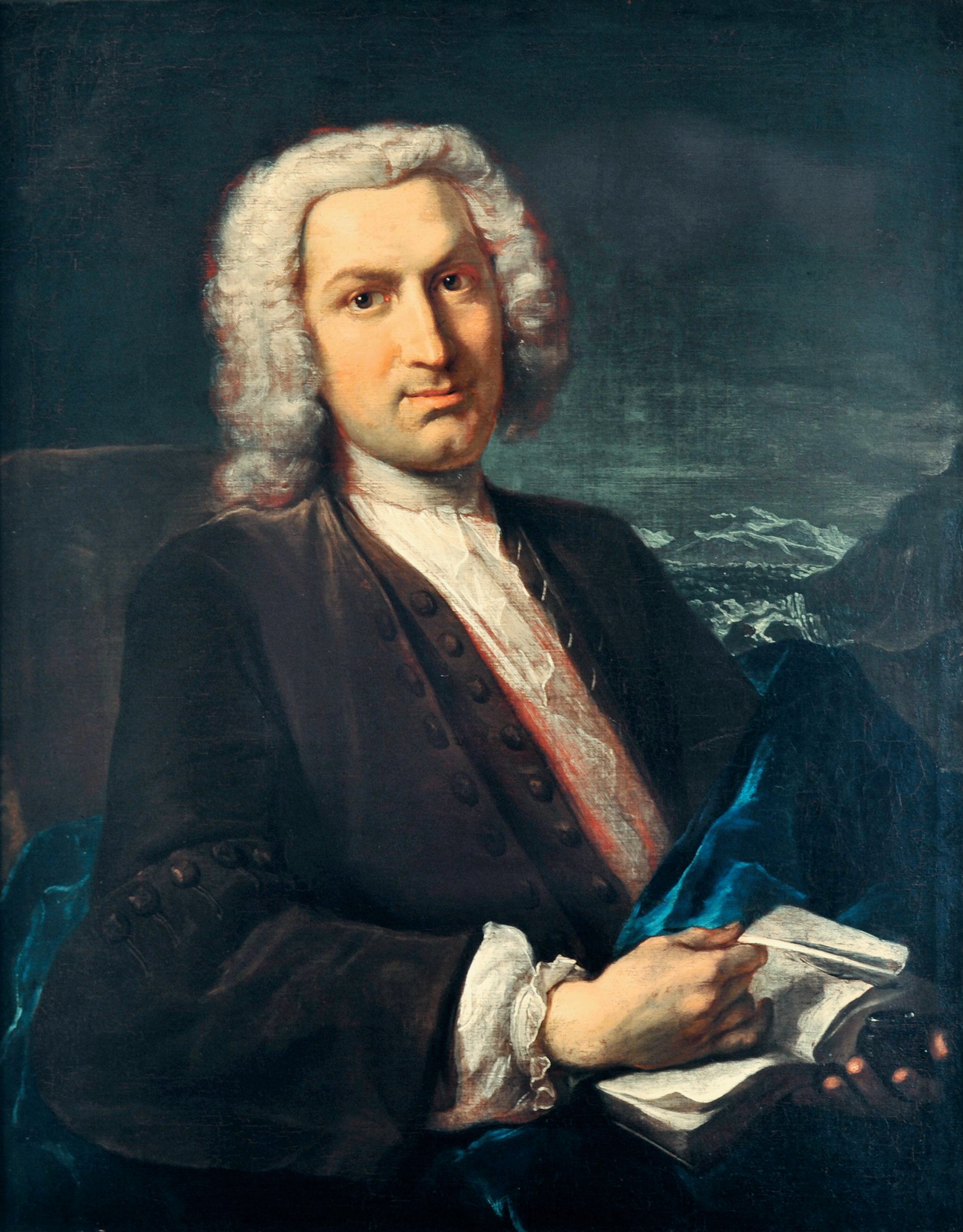
First investigation of the action of the intercostal muscles in respiration.
1746
#3166.1
An account of what appeared on opening the body of an asthmatic person.
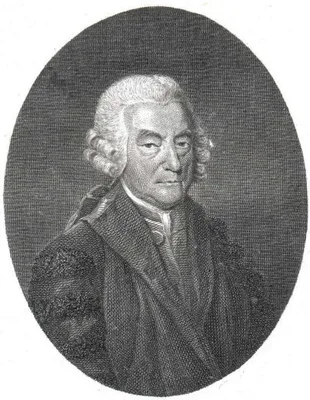
Probably the earliest comprehensive clinical and pathological account of emphysema.
1754
#919
Dissertatio medica inauguralis de humore acido a cibis orto, et magnesia alba.
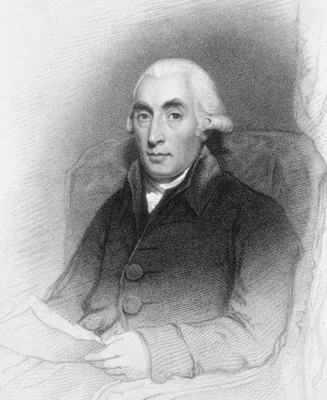
Isolation of carbon dioxide. English translation, Minneapolis, 1973.
1756
#11158
The use of sea voyages in medicine.
Gilchrist recommended sea voyages as treatment for pulmonary tuberculosis and other diseases. Digital facsimile from Google Books at this link. Much expanded French translation by Edme-Claude Bourru as Utilité des voy…
1769
#3167
Observations on the asthma and on the hooping cough.
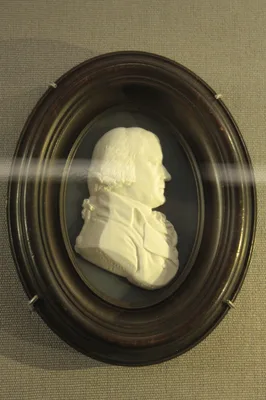
Includes Millar’s original description of laryngismus stridulus (“Millar’s asthma”).
1772
#920
Observations on the different kinds of air.
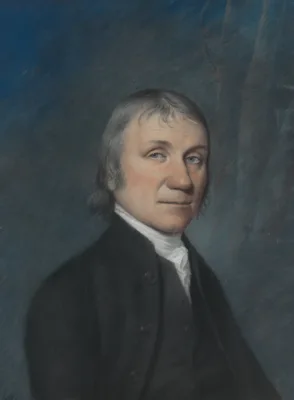
The isolation of oxygen was first achieved by Priestley. He also demonstrated that plants immersed in water give off oxygen and that this gas is essential for animal life.
1772
#921
De aëre fixo dicto, aut mephitico.
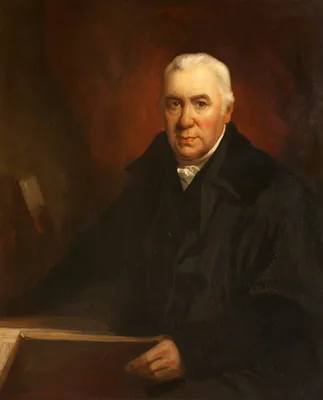
Discovery of nitrogen.
1778
#922
Mémoire sur la nature du principe qui se combine avec les métaux pendantleur calcination, et qui en augmente le poids.
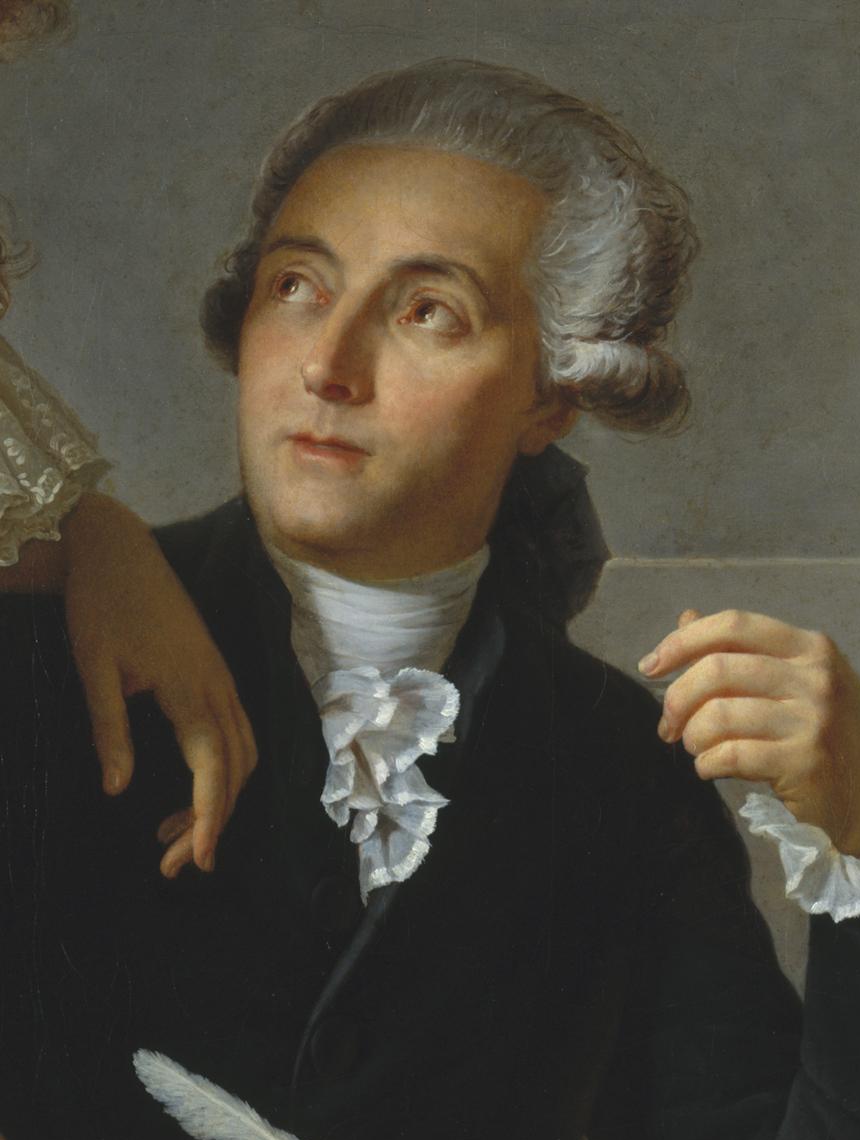
Although Priestley isolated oxygen, it was Lavoisier who discovered its real significance. He showed the true nature of the interchange of gases in the lungs and exploded Stahl’s phlogiston theory. Lavoisier was guill…
1784
#925
Experiments on air.
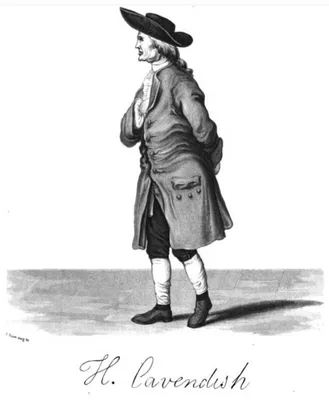
Cavendish isolated hydrogen in 1766, and later demonstrated the composition of air.
1784
#592
Mémoire sur la chaleur.
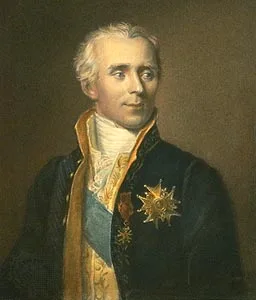
These workers invented an ice calorimeter, with it measured the respiratory quotient of a pig, and demonstrated the analogy between respiration and combustion.
1784
#923
Mémoire sur la formation de l’acide, nommé air fixe ou acide crayeux, et que je désignerai désormais sous le nom d’acid du charbon.
1785
#924
Mémoire sur l’affinité du principe oxygine avec les différentes substances auxquelles il est susceptible de s’unir.
1788
#2028.53
The connexion of life with respiration; or, an experimental inquiry into the effects of submersion, strangulation, and several kinds of noxious airs, on living animals.
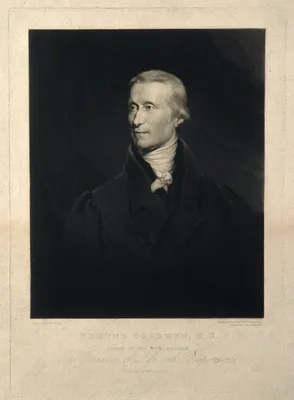
Goodwyn emphasized the importance of ventilation in resuscitation.
1788
#2028.54
An essay on the recovery of the apparently dead.
Kite recommended the use of artificial respiration and was probably the first to recommend electric shock for resuscitation.
1793
#594
Premier mémoire sur la respiration des animaux.
Séguin and Lavoisier measured the metabolism of a man (Séguin himself). They made three observations of fundamental importance in this respect; that the intensity of oxidation in man is dependent upon (1) food, (2) en…
1793
#2281
The morbid anatomy of some of the most important parts of the human body.
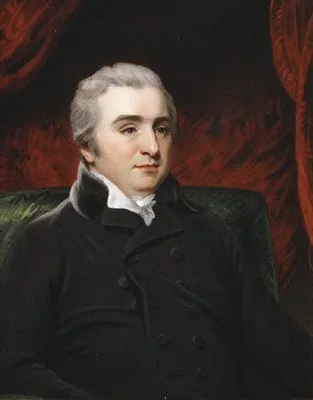
Baillie was a nephew and pupil of William Hunter. The above is the first systematic textbook of morbid anatomy, treating the subject for the first time as an independent science. See also Nos. 2736, 3167.1. Baillie wa…
1801
#1118
Le sang, est-il identique dans tous les vaisseaux qu’il parcourt?
Like de Bordeu, and more definitely, Legallois anticipated the conception of internal secretions. He surmised from the identity in composition of all varieties of arterial blood and the diversity of venous blood in di…
1803
#11709
Mémoires sur la respiration par Lazare Spallanzani, traduits en français, d'après son manuscrit inédit, par Jean Senebier.
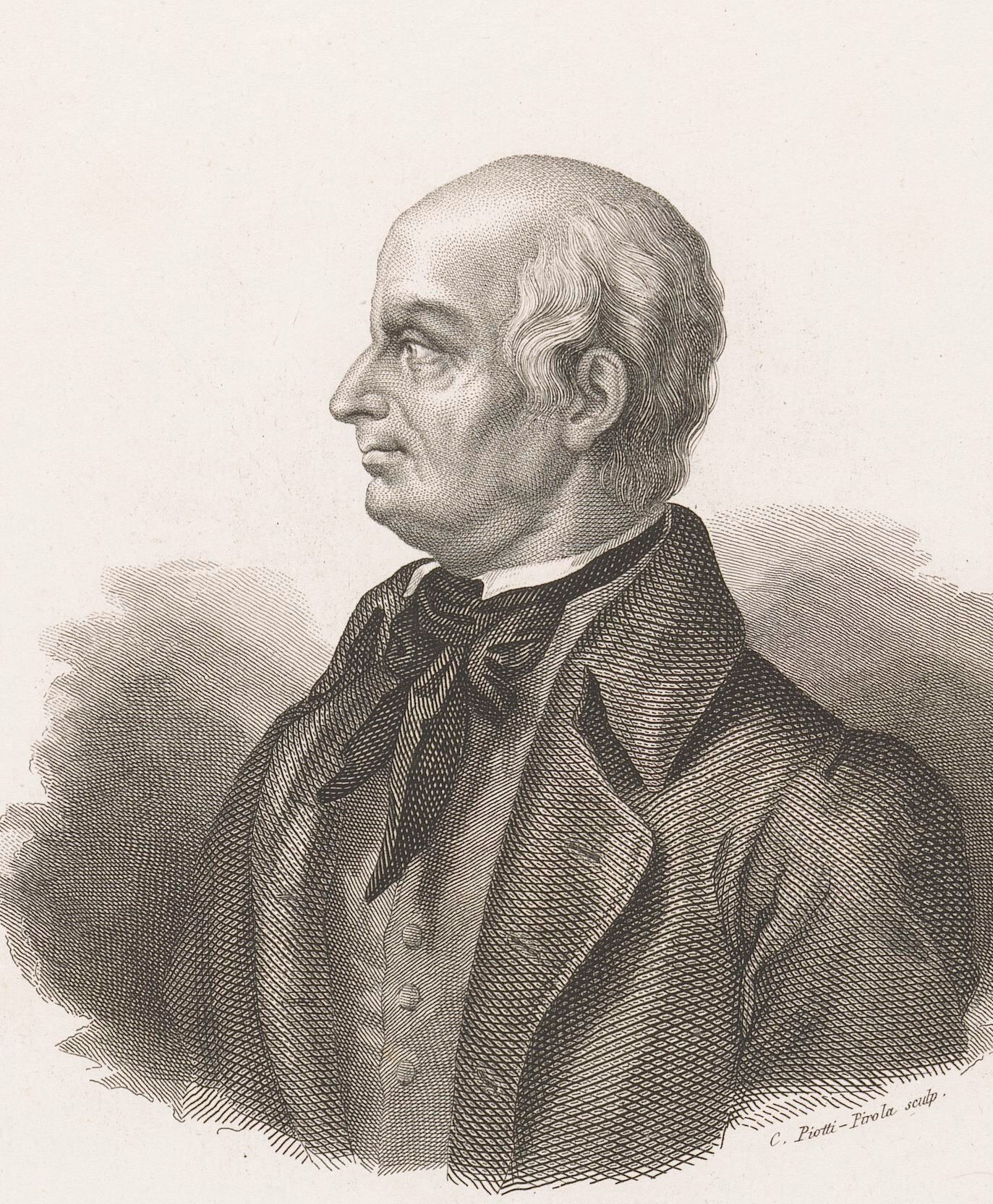
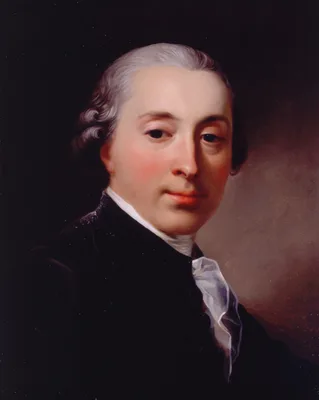
Spallanzani's experimental data laid the groundwork for modern conceptions of respiratory physiology. In concluding that the blood transported carbon dioxide as a product of tissue oxidation, Spallanzani discovered pa…
1806
#2737
Essai sur les maladies et les lésions organiques du coeur et des gros vaisseaux.
Corvisart really created cardiac symptomatology and made possible the differentiation between cardiac and pulmonary disorders. He was first to explain heart failure mechanically and to describe the dyspnoea of effort.…
1808
#927
Über den Bau der Lungen.
In 1804 the Berlin Akademie der Naturwissenschaften offered a prize for the best essay on the structure and function of the lungs. The prize was won by Reisseisen, while Soemmerring received honorable mention. The tex…
1808
#3168
Observations on the inflammatory affections of the mucous membrane of the bronchiae.
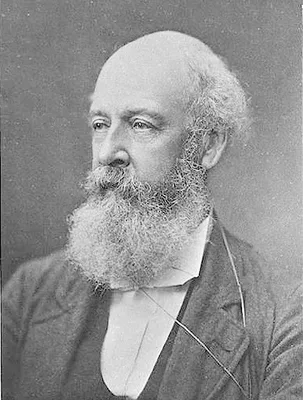
Badham distinguished acute and chronic bronchitis from pneumonia and pleurisy, with which it had previously been confused. He gave the disease its present name. Digital facsimile from Google Books at this link.
1812
#1389.2
Expériences sur le principe de la vie.
Le Gallois described the action of the vagus nerve on respiration. He showed that bilateral section of the vagus can produce fatal bronchopneumonia. The above work includes (p. 37) his location of the respiratory cent…
1819
#2673
De l’auscultation médiate, ou traité du diagnostic des maladies des poumons et du coeur. 2 vols.
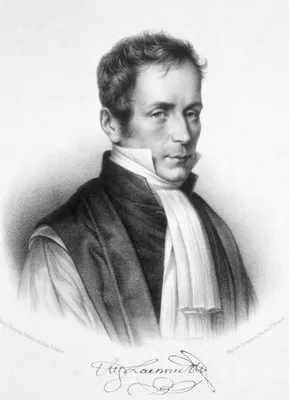
This book revolutionized the study of diseases of the chest. Auscultation in the instrumental sense dates from Laennec’s invention of the stethoscope (at first merely a roll of stiff paper) with a view to amplifying t…
1822
#3220
Essays, physiological and practical.
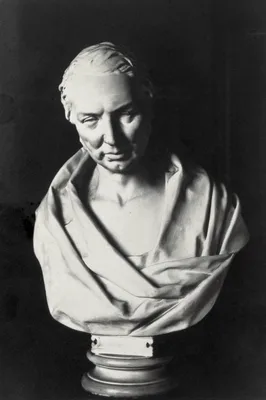
Carson proposed the induction of open pneumothorax for the treatment of pulmonary tuberculosis (p. 64). Later he attempted it on a patient (see his An inquiry into the cause of respiration, etc. 2nd ed., London, 1833,…
1825
#3221
Recherches anatomico-pathologiques sur la phthisis.
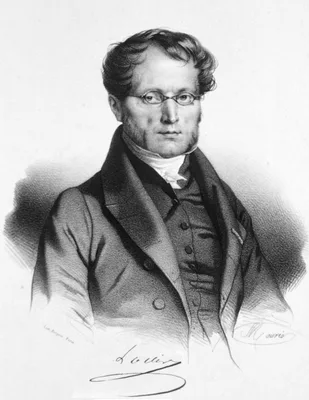
Louis’ researches were based on 358 dissections and 1,960 clinical cases, and included a numerical study of extra-pulmonary lesions. First edition in English, London, 1835. English translation, Boston, 1836. A transla…
1826
#14323
Traité de l'auscultation médiate ou traité diagnostic des maladies des poumons et du coeur. 2 vols.
Second edition, hugely revised, expanded, and improved. The pagination of the first edition (1819) was 456 pp. in vol. 1 and 472 pp. in vol. 2. The second edition was expanded to 728pp. in vol. 1 and 790 pp. in vol. 2…
1834
#3222
Illustrations of pulmonary consumption.
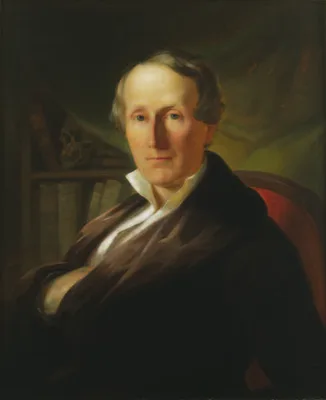
Morton published an important collection of illustrations delineating pulmonary tuberculosis which epitomized the knowledge of his time. It was also the first book on the subject published in the United States. Digita…
1837
#929
Ueber die im Blute enthaltenen Gase, Sauerstoffe, Stickstoff, und Kohlensäure.
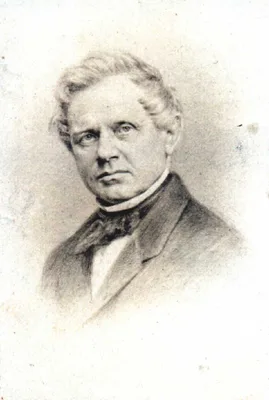
First quantitative analysis of the blood gases. Magnus proved that the arterial blood contains a higher concentration of oxygen than venous blood and that the latter had a higher carbon dioxide content.
1840
#3223
Essay on the treatment of and cure of pulmonary consumption.
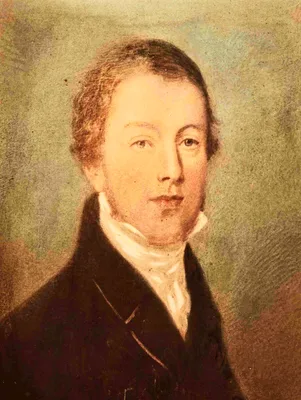
Bodington was one of the first to advocate the sanatorium treatment of pulmonary tuberculosis, with “cold dry air for healing and closing cavities and ulcers of the lungs”. His idea was much criticized and he was disc…
1844
#3448
Practical observations on organic obstruction of the oesophagus; preceded by a case which called for oesophagotomy and subsequent opening of the trachea.
First esophagotomy for relief of stricture of the esophagus.
1846
#930
On the capacity of the lungs, and on the respiratory functions, with a view of establishing a precise and easy method of detecting disease by the spirometer.
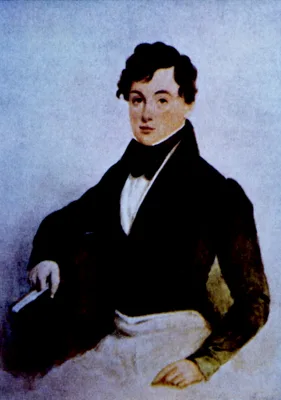
Invention of the spirometer, making possible the determination of the vital capacity of the lungs. Hutchinson used the spirometer while evaluating candidates for life insurance as a physician for Brittania Life. Parti…
1847
#931
Die Ursache der Lungenveränderung nach Durchschneidung der pneumogastrischen Nerven.
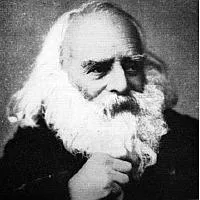
Study of the effect of section of the vagus on respiration. See also No. 933.
1849
#932
Recherches chimiques sur la respiration des animaux des diverses classes.
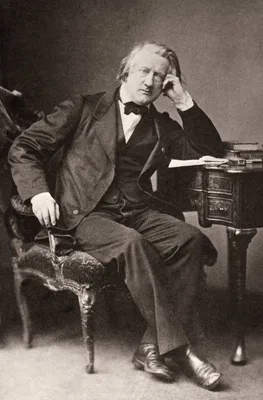
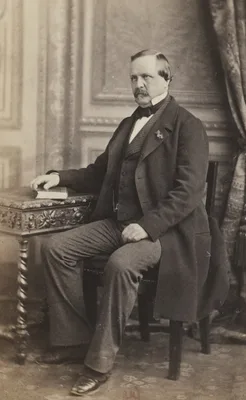
First determination of the respiratory quotient.
1850
#933
Ueber den Einfluss der Vagusdurchschneidung auf das Lungengewebe.
See No. 931.
1851
#2757
A practical treatise on the diseases of the lungs and heart, including the principles of physical diagnosis.
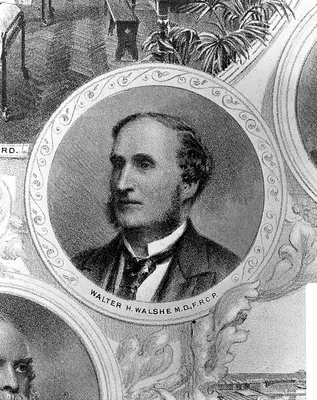
Walshe, physician to University College Hospital, London, was one of the first to recognize the presystolic character of the direct mitral murmur in mitral stenosis.
1851
#8942
Die metallurgischen Krankheiten des Oberharzes.
Brockmann's book on the pulmonary disease of miners, including black lung disease, was first book on occupational health published in Germany. Brockmann published a preliminary paper on the subject in 1845. Digital fa…
1852
#3168.1
On pleuritic effusions, and the necessity of paracentesis for their removal.
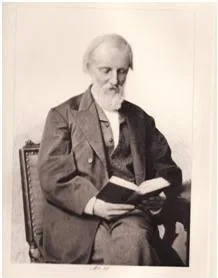
Bowditch pioneered the operation for removal of pleural effusions with trocar and a suction pump devised by Morrill Wyman (1812-1903). See Bowditch’s earlier paper on the subject in the same journal volume, pp. 103-05.
1853
#10235
Change of climate considered as a remedy in dyspetic, pulmonary, and other chronic affections; with an account of the most eligible places of residence for invalids in Spain, Portugal, Algeria, etc., at different seasons of the year; and an appendix on the mineral springs of the Pyrenees, Vichy, and Aix les Bains.
The author, a pulmonary specialist at Cavendish Square, London, provides a detailed manual for invalid travellers, seeking cures for tuberculosis, and indigestion and "nervous affections." It may be one of the first t…