
Facets
Browse across eight MeSH (opens in new tab) facets — era, geography, science, specialty, technology, history, culture, and reference. Select one tag per group; counts update across the others. What’s new in facet browse how facets relate to subjects and MeSH.
Clear filtersFacet filters
Geography
Specialties & Disease
- Anatomy & Pathology 765
- Cardiology & Blood 914
- Neurology & Psychiatry 1,258
- Obstetrics & Reproductive 551
- Infectious Disease (General) 147
- Surgery & Anesthesia 1,553
- Public Health 1,129
- Immunology & Dermatology 1,405
- General Clinical Medicine 487
- Military Medicine 436
- Psychology 202
- Alternative & Fringe Medicine 383
- Pediatrics 247
- Ophthalmology & Vision 412
- ENT & Hearing 293
- Urology & Nephrology 309
- Gastroenterology & Hepatology 316
- Pulmonary & Respiratory 233
- Rheumatology, Rehab & Pain 189
- Internal, Emergency & Geriatric 123
- Veterinary Medicine 165
- Epidemiology & Demography 397
- Physiology & Embryology 924
- Dentistry 259
- Plagues & Epidemics 1,279
- Microbiology & Virology 1,080
Social & Historical Studies
Institutions & Culture
Reference & Scholarly Works
383 entries match Alternative & Fringe Medicine [G02.403.750 / M01]
1477
#10725
Liber phsionomiae [and other works].
![SCOT, Michael [Michael Scotus] (1175 – 1232)](/media/portraits/12461)
"Composed between 1209 and 1226, the first of the two primary texts discusses human generation — anatomy, physiology, astrology, sexual behavior, conception and the health of the fetus. The second part, the Physiognom…
1492
#2191
Rosa anglica practica medicinae. Ed: Nicolaus Scyllacius.
The first printed medical book of an Englishman. John of Gaddesden was a prebendary of St. Paul’s Cathedral and physician to Edward II. The work, to quote Garrison, “consists mainly of Arabist quackeries and countrysi…
1509
#8445
Medicinae Pliniae libri quinque finiunt foeliciter.
The Medicina Plinii was an anonymous compilation of remedies dating to the early 4th century CE ."The excerptor, saying that he speaks from experience, offers the work as a compact resource for travelers in dealing wi…
1511
#9183
Libellus de lapidibus preciosis nuper editus.
The earliest medieval lapidary, and also the one which was quoted most widely. By the fourteenth century it was translated into French, Provençal, Italian, Irish, and Danish, and it was the first of Marbodius's works …
1528
#1785
De compositionibus medicamentorum liber unus
Written in 47 CE, this is an important compilation of drugs and prescriptions. Among the 271 remedies are the first use of electrotherapy (for headaches) using the shock of the torpedo fish. and it records the drinkin…
1533
#9863
En nyttelig laegebog for fattige og rige, unge og gamle.
Pedersen, a Danish canon, humanist scholar, writer, printer and publisher, wrote and published the earliest medical book issued in Scandanavia by a Scandanavian writer. Translated as "A useful doctor book for poor and…
1534
#9864
Om UrteVand.
Petersen issued a second book, "On herbal extracts" in 1534. According to Stokker, Remedies and rituals: Folk medicine in Norway and the new land (2007) p. 111, Pedersen's two works together contained "250 medical her…
1536
#10961
De medicamentis empiricis physicis ac rationalibus liber.... Edited by Janus Cornarius. Item Claudii Galeni libri novem nunc primum Latini facti.... Jani Cornarii.
![GALEN, [Κλαύδιος Γαληνός; Galen of Pergamon] (129 – 216)](/media/portraits/21)
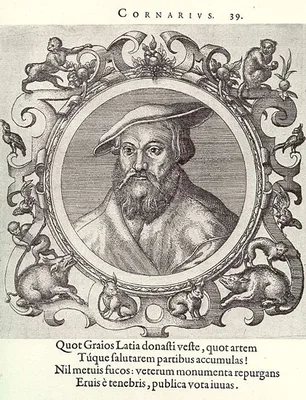
The Gallo-Roman physician Marcellus was born in Bordeaux. He may have served as magister officiorum under Theodosius I, or may have been royal physician. Sarton (Introduction to the history of science I, 391) consider…
1546
#9865
Skøn lystig ny Urtegaard.
Smid was one of the first writers on medicine in Scandinavia who was trained in medicine, but according to Stokker, Remedies and rituals: folk medicine in Norway and the new land (2007) p. 111 "had trouble succeeding …
1586
#150
De humana physiognomonia libri IIII.
Della Porta preceded Lavater in attempting to estimate human character by the features. This is one of the first works on the ancient “science” of physiognomy to be extensively illustrated.
1607
#8844
Verdadera medicina, cirugía y astrologia en tres libros dividida.
Concerns medicine of the Aztecs, etc. Digital facsimile from Google Books at this link.
1646
#10032
Pseudodoxia epidemica, or, enquiries into very many received tenents and commonly presumed truths.
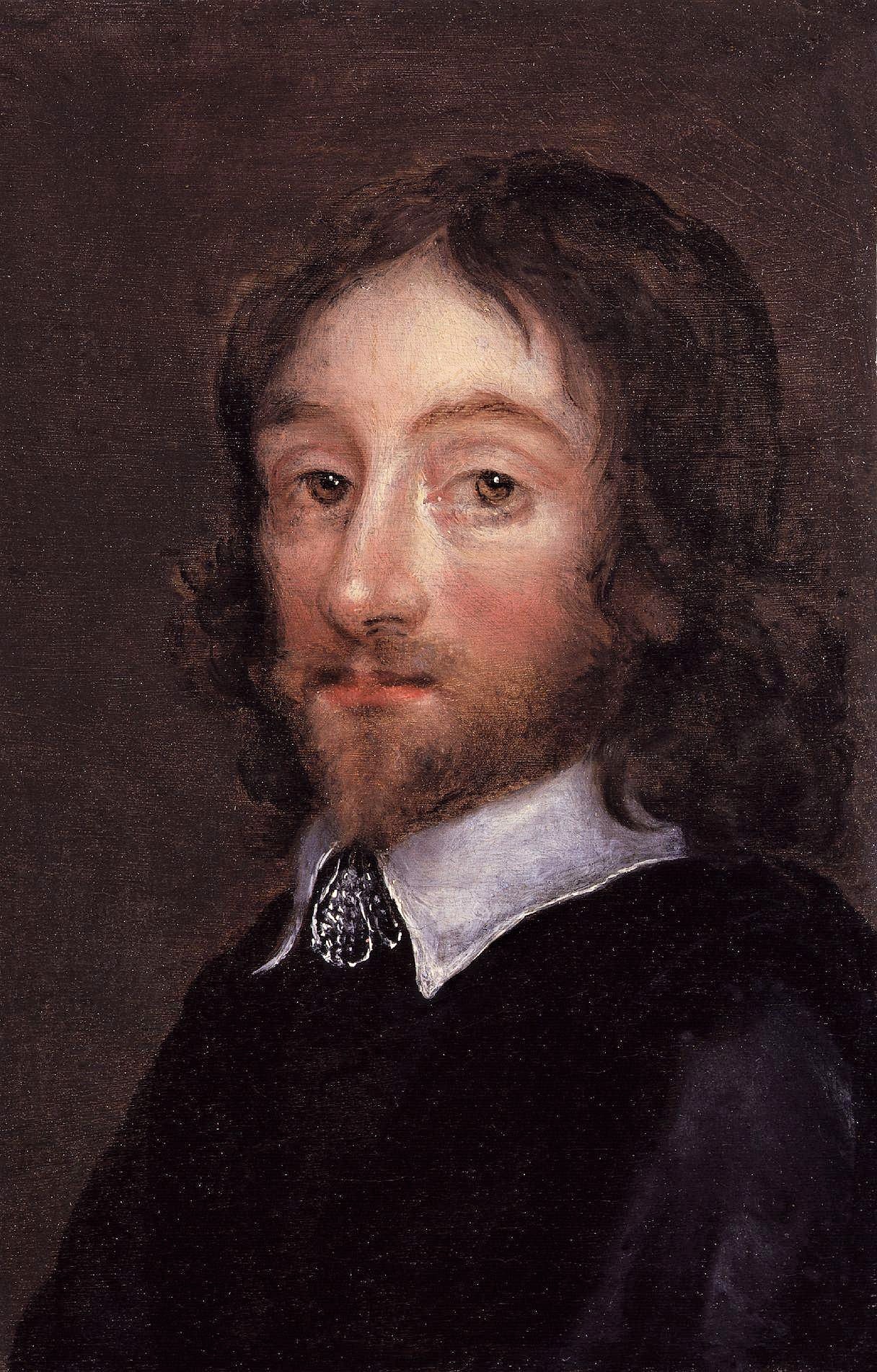
In this widely read work of popular science that underwent six editions in Browne's lifetime Browne debunked numerous quack cures, etc. Full text from quod.lib.umich.edu at this link. Digital facsimile of the 4th edit…
1651
#13742
Semeiotica uranica, or an astrological judgment of diseases from the decumbiture of the sick; 1. From Aven Ezra by the way of introduction. 2. From Noel Duret by way of direction. Wherein is layd down, the way and manner of finding out the cause, change and end of a disease. Also whether the sick be likely to live or dye, and the time when recovery or death is to be expected. To which is added the signs of life or death by the body of the sick party according to the judgment of Hippocrates.
Digital text from quod.lib.umich.edu at this link
1652
#8588
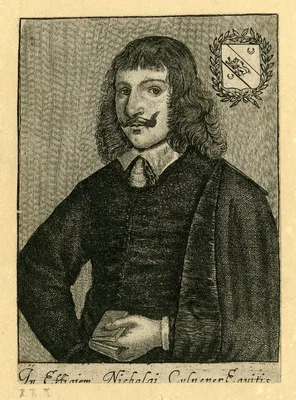
The English physitian: Or, an astrologo-physical discourse of the vulgar herbs of this nation. Being a compleat method of physick, whereby a man may preserve his body in health; or cure himself, being sick, for three pence charge, with such things only as grow in England, as they being most fit for English bodies. Herein is also shewed, 1. The way of making plaisters, oyntments, oyls, pultisses, syrups, julips, or waters, of all sorts of physical herbs, that you may have them readie for your use at all times of the yeer. 2. What planet governeth every herb or tree (used in physick) that groweth in England. 3. The time of gathering all herbs, both vulgarly, and astrologically. 4. The way of drying and keeping the herbs all the yeer. 5. The way of keeping their juyces ready for use at all times. 6. The way of making and keeping all kind of useful compounds made of herbs. 7. The way of mixing medicines, according to cause and mixture of the disease, and part of the body afflicted.
"Culpeper attempted to make medical treatments more accessible to laypersons by educating them about maintaining their health. Ultimately his ambition was to reform the system of medicine by questioning traditional me…
1658
#152
Metoposcopia libris tredecim et octingentis faciei humanae eiconibus complexa.
![CARDANO, Girolamo [Gerolamo; Hieronymus Cardanus] (1501 – 1576)](/media/portraits/7679)
Contains 800 illustrations of the human face. Cardan, Professor of Medicine at Padua as well as a celebrated mathematician and scientist, claimed to be able to draw horoscopes from the appearance of the face. A French…
1661
#9671
Thanasima, kai dēlētēria: Tractatus de venenis. Or, a treatise of poysons. Their sundry sorts, names, natures and virtues, with their severall symptomes, signes diagnosticks, prognosticks, and antidotes. Wherein, are divers necessary questions discussed; the truth by the most learned, confirmed, by many instances, examples & stories illustrated; and, both philosophically and medically handled.
1663
#9576
Opera omnia: Tam hactenus excusa, hîc tamen aucta & emendata, quàm nunquam aliàs visa ac primùm ex auctoris ipsius autographis eruta curâ Caroli Sponii .... 10 vols.
Digital facsimile from the Università degli Studi di Milano at this link.
1666
#4992
A brief account of Mr Valentine Greatrakes, and divers of the strange cures by him lately performed. Written by himself in a letter addressed to the Honourable Robert Boyle Esq., 1666.
The earliest scientific account, by a practitioner, and corroborated by witnesses, of healing by the “laying-on of hands”. Greatrakes became known as “the Irish stroker” because of his method of healing by stroking th…
1666
#9638
De medicina Danorum domestica dissertationes x.
An early study of medicine in Denmark, including local botanic drugs and folk medicine. Digital facsimile from Google Books at this link.
1673
#12972
Nova medicina spirituum: Curiosa scientia & doctrina, unanimiter hucusque neglecta, & à nemine meritò exculta, medicis tamen & physicis utilissima. In quâ Primo Spirituum naturalis constitutio, vita, sanitas temperamenta, ingenia, calidum innatum, phantasiae vires, ideae, astrorum influentiae, μετεμψύχωσις, rerum magnetissimi, sympatiae & antipatiae, qualitates hactenus occultae, aliaq; caeteroquin abstrusa & paradoxa; Dehinc spirituum praeternaturalis seu morbosa Dispositio, causae, curationes per naturam, per diaetam, per arcana majora, palingenesiam, magnetissimum seu sympatheismum, transplantationes, amuleta, ingenuè & dilucidè demonstrantur.
”A very curious work, attributing the causes of many diseases to spirits and basing their cure on this theory. There is a great deal on insanity. The methods of treatment are partly chemical, partly magnetical, even s…
1677
#12041
The astrological judgement and practice of physick, deduced from the position of the heavens at the decumbiture of a sick person.
Saunders "practised astrology and cheiromancy during the golden age of the pseudo-sciences in England." The DNB characterizes this work as "a systematic exposition of astrological therapeutics, based largely upon exam…
1682
#6492
Specimen medicinae Sinicae.
One of the earliest studies of Chinese medicine published in the West. (See also Nos. 6472.10 et seq.). Cleyer edited these translations of Chinese medical texts, reproducing a series of 30 plates dealing with Chinese…
1683
#6374.1
Dissertatio de arthritide: mantissa schematica: de acupunctura: et orationes tres…
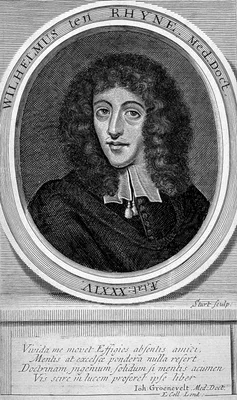
This work by the resident physician at Deshima, the Dutch East India Company’s trading station in Nagasaki Bay, Japan, contains the first detailed description of acupuncture, and the first illustration of acu-points p…
1685
#10190
Verdadera albeyteria. Divido en quatro libros....Lleva diferentes estampas, donde vàn delineadas las enfermedades que sobrevienen en el cuerpo, braços, y piernas del cavallo....
Includes both anatomical engravings and engraving that relate to astrological influences. Digital facsimile from the Hathi Trust at this link.
1686
#6492.1
Clavis medica ad Chinarum doctrinam de pulsibus. Autore R.P. Michaele Boymo, e Soc. Jesu, & in China missionario. Huius operis ultra viginti annos iam sepulti fragmenta, hinc inde dispersa, collegit & in gratiam medicae facultatis in lucem Europaeam produxit Cl. Dn. Andreas Cleyerus, M.D. & Societatis Batavo-Orientalis Proto-Medicus. A quo nunc demum mittitur totius operis exemplar, e China recens allatum, & a mendis purgatum, Procuratore R.P. Philippo Copletio, Belga, e Soc. Jesu, Chinensis missionis Romam misso.
Translations of Chinese treatises on pulse medicine with illustrations of hands and wrists to illustrate pulse-taking. The texts published here are different from those published by Cleyer in No. 6492. Previously publ…
1699
#7965
The dispensary: A poem. In six cantos.
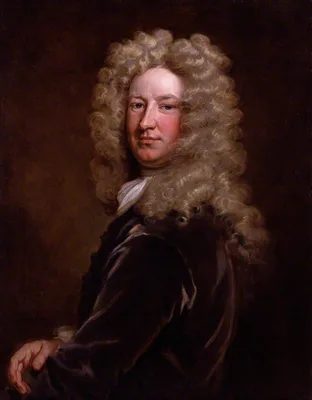
An aggressive criticism of quack medicines, apothecaries who produced them, and physicians who prescribed them.
1700
#11894
Observations sur la maniere de tailler dans les deux sexes pour l'extraction de la pierre, pratiqué par Frere Jacques. Nouveau system de la circulation du sang pour le trou ovale dans le foetus humain, avec les réponses aux objections qui ont été faites contre cette hypothese.
"Méry became closely associated with the comparative-anatomical work led by Claude Perrault and J.-G. Duverney. As a member of this group, Méry made contributions to their joint publications, in which each man’s speci…
1703
#8870
A description of the Western Islands of Scotland.: Containing a full account of their situation, extent, soils, product, harbours, bays, tides, anchoring places, and fisheries. The ancient and modern government, religion and customs of the inhabitants, particularly of their druids, heathen temples, monasteries, churches, chappels, antiquities, monuments, forts, caves, and other curiosities of art and nature. Of their admirable and expeditious way of curing most diseases by simples of their own product. A particular account of the second sight, or faculty of forseeing things to come, by way of vision, so common among them. A brief hint of methods to improve trade in that country, both by sea and land. With a new map of the whole, describing the harbours, anchoring places, and dangerous rocks, for the benefit of sailers. To which is added a brief description of the Isles of Orkney, and Schetland.
Martin, who graduated MD from Leiden, included throughout his book detailed and non-judgmental documentation of folk medicine practices and ethnobotanic remedies then in use in the region. Digital facsimile of the 170…
1712
#6374.11
Amoentitatum exoticarum politico-physico-medicarum fasciculi V.
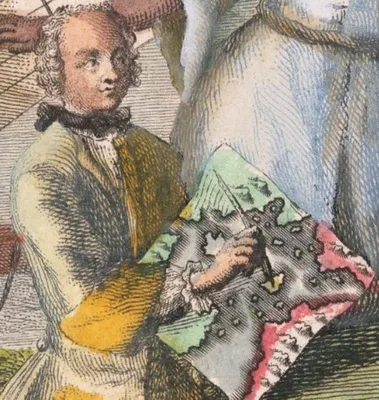
Kaempfer’s illustrated accounts of Japanese acupuncture and moxibustion are among the best of the 17th century. They appeared for the first time in the above work and were translated into English in his The History of…
1744
#1987.1
Abhandlung von dem Nutzen der Electricität in der Artzneywissenschaft.
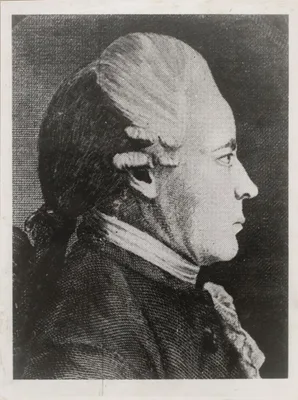
A student of Johann Gottlob Krüger (No. 1987.2), Kratzenstein was apparently the first to publish a treatise on electrotherapy, although he may have been publishing experiments devised by Krüger. Second edition, Halle…
1744
#1987.2
Zuschrifft an seine Zuhörer worinnen er ihnen seine Gedancken von der Electricität mittheilet und ihnen zugleich seine künftige Lectionen bekant macht.
Along with Kratzenstein, is the one of the first two works to discuss the possible therapeutic uses of electricity. Krüger predicted that the best results would be with paralyzed limbs. See No. 1987.1. Second edition,…
1745
#1831
Aνтιθηεριακά. An essay on mithridatium and theriaka.
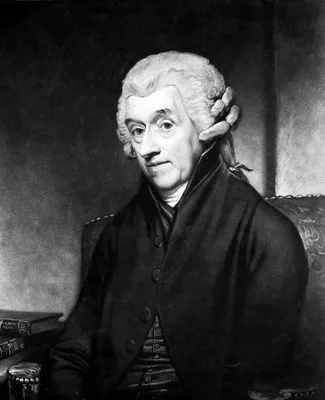
Heberden’s first printed work. His criticism of current superstitions conceming these two concoctions resulted ultimately in their removal from the pharmacopoeia. No publisher's name appears on the title page. Digital…
1748
#1987.3
Experiences sur l’électricité …
Discovery of stimulation of muscles by electricity, and the first proof that paralysis could be successfully treated by electricity.
1754
#13065
Briefe welch einige Erfahrungen der electrischen Wirkungen in Krankheiten enthalten.
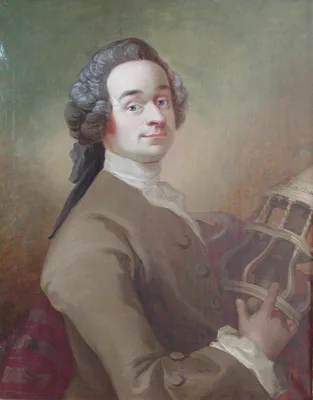
1761
#7669
History of the travels and adventures of the Chevalier John Taylor, ophthalmiater; pontifical imperial and royal to the Kings of Poland, Denmark, Sweden, the electors of the Holy Empire, the princes of Saxegotha, Mecklenburg, Anspach, Brunswick, Parma, Modena... Addressed to his only son.
1767
#13081
The law of physicians, surgeons, and apothecaries: Containing all the statutes, cases at large, arguments, resolutions, and judgments concerning them. Compiled, by desire of a great personage, for the use of such gentlemen of the faculty as are enemies to quackery, in order to point out the defects in the law, as it now Stands, relative to those professions, and To propose such expedients for remedying them as they shall think necessary, before the next session of parliament, when it is intended to apply for an act for regulating the practice of physick, and suppressing empirical nostrums.
Digital facsimile from Google Books at this link.
1772
#154
Von der Physiognomik.
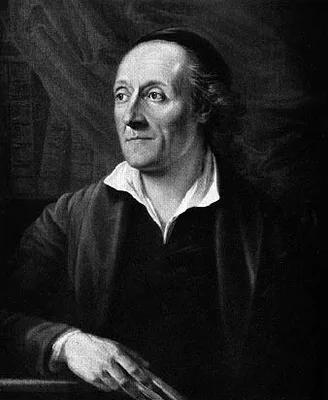
Lavater was the last of the descriptive physiognomists. He expanded the above work into Physiognomische Fragmente zur Beförderung der Menschenkenntnis und Menschenliebe, 1775-78. This was translated into English by H.…
1774
#6451.90
An oration…containing an enquiry into the natural history of medicine among the Indians in North-America; and a comparative view of their diseases and remedies, with those of civilized nations.
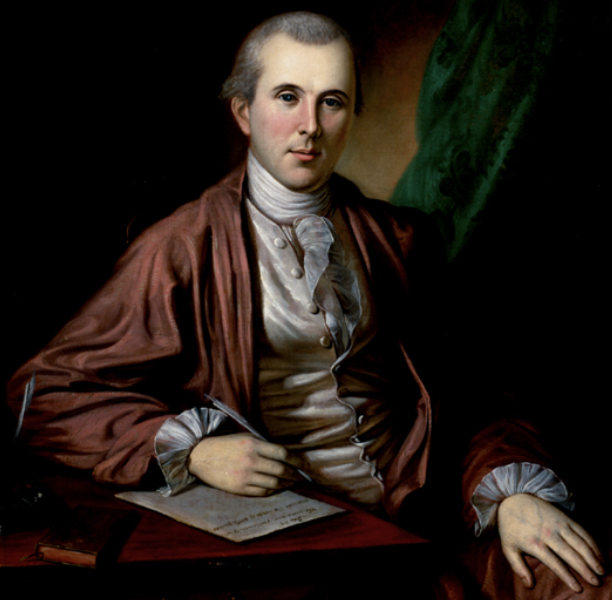
Rush was the first American physician to publish a detailed study of native American medicine. Digital facsimile from the Medical Heritage Library, Internet Archive, at this link.
1774 –1780
#6374.12
Histoire de la chirurgie depuis son origine jusqu’a nos jours. 2 vols.
Dujardin seems to be the first European to discuss acupuncture within its historical context as an ancient remedy still found to be of practical value. His section on Chinese and Japanese medicine appears on pp. 75-10…
1778
#9866
Kort Underviisning om De paa Landet, I Bergens Stift, meest grasserende Sygdomme, og derimod tienende Hjelpe-Midler. Paa Det Nyttige Sælskabs Bekostning.
Strøm's work, which may be translated as "A short instruction about common sicknesses in the area around Bergen and their most common remedies" was "More a report than a doctor book, it describes the living conditions…
1779
#4992.1
Mémoire sur la découverte du magnétisme animal.
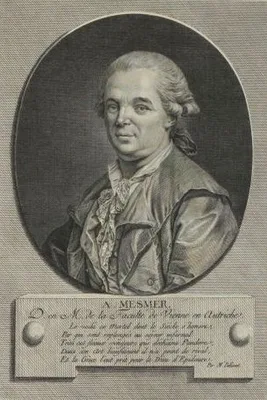
Mesmer promoted his system of treatment, based on his confused doctrine of a universal magnetic fluid influencing tides and men alike, with books and great personal showmanship. His treatment became such a popular hea…
1779
#13066
Geneeskundige proeven en waarneemingen omtrent de goede uitwerking der electriciteit in verscheiden ziektens.
Digital facsimile of the Dutch edition from Google Books at this link. Translated into German by Karl Gottlob Kühn as Von den guten Würkungen der Electricität in verschiedenen Krankheiten. Mit eingien Anmerkungen und …
1784
#4992.2
Rapport des commissaires chargés par le roi, de l’examen du magnétisme animal. Edited by Antoine Laurent Lavoisier.
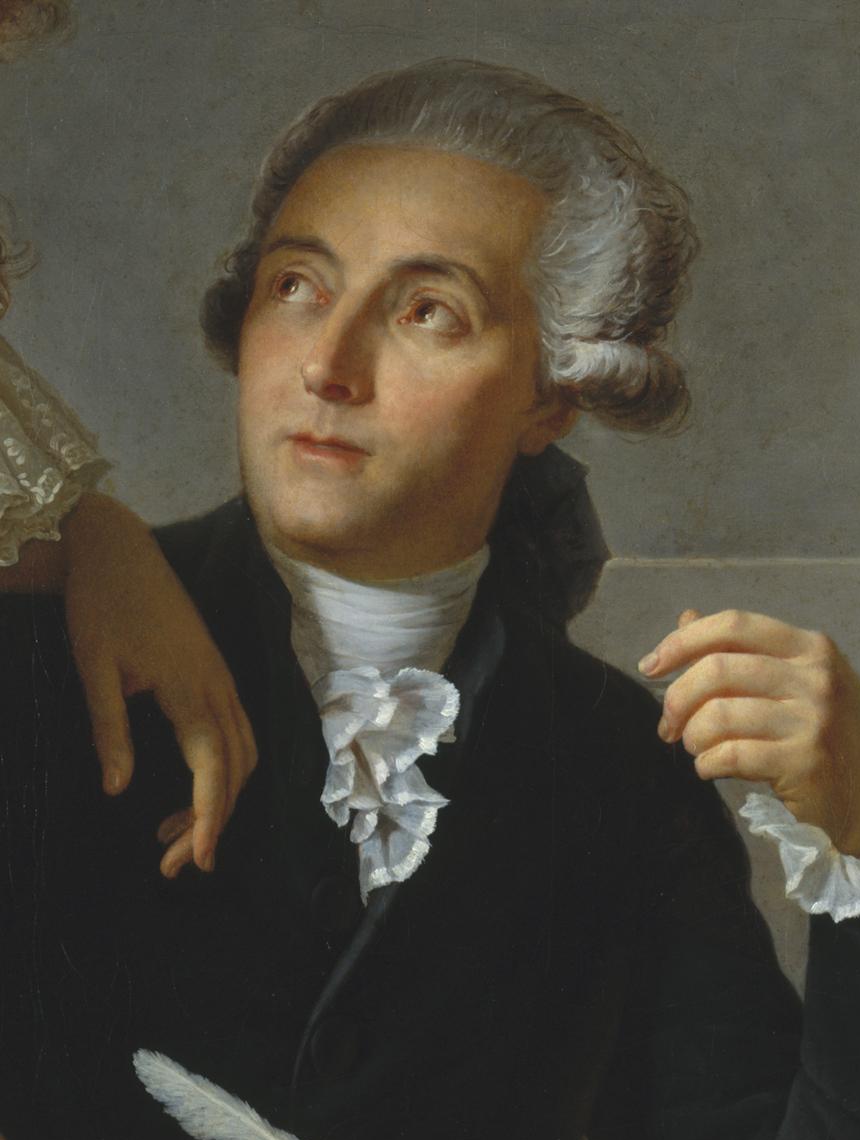
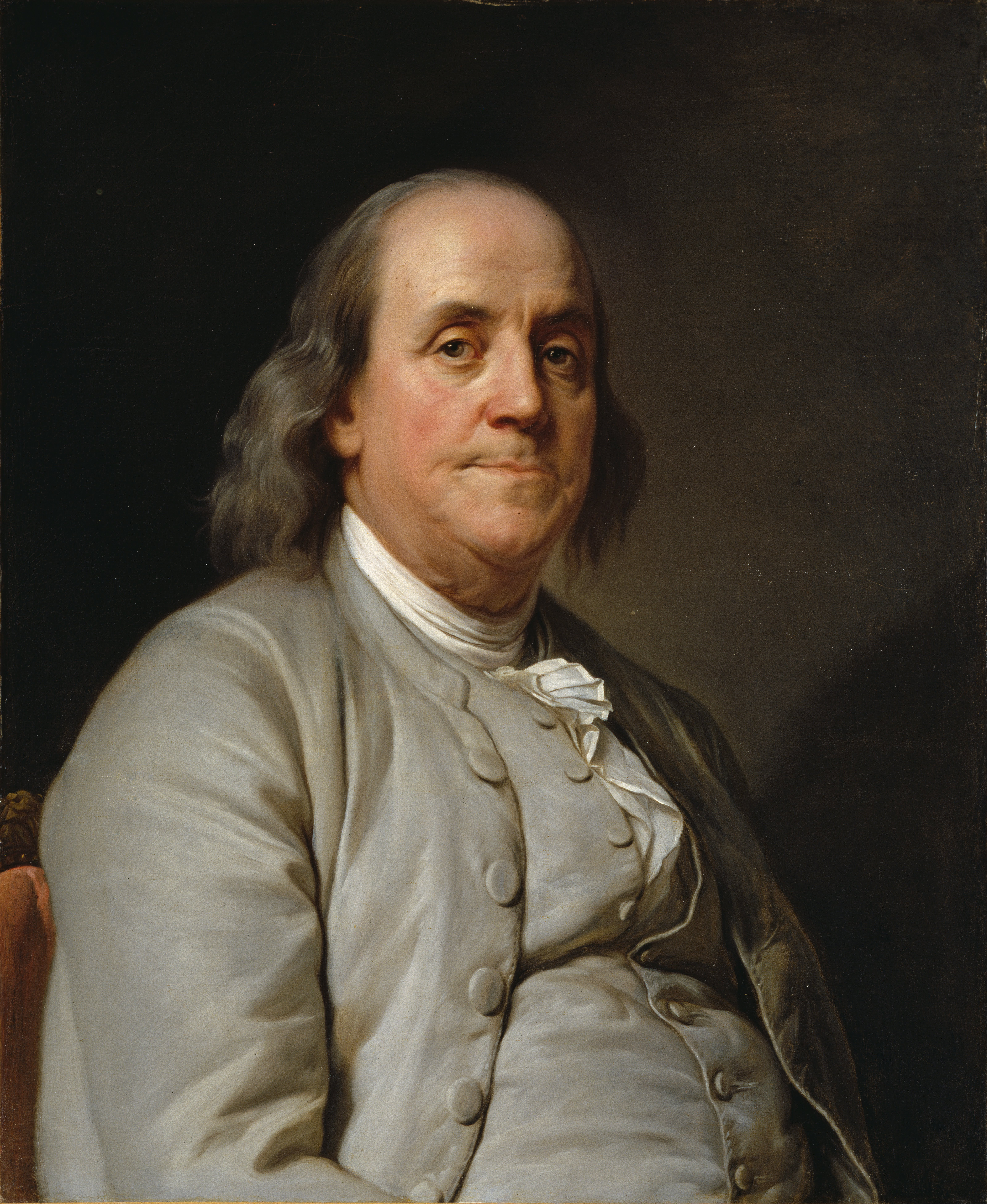
Responding to Mesmer’s growing notoriety, the Medical Faculty of Paris became alarmed, and urged the King to appoint a blue-ribbon committee of inquiry. The committee included Benjamin Franklin, Antoine Laurent Lavois…
1790
#10002
Essays on fashionable diseases. The dangerous effects of hot and crouded rooms. The cloathing of invalids. Lady and gentlemen doctors. And on quacks and quackery. With the genuine patent prescriptions of Dr. James's fever power, Tickell's aetherial spirit, & Godbold's balsam, taken from the Rolls in Chancery, and under the seal of the proper officers; and also the ingredients and compostion of many of the most celebrated quack nostrums, as analized by several of the best chemists in Europe. By James M. Adair, Formerly M.D.... With a dedication to Philip Thicknesse ... To which is added a dramatic dialogue. Published for the benefit of the tin-miners in Cornwal
An attack on quack medicines, etc. with one of the most verbose title pages of the 18th century. Digital facsimile from the Internet Archive at this link.
1790
#13699
Culpeper's English physician; and complete herbal. To which are now first added upwards of one hundred additional herbs, with a display of their medicinal and occult properties, physically applied to the cure of all disorders incident to mankind. To which are annexed rules for compounding medicine according to the true system of nature, forming a complete family dispensatory and natural system of physic. Beautified and enriched with engravings of upwards of four hundred and fifty different plants, and a set of anatomical figures....
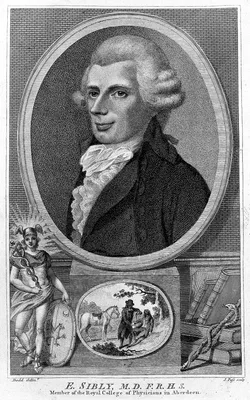
Digital facsimile from Biodiversity Heritage Library at this link.
1794
#8004
Demostracion de las eficaces virtudes nuevamente descubiertas en las raices de dos plantas de Nueva-España, especies de ágave y de begónia, para la curacion del vicio venéreo y escrofuloso ...
Balmis conducted experimental trials on the effectiveness of two Mexican plants, agave and begonia, which were believed, according to folk medicine practices in Mexico, to cure syphilis and scrofula. The trials confir…
1796
#6849
Versuch über ein neues Prinzip zur Auffindung der Heilkräfte der Arzneisubstanzen, nebst einigen Blicken auf die bishberigan.
Hahnemann's first presentation of his new system of medicine. English translation in The Lesser Writings of Samuel Hahnemann, Collected and Translated by R. E. Dudgeon, London: W. Headland, 1851, 195-357.
1798
#8654
The influence of metallic tractors on the human body, in removing various painful inflammatory diseases, such as rheumatism, pleurisy, some gouty affections, &c. &c: Lately discovered by Dr. Perkins, of North America; and demonstrated in a series of experiments and observations....by which the importance of the discovery is fully ascertained, and a new field of enquiry opened in the modern science of Galvanism, or animal electricity
In 1795 Dr. Elisha Perkins (1741-1799) of Connecticut introduced the use of “Metallic Tractors” for the treatment of a wide range of disorders, including pains in the head, face, teeth, breast, side, stomach, back, rh…
1800
#7749
Of the imagination, as a cause and as a cure of disorders of the body; exemplified by fictitious tractors, and epidemical convulsions. Read to the Literary and Philosophical Society of Bath.
The first clinical demonstration of the placebo effect, specifically in the context of Perkins' metallic tractors. Haygarth demonstrated the placebo effect caused by the tractors by obtaining the same results with woo…
1801
#1988.1
Versuche des Galvanismus zur Heilung einiger Krankheiten.
Grapengiesser was the first physician to use Volta’s “pile”, the first battery, which Volta first described in print in 1800. Grapengiesser “noted that in paralyzed muscle excitability could be so poor that 150 elemen…