
Facets
Browse across eight MeSH (opens in new tab) facets — era, geography, science, specialty, technology, history, culture, and reference. Select one tag per group; counts update across the others. What’s new in facet browse how facets relate to subjects and MeSH.
Clear filtersFacet filters
Geography
Specialties & Disease
- Anatomy & Pathology 765
- Cardiology & Blood 914
- Neurology & Psychiatry 1,258
- Obstetrics & Reproductive 551
- Infectious Disease (General) 147
- Surgery & Anesthesia 1,553
- Public Health 1,129
- Immunology & Dermatology 1,405
- General Clinical Medicine 487
- Military Medicine 436
- Psychology 202
- Alternative & Fringe Medicine 383
- Pediatrics 247
- Ophthalmology & Vision 412
- ENT & Hearing 293
- Urology & Nephrology 309
- Gastroenterology & Hepatology 316
- Pulmonary & Respiratory 233
- Rheumatology, Rehab & Pain 189
- Internal, Emergency & Geriatric 123
- Veterinary Medicine 165
- Epidemiology & Demography 397
- Physiology & Embryology 924
- Dentistry 259
- Plagues & Epidemics 1,279
- Microbiology & Virology 1,080
Social & Historical Studies
Institutions & Culture
Reference & Scholarly Works
914 entries match Cardiology & Blood [C14 / C15]
1519
#3048
Liber theoricae nec non practicae Alsaharavii.
This is the first printing of the medical and therapeutic section of Abul Qasim’s medical encyclopedia or al-Tasrif. It contains what is probably the earliest description of hemophilia (fol. 145). Digital facsimile fr…
1552
#7807
Meletius, De natura structuraque hominis opus. Polemonis Atheniensis, Naturae signorum interpretationis. Hippocratis, De hominis structura. Diocles, De tuenda valetudine epistola. Melampus, De nevis corporis tractatus. Omnia haec non prius edita. Nicolao Petreio Corcyraeo interprete.
![HIPPOCRATES, [Ἱπποκράτης; Hippocrates of Kos] (-460 – -370)](/media/portraits/50)
This collection of Late Antique and Byzantine medicine edited by Nicolas Petreius begins with a Byzantine treatise on anatomy, probably written in the eighth century by Meletius, a Christian monk and physician from Ph…
1554
#23
De vesicae renumque morbis. De purgantibus medicamentis. De partibus corporis humani...
First printed edition in Greek, edited by Jacques Goupyl. Rufus was a Greek physician who lived during the rule of Trajan. He wrote wrote treatises on dietetics, pathology, anatomy, and patient care. His De partibus c…
1554
#2271
Medicina. 3 pts.
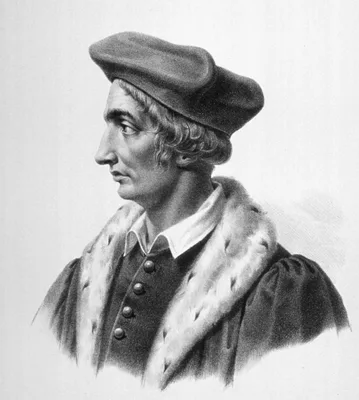
The first systematic treatise on pathology, which also introduced the names for the sciences of pathology and physiology. In the second part, entitled “Pathologia”, Fernel provided the first systematic essay on the su…
1554
#3109
Medicinalium epistolarum miscellanea.
Epistle xxi, pp. 74-77, contains the first definite description of chlorosis. “De morbo virgineo”. English translation in No. 2241.
1555
#10601
Sphygmicae artis iam mille ducentos annos perditae et desideratae libri V.
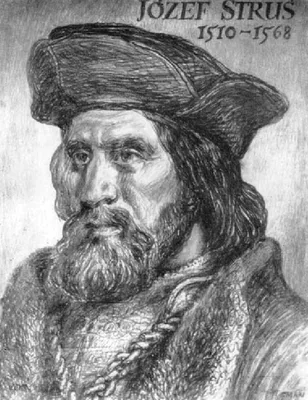
Considered the most significant work on the pulse between Galen and Harvey. The work includes what is probably the earliest graphic representation of the pulse. Struthius provided a useful mnemonic of the five simple …
1556
#3049
Curationum medicinalium centuriae quatuor.
Contains (Cent. iii, curat. 70, p. 286) first recorded case of purpura as a separate entity, not associated with fever. English translation of this section in Major, Classic descriptions of disease, 3rd. ed., 1945, p.…
1582
#7327
Aigentlich Beschreibung der Raiss, so er vor diser Zeit gegen Auffgang inn die Morgenländer, fürnemlich Syriam, Iudaeam, Arabiam, Mesopotamiam, Babyloniam, Assyriam, Armeniam etc....
Rauwolf provided the first modern descriptions of the flora of the area east of the Levantine coast. He was also the first to describe the riparian flora of the Euphrates, and the first European to publish an account …
1587
#10660
De virtutibus et viciis cordis libri tres. Primus agit de virtutibus & functionibus cordis. Secundus de palpitatione cordis. Tertius de syncope.
The earliest separate treatise on cardiac physiology and pathology. Digital facsimile from Google Books at this link.
1603
#2726
De pulsibus libri tres nunc primum in lucem editi.
Sassonia emphasized the importance of the pulse in diagnosis, and provided the first recorded description of heart block. Pages 57-61 contain graphic representations of the pulse using dashes of unequal length. Digita…
1618
#10502
De affectionibus cordis. Libri tres. Qvorum primus agit de naturalibus. Secundus & tertius De preternaturalibus, de paliptatione nempe, & syncope, atque earum curatione.
The first book on heart disease. "The recognition of heart disease as of clinical interest and importance was exceedingly slow. In 1618, one hundred and eleven years after the pioneer publication of Benivieni of the p…
1624
#2971
De tumoribus praeter naturam libri quinque. Ex instructissima Bibliotheca Ranchiniana eruti, & publici iuris facti, cura & studio Henric Gras...Accessit Ioannis Saportae Tractatus de lue venerea.
IN 1554 Saporta gave the earliest description of an aortic aneurysm. Many years after Saporta's death Henri Gras of Lyon discovered the manuscript of Saporta's book, and edited it for publication. Digital facsimile fr…
1628
#759
Exercitatio anatomica de motu cordis et sanguinis in animalibus.
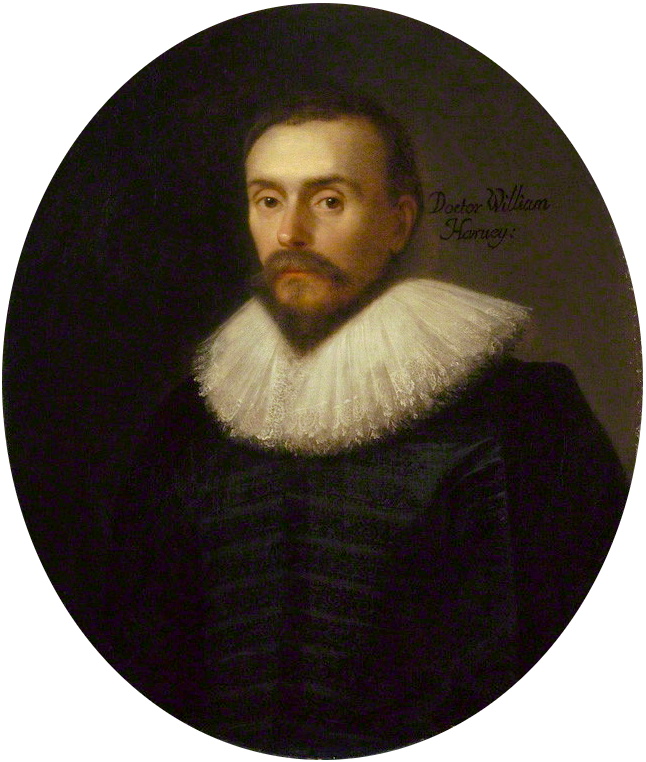
Discovery and experimental proof of the circulation of the blood. Together with Vesalius’s Fabrica (1543), Harvey’s De motu cordus shares the honor as the greatest book in the history of medicine. Since antiquity, ide…
1628
#2011
Methodus facile parandi iucunda tuta et nova medicamenta & eius applicatio aduersus chimicos.
Page 170 includes the first definite description of a blood transfusion, notably published in the same year as Harvey's discovery of the circulation of the blood in De motu cordis. Digital facsimile from Google Books …
1645
#61.2
Opera quae extant omnia. Ex recension Joh. Antonidae vander Linden.
Spieghel succeeded Casseri in the chair of anatomy at Padua. This edition of his collected writings contains the second printing of the 97 copperplates first printed in Casseri’s Tabulae anatomicae (No. 381) plus 9 ex…
1649
#10658
Exercitatio anatomica de circulatione sanguinis.
In this work Harvey first described the circulation of blood through the coronary arteries. Harvey also described experiments that he made to provide further support to his theory of the circulation since the publicat…
1652
#3050
Iatrologismorum seu medicinalium observationum pentecostae quinque utilibus praeceptis.
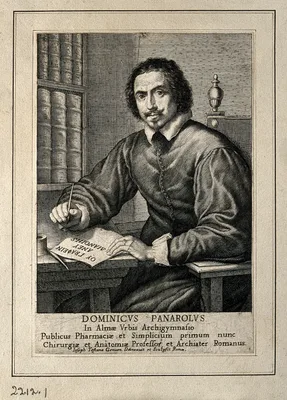
Panaroli described hemolytic jaundice of the newborn.
1658
#2703
Observationes anatomicae, ex cadaveribus eorum, quos sustulit apoplexia.
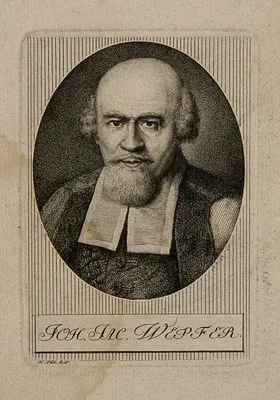
Wepfer showed apoplexy to be a result of hemorrhage into the brain. He described four cases, with clinical and post mortem findings. He preceded Willis (No. 1378) in describing the “circle of Willis”. Partial English …
1665 –1666
#2012
The method observed in transfusing the blood out of one live animal into another.
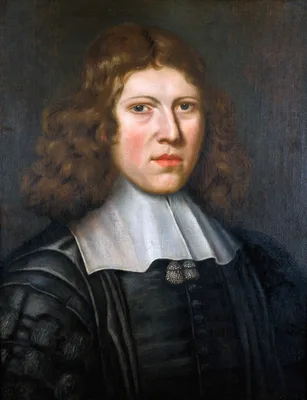
In February 1665 Lower successfully transfused dogs with blood.
1665
#1962
Clysmatica nova; oder newe Clystier-Kunst.
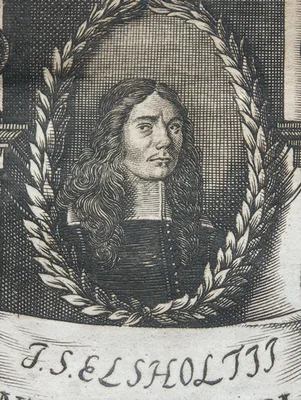
Elsholtz’s book on the venous infusion of medicaments was one of the first works to deal with blood transfusion. Latin edition in 1667; English translation in 1677. Reprint of Latin 1667 edition, Hildesheim, G. Olms, …
1667
#2013
Lettre … touchant deux expériences de la transfusion faites sur des hommes.
The first transfusion of blood into a human was performed by Denis on June 15, 1667; he transfused lamb’s blood into a youth. For a partial translation, see Geoffrey Keynes’s Blood transfusion (Bristol, 1949) 14-15. D…
1667
#2014
An account of the experiment of transfusion, practised upon a man in London.
First transfusion of blood performed on a human in England, Nov. 23, 1667.
1667
#2972
Vesalius: Una cum D. Bartholomaei Velseri literis, Tuas, doctissime et mihi amicissime D. Achilles, accepi.... IN: Welsch, G. H., Sylloge curationum et observationum medicinalum centurias vi complectens (J. U. Rumler, Observationes medicae e bibliotheca Georgi Hieronymi Velschii, cum eius dem notis LXXXXI, p. 47).
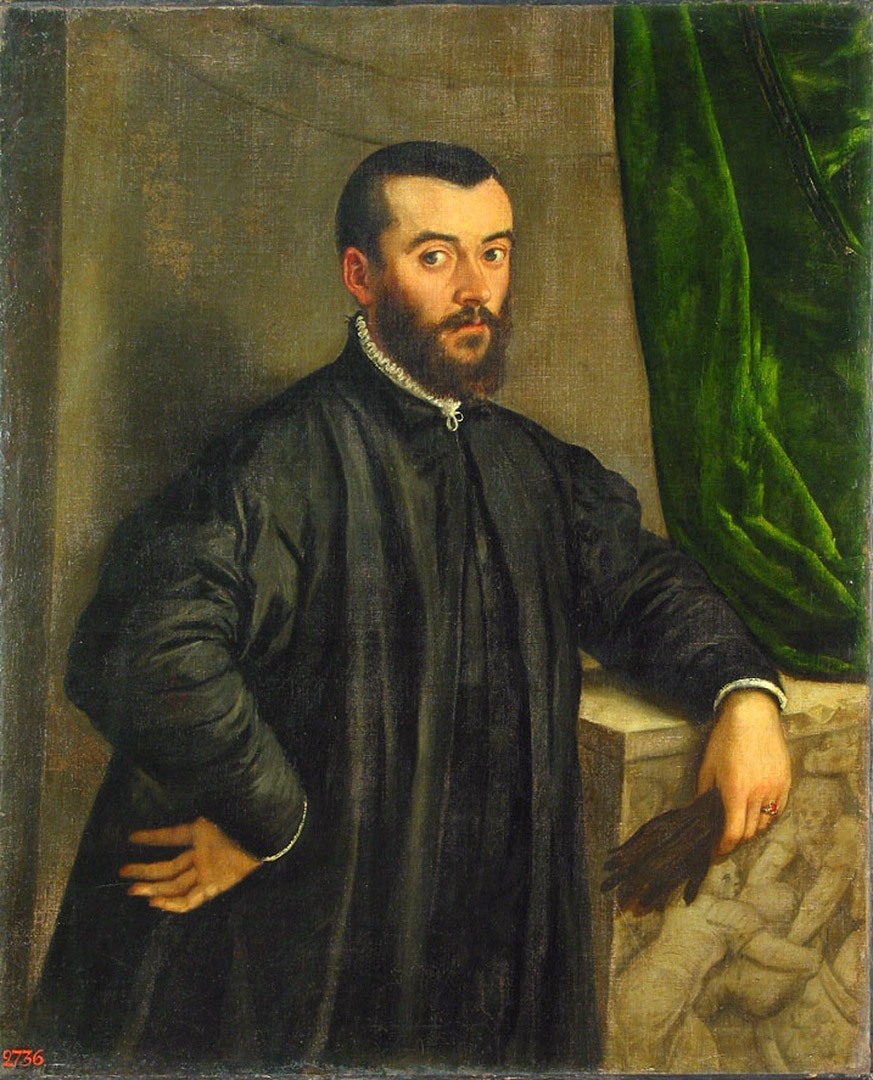
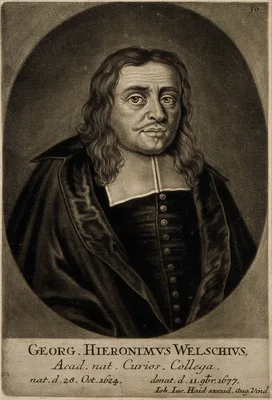
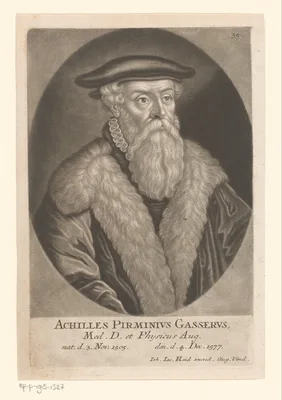
In 1555 Vesalius was the first to diagnose an aneurysm of the thoracic and abdominal aorta in a living person. Vesalius wrote this consilium to Achilles Pirmin Gasser on July 18, 1557; it was not published until more …
1667
#10711
Hieronimi Barbati ... Dissertatio elegantissima De sanguine et eius sero, in qua praeter varia lectu dignissima, Conringj. Lindeni & Barthol. circa sanguificationem opiniones, Stenoniana sanguinisdealbatio, VVillisii succi neruorum vis, Regij transitus chyli ad liene, liceti nutitio embryonis, VVarthoni & Charletonis lactis expositio, Haruei masculini seminis retentio rejecta, Moebij spirituum animalium materia, & alia clarissimorum neotericorum prolata, doctè & politè exponuntur.
Barbato discovered the blood serum. Another version of these texts was published in Paris by Robert de Ninville in 1667. Priority of these editions is unknown. Digital facsimile of the Frankfurt version from Google Bo…
1671 –1672
#2726.1
Embryo monstro affinis Parisiis dissectus.
First known description of the “tetralogy of Fallot” (see No. 2792). Reprinted in his Opera philosophica, ed. W. Maar, Vol. 2, Copenhagen, V. Tryde, 1910, pp. 49-53. For translation see Proc. Mayo Clin., 1948, 23, 317.
1674
#2726.2
Tractatus quinque medico-physici.
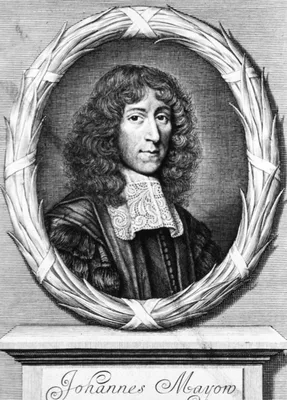
Mayow was the first to locate the seat of animal heat in the muscles; he discovered the double articulation of the ribs with the spine and came near to discovering oxygen in his suggestion that the object of breathing…
1674
#860
Microscopical observations concerning blood, milk, bones, the brain, spittle, and cuticula, etc.
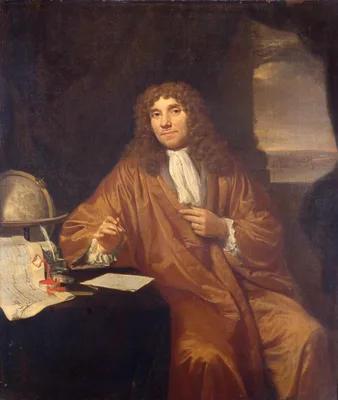
First really accurate description of the red blood corpuscles, which Swammerdam had noted in 1658.
1674
#2727
Opera medica universa.
Riverius was the first to note aortic stenosis (p. 638 of the above).
1679
#10604
Tractatio med. curiosa, de ortu & occasasu transfusionis sanguins, qua haec, quae fit e bruto in brutum, a for medico penitus eliminatur; ila, quae e bruto in hominem peragitur....
The first detailed history of efforts at blood transfusion. Mercklin was one of the earliest writers to discuss the history, value, dangers, and methods of blood transfusion. He recognized and understood what we now c…
1684
#861
Memoirs for the natural history of humane blood, especially the spirit of that liquor.
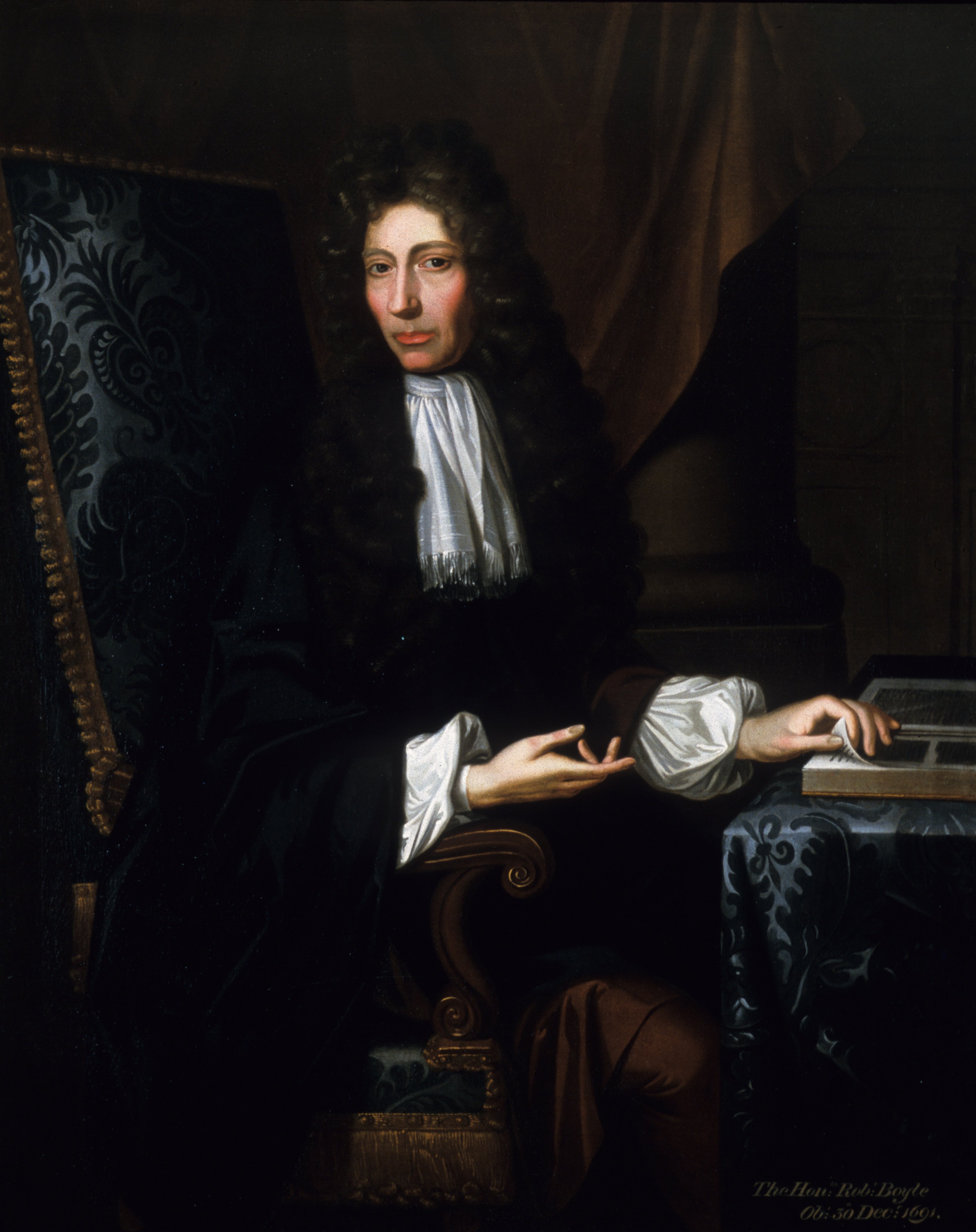
The first analysis of blood, Boyle’s Memoirs may be considered the first scientific study in physiological chemistry, exhibiting methods which have become universally adopted. This is Boyle’s most important medical work.
1691
#2728
Pulsus mira inconstantia.
First reported case of temporary cardiac arrest with syncopal attacks, the syndrome to which the names of Stokes (No. 2756) and Adams (No. 2745) were later attached.
1698
#10657
De motu cordis adversaria analytica.
In this pioneering experimental study of coronary function, describing the first experimental tying of a coronary vessel, Chirac demonstrated that cardiac arrest occurs in response to coronary ligation. “A special pos…
1705
#2729
Novum vasorum corporis humani systema.
Vieussens was among the first to describe the morbid changes in mitral stenosis, the throbbing pulse in aortic insufficiency, and the first correctly to describe the structure of the left ventricle, the course of the …
1706
#2730
Of ossifications or petrifications in the coats of arteries, particularly in the valves of the great artery.
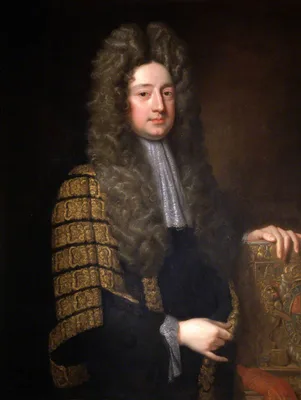
First description of aortic insufficiency. Reproduced in Willius & Keys: Cardiac classics, 1941, pp. 109-14.
1706
#9471
Nouvelles découvertes sur le cœur, expliquées dans une lettre écrite à Monsieur Boudin ....
The first description of “Vieussen’s valve,” “Vieussens’s ring,” and the “Thebesian veins” of the heart. "These ‘ducti carnosi’ were ultimately named ‘Thebesian veins’ after subsequent work completed by Adam Christian…
1707
#2731
De subitaneis mortibus libri duo.
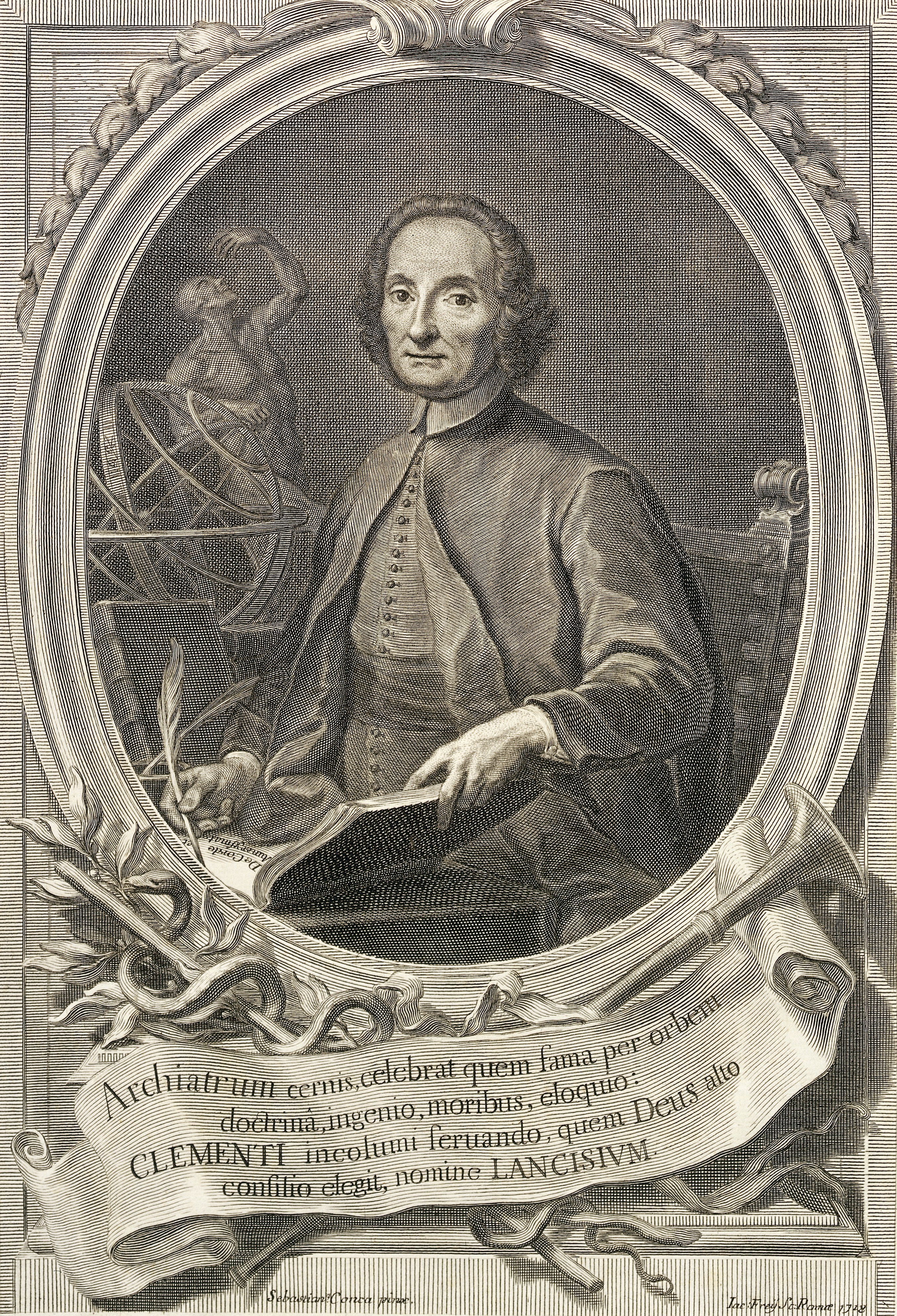
In the above work Lancisi noted cardiac hypertrophy and dilatation as causes of sudden death. He was the first to describe valvular vegetation, and his book gives a classification of the cardiac diseases then recogniz…
1715
#7247
Traité nouveau de la structure et des causes du mouvement naturel du coeur. IN: Oeuvres françoises de M. Vieussens dédiées a nosseigneurs des états de la province de Languedoc.
The first work on cardiac anatomy and pathology. Vieussens was the first to describe the course of the coronary arteries and the coronary sinus. He also described collateral vessels connecting the left anterior descen…
1718
#71
Jo. Mariae Lancisii archiatri pontificii. Opera quae hactenus prodierunt omnia; dissertationibus nonnullis adhuc dum ineditis locupletata, & ab ipso auctore, recognita atque emendata. Collegit, ac in ordinem digessit Petrus Assaltus. 2 vols.
Lancisi's collected works edited by Pietro Assalti. Lancisi was the first to describe cardiac syphilis; he was also notable as an epidemiologist, with a clear insight into the theory of contagion. He was physician to …
1724
#12698
An impartial history of Michael Servetus, burnt alive at Geneva for heresie.
Authorship of this early English account of Servetus and his martyrdom for heresy has never been determined, according to Geoffrey Sill, "The authorship of An impartial history of Michael Servetus," Papers of the Bibl…
1727
#12697
Historia Michaelis Serveti Quam praeside Io. Laur. Mosheimio...auctor Henricus ab Allwoerden.
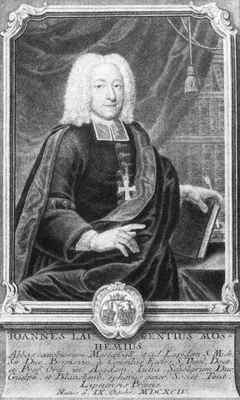
An early biographical account of Servetus and his martyrdom for heresy, prepared under the direction of Johann Lorenz von Mosheim whose Kaisergeschichte (2 vols, 1746-48) initiated the modern, objective historiography…
1728
#2973
De motu cordis et aneurysmatibus.
Lancisi noted the frequency of cardiac aneurysm and showed the importance of syphilis, asthma, palpitation, violent emotions, and excess as causes of aneurysms. He was the first to describe cardiovascular syphilis. La…
1731
#3110
Godofredus Augustus Emmrich: Disseratione inauguralis De genuina chlorosis indole, origine et curatione. Von der wahren Eigenschaft, Ursprung und Cur der Bleichsucht.
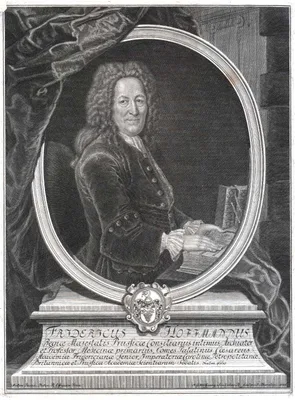
Classic description of chlorosis. Lange accurately diagnosed this condition, but it was left to Hoffmann to separate it as a definite entity. Hoffmann published his contribution to this subject in the thesis of his st…
1735
#3051
Epistolica dissertatio altera pro spicilegio observationum de morbo maculoso haemorrhagico et noxiis nonnulis mytulis perscripta.
Behrens gave the name “morbus maculosus haemorrhagicus” to the disease purpura haemorrhagica. His paper is reprinted in Werlhof’s Opera medica, Hannover, 1775, 2,615-36.
1735
#3052
Disquisitio medica et philologica de variolis et anthracibus.
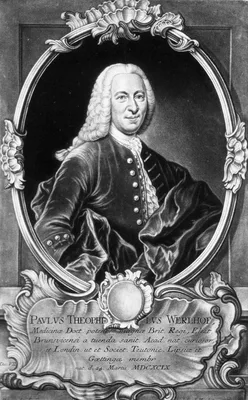
Werlhof gave a classic description of purpura haemorrhagica (“Werlhof’s disease”).
1746
#862
De ferrearum particularum sede in sanguine.
Discovery of iron in the blood.
1749
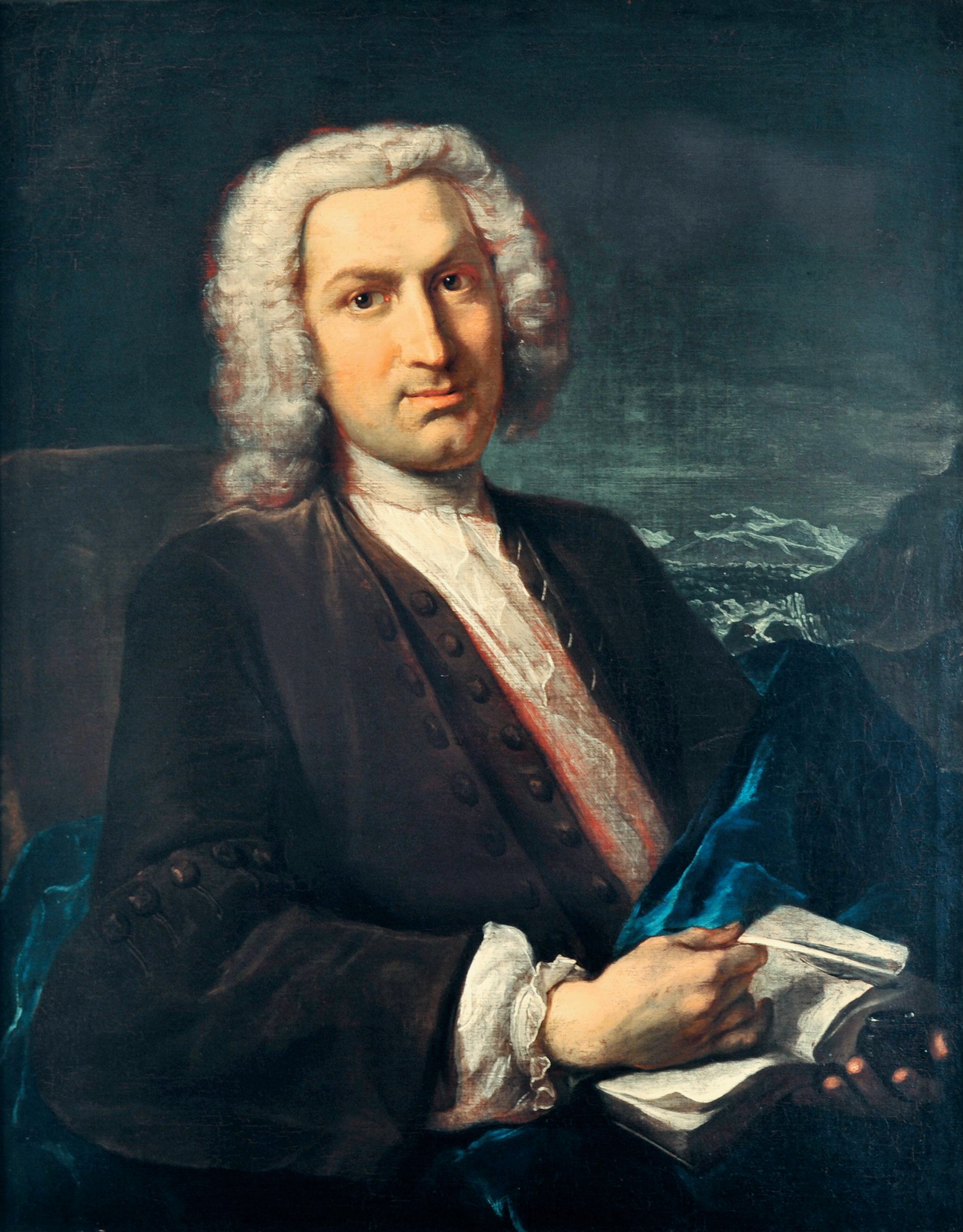
#2732
De aortae venaeque cavae gravioribus quibusdam morbis.
1749
#2733
Traité de la structure du coeur, de son action, et de ses maladies. 2 vols.
Senac’s valuable treatise on the heart added much to the knowledge of the anatomy and diseases of that organ; he mentioned the leucocytes, which he considered to belong to the chyle, and he described pericarditis. Sen…
1757
#2974
The history of an aneurysm of the aorta, with some remarks on aneurysms in general.
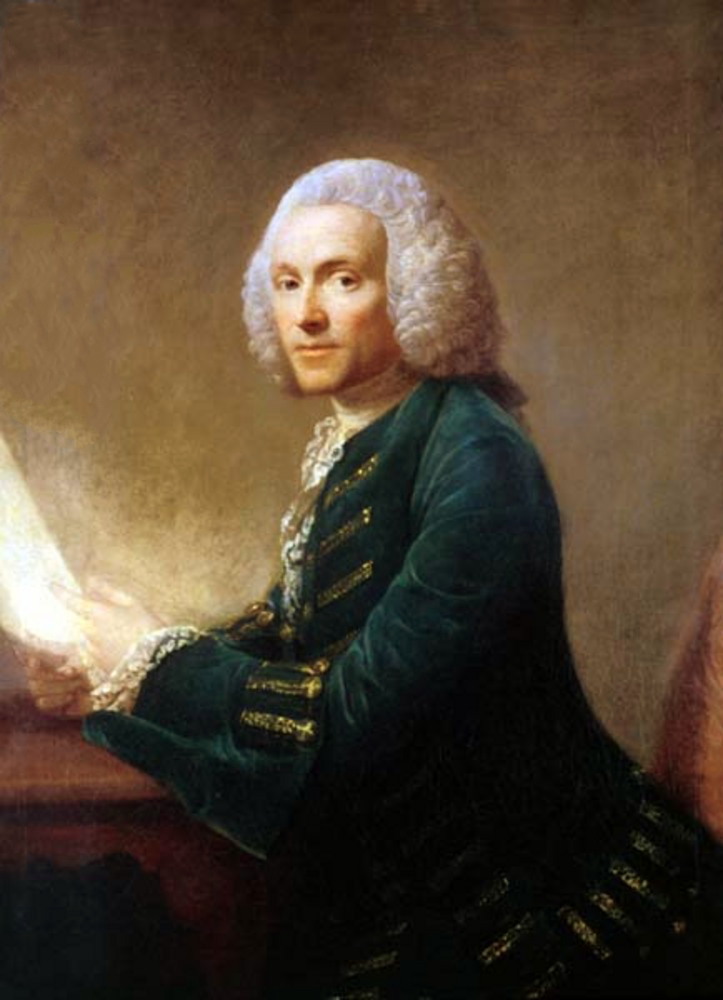
First recorded case of arteriovenous aneurysm.
1759
#2884
The life of Edward, Earl of Clarendon: Lord High Chancellor of England and Chancellor of the University of Oxford. Containing, I. An Account of the chancellor's life from his birth to the restoration in 1660. II. A Continuation of the same, and of his history of the grand rebellion, from the restoration to his banishment in 1667. Written by himself. Printed from his original manuscripts, given to the University of Oxford by the Heirs of the late Earl of Clarendon. 3 vols.
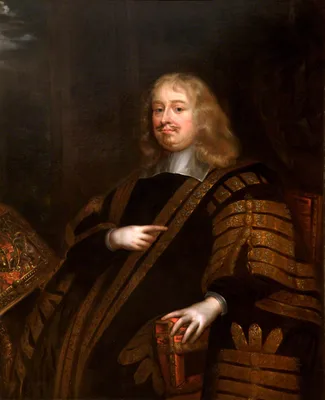
From the description given by the Earl of Clarendon in his autobiography, on vol. 1, p. 16, his father, Henry Hyde, almost certainly suffered from, and died of, angina pectoris. If this is really so, it is the first r…
1761
#2276
De sedibus, et causis morborum per anatomen indagatis libri quinque. 2 vols.
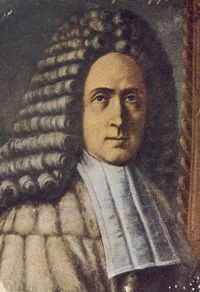
Morgagni was the founder of modern pathological anatomy. The work was completed in Morgagni’s 79th year and consists of a series of 70 letters reporting about 700 cases and necropsies. As best he could, he correlated …