
Facets
Browse across eight MeSH (opens in new tab) facets — era, geography, science, specialty, technology, history, culture, and reference. Select one tag per group; counts update across the others. What’s new in facet browse how facets relate to subjects and MeSH.
Clear filtersFacet filters
Geography
Specialties & Disease
- Anatomy & Pathology 765
- Cardiology & Blood 914
- Neurology & Psychiatry 1,258
- Obstetrics & Reproductive 551
- Infectious Disease (General) 147
- Surgery & Anesthesia 1,553
- Public Health 1,129
- Immunology & Dermatology 1,405
- General Clinical Medicine 487
- Military Medicine 436
- Psychology 202
- Alternative & Fringe Medicine 383
- Pediatrics 247
- Ophthalmology & Vision 412
- ENT & Hearing 293
- Urology & Nephrology 309
- Gastroenterology & Hepatology 316
- Pulmonary & Respiratory 233
- Rheumatology, Rehab & Pain 189
- Internal, Emergency & Geriatric 123
- Veterinary Medicine 165
- Epidemiology & Demography 397
- Physiology & Embryology 924
- Dentistry 259
- Plagues & Epidemics 1,279
- Microbiology & Virology 1,080
Social & Historical Studies
Institutions & Culture
Reference & Scholarly Works
Drugs & Technology
436 entries match Military Medicine [G02.403.810.560]
1496
#12846
Diaria de bello Carolino, with a dedication letter from the author to the Doge Augustinus Barbadicus, Venice 21.3.1496, to the Venetian Councilors Sebastianus Baduarius and Hieronymus Bernardus, Venice 27.8.1496, and two poems on the Gauls and on the work of Quintius Aemilianus Cimbriacus.
An eyewitness account of the retreat from Italy of Charles VIII of France in 1495, written by a physician of Verona, who was chief surgeon of the Venetian troops in the campaign. Although the book is not written prima…
1545
#2139
La méthode de traicter les playes faictes par hacquebutes et aultres bastons à feu: & de celles qui sont faictes par fleches, dardz & semblables: assy des combustions specialement faictes par la pouldre à canon.
Paré’s first book was his treatise on gunshot wounds. He is one of the greatest of the military surgeons, and is particularly remembered for his abandonment of the practice of cauterization of gunshot wounds with boil…
1552
#2139.1
De vulnerum sclopetorum et bombardarum curatione tractatus.
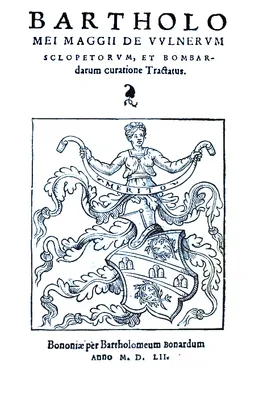
In this very early work on gunshot wounds Maggi, Professor of Surgery at Bologna, showed that not all gunshot wounds suppurated and he discarded cauterization, treating such wounds with white of egg and salt water.
1557
#10726
Raiss Büchlein…mit güten Mitteln der Artzney Begegnen Soll.

The first pocket reference for travelers by land or sea, dealing with topics such as infected genitalia, frostbite, fouled drinking water, shipboard stench, the best boots and shoes. The recipes in this work comprised…
1563
#2140
An excellent treatise of wounds made with gonneshot.
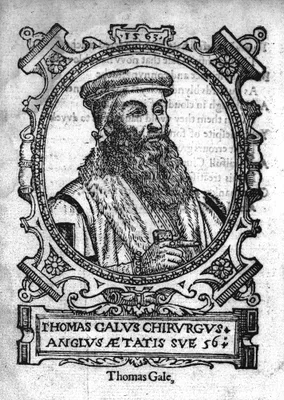
Gale, a contemporary of Paré, was surgeon in Henry VIII’s army at Montreuil. His book supported the views of Paré regarding the treatment of gunshot wounds, denying the poisonous effect of bullets; Gale, however, appl…
1564
#3668.1
Dix livres de la chirurgie avec le magasin des instruments necessaires à icelle.
Paré’s first general treatise on surgery, and the most comprehensive of his treatises before his collected works (1575). Dix livres included Paré's first description of the use of the ligature in amputations, one of h…
1573
#4850.4
Chirurgiae Ioannis Andrea a Cruce, Veneti medici libri septem, Quamplurimis instrumentorum imaginibus arti chirurgicae opportunis suis locis exornati, theoricam, practicam ac verissimam experientiam continentes....
Croce improved the instruments for trephination, and published classic woodcuts depicting the operation, including the first illustration of a neurological surgery operation actually taking place. The work is also imp…
1575
#5565
Les oeuvres de M. Ambroise Paré.
Paré was the greatest of the army surgeons before Larrey. Born in poor circumstances, he became the most famous surgeon in France. He is particularly remembered for his abandonment of boiling oil and the cautery (No. …
1606 –1641
#5570
Observationum et curationum chirurgicarum centuriae. 6 vols.
Fabricius’s most important work; it was the best collection of case-records available for many years. Among other things, Fabricius used a magnet to extract an iron splinter from the eye – an idea suggested to him by …
1615
#2142
New Feldt Arztny Buch von Kranckheiten und Schäden, so in Kriegen den Wundartzten gemeinlich fürfallen.
Fabry’s book includes an early description of a field drug chest for army use. He was one of the most eminent surgeons of his time, although not prepared to adopt all the teachings of Paré. He had considerable mechani…
1616
#2143
De rara medicatione vulnerum.
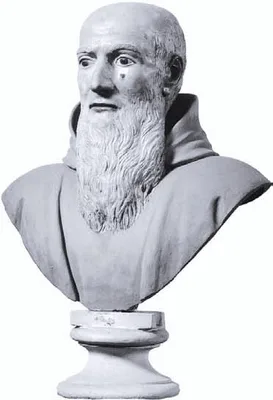
Like Paré, Magati believed that gunshot wounds were not in themselves poisonous. He suggested a bandage moistened with plain water in place of the various salves then in vogue.
1617
#2144
The surgions mate, or, A treatise discouering faithfully and plainely the due contents of the surgions chest: the uses of the instruments, the vertues and operations of the medicines, the cures of the most frequent diseases at sea: namely, wounds, apostumes, vlcers, fistulaes, fractures, dislocations, with the true maner of amputation, the cure of the scuruie, the fluxes of the belly, of the collica and illiaca passio, tenasmus, and exitus ani, the callenture; with a briefe explanation of sal, sulphur, and mercury; with certaine characters, and tearmes of arte.
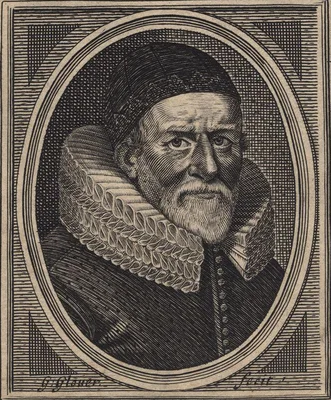
Woodall was the surgeon-general to the East India Company. This was the first textbook for naval surgeons. Woodall, surgeon to Saint Bartholomew's Hospital, was an early advocate of limes and lemons as a preventive me…
1620
#2145
Medicina militaris, seu libellus castrensis.
Minderer’s book gives a good idea of the position of military surgery during the Thirty Years’ War. He published a pharmacopoeia in 1621; he also discovered ammonium acetate. An English edition appeared in 1674.
1679
#4436
Currus triumphalis, è terebinthô. Or an account of the many admirable vertues of oleum terebinthinae. More particularly, of the good effects produced by its application to recent wounds, especially with respect to the hemorrhagies of the veins, and arteries, and the no less pernicious weepings of the nerves, and lymphaducts. Where also, the common methods, and medicaments, used to restrain hemorrhagies, are examined, and divers of them censured. And lastly, A new way of amputation, and a speedier convenient method of curing stumps, than that commonly practised, is with divers other useful matters recommended to the military surgeon.…
Describes how Yonge used turpentine to arrest hemorrhage, and presents the first account of a flap amputation. It also shows that Yonge was familiar with tourniquets. Digital facsimile from Google Books at this link.
1690
#2146
Der rechte und warhafftige Feldscher.
Purmann was a skilful army surgeon – one of the most famous of the period. Despite this he believed in the efficacy of the weapon-salve and the sympathetic powder.
1696
#2147
An account of the nature, causes, symptoms, and cure of the distempers that are incident in seafaring people. With observations on the diet of the sea-men in his Majesty’s navy.
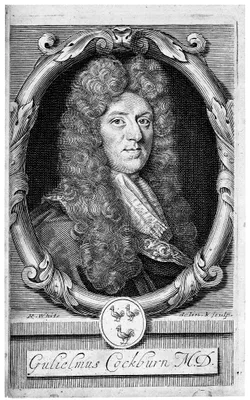
Cockburn studied medicine at Leiden; he became famous on account of his secret remedy for dysentery. The book is a record of two years spent as a ship’s doctor.
1734
#2148
The navy-surgeon, or a practical system of surgery.
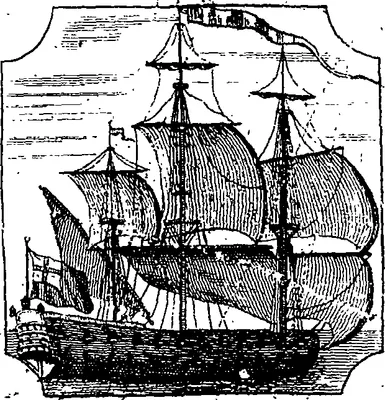
Atkins was an English naval surgeon. His book includes some useful case reports and contains the first English description of African trypanosomiasis.
1737
#2149
Traité ou reflexions tirées de la pratique sur les playes d’armes à feu.
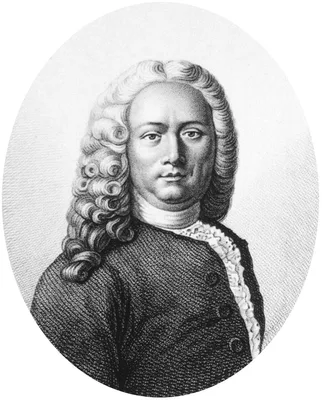
English translation, 1743.
1744
#11991
The method of treating gunshot wounds.
Describes surgical cases that Ranby treated under Lord Stair in the German campaign up to the Battle of Dettingen. While the Earl of Stair exercised operational control, the Allied army was nominally commanded by Geor…
1752
#2150
Observations on the diseases of the army, in camp and garrison.
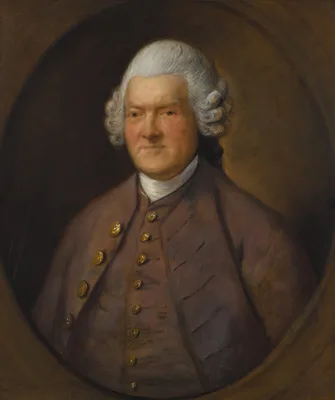
Pringle, founder of modern military medicine, was Physician-General of the British Army from 1744 to 1752. His books lay down the principles of military sanitation and the ventilation of barracks, gaols, hospital ship…
1757
#2151
An essay on the most effectual means, of preserving the health of seamen, in the Royal Navy.
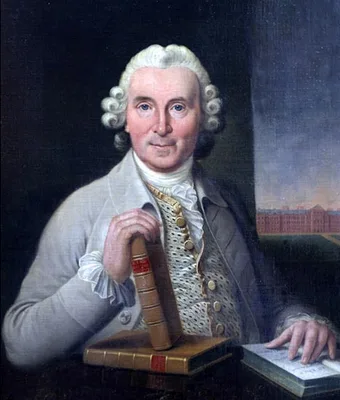
Lind is regarded as the founder of naval hygiene in England. Besides his work on scurvy (see No.3713), he is notable for the above book, which deals not only with the men but also with the appalling conditions in whic…
1758
#2152
Kurze Beschreibung und Heilungsart der Krankheiten, welche am öftesten in dem Feldlager beobachtet werden.
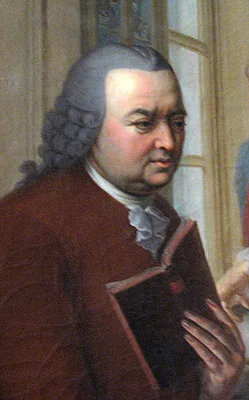
An essay on diseases of military camps. Digital facsimile from Google Books at this link. English translation as A short account of the most comon diseases incident to armies. With the method of cure (London, 1762). D…
1764
#2153
Oeconomical and medical observations … tending to the improvement of military hospitals, and to the cure of camp diseases, incident to soldiers.
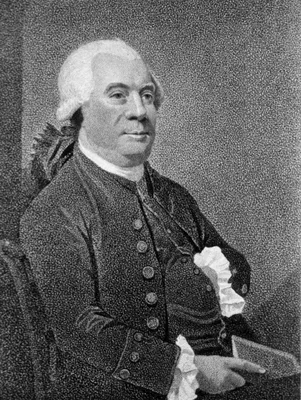
The best book of the century regarding military sanitation.
1764
#9205
An account of the diseases which were most frequent in the British military hospitals in Germany, from January 1761 to the return of the troops to England in March 1763. To which is added an essay on the means of preserving the health of soldiers, and conducting military hospitals.
Donald Monro was the second son of Alexander Monro (primus). Digital facsimile from the Internet Archive at this link.
1764
#12817
De morbis navigantium, liber unus. Accedit observatio de effectu extracti cicutae storkiano in cancro.
Digital facsimile from the Internet Archive at this link. Translated into English as Observations on diseases incidental to seamen. Translated from the Latin edition printed at Leyden. London: T. Carnan and F. Newbery…
1767
#10386
Traité sur les maladies des gens de mer.
Digital facsimile from Google Books at this link.
1768
#2154
Chirurgie d’armée.
One of the most important works on military surgery during the 18th century. Ravaton, a skilful army surgeon, was the first to employ a tin boot, suspended on four rings, for the “hanging” position of broken bones. He…
1769
#13542
Consideraciones politico-medicas sobre la salud de los navegantes, en que se exponen las causas de sus mas frecuentes enfermedades, modo de precaverlas, y curarlas. Con las conducentes instrucciones para el mejor régimen de los cirujanos de navíos, que hacen viage à la América, especialmente para los de la Real Compañia Guipuzcoana de Caracas, à fin de que con mayor acierto se conduzcan, asi en el méthodo curativo de los enfermos, como en el manejo de los botiquines de su cargo.
A treatise specifically concerning the health of sailors of the Real Compañia Guipuzcoana de Caracas (Royal Guipuzcoan Company of Caracas)-- Basque traders who had a monopoly on the Venezuelan trade. Digital facsimile…
1774
#9519
The seaman's medical instructor, in a course of lectures on accidents and diseases incident to seamen, in the various climates of the world. Calculated for ships that carry no surgeon. The whole delivered in a plain language and founded upon a long and successful experience.
Digital facsimile from the Hathi Trust at this link.
1775
#2155
Plain, concise, practical remarks, on the treatment of wounds and fractures; to which is added an appendix, on camp and military hospitals; principally designed for the use of young military surgeons in North America.
The first surgical work written by an American and printed in North America. Jones’s work was the accepted guide to surgical practice during the American Revolutionary War.
1776
#2156
A discourse upon some late improvements of the means for preserving the health of mariners.
Besides his pioneer work in military medicine, Pringle did much to improve the conditions of sailors afloat. See also Nos. 2150 & 3714.
1776
#13549
Medicinisch-praktischer Unterricht für die Feld- und Landwundärzte der österreichischen Staaten. 2 vols. [& Supplement:] Die in dem medicinisch-praktischen Unterrichte für die Feld-und Landwundärzte vorkommende Arzneymittel.
This work on "Practical medical lessons for field and land surgeons of the Austrian states," includes a 91-page appendix containing 319 recommended pharmaceuticals for the treatments described in the text. The formula…
1778
#2157
Directions for preserving the health of soldiers: recommended to the consideration of the officers of the Army of the United States. Published by order of the Board of War.
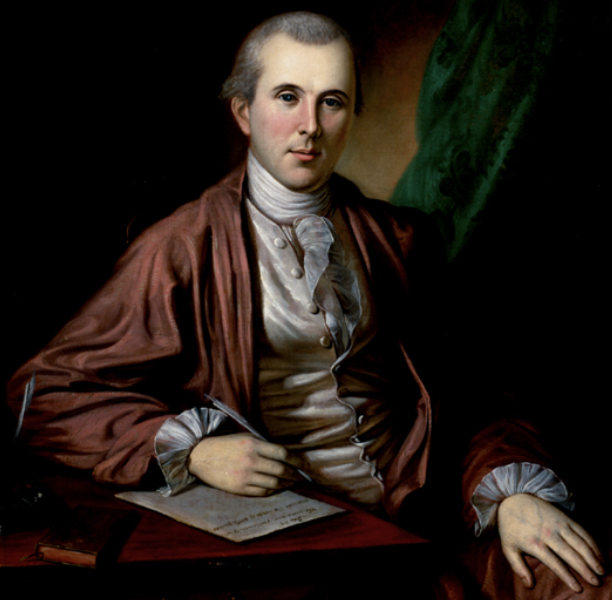
A reprint from the Philadelphia Packet, No. 284. The pamphlet was reprinted by the Massachusetts Temperance Alliance in Boston, 1865, for distribution to the Union soldiers.
1779
#9467
Observations on the management of the prevailing diseases particularly in the Army and Navy; together with a review of that in other countries, and arithmetical calculations of the comparative success of different methods of cure.
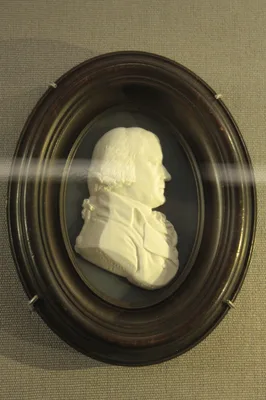
Millar promoted mathematical methods for computing the comparative success of different methods of cure. Digital facsimile from Google Books at this link.
1779
#9501
A physical journal kept on board H. M. Ship Rainbow during three voyages to the coast of Africa and the West Indies, in the years 1772, 1773, and 1774: To which is prefixed, a particular account of the remitting fever which happened on board of His Majesty's Sloop Weasel, on that coast, in 1769.
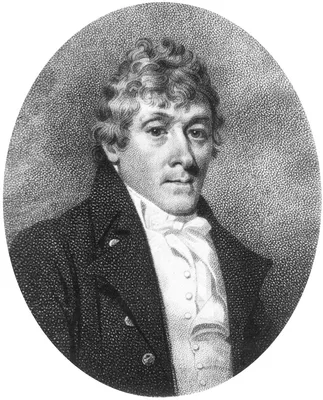
1780
#9466
Observations on the diseases which appeared in the army on St. Lucia....To which are prefixed remarks calculated to assist in ascertaining the causes, and in explaining the treatment of those diseases.
Digital facsimile from Google Books at this link. Revised and expanded edition, 1781; digital facsimile of the 1781 edition from Google Books at this link.
1784
#2137.1
Tentamen medicum de aerostatum usu medicinae applicando…
The first work on aviation medicine, a pamphlet of 18pp. issued as a thesis for the medical degree, published one year after the first balloon ascent by Jacques-Étienne Montgolfier in 1783. Leulier Duché speculated on…
1784
#13363
Des maladies des créoles en Europe avec la maniere de les traiter et des observations sur celles des gens de mer et sur quelques autres plus fréquemment observées dans les climats chauds.
Digital facsimile from Google Books at this link.
1785
#2158
Observations on the diseases incident to seamen.
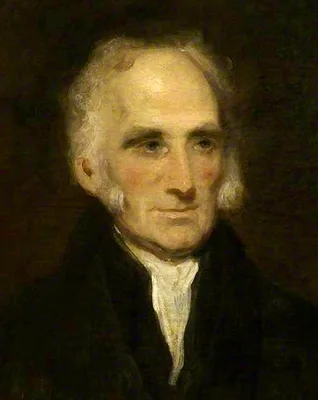
William Hunter recommended Blane as private physician to Admiral Rodney; Blane sailed with him to the W. Indies and became physician to the British Fleet. He was held in great esteem in the navy and was instrumental i…
1786
#2137.2
A narrative of the two aerial voyages of Dr. Jeffries with Mons. Blanchard; with meteorological observations and remarks.
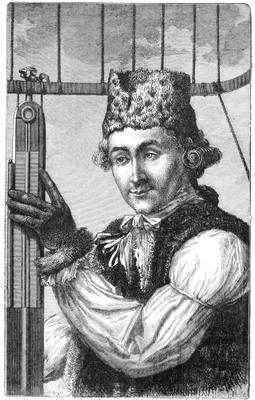
The first flight by a physician, the first crossing of the English channel by balloon, and the first international flight. Jeffries, an American, made a series of carefully planned scientific observations, emphasizing…
1789 –1793
#80
Medical inquiries and observations. 2 vols.
Rush was considered the ablest American clinician of his time. He was a friend of Benjamin Franklin and one of the signers of the Declaration of Independence. His many writings are distinguished for their classical st…
1789
#13134
Tratado de las heridas de armas de fuego, dispuesto para uso de los alumnos del Real Colegio de Chirugia de Cadiz.
Probably the first significant work on military medicine by a Spanish physician. Canivell’s work, prepared for the use of students at Cadiz’s Royal College of Surgery, deals with contusions, wounds and fractures cause…
1791
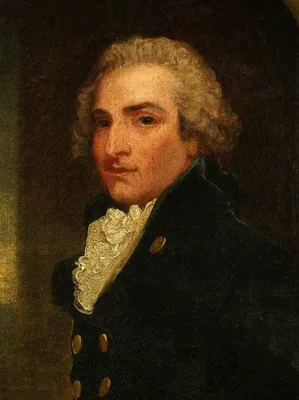
#10111
A treatise on the fevers of Jamaica, with some observations on the intermitting fever of America, and an appendix containing some hints on the means of preserving the health of soldiers in hot climates.
Digital facsimile from the Internet Archive at this link.
1792
#2158.1
Manuel du chirurgien-d’armée.

One of Napoleon’s leading surgeons, Percy laid down his principles of the practice of military surgery in the same year he was appointed médecin consultant of the Army of the North. He devised his own instrument for b…
1793
#13619
A paper on the prevention and treatment of the disorders of the seamen and soldiers in Bengal. Presented to the Honourable Court of East-India Directors, in the year 1791.
Murray was in the Bengal Medical Service from 1782 to 1802. This was his report to the Directors of the East-India Company. Digital facsimile from the Internet Archive at this link.
1794
#2283
A treatise on the blood, inflammation, and gun-shot wounds.
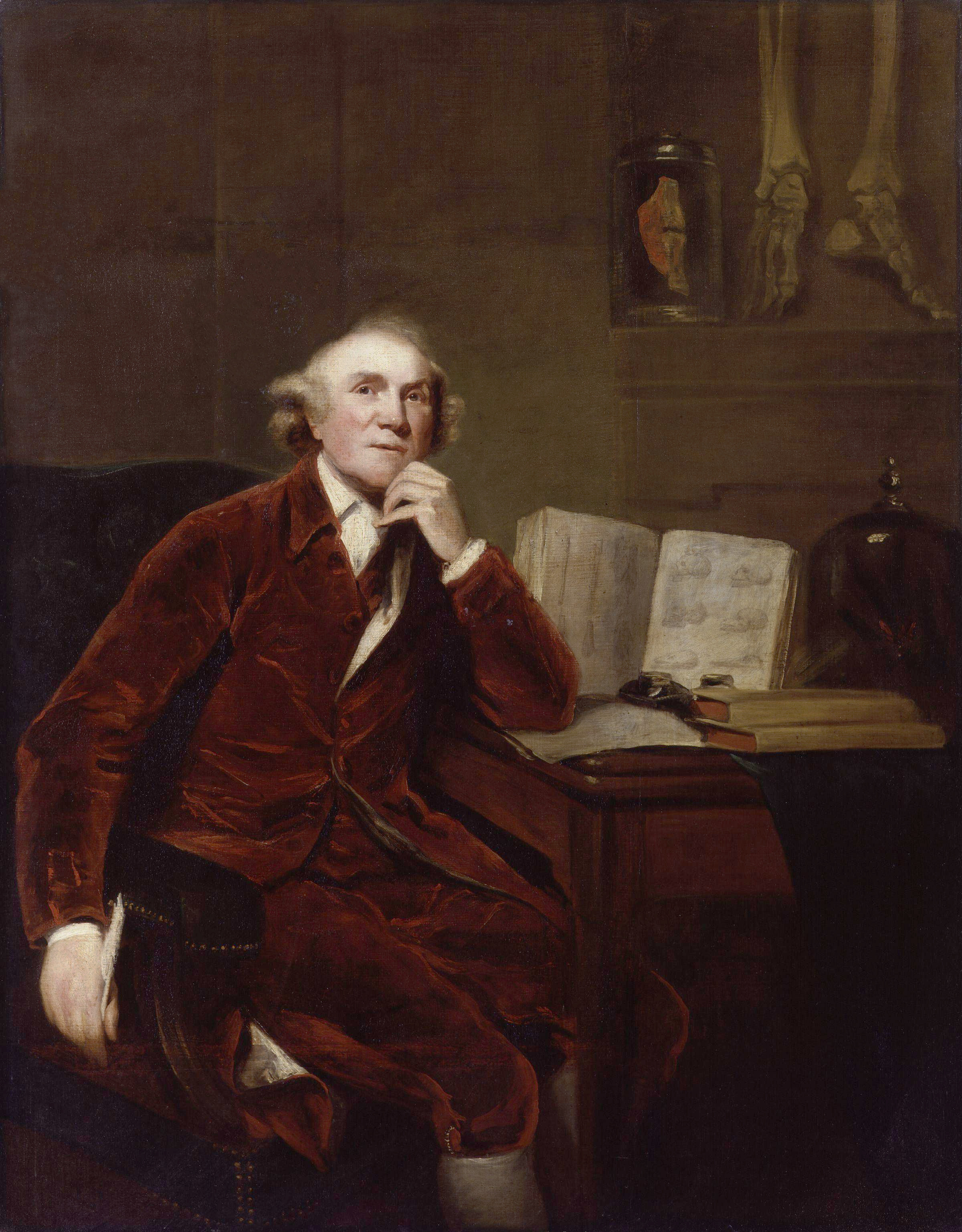
It was while serving with the army at Belle Isle during the Seven Years’ War that Hunter collected the material for his epoch-making book on inflammation and gunshot wounds. His studies on inflammation in particular a…
1797 –1803
#2159
Medicina nautica; an essay on the diseases of seamen. 3 vols.
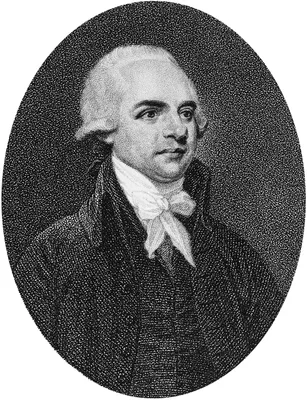
Trotter has left an excellent account of the conditions of seamen at the beginning of the 19th century. His book includes an interesting theory of the causation of fevers. He worked hard to improve the conditions of t…
1798 –1801
#10577
Opuscules du C[itoy]en Desgenettes, Médecin en chef de l'Armée d'Orient.
A collection of nine separately printed pamphlets issued by Napoleon's press in Cairo during his Egyptian campaign. See J.-F. Hutin, "La littérature médicale de la campagne d'Égypte", Histoire des sciences medicales, …
1800 –1801
#5837
Mémoire sur l’ophtalmie régnante en Egypte.
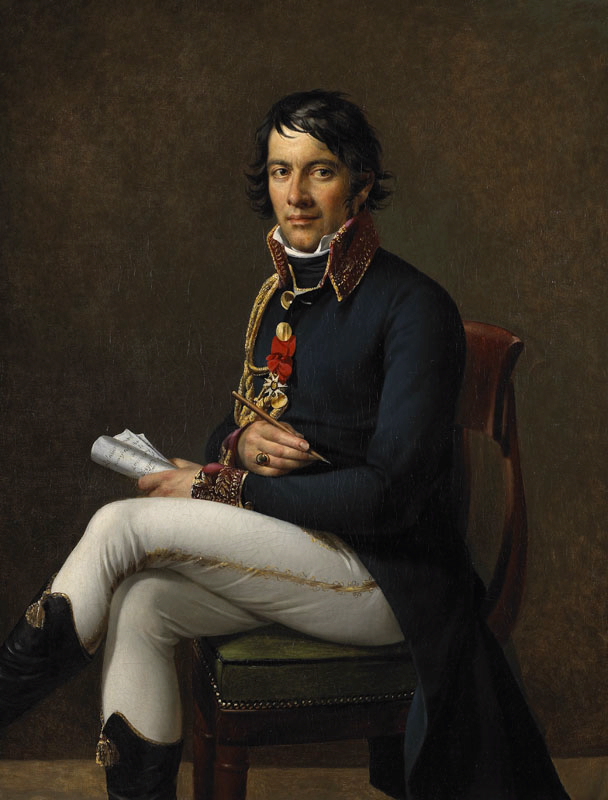
The great military surgeon Larrey served during the Napoleonic campaign in Egypt, where he was the first to observe the contagiousness of trachoma shortly after the successful invasion in 1798. The disease spread to E…
1801
#12053
Observations sur la maladies appelée peste, le flux dissentérique, l'ophtalmie d'Égypte, et les moyens de s'en préserver. Avec des notions sur la fièvre jaune de Cadix, et les projet et plan d'un hôpital, pour le traitement maladies épidémiques et contagieuses.
At the time of publication Assalini, a military surgeon with Napoleon, characterized himself on the title page as "Docteur en Médecine et Chirugien de 1re classe de la Garde des Consuls..." Digital facsimile from well…