
Facets
Browse across eight MeSH (opens in new tab) facets — era, geography, science, specialty, technology, history, culture, and reference. Select one tag per group; counts update across the others. What’s new in facet browse how facets relate to subjects and MeSH.
Clear filtersFacet filters
Geography
Specialties & Disease
- Anatomy & Pathology 765
- Cardiology & Blood 914
- Neurology & Psychiatry 1,258
- Obstetrics & Reproductive 551
- Infectious Disease (General) 147
- Surgery & Anesthesia 1,553
- Public Health 1,129
- Immunology & Dermatology 1,405
- General Clinical Medicine 487
- Military Medicine 436
- Psychology 202
- Alternative & Fringe Medicine 383
- Pediatrics 247
- Ophthalmology & Vision 412
- ENT & Hearing 293
- Urology & Nephrology 309
- Gastroenterology & Hepatology 316
- Pulmonary & Respiratory 233
- Rheumatology, Rehab & Pain 189
- Internal, Emergency & Geriatric 123
- Veterinary Medicine 165
- Epidemiology & Demography 397
- Physiology & Embryology 924
- Dentistry 259
- Plagues & Epidemics 1,279
- Microbiology & Virology 1,080
Social & Historical Studies
Institutions & Culture
Reference & Scholarly Works
Drugs & Technology
147 entries match Infectious Disease (General) [C01]
1480
#8369
Practica, seu Lilium medicinae.
Includes descriptions of plague, tuberculosis, scabies, epilepsy, anthrax, and leprosy. ISTC No. ib00447000.
1546
#2528
De sympathia et antipathia rerum liber unus. De contagione et contagiosis morbis et curatione.
Though Fracastoro wrote this book more than a century before Leewenhoek invented the microscope, and could only express the theory of contagion in very general terms, this book represents a landmark in the development…
1576
#2193
De febribus opus sane aureum, non magis utile, quam rei medicae profitentibus necessarium. In quo trium sectarum clarissimi medici habentur, qui de hac re egerunt: Nempe Gaeci, Arabes, atque Latini, quorum nomina versa pagina indicabit.
DE FEBRIBUS
An anthology of selected writings on fevers by Greek, Arab and Latin authors, including Hippocrates, Galen, Paul of Aegina, Alexander of Tralles, Aetius, Oribasius, Nonus, Actuarius, Avicenna, Rhazes, Avenzoar, Averro…
1627
#2196
De febribus libri iv. Accessit ad calcem; ejusdem de dysenteria tractatus.
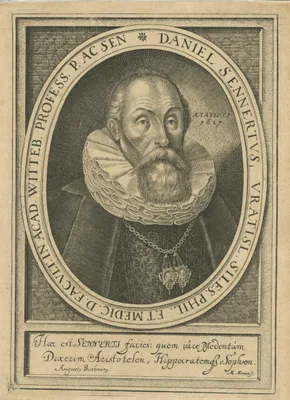
An important monograph on fevers.
1658
#2528.1
Scrutinium physico-medicum contagiosae luis, quae pestis dicitur.
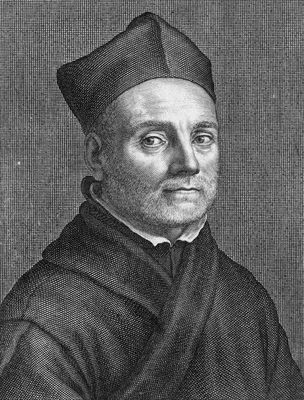
Kircher, a Jesuit scholar and polymath, not specifically trained in medicine, was probably the first to employ the microscope in investigating the cause of disease. He mentioned that the blood of plague patients was f…
1663
#9576
Opera omnia: Tam hactenus excusa, hîc tamen aucta & emendata, quàm nunquam aliàs visa ac primùm ex auctoris ipsius autographis eruta curâ Caroli Sponii .... 10 vols.
![CARDANO, Girolamo [Gerolamo; Hieronymus Cardanus] (1501 – 1576)](/media/portraits/7679)
Digital facsimile from the Università degli Studi di Milano at this link.
1665
#2529
Medela medicinae.
Needham, a physician better known for his work in journalism, was one of the earliest – if not the first – Englishman to write on the germ theory. In his book he included an account of Kircher’s experiments with the m…
1676
#2198
Observationes medicae circa morborum acutorum historiamet curationem.
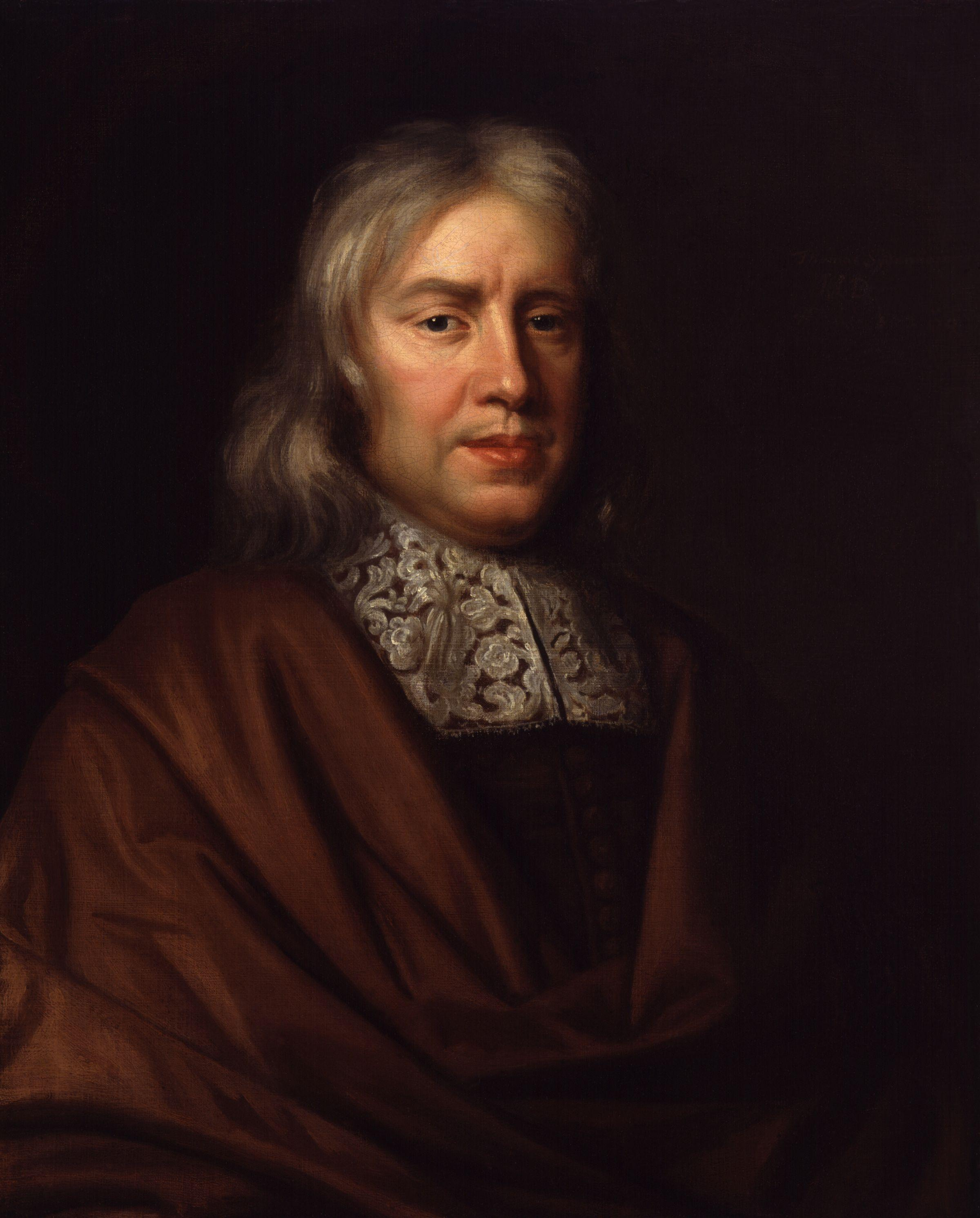
Sydenham recorded significant observations on dysentery, scarlet fever (p. 387), scarlatina, measles and other conditions. He stressed the clinical study of medicine and kept careful case records. Includes (pp. 272-80…
1681
#5161
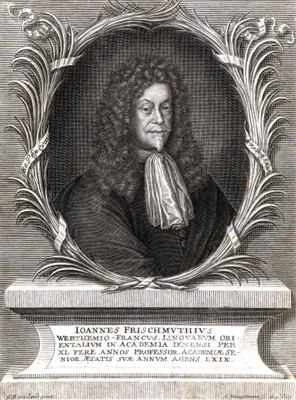
Epistola… qua simul de anthrace, carbunculo, bubone et altauna, philologice disseritur.
1714
#2529.2
Nuovo idea del male contagioso de’ buoi.
In this study of an epizootic Cogrossi formulated much of the modern theory of infection. He speculated that infection might occur at the microscopic level, and argued that infected individuals should be isolated and …
1758
#12396
A genuine narrative of the deplorable deaths of the English gentlemen and others who were suffocated in the Black Hole in Fort-William, at Calcutta, in the Kingdom of Bengal, in the night succeeding the 20th day of June, 1756, in a letter to a friend.
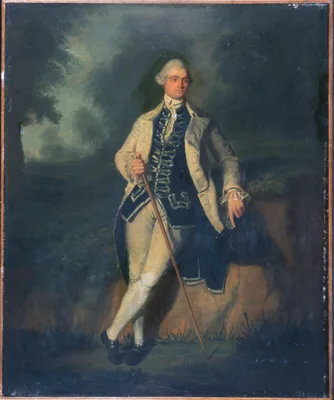
Holwell was a survivor of the Black Hole of Calcutta in Fort William, Calcutta , a poorly ventilated dungeon measuring 4.30 × 5.50 metres (14 × 18 feet), in which troops of Siraj ud-Daulah, the Nawab of Bengal, hel…
1762
#5078
Opera medico-physica in quatuor tractatus digesta.
Plenciz was the first to grasp the significance of Leeuwenhoek’s animalculae for the etiology of contagious disease. Part III of the above is concerned with scarlatina.
1762
#5021
De morbo mucoso.
An exhaustive study of typhoid, which the writers confused with dysentery and relapsing fever.
1762
#11523
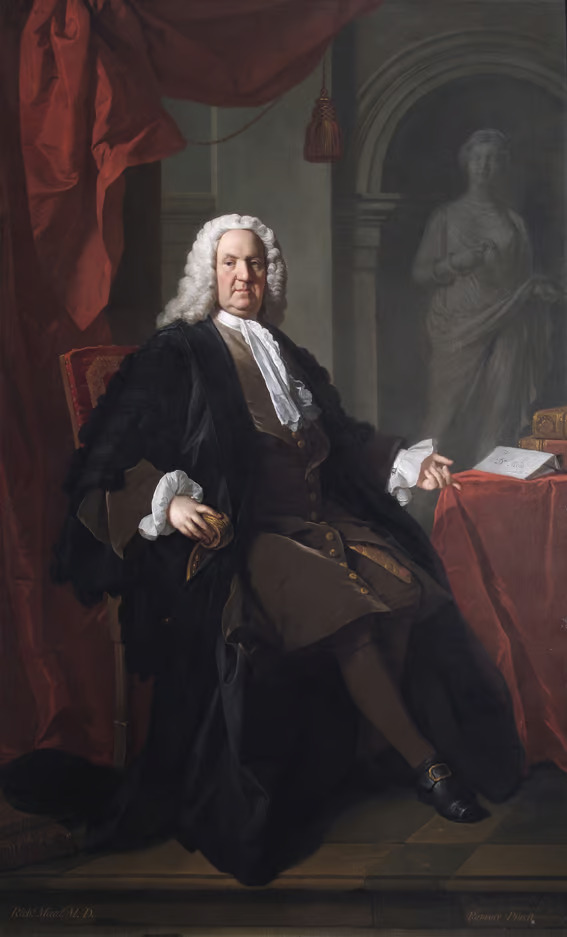
The medical works of Richard Mead.
1770
#1772
A chronological history of the weather and seasons and of the prevailing diseases in Dublin. With their various periods, successions, and revolutions, during the space of forty years. With a comparative view of the difference of the Irish climate and diseases, and those of England and other countries ...
Rutty kept continuous records of weather and diseases in Dublin from 1724-64. On page 75 of this work is the first clear description of relapsing fever. Digital facsimile from the Hathi Trust at this link.
1772
#6269
Practical observations on the child-bed fever.
Leake insisted on the contagious nature of puerperal fever. Reprinted, London, Sydenham Society, 1949.
1780
#2205
Observations on fevers, especially those of the continued type, and on the scarlet fever attended with ulcerated sore-throat, as it appeared at Newcastle upon Tyne in the year 1778: Together with a comparative view of that epidemic with the scarlet fever as described by authors, and the angina maligna.
Digital facsimile from the Intenet Archive at this link.
1780
#5488
Tableau historique et raisonné des épidémies catharrales vulgairement dites la grippe; depuis 1510 jusques et y compris celle de 1780.
1786
#11711
Aphorismi de cognoscendis et curandis febribus.
Stoll was one of the few physicians of the Viennese school who supported Auenbrugger's views on percussion. In this treatise on fevers Stoll referred favorably to the practice, and it is thought that Corvisart became …
1822
#2530
Mémoire physiologique sur les maladies purulentes et putrides, sur la vaccine, etc.
Gaspard was one of the first to make experimental studies on pyemia following the injection of putrid fluids. He experimented on dogs, sheep, foxes, and pigs, injecting putrid infusions pus, vaccine, lymph, blood, bil…
1822
#11738
The miscellaneous tracts of the late William Withering. To which is prefixed a memoir of his life, character and writings. 2 vols.
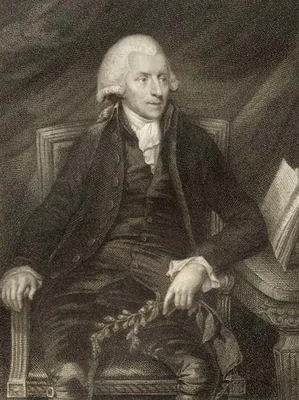
Withering's collected works, with the exception of his A botanical arrangement of all the the vegetables naturally growing in the Great Britain. Includes the second edition of his monograph on the foxglove. Digital fa…
1824
#2531
Origines contagii.
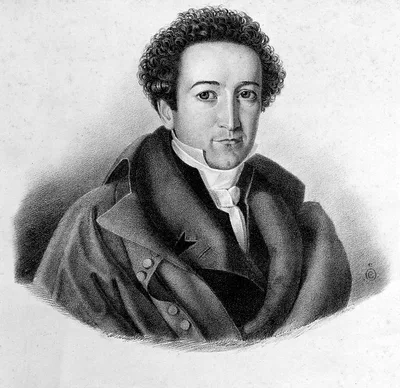
History of contagious disease in the ancient world through readings from the texts. A supplementary “Additamenta” was published in 1826. Digital facsimile of the 1824 edition from the Internet Archive at this link.
1830
#2211
A treatise on fever.
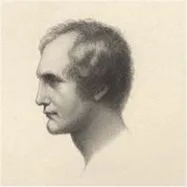
Both a doctor and a minister, Smith, physician to the London Fever Hospital, called himself, “physician to body and soul.” He argued that the poor are impoverished by fever and that fever was preventable. This book in…
1840
#2533
Von den Miasmen und Contagien. In his Pathologische Untersuchungen, pp. 1-82.
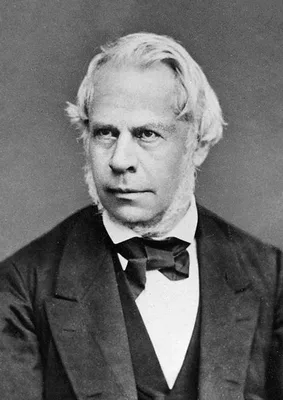
Bassi’s work on the muscardine disease of silkworms (see No. 2532), with its prophecy of the discovery of microbes as the causal agents of other diseases, inspired Henle to write this famous essay on miasms and contag…
1842 –1843
#6274
The contagiousness of puerperal fever.

Oliver Wendell Holmes was the first to establish the contagious nature of puerperal fever. His essay on the subject took a strong line against the opinions then prevailing, stirring up violent opposition among the obs…
1844
#63
Thomae Sydenham, M. D., Opera omnia. Edidit Gulielmus Alexander Greenhill.
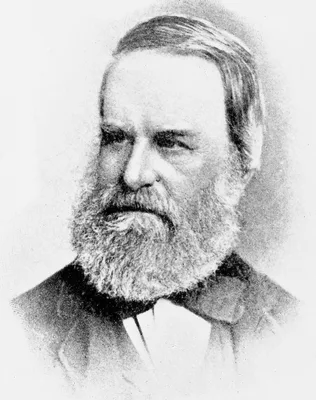
Sydenham has been called the “Father of English Medicine”. His reputation rests on his first-hand accounts of such conditions as the malarial fevers of his times, gout, scarlatina, measles, etc. A better edition of th…
1845
#2421
Geschichte der Lustseuche. Erster Theil. Die Lustseuche im Alterthume.
French translation, 1847; English translation as The plague of lust, being a history of venereal disease in classical antiquity, and including: Detailed investigations into the cult of Venus, and phallic worship, brot…
1847 –1848
#6275
Höchst wichtige Erfahrungen über die Aetiologie der in Gebäranstalten epidemischen Puerperalfieber.
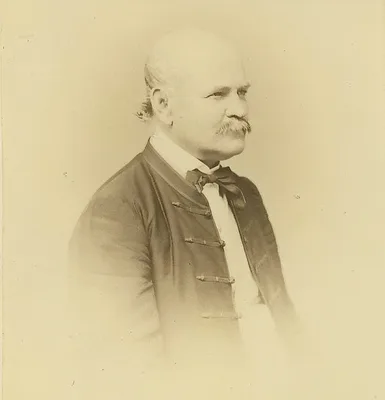
Semmelweis, pioneer of antisepsis in obstetrics, was the first to recognize that puerperal fever is a septicemia. He concluded that the doctors and students of Vienna’s First Obstetrical Clinic carried the infection o…
1855
#5454.2
Yellow fever, considered in its historical, pathological, etiological, and therapeutical relations: including a sketch of the disease as it has occurred in Philadelphia from 1699 to 1854, with an examination of the connections between it and the fevers known under the same name in other parts of temperate, as well as in tropical, regions. 2 vols.
The most important 19th century American monograph on yellow fever. La Roche’s work sketched the disease in its appearances from 1699 to 1854 at Philadelphia, which saw some of the worst yellow fever epidemics, and pr…
1855
#6276
Puerperal fever, as a private pestilence.
Because his first paper (No. 6274) had been published in a short-lived journal with very small circulation, Holmes enlarged his famous essay on the contagiousness of puerperal fever, and in this reiteration mentioned …
1862
#2220
A treatise on the continued fevers of Great Britain.
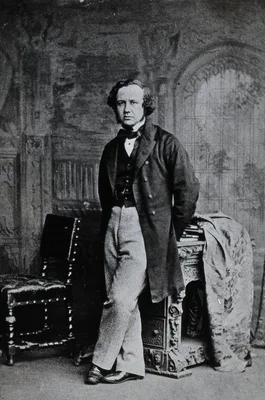
Murchison was one of the greatest clinical teachers London has ever known; of his many writings his book on continued fever is probably the most important. Digital facsimile from the Internet Archive at this link.
1866
#11487
Asiatic cholera: Its origin, history, and progress, for over two hundred years, and the devastations it has caused in the East and West; Its ravages in Europe and America in 1831-2, in 1848-9, in 1854-5, and in 1865-6 with a full description of the causes, nature, and character of the disease, its means of propagation, whether by the atmosphere or by contagion; its premonitory and distinctive symptoms; the best known means of preventing its attack both in communities and individuals; and the most effectual remedies for it according to the celebrated physicians who have treated It; Together with simple and plain directions for the care of those who from any cause can not obtain medical aid.
Digital facsimile from Google Books at this link.
1871
#2535
Die Ursache der infectiösen Wundkrankheiten.
Klebs, Professor of Pathology at Berne, Würzburg, Prague, Zurich, and Chicago, preceded Koch in investigations of the pathology of traumatic infection. He found bacteria in gunshot wounds, granulation tissue, etc., an…
1871 –1878
#2224
Zur Fieberlehre. In his: Gesammelte Beiträge zur Pathologie und Physiologie, 2 (1871) pt. 1, 624-56, 679-83; 3 (1878) 503-05, 582-87.
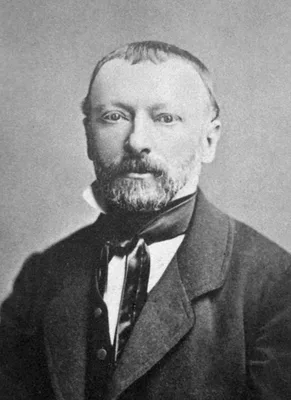
Digital facsimile of Vol. 2, pt. 1 from the Internet Archive at this link, of Vol. 3 at this link.
1874
#5235
De la fièvre bilieuse mélanurique des pays chauds comparée avec la fièvre jaune.
An important description of blackwater fever. Berenger-Féraud had experience with the disease in French West Africa.
1878
#2536
Untersuchungen über die Aetiologie der Wundinfectionskrankheiten.
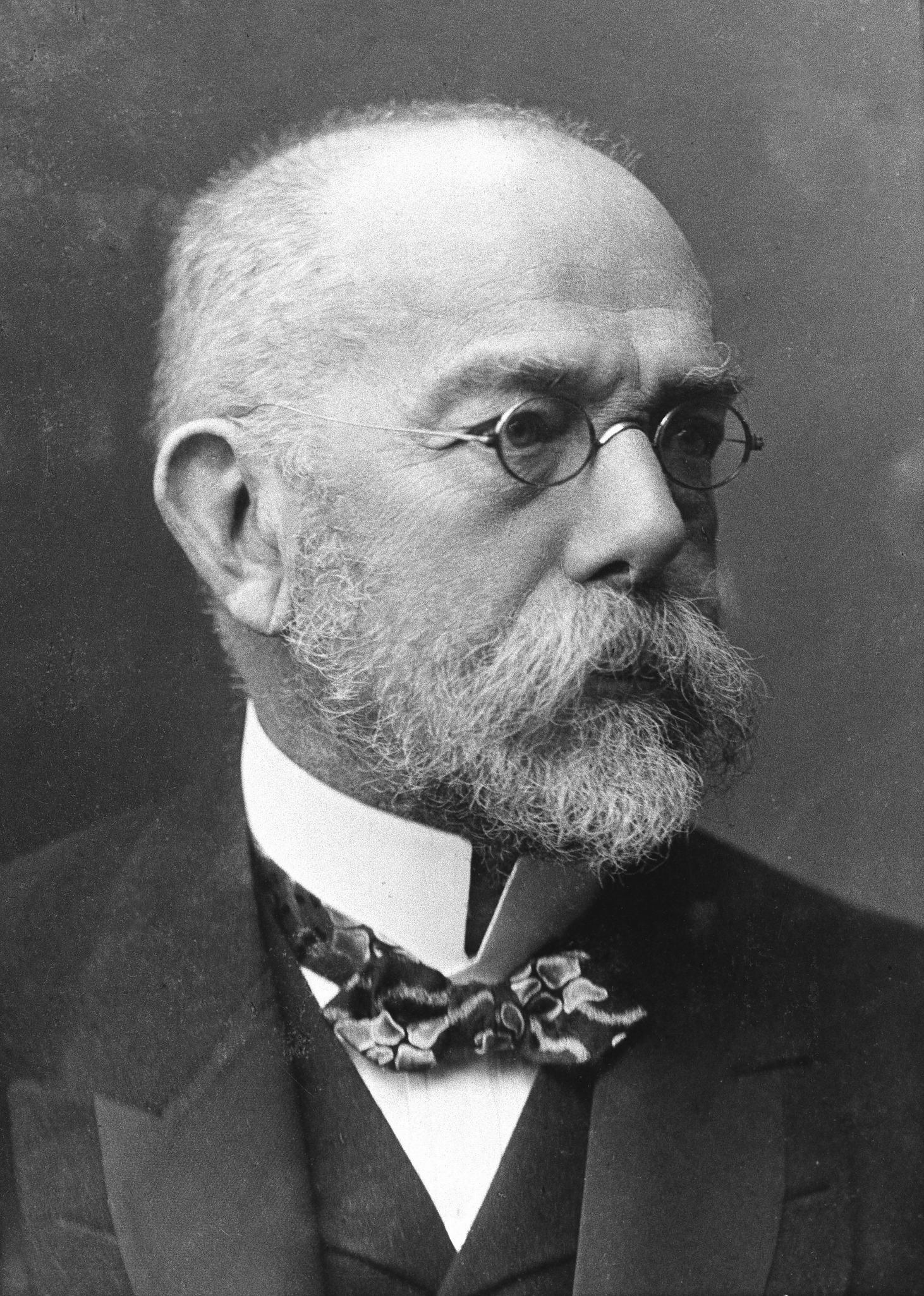
Koch’s epochal work on the etiology of traumatic infectious disease established his reputation. He inoculated animals with material from various sources and produced six types of infection, each due to microorganisms.…
1880
#2537
Sur les maladies virulentes, et en particulier sur la maladie appelée vulgairement choléra des poules.
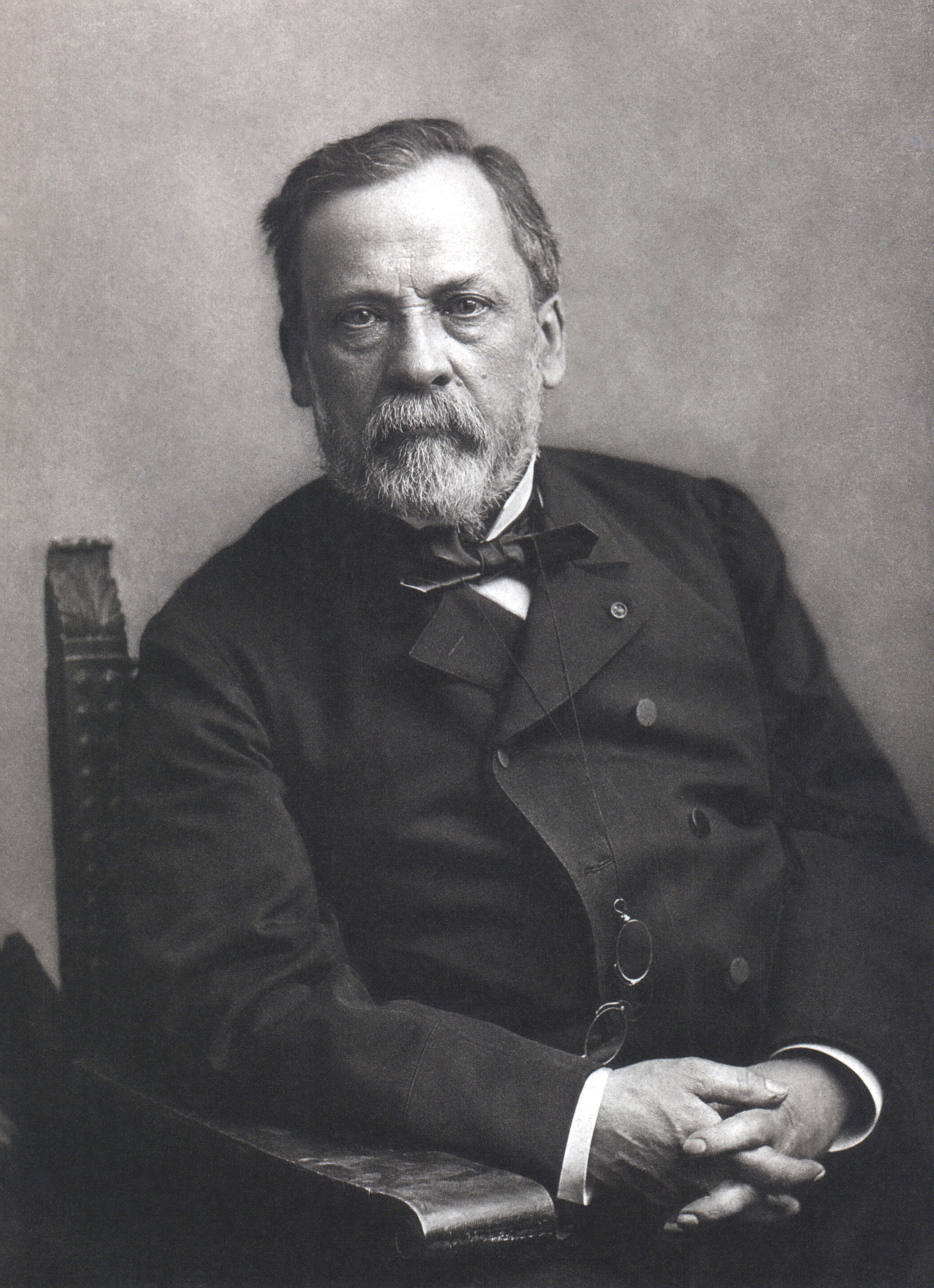
This paper marked the beginning of Pasteur’s work on the attenuation of the infective organism. Noting that fowls inoculated with an attenuated form of the chicken cholera bacterium acquired immunity, he developed the…
1882
#5921
Ein experimenteller Beitrag zur Pathogenese der sympathischen Augen-Entzündung.
Deutschmann was the chief protagonist of the infective theory of sympathetic ophthalmia.
1883 –1886
#8378
Handbook of geographical and historical pathology. Translated from the second German edition by Charles Creighton. Vol. 1.-Acute infective diseases. Vol. 2.-Chronic infective, toxic, parasitic, septic and constitutional diseases. Vol. 3.-Diseases of organs and parts.
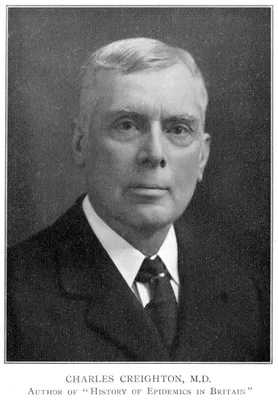
This is the best edition of Hirsch's Handbuch. Digital facsimiles of all 3 vols. from the Internet Archive at this link.
1884
#2538
Über eine Sprosspilzkrankheit der Daphnien. Beitrag zur Lehre über den Kampf der Phagocyten gegen Krankheitserreger.
Metchnikoff originated the theory of phagocytosis. He described phagocytes in leucocytes and showed their function as scavengers. Abridged English translation in Bibel, Milestones in immunology (1988).
1884 –1886
#2539
On a new method of producing immunity from contagious diseases.
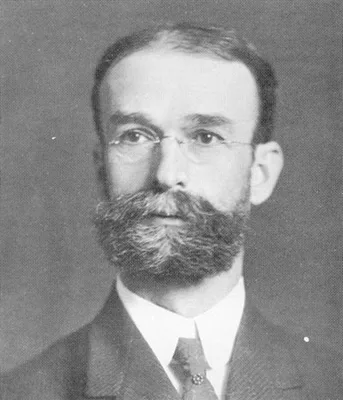
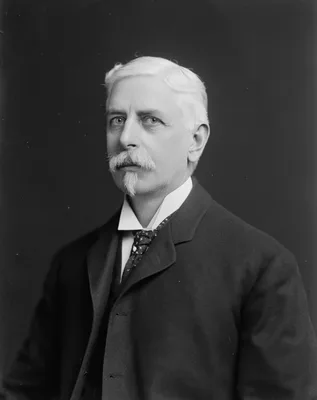
Smith found that dead virus can induce immunity against the living virulent virus. Although Smith made the discovery on his own, his supervisor, D.E. Salmon, usurped credit. See Bibel, Milestones in immunology (1988) …
1885
#2501
Les bactéries et leur rôle dans l’anatomie et l’histologie pathologiques des maladies infectieuses. 1 vol. and atlas.
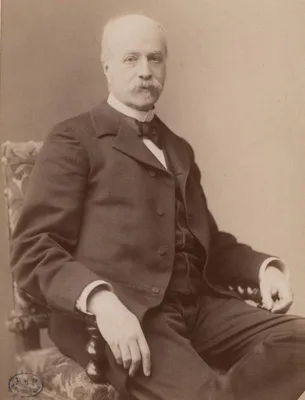
Considered the first treatise on bacteriology.
1885
#2540
Das Sauerstoff-Bedürfniss des Organismus. Eine farbenanalytische Studie.
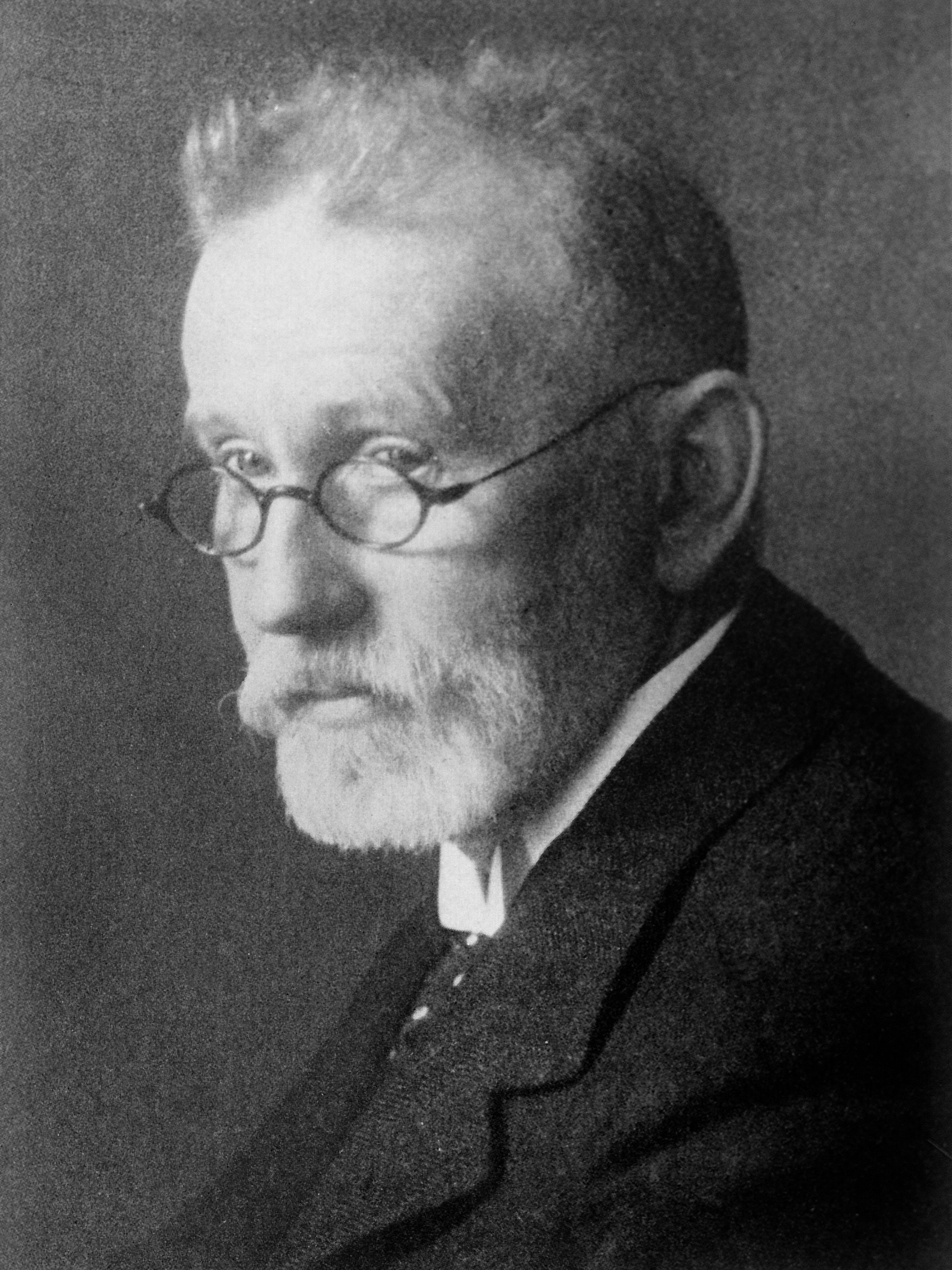
Includes the first statement of Ehrlich’s “side-chain” theory.
1886
#2503.1
Ueber die Mosaikkrankheit des Tabaks.
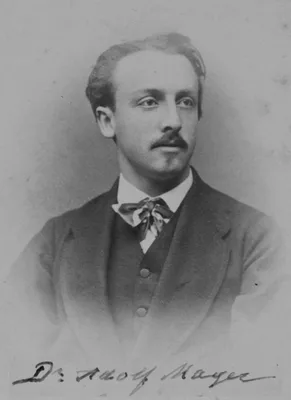
Mayer was first to describe and name tobacco mosaic disease and to demonstrate its infectious nature, that it could be transferred between plants, similar to bacterial infections. Translation in Phytopathological Clas…
1886
#5930
The bacillus of acute conjunctival catarrh or “pink eye”.
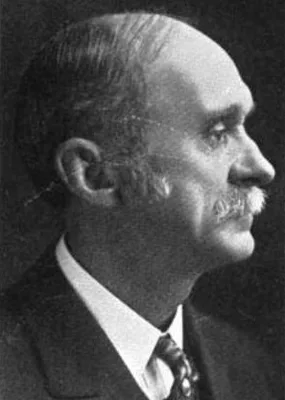
In 1883 Koch discovered the bacilli of two different forms of infectious conjunctivitis (Egyptian ophthalmia); in 1886. Weeks discovered the same organism to be the cause of “pink-eye”. The organism has become known a…
1889
#10786
Antibiose et symbiose.
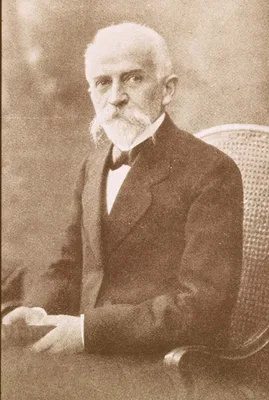
Villemin coined the term antibiosis and advanced the term from an evolutionary viewpoint. Though he presented the concept Villemin did not apply this concept to fight disease. (Thanks to Juan Weiss for this reference.)
1889
#12348
Jenner and vaccination: A strange chapter of medical history.
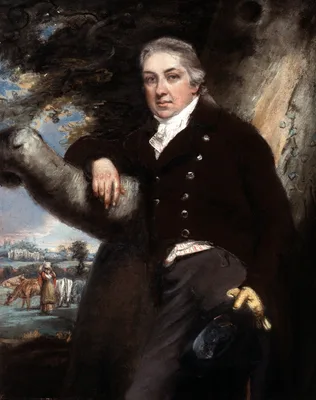
Creighton, one of the founders of epidemiology, disputed the germ theory of infectious disease, and became "one of the anti-vaccination movement's 'most ardent and distinguished spokesmen.' Creighton argued that vacci…
1896
#5088
Der Keuchhusten.
An important history of whooping cough.
1899
#2554
On the rôle of insects, arachnids and myriapods, as carriers in the spread of bacterial and parasitic diseases of man and animals. A critical and historical study.
1901
#2553
Sur l’existence de substances sensibilisatrices dans la plupart des sérums antimicrobiens.
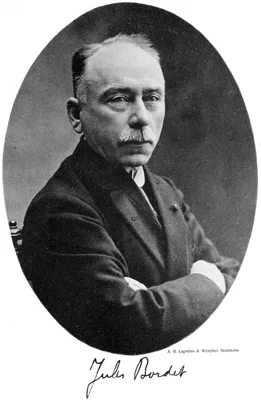
The Bordet–Gengou complement-fixation reaction is the basis of many tests for infection, notably the Wassermann test for syphilis, and reactions for gonococcus infection, glanders, hydatid disease. English translation…