
Entry Nos. 5100–5199
93 Garrison-Morton entries in this range.
1856
#22
Тα ∑ωζομενα. The extant works of Aretaeus, the Cappadocian. Edited and translated by Francis Adams.
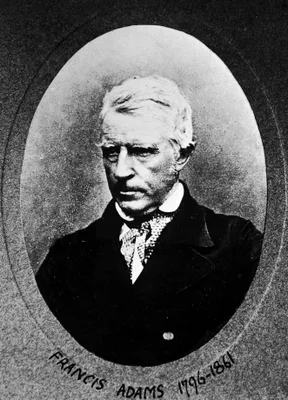
Aretaeus left many fine descriptions of disease; in fact Garrison ranks him second only to Hippocrates in this respect. In the printed editions of this bibliography, before the present online version, the Adams editio…
1908 –1912
#1681
Abhandlungen aus der Seuchengeschichte und Seuchenlehre. Pt. 1: Die Pest. Pt. 2: Die Cholera. 2 vols. in 3.
1563
#1815
Colóquios dos simples, e drogas he cousas mediçinais da Índia e assi dalgũas frutas achadas nella onde se tratam algũas cousas tocantes a medicina, pratica, e outras cousas boas pera saber.
![ORTA, Garcia de [Garcia d'Orta] (1501 – 1568)](/media/portraits/2236)
The first account of Indian materia medica and the first textbook on tropical medicine written by a European. It includes a classic account of Asiatic cholera, the first account of this disease by a European. This is …
1817
#1843
Mémoire sur l’émétine, et sur les trois espèces d’ipecacuanha.
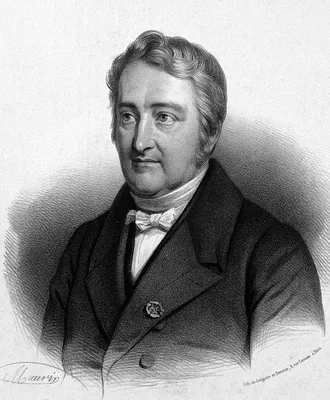
Isolation of emetine. It was not until a century later that Vedder demonstrated its value in the treatment of amoebiasis. Also during 1817 Magendie and Pelletier published "Recherches chimiques et physiologiques sur l…
1870 –1888
#2171
The medical and surgical history of the War of the Rebellion, 1861-65. 6 vols.
UNITED STATES. War Dept. Surgeon General
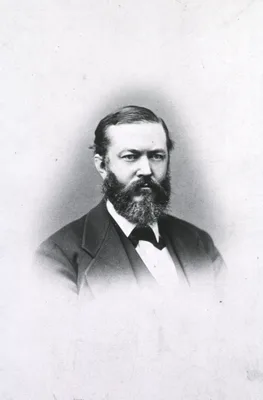
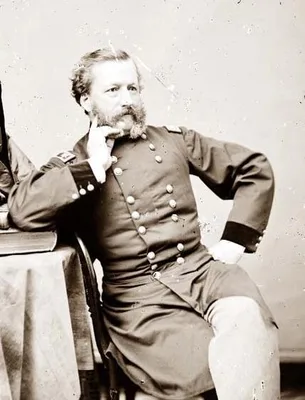
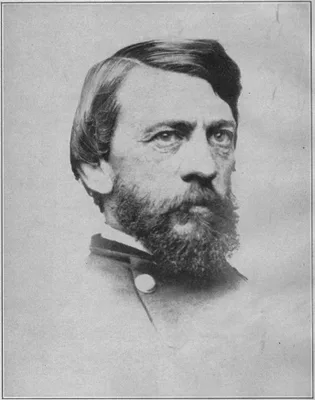
Written by Woodward, Smart, Otis, and Huntington under the direction of Joseph K. Barnes, Surgeon General of the Army. This massive, graphically illustrated set has been called the “first comprehensive American medica…
1786
#2377
A treatise on the venereal disease.
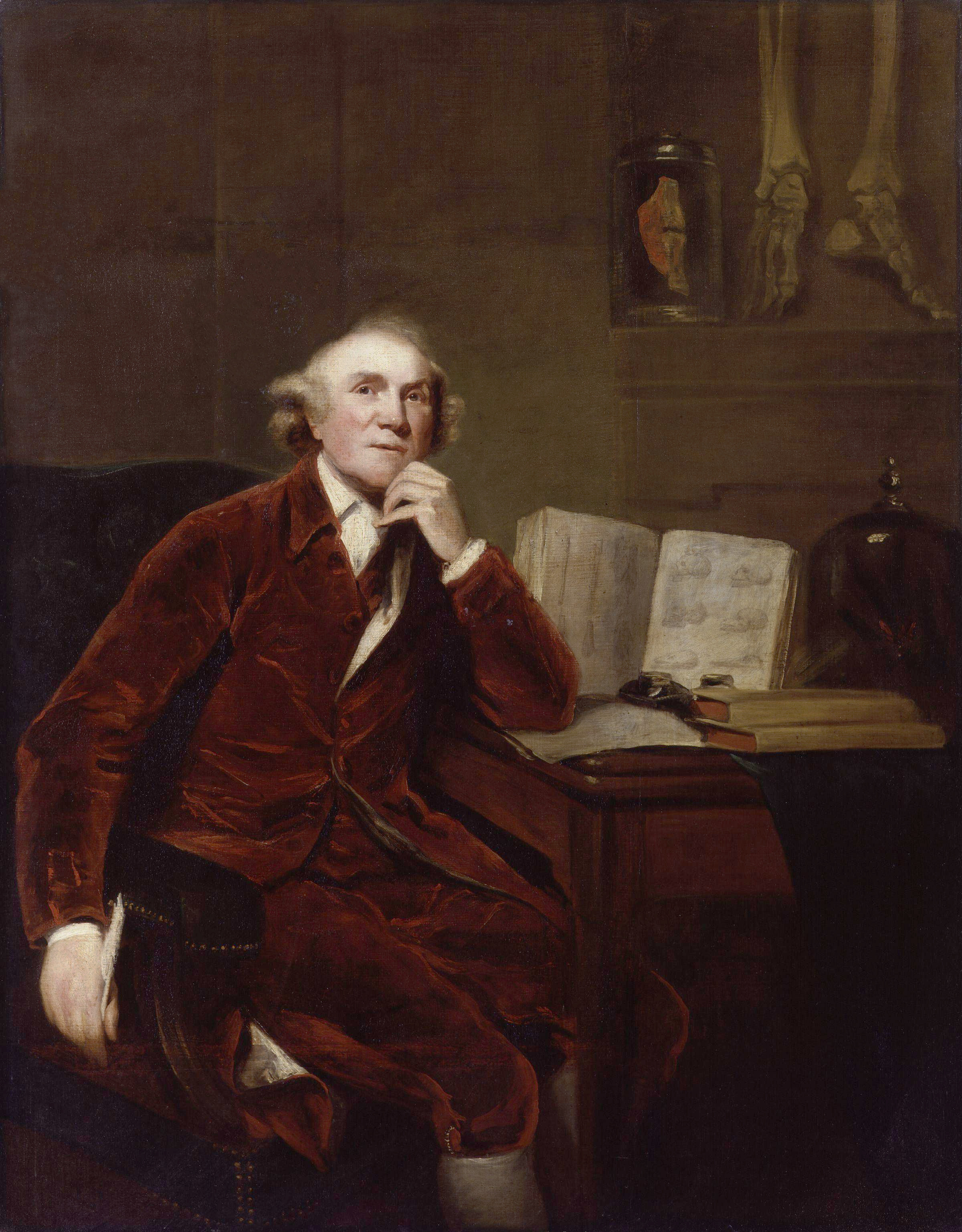
In Hunter's day venereal diseases were thought to be due to a single poison. To test this theory Hunter experimented with matter taken from a gonorrhoeal patient who, unknown to Hunter, also had syphilis. Hunter maint…
1658
#2528.1
Scrutinium physico-medicum contagiosae luis, quae pestis dicitur.
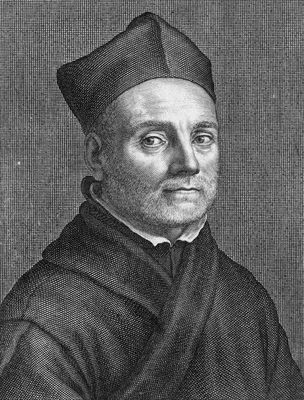
Kircher, a Jesuit scholar and polymath, not specifically trained in medicine, was probably the first to employ the microscope in investigating the cause of disease. He mentioned that the blood of plague patients was f…
1890
#2544
Ueber das Zustandekommen der Diphtherie-Immunität und der Tetanus-Immunität bei Thieren.
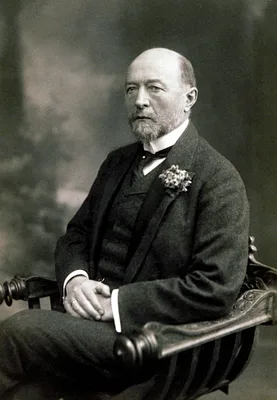
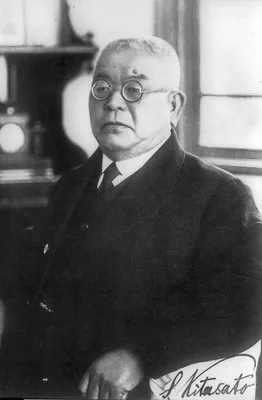
Antitoxins and their immunizing powers were discovered when Behring and Kitasato published their paper dealing with immunity to tetanus and diphtheria. This work laid the foundation of all future treatment with antito…
1894
#2546
Ueber die specifische Bedeutung der Choleraimmunität (Bakteriolyse).
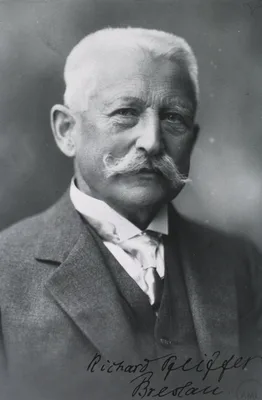
Pfeiffer and Isayev recorded the occurrence of bacteriolysis in cholera vibrios under certain conditions: immune bacteriolysis, “Pfeiffer’s phenomenon”. Abridged English translation of second part in Bibel, Milestones…
1897
#5100
Mediterranean, Malta, or undulant fever.
An authoritative summary of current knowledge of Malta fever.
1897
#5101
On the application of the serum test to the differential diagnosis of typhoid and Malta fever.
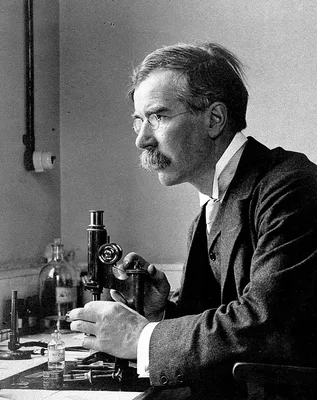
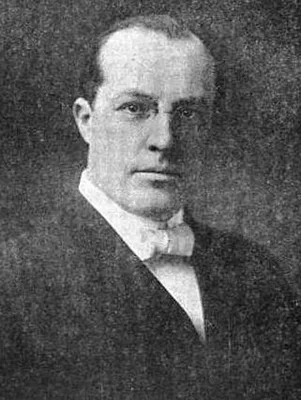
Agglutination test for the diagnosis of undulant fever.
1905 –1907
#5102
REPORTS of the Commission appointed by the Admiralty, the War Office, and the Civil Government of Malta, for the investigation of Mediterranean fever, under the supervision of an advisory committee of the Royal Society. 7 pts.
The important findings of the Mediterranean Fever Commission are summarized in Topley & Wilson’s Bacteriology,1975, p. 2173; probably the most valuable was that of T. Zammit, who showed goat’s milk to be the main sour…
1925
#5103
Studies on Brucella (Alkaligenes) melitensis.
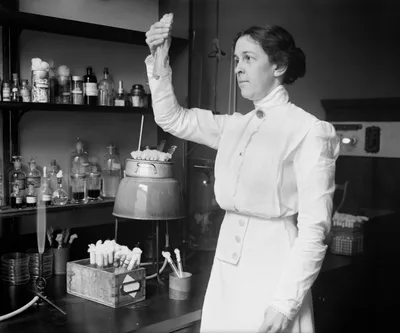
Forms Bulletin No. 143 of the U.S. Public Health Service Hygienic Laboratory. Alice Evans showed that the causal organism of Malta fever was closely related to Brucella abortus, responsible for contagious abortion in …
1832
#5105
Suggestions respecting the cause, nature, and treatment of cholera.
Parkin suggested the water-born character of cholera and the use of charcoal filters for water purification.
1849
#5106
On the pathology and mode of communication of the cholera.
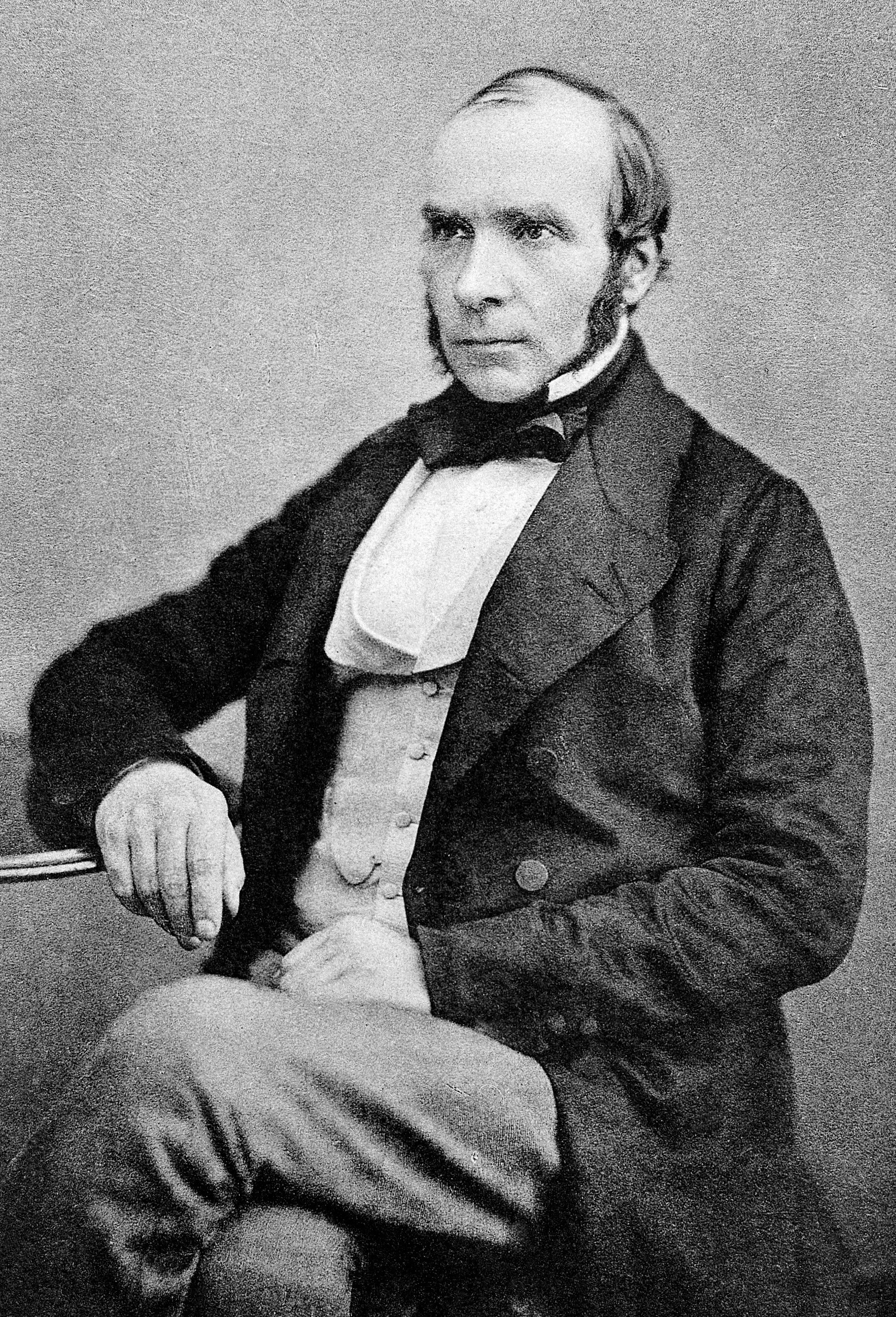
Snow first became interested in cholera at Newcastle-on-Tyne during the epidemic of 1831-1832, and recurrent outbreaks of the disease gave him the opportunity to investigate it in detail. His paper on cholera, publish…
1855
#5107
Unterschungen und Beobachtungen über die Verbreitungsart der Cholera.
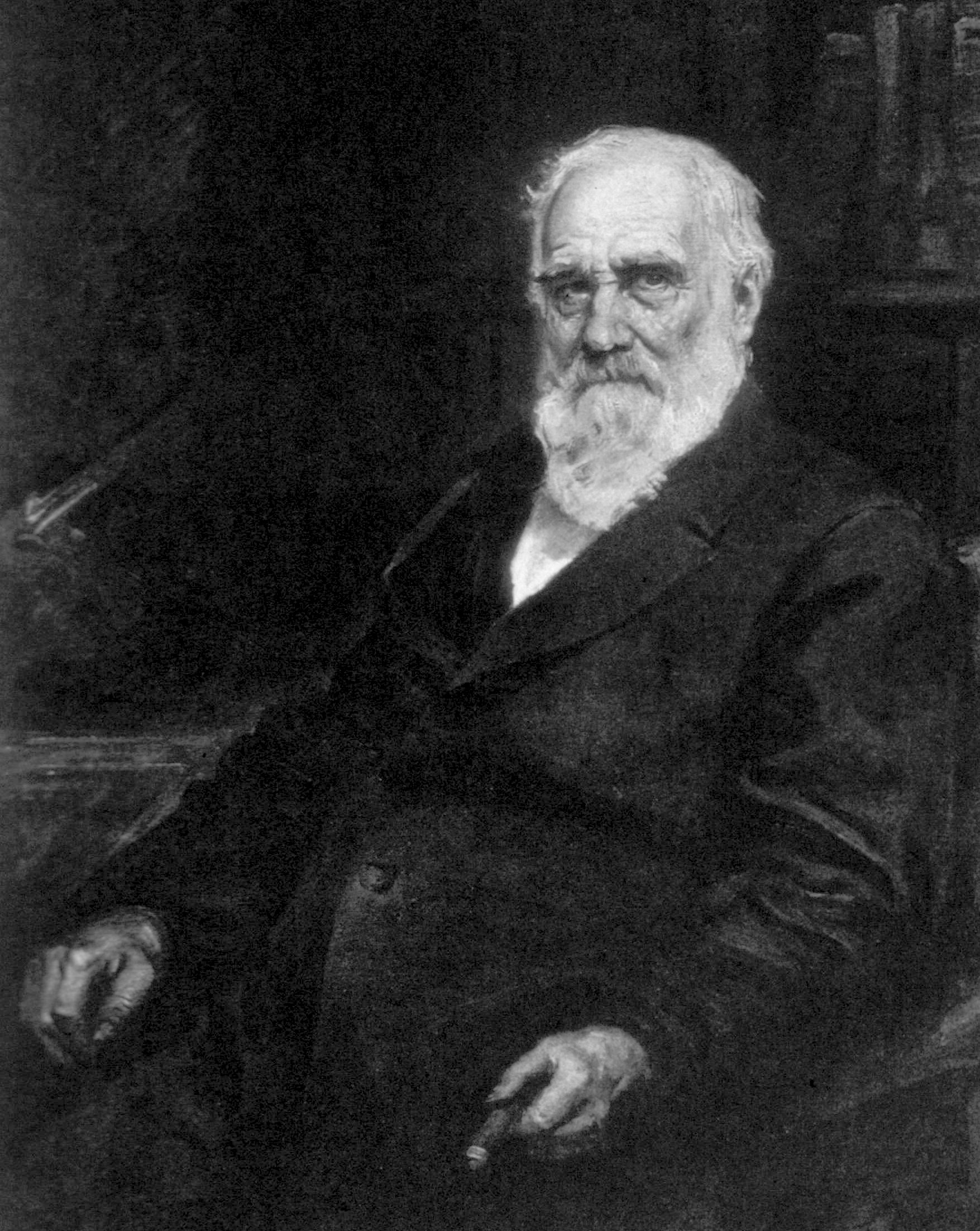
Pettenkofer gave much attention to the etiology of cholera. He postulated the theory that a specific germ, certain local conditions, certain seasonal conditions, and certain individual conditions are all necessary for…
1884
#5108
Sechster Bericht der deutschen wissenschaftlichen Commission zur Ehrforschung der Cholera.
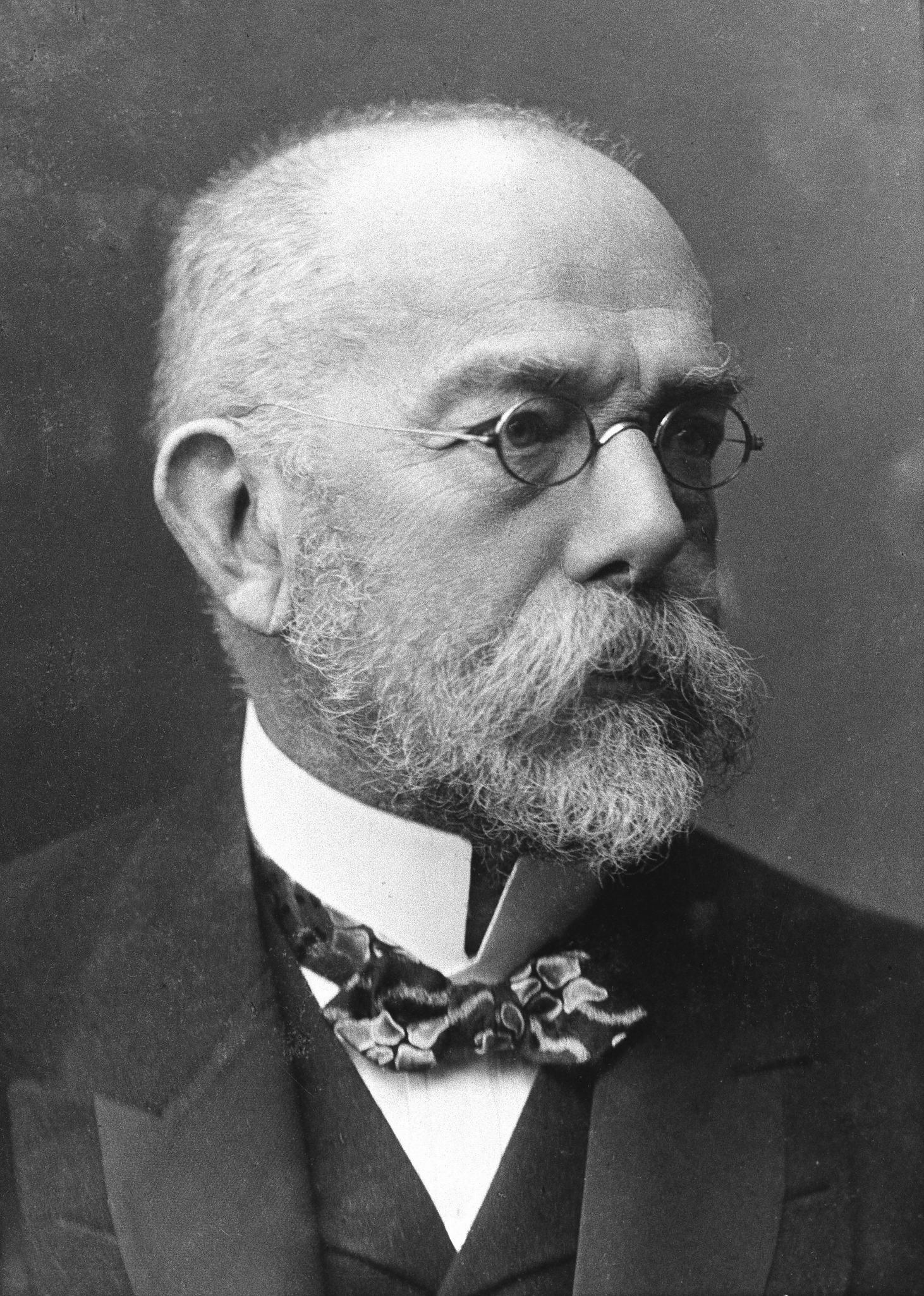
In this paper, dated 2 February 1884, written while Koch and his team were in Calcutta, Koch first published his discovery of the cholera bacillus and the main route of its transmission. He based his discovery on the …
1892
#5109
Le choléra asiatique chez le cobaye.
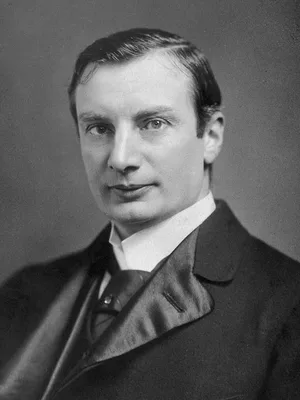
Haffkine’s vaccine against cholera was the first to meet with any success.
1896
#5111
Zur aktiven Immunisierung des Menschen gegen Cholera.
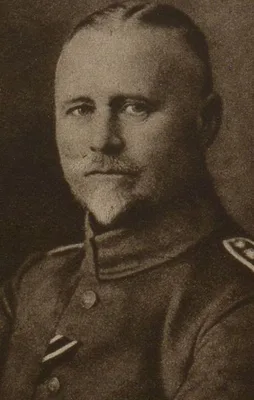
Kolle introduced the killed cholera vaccine.
c. 1474
#5113
De epidemia et peste.
One of the earliest works written on public health, and one of the earliest printed medical books. It was first printed in Arnaldus de Villanova’s De arte cognoscendi venena (Padua, 1473; Mantua, 1473). Above is the f…
1473
#5114
Büchlein der Ordnung (Pest Regiment)
Steinhöwel was a Swabian author, humanist, and translator who was much inspired by the Italian Renaissance. His translations of medical treatises and fiction were an important contribution to early Renaissance Humanis…
1478 –1482
#5115
Tractatus de pestilentia.
The most widely disseminated of all plague tracts from the time of the Black Death, of which 33 printed editions appeared in the 15th century. A French rhymed version appeared in 1476, but this version is very differe…
1646
#5117
De peste libri quatuor, truculentissimi morbi historiam ratione et experientiâ confirmatum exhibentes.
English translation, 1722. Digital facsimile of the Amsterdam 1665 edition revised and expanded by the author from Google Books at this link.
1665
#5119
London’s dreadful visitation, or, a collection of all the Bills of Mortality for the present year: beginning the 27th of December 1664, and ending the 19th of December following…By the Company of Parish Clerks of London.
BILLS OF MORTALITY
This is a valuable statistical record of the great plague of 1665. (No. 6052 in the Bibliotheca Osleriana.)
1894
#5120
Loimographia. An account of the great plague of London in the year 1665

This work was written in 1666 and first published as above. Boghurst, an apothecary, did good work during the great plague; in his book he differentiated plague from typhus. Payne’s introduction to the book contains s…
1672
#5121
Λοιμόλόγια sive pestis nuperae apud populum Londinensem grassantis narratio historica.
Best medical record of the Great Plague of 1665. Hodges was physician to the City of London and the medical hero of the great epidemic. English translation by John Quincy, 1720: Loimologia, or, An historical account o…
1677
#5122
De postrema Melitensi lue praxis historica.
This work, recording the epidemic of plague in Malta in 1675-76, was the first medical work published by a Maltese.
1720
#5123
A short discourse concerning pestilential contagion, and the methods to be used to prevent it.
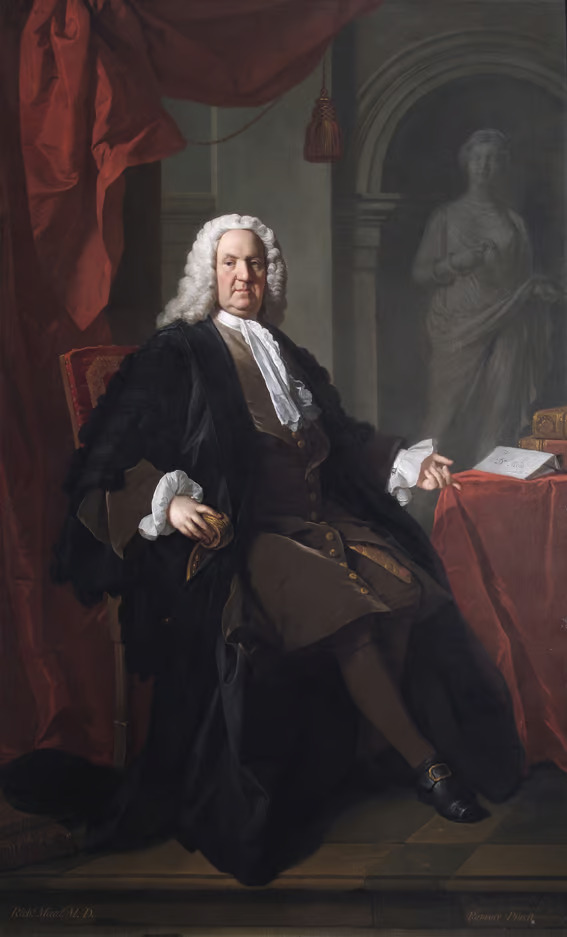
In 1719 Mead was asked for advice concerning an outbreak of plague in Marseilles, and replied with the above tract of 59 pages, which has been called the first epidemiological report produced by a physician at the com…
1755
#5124
Tentamen de inoculandi peste.
Weszprémi proposed preventive inoculation against plague.
1894
#5125
La peste bubonique à Hong-Kong.
Yersin discovered the plague bacillus Pasteurella (Yersinia) pestis, isolating it from excised buboes. He published the first account of this organism. Preliminary note in C. R. Acad. Sci. (Paris), 1894, 119, 356.
1894
#5126
The plague in the East.
Rennie appears to be the first seriously to support the theory of transmission of the plague bacillus by rats and to present evidence in support of that theory.
1895
#5127
La peste bubonique. By Alexandre Yersin with L.C.A. Calmette and A. Borrel.
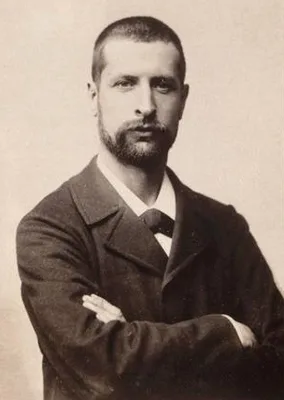
Successful inoculation of animals with anti-plague vaccine.
1897
#5128
Ueber die Pestepidemie in Formosa.
Ogata considered the flea (principally Xenopsylla cheopis) to be the principal, if not the sole, vector of bubonic plague infection.
1906
#5129
Les inoculations antipesteuses.
Haffkine developed an anti-bubonic plague vaccine (killed bouillon cultures), for use in man.
1926
#5130
A treatise on pneumonic plague.
Publication of the League of Nations, III. Health III, 13.
1954
#5131
Plague.
Includes a section on the history of plague. WHO Monograph Series, No. 22.
1882
#5132
Pestilentia in nummis.
A study of medals and tokens relating to epidemics of plague and other infectious diseases.
1901
#5135
Pestblätter des XV. Jahrhunderts. Hrsg. von P. Heitz, mit einleitendem Text von W.L. Scheiber.
1911
#5137
La peste de 1720 à Marseille et en France d’après des documents inédits.
1914
#5138
Plague and pestilence in literature and art.
Deals with the subject up to the end of the 18th century. Revised ed., 1951.
1925
#5140
Remèdes contre la peste. Facsimilés, notes et liste bibliographique des incunables sur la peste.
Includes facsimile reproduction of “La régime de l’epidémie et remède contre icelle” of Jean Jacme (Johannes Jacobi), [5115], together with the “Remède très utile contre fièvre pestilencieuse” by the same writer. See …
1926
#5141
Die ersten gedruckten Pestschriften.
Includes descriptions of 130 incunabula.
1927
#5142
The plague in Shakespeare’s London.
1953
#5143
Conquest of plague. A study of the evolution of epidemiology.
1970
#5145
A history of bubonic plague in the British Isles.
From The Great Pestilence of 1348 to the Plague of London in 1665, discussing efforts to control the disease, and its impacts on social and economic life.
1884
#5147
Studio experimentale sull’ eziologia del tetano.
Demonstration of the transmissibility of tetanus by inoculation into rabbits of pus from a human case.
1884
#5148
Ueber infectiösen Tetanus.
The discovery of the tetanus bacillus, Clostridum tetani, is attributed to Nicolaier; he was, however, unable to isolate the organism in pure culture.
1889
#5149
Ueber den Tetanusbacillus.
Kitasato obtained a pure culture of the tetanus bacillus, Cl. tetani.
1933
#5151
Sur la valeur et la durée de l’immunité conférée par l’anatoxine tétanique dans la vaccination de l’homme contre le tétanos.
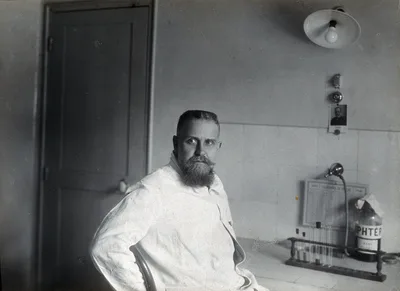
Tetanus toxoid first employed in the immunization of humans.
1782
#5152
Mémoire sur la morve.
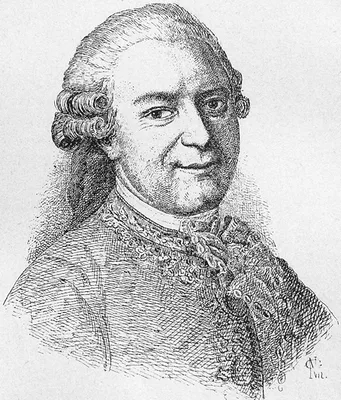
Chabert, the most celebrated veterinarian of his time, left a fine account of glanders.