
Entry Nos. 1100–1199
98 Garrison-Morton entries in this range.
1563 –1564
#1093
Opuscula anatomica.
Eustachius is credited with several anatomical discoveries, among them the tensor tympani muscle and the Eustachian tube, published in his chapter entitled De auditus organis. In the last respect, however, he was anti…
1677
#1100
Exercitatio anatomico-medica de glandulis intestinorum, earumque usu et affectionibus.
Independently of Bartholin and Rudbeck, George Joyliffe (1621-58) observed the lymphatics. He communicated his discovery to Glisson early in 1652 and the latter included an account in the above work (Cap. xxxi). See N…
1685
#1101
De ductu salivali novo, saliva, ductibus oculorum aquosis, et humore oculi aqueo.
Nuck’s name has been attached to the glands and duct described by him.
1774
#1102
Experimental inquiries: Part the second. Containing a description of the lymphatic system in the human subject and in other animals. Together with observations on the lymph, and the changes which it undergoes in some diseases.
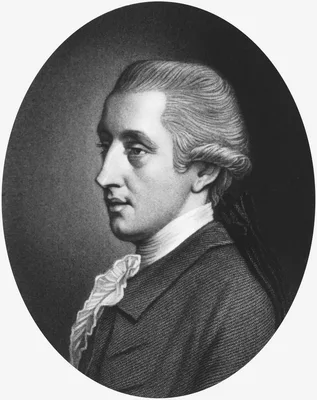
Hewson gave the first complete account of the anatomical peculiarities of the lymphatics. He divided the lymphatics into two groups – superficial and deep. He described the leucocytes as derived from the lymphatic gla…
1786
#1103
The anatomy of the absorbing vessels of the human body.
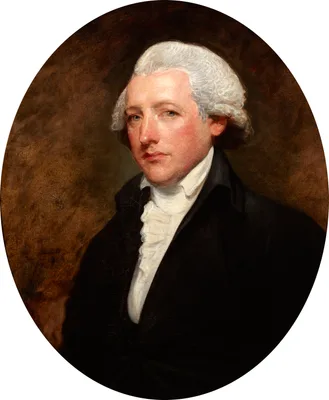
With Hunter and Hewson, Cruikshank laid the foundation of modern knowledge concerning the lymphatics. He was Dr. Johnson’s physician and William Hunter’s assistant.
1787
#1104
Vasorum lymphaticorum corporis humani historia et ichnographia.
Mascagni, Professor of Anatomy at Siena, made several discoveries regarding the lymphatics. His beautiful atlas contained 41 engravings of the lymphatics and gained him lasting fame. He had previously published a Prod…
1837
#1105
Microscopische Beobachtungen über die sichtbare Fortbewegung der Lymphkörnchen in den Lymphgefässen der Froschlarven.
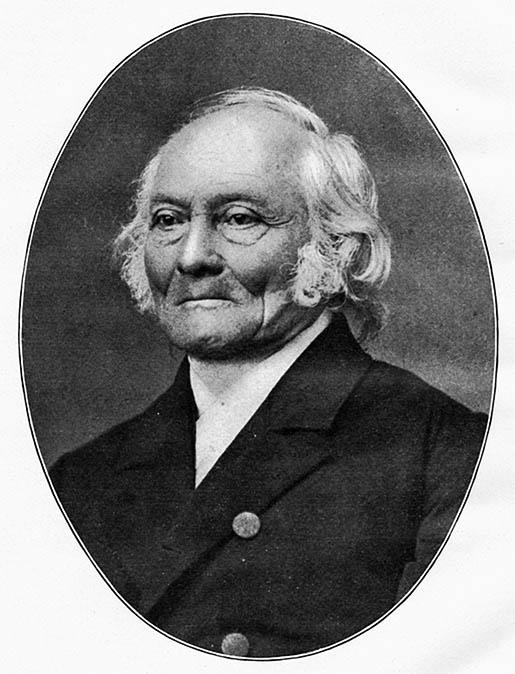
1849
#1106
De cursu lymphae in vasis lymphaticis.
Noll advanced the theory that lymph is formed by the diffusion of fluids from the blood through the vessel walls into the surrounding tissues.
1861
#1107
Untersuchungen über den Bau der Lymphdrüsen.
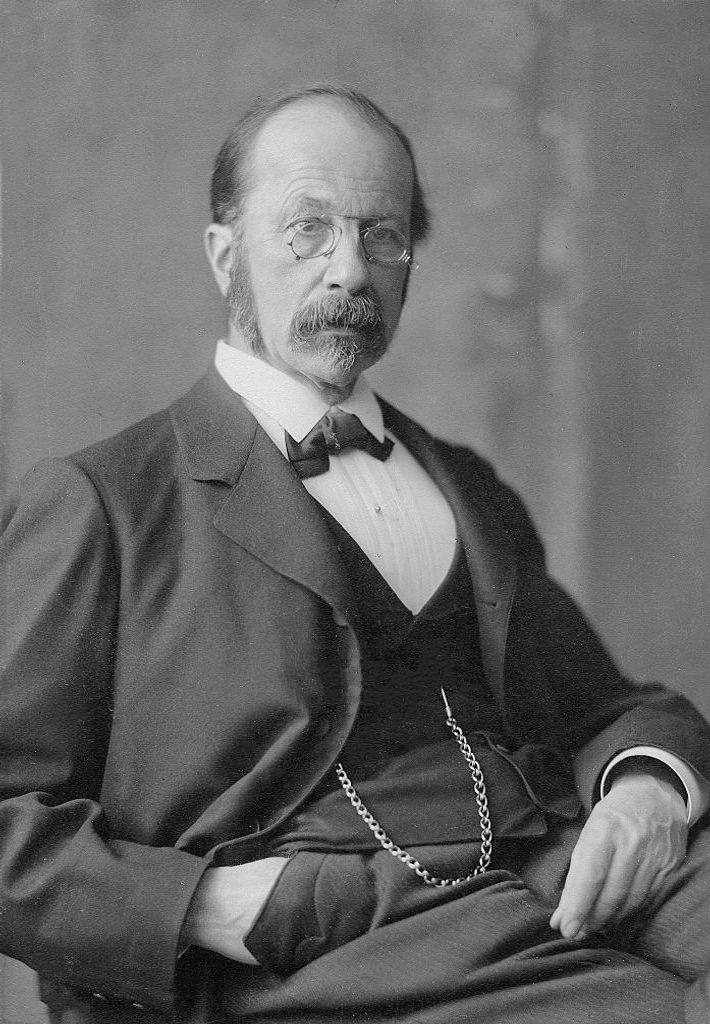
Histology of the lymphatics. His drew the illustrations.
1862
#1108
Die Lymphgefässe und ihre Beziehung zum Bindegewebe.
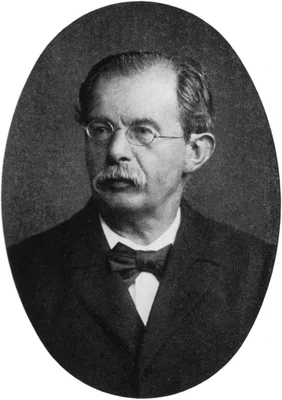
“Recklinghausen’s canals”, the lymph canaliculi.
1863
#1109
Ueber das Epithel der Lymphgefässwurzeln und über die von Recklinghausen’schen Saftcanälchen.
1874 –1875
#1110
Anatomie, physiologie, pathologie des vaisseaux lymphatiques.
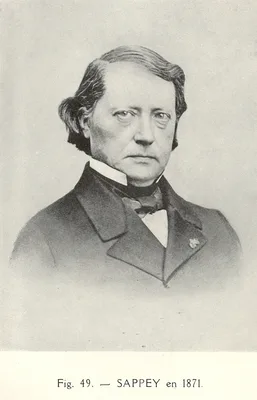
Notable for its illustrations.
1884
#1111
Ueber den lymphatischenApparat des Pharynx.
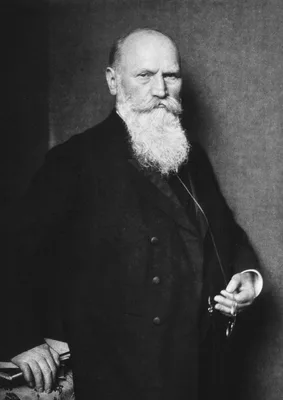
“Waldeyer’s tonsillar ring”, the lymphoid ring of the nasopharynx.
1894
#1112
The influence of mechanical factors on lymph production.
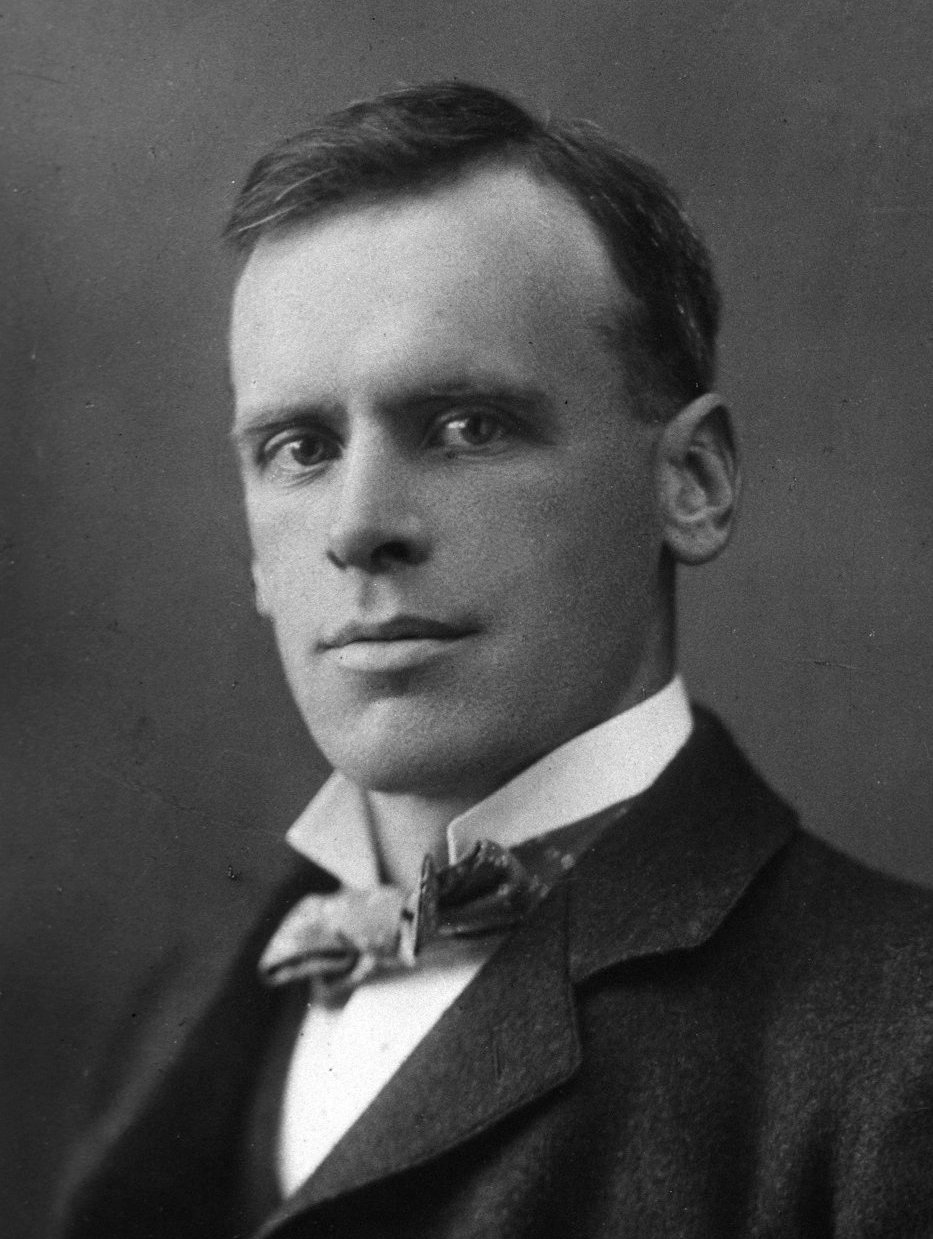
1913
#1113
The origin and development of the lymphatic system.
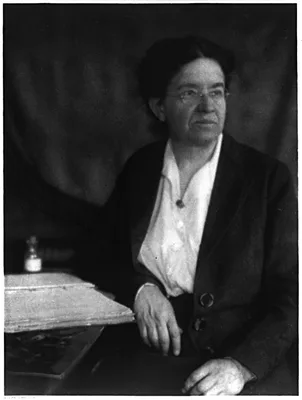
1933
#1114
The quantitative study of lymphocyte production.
1656
#1116
Adenographia: sive, glandularum totius corporis descriptio.
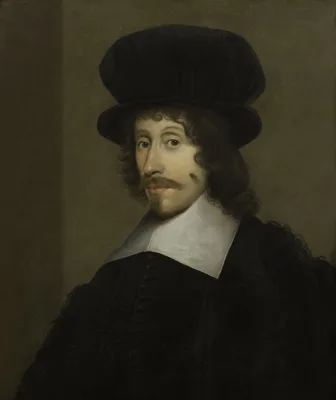
Wharton described the duct of the submaxillary salivary gland (“Wharton’s duct”). He described the thyroid more accurately than his predecessors, naming it. He also described “Wharton’s jelly” of the umbilical cord (p…
1775
#1117
Recherches sur les maladies chroniques. Vol. 1. Analyse médicinale du sang.
De Bordeu first conceived the idea of internal secretion by his hypothesis that every organ, tissue, and cell discharges into the blood products which influence other parts of the body. His work was published in a col…
1801
#1118
Le sang, est-il identique dans tous les vaisseaux qu’il parcourt?
Like de Bordeu, and more definitely, Legallois anticipated the conception of internal secretions. He surmised from the identity in composition of all varieties of arterial blood and the diversity of venous blood in di…
1832
#1119
The anatomy of the thymus gland.
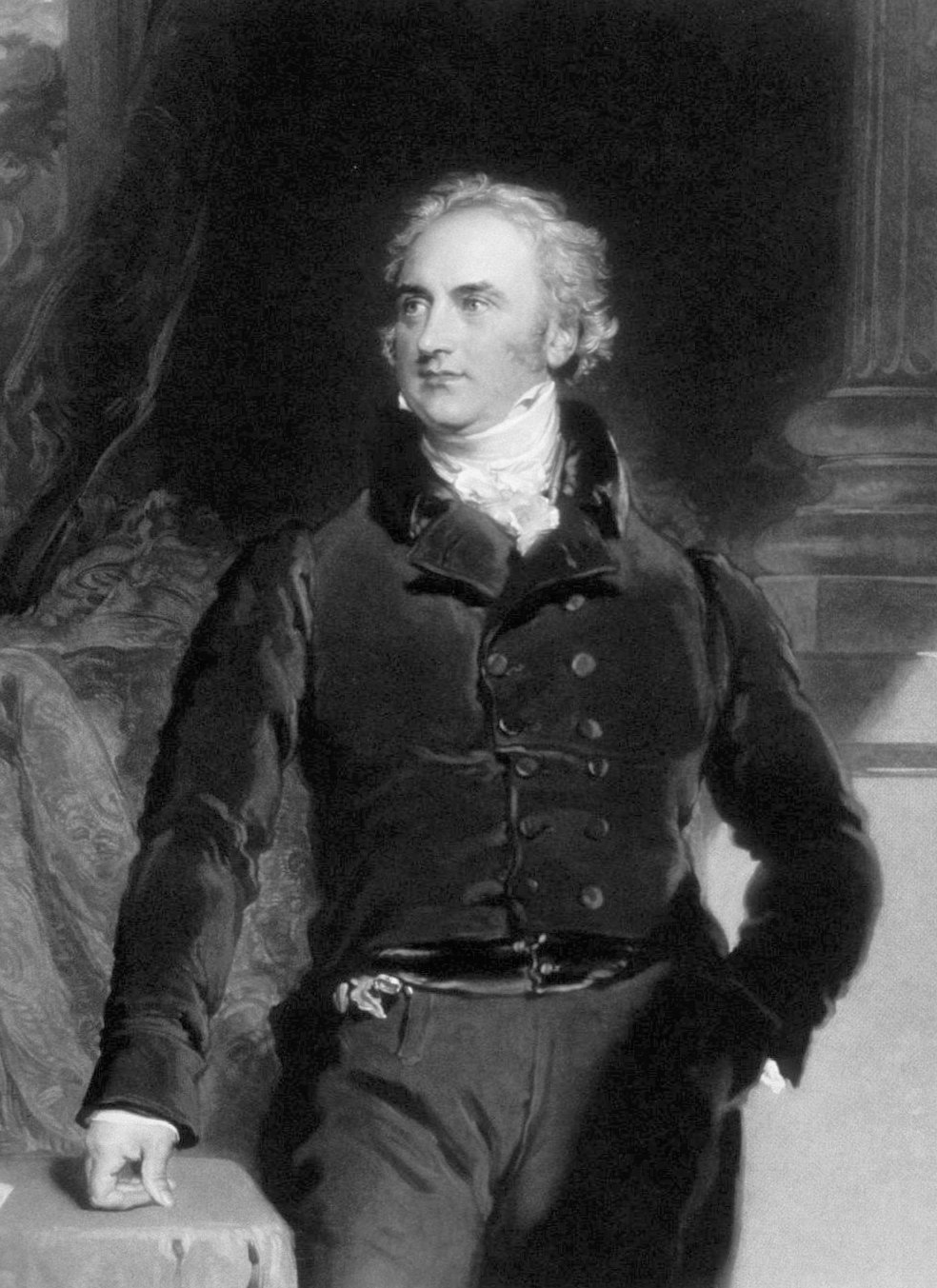
Cooper, the most popular surgeon in London during the early part of the 19th century, was connected with both Guy’s and St. Thomas’s Hospitals. Among his best works is his description of the thymus; he described the “…
1878
#1120
Ueber secretorische und trophische Drüsennerven.
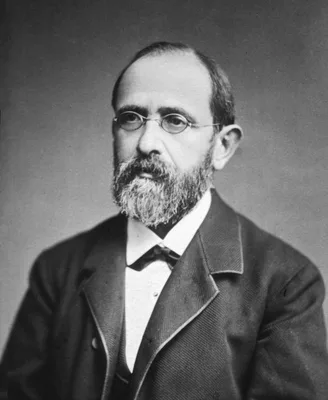
Investigation of the secretory and trophic nerves of glands. Heidenhain considered all secretory phenomena to be intracellular, rather than mechanical, processes.
1904
#1121
The chemical regulation of the secretory process.
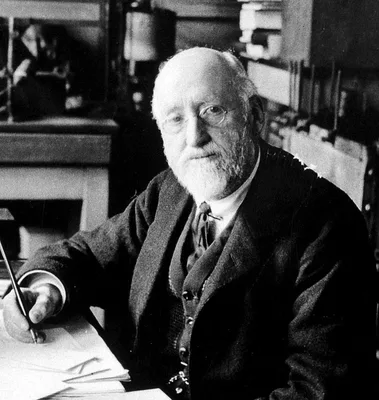
Bayliss and Starling developed the theory of hormonal control of internal secretion.
1905
#1122
The Croonian Lectures on the chemical correlation of the functions of the body.
Starling constructed a general scheme of the “hormones” as he named the internal secretions. This is the first appearance of the word, which was suggested by W. B. Hardy.
1910
#1123
Innere Sekretion.
Biedl showed that the adrenal cortex is essential for life. His classic work shows the rapid development of the knowledge concerning endocrinology. In 1890 there were few publications dealing with internal secretion, …
1915
#1124
Bodily changes in pain, hunger, fear, and rage. An account of recent researches into the function of emotional excitement.
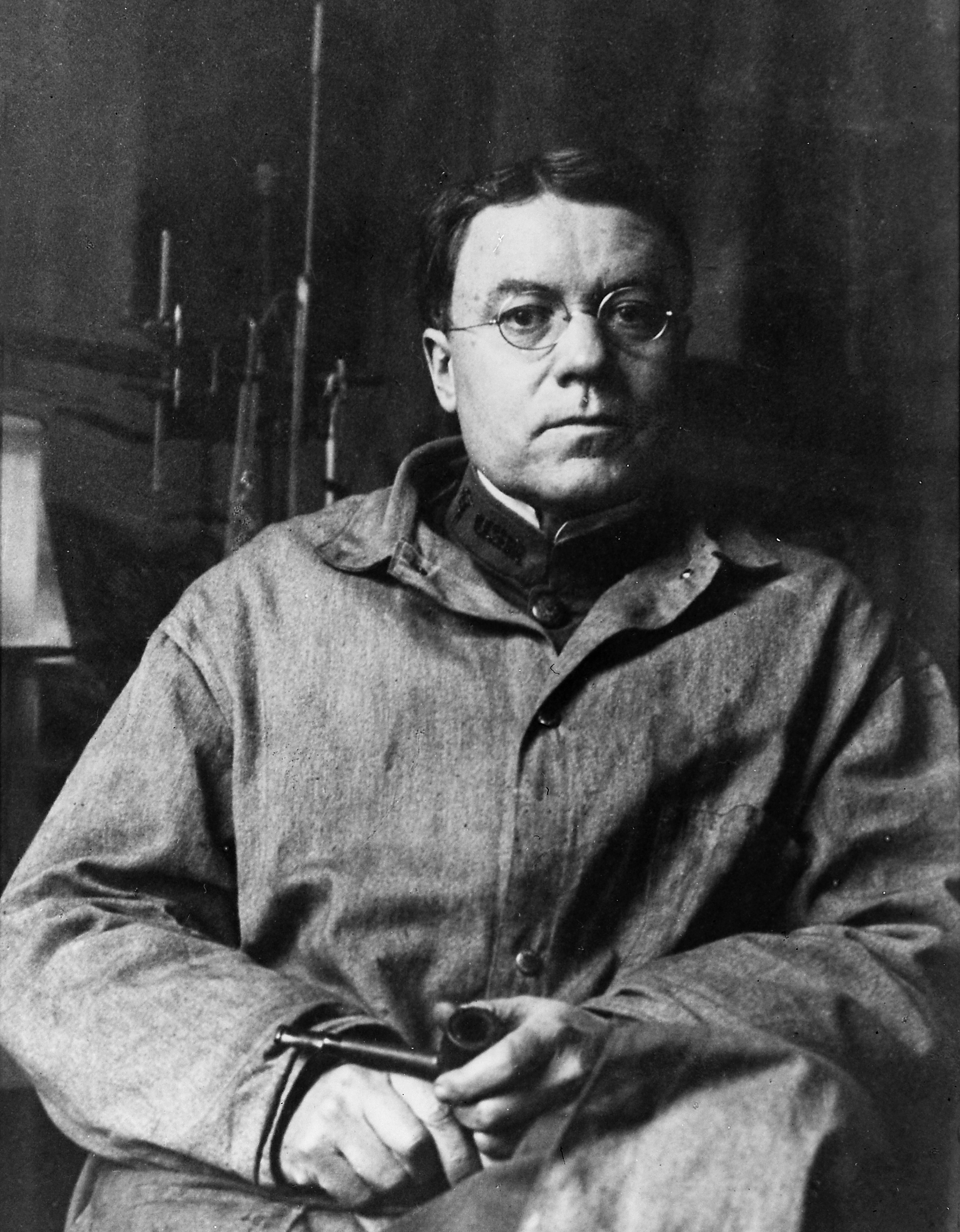
Observation of the effect of strong emotions on gastrointestinal motility (No. 1029) led Cannon to examination of the sympathetic nervous system and its emergency function. Cannon showed the close connexion between th…
1929 –1934
#1125
Die Hormone; ihre Physiologie und Pharmakologie. 2 vols.
1836
#1126
Observations on the thyroid gland, with notes on the same subject by Sir Astley Cooper.
King, sometimes referred to as the “father of endocrinology”, antici-pated the endocrine action of the thyroid.
1880
#1127
Om en ny körtel hos menniskan och atskilliga däggdjur.
Remak, Owen, and Virchow had previously noted the presence of what may have been parathyroids; the first systematic account of them was given by Sandström. An English translation of this paper appeared in Bull. Inst. …
1884 –1885
#1128
On the function of the Thyroid gland.
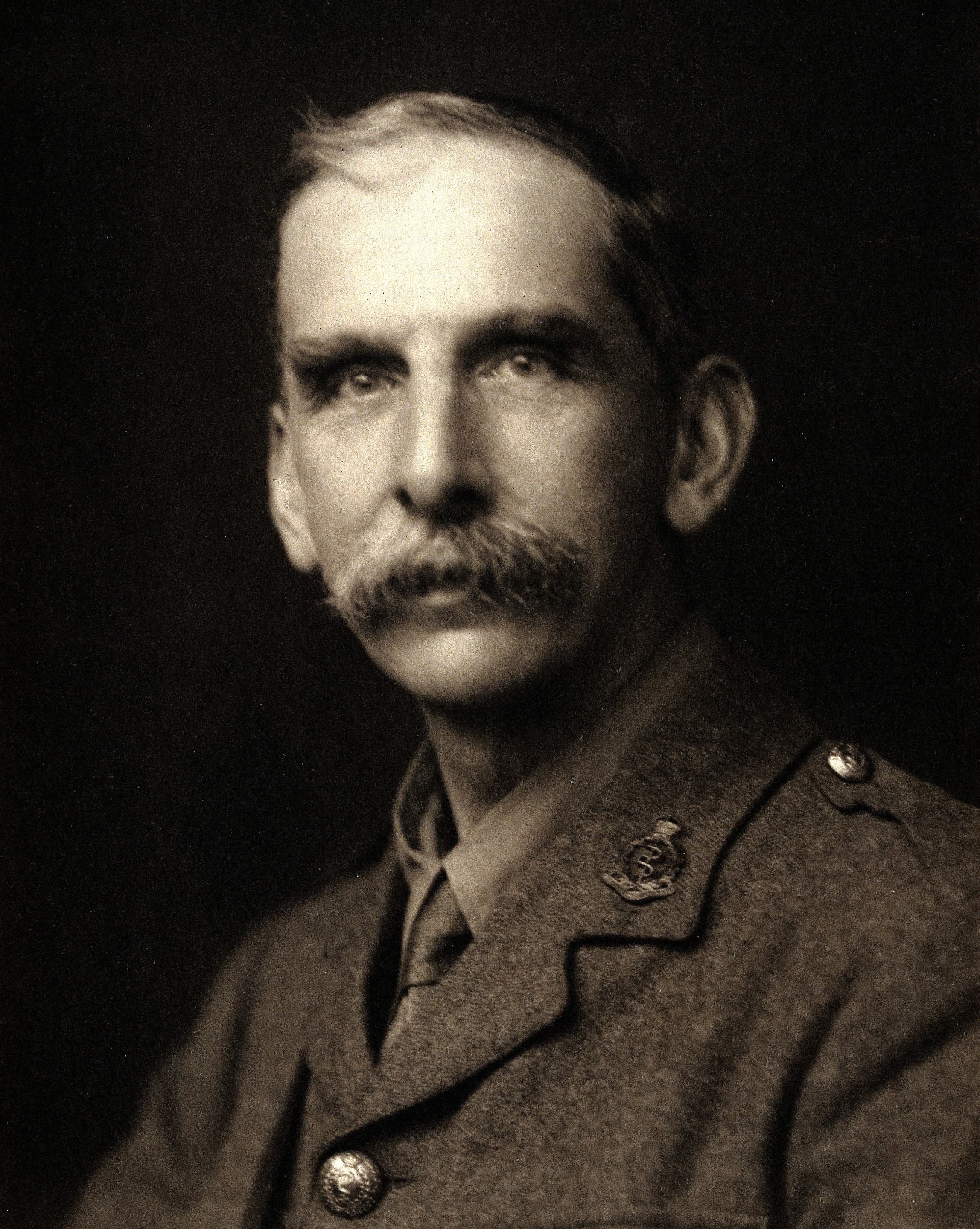
From his experimental work Horsley produced evidence to support the view that myxoedema, cretinism and operative cachexia strumpriva are all due to thyroid deficiency.
1886
#1129
Functional nervous disorders due to loss of thyroid gland and pituitary body.
First successful experimental hypophysectomy; two dogs survived five and six months respectively after this operation.
1891
#1130
Sur les fonctions du corps thyroïde.
Gley re-discovered the parathyroids and later came across Sandström’s description (see No. 1127). Gley seems to have been the first to understand their real significance; his work showed the necessity of the parathyro…
1895 –1896
#1131
Ueber das normale vorkommen von Jod im Thierkörper.
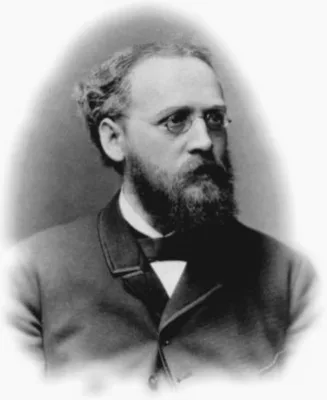
Demonstration of the presence of iodine in organic combination in the thyroid. Baumann isolated an iodine-containing compound (“Thyrojodin”). The biochemical research stimulated by this work led eventually to the disc…
1909
#1132
Studies on thyroid. I. The relation of iodine to the physiological activity of thyroid preparations.
1915
#1133
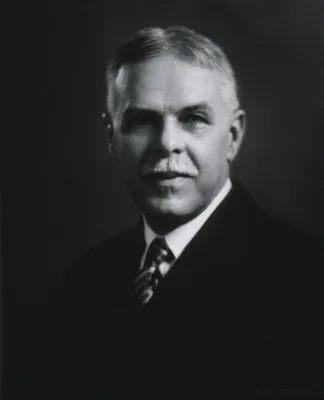
The isolation in crystalline form of the compound containing iodine, which occurs in the thyroid; its chemical nature and physiologic activity.
Kendall isolated in crystalline form the thyroid hormone “thyroxine” on Christmas Day, 1914.
1923
#1134
The acetonitril test for thyroid and of some alterations of metabolism.
The acetonitril test was introduced by Hunt in 1905 (J. biol. Chem., 1, 33) and later modified by him. It shows the activity of thyroid preparations to be proportional to their iodine content.
1923
#1135
An elementary chemical study of the parathyroid glands of cattle.
Hanson isolated the first really potent parathyroid extract.
1925
#1136
The extraction of a parathyroid hormone which will prevent or control parathyroid tetany and which regulates the level of blood calcium.
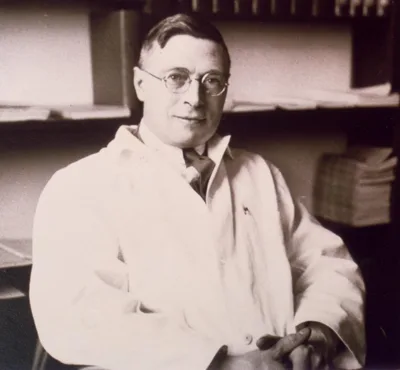
Isolation of parathormone, the active principle of the parathyroids. Collip’s “parathormone”. He showed that it raises the calcium level in para-thyroidectomized dogs.
1926
#1137
Chemistry of thyroxine I.
Harington showed that thyroxine is a derivative of tyrosine, and he gave its formula as C15H11O4NI4.
1927
#1138
Chemistry of thyroxine. III. Constitution and synthesis of thyroxine.
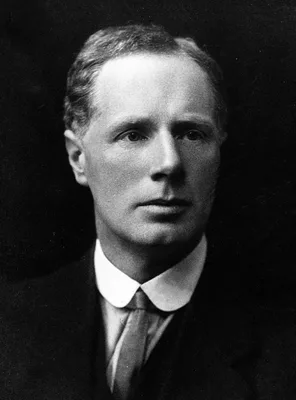
Synthesis of thyroxine.
1856
#1140
Recherches expérimentales sur la physiologie et la pathologie des capsules surrénales.
Brown-Séquard found that excision of both adrenals in animals invariably proved fatal, thus determining their indispensability. He also believed that they had an antitoxic influence upon the blood. His experimental wo…
1856
#1141
Note sur quelques réactions propres à la substance des capsules surrénales.
Vulpian discovered adrenaline in the adrenal medulla.
1895
#1143
The physiological effects of extracts of the suprarenal capsules.
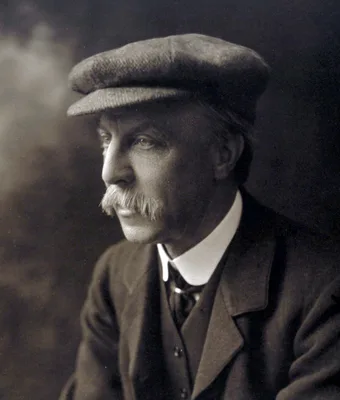
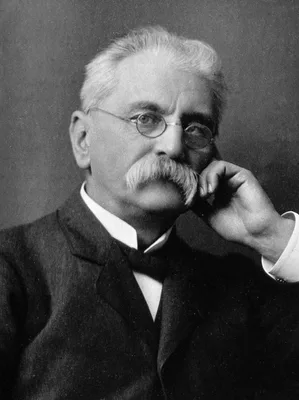
These workers demonstrated the existence of a pressor substance (adrenaline) in the adrenal medulla. Preliminary communications regarding the above appeared in the proceedings of the Physiological Society, J. Physiol.…
1897
#1144
On the blood-pressure-raising constituent of the suprarenal capsule.
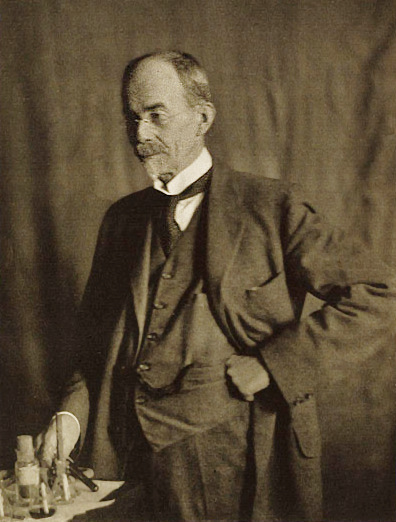
Abel and Crawford further investigated the pressor substance of Oliver and Schäfer calling it “epinephrine”.
1899
#1145
Ueber den blutdruckerregenden Bestandtheil der Nebenniere, das Epinephrin.
1901
#1146
The blood-pressure-raising principle of the suprarenal glands.
Isolation of adrenaline.
1901
#1147
A preliminary report on the active principle of the suprarenal gland.
Independently of Takamine, Aldrich succeeded in isolating adrenaline in a crystalline form. He gave it the formula C9H13NO3. Adrenaline was the first hormone to be isolated.
1927
#1148
Further studies on adrenal insufficiency in dogs.
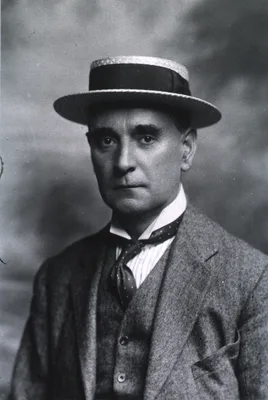
Cortical hormone first obtained.
1929
#1149
The preparation of an active extract of the supra-renal cortex.
First practical method of preparing an extract of the active agent of the adrenal cortical hormone. It was named cortin until it was recognized that there are several active agents in the secretion.
1934
#1150
Isolation in crystalline form of the hormone essential to life from the suprarenal cortex; its chemical nature and physiologic properties.
Together with H. L. Mason, B. F. McKenzie, C. S. Myers, and G. A. Koelsche, Kendall reported the isolation in crystalline form of cortin ('C20H30O5)'
1936
#1151
A physiologic and chemical investigation of the suprarenal cortex.
Isolation of nine closely related steroid hormones from adrenal cortical extracts; one of these was Compound E (C21H28O5) which in 1939 was renamed cortisone. With H. L. Mason, C. S. Myers, and W. D. Allers. See also …