
Entry Nos. 1500–1599
94 Garrison-Morton entries in this range.
1563 –1564
#1093
Opuscula anatomica.
Eustachius is credited with several anatomical discoveries, among them the tensor tympani muscle and the Eustachian tube, published in his chapter entitled De auditus organis. In the last respect, however, he was anti…
1561
#1208
Observationes anatomicae.
Observationes anatomicae, a work of 232 leaves printed in the comparatively small octavo format, with no illustrations, was the only work Fallopio published before his death from tuberculosis at age thirty-nine, and i…
1840 –1844
#1500
On the knowledge of distance given by binocular vision.
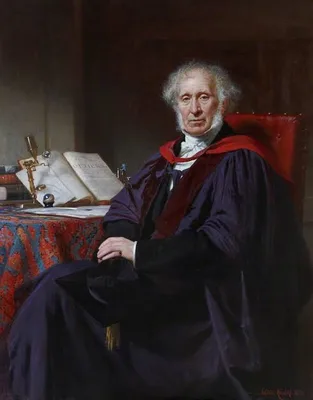
1844
#1501
Untersuchungen zur Kenntniss des körnigen Pigments der Wirbelthiere in physiologischer und pathologischer Hinsicht.
Includes a description of “Bruch’s membrane” of the choroid.
1845
#1502
Die Farbenerscheinungen im Grunde des menschlichen Auges.
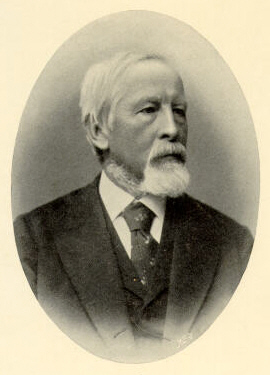
An important description of colour phenomena in the fundus oculi. This paper won for Kussmaul the Karl Friedrich Medal of the University of Heidelberg.
1845
#1503
Beitrag zur physiologischen Optik.
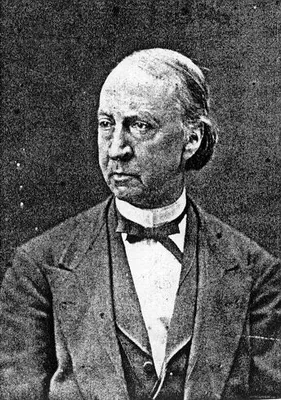
1845
#1504
On the vision of objects on and in the eye.
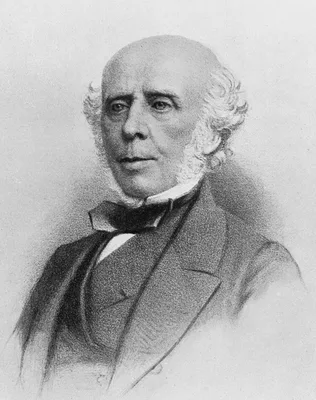
An introduction to the then little-known subject of catoptrics.
1849
#1505
Lectures on the parts concerned in the operations on the eye, and on the structure of the retina.
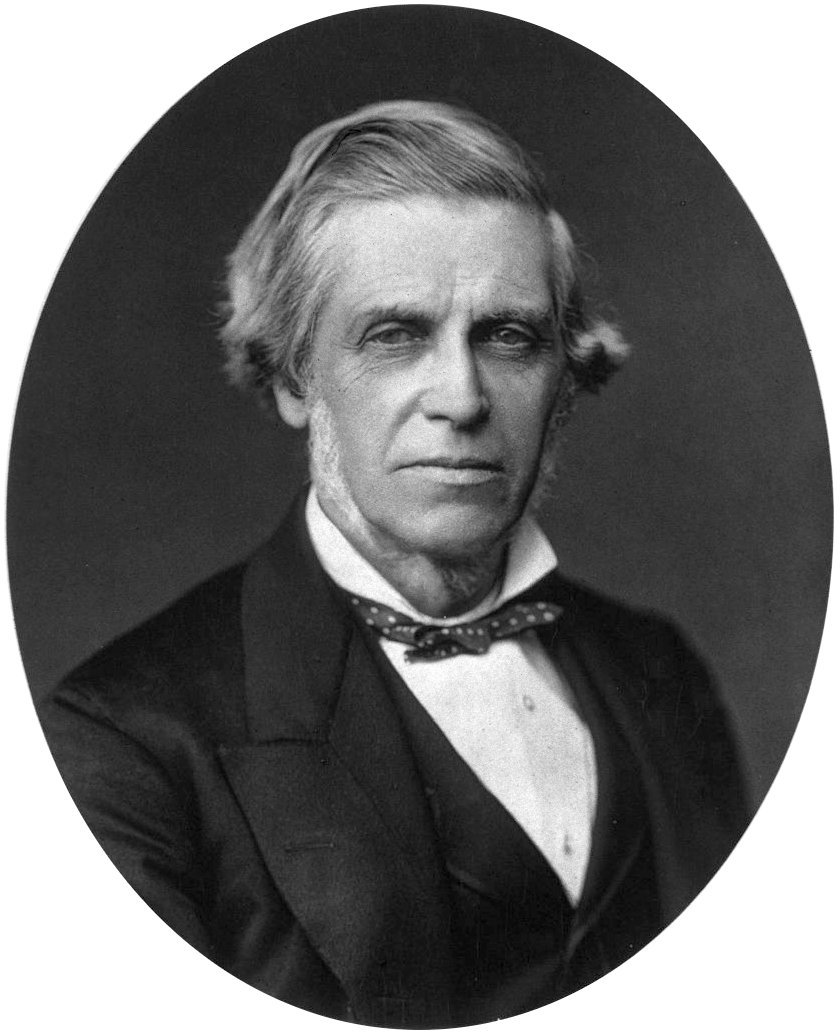
Bowman did more than any other man to advance ophthalmic surgery in England. The above work is the first to include a sound description of the microscopical anatomy of the eye and the ciliary (“Bowman’s”) muscle. The …
1851
#1506
Zur Histologie der Netzhaut.
Discovery of visual purple.
1852
#1507
Ueber den Einfluss des Nervensystems auf die Bewegung der Iris.
1852
#1508
Ueber die Theorie der zusammengesetzten Farben.
1854 –1855
#1509
Ueber die Accommodation des Auges.
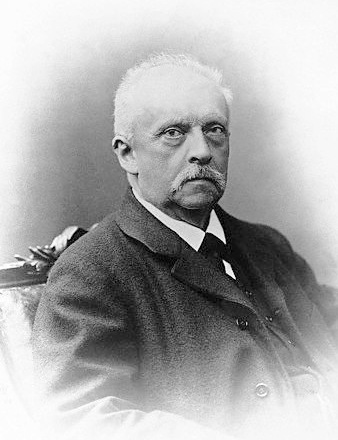
Helmholtz determined the optical constants and explained the mechanism of accommodation, with the help of the ophthalmometer which he had invented in 1852.
1855
#1510
Ueber die Bewegung der Iris: Für Physiologen und Ärzte,
Digital facsimile from the Internet Archive at this link.
1855
#1511
Osservazioni sul nervo ottico.
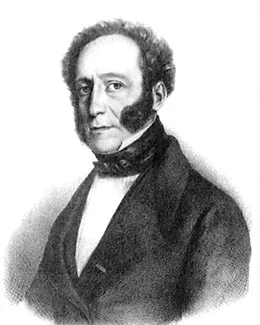
Panizza was the first to attribute the vision function to the posterior cortex.
1866
#1512
Zur Anatomie und Physiologie der Retina.
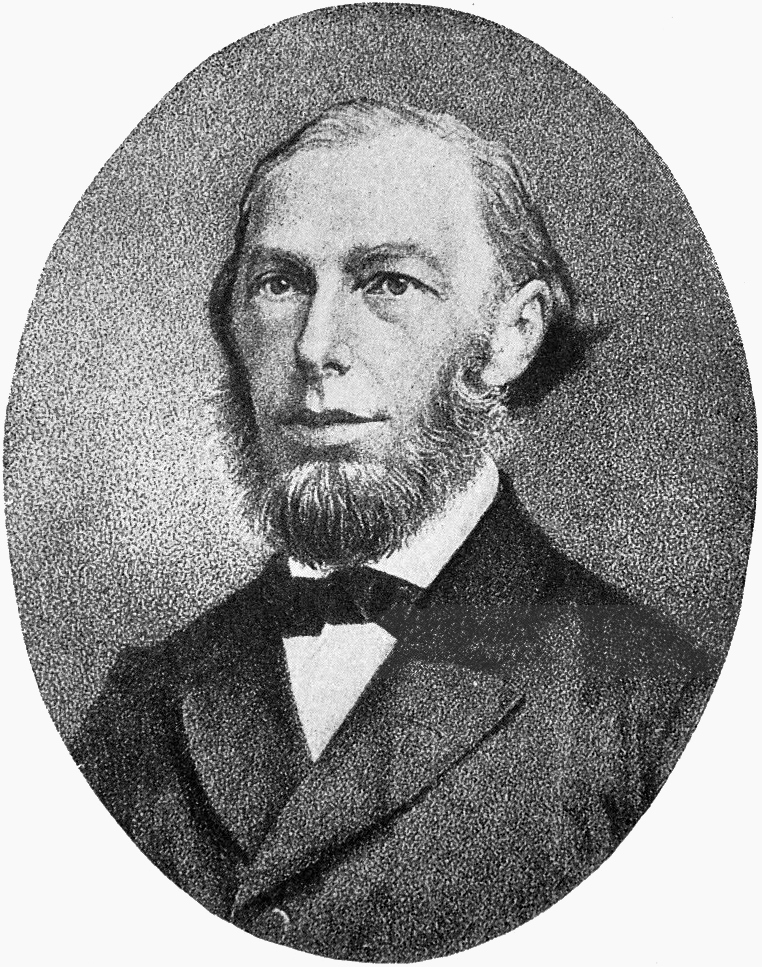
One of the greatest of all histologists, Max Schultze is remembered by ophthalmologists for his monograph on the nerve-endings in the retina.
1867
#1513
Handbuch der physiologischen Optik. 1 vol. and atlas.
Includes Helmholtz’s revival of the Young theory of color vision. English translation by J.P.C. Southall of 3rd German edition, 3 vols., Menasha, Wis., 1924-25.
1870 –1871
#1514
Om retinaströmmen.
First demonstration of retinal action currents.
1872 –1875
#1515
Zur Lehre vom Lichtsinne. 6 parts.
Hering’s theory of color sense. First edition in book form (Vienna, 1878). Hering expanded this work in Grundzüge der Lehre vom Lichtsinn (1905-11; 1920) English translation of that expanded work by Leo M. Hurvich and…
1874 –1879
#1516
Ueber die Kreuzung der Fasern im Chiasma nervorum opticorum.
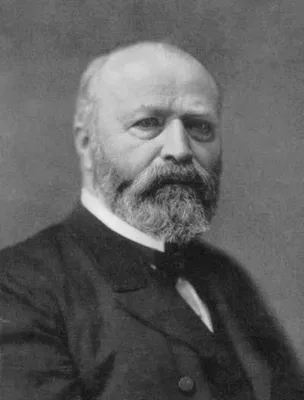
Important studies on the partial decussation of optic paths.
1877
#1517
Zur Physiologie des Sehens und der Farbenempfindung.
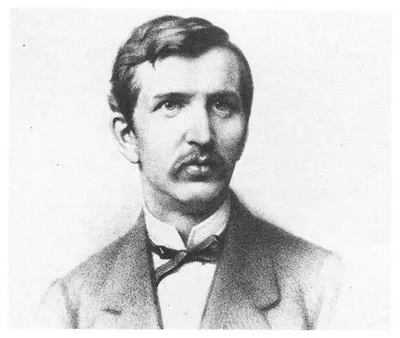
Boll noted that visual purple is bleached on exposure to light.
1876
#1518
Ueber den feineren Bau der Chorioidea des Menschen nebst Beiträgen zur pathologischen und vergleichenden Anatomie der Aderhaut.
“Sattler’s layer” of the choroid.
1878
#1519
Ueber den Sehpurpur.
Kühne was Professor of Physiology at Amsterdam and Heidelberg. Among his best work is his investigation of visual purple (rhodopsin) which he was first to extract from the retina. Several other papers by him on the sa…
1885
#1520
The anatomy of the muscles, ligaments and fasciae of the orbit, including an account of the capsule of Tenon, the check ligaments of the recti, and the suspensory ligaments of the eye.
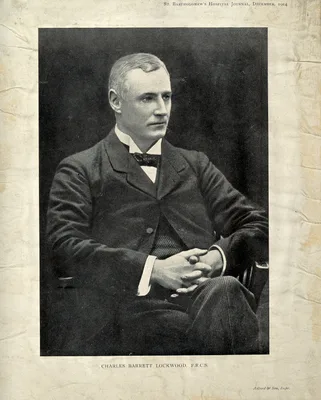
“Lockwood’s suspensory ligament” of the globe of the eye.
1888
#1521
Kort öfversigt af läran om lokalisationen i hjernbarken.
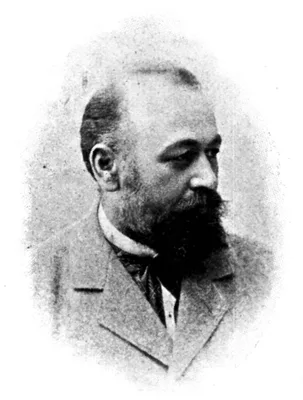
Discovery of the cortical visual center.
1893
#1522
Eine neue Theorie der Licht-Empfindung.
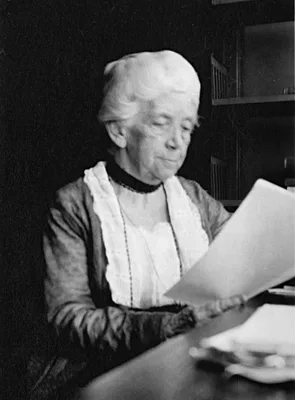
Ladd-Franklin theory of vision.
1894
#1523
Die Retina der Wirbelthiere…In Verbindung mit dem Verfasser zusammengestellt, übersetzt und mit Einleitung versehen von Dr. Richard Greef.
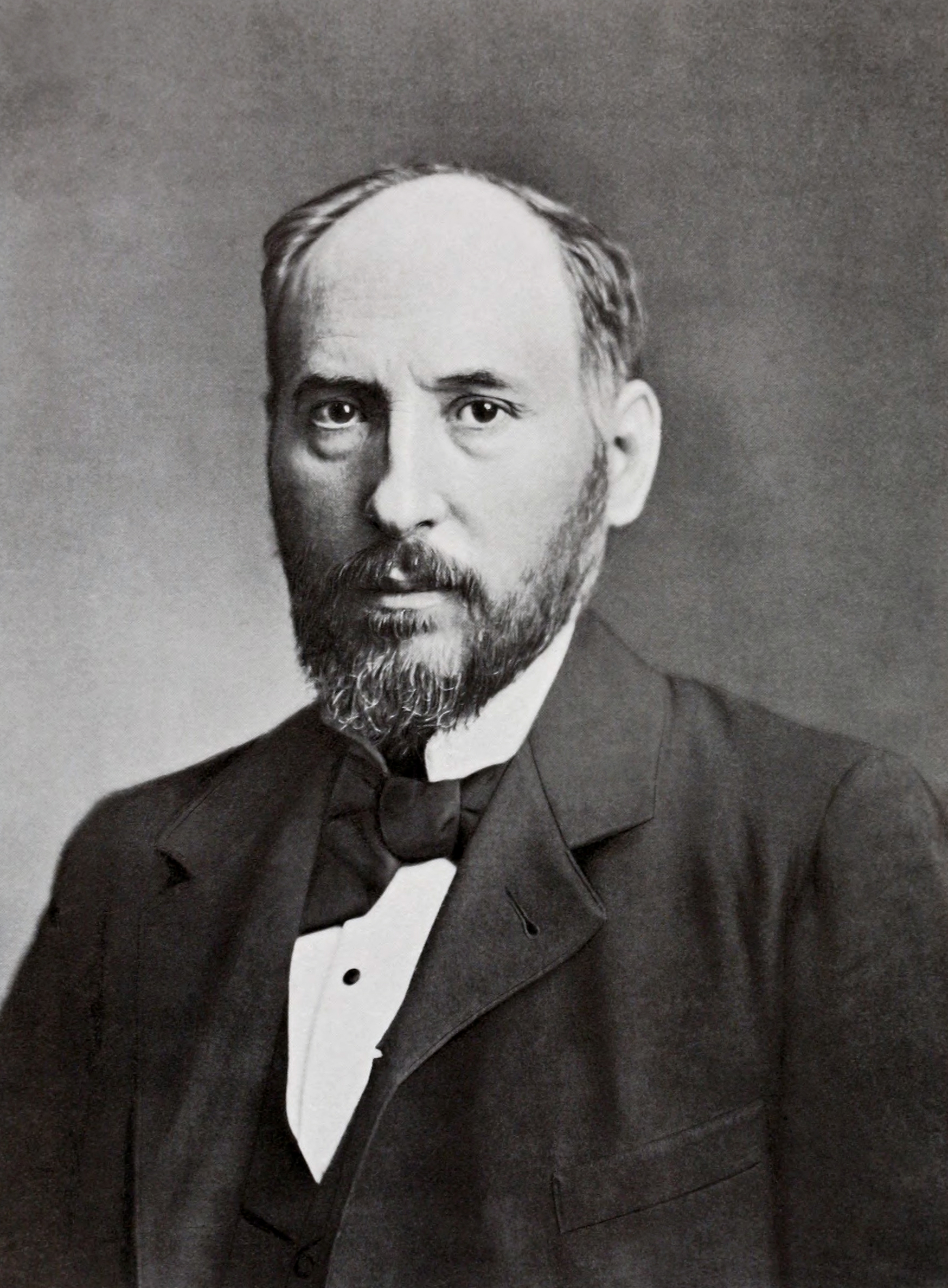
Classic account of the vertebrate retina. First published in the Belgian review La Cellule, and later translated into German with extensive additions by Ramón y Cajal. Translated into English by Sylvia A. Thorpe and M…
1896
#1524
Ueber die Funktion der Netzhautstäbchen.
On the function of the retinal rods.
1902
#1525
Some observations on the visual purple of the retina.
Edridge-Green first put forward his theories on the function of the retinal rods and of the visual purple about 1889. See also his Physiology of vision, 1920.
1911
#1526
Einführung in die Methoden der Dioptrik des Auges des Menschen.
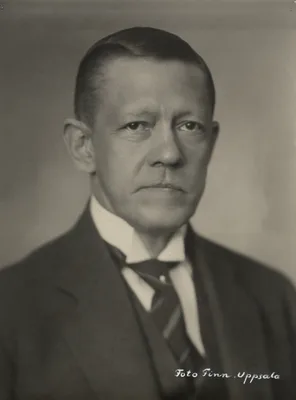
Discovery of the intracapsular mechanism of accommodation.
1921
#1527
Atlas der Spaltlampenmikroskopie des lebenden Auges.
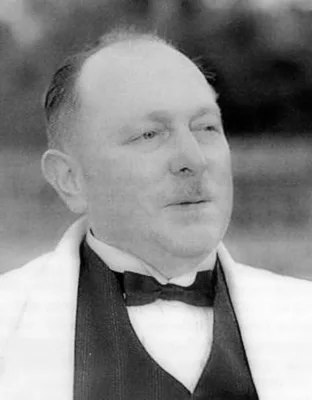
An important work on the biomicroscopy of the eye. Second ed. greatly revised and enlarged, vol. 1-2, Springer, 1930-31; vol. 3, Stuttgart, F. Enke, 1942; vol. 3 (English translation) Zurich, 1947. Second ed. reprinte…
1927
#1528
The action of light on the eye.
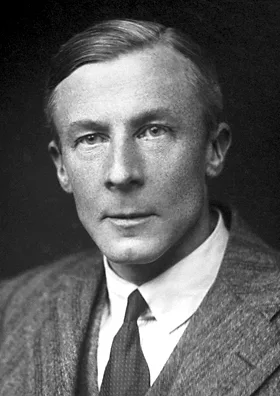
On the electrical discharges from the vertebrate optic nerve.
1927
#1529
An introduction to the theory of perception.
1927
#1530
The nature of the intra-ocular fluids.
1932
#1531
Text-book of ophthalmology. Vol. 1. The development, form, and function of the visual apparatus.
1938
#1532
The responses of single optic nerve fibers of the vertebrate eye to illumination of the retina.
Hartline continued and extended the work initiated by Adrian and Matthews on electrical discharges from the optic nerve. See also his later papers In the same journal, 1940, 130, 690-711. Reprinted with historical int…
1941
#1533
Continuous and reproducible records of the electrical activity of the human retina.
Electroretinography
1947
#1534
Sensory mechanisms of the retina: with an appendix on electroretinography.
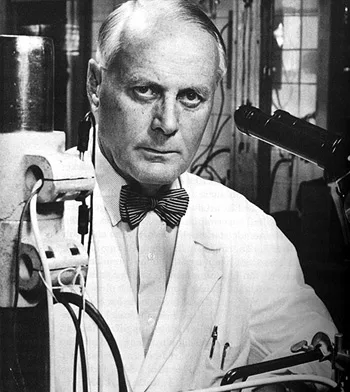
An account of twenty years’ work on the electrical responses of the retina, a discussion of visual purple and visual violet, and an exposition of Granit’s hypothesis of colour vision. His researches have done much to …
1933
#1535
Vitamin A in the retina.
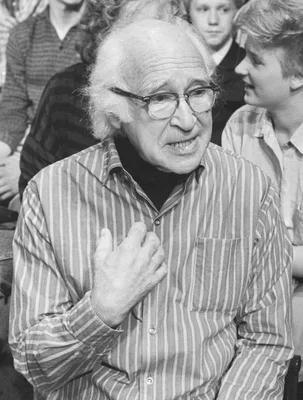
Through his research on xerophthalmia, karatomalacia and night blindness Wald revealed the critical function of vitamin A in normal vision and visual pathology. (Thanks to Juan Weiss for this reference and their inter…
1536
#1536
Liber introductorius anatomiae sive dissectionis corporis humani; in quo quam plurima membra, operationes, & utilitates tam ab antiquis, quam a modernis praetermissa manifestantur.
A practical manual for dissection, showing how to carry out an anatomy from the first incision onwards. Massa based his work on his experience gained from numerous dissections that he had undertaken in the hospital of…
1572 –1573
#1539
Externarum et internarum principalium humani corporis partium tabulae.
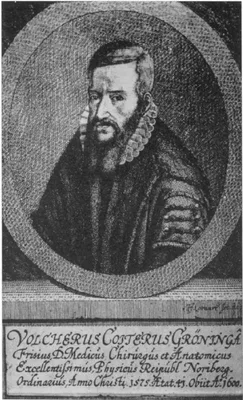
Coiter made several important contributions to the study of human anatomy, and was the first to elevate comparative anatomy to the rank of an independent branch of biology. His Externarum et internarum principalium hu…
1600 –1601
#1540
De vocis auditusque organis historia anatomica. 2 pts.
Casseri, originally a servant to Fabrizio, was personally trained by his employer and eventually succeeded to Fabrizio’s chair of anatomy. Like Fabrizio, who studied the development of the chick for clues to human emb…
1603
#1541
In Galeni librum de ossibus.
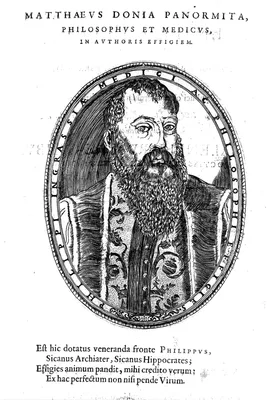
Ingrassia is by some accredited with the discovery of the stapes; he also observed the sound-conducting capacity of the teeth.
1645
#1542
Nova auris internae delineatio.
An article which announces the discovery of the long process of the malleus. Folius “accurately discussed the general configuration of the middle ear, described the round and oval windows, delineated the three ossicle…
1662
#1543
Observationes anatomicae, quibus varia oris, oculorum & narium vas describuntur novique salivae, lacrymarum & muci fontes deteguntur.
Includes the first account of the excretory duct of the parotid gland (“Stensen’s duct”), discovered by Stensen. He first reported his discovery in a letter to his teacher, Thomas Bartholin, dated April, 22, 1661. Ste…
1672
#1544
De anima brutorum
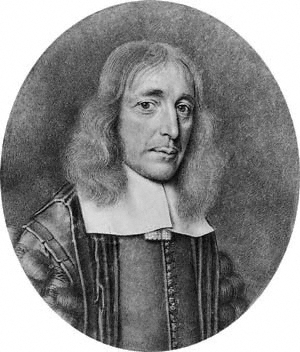
Chap. XIV is devoted to the sense of hearing; in it Willis described the “paracusis of Willis” (p. 73). English translation, 1683. A probable description of myasthenia gravis is given in Pars. 2, Cap. IX. In Pars 2, C…
1683
#1545
Traité de l’organe de l’ouie; contenant la structure, les usages et les maladies de toutes les parties de l’oreille.
The first scientific account of the structure, function and diseases of the ear. Du Verney showed that the bony external meatus develops from the tympanic ring and that the mastoid air cells communicate with the tympa…
1704
#1546
De aure humana tractatus.
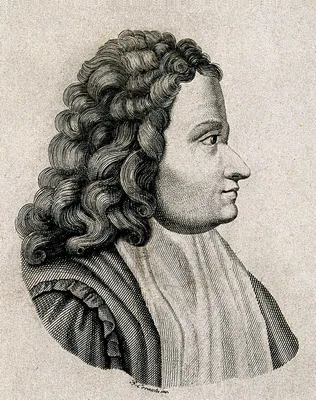
Valsalva, a pupil of Malpighi and teacher of Morgagni, is best remembered for his work upon the ear, in which he described and depicted its most minute muscles and nerves. He divided the ear into “external”, “middle”,…
1734 –1735
#1547
Tractatus quatuor anatomici de aure humana. Tractatus quintus anatomicus de aure humana. Cui accedit tractatus sextus de aure monstri humani.
Important tracts on the anatomy and physiology of the ear. Cassebohm’s studies of the embryonic ear far surpassed his predecessors, including Valsalva and Morgagni, and were not themselves surpassed until the work of …
1742
#1548
Dissertatio medica de auditu in genere et de illo que fit per os in specie.
Pyl was the first (page 20) to record the labyrinthine fluid and to discuss its rôle in the transmission of sound.
1761
#1549
De aquaeductibus auris humanae intemae.
Cotugno is sometimes accredited with the discovery of the “liquor Cotunnii”, the labyrinthine fluid, first noted by Pyl in 1742. He did, however, make important contributions to the knowledge on the structure and func…