
Entry Nos. 4200–4299
98 Garrison-Morton entries in this range.
1827 –1831
#2285
Reports of medical cases, selected with a view of illustrating the symptoms and cure of diseases by a reference to morbid anatomy. 2 vols. in 3.
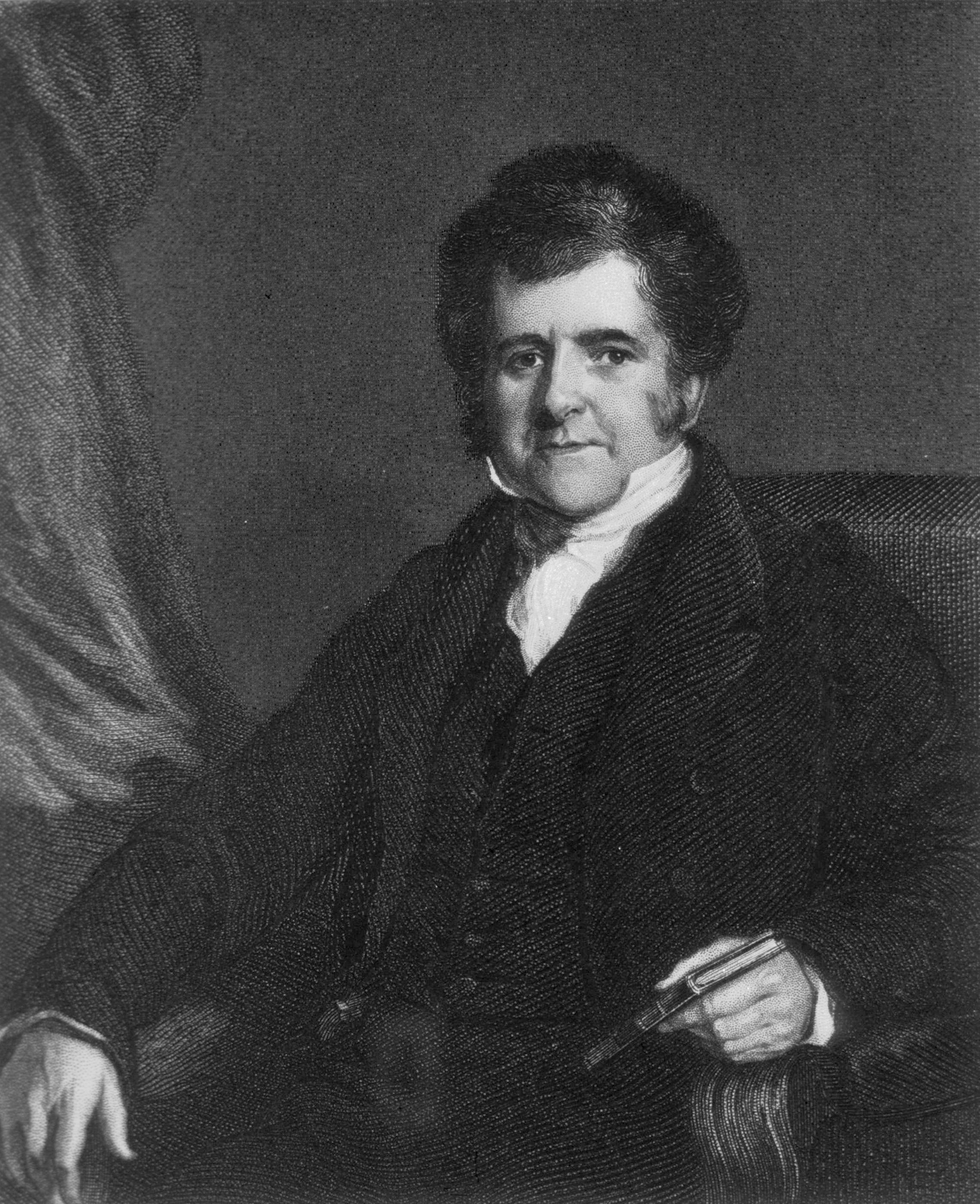
Beside's Bright's classic description of chronic non-suppurative nephritis, known eponymically as “Bright’s disease”, the Reports contain numerous other outstanding contributions to general pathology, neuropathology, …
1556
#3573
Petit traité contenant une des parties principalles de chirurgie, laquelle les chirurgiens hernieres exercent.
Clifford Allbutt considered Franco the best lithotomist of the 16th century. His skill in extracting the stone by the perineal route was of a high order; in 1556 he introduced the operation of suprapubic cystotomy in …
1929
#4200
Darstellung der Niere und Harnwege im Röntgenbild durch intravenöse Einbringung eines neuen Kontraststoffes, des Uroselectans.
Introduction of Uroselectan. In a following paper (pp. 2089-91), A. von Lichtenberg and M. Swick used it in human excretion urography.
1933
#4201
Excretion urography by means of the intravenous and oral administration of sodium ortho-iodohippurate: with some physiological considerations.
Introduction of Hippuran.
1935
#4202
Mandelic acid in the treatment of urinary infections.
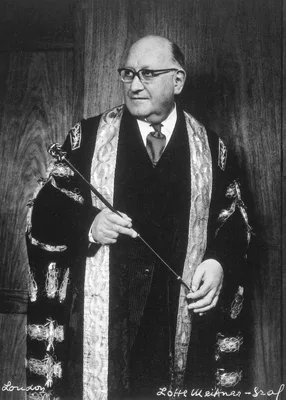
Introduction of mandelic acid in the treatment of urinary infections.
1950
#4203
Permanent artificial (silicone) urethra.
First implantation of silicone rubber tube to replace urethra.
1476
#4204
Summa conservationis et curationis. Chirurgia.
![SALICETO, Guglielmo da [WILLIAM OF SALICETO] (1210 – 1277)](/media/portraits/6798)
Contains (Cap. cxl) his classic account of renal edema: De duritie in renibus, an English translation of which is in Major, Classic descriptions of disease, 3rd ed., 1945, p. 527. ISTC no. is00032000.
1812
#4205
On the presence of the red matter and serum of blood in the urine of dropsy, which has not originated from scarlet fever.
Wells was the first to notice the presence of blood and albumin in edematous urine. He also established the fact that the edema occurred in the upper parts of the body, and he described the uremic seizures to which su…
1836
#4207
Cases and observations, illustrative of renal disease accompanied with the secretion of albuminous urine.
As a result of greater experience on renal disease, Bright rounded off his work on the subject with the above paper, wherein he recorded his extended observations; by this time he had come to more definite conclusions…
1839 –1841
#4208
Traité des maladies des reins. 3 vols, and atlas.
Rayer insisted on the exhaustive analysis of the urine as an aid to the diagnosis of lesions. He classified “albuminus nephritis” into six distinct forms and distinguished these from other forms of nephritis associate…
1851
#4209
Die Bright’sche Nierenkrankheit.
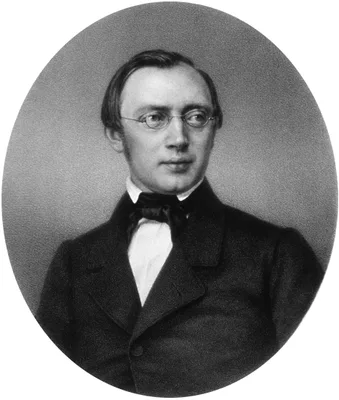
Frerichs divided the progression of renal disease into three stages: initial hyperemia, fatty infiltration and exudation, and organization leading to fibrosis and atrophy. This is one of the earliest works on kidney d…
1861
#4210
Case of encephaloid disease of the kidney; removal, etc.
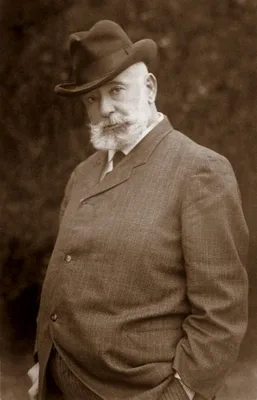
Erastus Bradley Wolcott (1804-1880) was first to excise the kidney (for renal tumor). The preoperative diagnosis had been tumor of the liver. Only after the operation did the surgeons realize that they had removed the…
1864
#4211
Wandernde Nieren und deren Einklemmung.
“Dietl’s crisis”. Dietl described the sudden severe attacks of nephralgic or gastric pain, chills, fever, nausea and vomiting, and general collapse, ascribing them to partial turning of the kidney upon its pedicle. Fi…
1870
#4212
Handbuch der pathologischen Anatomie. I. Abt.
A classic description of glomerulonephritis (“Klebs’s disease”) is on pp. 644-48.
1870
#4213
Exstirpation einer Niere am Menschen.
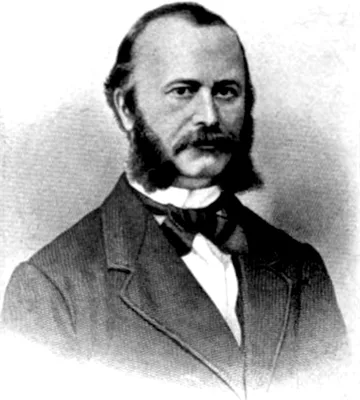
First successful planned nephrectomy for urinary tract fistula. A more detailed, illustrated account of the case appears in No. 4214.
1871 –1876
#4214
Chirurgie der Nieren. Teil 1-2.
Simon was Professor of Surgery at Rostock and Heidelberg. The work was projected as 3 vols., but Simon died before it was completed.
1872
#4215
On the pathology of the morbid state commonly called chronic Bright’s disease with contracted kidney (“arterio-capillary fibrosis”).
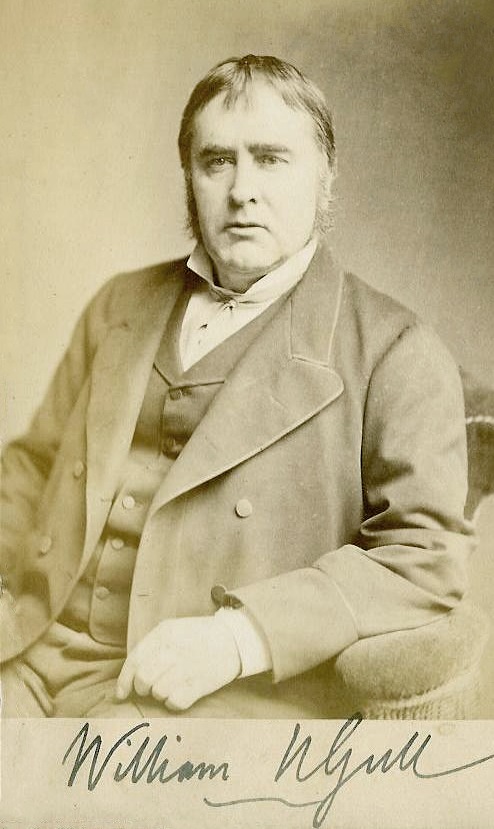
First clear description of arteriosclerotic atrophy of the kidney (“Gull–Sutton disease”), and probably the first description of hypertensive nephrosclerosis.
1876
#4216
The state of the arteries in Bright’s disease.
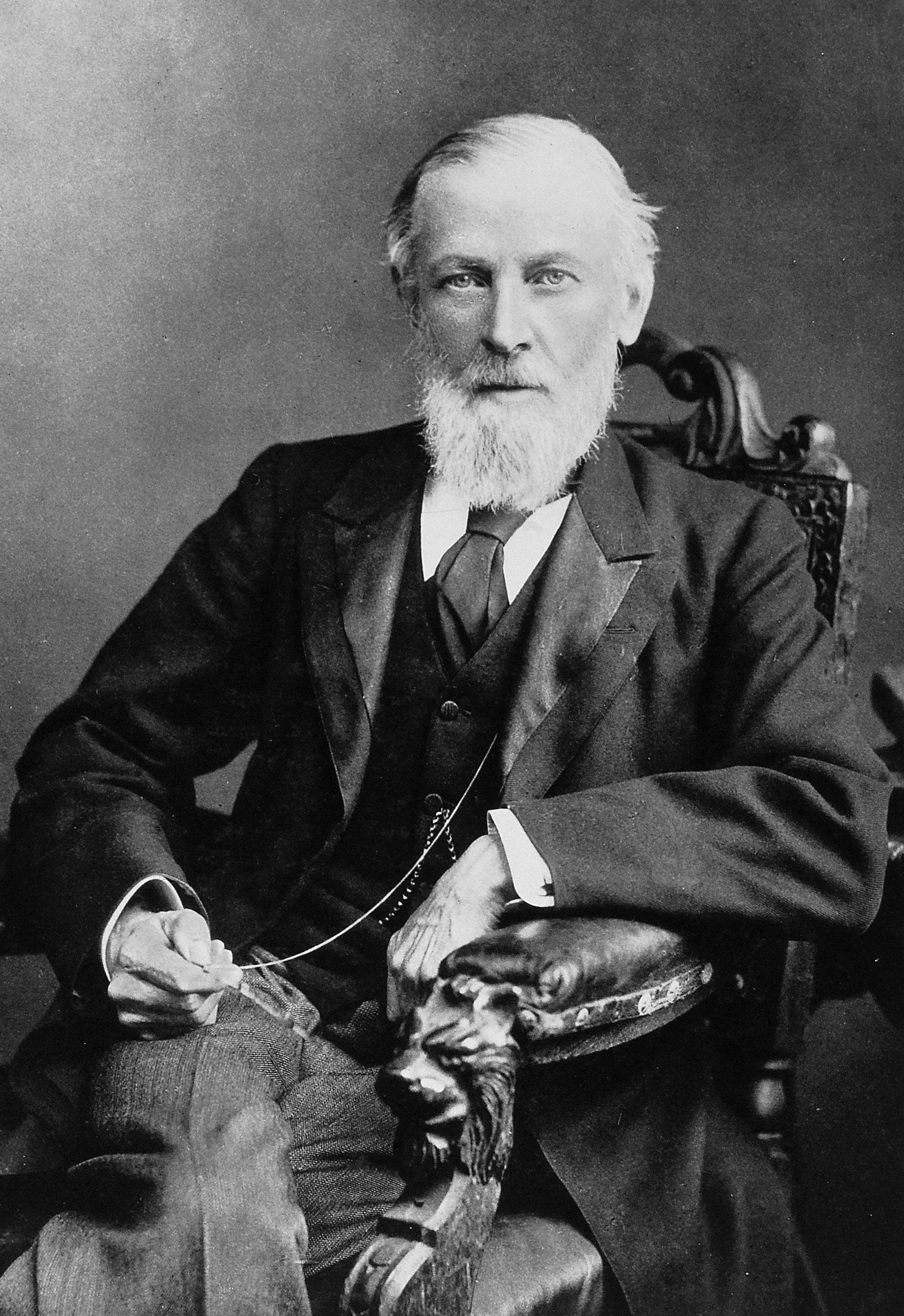
Gowers’s important account of the changes in the retinal vessels in Bright’s disease is reproduced in Willius & Keys, Cardiac classics, 1941, pp. 605-11.
1879
#4217
Die Bright’sche Nierenkrankung vom pathologisch-anatomischen Standpunkte.
Classic study of the pathological anatomy of Bright’s disease.
1881
#4218
Die operative Behandlung der beweglichen Niere durch Fixation.
Hahn devised the operation of nephropexy (nephrorrhaphy) for the relief of movable kidney.
1882
#4219
Un caso di rene mobile fissato col mezzo dell’operazione cruenta.
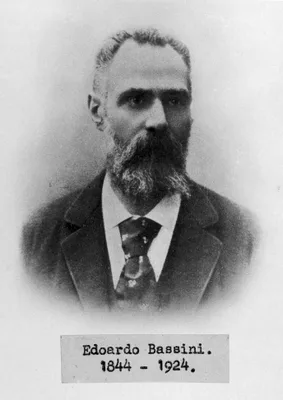
Important modification of Hahn’s operation of nephropexy.
1884
#4220
Die Entstehung von Nierentumoren aus Nebennierengewebe.
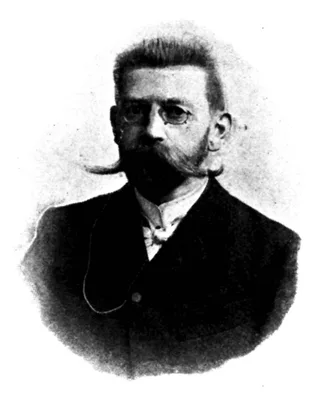
An important investigation of the origin of hypernephroma (“Grawitz tumor”). See also Arch. klin. Chir., 1884, 30, 824-34.
1888
#4221
Chronic pyelitis, successfully treated by kolpo-uretero-cystotomy.
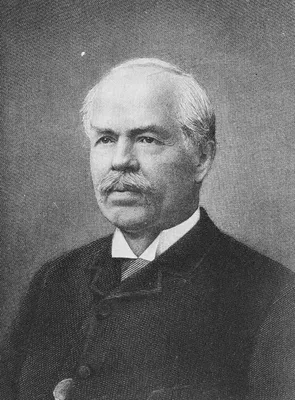
Bozeman treated vesical and fecal fistulae in women, dealing with the complication of pyelitis by catheterization of the ureter through a vesicovaginal opening.
1890
#4222
Ueber Blasenscheidenfisteloperationen und über Beckenhochlagerung bei Operationen in der Bauchhöhle.
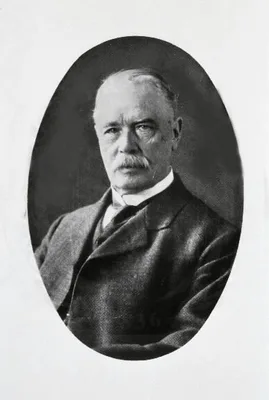
Includes an account of his attempt, 1886, to cure hydronephrosis by a plastic operation – the first recorded surgical intervention for the relief of this condition. Includes description of the “Trendelenburg position”…
1892
#4223
Ein Fall von Resektion des Harnleiters.
First successful plastic operation for the relief of hydronephrosis.
1893
#4224
Movable kidney; with a report of twelve cases treated by nephrorrhaphy.
In his nephropexy operation Edebohls utilized flaps of the capsule of the kidney. He believed that decapsulation improved the renal blood supply.
1894
#4225
Operation for the relief of valve formation and stricture of the ureter in hydro- or pyo-nephrosis.
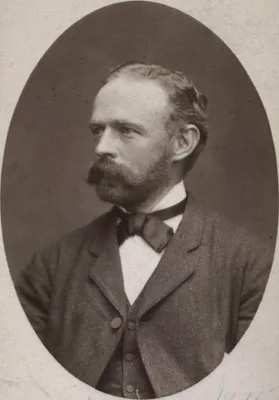
Fenger’s operation for stenosis of the uretero-pelvic junction.
1894
#4226
A vizelet fagypontjának diagnostikus érteke. [The diagnostic value of the freezing point of urine.]
Korányi established cryoscopy of the urine as a kidney function test. See also his later papers in Z. klin. Med., 1897, 33, 1-54; 1898, 34, 1-52. Previously H. Dreser had made experiments on this subject; for these se…
1899
#4227
Die Mischgeschwülste. I. Die Mischgeschwülste der Niere.
Embryoma of the kidney (“Wilms’s tumor”). For the history of the operation for Wilms’s tumor see B. Thomasson and M.M. Ravitch, Wilms Tumor, Urol. Surg., 1961, 11, 83-100.
1899
#4228
Chronic nephritis affecting a movable kidney as an indication for nephropexy.
First operation on the kidneys for the relief of Bright’s disease.
1901
#4229
The cure of chronic Bright’s disease by operation.
Edebohls introduced the operation of renal decortication for the treatment of chronic nephritis.
1903
#4230
Funktionelle Nierendiagnostik ohne Ureterenkatheter.
Voelcker’s kidney-function test.
1906
#4231
Pyelographie (Roentgenographie des Nierenbeckens nach Kollargolfüllung).
Introduction of pyelography.
1905
#4232
Exploration des fonctions rénales.
Albarran’s polyuria test for renal inadequacy.
1906
#4233
Technique de la néphropexie.
“Albarran’s operation” – nephropexy.
1907
#4234
Ueber die entzündlichen Veränderungen der Glomeruli der menschlichen Nieren und ihre Bedeutung für die Nephritis.
“Focal nephritis”. Löhlein established the importance of the initial inflammatory reaction in the glomerular capillaries in glomerulonephritis. Forms part 4 of Arb. path. Inst. Leipzig.
1908
#4235
Transplantation in mass of the kidneys.
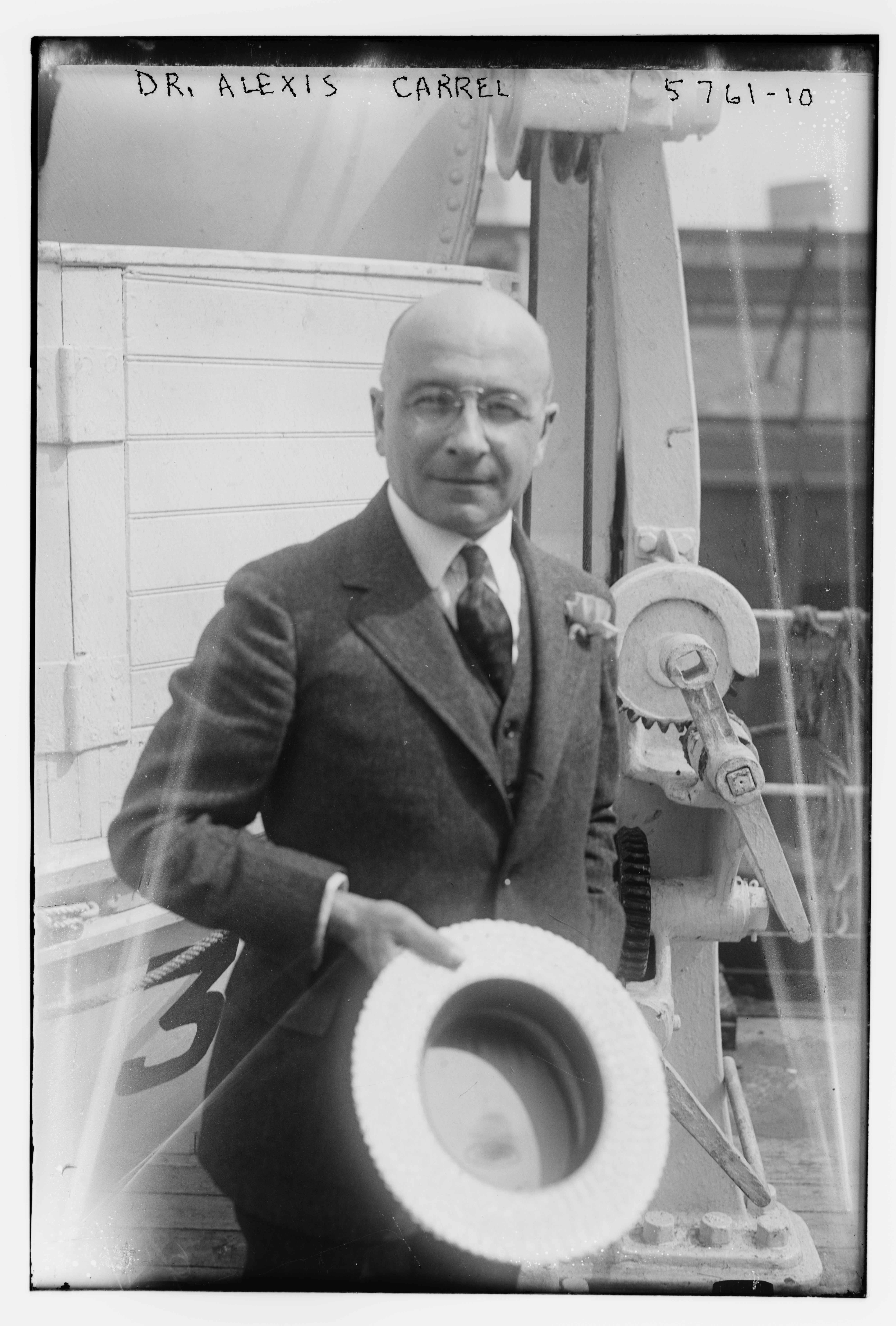
Carrel revolutionized vascular surgery. He transplanted the kidney from one animal to another, an operation later carried out successfully in man. For his earlier work on vascular anastomosis and transplantation of vi…
1910
#4236
An experimental and clinical study of the functional activity of the kidneys by means of phenolsulphonephthalein.
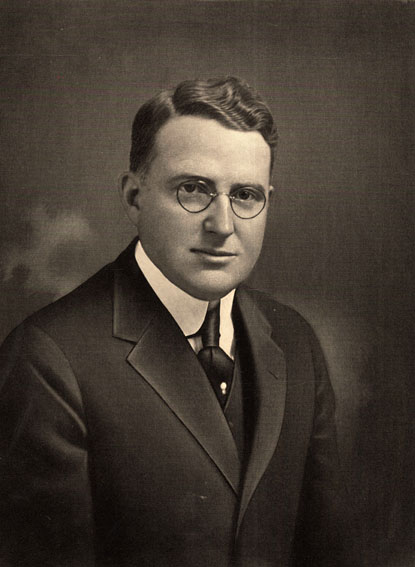
The phenolsulphonephthalein kidney-function test.
1913
#4237
Klinische Diagnostik der degenerativen Nierenerkrankungen.
Munk introduced the term “lipoid nephrosis”. He found that urine in such cases contained anisotropic lipoid droplets.
1914
#4238
Die Brightsche Nierenkrankheit.

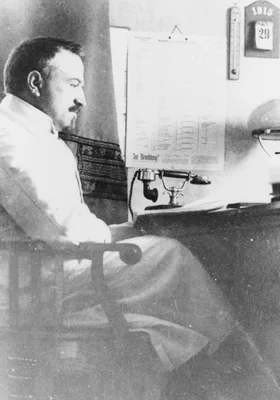
First full description of pure nephrosis, relating clinical features to morbid anatomy.
1919
#4239
Renal efficiency tests in nephritis, and the reaction of the urine.
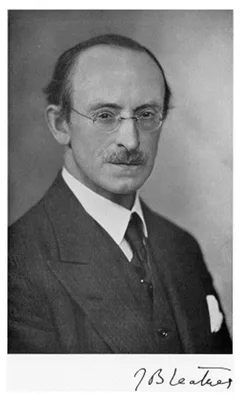
Alkaline tide of urine.
1920
#4240
On the testing of renal efficiency, with observations on the “urea coefficient”.
Urea concentration test.
1921
#4241
Un nuevo procedimiento para explorar al riñón.
Perirenal insufflation of oxygen, for the roentgenological study of the kidney.
1923
#4242
Ueber die Beseitigung giftiger Stoffe aus dem Blute durch Dialyse.
First description of the experimental use of peritoneal dialysis in uremia.
1923
#4243
Ueber Nierenveränderungen nach Verschüttung.
Crush syndrome.
1924
#4244
An unexplained diazo-colour-reaction in uraemic sera.
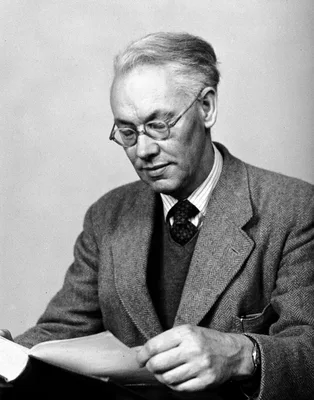
Diazo-color test of renal function.
1928 –1929
#4246
Studies of urea excretion.
Blood urea clearance test. With J. F. Mcintosh and D. D. Van Slyke.
1931
#4248
Die nicht diabetischen Glykosurien und Hyperglykämien des älteren Kindes.
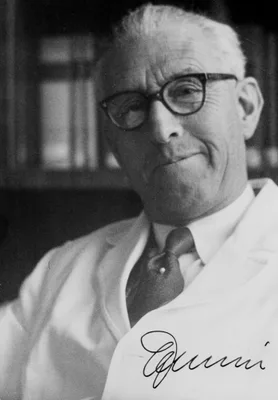
“Fanconi’s syndrome”, dysfunction of the renal tubules with hypophosphatemia, renal glycosuria, and metabolic disturbances.
1933
#4249
Über das Wesen der spezifischen Veränderungen der Niere und der Leber durch das Nephrotoxin bzw. das Hepatotoxin.
Experimental production of acute glomerulonephritis. For Masugi’s later work, see the same journal, 1933-34, 92, 429, and Klin. Wschr., 1935, 14, 373.
1936
#4250
Intercapillary lesions in the glomeruli of the kidney.
“Kimmelstiel–Wilson syndrome”. First description of nodular intercapillary glomerulosclerosis, the only known morphological alteration specific, or almost so, for diabetes mellitus.