
Entry Nos. 2000–2099
94 Garrison-Morton entries in this range.
1896
#2000
Om anvendelse medicinen af koncentrerede kemiske lysstraaler.
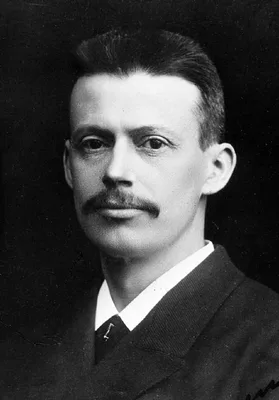
Finsen was the founder of modern phototherapy. He demonstrated the value of invisible light, the actinic or chemical ray, the ultra-violet ray, as therapeutic measures. Digital facsimile from wellcomecollection.org at…
1896
#2001
Sur les radiations émises par phosphorescence.
The discovery of radioactivity – research stimulated by Roentgen’s discovery of x rays. In 1903 Becquerel received half of the Nobel Prize in Physics 1903 "in recognition of the extraordinary services he has rendered …
1897
#2002
Demonstration eines mit Röntgenstrahlen behandelten Falles von Naevus pigmentosus pilosus.
First use of x rays for deep irradiation therapy.
1898
#2003
Sur une substance nouvelle radio-active, contenue dans la pechblende.
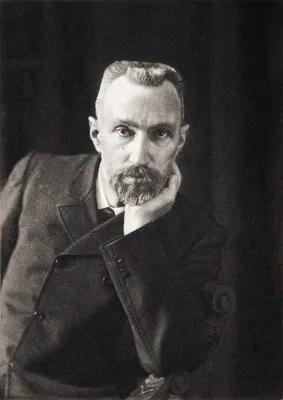
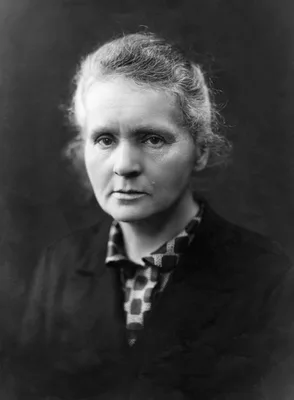
The Curies, studying the radioactivity of minerals containing uranium and thorium, isolated from pitchblend a substance which they called radium and which they showed to possess an astonishing degree of radioactivity.…
1906
#2005
Interprétation de quelques résultats de la radiothérapie et essai de fixation d’une technique rationelle.
Bergonié-Tribondeau law, “the sensitivity of cells to radiation varies directly with the reproductive capacity of the cells and inversely with their degree of differentiation” (Dorland).
1907
#2006
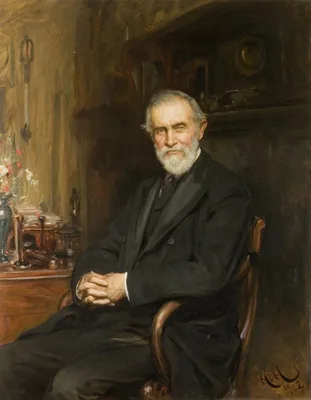
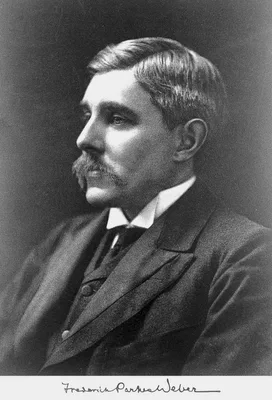
Climatology and balneotherapy.
1909
#2007
Ueber Diathermie. (Transthermie, Thermopenetration.)
Nagelschmidt employed high frequency currents in treatment after the suggestions of Tesla and the work of Nernst, claiming priority over the latter in the use of this method. Nagelschmidt named this form of treatment …
1927
#2008
Discordance des effets des rayons X, d’une part dans la peau, d’autre part dans le testicule, par le fractionnement de la dose: diminution de l’efficacité dans la peau, maintien de l’efficacité dans le testicule.
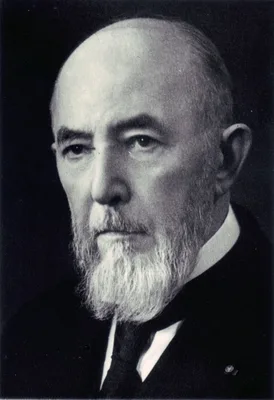
Dose fractionation.
1930
#2009
Therapeutische Versuche im elektrischen Kurzwellenfeld.
Introduction of short-wave diathermy.
1934
#2010
Traité de climatologie biologique et médicale. Publié sous la direction de M. Piéry. 3 vols.
1628
#2011
Methodus facile parandi iucunda tuta et nova medicamenta & eius applicatio aduersus chimicos.
Page 170 includes the first definite description of a blood transfusion, notably published in the same year as Harvey's discovery of the circulation of the blood in De motu cordis. Digital facsimile from Google Books …
1665 –1666
#2012
The method observed in transfusing the blood out of one live animal into another.
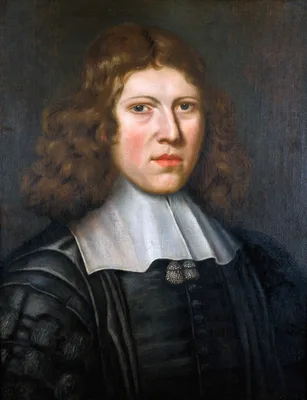
In February 1665 Lower successfully transfused dogs with blood.
1667
#2013
Lettre … touchant deux expériences de la transfusion faites sur des hommes.
The first transfusion of blood into a human was performed by Denis on June 15, 1667; he transfused lamb’s blood into a youth. For a partial translation, see Geoffrey Keynes’s Blood transfusion (Bristol, 1949) 14-15. D…
1667
#2014
An account of the experiment of transfusion, practised upon a man in London.
First transfusion of blood performed on a human in England, Nov. 23, 1667.
1818
#2015
Experiments on the transfusion of blood by the syringe.
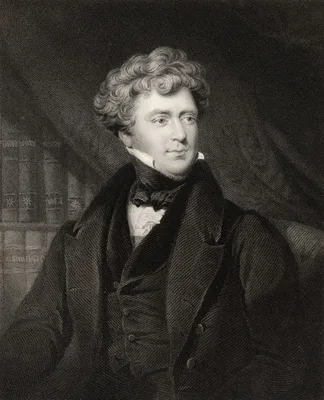
Blundell invented a syringe by means of which he was able to transfuse dogs.
1821
#2016
Examen du sang et de son action dans les divers phénomènes de la vie.
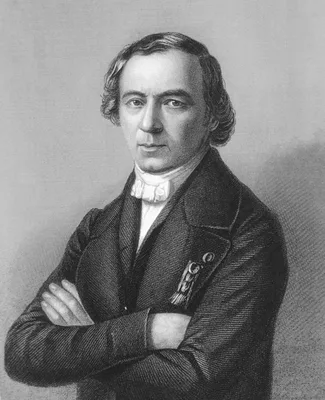
First successful use of defibrinated blood for animal transfusions. This was the first attempt to prevent coagulation during transfusion.
1828 –1829
#2017
Observations on transfusion of blood.
The first human to human transfusion in which the patient did not die. Blundell established the most fundamental points in transfusion, including the incompatibility of interspecies transfusion and the method of indir…
1874
#2018
Auflösung der rothen Blutzellen.
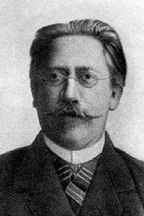
Landois discovered the hemolyzing effect of blood serum of one species when transfused into another.
1914
#2019
Note sur une nouvelle méthode de transfusion.
Hustin demonstrated the anticoagulant powers of sodium citrate and glucose in blood transfusion.
1914
#2020
Nuevo procedimiento para la transfusion de la sangre.
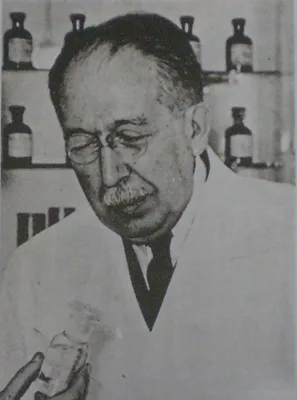
Agote was the first to transfuse citrated blood. Text in Spanish and French.
1915
#2021
A new and greatly simplified method of blood transfusion. A preliminary report.
About the same time as Agote, Lewisohn introduced the citrate method of blood transfusion. See also his later paper in Surg. Gynec. Obstet., 1915, 21, 37-47.
1935
#2022
Procedure and apparatus for preservation in “lyophile” form of serum and other biological substances.
1935
#2023
Continuous drip blood transfusion.
Introduction of the slow-drip method of blood transfusion.
1936
#2024
A new method of blood transfusion.
Heparin used in blood transfusion. See also the same journal, 88, 443-49.
1936
#2025
Transfusion of cadaver blood.
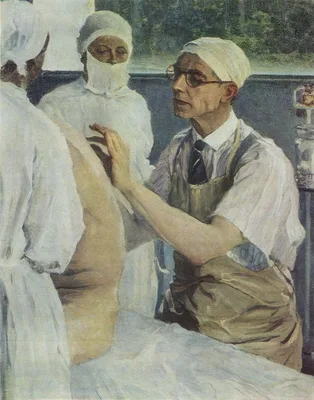
Cadaver blood used in human transfusions. Prof. Shamov of Kharkov carried out the first experimental work on transfusion of cadaver blood in 1927.
1937
#2026
The therapy of the Cook County Hospital. Blood preservation.
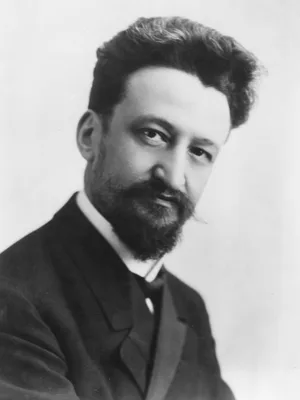
Described the establishment of the first blood bank (at the Cook County Hospital).
1938
#2027
An inexhaustible source of blood for transfusion, and its preservation. Preliminary report.
J. R. Goodall, F. O. Anderson, G. T. Altimas, and F. L. MacPhail pointed out the possibility of using placental blood for transfusion purposes.
1944
#2028
Untersuchungen über Dextran und sein Verhalten bei parenteraler Zufuhr.
Introduction of dextran as plasma substitute.
1702
#2029
The ancient ψυχρολουσια revived; or, an essay to prove cold bathing both safe and useful.
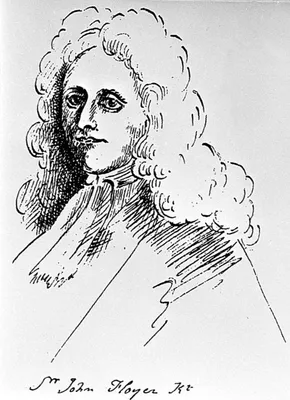
A history of cold bathing.
1820
#2030
Histoire abrégée des drogues simples. 2 vols.
1846
#2031
De historia medicamentorum.
1874
#2032
Pharmacographia. A history of the principal drugs of vegetable origin met with in Great Britain and British India.
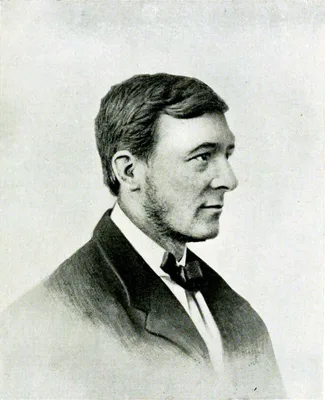
Digital facsimile from the Biodiversity Heritage Library at this link.
1877
#2033
Hauptmomente in der geschichtlichen Entwickelung der medicinischen Therapie.
Reprinted Hildesheim, 1966.
1878 –1879
#2034
Bibliotheca therapeutica, or bibliography of therapeutics, chiefly in reference to articles of the materia medica, with numerous critical, historical, and therapeutical annotations, and an appendix containing the bibliography of British mineral waters. 2 vols.
References to over 10,000 items, ‘arranged under 660 separate headings or articles,’ some with comments by the compiler. Digital facsimile from the Hathi Trust at this link.
1880
#2035
Historical sketch of the progress of pharmacy in Great Britain.
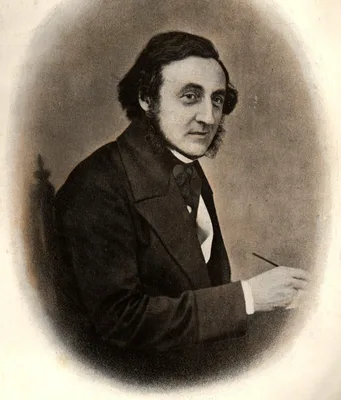
1889 –1891
#2036
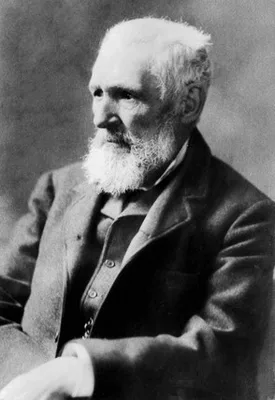
Aus pharmazeutischer Vorzeit in Bild und Wort. 2 vols.
Digital facsimile of the 1889 edition from the Internet Archive at this link. Translated into English by William Netter as Pictorial history of ancient pharmacy; with sketches of early medical practice (Chicago, G. P.…
1897
#2037
La thérapeutique des vieux maîtres.
1898
#2038
Geschichte der Pharmazie.
1898
#2039
Die Heilpflanzen der verschiedenen Volker und Zeiten.
1900
#2040
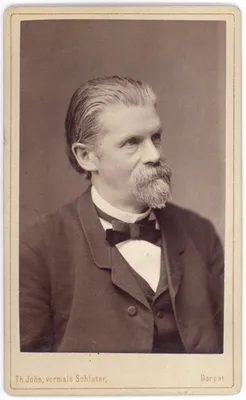
Histoire de la pharmacie.
1904
#2041
Geschichte der Pharmazie
Reprinted Hildesheim, 1964.
1906
#2043
Deutsches Badewesen in vergangenen Tagen.
1908
#2044
Die volkmedizinische Organotherapie und ihr Verhältnis zum Kultopfer.
Digital facsimile from the Internet Archive at this link.
1910
#2045
Chronicles of pharmacy. 2 vols.
From antiquity to time of writing, with chapters on pharmacy in mythology, in Shakespeare, in the Bible, and in popularmedicine.
1911
#2046
La médecine naturiste à travers les siècles. Histoire de la physiothérapie.
1922
#2047
An essay on the history of electrotherapy and diagnosis.
1922
#2048
The old English herbals.
Reprinted London, Minerva Press, 1972.
1924 –1925
#2049
Malati medici e farmacisti: Storia dei rimedi traverso i secoli e delle teorie che ne spiegano l’azione sull’organismo. 2 vols.
Second edition, 1947-51.
1925
#2050
Catalogue of early herbals.
1926
#2051