
Entry Nos. 2400–2499
99 Garrison-Morton entries in this range.
1856
#22
Тα ∑ωζομενα. The extant works of Aretaeus, the Cappadocian. Edited and translated by Francis Adams.
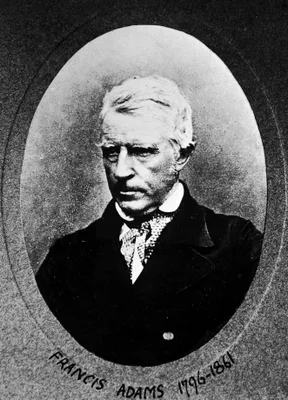
Aretaeus left many fine descriptions of disease; in fact Garrison ranks him second only to Hippocrates in this respect. In the printed editions of this bibliography, before the present online version, the Adams editio…
1838
#111
Die Infusionsthierchen als vollkommene Organismen. 1 vol. and atlas of 64 hand-colored engraved plates.
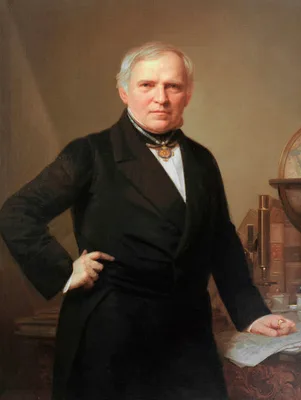
In this monumental work in folio format Ehrenberg extended Otto Friedrich Müller’s bacteriological classification. Like Müller, he made no distinction between protozoa and bacteria, classing them both as infusoria. Hi…
1877
#1932.1
Charbon et septicémie.
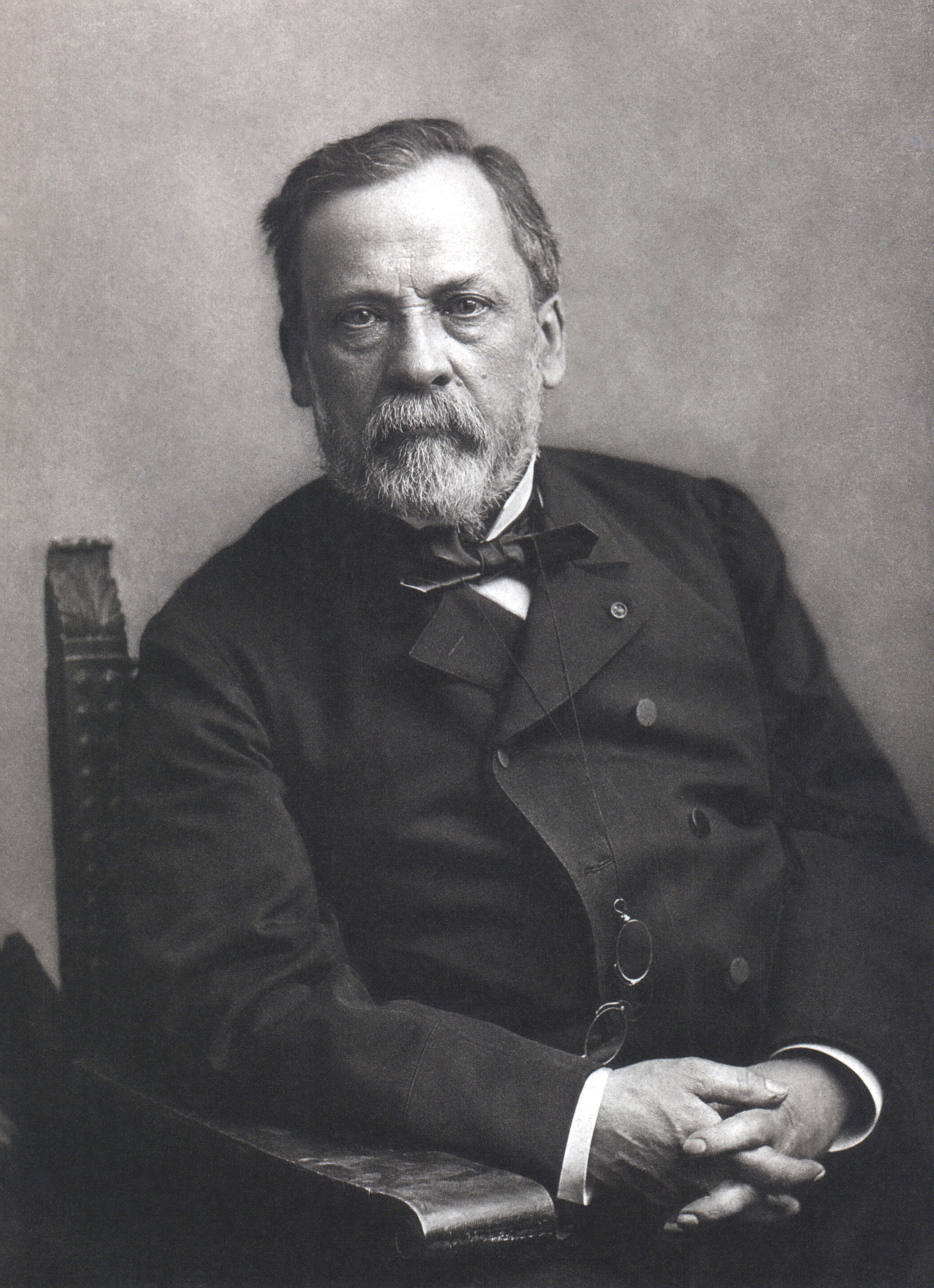
Discovery of Vibrion septique (Cl. septicum), the first pathogenic anerobe to be found. Pasteur and Joubert were probably the first to realize the practical implications of antibiosis. They noted the antagonism betwee…
1906
#2400
Zur Technik der Spirochaetenuntersuchung.
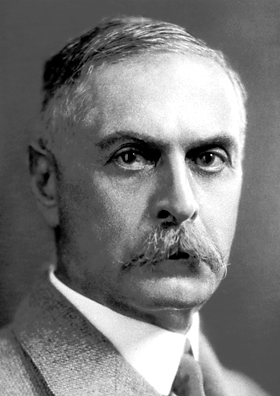
Dark field method of diagnosis for presence of T. pallidum.
1906
#2401
A propos de l’impregnation au nitrate d’argent des spirochètes sur coupes.
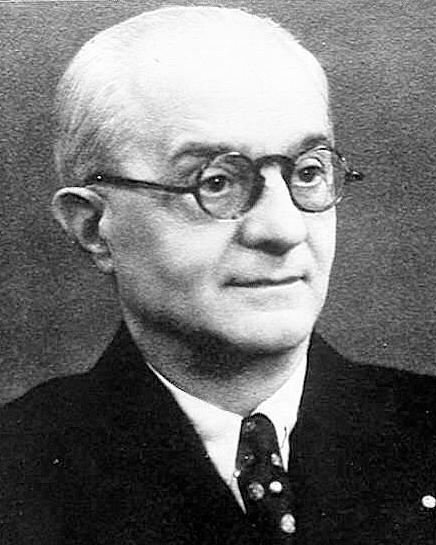
Levaditi’s method of staining T. pallidum.
1906
#2402
Eine serodiagnostische Reaktion bei Syphilis.
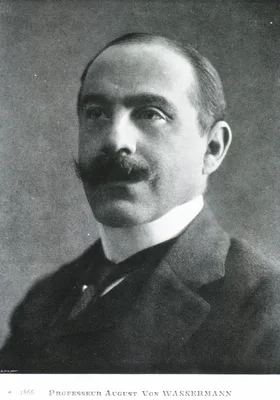
The “Wassermann reaction”, a specific diagnostic blood test for syphilis, and a modification of the complement-fixation reaction of Bordet and Gengou. With A. Neisser and C. Bruck.
1910
#2403
Die experimentelle Chemotherapie der Spirillosen (Syphilis, Rückfallfieber, Hühnerspirillose, Frambösie).
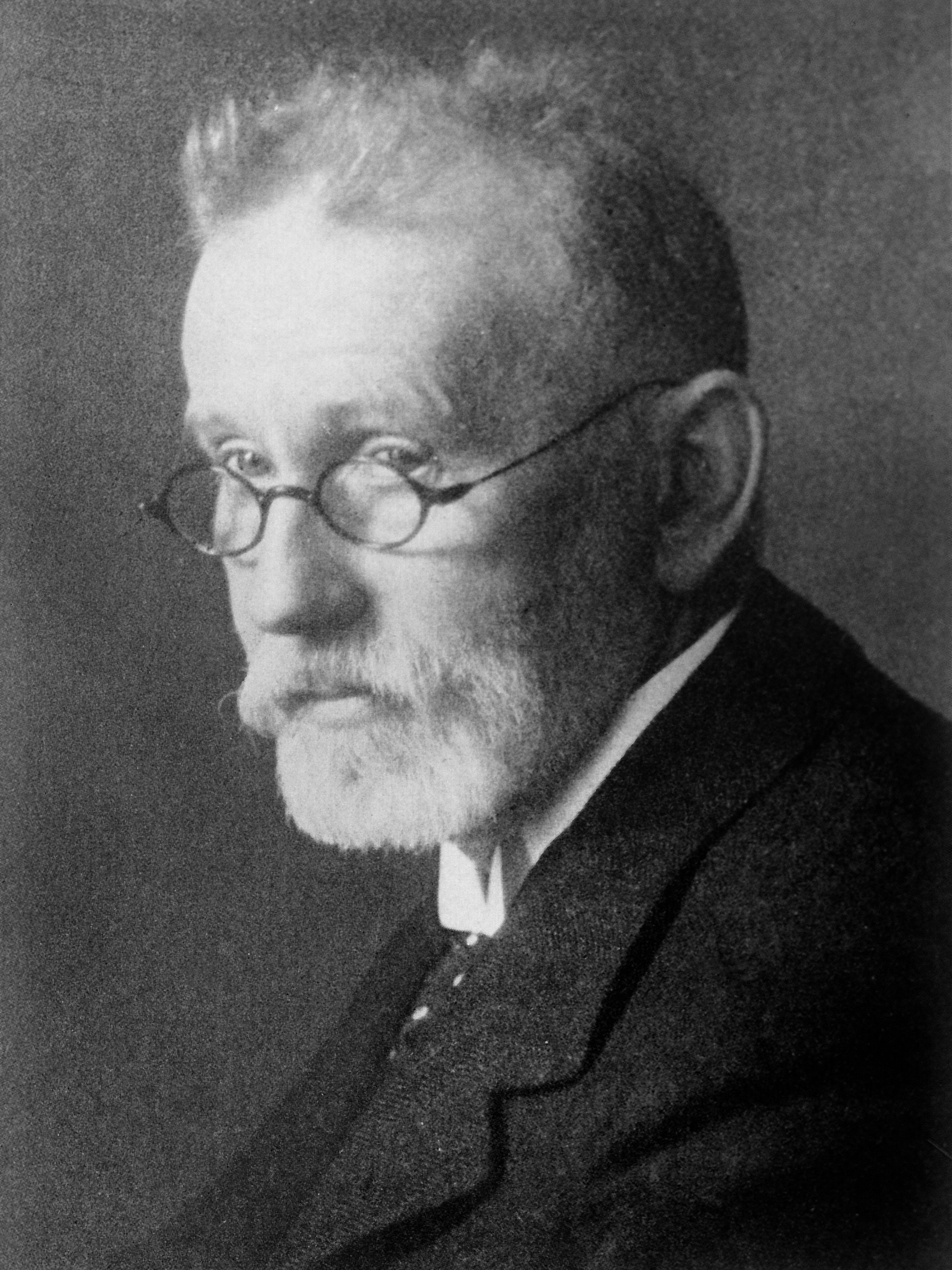
After many experiments on the action of synthetic drugs upon spirochetal diseases, Ehrlich and Hata in 1909 discovered Arsphenamine (Salvarsan, "the arsenic that saves", also known as “606”), an effective treatment fo…
1911
#2404
A method for the pure cultivation of pathogenic Treponema pallidum (Spirochaeta pallida).
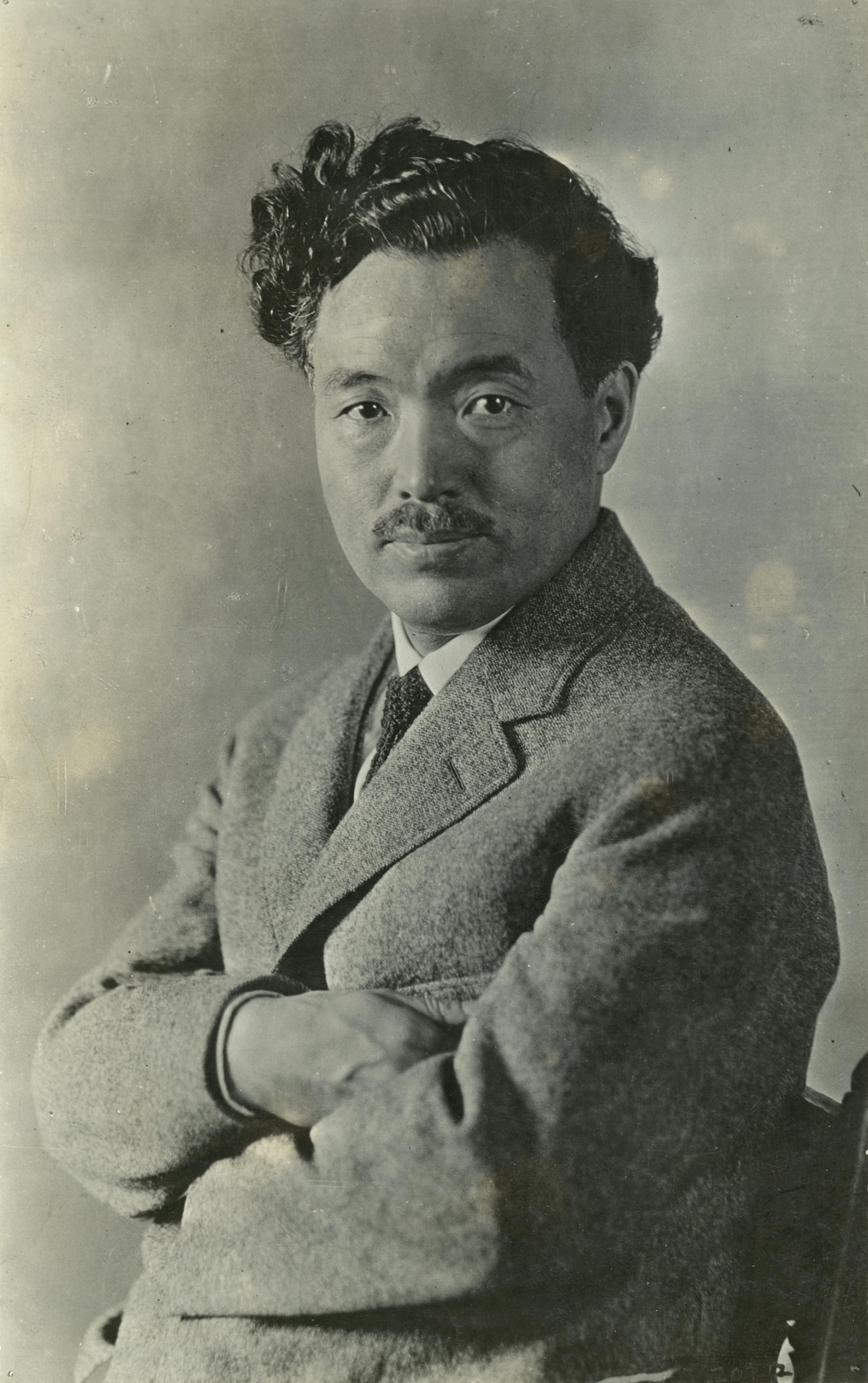
Pure culture of T. pallidum first obtained. Digital facsimile from digitalcommon.oshu.edu at this link.
1912
#2405
Ueber Laboratoriumsversuche und klinische Erprobung von Heilstoffen.
Introduction of neoarsphenamine (neosalvarsan).
1913
#2406
Die Ausflockung kolloidalen Goldes durch Zerebrospinalflüssigkeit bei luetischenAffektiondesZentralnervensystems.
Lange’s colloidal gold test for the diagnosis of cerebrospinal syphilis. See also Berl. klin. Wschr., 1912, 49, 897-901.
1917
#2407
Ueber ein neue Methode der serologischen Luesdiagnose.
Meinicke diagnostic reaction.
1919
#2408
Zur Kritik des serologischen Luesnachweises mittels Ausflockung.
Sachs–Georgi diagnostic reaction.
1919
#2409
Über die Serodiagnostik der Syphilis mittels Ausflockung durch cholesterinierte Extrakte.
Weichardt’s reagent.
1920
#2410
A more rapid and improved method of demonstrating spirochetes in tissues (Warthin and Starry’s cover-glass method).
Warthin and Starry’s method.
1921
#2411
Traitement de la syphilis par le bismuth.
Introduction of sodium-potassium bismuth tartrate in the treatment of syphilis.
1922
#2412
A simple quantative precipitation reaction for syphilis.
Kahn test.
1922
#2413
Studies in the standardization of the Wassermann reaction. XXX. A new complement-fixation test for syphilis based upon the results of studies in the standardization of technic.
Kolmer test.
1927
#2414
Bismuth arsphenamine sulphate.
Clinical introduction of bismarsen, synthesized by G. W. Raiziss in 1924.
1934
#2415
An experimental study of mapharsen (meta-amino para-hydroxy phenyl arsine oxide) as an antisyphilitic agent.
Introduction of mapharsen.
1935
#2416
Mapharsen in the treatment of syphilis. A preliminary report.
Clinical use of mapharsen. With R. L. McIntosh, L. M. Wieder, H. R. Foerster, and G. A. Cooper.
1941
#2417
A new serologically active phospholipid from beef heart.
Cardiolipin antigen for serological diagnosis of syphilis. For isolation and purification see J. biol. Chem., 1942, 143, 247-56.
1943
#2418
Penicillin treatment of early syphilis. A preliminary report.
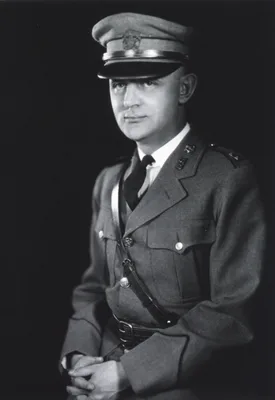
Mahoney and colleagues introduced penicillin in treatment of syphilis. This was the report of the first four cases of patients with early stages of the disease. Digital facsimile of the version published in the the Am…
1949
#2419
Immobilization of Treponema pallidum in vitro by antibody produced in syphilitic infection.
Nelson’s treponemal immobilization test.
1843
#2420
Die ältesten Schriftseller über die Lustseuche in Deutschland, von 1495 bis 1510.
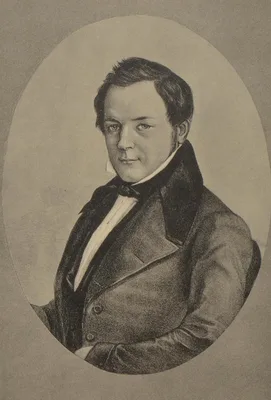
Gives texts of German tracts on syphilis published between 1495 and 1510.
1845
#2421
Geschichte der Lustseuche. Erster Theil. Die Lustseuche im Alterthume.
French translation, 1847; English translation as The plague of lust, being a history of venereal disease in classical antiquity, and including: Detailed investigations into the cult of Venus, and phallic worship, brot…
1891 –1895
#2422
Syphilis today and among the ancients. 2 vols.
1901 –1911
#2423
Der Ursprung der Syphilis. 2 pts.
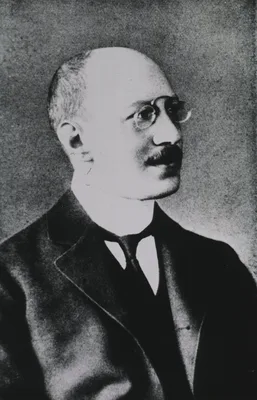
Bloch was a chief modern supporter of the theory of the Columbian origin of syphilis.
1912
#2424
Aus der Frühgeschichte der Syphilis.
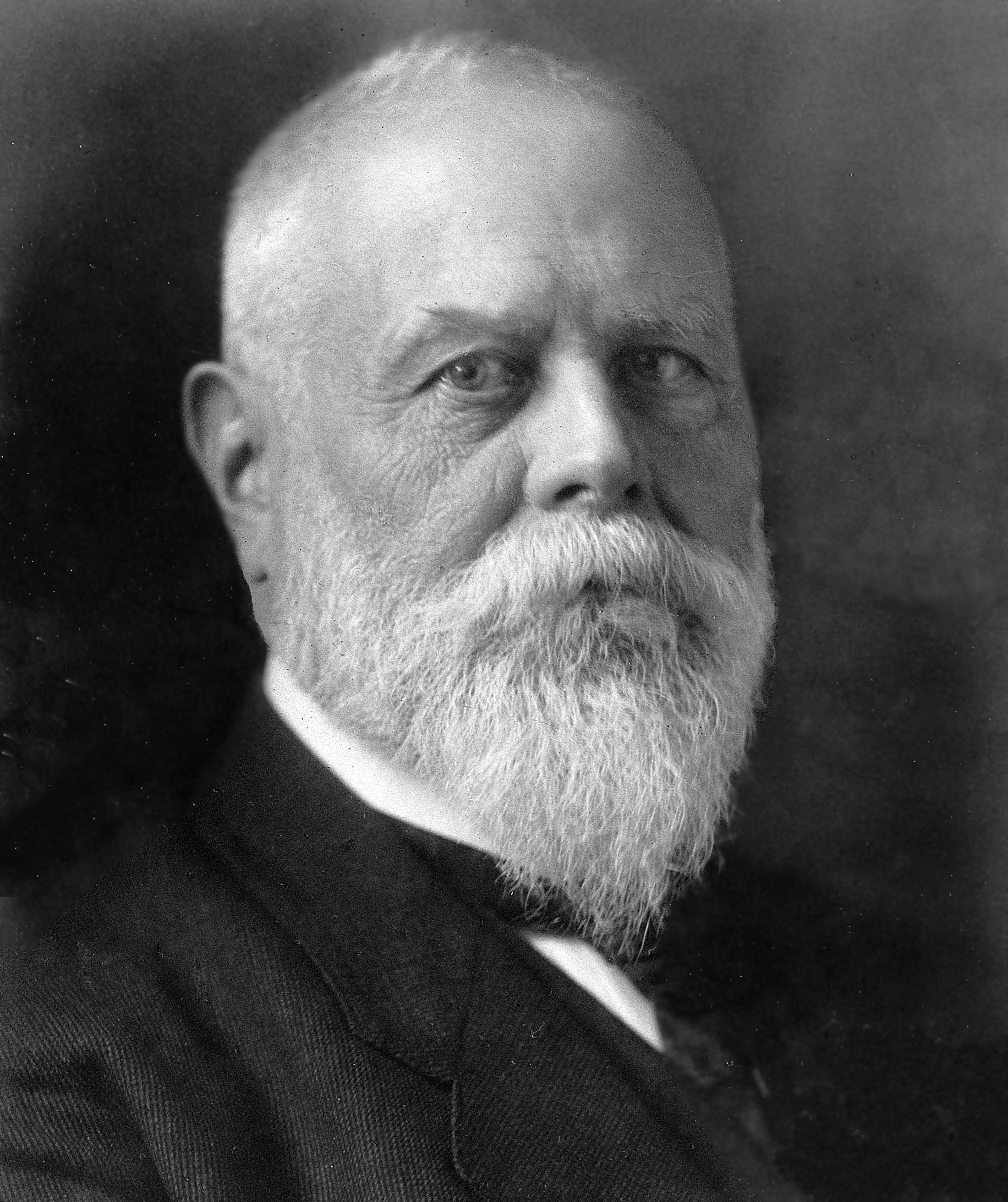
Sudhoff believed in the pre-Columbian existence of syphilis.
1912
#2425
Mal Franzoso in Italien in der ersten Hälfte des 15. Jahrhunderts.
Forms Heft 5 of K. Sudhoff & G. Sticker: Zur historischen Biologie der Krankheitserreger.
1923
#2426
Beiträge zur Geschichte der Syphilis: insbesondere über ihren Ursprung und ihre Pathologie in Ostasien.
Gives, in an appendix, a list of writers on syphilis from 1495 to 1829. Digital facsimile from wellcomecollection.org at this link.
1925
#2427
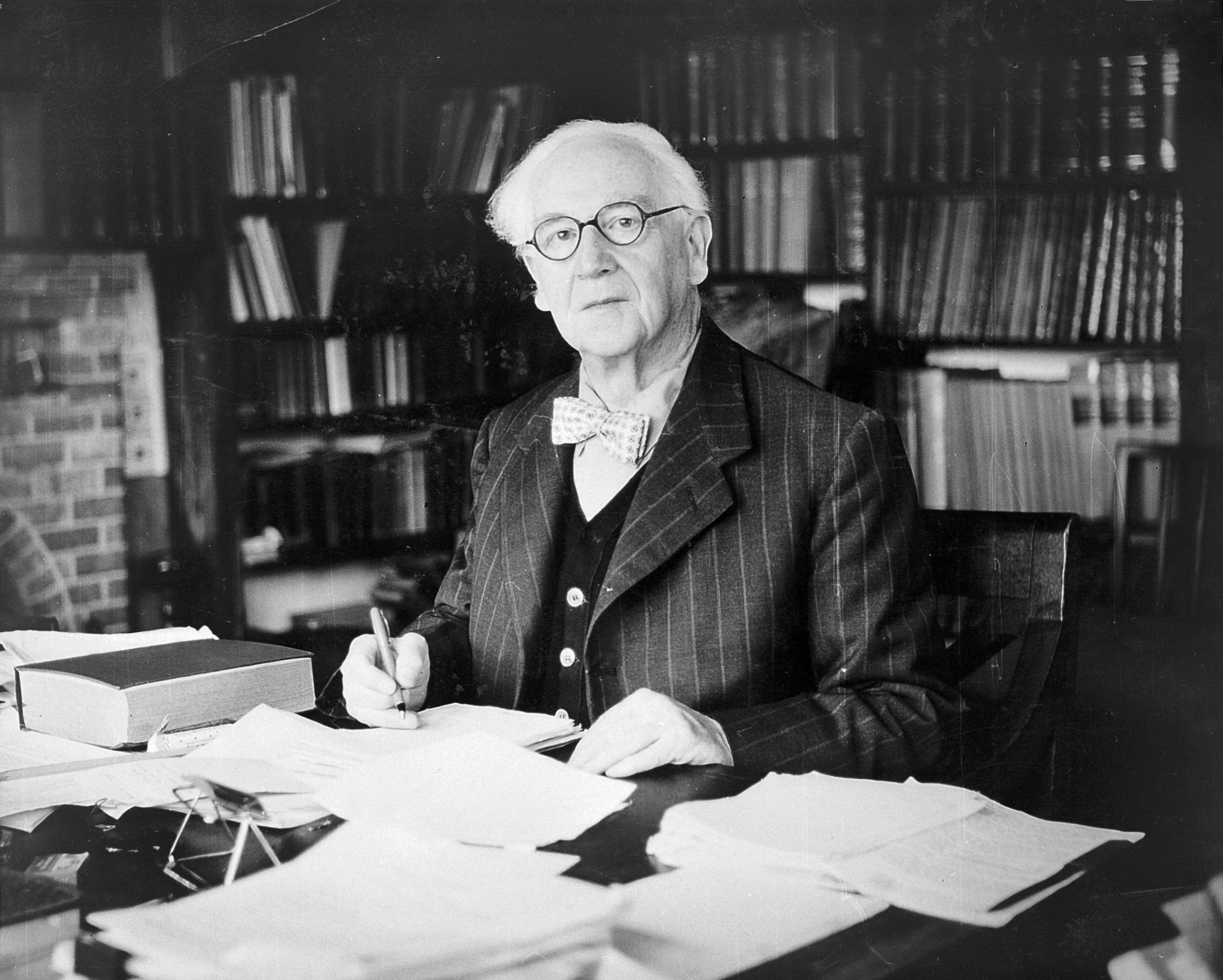
The earliest printed literature on syphilis. Being ten tractates from the years 1495-98
1931
#2428
Histoire de la syphilis.
Forms tome I of Traité de la syphilis, ed. by E. Jeanselme and E. Shulmann.
1933
#2429
The history and epidemiology of syphilis.
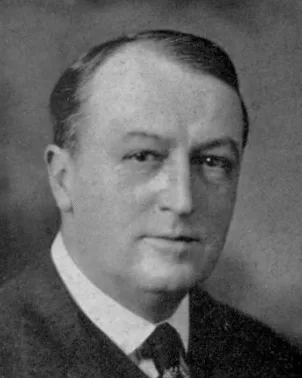
1937
#2430
Who gave the world syphilis? The Haitian myth.
1940
#2431
Syphilis in earlier days.
1944
#2432
Notable contributors to the knowledge of syphilis.
1847
#2434
Om spedalskhed. Udgivet efter Foranstaltning af den Kongelige Norske Regjerings Department for det Indre. 1 vol. and atlas.
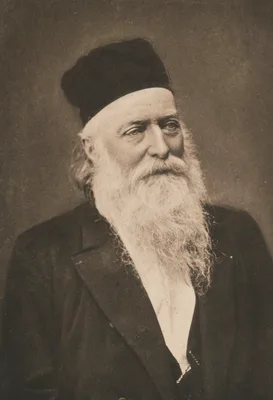
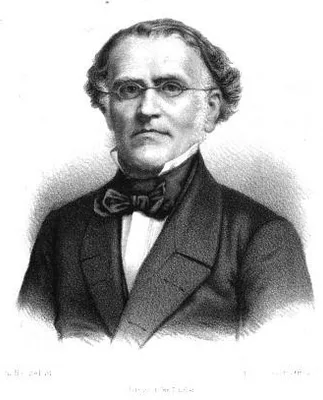
First modern description of leprosy (“Danielssen-Boeck disease’’). Danielssen, physician to the leprosy hospital at Bergen, was the founder of scientific leprology. The extremely rare Atlas consists of 24 plates and t…
1854
#2435
Notes on native remedies. No. 1. The chaulmoogra.
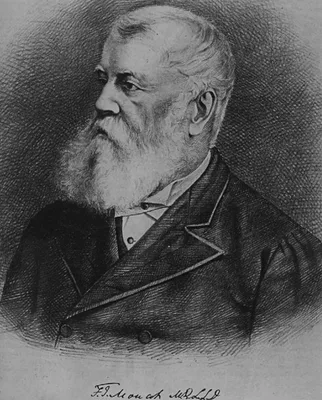
Chaulmoogra oil was first introduced into Western medicine by Mouat, having been used for many centuries previously by the Chinese
1874
#2436
Indberetning til det Norske mediciniske Selskab i Christiania om en med understottelse af selskabet foretaghen reise for at anstille undersogelser angaende spedalskhedens arsager, tidels udforte sammen med forstander Hartwig.
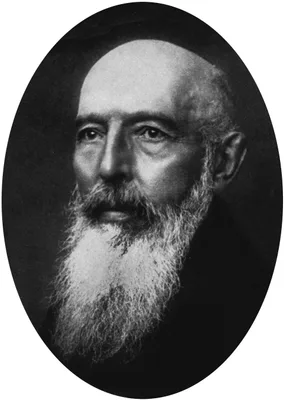
Hansen discovered the leprosy bacillus on 28 February 1873. He had been stimulated by the previous work of Danielssen and Boeck, and his own demonstration of the leprosy bacillus is one of the earliest observations of…
1904
#2437
The constituents of chaulmoogra seeds.
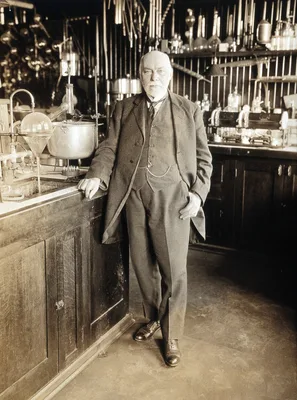
Hydnocarpus wightiana or Chaulmoogra is a tree in the Achariaceae family. The oil from seeds of Hydnocarpus wightiana or Chaulmoogra, a tree in the Achariaceae family, was widely used in Indian medicine and Chinese tr…
1904
#2438
The cultivation of the Bacillus leprae.
Rost cultivated the leprosy bacillus, and he prepared leprolin, formerly used in treating leprosy.
1910
#2439
Histotechnik der leprösen Haut.
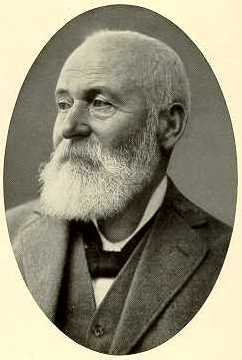
Unna was among the first to maintain that the lymphatics were involved in leprosy and that it was curable.
1919
#2440
On the value of a skin reaction to a suspension of leprous nodules.
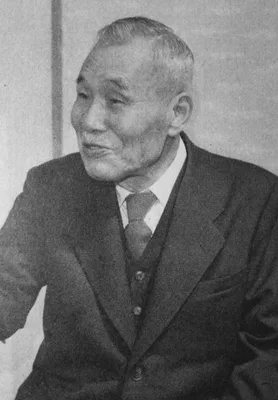
Mitsuda (lepromin) reaction. English translation by the author in Int. J. Leprosy, 1953, 21, 347-58.
1943
#2441
The promin treatment of leprosy. A progress report.
Promin (sodium glucosulphone) introduced in the treatment of leprosy. With R. C. Pogge, F. A. Johansen, J. F. Dinan, B. M. Prejean, and C. G. Eccles.
1944
#2442
Preliminary report on diasone in the treatment of leprosy.
Muir found diasone (a sulphone) valuable in the treatment of leprosy.
1914
#2443
La lèpre à travers les siècles et les contrées.
1915
#2444
Leper houses and mediaeval hospitals.
1938
#2446
Through the leper-squint. A study of leprosy from pre-Christian times to the present day.
1944 –1948
#2447
Indice bibliográfico de lepra, 1560-1943. 3 vols.
Supplements 1-5, 1952-62.
1683
#2448
Lumbricus teres, or some anatomical observations on the round worm bred in human bodies.
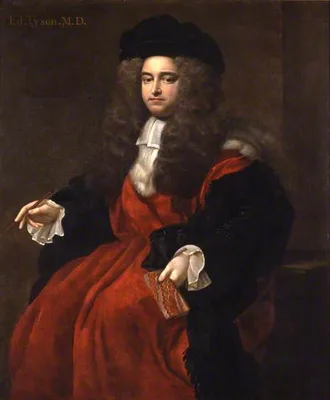
Tyson gave one of the first descriptions of the anatomy of Ascaris lumbricoides.