
Entry Nos. 4600–4699
98 Garrison-Morton entries in this range.
1684
#1311
Dr. Willis's practice of physick.
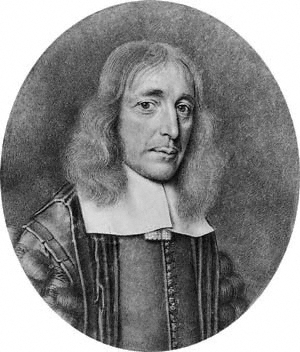
The only complete edition of Willis's works in English, translated by the poet Samuel Pordage. It contains the translations of all his works except his Affectionum quae dicuntur hystericae (1671). The collection inclu…
1921
#2693
Méthode radiographique d’exploration de la cavité épidurale par la lipiodol.
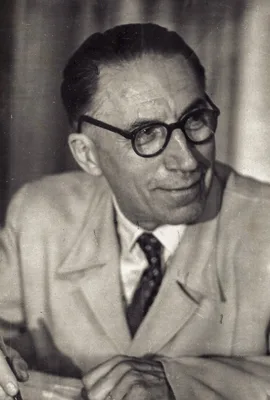
Positive contrast myelography with iodized oil (lipiodol). This paper records the first use of lipiodol in radiology.
1784
#2734.4
A treatise on the diseases of children.
Underwood laid the foundation of modern pediatrics. His work was superior to anything that had previously appeared and remained the most important book on the subject for sixty years, passing through many editions. Th…
1916
#4600
Zur Diagnose der Rückenmarkskompression.
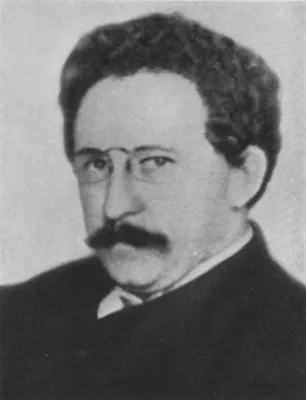
“Queckenstedt’s test” for determining patency of the spinal subarachnoid space.
1917
#4601
Tumors of the nervus acusticus and the syndrome of the cerebello-pontile angle.
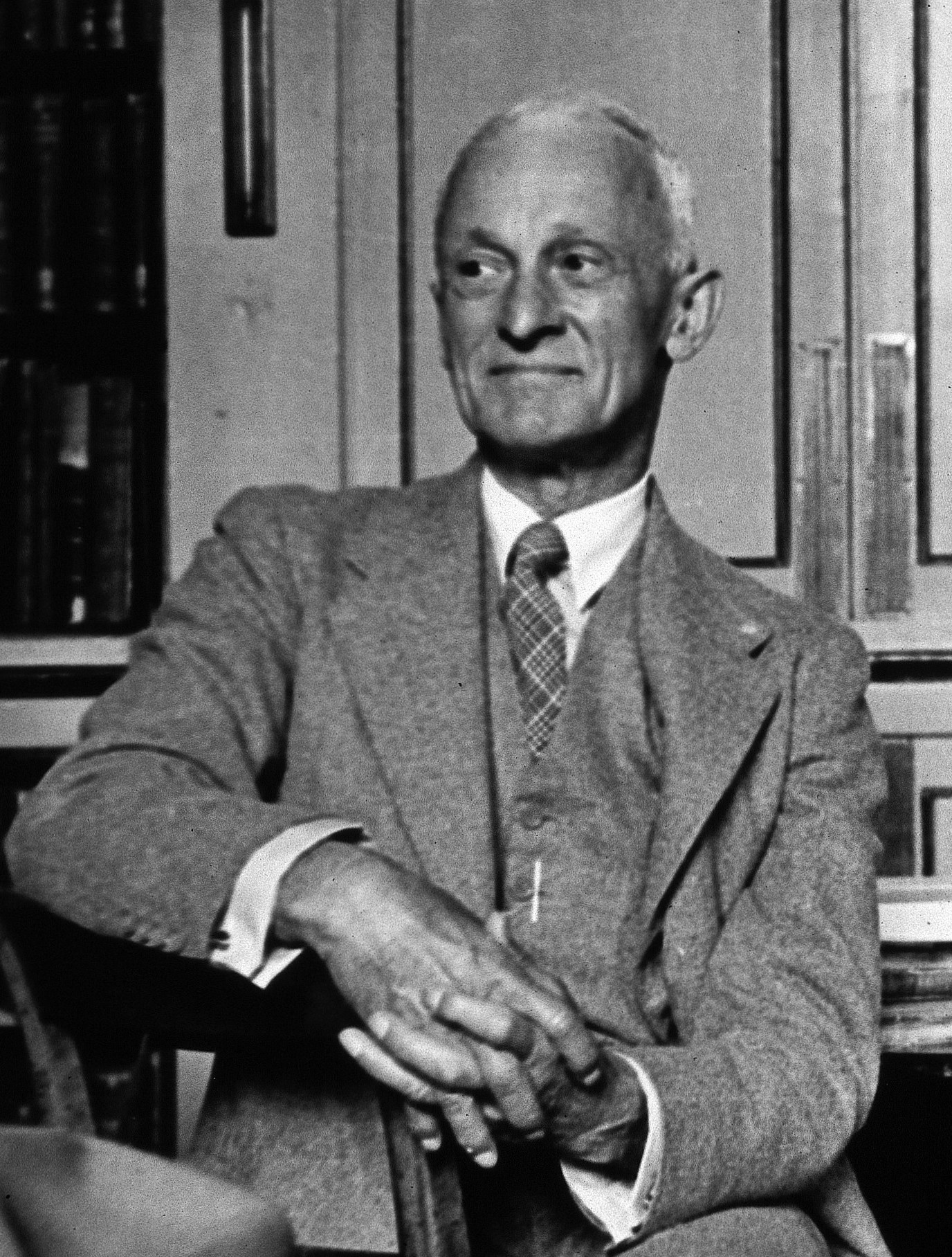
Reprinted 1963.
1918
#4602
Ventriculography following the injection of air into the cerebral ventricles.
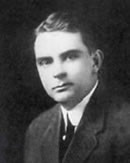
Dandy was responsible for the introduction of ventriculography.
1919
#4603
Röntgenography of the brain after the injection of air into the spinal canal.
Introduction of pneumoencephalography.
1921
#4604
Zur Analyse und Pathophysiologie der striären Bewegungsstörungen.
Foerster made a most important contribution to the literature on extra pyramidal diseases.
1924
#4606
Some problems in neurology. No. 2. Pathological laughing and crying.
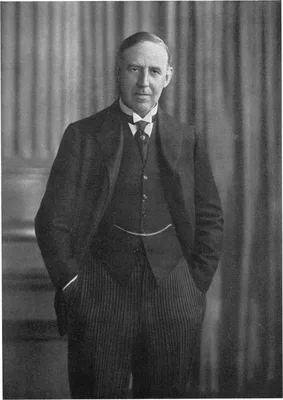
An important paper on the pathology of facial movements.
1926
#4607
Idiopathic narcolepsy: a disease sui generis; with remarks on the mechanism of sleep.
Adie’s description of narcolepsy is called “maladie d’Adie” by some French writers.
1926
#4608
A classification of the tumors of the glioma group on a histogenetic basis with a correlated study of prognosis.
From 1922 to 1925 Bailey undertook extensive pathological and histological studies of brain tumors, and based on cellular configuration, he created a classification system of thirteen categories. In 1927 he reduced th…
1926
#4609
Über das morphologische Wesen und die Histopathologie der hereditaersystematischen Nervenkrankheiten.
Schaffer was a pioneer Hungarian neuropathologist. He laid down a triad of criteria for judging whether or not a neurological disease is hereditary.
1927
#4610
L’encéphalographie artérielle, son importance dans la localisation des tumeurs cérébrales.
Introduction of cerebral arteriography. See also Presse méd., 1928, 36, 689-93. English translation in J. Neurosurg., 1964, 21, 145-56.
1931
#4611
Pseudo-Argyll Robertson pupils with absent tendon reflexes; a benign disorder simulating tabes dorsalis.
“Adie’s syndrome”; see also his later paper in Brain, 1932, 55, 98-113. It was earlier reported by J. Strasberger, by A. Saenger and by M. Nonne in Neurol. Zbl., 1902, 21, 738, 837, and 1000. See also No. 5950.
1938
#4612
Meningiomas: Their classification, regional behavior, life history, and surgical end results.
Begun in 1915, soon after Cushing's monograph on pituitary disorders, this represents 25 years of work, and is, by common consent, regarded as Cushing’s greatest clinical monograph. Reprint, 2 vols., New York, Hafner,…
1935 –1937
#4613
Handbuch der Neurologie. 17 vols. [in 18].
For its era, the definitive encyclopedia of neurology.
1940
#4614
Neurology 2 pts. Edited by A.N. Bruce.
Wilson died before this monumental work was completed, and it was edited by A. N. Bruce. It includes a vast amount of history and hundreds of references. Second edition, 1954.
1944
#4615
Iodinated organic compounds as contrast media for radiographic diagnoses. III. Experimental and clinical myelography with ethyl iodophenylundecylate (pantopaque).
Introduction of “pantopaque” for diagnosis of cerebral tumors. With C. E. Dungan, J. B. Furst, J. T. Plati, S. W. Smith, A. P. Darling, and E. C. Wolcott.
1745
#4616
Glömska af alla substantiva och i synnerhet namn.

Aphasia first described. Facsimile reproduction and English translation by H. R. Viets, Bull. Hist. Med., 1943, 13, 328-33.
1758
#4617
Lethargus cum impotentia loquelae, tandem convulsivus et lethalis.
1825
#4618
Recherches cliniques propres à démontrer que la perte de la parole correspond à la lésion des lobules antérieurs du cerveau.
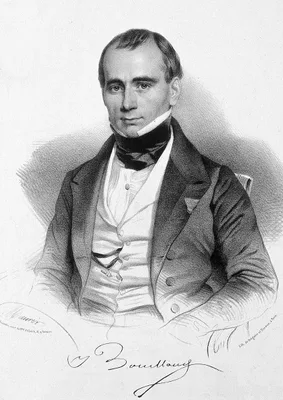
Classic account of aphasia. Bouillaud was the first to suggest that injuries of the frontal lobe were a cause of aphasia.
1861
#4619
Perte de la parole; ramollissement chronique et destruction partielle du lobe antérieur gauche du cerveau.
Broca localized the speech center in the left frontal lobe. He asserted that aphasia was associated with a lesion on the left third frontal convolution of the brain – “Broca’s center”. He was preceded in this discover…
1864
#4620
Loss of speech: its association with valvular disease of the heart, and with hemiplegia on the right side. Defects of smell. Defects of speech in chorea. Arterial regions in epilepsy.
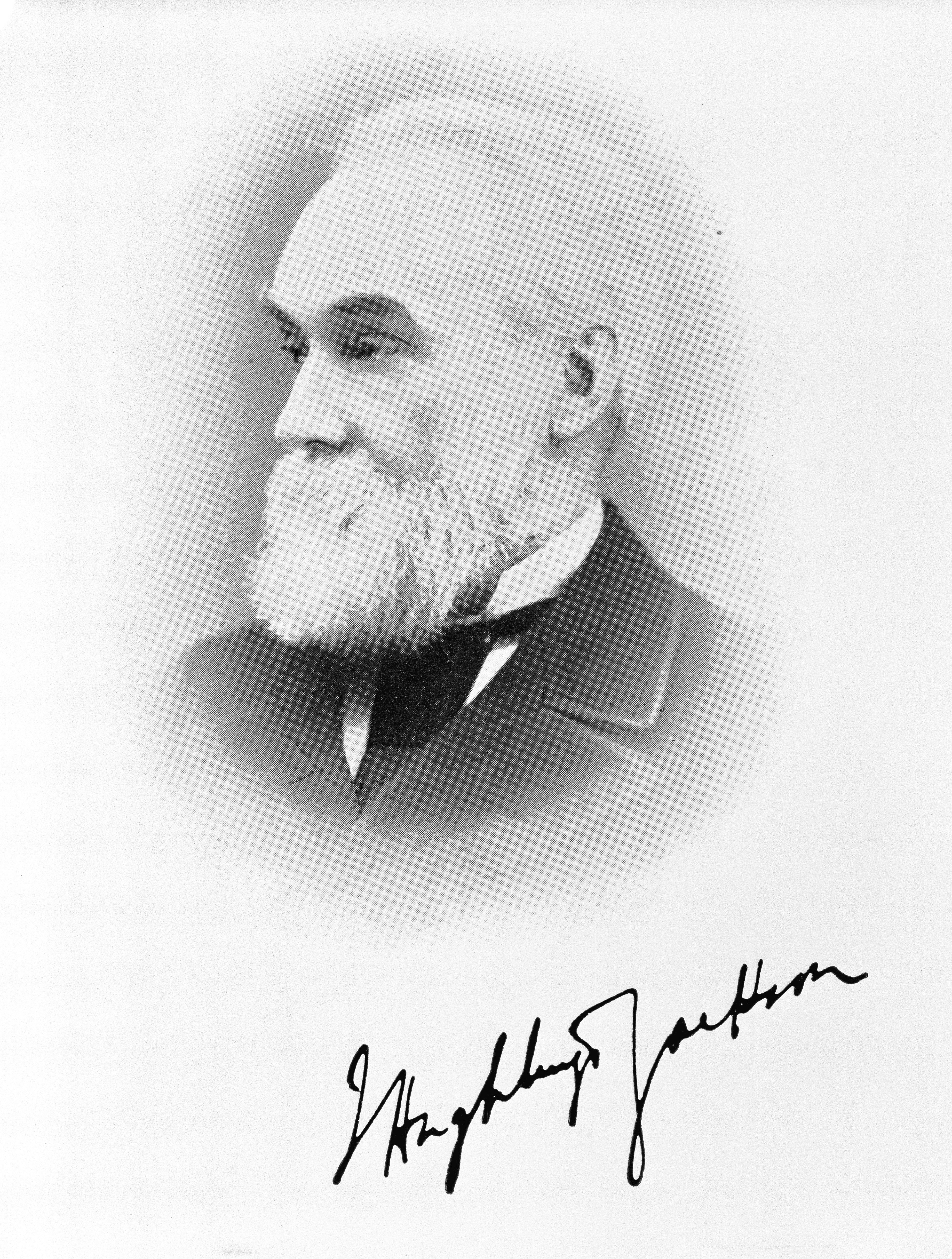
Jackson studied aphasia for 30 years. He emphasized its psychological aspects and laid the foundation for present knowledge of the condition, but he was ahead of his time and the value of his work was not recognized f…
1866
#4621
Notes on the physiology and pathology of language.
1869
#4622
On the various forms of loss of speech in cerebral disease.
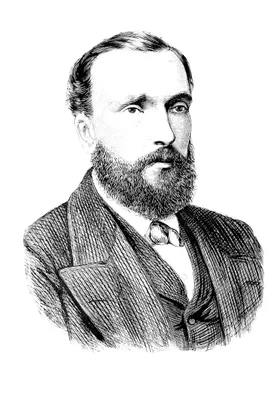
Bastian’s first important paper on aphasia. His axiom “We think in words” explains his whole work on the subject. See also his later paper on pp. 470-92 of the same volume.
1874
#4623
Der aphasische Symptomencomplex.
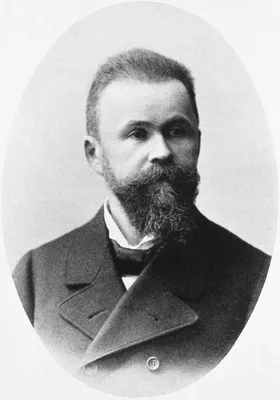
Sensory aphasia (“Wernicke’s aphasia”). Wernicke did important work on the localization of aphasia; he included in his book accounts of alexia and agraphia. English translation in Boston Studies in the Philosophy of S…
1877
#4624
Die Störungen der Sprache.
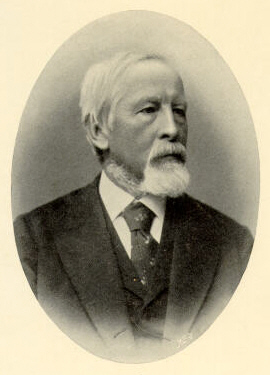
Kussmaul termed aphasia “word-blindness”. The book was issued as a supplement to vol. 12 of Ziemssen’s Handbuch der speciellen Pathologie und Therapie. English translation in Ziemssen’s Cyclopedia of the practice of m…
1884
#4625
Considérations sur l’agraphie à propos d’une observation nouvelle d’agraphie motrice pure.
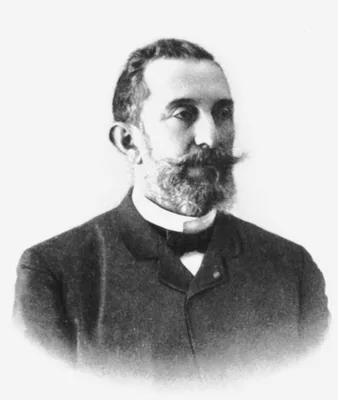
Classic account of agraphia.
1885
#4626
Ueber Aphasie.
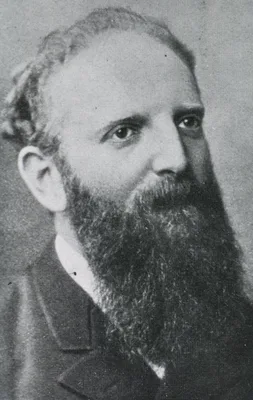
“Lichtheim’s disease”– subcortical sensory aphasia. Lichtheim noted that although the patient could not speak, he was able to indicate with his fingers the number of syllables in the word of which he was thinking (“Li…
1887
#4627
Eine besondere Art der Wortblindheit.
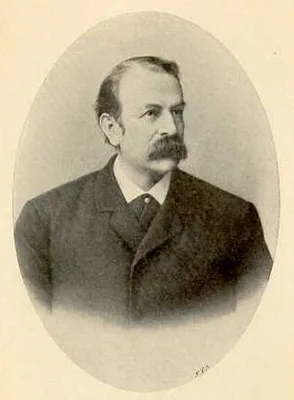
Berlin first suggested the term “dyslexia”. Digital facsimile from the Internet Archive at this link.
1895
#4628
Étude sur l’aphasie chez les polyglottes.
Important account of paraphrasia.
1898
#4629
A treatise on aphasia and other speech defects.
Bastian localized the auditory and visual centers, and he described word-blindness and word-deafness. (See also No. 4622.)
1906
#4630
Révision de la question de l’aphasie; la troisième circonvolution frontale gauche ne joue aucun rôle spécial dans la fonction du langage.
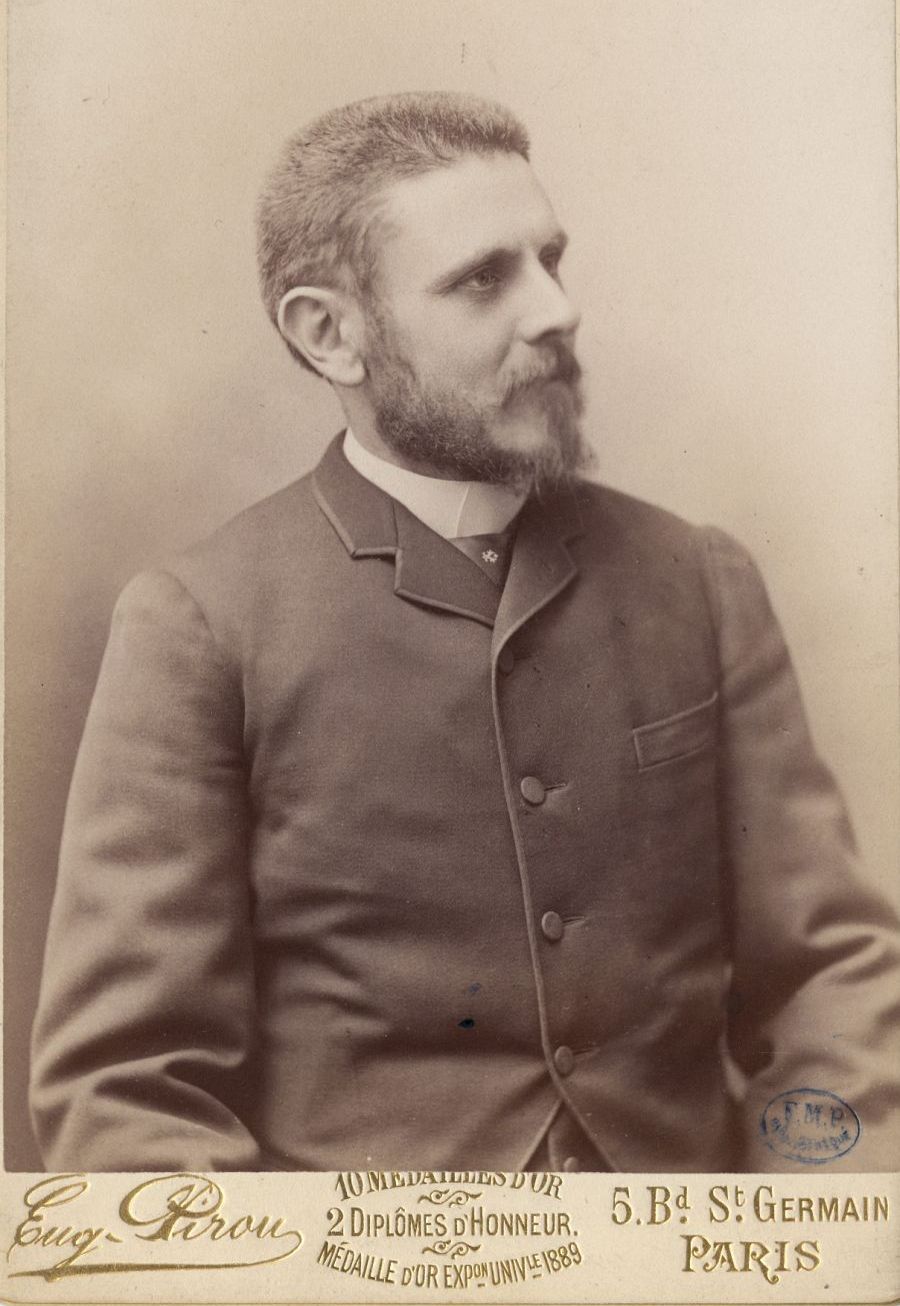
Marie disputed Broca’s claim that the third left frontal convolution of the brain is the speech center. He classified aphasia into three groups: anarthria (defects of articulation), Broca’s (motor) aphasia, and Wernic…
1917
#4631
Congenital word-blindness.
1890 –1930
#4632
Klinische und anatomische Beiträge zur Pathologie des Gehirns. 8 pts. in 10 vols.
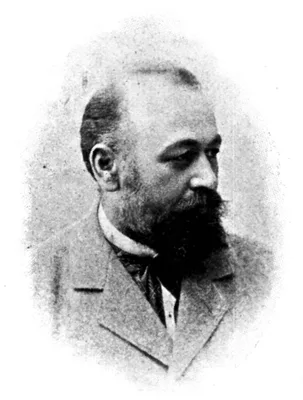
An important summary of the knowledge concerning aphasia appears in vols. 5-7.
1926
#4633
Aphasia and kindred disorders of speech. 2 vols.
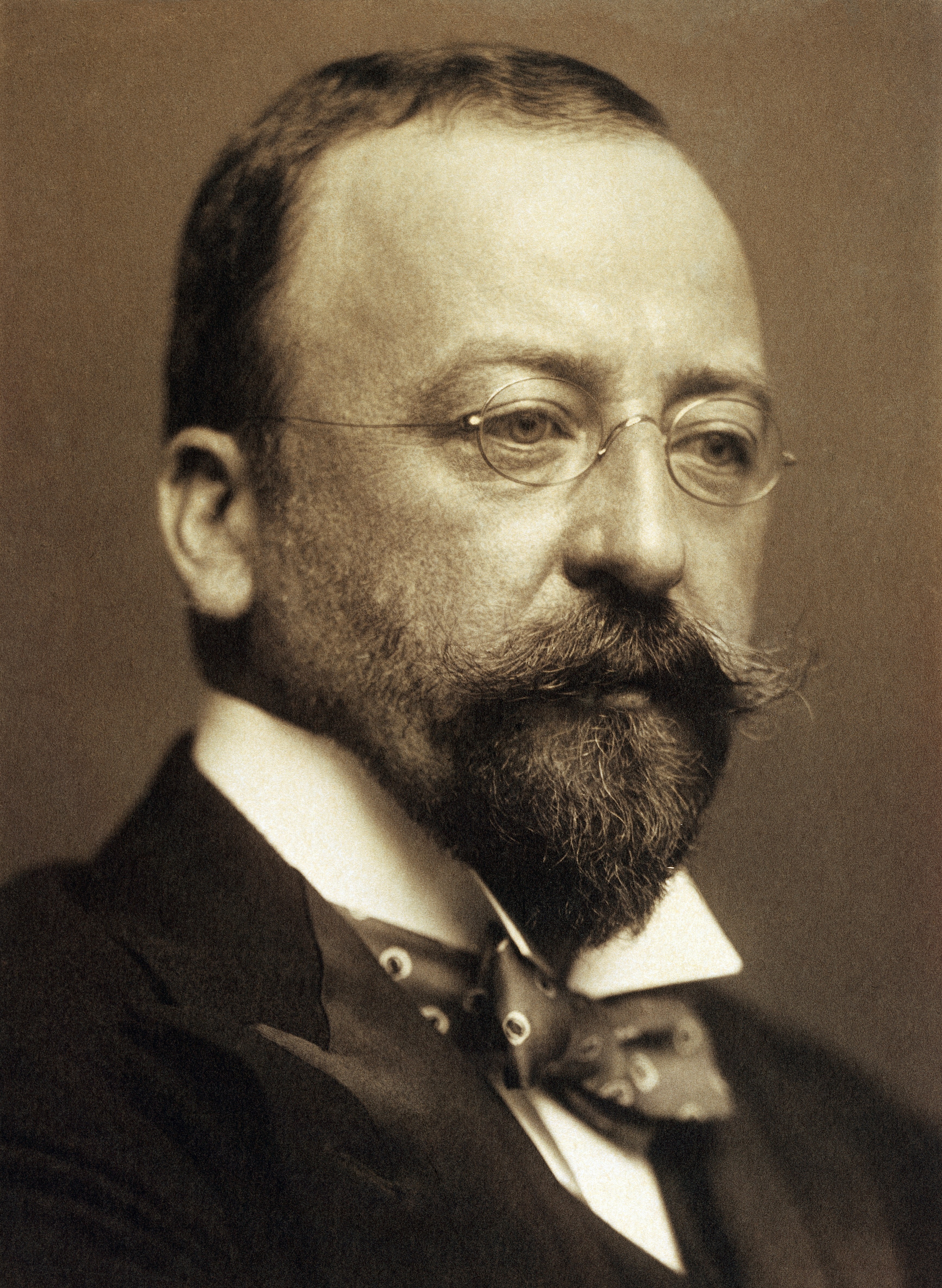
Head’s theory of aphasia conceived the condition as being “a disorder of symbolic formulation and expression”.
1768
#4634
Observations on the dropsy in the brain.
The first account of the clinical course of tuberculous meningitis in children. This work is notable for its fullness of detail and its accuracy. Whytt divided the disease into three stages, according to the character…
1808
#4635
An essay on hydrocephalus acutus, or dropsy in the brain.
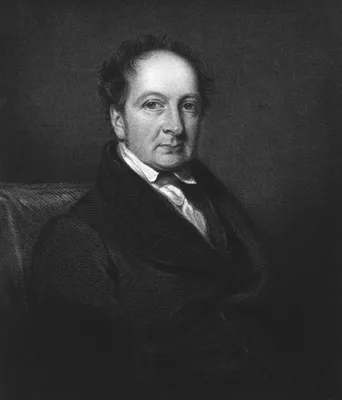
Acute hydrocephalus first described.
1834
#4636
Cerebral affections of children.
Accurate clinical description of tuberculous meningitis.
1846
#4637
Primi cenni sulla corea elettrica.
First description of electric chorea, “Dubini’s chorea”, the myoclonic form of epidemic encephalitis.
1856
#4638
Ueber Gehirnabscesse.
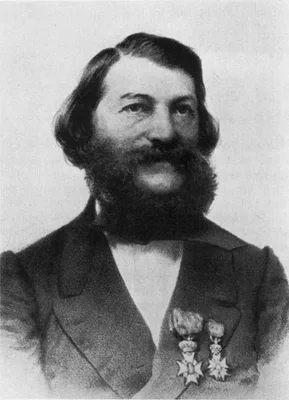
First systematic account of brain abscess.
1859
#4639
Note sur la paralysie ascendante aiguë
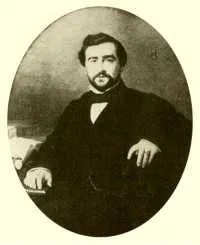
“Landry’s paralysis” – acute infective polyneuritis, more commonly known as Guillain-Barré syndrome. It is difficult to assess the claim of Landry as first to record this condition, since Adolf Kussmaul reported two c…
1861 –1862
#4640
Die Gürtelkrankheit.
Herpes zoster first ascribed to a lesion of the spinal ganglia.
1875
#4641
Affection encéphalique (encéphalite diffuse probable) localisée aux étages supérieurs des pédoncules cérébraux et aux couches optiques.
First description of acute superior hemorrhagic polioencephalitis. Called also “Wernicke’s encephalopathy”, following the latter’s description in his Lehrbuch der Gehirnkrankheiten, Kassel, 1881, 2, 229-42.
1884
#4642
Fièvre zoster etexanthèmes zosteriformes.
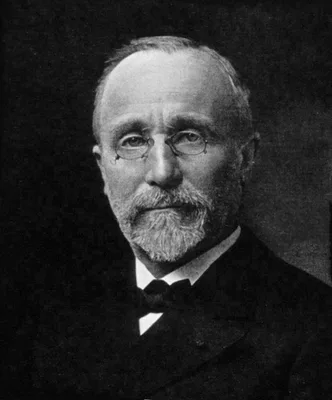
Landouzy first suggested the infective nature of herpes.
1885
#4643
Ueber die akute Encephalitis der Kinder (Polioencephalitis acuta, cerebrale Kinderlähmung).
“Strumpell’s disease” – polioencephalomyelitis.
1900
#4644
The pathology of herpes zoster and its bearing on sensory localisation.
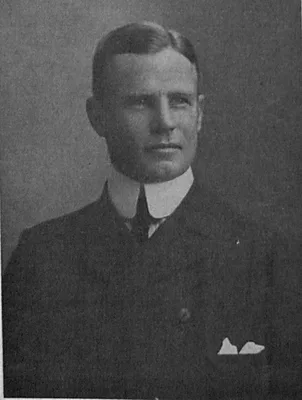
Head and Campbell showed herpes zoster to be a hemorrhagic inflammation of the posterior nerve roots and the homologous spinal ganglia.
1903
#4645
Inflammations meningées avec réactions chromatique, fibrineuse et cytologique du liquid cephalo-rachidien.
“Froin’s syndrome” – a coagulation of the cerebrospinal fluid.
1912
#4646
Zur Kenntnis der sogenannten diffusen Sklerose (über Encephalitis periaxialis diffusa).
“Schilder’s disease” – encephalitis periaxialis diffusa.
1916
#4647
Sur un syndrome de radiculo-névrite avec hyperalbuminose du liquide céphalo-rachidien sans réaction cellulaire. Remarques sur les caractères cliniques et graphiques des réflexes tendineux.
“Guillain-Barré syndrome”, acute infective polyneuritis. With J. A. Barré and A. Strohl.