
Entry Nos. 600–699
98 Garrison-Morton entries in this range.
1830
#600
On a peculiar motion excited in fluids by the surfaces of certain animals.
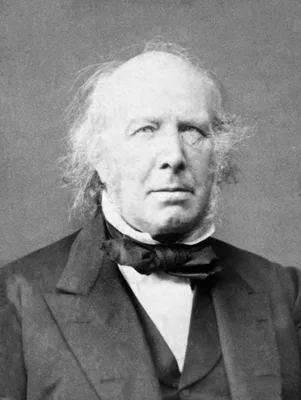
Sharpey was the first occupant of the chair of anatomy and physiology at University College, London, this chair being the first official recognition of physiology in any English medical school. He wrote a memorable pa…
1834 –1840
#601
Handbuch der Physiologie des Menschen.
The first modern, systematic textbook on physiology, presenting an authoritative and discerning survey of each aspect of the science. This is also one of the best reviews of physiological literature during the first p…
1835
#602
De phaenomeno generali et fundamentali motus vibratorii contini in membranis.
Classical paper on ciliary epithelial motion. Reprinted in Purkynĕ’s Opera omnia (No. 82), pp. 277-371, 1918. English translation in Dublin J. med. chem. Sci., 1835, 7, 279-84.
1835 –1859
#603
The cyclopaedia of anatomy and physiology. Edited by Robert Bentley Todd. 5 vols.
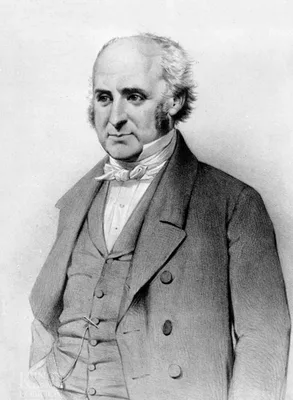
Contributors included Richard Owen and Thomas Huxley, and physicians James Paget, James Young Simpson, and William Bowman.The discoveries of Purkynĕ and Valentin, together with additional observations by William Sharp…
1836
#604
Mechanik der menschlichen Gehwerkzeuge. 1 vol. and atlas.
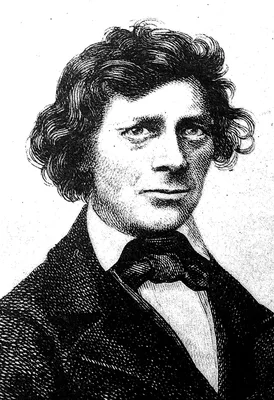
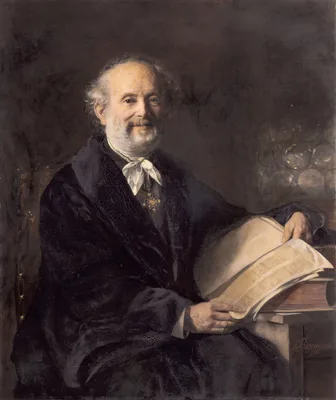
A pioneering study of the physiology and biomechanics of motion and locomotion. The atlas contains four illustrations that were printed directly from actual bones embedded in plaster of Paris. This is one of the only …
1838
#605
Sur le courant électrique ou propre de la grenouille.
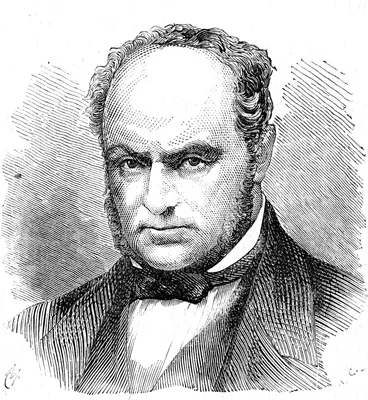
Matteucci established the difference of potential between injured nerve and its muscle.
1842
#606
Bemerkungen über die Kräfte der unbelebten Natur.
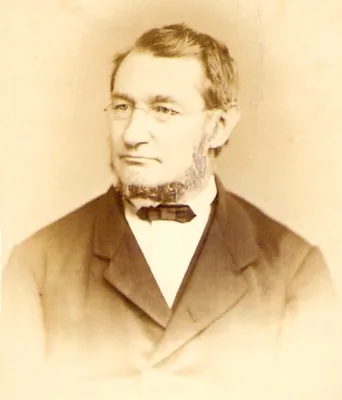
Mayer demonstrated the principle of the conservation of energy as far as physiological processes are concerned.
1842 –1853
#607
Handwörterbuch der Physiologie … hrsg. von R. Wagner.
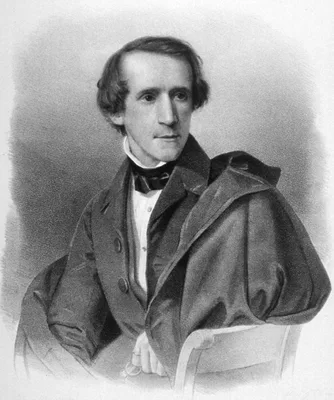
Wagner was professor at Göttingen. His literary output was enormous. In the above work he contributed the sections on sympathetic nerves, nerve-ganglia, and nerve-endings. This work contained 63 extensive review artic…
1843
#608
Sur le courant électrique des muscles des animaux vivants ou récemment tués.
Matteucci’s “rheoscopic frog” effect.
1843
#609
Ueber den sogennanten Froschstrom.
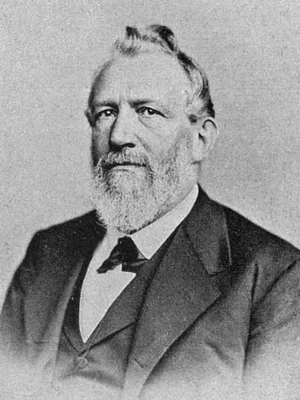
First description and definition of electrotonus.
1848 –1884
#610
Untersuchungen über thierische Elektricität. 2 vols.
A pupil of J. Müller, Emil du Bois-Reymond was the founder of modern electrophysiology. He introduced faradic stimulation and made an exhaustive investigation of physiological tetanus. Above is a collective edition of…
1847
#611
Ueber die Erhaltung der Kraft, eine physikalische Abhandlung.
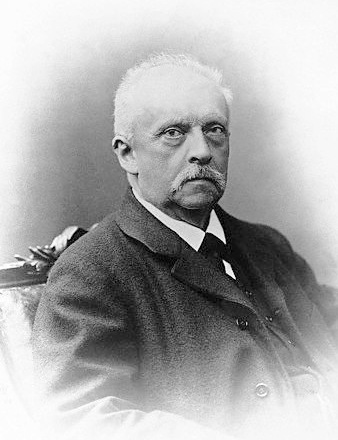
An epoch-making work which led the way to the acceptance of the fundamental physical doctrine of the conservation of energy.
1848
#612
Ueber die Wärmeentwickelung bei der Muskelaction.
Helmholtz showed the muscles to be the principal source of animal heat.
1851
#613
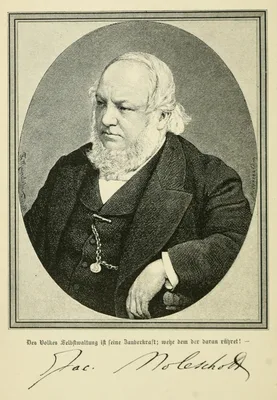
Physiologie des Stoffwechsels in Pflanzen und Thieren.
1855 –1856
#615
Leçons de physiologie expérimentale appliquée à la médecine. 2 vols.
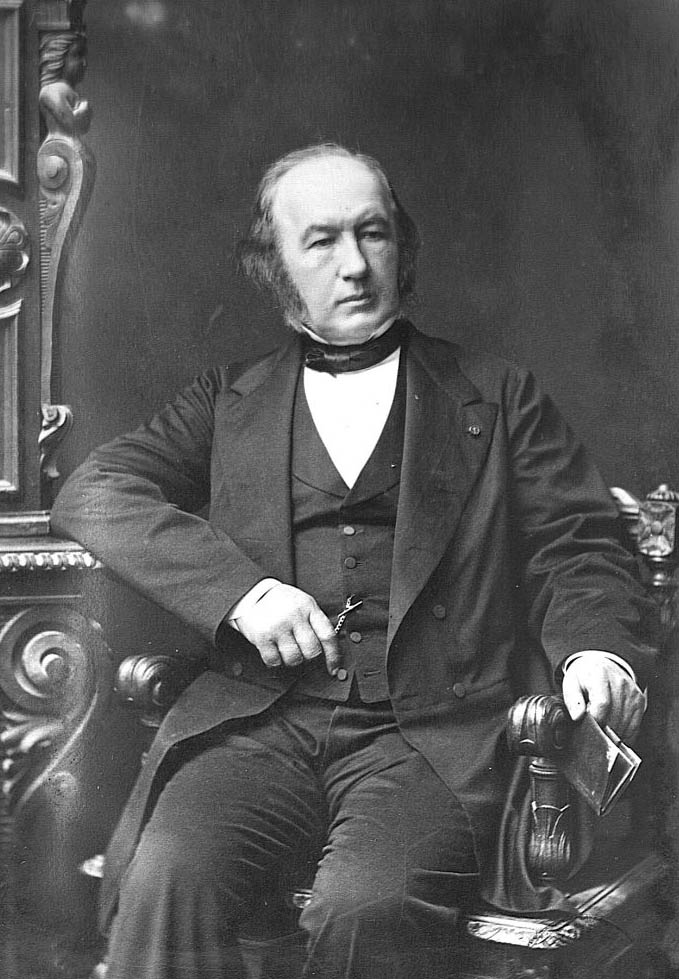
Claude Bernard made strenuous efforts to introduce experimental methods into physiology. The above includes his classic work on the function of the liver, pancreas, and gastric glands. Vol. 1, p. 126: Catheterization …
1856
#617
Die medizinische Physik.
1856
#618
Nachweis der negativen Schwankung des Muskelstroms am natürlich sich contrahirenden Muskel.
Kölliker and Müller were the first to measure action currents from cardiac muscle.
1857
#619
On the formation of the skeletons of animals, and other hard structures formed in connexion with living tissues.
Includes description of “Rainey’s tubes” or “corpuscles” in connexion with the process of calcification of tissues.
1859
#620
Untersuchungen über Bewegungen und Veränderungen der contraktilen Substanz.
Proof of the coagulability of muscle proteins.
1859
#621
Untersuchungen über die Physiologie des Electrotonus.
One of the most interesting works of its time on the physiology of nerve. In it Pflüger first stated the laws governing the make and break stimulation of nerve with the galvanic current. Pflüger was a pupil of Müller …
1864
#622
Du rôle des actions réflexes paralysantes dans le phénomène des sécrétions.
Studies of the “paralytic secretions” occasioned by section of glandular nerves.
1864
#623
Untersuchungen über elektrische Nervenreizung.
Among the instruments introduced by Fick for the study of muscle and nerve physiology were the myotonograph, the cosine lever, and an improved thermopile.
1867
#624
Physiologie des mouvements demontrée à l’aide de l’expérimentation électrique et de l’observation clinique, et applicable à l’étude des paralysies et des déformations.
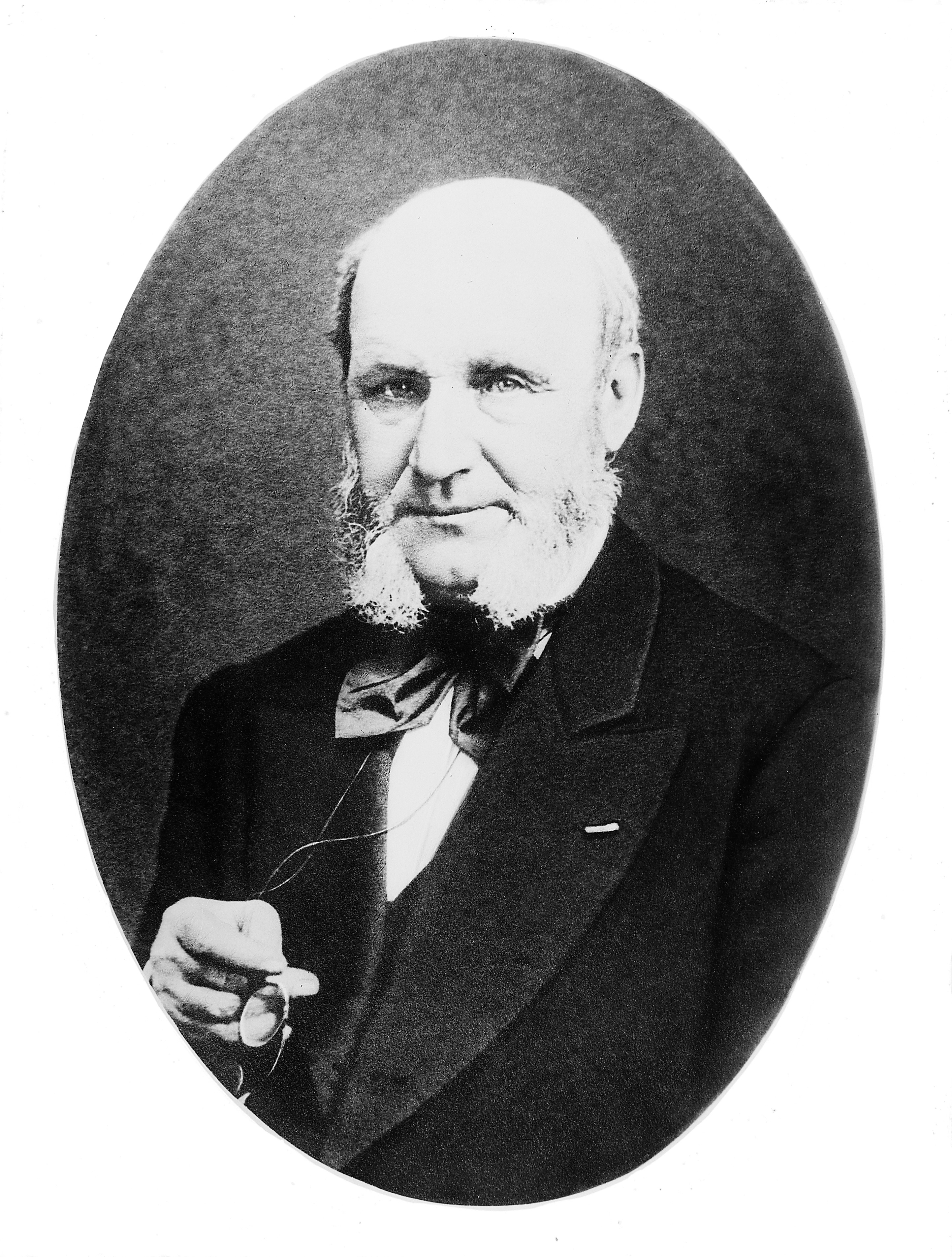
A monumental work, the result of twenty years’ study of electro-muscular stimulation “to determine the proper action which the muscles possess in life”. The book contains an excellent record of the kinesiology of the …
1867 –1868
#625
Untersuchungen über den Stoffwechsel der Muskeln, ausgehend vom Gaswechsel derselben. 3 vols.
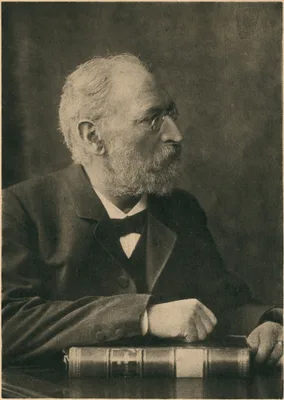
Hermann’s views on nitrogen metabolism in muscular work correctly anticipated the later conclusions of Fletcher, Hopkins, and others.
1871
#626
On the physiological effects of severe and protracted muscular exercise; with special reference to the influence of exercise upon the excretion of nitrogen.
Flint made investigations on the nitrogen output of a long-distance walker, before, during, and after the latter’s attempt to walk 400 miles in five days. The useful data in this paper are often referred to in discuss…
1872
#627
Ueber die Diffusion des Sauerstoffs, den Ort und die Gesetze der Oxydationsprocesse im thierischen Organismus.
1873
#628
Principles of animal mechanics.
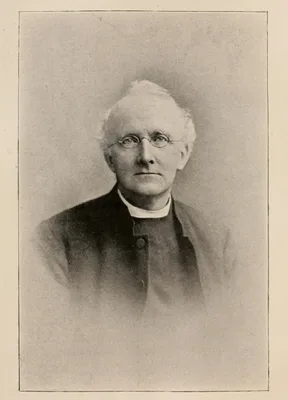
Haughton stated that the muscular mechanism is so arranged that its work is carried out with the minimum of muscular contraction. This he called the “principle of least action”. His opposition to Darwinism is especial…
1875
#629
Ueber die summation elektrischer Hautreize.
Stirling, a pupil of Ludwig, became a great teacher of physiology. His paper on the summation of electrical stimuli to the skin was a prize thesis.
1877
#630
K voprosu o perevyazkie vorotnoi veni. Predvaritelnoye soobshtshenize. [On the ligature of the portal vein.]
Eck developed the “Eck fistula” for the experimental study of diseases of the liver and the relation of the liver to metabolism. English translation in Surg. Gynec. Obstet., 1953, 96, 375.
1877
#631
A text-book of physiology.
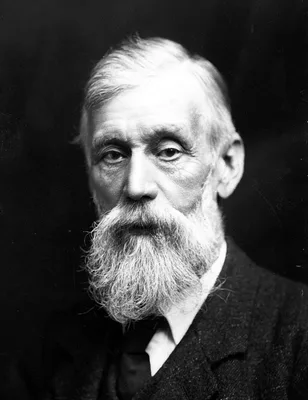
Foster was one of the greatest of the modern teachers of physiology. He became professor at Cambridge in 1883. Many great scientists are numbered among his pupils. See G.L. Geisen, Michael Foster and the Cambridge Sch…
1877 –1880
#632
Observations on the locomotor system of Medusae. 3 pts.
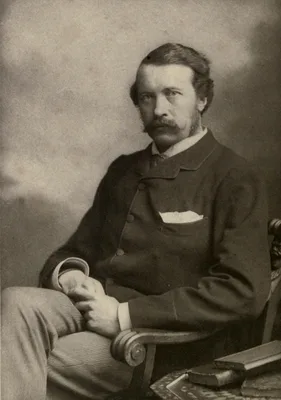
Charles Sherrington described the significance of Romanes' research on jellyfish in terms of its impact on cardiac physiology: "Romanes's observations carried out with simple means were novel and fundamental. The ques…
1878
#633
Ueber Wärme und Oxydation der lebendigen Materie.
1879
#634
Leçons de physiologie opératoire.
In this, his last work, Bernard showed himself “the unapproachable master in the technique of experimental procedure” (Garrison).
1881
#635
Handbuch der Physiologie des Gesammt-Stoffwechsels und der Fortpflanzung.
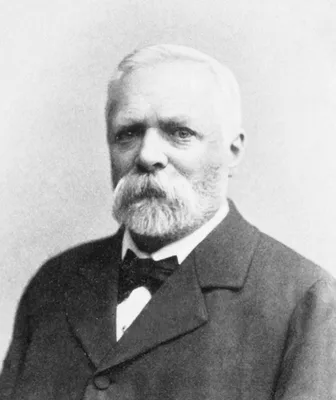
Forms vol. 6, pt. 1 of Hermann’s Handbuch der Physiologie.
1890
#636
Les lois de la fatigue étudiées dans les muscles de l’homme.
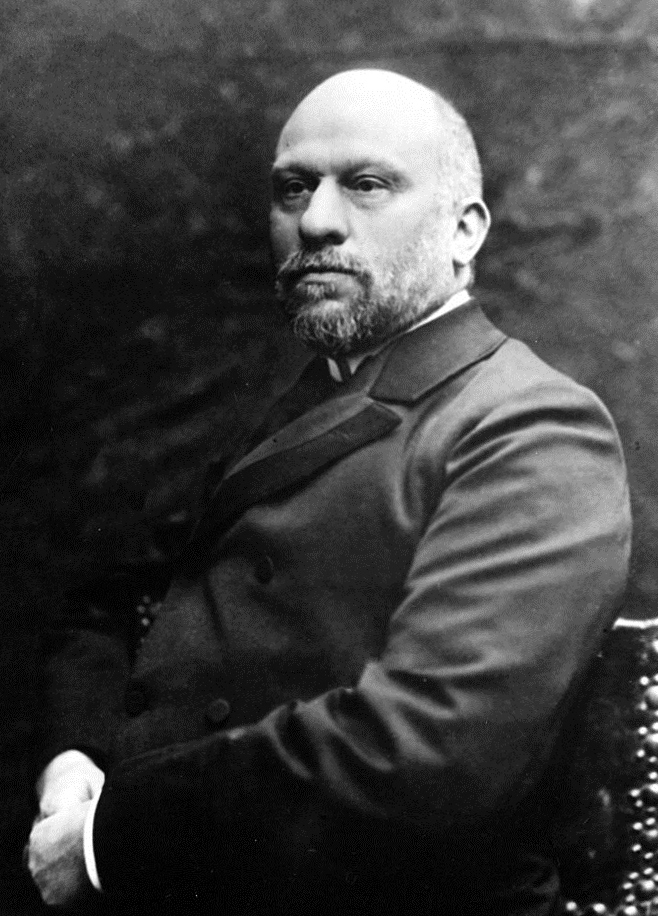
Mosso invented the ergograph from the study of voluntary contraction. The description of the instrument is on pages 124-41 of the above article.
1891
#637
Die Bewegungen des Kniegelenkes.
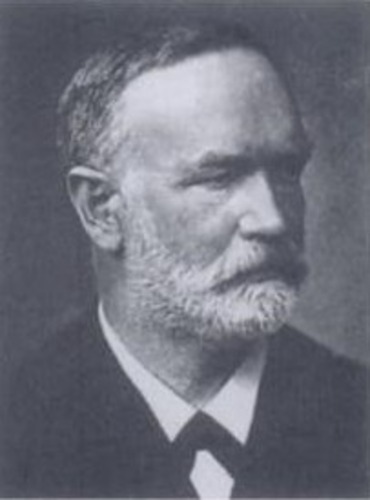
Investigation of the mechanics of motion of the knee joint on mathematical lines. See also No. 645.
1891
#638
Le travail musculaire et l’énergie qu’il représente.
Important studies on thermodynamics of muscular work.
1891
#639
La fatica.
Mosso investigated muscular fatigue with the ergograph of his invention. He showed fatigue to be due to a toxin produced by muscular contraction. English translation, 1906.
1893
#640
Beiträge zur Lehre von Stoffwechsel. I. Grundriss einer Methodik der Stoffwechsel-Untersuchungen.
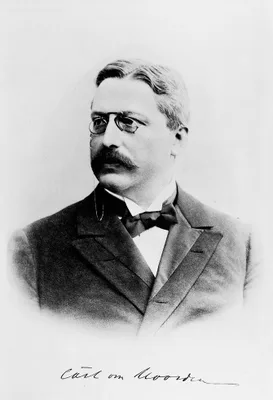
1892
#641
Das Gesetz der Transformation der Knochen.
“Wolff’s law” stated that every change in form and function of a bone, or in its function alone, is followed by certain definite changes in its internal architecture and equally definite secondary alterations in its m…
1893
#642
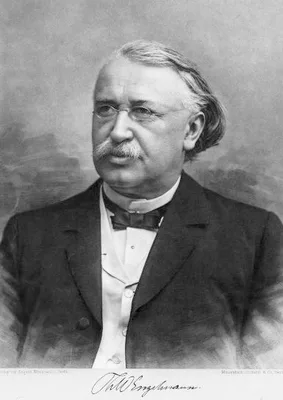
Ueber den Ursprung der Muskelkraft.
1894
#643
Le mouvement.
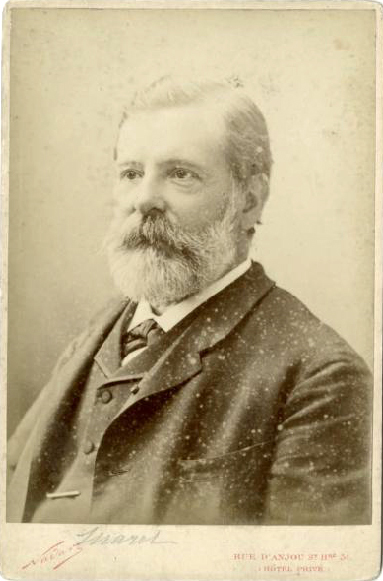
Marey, like Muybridge (No. 650-51), was a pioneer in the use of serial pictures as a method of studying the mechanics of locomotion. English translation, 1895.
1895
#644
Elektrophysiologie.
First exhaustive treatise on electrophysiology. English translation, 2 vols., London, 1896-98.
1895 –1904
#645
Der Gang des Menschen. 1-6 Abt. (All published.)
Classic study of the human gait. The authors calculated the external and internal forces involved in walking and described the kinematics and kinetics of the movement. Because of Braune's death in 1892 he could only c…
1895 –1928
#646
Dictionnaire de physiologie. Vols. 1 - 10, pt. 1. (All published).
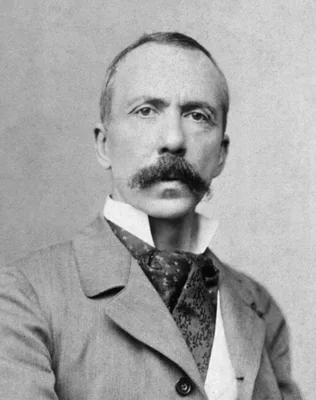
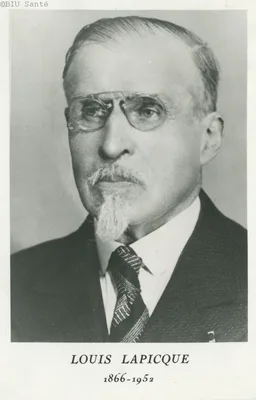
By Richet, Langlois, Lapique and numerous co-authors. Covers "A" - Moelle épinière only. Digital facsimile from the Biodiversity Heritage Library at this link.
1896
#647
On the absorption of fluids from the connective tissue spaces.
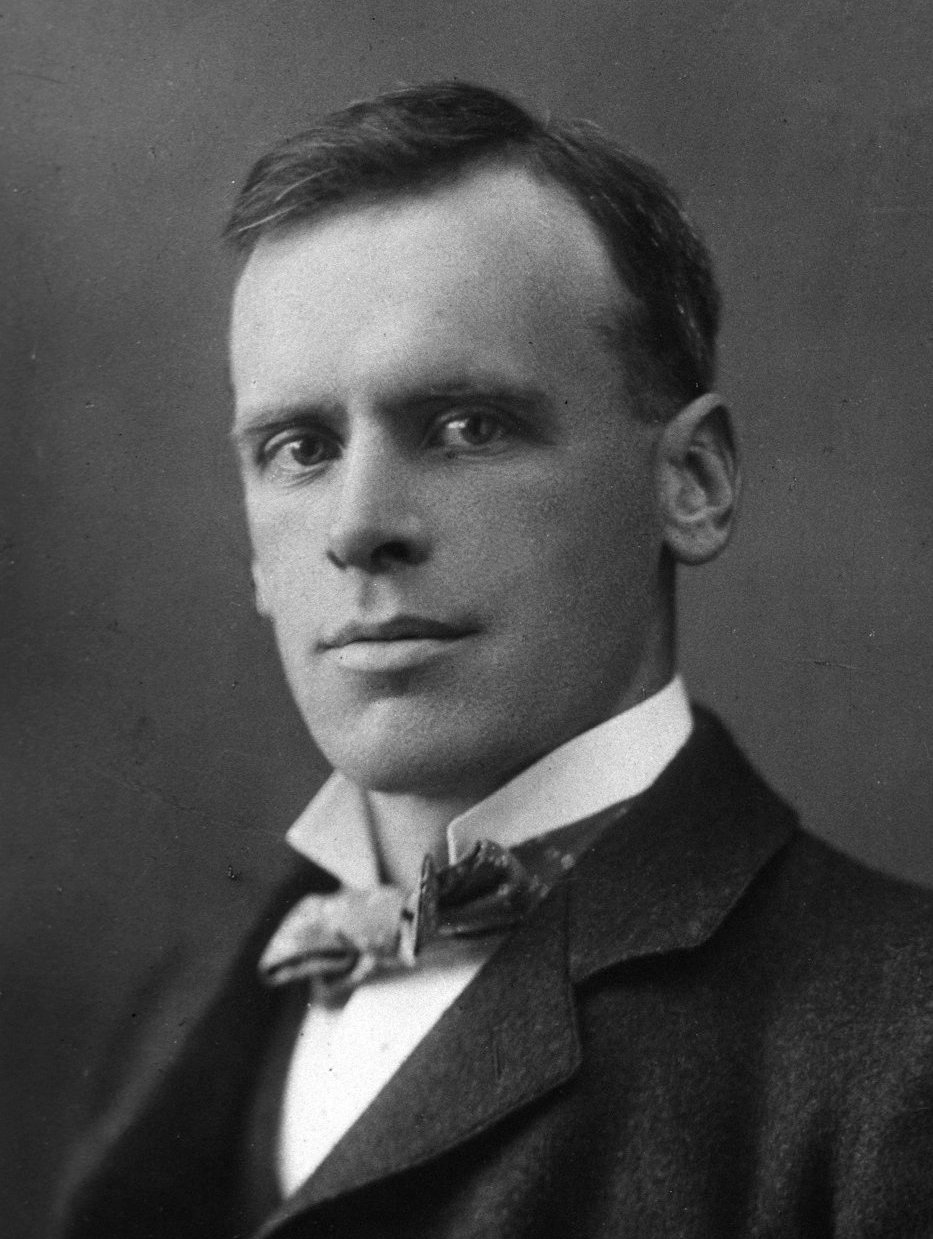
Starling discovered the functional significance of the serum proteins.
1898
#648
A digest of metabolism experiments in which the balance of income and outgo was determined.
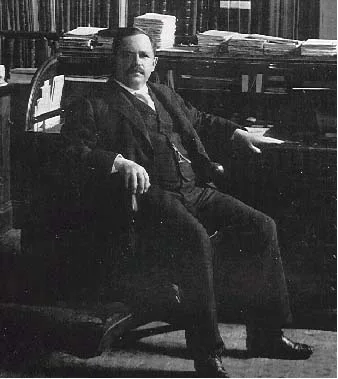
1898 –1900
#649
Text-book of physiology. Edited by Edward Schäfer. 2 vols.
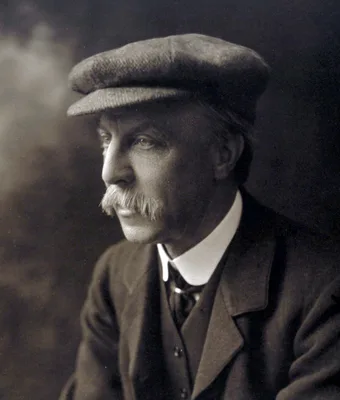
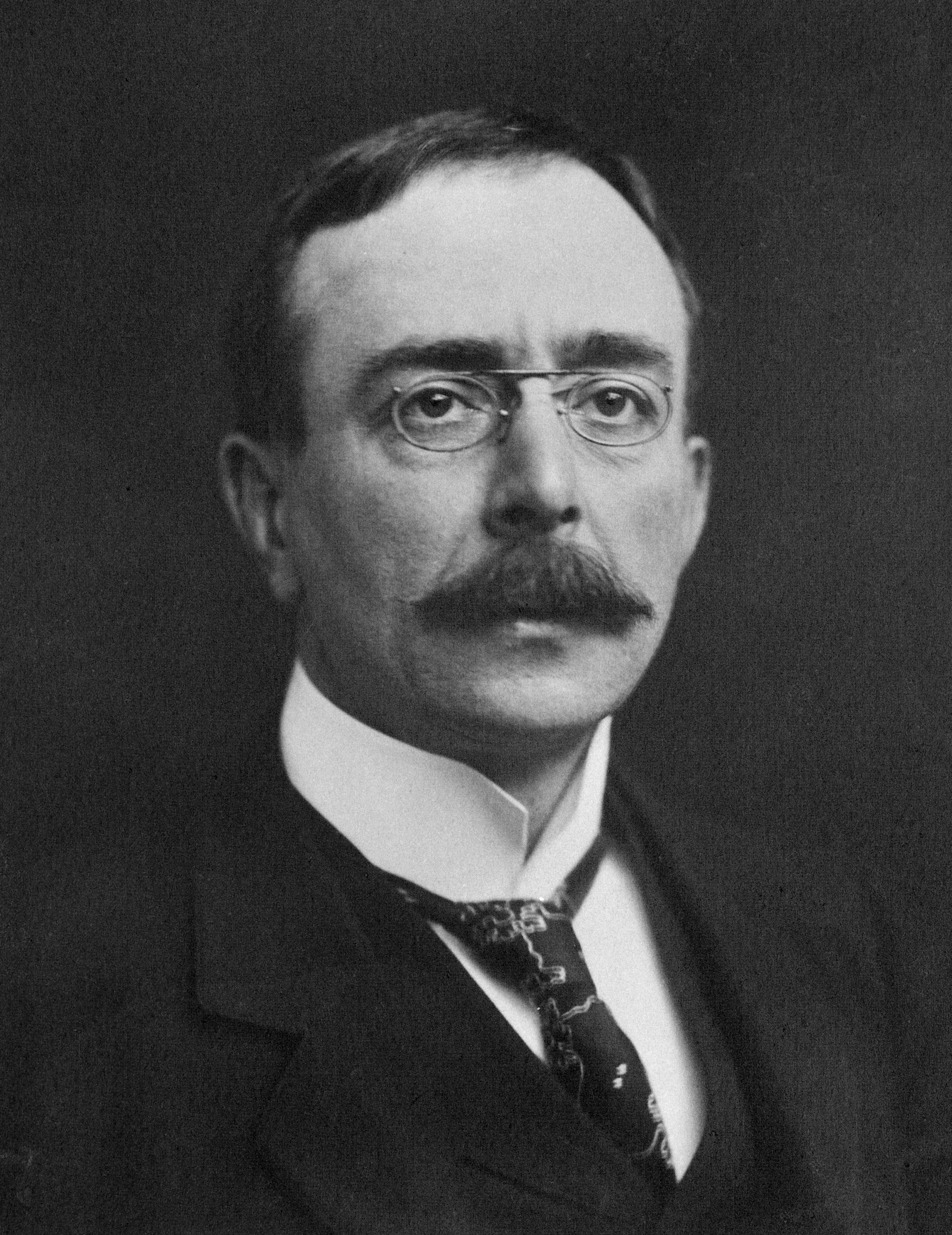
A collective work and a classic textbook of physiology, edited by Schäfer using the original version of his last name. He was a pupil of Sharpey, and when that great man died without any known descendants Schäfer gave…
1899
#650
Animals in motion.
1901
#651
The human figure in motion. An electro-photographic investigation of consecutive phases of muscular actions.
Muybridge, an Englishman, made exhaustive photographic investigations of consecutive animal movements while he was in America. More than 100,000 photographs were embodied in his Animal locomotion. An electro-photograp…