
Entry Nos. 2400–2499
99 Garrison-Morton entries in this range.
1808 –1810
#2449
Entozoorum, sive verminum intestinalium, historia naturalis. 2 vols.
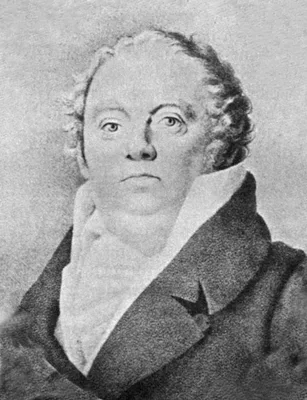
A system of helminthology. Rudolphi gave the name “echinococcus” to the common vesicular hydatid, describing three species. Digital facsimile from Biodiversity Heritage Library at this link .
1853
#2450
Ueber Cestoden im allgemeinen und die des Menschen insbesondere, hauptsächlich mit Berücksichtigung ihrer Entwickelungsgeschichte, geographischen Verbreitung, Prophylaxe und Abtreibung; für Freunde der Naturwissenschaften, Aerzte, Medicinalpolizei-Beamte, Staats- und Privat-Oekonomen.
Kuchenmeister conducted research on tapeworms, trichinosis, and other parasites and wrote about it several works. In 1852, his theory that bladder-worms are juvenile tapeworms gained the attention of the medical profe…
1860
#2451
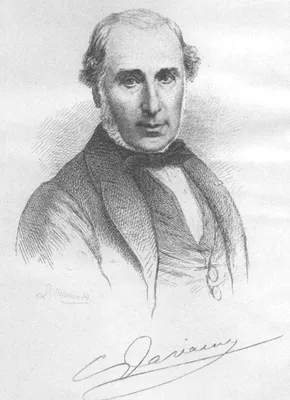
Traité des entozoaires et des maladies vermineuses.
1864 –1869
#2452
Entozoa. 2 pts.
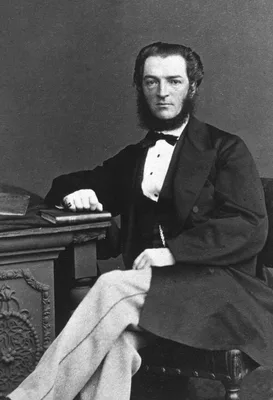
Cobbold was the most distinguished helminthologist of his time. He named Filaria bancrofti, Bilharzia haematobia, and several other parasites. He was a friend of Manson, several of whose papers he communicated to the …
1862 –1876
#2453
Die menschlichen Parasiten und die von ihnen herrührenden Krankheiten. 2 vols.
Includes the first complete and accurate account of the life history and morphology of Taenia echinococcus. Leuckart proved the relationship between hydatid cysts and minute tape-worms in dogs. English translation, Ed…
1883
#2454
Die thierischen Parasiten des Menschen.
1883
#2455
The Filaria sanguinis hominis and certain new form of parasitic disease in India, China and warm countries.
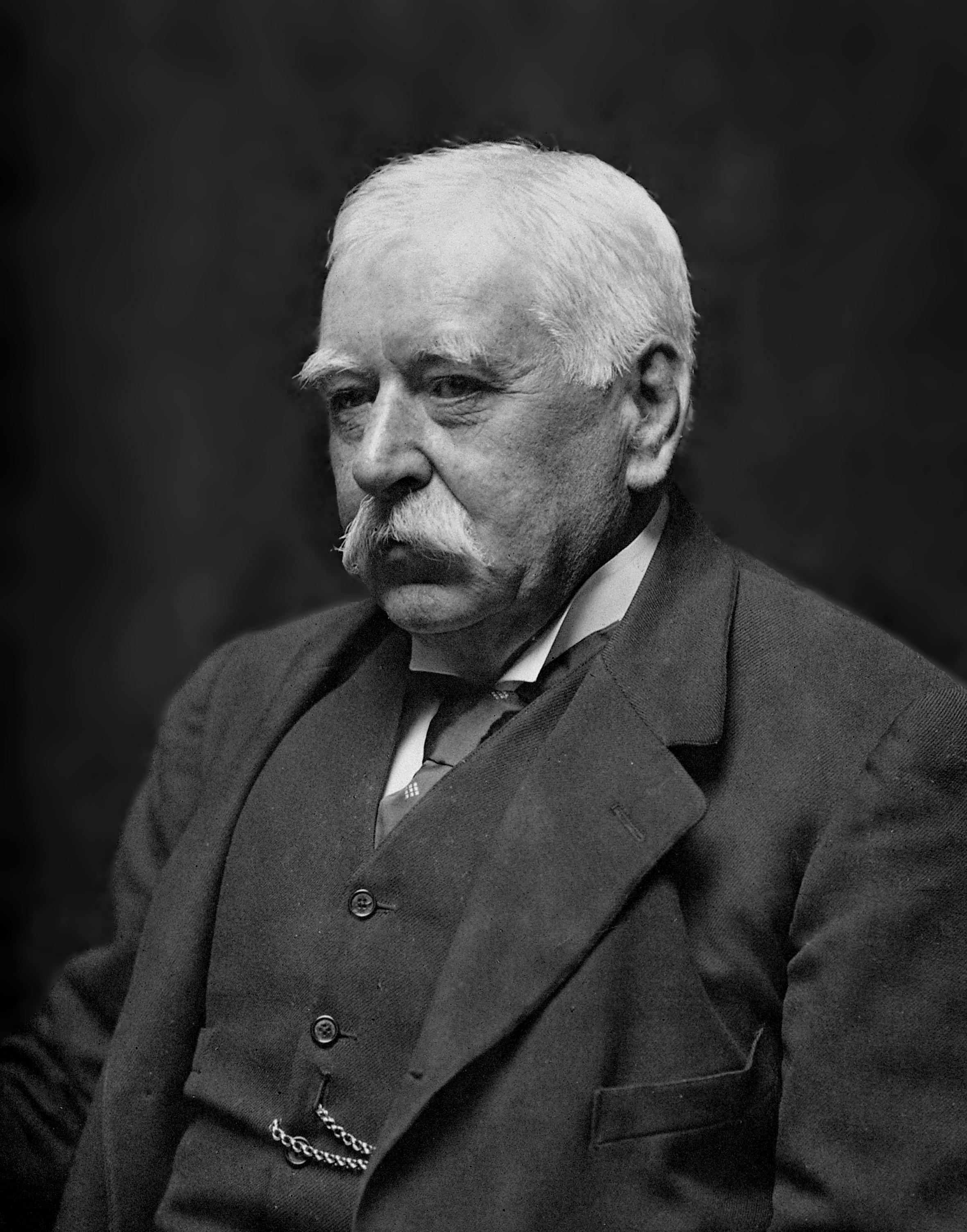
A collection of several papers written by Manson.
1886 –1890
#2456
Traité de zoologie médicale. 2 vols.
Digital facsimile from the Internet Archive at this link.
1898
#2457
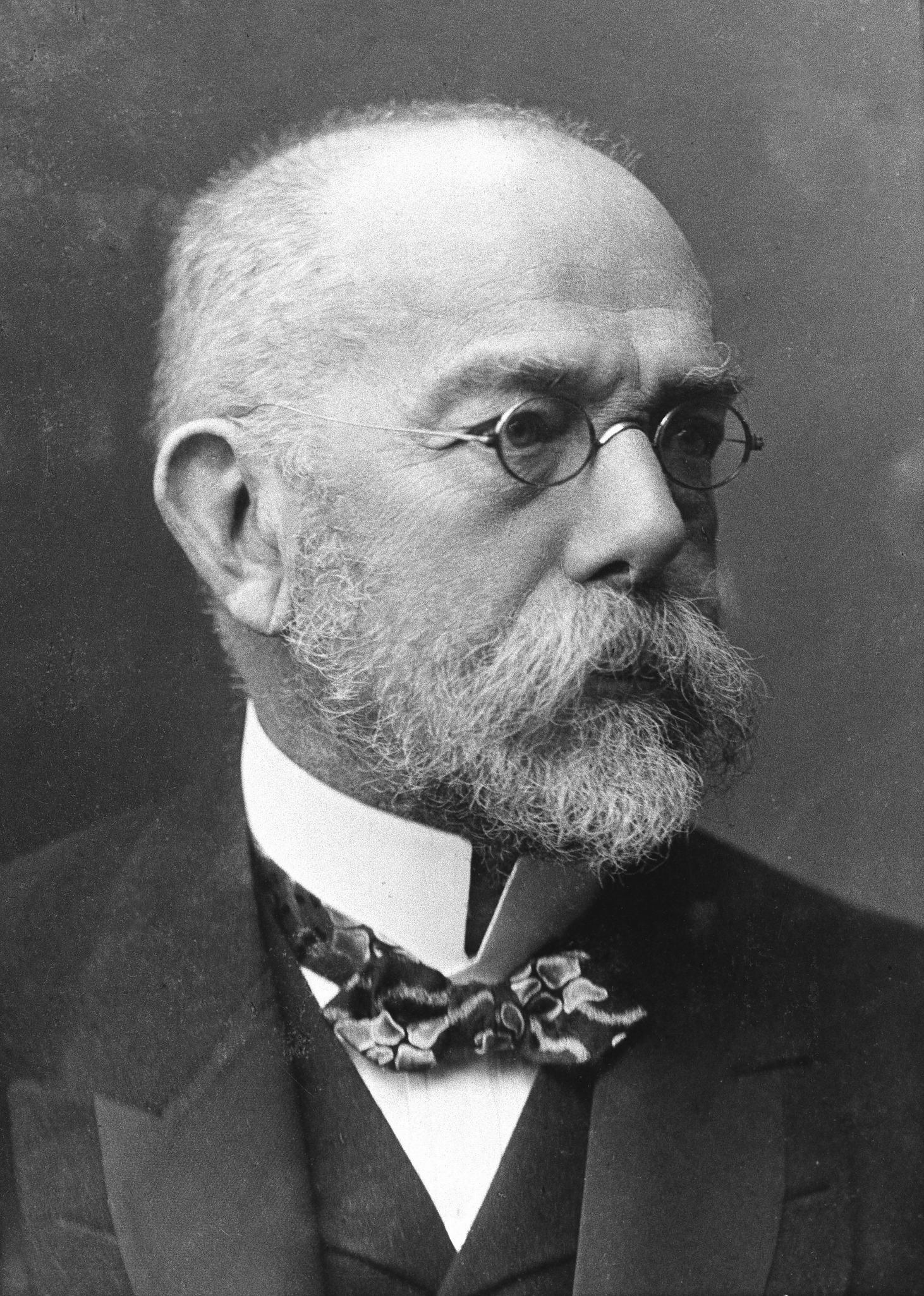
Reise-Bericht über Rinderpest, Bubonenpest in Indien und Afrika, Tsetse-oder Surrakrankheit, Texasfieber, tropische Malaria, Schwarzwasserfieber.
1903 –1915
#2458
Protozoa and disease. 4 vols.
1904
#2459
Researches in helminthology and parasitology. With a bibliography of his contributions to science.
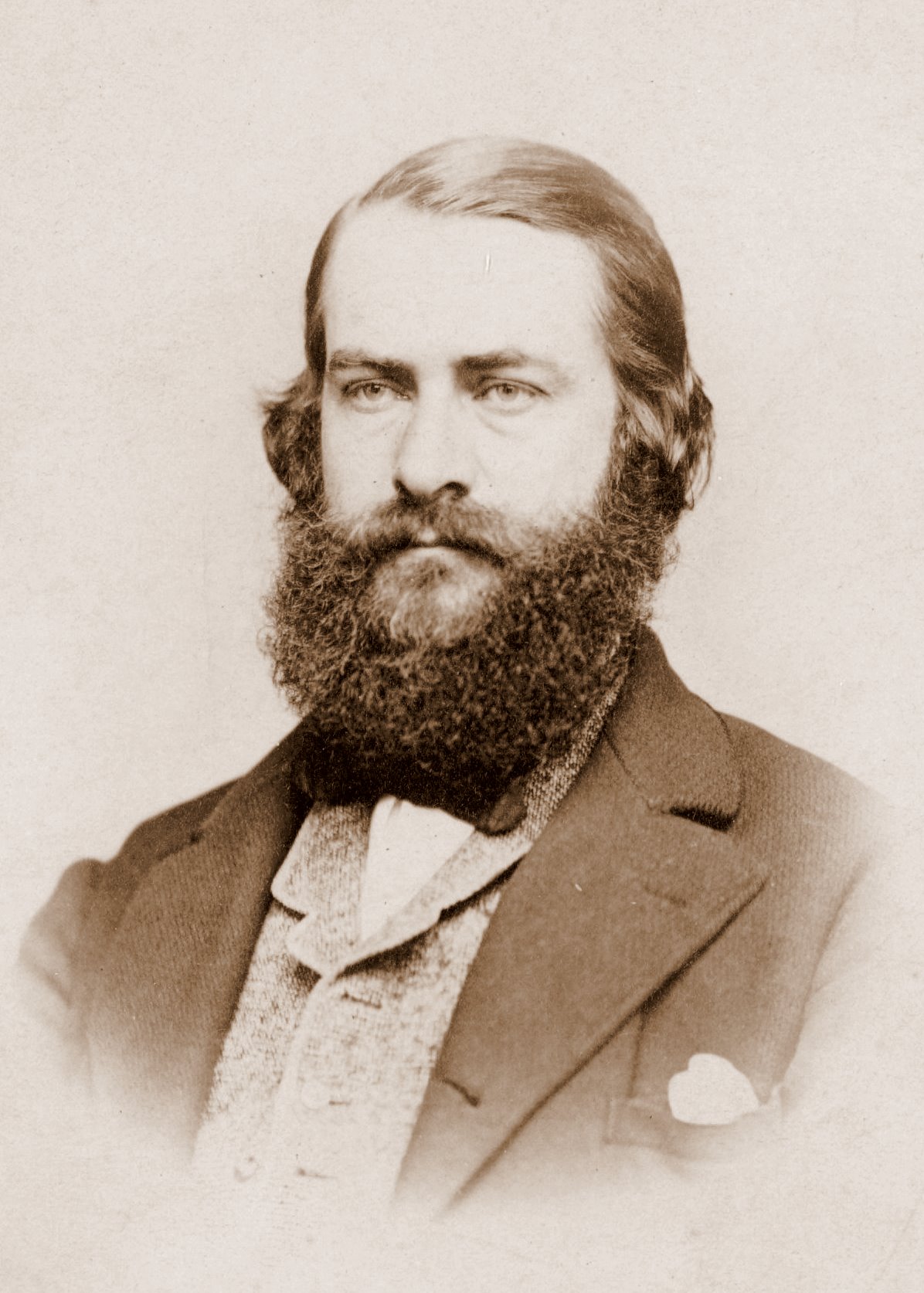
In vol. 46 of Smithsonian Miscellaneous Collections. Leidy was called the greatest descriptive naturalist in mid-19th century America.
1917
#2460
Life history of Ascaris lumbricoides and related forms.
1925
#2461
Key-catalogue of the protozoa reported for man.
1926
#2462
Protozoology. 2 vols.
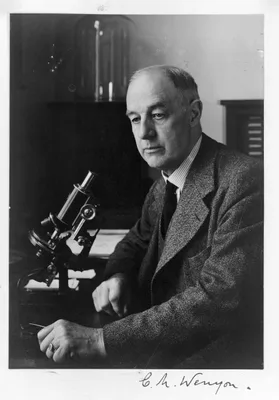
Wenyon was one of the world’s foremost authorities on medical protozoology.
1929
#2463
Landmarks in medical helminthology.
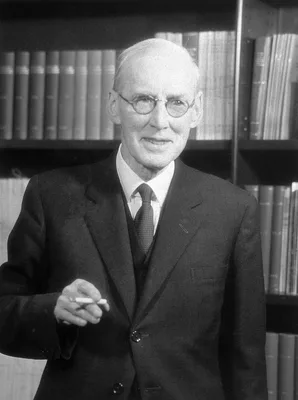
1659
#2464
Diatribae duae medico-philosophicae, quarum prior agit de fermentatione sive de motu intestino particularum in quovis corpore, altera de febribus sive de motu earundum in sanguine animalium.
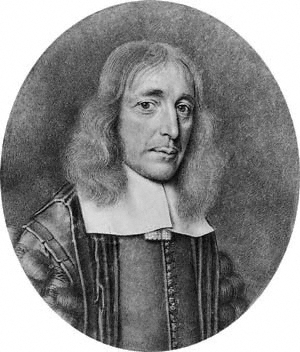
Includes (De febribus, cap. X, XIV) first description of epidemic typhoid. English translation in his Practice of physick, 1684, Treatise II, 83-98, 1111-18. Contains the earliest suggestion that fermentation is an in…
1778
#2465
Abhandlung fiber die Saamen- und Infusionsthierchen, und über die Erzeugung: nebst mikroskopischen Beobachtungen des Saamens der Thiere, und verschiedener Infusionen.
Gleichen was probably the first to attempt to stain bacteria; he used carmine and indigo.
1786
#2466
Animalcula infusoria fluviatilia et marina, quae detexit, systematice descripsit et ad vivum delineari.
Müller was the first to attempt a systematic classification of infusoria. He published several papers on the subject, the best being the above posthumous work. Muller described 8 species of the genus Vibrio (included …
1787
#2467
Dell’arte de fare il vino.
Fabbroni was the first to promote modern ideas on the nature of fermentation. He showed that air was not considered necessary for fermentation to take place; he was first to regard the ferment as an albumenoid substan…
1817
#2468
Vergiftung durch verdorbene Würste.
Botulism first described. Kerner published an expanded study as Neue Beobachtungen über die in Würtemberg so häufig vorfallenden tödtlichen Vergiftung durch den Genuss geräuchter Würstem, Tübingen, 1820. He published …
1841
#2470
Histoire naturelle des zoophytes.
Further modification of and improvements in the classification of bacteria.
1842
#2471
History of a case in which a fluid periodically ejected from the stomach contained vegetable organisms of an undescribed form.
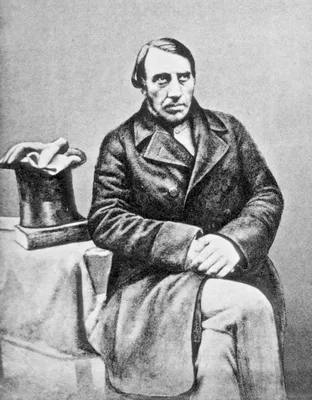
First description of Sarcina ventriculi, discovered by Goodsir.
1857
#2472
Mémoire sur la fermentation appelée lactique.
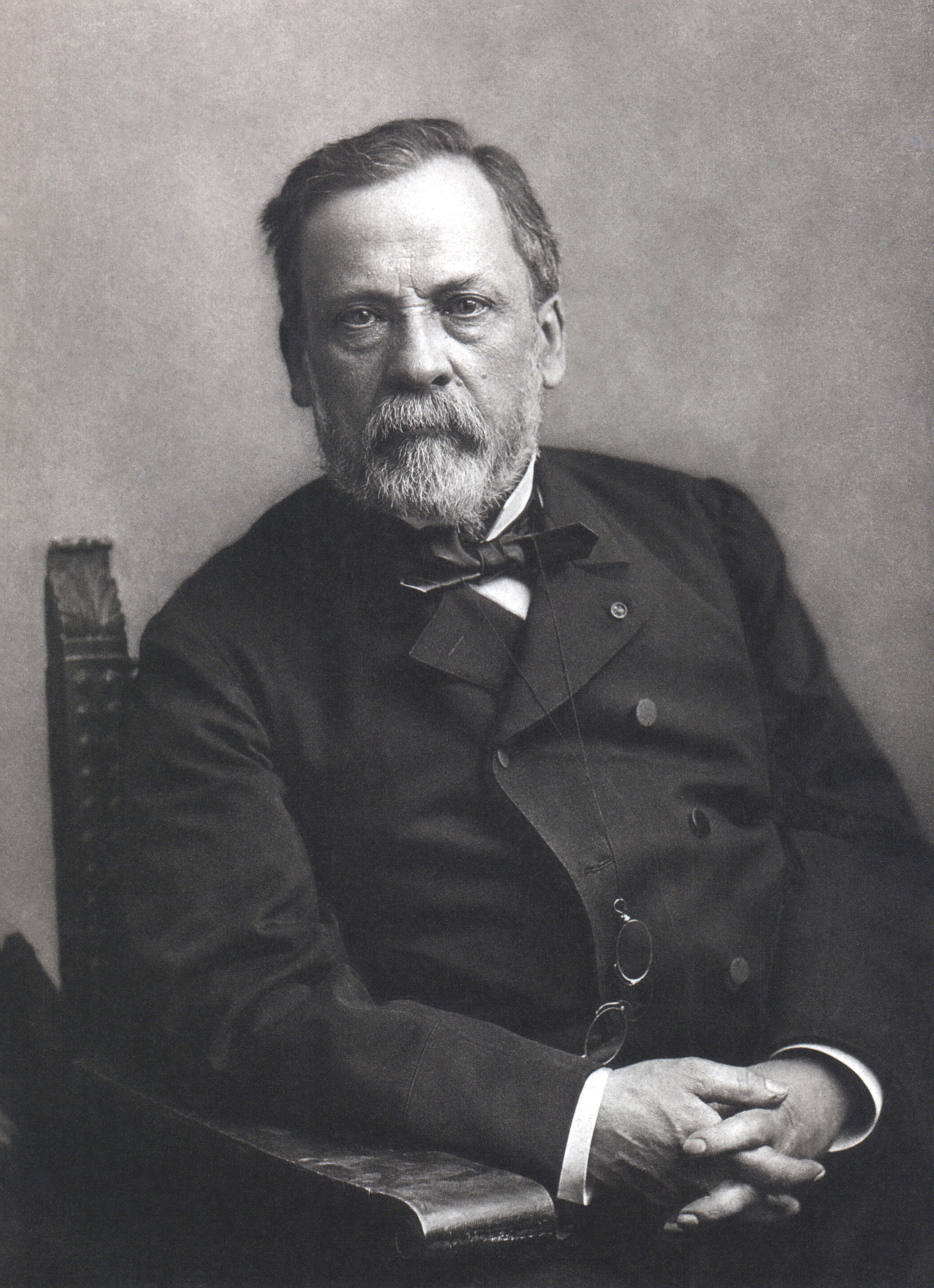
First demonstration of the connection between a specific fermentation and the activity of a specific living micro-organism. This paper is often considered the beginning of bacteriology as a modern science. The above w…
1859
#2473
Nouveaux faits pour server à l’histoire de la levure lactique.
This and the preceding entry mark Pasteur’s commencement of the study of fermentation. This paper described Pasteur’s method of cultivating micro-organisms in a medium free of organic nitrogen to produce fermentations…
1860
#2474
Expériences relatives aux générations dites spontanées.
1861
#2475
Mémoire sur les corpuscles organisés qui existent dans l’atmosphère. Examen de la doctrine des générations spontanées.
In these easily reproducible experiments, prefaced by an important historical introduction, Pasteur demonstrated beyond dispute that fermentation is caused by the action of minute living organisms, and that if these a…
1863
#2476
Nouvel exemple de fermentation determinée par des animalcules infusoires pouvant vivre sans gaz oxygène libre, et en dehors de tout contact avec l’air de l’atmosphere.
Pasteur confirmed the fact, established by Schwann (No. 674) that putrefaction was a biological process.
1863
#2477
Examen du rôle attribué au gaz oxygène atmosphérique dans la destruction des matières et végétales après la mort.
1863
#2478
Recherches sur la putréfaction.
Pasteur was the first to differentiate between aerobic and anaerobic organisms. (See also Nos. 2476-77.)
1866
#2479
Études sur le vin.
Although Pasteur’s method of preserving wine by partial heat sterilization (“pasteurization”) turned out to be a revival of Appert’s invention (No. 2467.1), Pasteur did rescue the method from oblivion and established …
1868
#2480
Études sur le vinaigre.
Pasteur proved that a microorganism was essential to acetification and developed a patented method which greatly increased the efficiency of production.
1870
#2481
Études sur la maladie des vers à soie. 2 vols.
This work saved the French silk industry, which had been crippled by the disease pébrine. After three years of research on the problem, Pasteur was able to show that the disease known as pébrine was caused by a parasi…
1871
#2482
Ueber Bakterien in der Pockenhaut.
Weigert was the first to stain bacteria. He introduced many of the best staining methods in use today. Weigert discovered bacteria in hemorrhagic smallpox. In the same paper is described how carmine will color cocci.
1872
#2483
Untersuchungen über Bacterien.
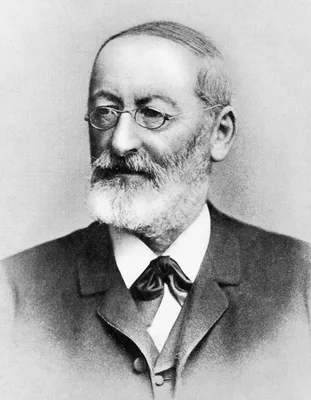
Cohn’s morphological classification of bacteria. He founded the Beiträge.
1873
#2484
A further contribution to the natural history of bacteria and the germ theory of fermentative changes.
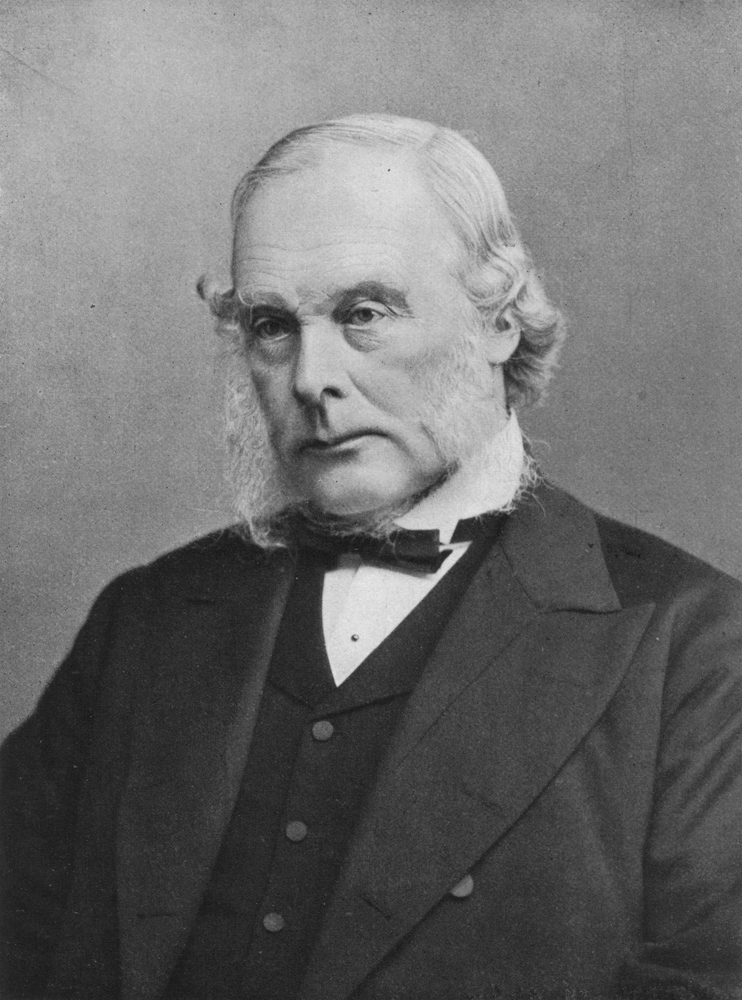
Isolation of Bacterium lactis, the specific micro-organism responsible for the lactic acid fermentation of milk.
1876
#2485
Études sur la bière, ses maladies, causes qui les provoquent, procédé pour la rendre inaltérable; avec une théorie nouvelle de la fermentation.
Pasteur resumed his studies on fermentation in 1876, and in this book took into account the developments in this field since his previous publications on the subject. He described a new and perfected method of prepari…
1876
#2486
Ueber eine Mykose bei einem neugeborenen Kinde (Bakterienfärbung mit Anilinfarben).
In this paper Weigert showed that methyl violet will reveal cocci in tissues.
1877
#2487
Beitrag zur Kenntnis der Anilinfärbungen und ihrer Verwendung in der mikroskopischen Technik.
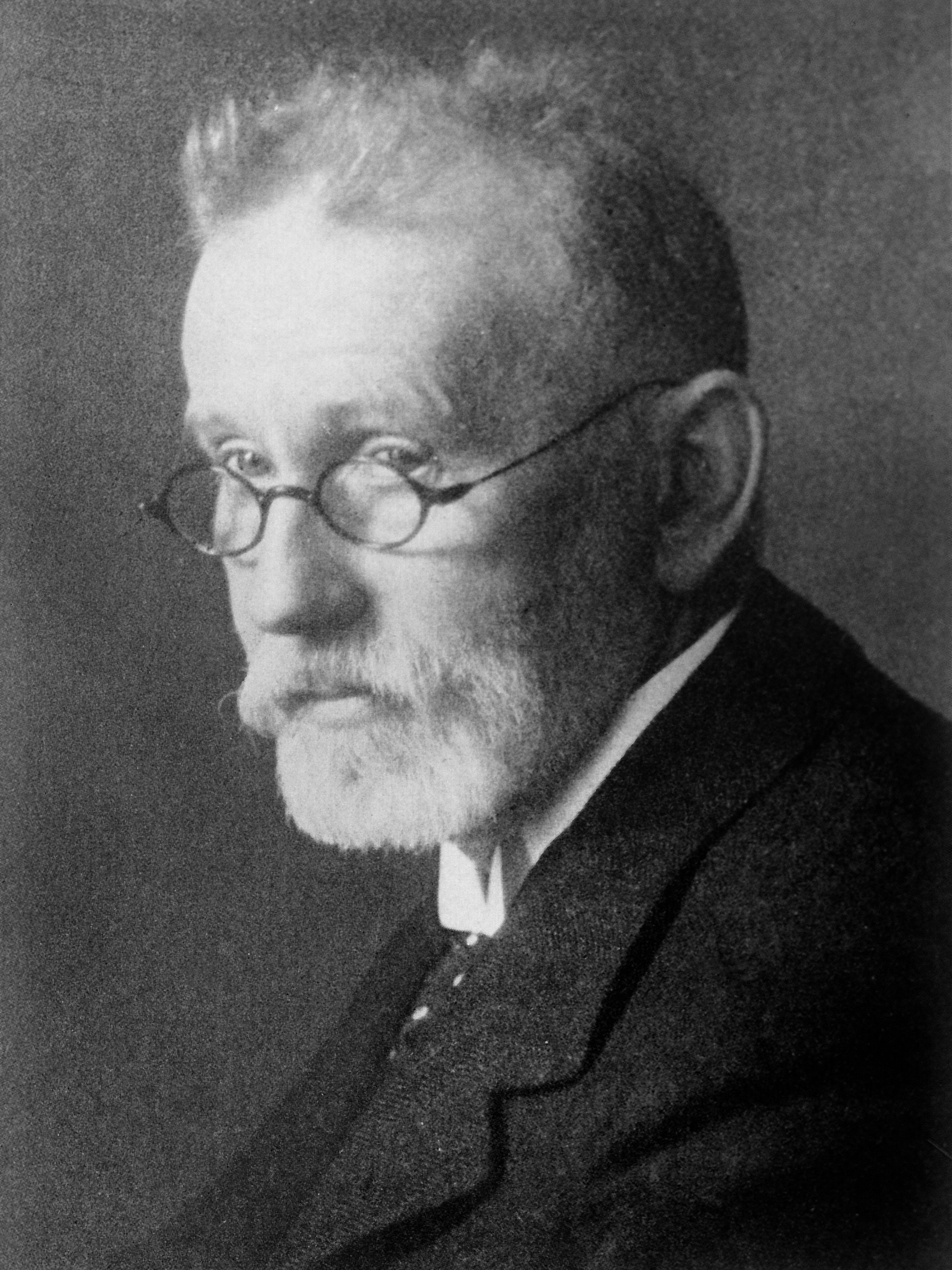
Ehrlich’s first paper on the staining of specific granulation in white blood corpuscles by means of aniline dyes. His work immensely affected subsequent technical methods of staining.
1877
#2488
Verfahrungen zur Untersuchung, zum Conserviren und Photographiren der Bacterien.
Koch greatly improved staining methods; he laid the foundations of the technical procedures employed in bacteriology today. In the above paper he described his method of slide preparation, making films of bacteria on …
1877 –1878
#2489
On the lactic fermentation and its bearings on pathology.
Lister was the first to obtain a pure culture of a bacterium (Bact. lactis). Lister first presented the results of this research in an address to the Royal Society on December 18, 1877. Because of its historic signifi…
1877
#2491
Fermentation and its bearings on the phenomena of disease.
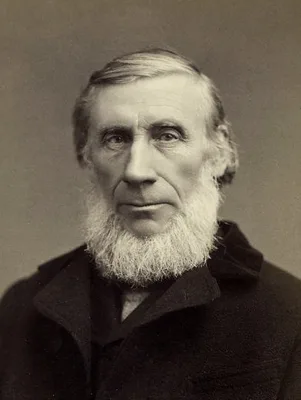
See No. 2495.
1878
#2492
Les bactéries.
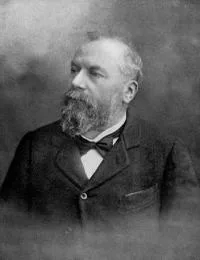
Translated into English by George M. Sternberg as The bacteria (Boston, 1880). Sternberg illustrated the American edition with 5 heliotype reproductions of his own photomicrographs.
1881
#2493
Ueber das Methylenblau und seine klinisch-bakterioskopische Verwerthung.
Introduction of methylene blue in bacteriological staining.
1881
#2494
Report upon micro-organisms in surgical diseases.
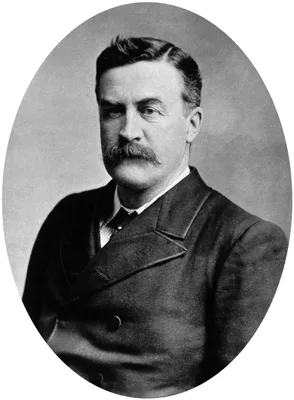
Ogston showed that micrococci are constantly present in acute and chronic abscesses. He discovered Staphylococcus aureus. Ogston named staphylococcus in his paper, "Micrococcus poisoning," J. Anat. Physiol., 1882, 16,…
1881
#2495
Essays on the floating-matter of the air in relation to putrefaction and infection.
Tyndall interested himself in atmospheric germs and dust. His experiments on sterilization by heat led him to the discovery in 1877 of fractional sterilization (Tyndallization). His work on the subject is included in …
1882
#2496
Ueber Erysipel.
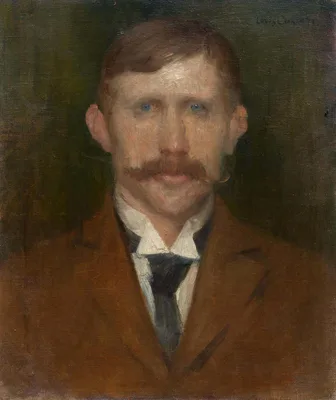
Discovery of Strep pyogenes, infectious agent of scarlet fever and other streptococcal illnesses. Fehleisen cultured it from perierysipelas lesions on humans. English translation, 1886.
1882
#2497
Sur les colorations bleue et verte des linges à pansements.
Isolation of Pseudomonas aeruginosa (Ps. pyocyanea).
1883
#2498
Sur une forme de tuberculose sans bacilles.
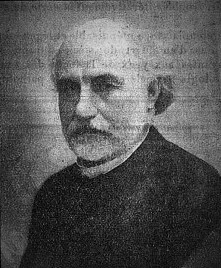
Isolation of Pasteurella pseudotuberculosis.
1884
#2499
Ueber die isolirte Färbung der Schizomyceten in Schnitt- und Trocken-präparaten.
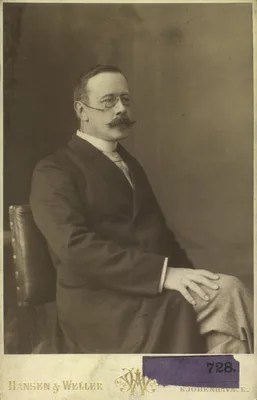
Gram’s method of staining bacteria (Gram stain). While not all bacteria may be definitively classified in this way, it is almost always the first step in the preliminary identification of a bacterial organism.