
1870–1879
662 entries with publication dates in this decade.
1873 –1874
#3823
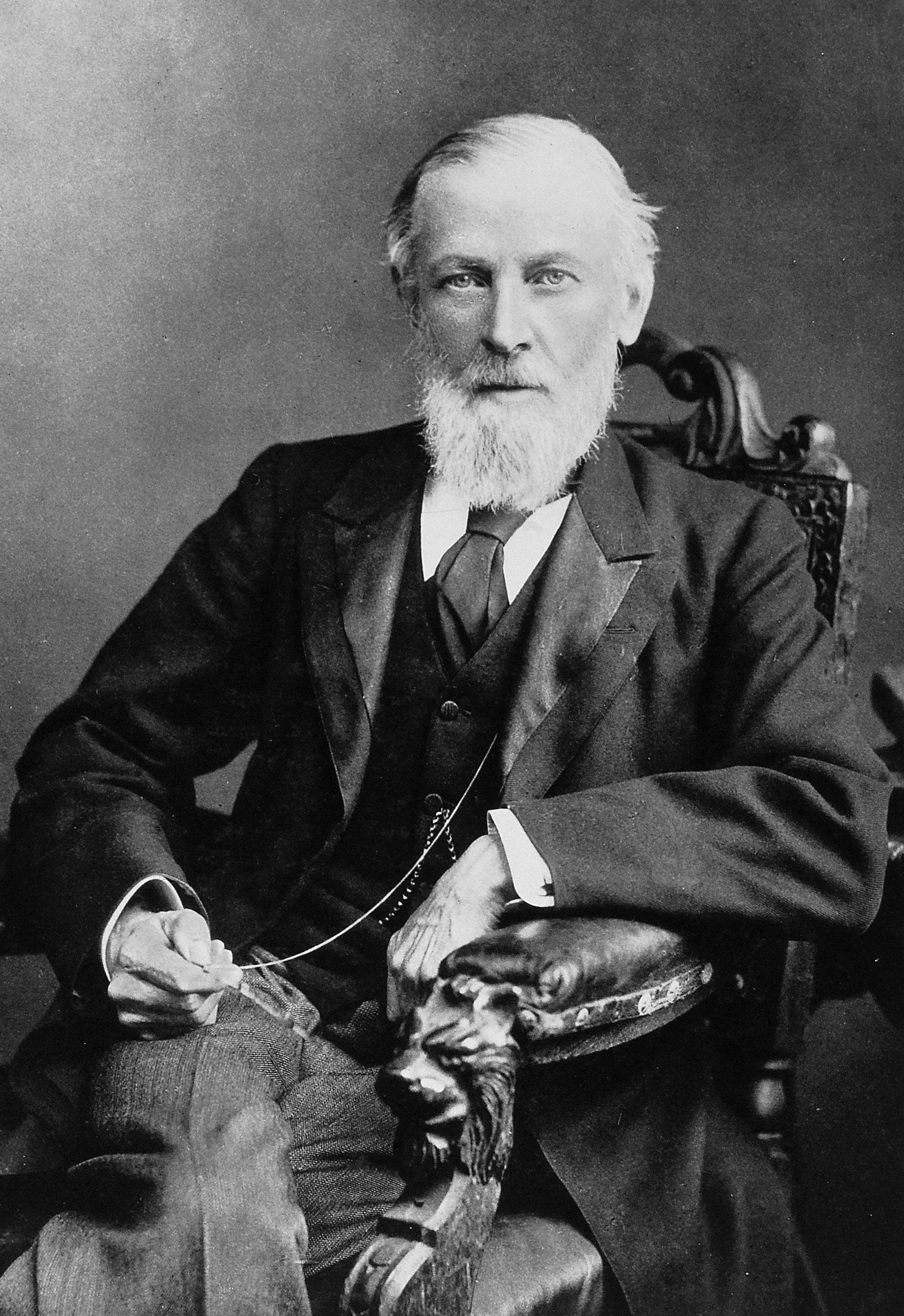
On a cretinoid state supervening in adult life in women.
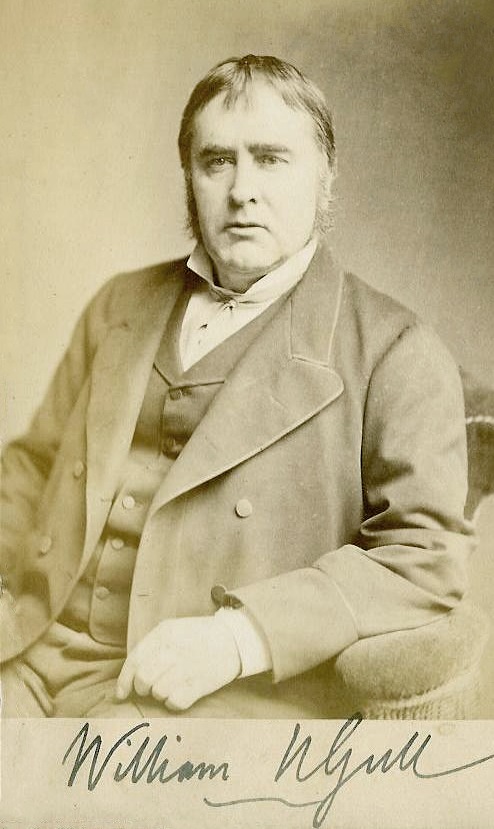
Gull was among the first to point out the cause of myxedema, of which the above paper gives a classic description. Gull was associated with Guy’s Hospital, London, for most of his life.
1873
#4064
Erythema serpens.
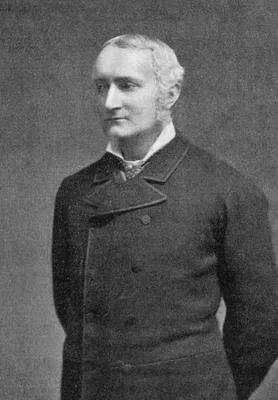
First description of erythema serpens, usually called “erysipeloid of Rosenbach”, following the latter’s paper in Arch. klin. Chir., 1887, 36, 346.
1873
#4065
On dysidrosis (an undescribed eruption).
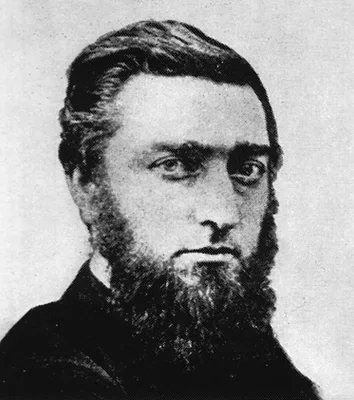
Original description of dysidrosis (pompholyx).
1873
#4215.1
Lectures on Bright’s disease: with special reference to pathology, diagnosis, and treatment.
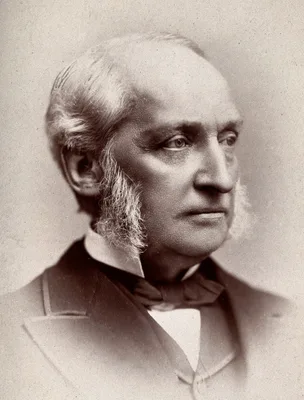
Johnson showed that fatty infiltrations of the renal tubules are reflected by the presence of fatty casts and droplets in the urine, thus introducing the concept of lipoid nephrosis associated with nephrotic syndrome.
1873 –1874
#4976
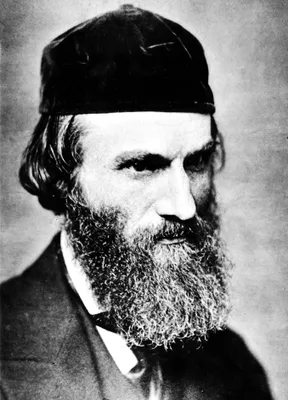
Grundzüge der physiologischen Psychologie. 2 pts.
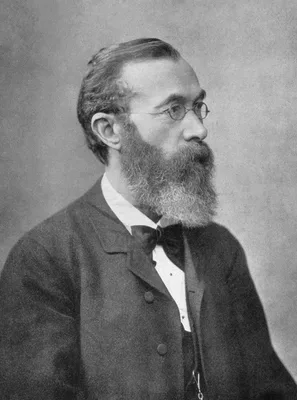
Wundt made experimental investigations of normal individual reactions, reflex responses, and general behavior, and interpreted them in terms of neural mechanisms. He was the founder of experimental psychology, and his…
1873
#5314
Vorkommen feinster, eine Eigenbewegung zeigender Fäden im Blute von Recurrenskranken.
Discovery (in 1868) of Borrelia recurrentis, causative agent in relapsing fever.
1873
#5029
Typhoid fever; its nature, mode of spreading, and prevention.
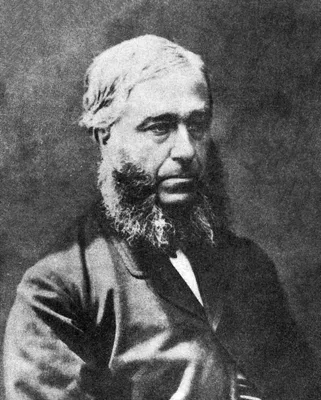
Budd insisted that typhoid fever was spread by contagion and established the fact that infection with typhoid came from the dejecta of the patients; he strengthened the theory of water-born infection. See also his ear…
1873
#5907
Zur sogenannten Commotio retinae.
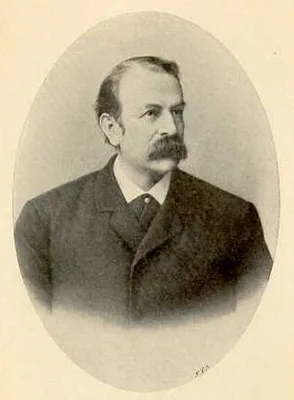
Berlin, professor of ophthalmology at Rostock, described the traumatic edema of the retina which is sometimes referred to as “Berlin’s edema”.
1873 –1874
#5908
Kératoscopie.
Introduction of the shadow test (retinoscopy), sometimes called “Cuignet’s method”.
1873
#5909
Light for the blind: A history of the origin and success of Moon’s system of reading (embossed in various languages) for the blind.
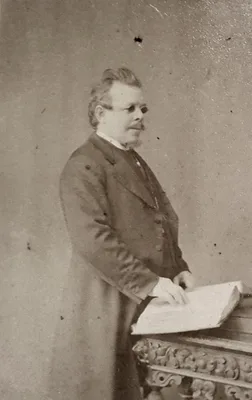
Moon became totally blind at the age of 22. He taught other blind people and devised a simplified form of roman letters, embossed on paper, for use by blind readers. This was in 1845, and two years later he published …
1873 –1875
#5910
Atlas der pathologischen Anatomie des Augapfels. Atlas of the pathological anatomy of the eyeball
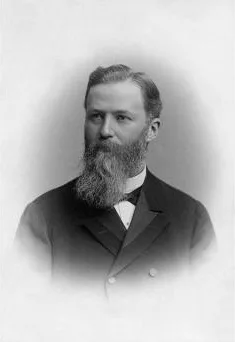
Text in German and English; Sir W. R. Gowers was responsible for the English translation. Digital facsimile from the Bayerische StaatsBibliothek at this link.
1873
#5611
Ueber künstliche Blutleere bei Operationen.
Esmarch bandage for surgical hemostasis. English translation New Sydenham Society, 1876.
1873
#5671
Description of a new double current inhaler for administering ether.
Clover’s gas-ether inhaler.
1873
#6570
Danmarks Laeger og Laegevaesen fra de aeldste Tider indtil Aar 1800. 2 vols.
1873
#6393
Histoire de la médecine et des doctrines médicales. 2 vols.
1873 –1877
#4548
Ueber eine eigenthümliche Localisation von Lähmungen im Plexus brachialis.
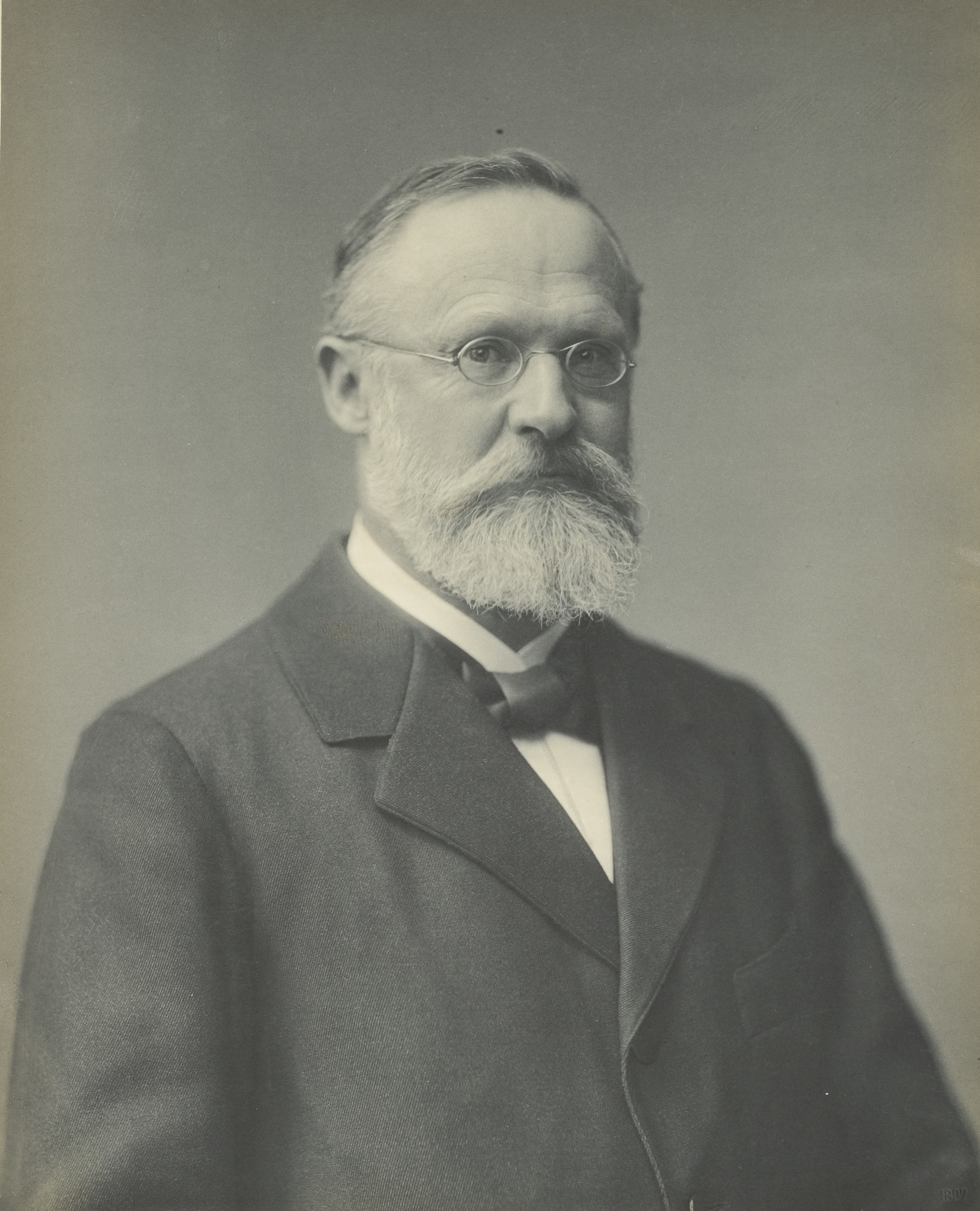
“Erb’s palsy”, first described by Smellie in 1763 and later by Duchenne (No. 4543).
1873 –1892
#7473
La scienza e la pratica della anatomia patologica.
Divided into six parts, as follows: Book I: Delle alterazioni di prima formazione (on teratology) Book II: Delle ipertrofie Book III: Delle atrofie Book IV: Dell’infiammazione e della mortificazione Book V: Dei tumori…
1873
#7483
The depths of the sea. An account of the general results of the dredging cruises of H. M. SS. 'Porcupine' and 'Lightning during the summers of 1868, 1869, and 1870, under the scientific direction of Dr. Carpenter, F.R.S., J. Gwyn Jeffreys, F.R.S., and Dr. Wyville Thomson, F.R.S.
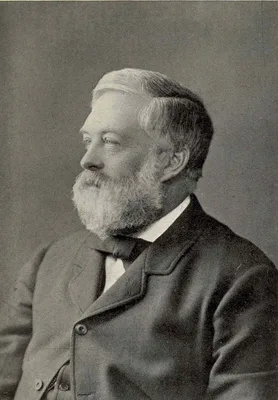
Digital facsimile from the Internet Archive at this link.
1873
#425
Die Corrosions-Anatomie und ihre Ergebnisse: mit 18 chromolithographirten Tafeln.
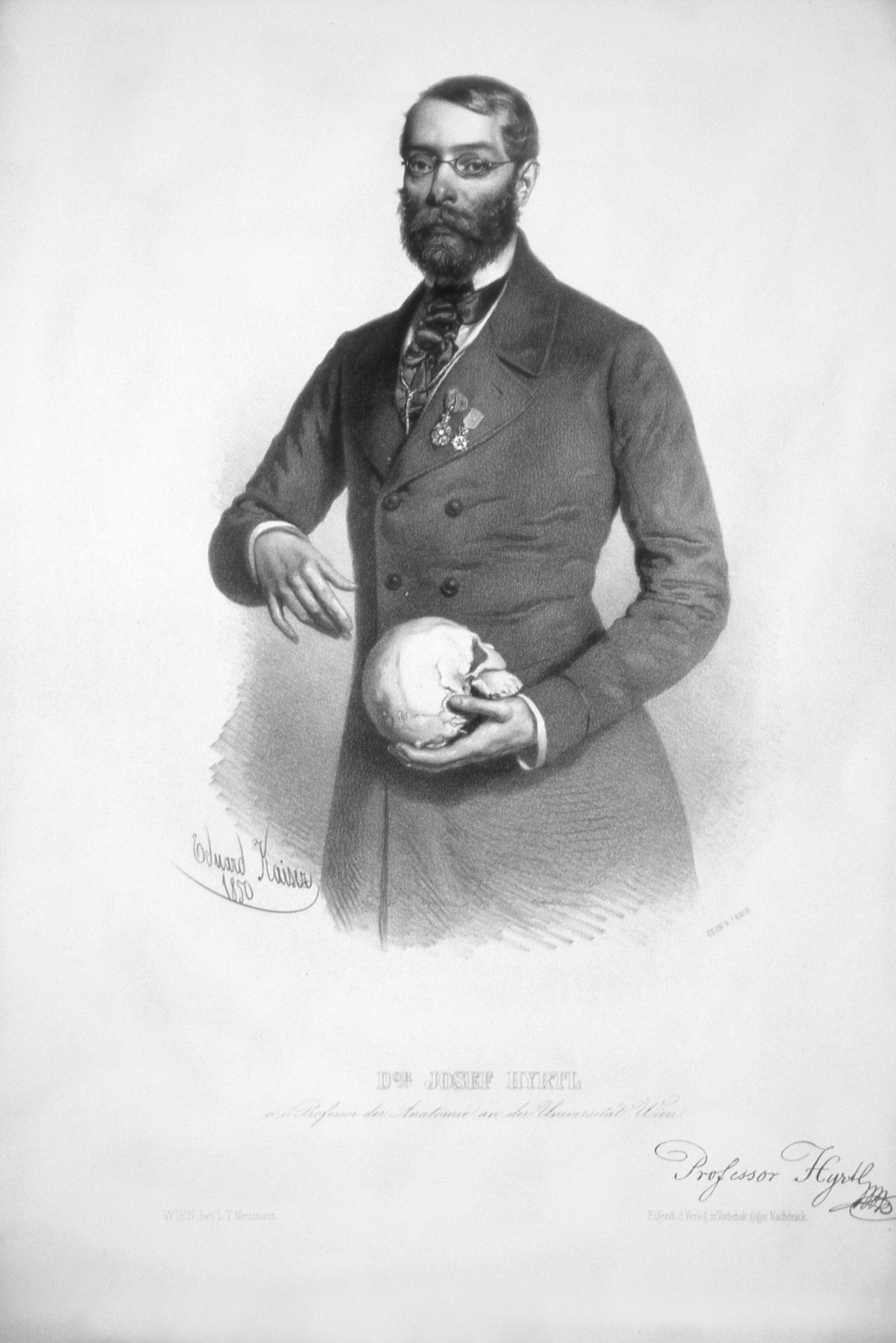
Hyrtl significantly enhanced the techniques of corrosion anatomy, a technique of preparing anatomical specimens invented by Frederik Ruysch. He built up a collection unsurpassed in Europe. In this work Hyrtl described…
1873
#7803
Experimental researches in cerebral physiology and pathology.
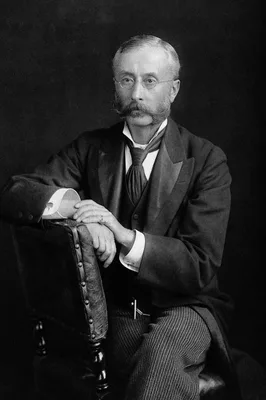
Using a variety of experimental animals, Ferrier demonstrated that various neurologic functions were controlled by separate parts of the cerebrum and that damage or loss of that part created an irrevocable and particu…
1873
#10482
The effects of high atmospheric pressure, including the caisson disease.
Classic study of caisson disease. Smith was "Late Surgeon to the New York Bridge Co. (Caisson Work)", treating workmen who built the Brooklyn Bridge. The Eads Bridge (St. Louis) and the Brooklyn Bridge (New York City)…
1873
#10796
The medical department of the United States army from 1775 to 1873. Compiled under the direction of the Surgeon General by Harvey E. Brown.
Digital facsimile from the Internet Archive at this link.
1873
#11212
Catalogue of the Library of the Surgeon General's Office, United States Army. 3 vols.
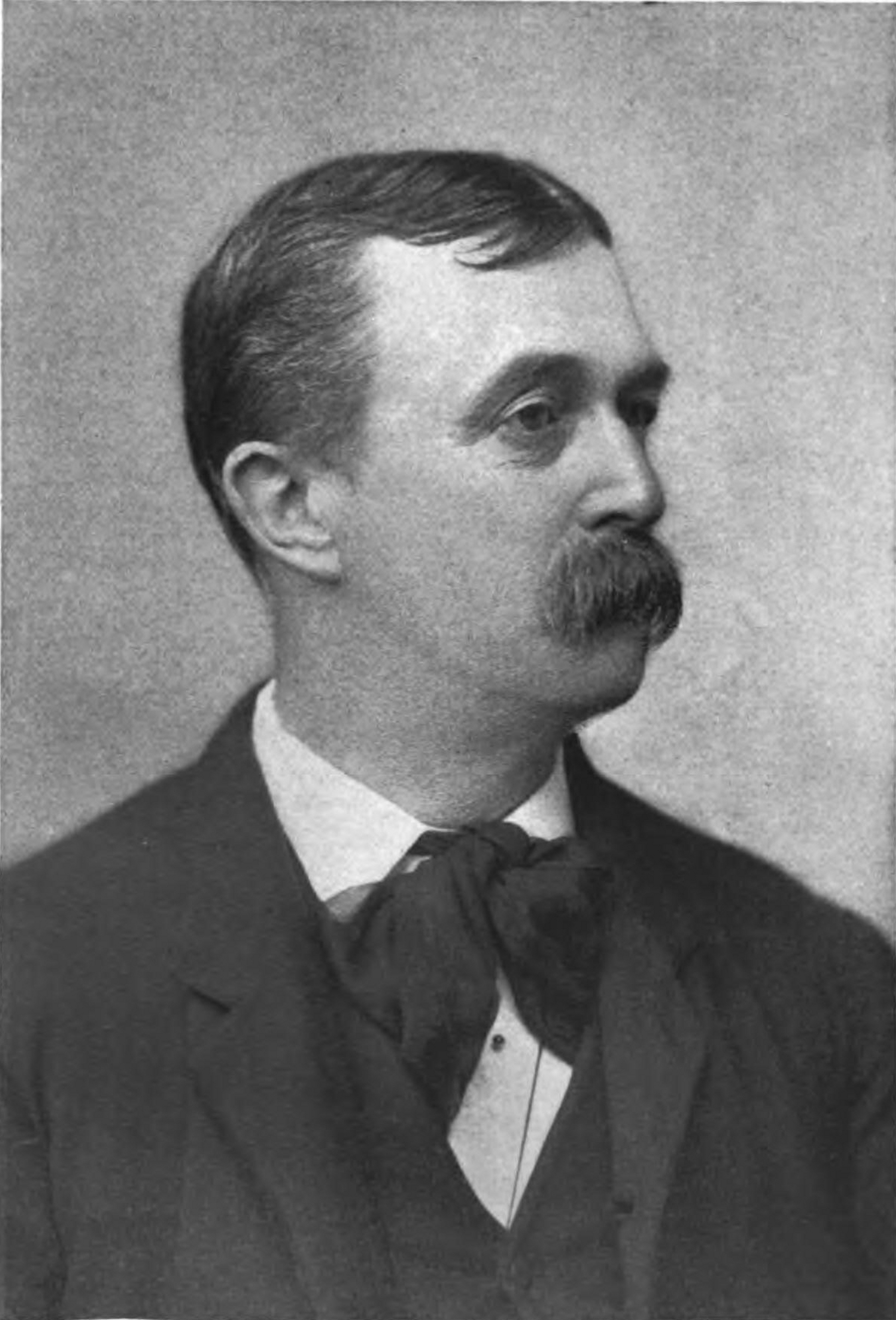
The first formal published catalogue of the ancestor of the US National Library of Medicine, prepared under the supervision of John Shaw Billings. Vols. 1-2 represented an author catalogue A-Z. Vol. 3: Supplement: Ano…
1873
#11333
Découverte d’un squelette humain de l’époque paléolithique dans les cavernes des Baoussé-Roussé dites grottes de Menton.
In March 1872 Rivière discovered an entire fossil human skeleton in a cave at Menton, in the south of France near the Italian border. The skeleton, later known as “Menton man,” closely resembles the Cro-Magnon remains…
1873
#11388
Letter of Johns Hopkins to the trustees of "The Johns Hopkins Hospital".
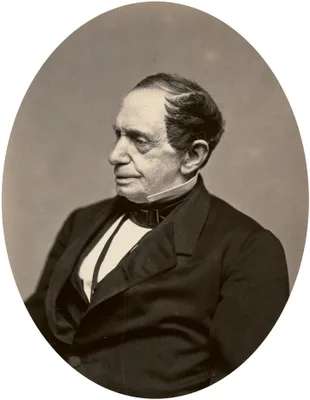
The letter published in this 12-page pamphlet was dated March 10th, 1873. It outlined financier and philanthropist Johns Hopkins' planned bequest and general plans for the Johns Hopkins Hospital. Hopkins died in Decem…
1873
#11444
Cleave's Biographical cyclopaedia of homoeopathic physicians and surgeons.
The first biographical encyclopedia of American homeopathic physicians and surgeons. Digital facsimile from the Internet Archive at this link.
1873
#11565
Removal of a needle from the heart. Recovery of the patient.
"The first occasion on which a surgeon deliberately operated on an injured heart was in October 1872. This followed a brawl in a public house in East London, after which a 31-year-old man could not find a needle he us…
1873
#11749
Heart studies in Australia, with observations on aneurism of the aorta.
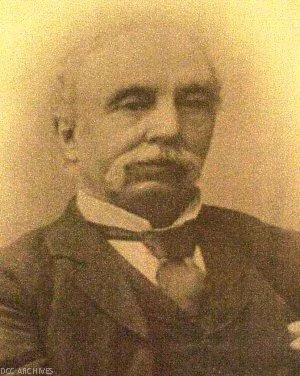
The first book on heart disease written by an Australian physician and published in Australia.
1873
#12261
Eine periodische Function des isolirten Froschherzen.
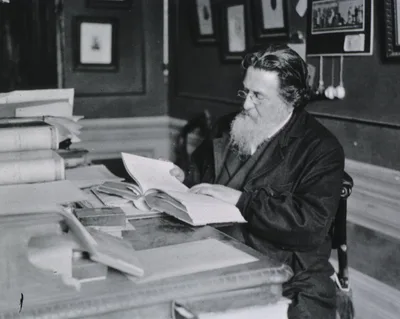
"Using an isolated frog heart preparation with ligatures around the atria, Luigi Luciani, an Italian physiologist working in 1873 in Carl Ludwig’s famous laboratory in Leipzig, was the first to demonstrate cardiac gro…
1873
#12879
A monograph of the Paradiseidae or birds of paradise.
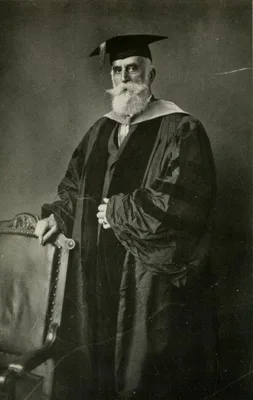
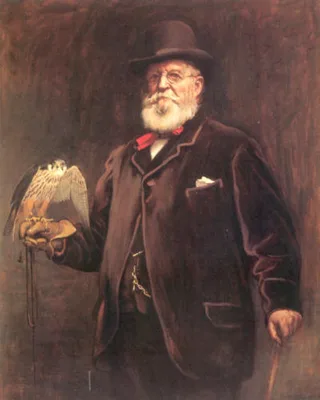
This work contains 36 plates by lithographed Joseph Smit from drawings by Joseph Wolf, and handcolored by J.D. White. Wolf was regarded as the greatest bird artist of his time. Among the birds of paradise there are so…
1874
#823
Beiträge zur Theorie der Herz-und Arterientöne.
1874 –1875
#4550
Klinik der Rückenmarks-Krankheiten.
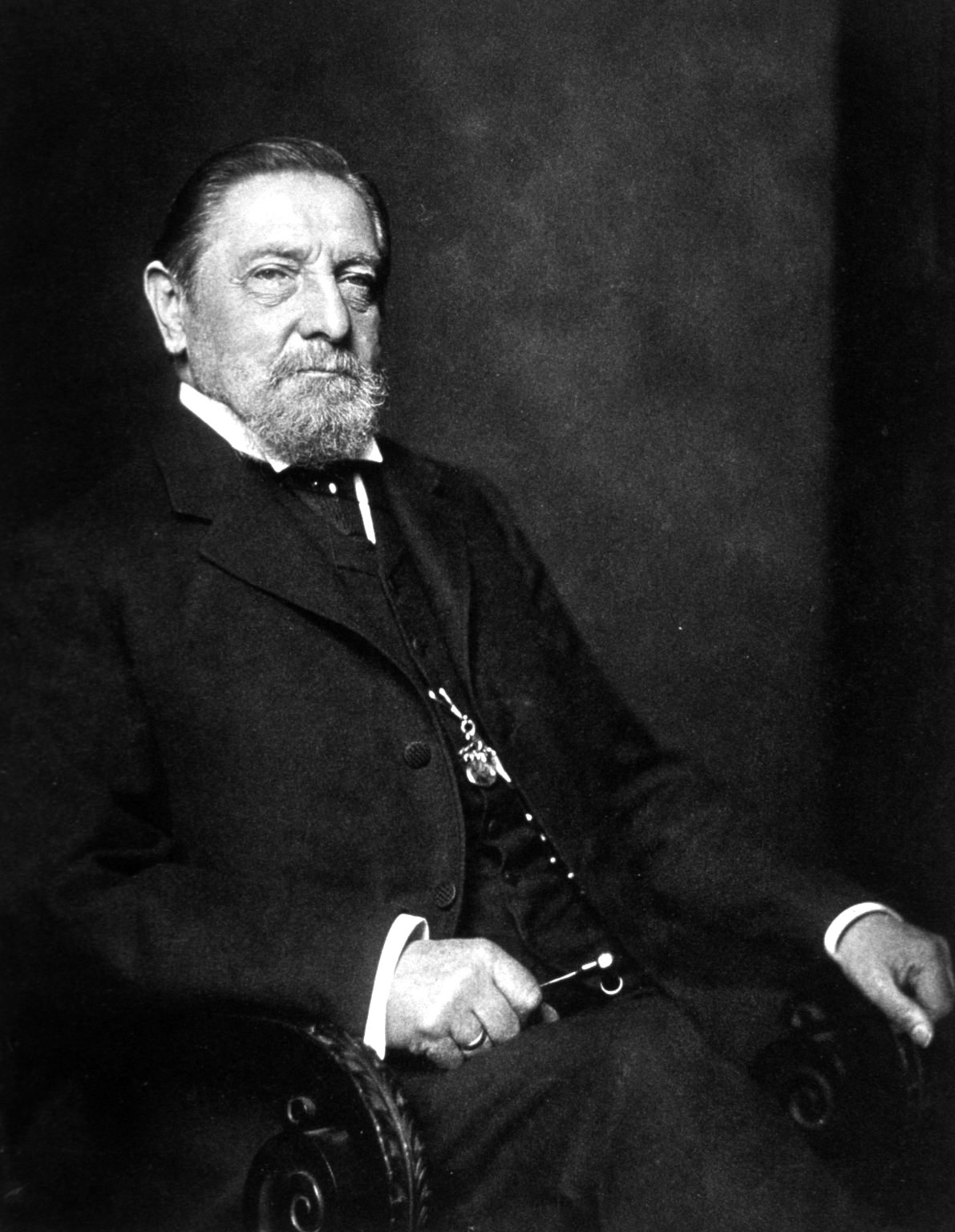
One of Leyden’s best works. He was Professor of Medicine at Berlin, Königsberg, and Strassburg. In vol. 2, p. 65, of the above is given an account of “Leyden’s paralysis”, a form of hemiplegia probably first described…
1874
#4551
Headaches, from heat-stroke, from fevers, after meningitis, from overuse of brain, from eyestrain.
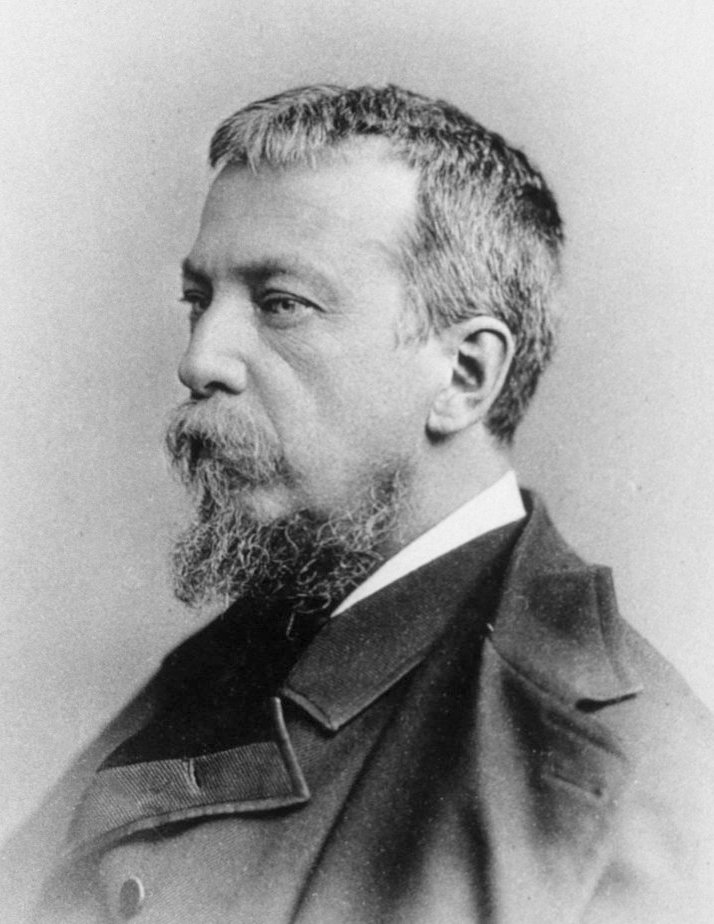
Mitchell drew attention to the importance of eyestrain as a cause of headache.
1874
#4552
Post-paralytic chorea.
First description.
1874
#4623
Der aphasische Symptomencomplex.
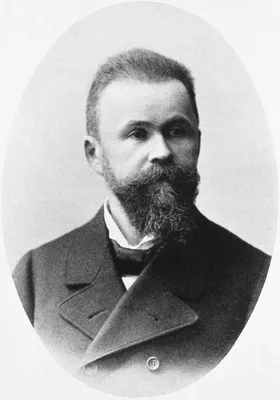
Sensory aphasia (“Wernicke’s aphasia”). Wernicke did important work on the localization of aphasia; he included in his book accounts of alexia and agraphia. English translation in Boston Studies in the Philosophy of S…
1874 –1877
#1012
Ueber das Trypsin.
Isolation of trypsin.
1874
#875
An account of certain organisms occurring in the liquor sanguinis.
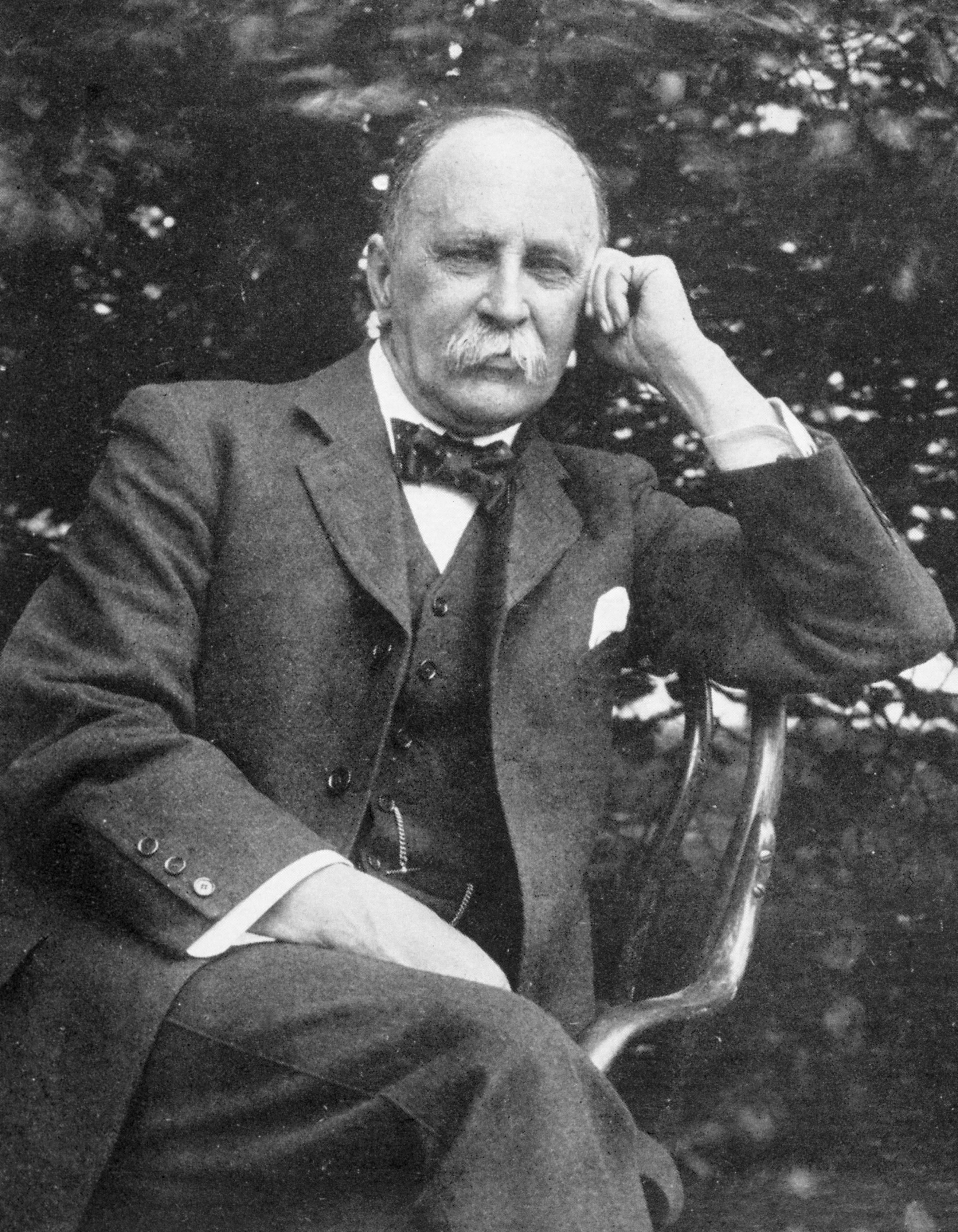
One of the best early descriptions of the blood platelets was given by Osler. He noticed that white thrombi were almost entirely composed of them.
1874 –1875
#1110
Anatomie, physiologie, pathologie des vaisseaux lymphatiques.
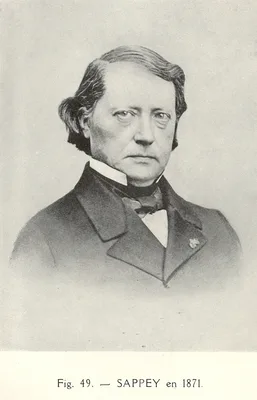
Notable for its illustrations.
1874
#2174
Chirurgische Beobachtungen aus dem Kriege.
Digital facsimile from the Internet Archive at this link.
1874
#4742
Des amyotrophies spinales chroniques.
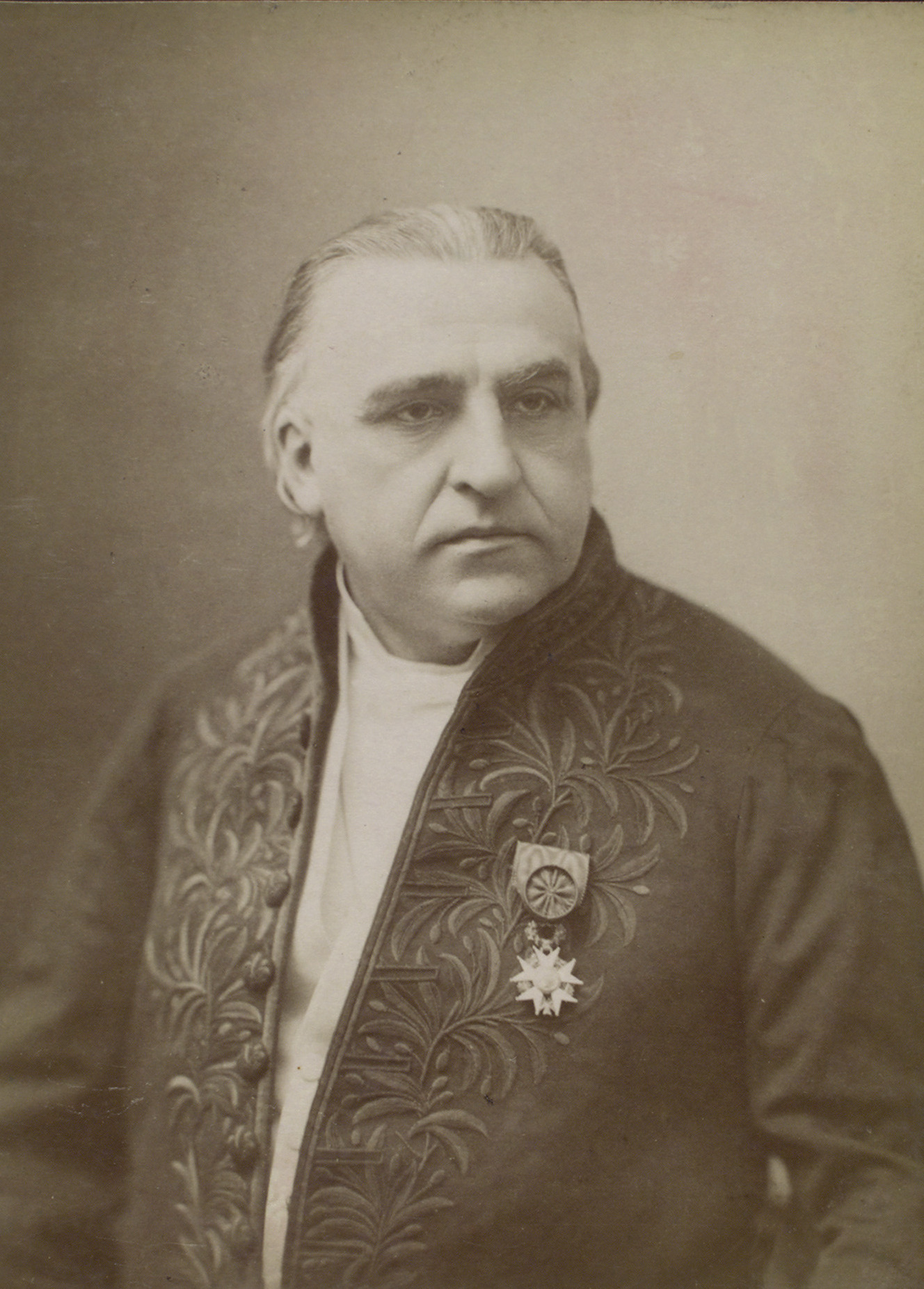
Charcot differentiated between the ordinary (Aran–Duchenne) type of muscular atrophy and the rarer amyotrophic lateral sclerosis, (ALS), at one time called “Charcot’s disease,” but more frequently designated today as …
1874
#493
Anthropogenie oder Entwicklungsgeschichte des Menschen.
1874
#494
Unsere Körperform und das physiologische Problem ihrer Entstehung.
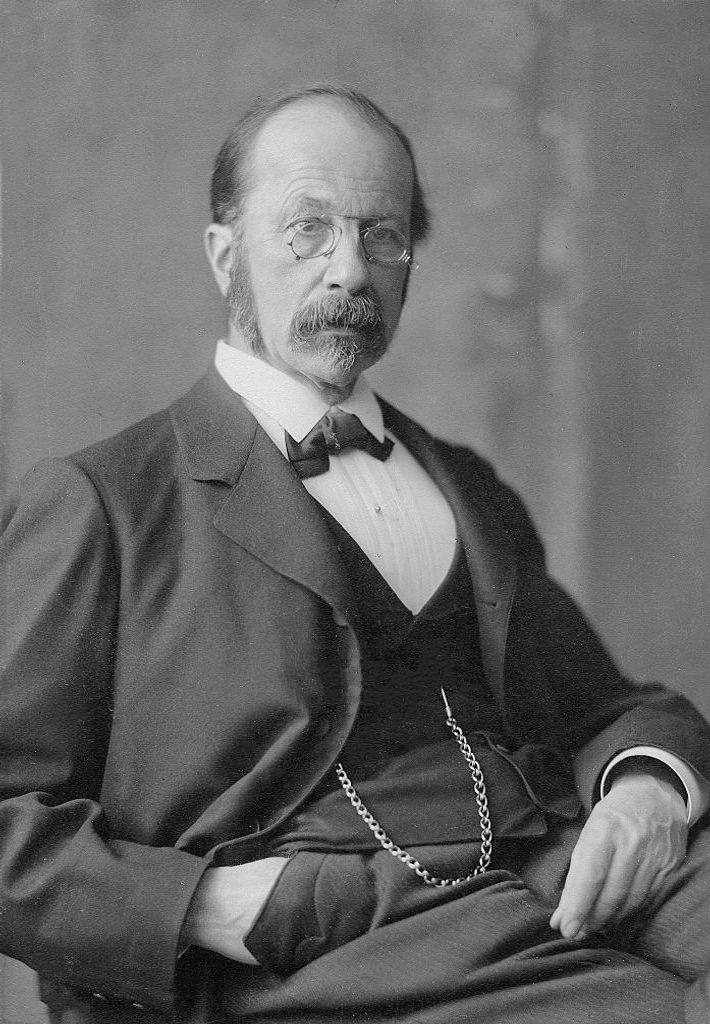
In this work His compared the various layers and organs of the embryo to a series of elastic tubes and plates. He thought that the local inequalities of growth and the differences in the consistency of the tissues mig…
1874
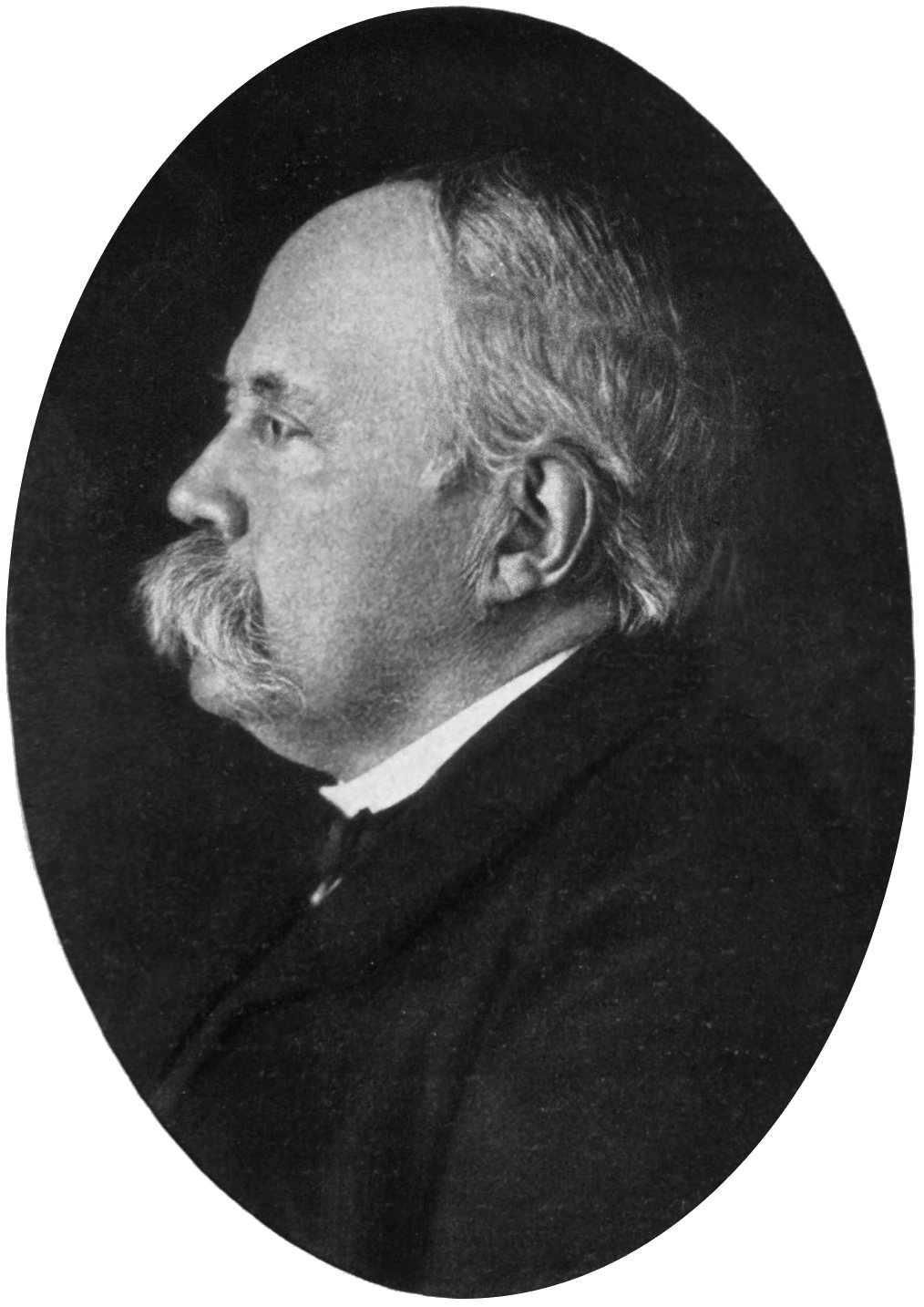
#1365
Ueber die Functionen des Lendenmarks des Hundes.
1874
#1235
Versuche über den Vorgang der Harnabsonderung.
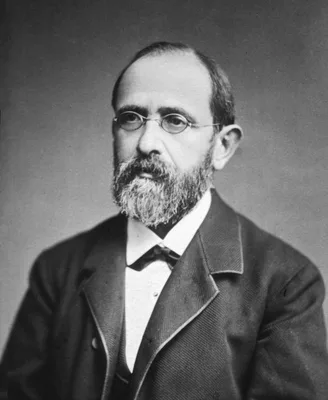
Heidenhain’s “secretion” theory of renal function.
1874
#2018
Auflösung der rothen Blutzellen.
Landois discovered the hemolyzing effect of blood serum of one species when transfused into another.
1874
#120
Die Gastraea-Theorie, die phylogenetische Classification des Thierreichs und die Homologie der Keimblätter.
Haeckel’s gastraea theory, which considers the two-layered gastrula the ancestral form of multicellular animals.
1874
#1406.1
Investigations into the functions of the human brain.
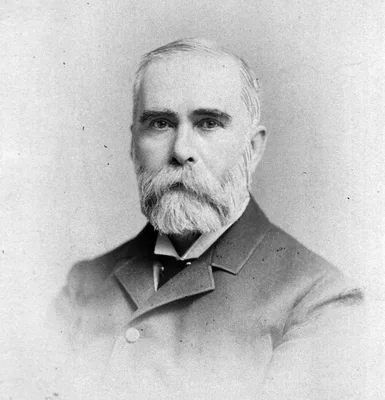
Bartholow confirmed in man the findings of Fritsch and Hitzig (No. 1405) that electrical stimulus of the cortex on one side stimulated muscles on the other side of the body.
1874
#1407
Anatomischer Nachweis zweier Gehirncentra.
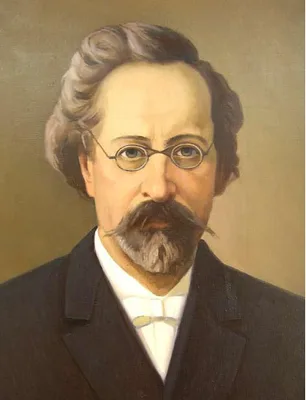
Discovery of the giant pyramidal cells of the motor cortex.
1874
#1408
Untersuchungen über das Gehirn.
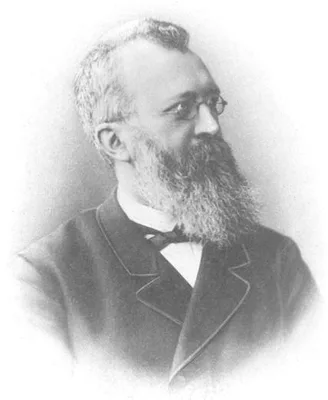
Hitzig accurately defined the limits of the motor area in the cerebral cortex of the dog and the monkey.
1874
#2032
Pharmacographia. A history of the principal drugs of vegetable origin met with in Great Britain and British India.
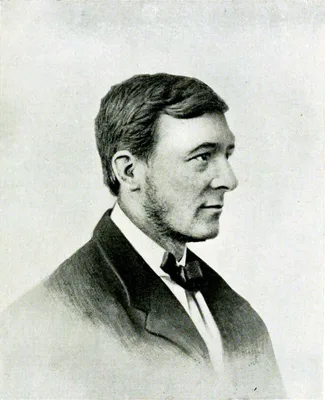
Digital facsimile from the Biodiversity Heritage Library at this link.