
1820–1829
354 entries with publication dates in this decade.
1827 –1831
#2285
Reports of medical cases, selected with a view of illustrating the symptoms and cure of diseases by a reference to morbid anatomy. 2 vols. in 3.
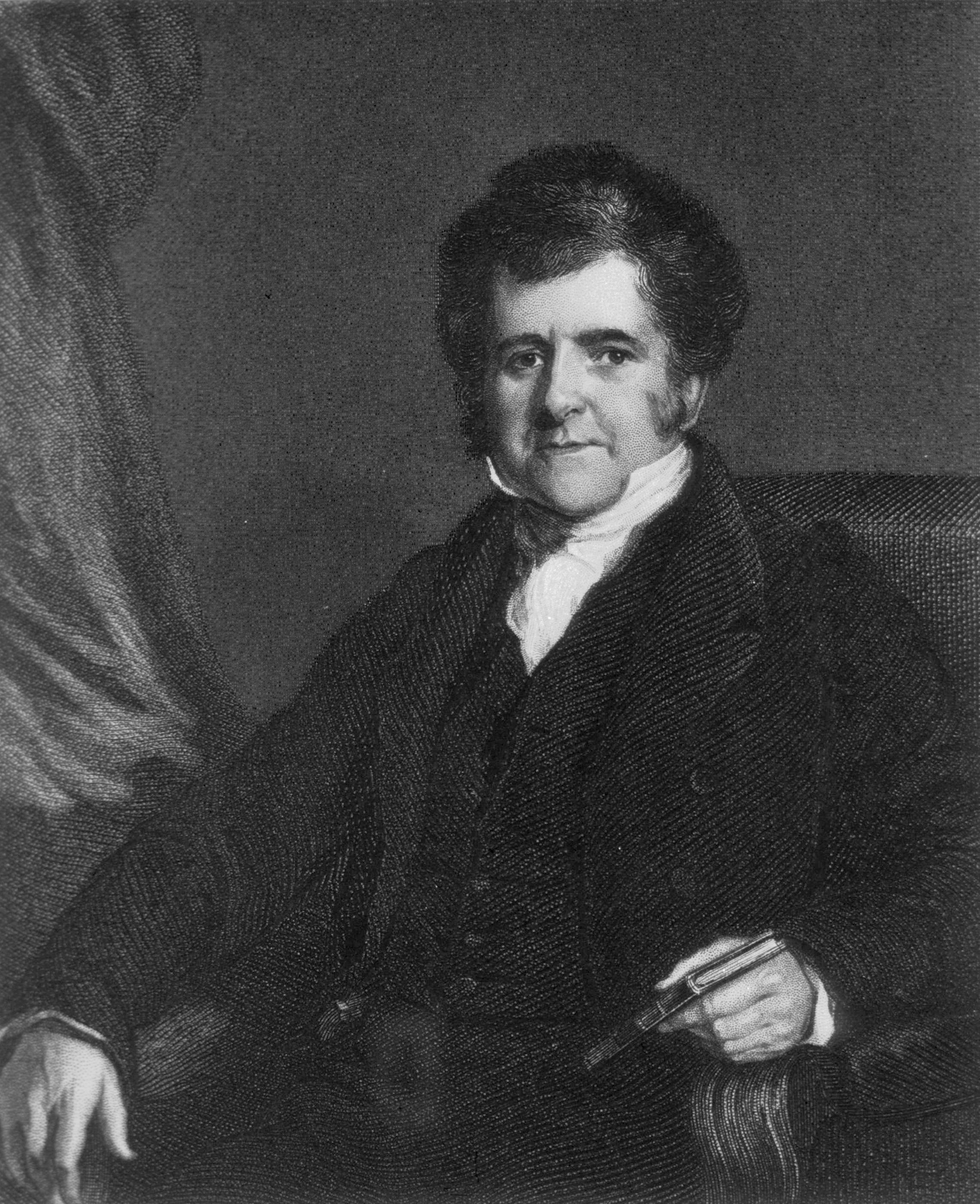
Beside's Bright's classic description of chronic non-suppurative nephritis, known eponymically as “Bright’s disease”, the Reports contain numerous other outstanding contributions to general pathology, neuropathology, …
1827
#3562
Mémoire et observations sur quelques maladies de l’appendice cécale.
Mélier was the first to show the existence of chronic appendicitis; he recognized the causal relationship between the chronic affection and abscesses of the right iliac fossa and was first to suggest operative interve…
1827
#2745
Cases of diseases of the heart, accompanied by pathological observations.
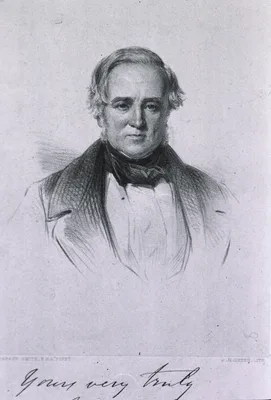
On p. 396 commences a classic account of heart block with syncopal attacks, the first complete description of this condition. Following the paper by Stokes (No. 2756) the eponym “Stokes–Adams syndrome” was employed to…
1827
#3365
Essai sur les maladies de l’oreille interne.
Saissy described a Eustachian bougie; he was probably the first to use this instrument. Besides dealing with the labyrinth, his book discusses diseases of the tympanum and Eustachian tube. English translation, Baltimo…
1827
#2948
Case of axillary aneurism successfully treated by tying the subclavian artery.
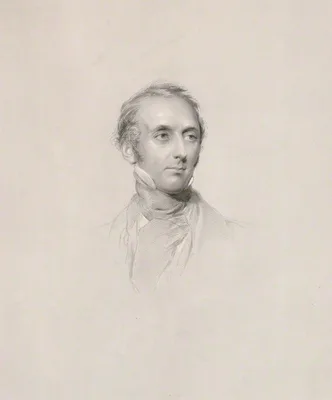
In 1823 Key successfully ligated the subclavian artery for aneurysm at the axilla.
1827
#2949
Case of carotid aneurism successfully treated by tying the artery above the aneurismal tumor.
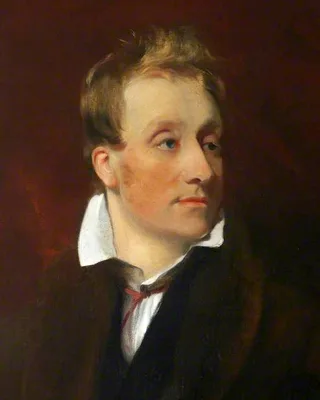
Wardrop successfully treated aneurysm of the carotid artery by distal ligation, a procedure suggested by Pierre Brasdor (see No. 2951). Wardrop expanded this paper into a book: On aneurism, and its cure by a new opera…
1827
#2950
Successful ligature of the common iliac artery.
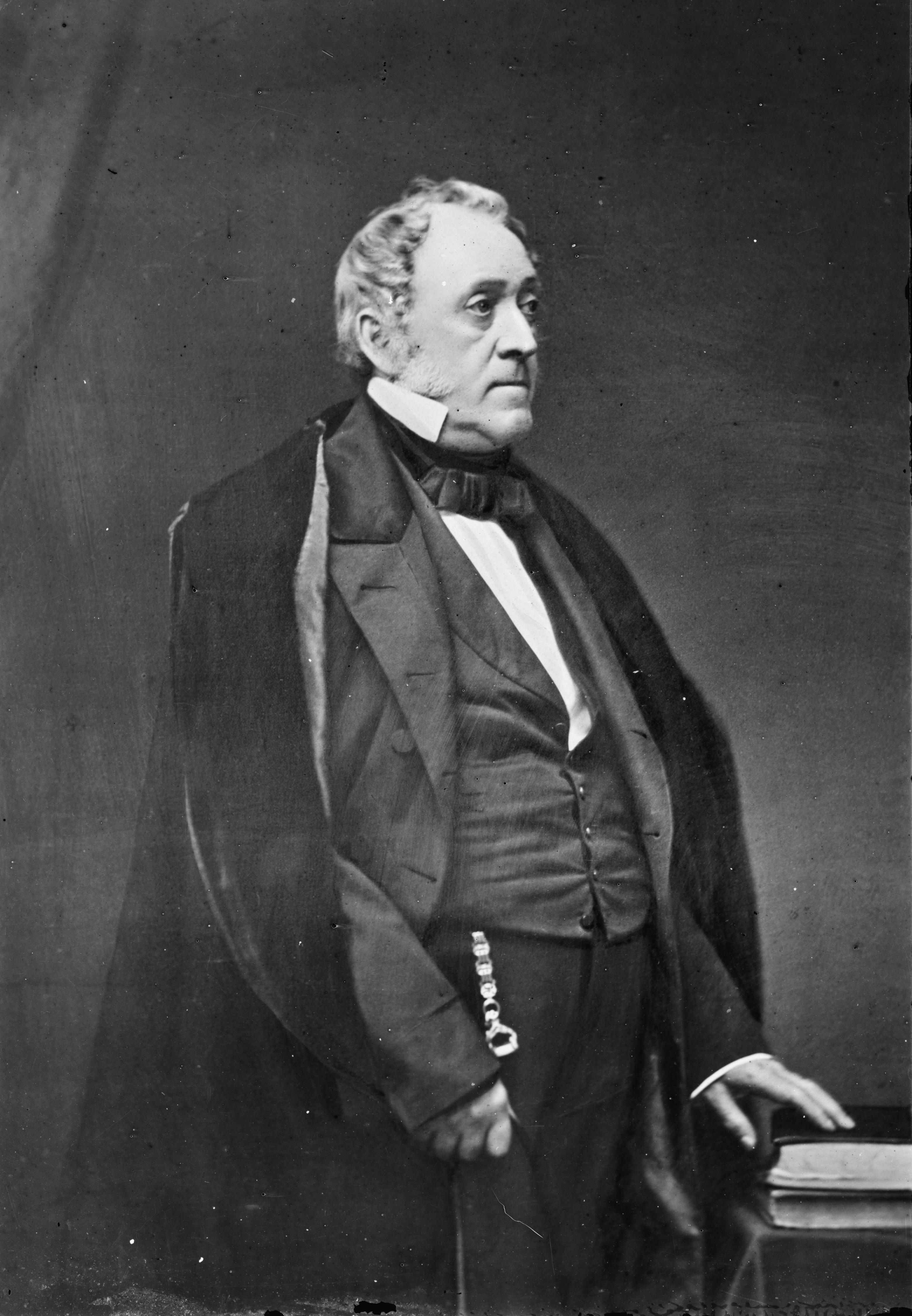
First successful ligation of the common iliac.
1827
#4025
Observations respecting an ulcer of peculiar character, which attacks the eyelids and other parts of the face.
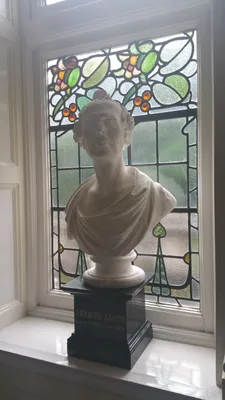
Arthur Jacob, Professor of Anatomy and physiology in Dublin, described “Jacob’s ulcer”, rodent ulcer attacking the face, especially the eyelid.
1827
#4313
Observations on the pathology and treatment of necrosis.
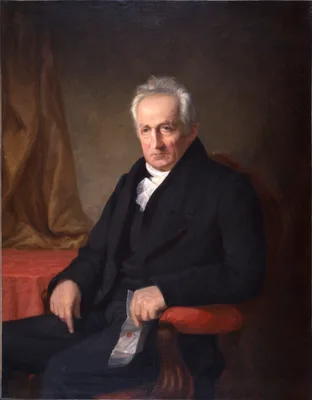
Classic early account of osteomyelitis. Smith trephined for bone necrosis. Reproduced in Med. Classics, 1937, 1, 820-38.
1827
#4165.1
Un moyen d’éclairer l’urètre et la vessie de manière à voir dans l’intérieur de ces organes.
Urethro-cystic speculum (endoscope).
1827
#4414
Case of un-united fracture of the os brachii, successfully treated.
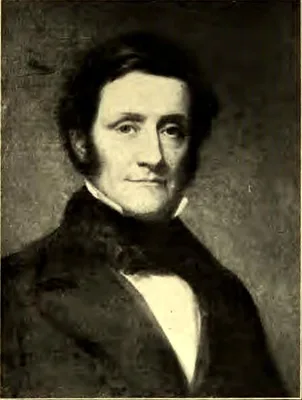
Successful wiring of ununited fracture of humerus.
1827
#5589
Observations upon traumatic haemorrhage, illustrated by experiments upon living animals.
Jameson was surgeon to Baltimore Hospital for 20 years. This essay described some of the earliest multiple animal experiments used in American medical research.
1827
#5847
On a peculiar defect in the eye, and a mode of correcting it.
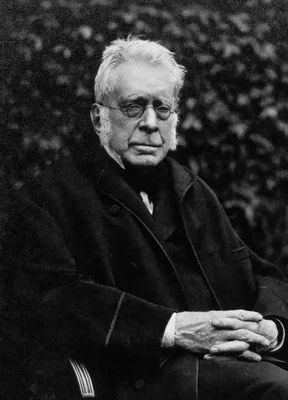
Airy, Britain's Astronomer Royal from 1835 to 1881, was the first to devise a sphereocylindrical lens for correcting astigmatism, a condition from which he himself suffered in his left eye. Airy's method is still used…
1827
#6172
Nouvelles recherches sur l’origine, la nature et le traitement de la mole vésiculaire ou grossesse hydatique.
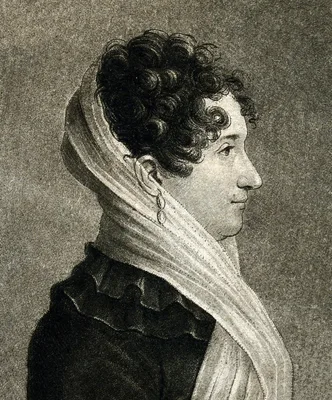
Classic description of hydatidiform mole.
1827
#6709
The gold-headed cane.
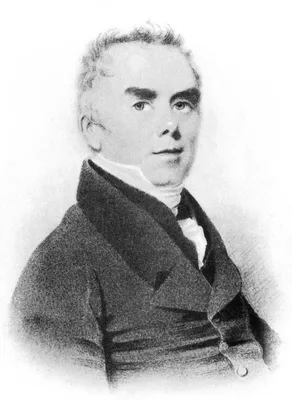
This charming “autobiography” tells of the adventures of the famous gold-headed cane, successively in the possession of Radcliffe, Mead, Askew, William and David Pitcairn, and Baillie, and then retired to a glass case…
1827
#266.1
On Mr. Tulley’s thick aplanatic object-glasses, for diverging rays; with an account of a few microscopic test objects.
Goring was an Edinburgh medical practitioner. He commissioned Tulley and others to make various modifications to the microscope. The above paper reports the first effective achromatic object-glass.
1827 –1834
#9545
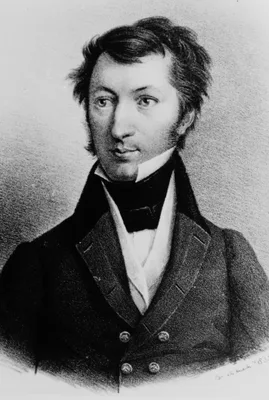
Pharmaceutische Waarenkunde mit illuminirten Kupfern nach der Natur gezeichnet von Ernst Schenk. Begonnen von Friedemann Goebel. Fortgesetzt von Gustav Kunze. 14 parts in 2 vols.
1827
#10507
Charte über die geographische Ausbreitung der Krankheiten.
The first world map of the distribution of human disease. For Schnurrer's work in epidemiology and his map, which was published separately from his books, see Brömer, "The first global map of the distribution of human…
1827
#11126
Recherches sur l’agénésie cérébrale et la paralysie congénitale.
“The first scientific paper on paralysis in children was published in 1827 by Jean Baptiste Cazauvieilh, who […] noted that congenital hemiplegia was associated with cerebral atrophy and differentiated those due to ‘l…
1827
#12863
Anatomie comparée du système dentaire chez l'homme et chez les principaux animaux. Avec trente planches desinées d'après nature, par J. C. Werner, peintre au Muséum.
Some copies of this work were issued with hand-colored plates. The illustrator of this work, Jean-Charles Werner, was one of the most distinguished natural history artists of his time. Digital facsimile of a black & w…
1827
#13198
Synopsis of the Newcastle Museum, late The Allan, formerly The Tunstall, or Wycliffe Museum: To which are prefixed Memoirs of Mr. Tunstall, the founder, and of Mr. Allan, the Late Proprietor, of the collection; with occasional remarks on the species, by those gentlemen and the editor.
Ornithologist and collector Marmaduke Tunstall began collecting for his private museum in London in the 1770s, acquiring numerous 'curiosities brought by Captain Cook'; he moved the collections in 1776 to his home at …
1827
#13241
The philosophy of the human voice: Embracing its physiological history; together with a system of principles by which criticism in the art of elocution may be rendered intelligible, and instruction, definite and comprehensive. To which is added a brief analysis of song and recitative.
“With over 30 diagrams and charts, including myriad musical notations to show the pitch and duration of syllables, the text offers a systematic notation for the description of speech sounds, followed by a detailed tre…
1827
#13262
Notice of some microscopic observations of the blood and animal tissues.
Hodgkin and Lister determined that blood cells are bioconcave discs and accurately measured their diameter as "1/5000 of an inch." Digital facsimile from Google Books at this link.
1827
#13539
Pathological and practical observations on spinal diseases: illustrated with cases and engravings. Also, An inquiry into the origin and cure of distorted limbs.
Harrison founded the first infirmary for spinal diseases in London. See Weiner & Silver, "Edward Harrison and the treatment of spinal deformities in the nineteenth century," J. R. Coll. Phys. Edinb., 38 (2006) 265-71.…
1827
#14199
Méthode nouvelle pour le traitement des déviations de la colonne vertébrale; précédée d'un examen critique des divers moyens employés par les orthopédistes modernes.
Digital facsimile from Google Books at this link.
1827
#14285
Der Leichnam des Menschen in seinen physischen Verwandlungen nach Beobachtungen und Versuchen.
The human corpse in its physical transformations according to observations and experiments.
1828
#4453
Case of osteo-sarcoma of the lower jaw.
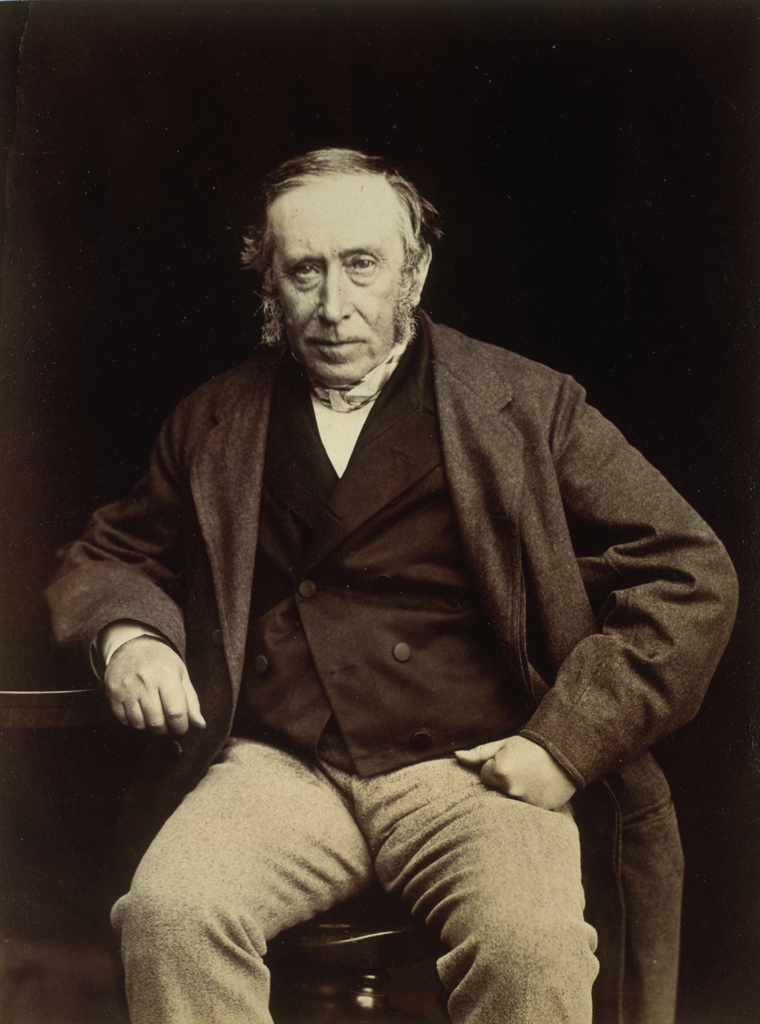
Syme’s operation of excision of the lower jaw for osteosarcoma.
1828
#4452
An account of a case of osteo-sarcoma of the left clavicle, in which exsection of that bone was successfully performed.
Valentine Mott was an outstanding figure in American surgery during the first half of the 19th century. A pupil of Astley Cooper, he particularly distinguished himself in vascular surgery and in operations involving t…
1828 –1829
#4523
Observations on neuroma.
Neuroma first described.
1828
#671
Ueber künstliche Bildung des Harnstoffs.
The synthetic preparation of urea was the first occasion that an organic compound was built up from inorganic materials. Wöhler’s discovery led eventually to the brilliant results that have been achieved in attempts t…
1828
#410
Elements of descriptive and practical anatomy.
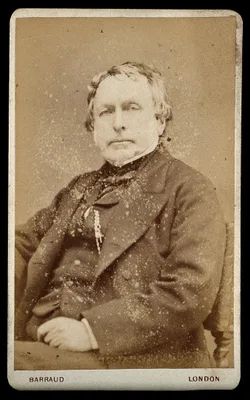
Among the most important of the English textbooks on anatomy. An eleventh edition was published in 1908-29.
1828
#1557
Expériences sur les canaux semi-circulaires de l’oreille chez les oiseaux.
Flourens showed that lesion of the semicircular canals produces motor incoordination and loss of equilibrium. Menière based his work (No. 3372) on Flourens’s crucial experiments.
1828 –1888
#479
Ueber Entwicklungsgeschichte der Thiere. 2 vols.
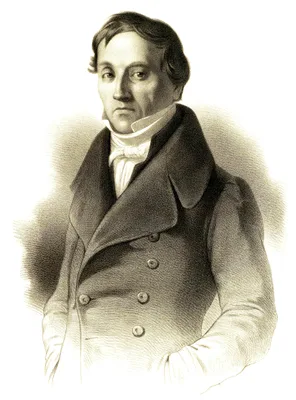
Baer, the founder of modern embryology, definitely established the “germ-layer theory”, discovered the notochord and the human ovum, and postulated the law of corresponding stages in embryonic development. With Cuvier…
1828 –1829
#2017
Observations on transfusion of blood.
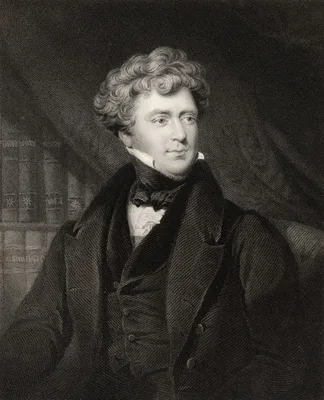
The first human to human transfusion in which the patient did not die. Blundell established the most fundamental points in transfusion, including the incompatibility of interspecies transfusion and the method of indir…
1828
#767
Recherches sur la force du coeur aortique.
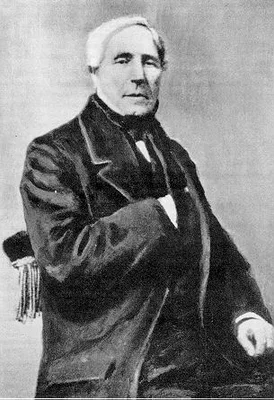
Poiseuille was the first after Stephen Hales to make any important addition to the knowledge of the physiology of circulation. In his graduation thesis, above, he described a “hemodynamometer” invented by himself and …
1828 –1830
#1849
Medical flora; or, manual of the medical botany of the United States of North America. Containing a selection of above 100 figures and descriptions of medical plants, with their names, qualities, properties, history &c; and notes or remarks on nearly 500 equivalent substitutes. 2 vols.
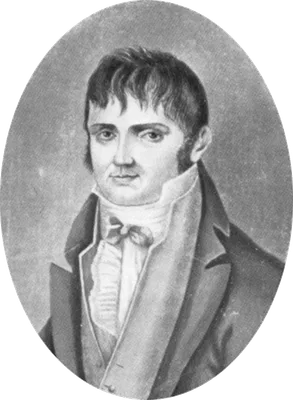
Rafinesque was a great botanist, conchologist, archaeologist, and economist. Born in a suburb of Istanbul, he was also a world citizen and a prolific writer with 939 works to his credit. He died in extreme poverty in …
1828
#2285.1
Traité des maladies des enfans nouveau-nés et à la mamelle. 1 vol. and atlas.
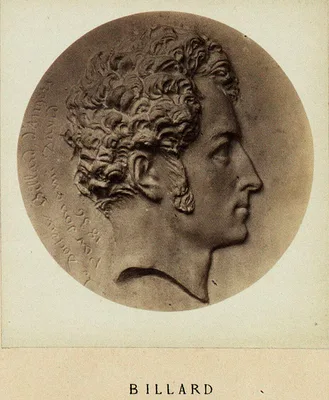
The first significant work on the pathological anatomy of infants. Billard performed several hundred autopsies on infants and children and correlated the data obtained with clinical observations he had made. This pion…
1828
#2285.2
Pathological and practical researches on diseases of the brain and spinal cord.
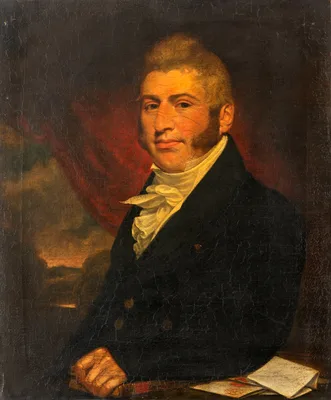
First textbook of neuropathology. Originally published in a series of articles in Edin. med. surg. J., 1818-19, and first collected into book form in the German translation, with appendix, by C. Nasse, Bonn, E. Weber,…
1828
#1776.1
Researches into the causes, nature and treatment of the more prevalent diseases of India, and of warm climates generally. Illustrated with cases, post mortem examinations, and numerous coloured engravings of morbid structures. 2 vols.
A landmark in geographical pathology, superbly illustrated. Annesley’s cases, collected over many years’ service throughout India, represented the most complete treatment of diseases on the sub-continent to date. Digi…
1828
#2675
De la percussion médiate.
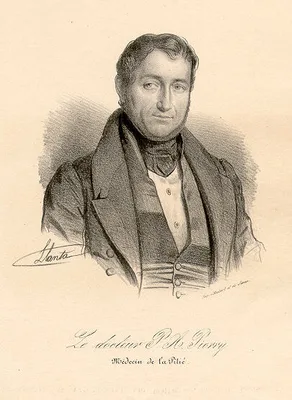
Piorry, pioneer of mediate percussion, introduced the percussor and the pleximeter in 1826. He also developed refinements to Laennec’s stethoscope.
1828
#3255
Description of a forceps, employed to facilitate the extirpation of the tonsil.
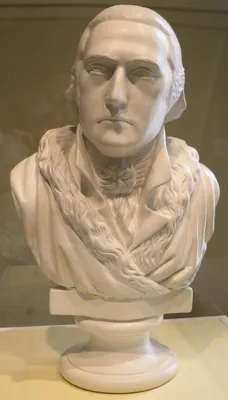
Invention of the modern tonsillotome.
1828
#2583
Of the catarrhus aestivus, or summer catarrh.
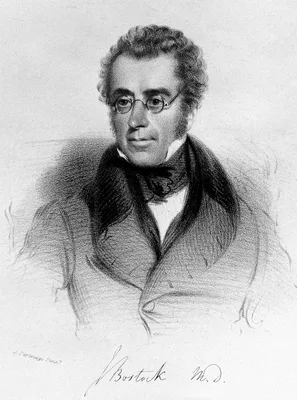
On the history and aetiology of hay fever.
1828 –1829
#2746
On the retroversion of the valves of the aorta.
Aortic insufficiency is usually associated with the name of Corrigan, but Hodgkin’s account antedates Corrigan by three years.
1828 –1829
#3814
Removal of the right lobe of the thyroid gland.
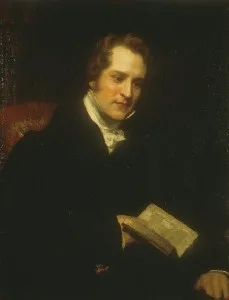
To Joseph Green, of St. Thomas’s Hospital, London, is accredited the first thyroidectomy, the patient succumbing 15 days later from sepsis.
1828
#2951
Aneurism of the arteria innominata involving the subclavian and the root of the carotid; successfully treated by tying the carotid artery.
First application in the United States of the Pierre Brasdor (1721-97) operative technique by distal ligation. Second report, 1830, 6, 532-34.
1828
#3990
Abrégé pratique des maladies de la peau.
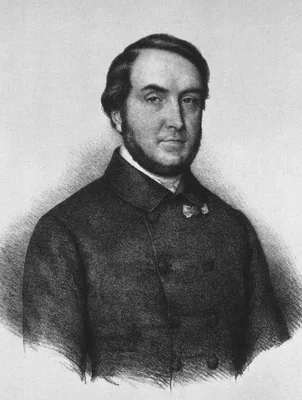
This book codified and published the lectures, doctrines and observations of Laurent Biett (1781-1840), the leading clinical teacher in dermatology of the early 19th century, who published very little himself. Cazenav…
1828
#3437
Mémoire sur une méthode nouvelle pour traiter les anus accidentels.
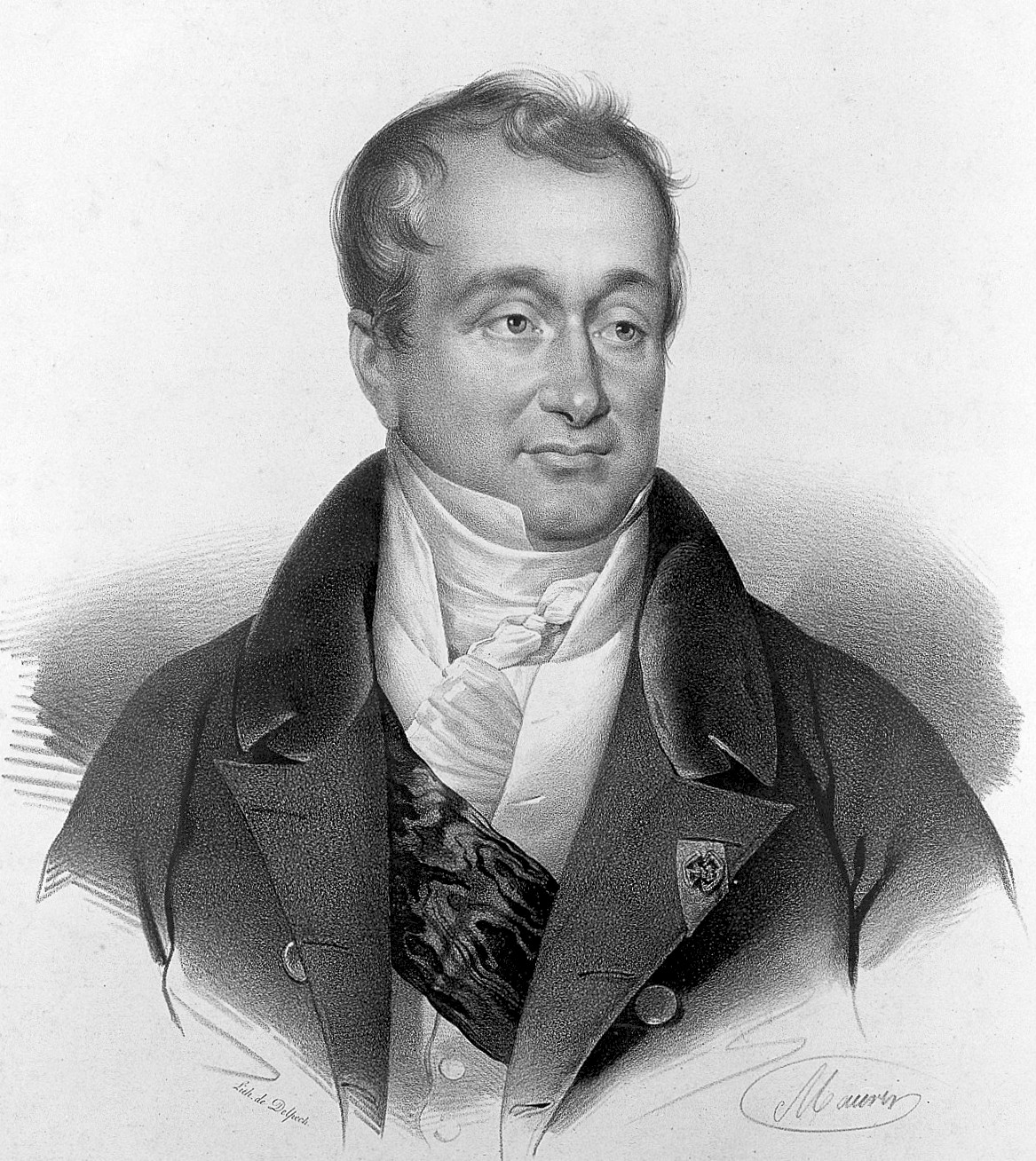
Dupuytren invented an enterotome to perform his operation for artificial anus.
1828
#4314
On trephining the tibia.
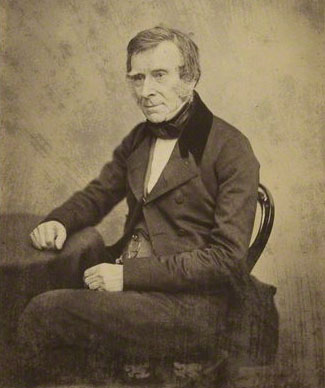
“Brodie’s abscess”. The patient was first seen in 1824. Brodie published an account of some further cases in Med.-chir. Trans., 1832, 17, 239-49, which paper is reprinted in Med. Classics, 1938, 2, 900-06.
1828
#4315
De l’orthomorphie. 2 vols. and atlas.
Delpech, Professor of Surgery at Montpellier, published a comprehensive treatise on deformities of the bones and joints. He established the tuberculous nature of Pott’s disease. Delpech did more than any other man tow…
1828
#3679.6
Traité complet de l’art du dentiste, d'après l'état actuel des connaissances. Par F. Maury. 2 vols.
Maury probably invented the dental probe. His book also shows one of the earliest illustrations of a dental mouth mirror. According to Quérard, F. Maury is the pseudonym of Auguste Tillet: "Table alphabétique de la pl…