
1850–1859
501 entries with publication dates in this decade.
1853 –1854
#4932
Mémoire sur la folie circulaire.
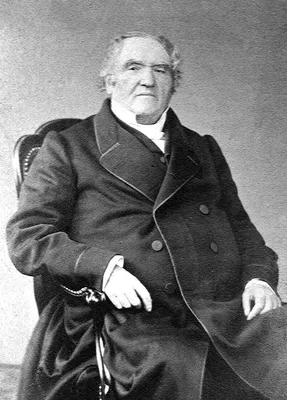
Circular (manic-depressive) insanity first described.
1853
#5602
The science and art of surgery.
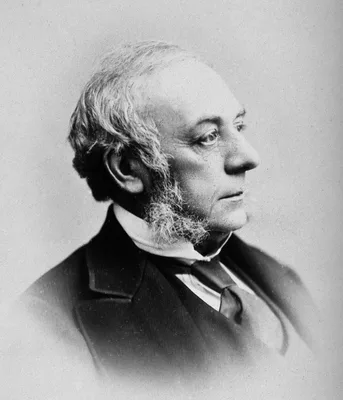
The most popular textbook on the subject for many years. Erichsen was surgeon to University College Hospital, London, and Lister served as his house surgeon.
1853
#5603
Sur un nouveau moyen d’opérer la coagulation du sang dans les artères, applicable à la guérison des anéurismes.
Pravaz invented galvanocautery.
1853 –1858
#5869
Die Ophthalmologie vom naturwissenschaftlichen Standpunkte aus bearbeitet. 2 vols. [in 3].
English translation, 1868.
1853
#5869.1
Dissertatio ophthalmologica inauguralis de speculo oculi.
Trigt's thesis contains the first printed illustrations of the fundus of the eye. Digital facsimile from Google Books at this link. The following year Trigt's thesis was translated into German by C. H. Schauenberg as …
1853
#5870
Ein Fall von Hamorrhagie der Netzhaut beider Augen.
Türck was the first to note the correlation of retinal hemorrhage with tumors of the brain.
1853
#6039
The surgical treatment of certain fibrous tumours of the uterus.
Atlee was among the first to study the surgical removal of uterine fibroids.
1853
#6260
Das schräg-ovale Becken.
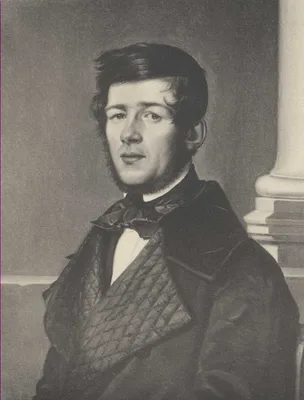
Litzmann (see also No. 6263) described in this work the coxalgic, scoliotic and kyphoscoliotic forms of pelvis.
1853
#6971
Untersuchungen über die wasserfreien organischen Säuren.
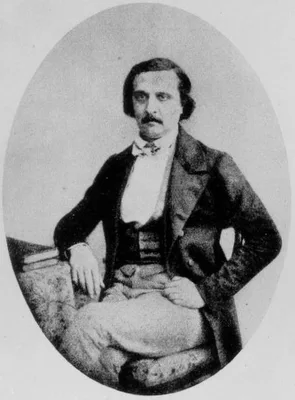
In 1853 French chemist Gerhardt was the first to prepare acetylsalicylic acid (marketed by Bayer as asprin in 1899). Gerhardt called the compound he obtained "salicylic-acetic anhydride" (wasserfreie Salicylsäure-Essi…
1853
#7241
Ueber einen neuen Muskel am Duodenum des Menschens, über elastische Sehnnen, und einige andere anatomische Verhãltnisse.
Treitz, a Czech pathologist, discovered the muscle at the duodenojejunal junction, later called “muscle of Treitz”; the fold of peritoneum over the muscle of Treitz is known as the "ligament of Treitz."
1853
#7313
Recherches sur la nature et le traitement des teignes.
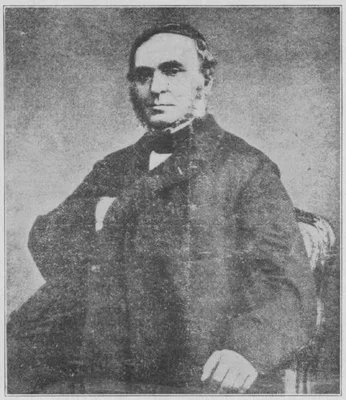
Bazin proved the fungal origin of favus and tinea; this was the first work to incorporate mycotic skin diseases into dermatological literature. Digital facsimile from BnF Gallica at this link.
1853
#7445
A narrative of travels on the Amazon and Rio Negro, with an account of the native tribes and observations on the climate, geology and natural history of the Amazon Valley.
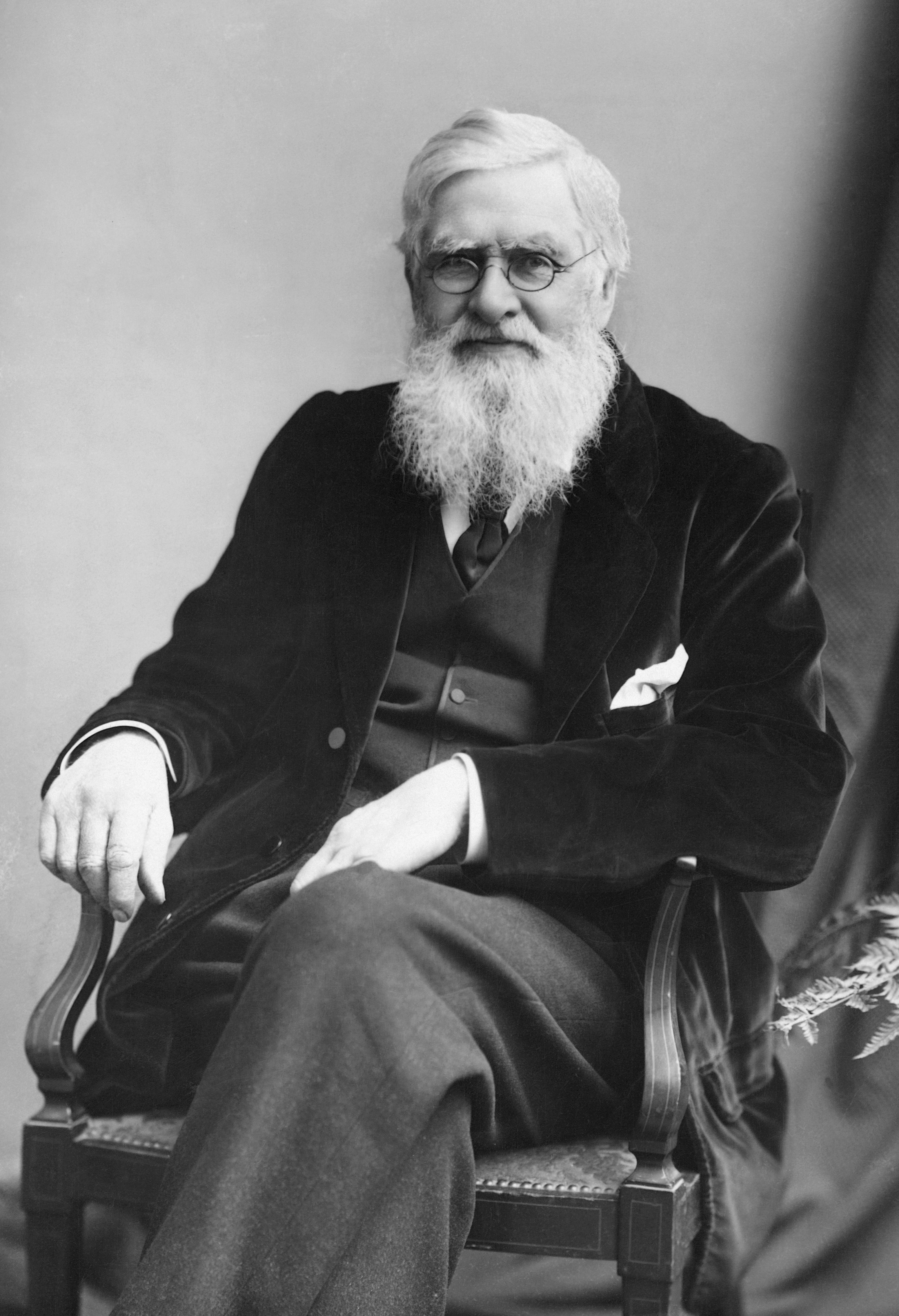
Digital facsimile from Google Books at this link.
1853
#7747
A materia medica animalia, containing the scientific analysis, natural history and chemical and medical properties and uses of the substances that are the products of beasts, birds, fishes or insects ...
Digital facsimile from the Biodiversity Heritage Library at this link.
1853
#8242
Palm trees of the Amazon.
Wallace's first book, printed in an edition of only 250 copies. Digital facsimile from the Internet Archive at this link.
1853
#8418
Notices et extraits des manuscrits médicaux grecs, latins et français, des principales bibliothèques de l'Europe. 1er partie. Manuscrits Grecs d'Angleterre.
All published. Digital facsimile from the Internet Archive at this link.
1853
#10235
Change of climate considered as a remedy in dyspetic, pulmonary, and other chronic affections; with an account of the most eligible places of residence for invalids in Spain, Portugal, Algeria, etc., at different seasons of the year; and an appendix on the mineral springs of the Pyrenees, Vichy, and Aix les Bains.
The author, a pulmonary specialist at Cavendish Square, London, provides a detailed manual for invalid travellers, seeking cures for tuberculosis, and indigestion and "nervous affections." It may be one of the first t…
1853
#13572
Esoteric anthropology.
In this rather comprehensive popular and illustrated book on medicine and physiology Nichols explained sexual physiology in a level of detail radical for the time, and also advocated free love. Digital facsimile from …
1853
#13860
Descriptive catalogue of the osteological series contained in the museum of the Royal College of Surgeons of England. 2 vols.
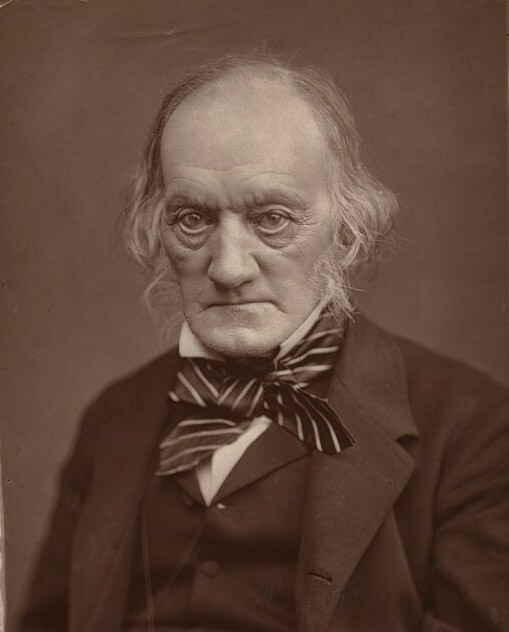
Digital facsimile from wellcomecollection.org at this link.
1854
#4465
Kostno-plasticheskoye udlineniye kostei goleni pri vilushtshenii stopi. [Osteoplastic elongation of the bones of the leg in amputation of the foot.]
Pirogov’s method of complete osteoplastic amputation of the foot. German translation, Leipzig, 1854.
1854
#685.1
Ueber das Vorkommen von Leucin und Tyrosin in der menschlichen Leber.
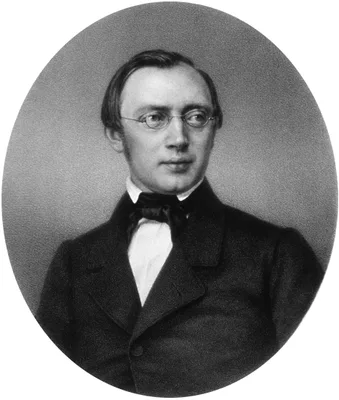
Discovery of leucine and tyrosine in the urine.
1854
#686
On osmotic force.
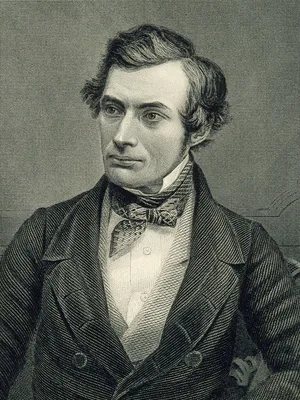
Investigation of osmotic force; provided important information for the physiologists.
1854
#1324
Recherches expérimentales sur le grand sympathique et spécialement sur l’influence que la section de ce nerf exerce sur la chaleur animal.
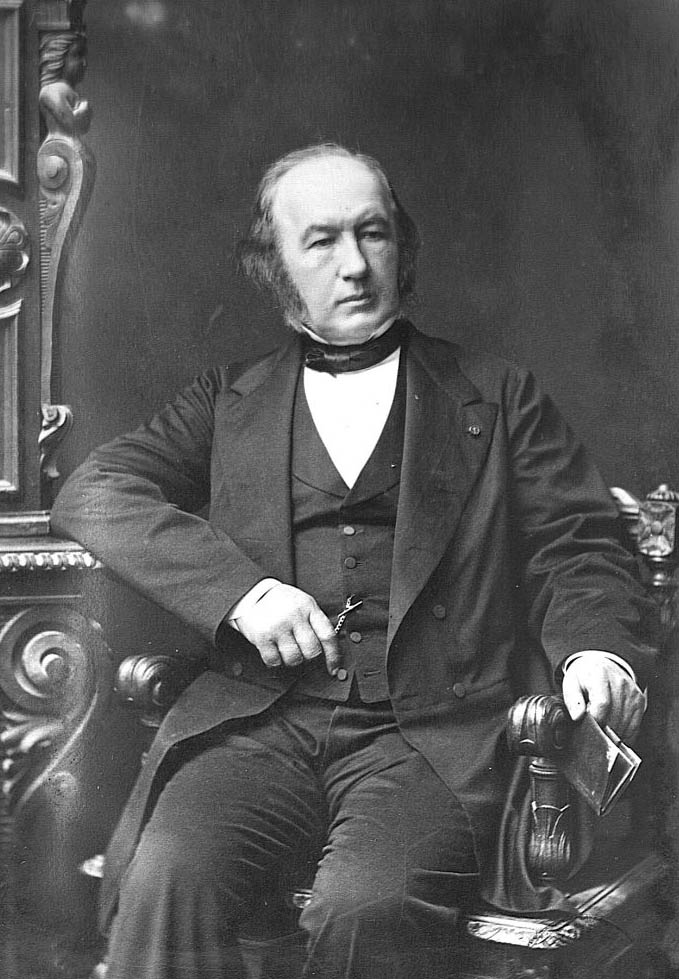
1854
#1325
Note sur la découverte de quelques-uns des effets de la galvanisation du nerf grand sympathique au cou.
1854
#1326
Sur les résultats de la section et de la galvanisation du nerf grand sympathique au cou.
1854
#2759
Die bildliche Darstellung des menschlichen Arterienpulses.
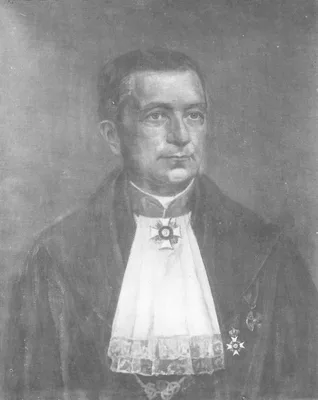
Vierordt invented a sphygmograph which acted on the principle that indirect estimation of blood-pressure could be accomplished by measuring the counter-pressure necessary to obliterate the arterial pulsation. This was…
1854
#1268
Ueber eine im Gehirn und Rückenmark des Menschen aufgefundene Substanz mit der chemischen Reaction der Cellulose.
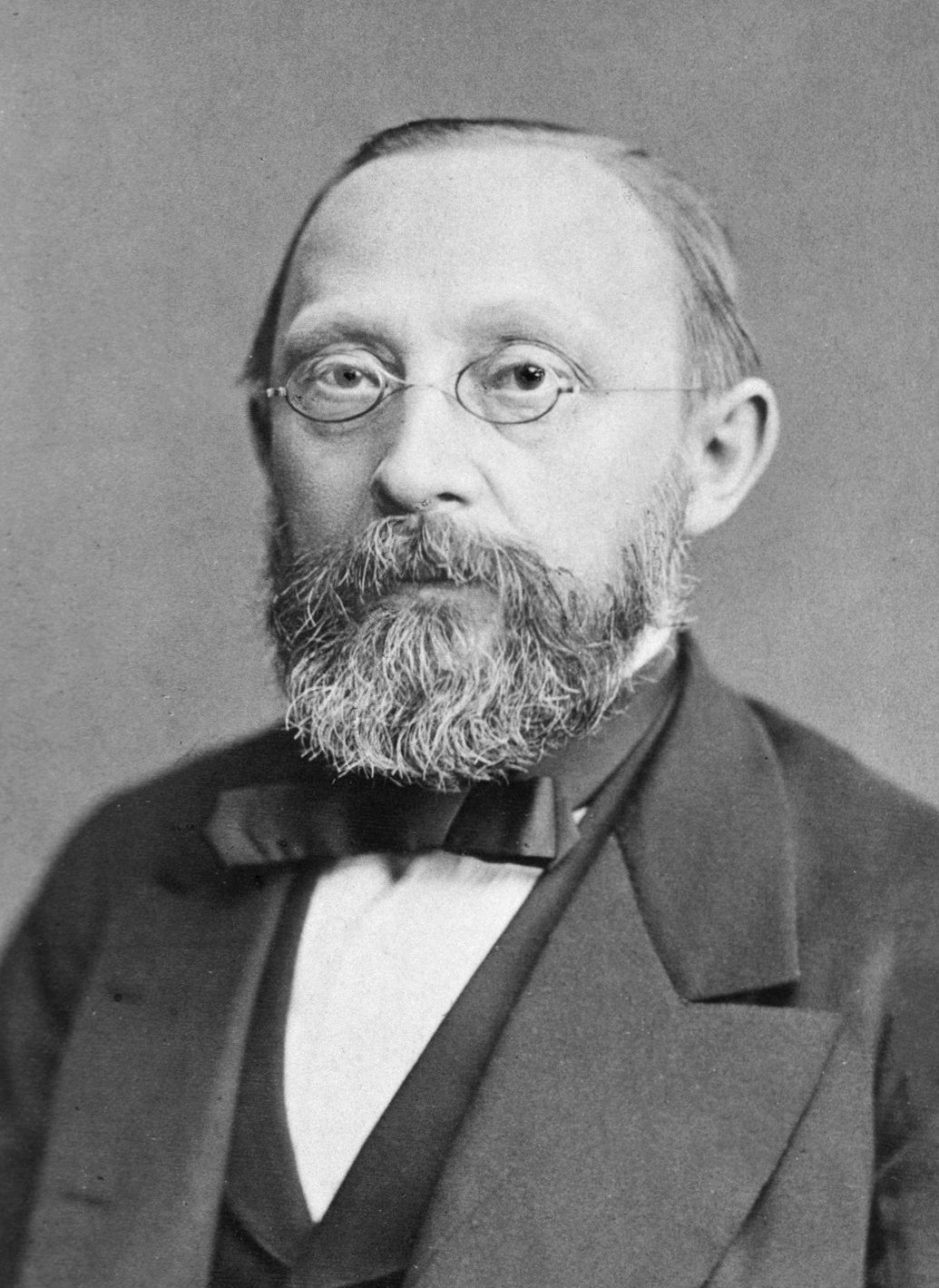
Discovery of the neuroglia.
1854 –1855
#1509
Ueber die Accommodation des Auges.
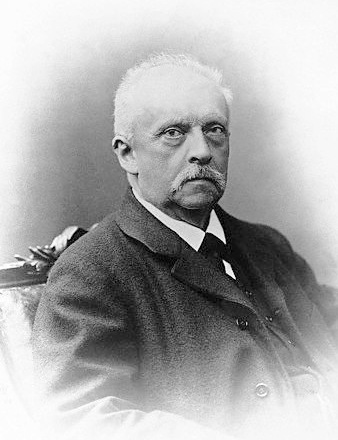
Helmholtz determined the optical constants and explained the mechanism of accommodation, with the help of the ophthalmometer which he had invented in 1852.
1854
#2124
Mémoire sur les effets de la compression de l’air.
An early paper on “caisson sickness”.
1854
#2435
Notes on native remedies. No. 1. The chaulmoogra.
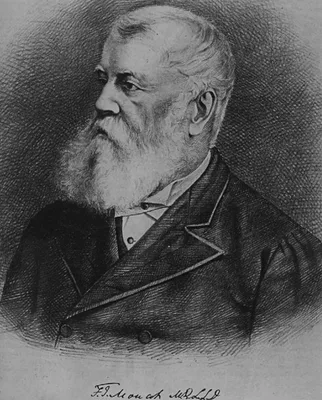
Chaulmoogra oil was first introduced into Western medicine by Mouat, having been used for many centuries previously by the Chinese
1854
#2383
Traité de la syphilis des nouveau-nés et des enfants à la mamelle.
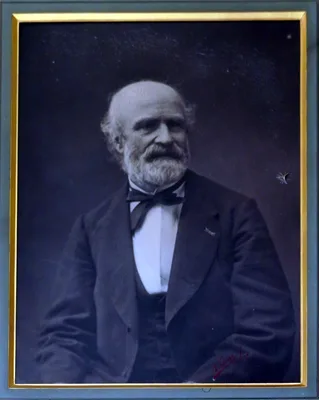
An important work on congenital syphilis. English translation, 1859.
1854
#3264
A practical treatise on foreign bodies in the air-passages.
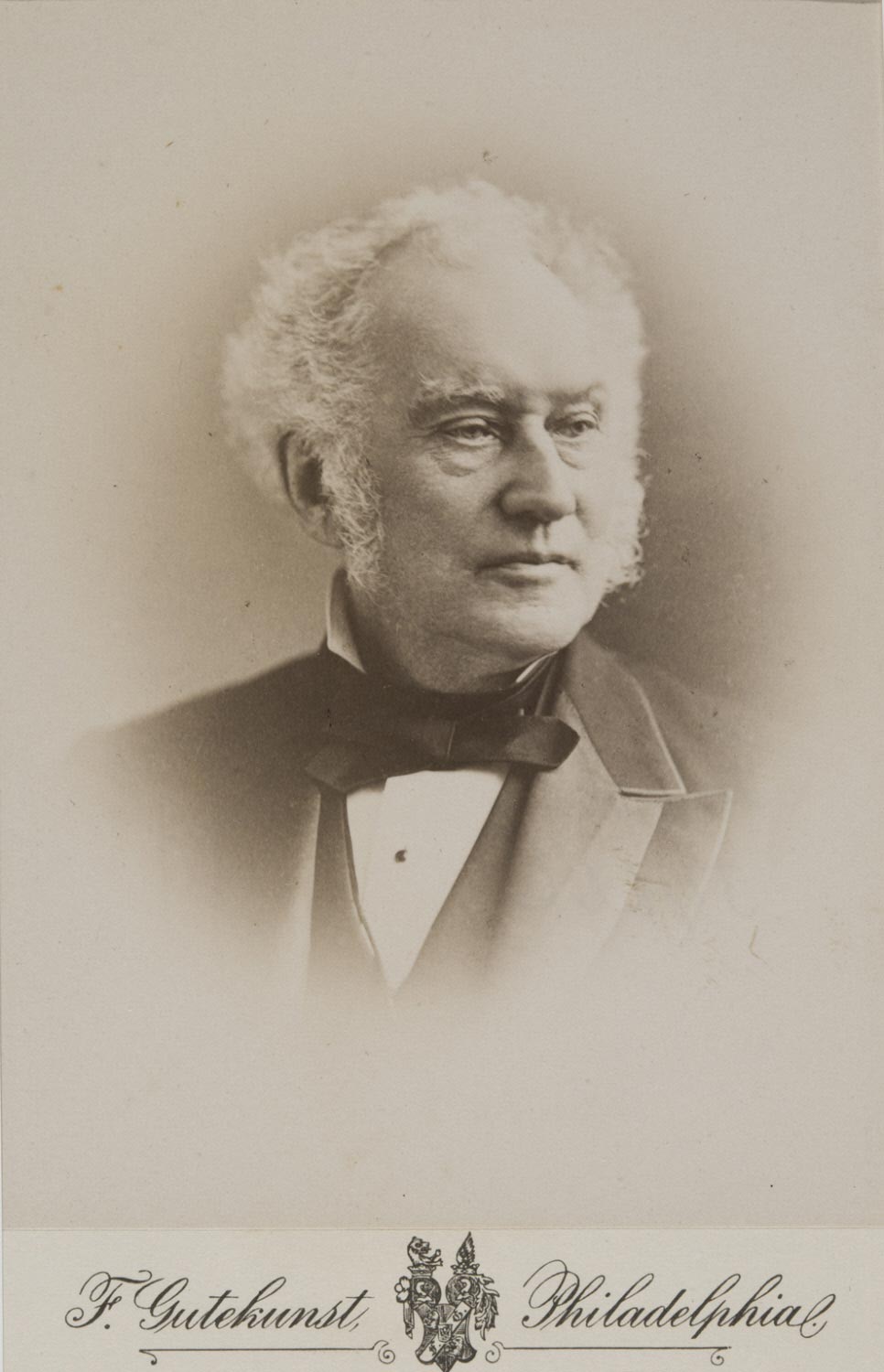
First systematic study of the subject. In this celebrated work Gross laid down principles concerning symptoms which are still fundamental, despite the advent of roentgenology.
1854 –1855
#3329
Observations on the human voice.
Garcia, a teacher of singing, invented the modern laryngoscope.
1854
#2760
The diseases of the heart and aorta.
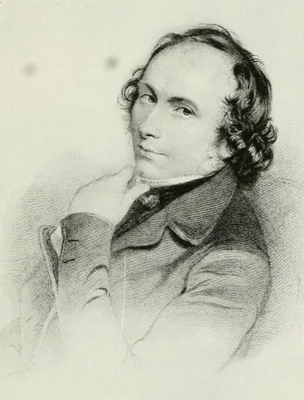
On pp. 320-27 is to be found Stokes’s account of fatty degeneration of the heart, in which he so well described the periodic form of respiration now known as “Cheyne–Stokes breathing.” Stokes also gave the first descr…
1854
#4042
On the keloid of Alibert, and on true keloid.
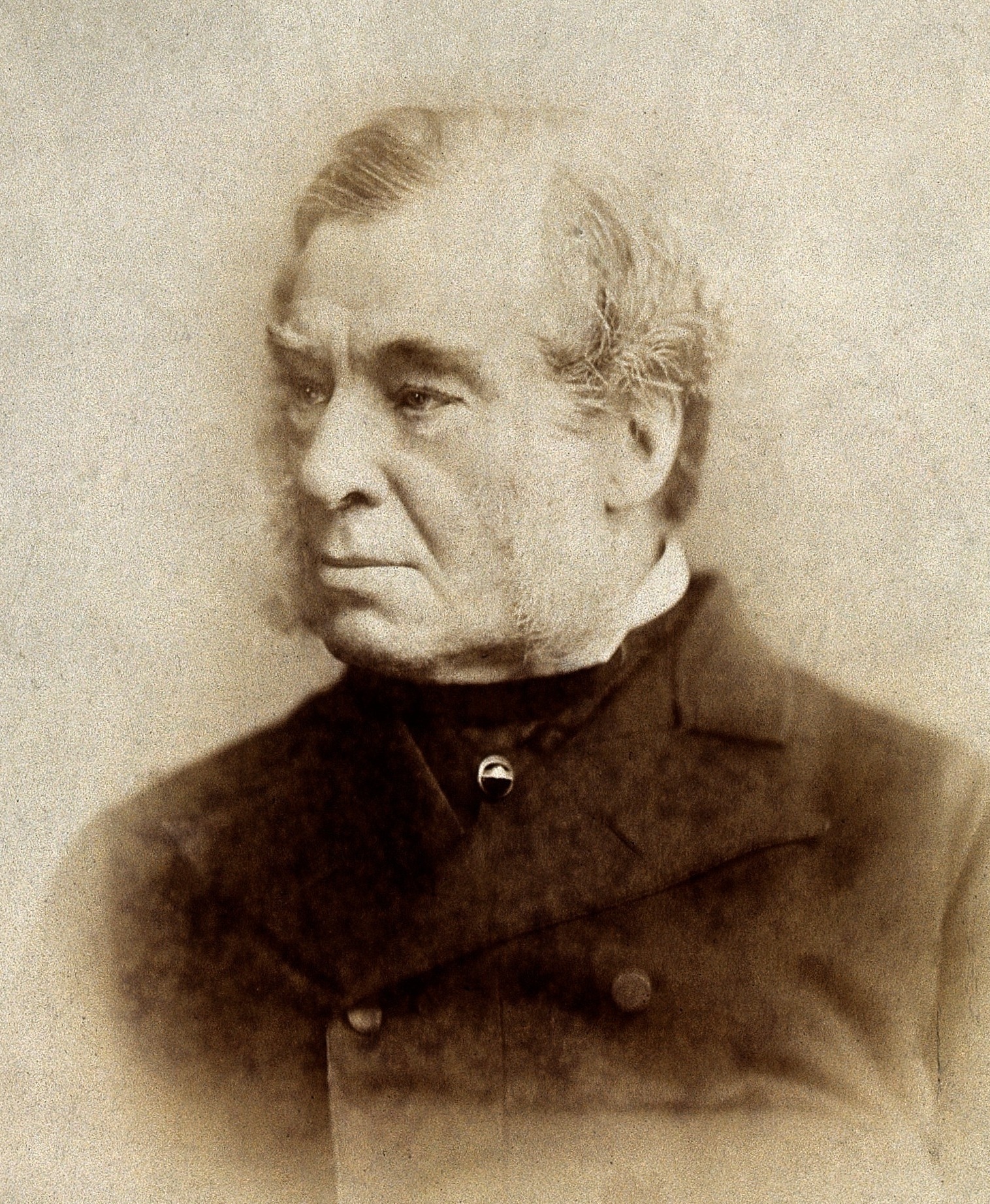
Addison described two forms of keloid, that described by Alibert, and the “true keloid” (the skin disease morphoea, “Addison’s keloid”).
1854
#4043
Ueber die Folge und den Verlauf epidermischer Krankheiten.
First description of tinea cruris (eczema marginatum, “Bärensprung’s disease”).
1854
#3452
Ueber Anlegung einer künstlichen Magenöffnung am Menschen durch Gastrotomie.
Fenger’s operation.
1854
#4169.2
Ein Fall von intermittirender Albumenurie und Chromaturie.
Paroxysmalcold hemoglobinuria described. English translation in No. 2241.
1854
#5106.1
Osservazioni microscopiche e deduzioni patologiche sul cholera asiatico.
Pacini described vibrios seen in the intestinal contents of cholera victims. He incriminated these vibrios as the pathogen in the disease, anticipating Koch (No. 5108) by 30 years. See N. Howard-Jones. Perspect. Biol.…
1854
#4418.1
Essay on a new method of treating ununited fractures and certain deformities of the osseous system.
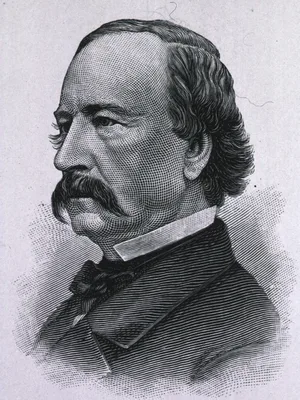
Experimenting on animals and cadavers, Brainard developed a special bone drill or “perforator” introduced subcutaneously to perforate the bone ends, simulating a recent fracture, and thus stimulating callus formation.
1854
#5747
Elkoplasty, or anaplasty applied to the treatment of old ulcers.
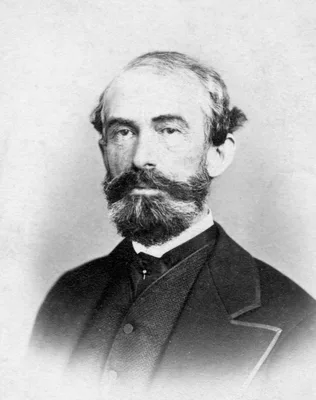
Hamilton was among the first to treat ulcers by skin-grafting. He made the flap smaller than the space which it was intended to fill, “trusting to growth and expansion of the graft to complete the cure”. Also publishe…
1854
#5340
Ueber die Band-und Blasenwürmer.
![SIEBOLD, Carl Theodor Ernst von [Karl] (1804 – 1885)](/media/portraits/231)
Siebold succeeded in infecting dogs with Taenia echinococcus. Translation by T. H. Huxley Sydenham Society London, 1857.
1854
#5771
Traité des maladies du sein et de la région mammaire.
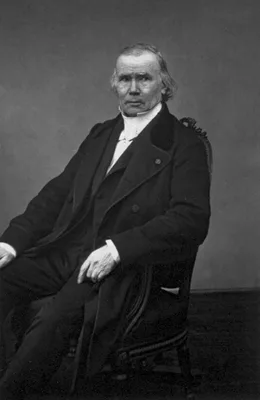
Velpeau was the leading French surgeon of the first half of the 19th century. His treatise on tumors of the breast, his best work, was the most important of its time on the subject. It includes a good account of hyper…
1854
#5551
Glossulae quatuor magistrorum super chirurgiam Rogerii et Rolandi nunc primum ad fidem codicis Mazarinei edidit
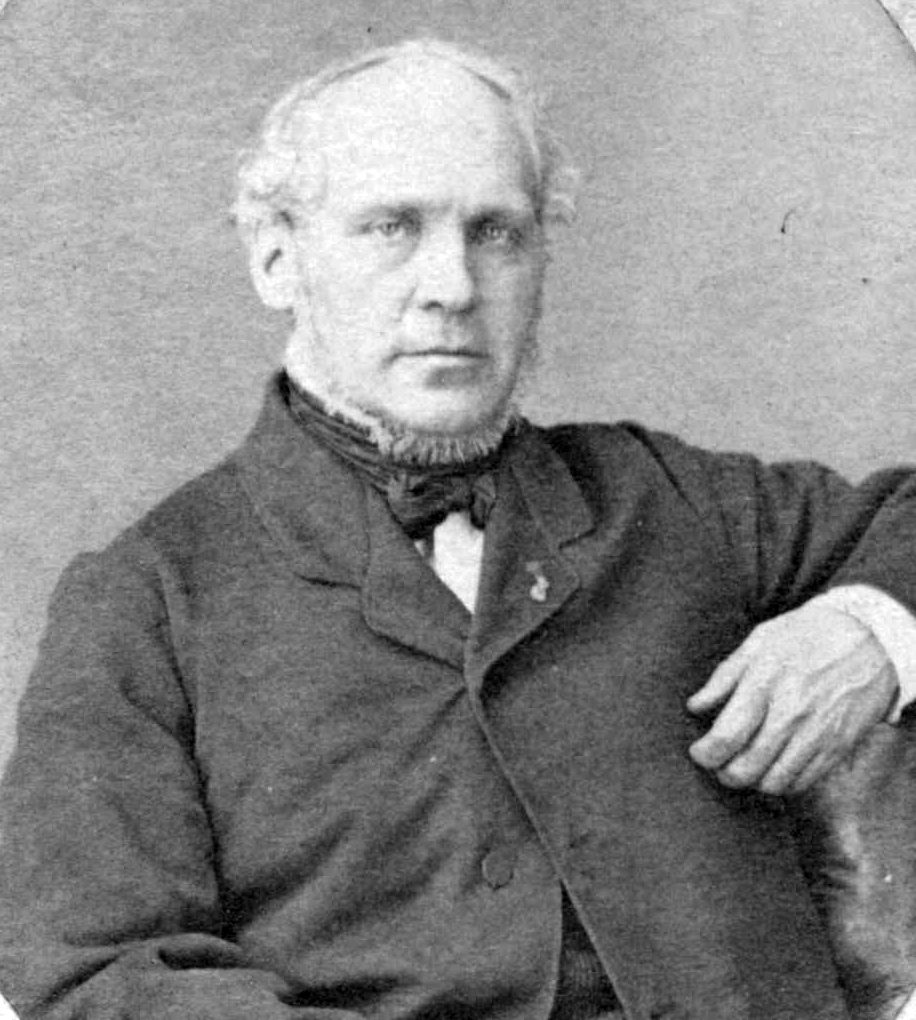
In Roger of Salerno's Practica chirurgiae, which appeared about 1180, end-to-end suture is described, as is the value of mercurial inunction in chronic skin diseases; in his recommendation of seaweed for the treatment…
1854
#5555
La chirurgie de maître Jean Yperman, le père de la chirurgie flamande (1295-1351). Mise au jour et annotée par J. M. F. Carolus.
Jan Yperman, became the first authority on surgery in the Low Countries during the 14th century. He was also the first medical writer in the Dutch language. He probably born in or near Ypres in Belgium, and may have s…
1854
#5355
Klinische und anatomische Beobachtungen über die Krankheiten von Aegypten.
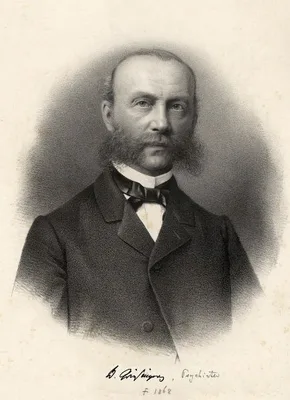
Griesinger connected the worm of ankylostomiasis with Egyptian chlorosis, a condition in which the worm had previously been noted without its being considered the causal agent (pp. 555-61). Apparently Bilharz in 1853 …
1854
#5604
Die Galvanokaustik.
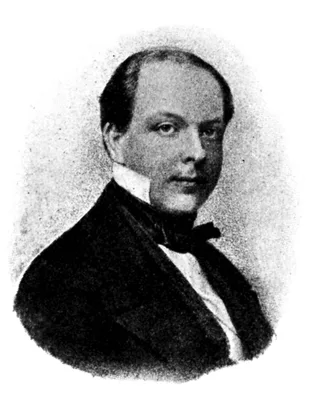
Middeldorpf improved the galvano-cautery and introduced it in major surgery.
1854 –1855
#5872
Vorlaüfige Notiz über das Wesen des Glaucoms.
1854
#5874
Report on the ophthalmoscope.
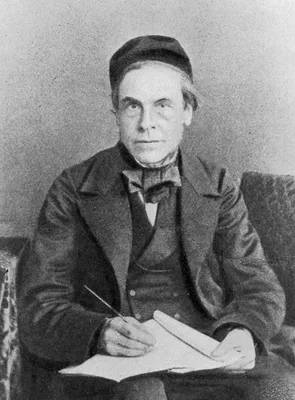
Jones reported that Charles Babbage (1792-1871), the computer pioneer, had produced a simple ophthalmoscope in 1847. After the success of Helmholtz’s instrument in 1851 (No. 5866) Jones wrote about Babbage’s instrumen…
1854
#5875
Die pyämische Ophthalmie in Beziehung zur feinsten Organisation des Entzündungs-Produkts und zu der eigenthümlichen Struktur des Glaskörpers.
First account of metastatic ophthalmia.
1854
#6040
Extirpation of the uterus and ovaries for sarcomatous disease.
First successful abdominal hysterectomy, 25 May, 1853. An account of Burnham’s work is given by J. C. Irish in Trans. Amer. med. Ass. 1878, 29, 447-61.