
Latest Entries
Recently added and updated annotations in the corpus.
1927
#14272
Zur Frage der Angiomatosis Retinae und Ihrer Hirncomplikation.
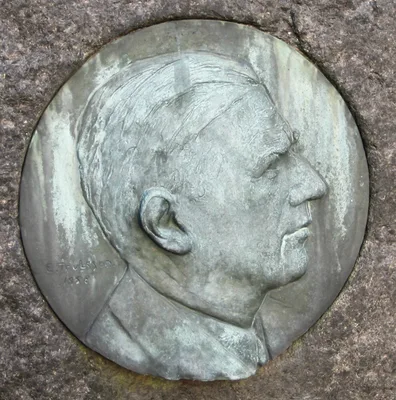
Lindau described the angiomas of the cerebellum and spine found in Von Hippel-Lindau disease (VHL).
1904
#14271
Über eine sehr seltene Erkrankung der Netzhaut. Klinische Beobachtungen.
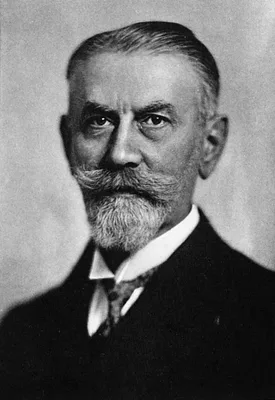
First description of angiomas in the eye (retinal hemangioblastomas), (Von Hippel-Lindau disease) (VHL). Von Hippel was preceded in his description of this disease by Edward Treacher Collins, "Two cases, brother and s…
1999
#14270
The tumour suppressor protein VHL targets hypoxia-inducible factors for oxygen-dependent proteolysis.
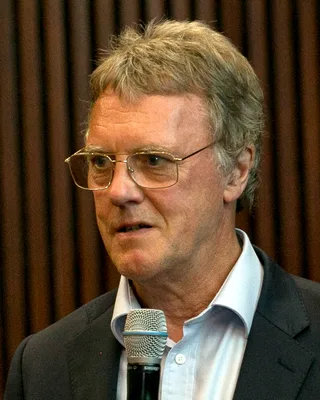
The focus of both Peter Ratcliffe’s and William Kaelin’s work, for which they shared the Nobel Prize with Gregg Semenza, was the relationship between pVHL and HIF. This led to an increased understanding of how cells s…
1995
#14269
Purification and characterization of hypoxia-indicible factor 1.
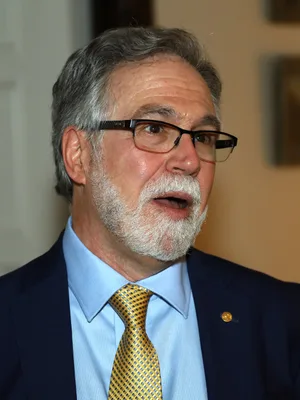
Semenza and postdoctoral fellow Guang Wang discovered transcription factor HIF-1, a transcription factor that responds to decreases in available oxygen in the cellular environment, or hypoxia. IN 2019 Semenza shared t…
1992
#14268
Induced expression of PD-1, a novel member of the immunoglobulin gene superfamily, upon programmed cell death.
Honjo discovered the programmed cell death protein 1 (PD-1). This discovery significantly contributed to the establishment of cancer immunotherapy principle by PD-1 blockade. Order of authorship in the original public…
1996
#14267
Enhancement of antitumor immunity by CTLA-4 blockade.

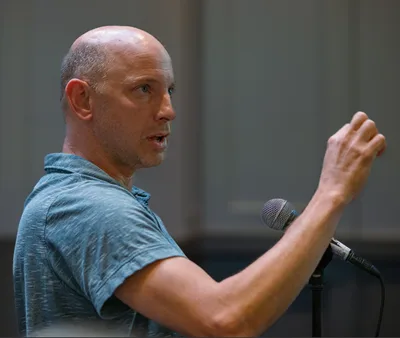
In the early 1990s James Allison showed that CTLA-4 acts as an inhibitory molecule to restrict T-cell responses. In 1996, Allison was the first to show that antibody blockade of a T-cell inhibitory molecule (known as …
1982
#14266
Tumor-specific antigen of murine T-lymphoma defined with monoclonal antibody.
In 1982 Allison discovered the T-cell receptor. Order of authorship in the original publication: Allison, Bloch, McIntyre.
1984
#14265
Restoration of circadian behavioral rhythms by gene transfer in Drosophila.

"At The Rockefeller University in the early 1980s, Young and his two lab members, Ted Bargiello and Rob Jackson, further investigated the circadian period gene in Drosophila. They constructed segments of recombinant D…
1998
#14264
CYCLE Is a Second bHLH-PAS Clock Protein Essential for Circadian Rhythmicity and Transcription of Drosophila period and timeless.
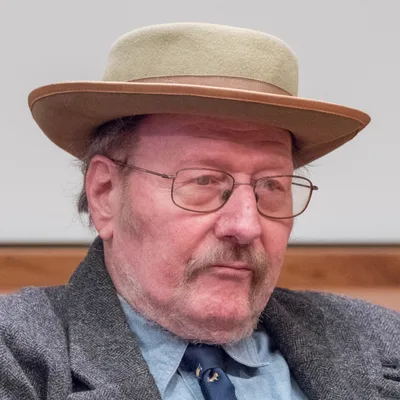
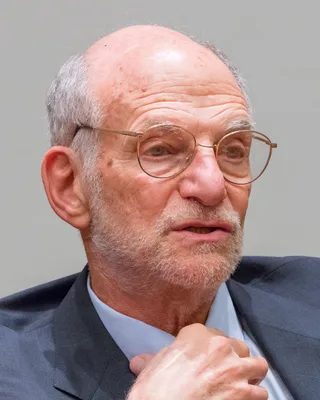
In 1998 Rosbach, Hall and colleagues discovered the cycle gene, clock gene, and cryptochrome photoreceptor in Drosophila through the use of forward genetics, by first identifying the phenotype of a mutant and then det…
1984
#14263
Molecular analysis of the period locus in Drosophila malanogaster and identification of a transcript involved in biological rhythms.
Rosbach and colleagues, including Jeffrey C. Hall, sequenced the Drosophila period gene in 1984. Full text available from cell.com at this link. Order of authorship in the original publication: Reddy, Zehring, Wheeler…
1999
#14262
A pdf Neuropeptide gene mutation and ablation of PDF neurons each cause severe abnormalities of behavioral circadian rhythms in Drosophila.
In 2017 Hall shared the Nobel Prize in Physiology or Medicine with Michael Rosbash and Michael W. Young “for their discoveries of molecular mechanisms controlling the circadian rhythm.” Order of authorship in the orig…
1994
#14261
Ultrastructural analysis of the autophagic process in yeast: detection of autophagosomes and their characterization.
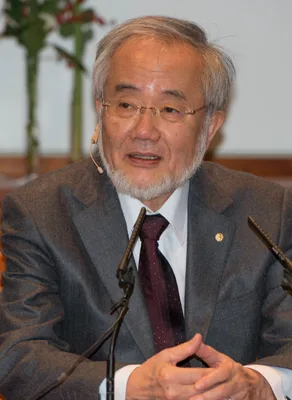
Order of authorship in the original publication: Baba, M., Takeshige, Baba, N., Ohsumi. In 2016 Oshuni received the Nobel Prize in Physiology or Medicine "for his discoveries of mechanisms for autophagy."
2015
#14260
NOBEL LECTURE: Discovery of Artemisinin - A gift from traditional Chinese medicine to the world.
In 1972 Tu Youyou discovered Artemisinin, the standard treatment worldwide for P. falciparum malaria as well as malaria due to other species of Plasmodium. Artemisinin is extracted from Artemisia annua (sweet wormwood…
2005
#14259
Microstructure of a spatial map in the entorhinal cortex.
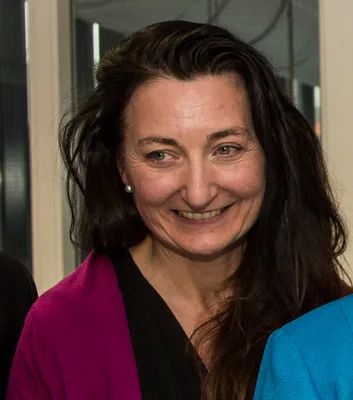
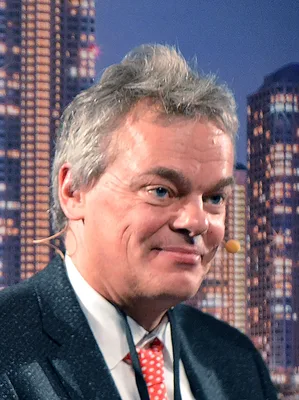
May-Britt Moser and Edvard Moser and colleagues discovered grid cells, specialized types of neurons that respond to specific locations in space. They are main components of the brain's GPS. Order of authorship in the …
1971
#14258
The hippocampus as a spatial map. Preliminary evidence from unit activity in the freely-moving rat.
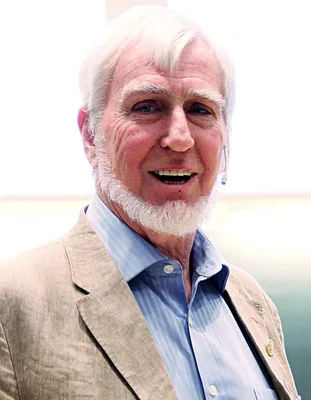
See also: O'Keefe, "Place units in the hippocampus of the freely moving rat," Experimental Neurology, 51 (1976) 78–109. O’Keefe and his student Jonathan Dostrovsky discovered place cells in the hippocampus, and that t…
2005
#14257
Autonomous function of synaptotagmin 1 in triggering synchronous release independent of asynchronous release.
Südhof is credited with discovering much of the machinery mediating neurotransmitter release and presynaptic plasticity, beginning with the discovery of symaptotagmins and their role in neurostrasmitter release from t…
1980
#14256
The identification of 23 complementation groups required for post-translational events in the yeast secretory pathway.
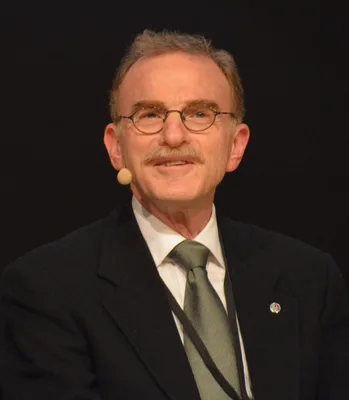
See also: Novick, P., Ferro, S. and Schekman, R. "Order of events in the yeast secretory pathway," Cell, 25, 1981, 461-469. In 1979 Schekman devised a genetic selection for temperature-conditional secretion-defective …
1980
#14255
Transport of vesicular stomatitis virus glycoprotein in a cell-free extract.
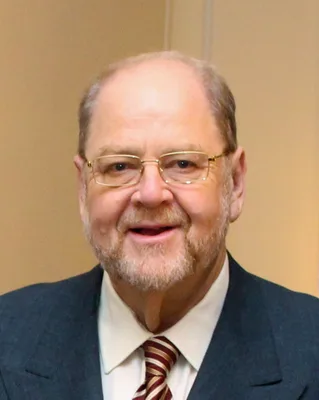
See also: Fries & Rothman, "Transient activity of Golgi-like membranes as donors of vescular stomatitis viral glycoprotein in vitro," J. Cell. Biol., 90, 1981, 697-704. "Rothman's research[15] details how vesicles—tin…
1983
#14254
Cyclin: A protein specified by maternal mRNA in sea urchin eggs that is destroyed at each cleavage division.
"It was at Woods Hole around July 1982, using Arbacia sea urchin eggs as his model organism, that he discovered cyclin proteins.[12] Cyclins play a key role in regulating the cell-division cycle.[16] Hunt was observin…
1976
#14253
Genetic control of the cell division cycle in the fission yeast Schizosaccharomyces pombe.

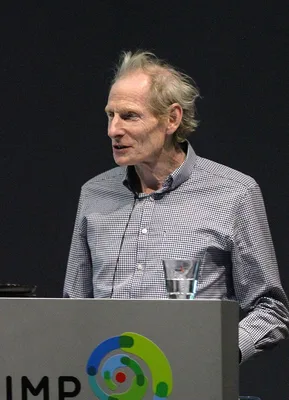
"Beginning in 1976, Nurse identified the gene cdc2 in fission yeast (Schizosaccharomyces pombe). This gene controls the progression of the cell cycle from G1 phase to S phase and the transition from G2 phase to mitosi…
1996
#14252
Toward a molecular definition of long-term memory storage.
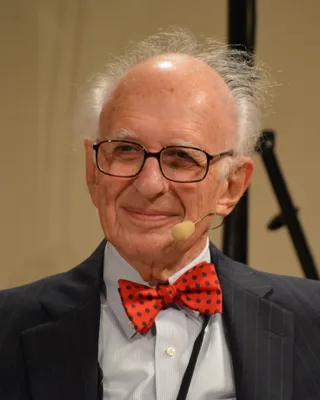
"Abstract: The storage of long-term memory is associated with a cellular program of gene expression, altered protein synthesis, and the growth of new synaptic connections. Recent studies of a variety of memory process…
1998
#14251
DARPP-32: Regulator of the efficacy of dopaminergic neurotransmission.
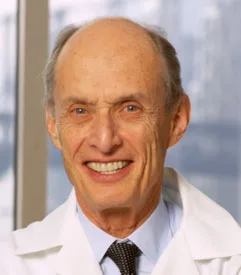
"Greengard's research focused on events inside the neuron caused by neurotransmitters. Specifically, Greengard and his fellow researchers studied the behavior of second messenger cascades that transform the docking of…
1957
#14250
3,4-Dihydroxyphenylalanine and 5-Hydroxytryptophan as reserpine rntagonists.
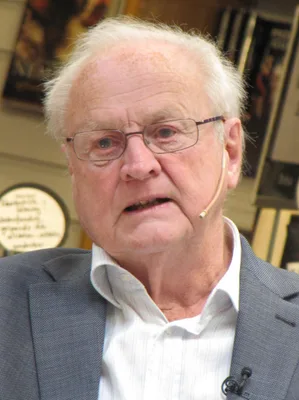
Carlsson demonstrated that dopamine was a neurotransmitter in the brain and not just a precursor for norepinephrine. Digital facsimile from nature.com at this link. In 2000 Arvid Carlsson shared the Nobel Prize in Phy…
1975
#14249
Transfer of proteins across membranes. I. Presence of proteolytically processed and unprocessed nascent immunoglobulin light chains on membrane-bound ribosomes of murine myeloma. II. Reconstitution of functional rough microsomes from heterologous components.
"In 1975 Günther Blobel showed that in certain cases amino acids in a protein serve as an address label that determines where a protein is to be delivered. Amino acid sequences determine whether a protein is to be pas…
1977
#14248
Nitric oxide activates guanylate cyclase and increases guanosine 3',5'-monophosphate levels in various tissue preparations.
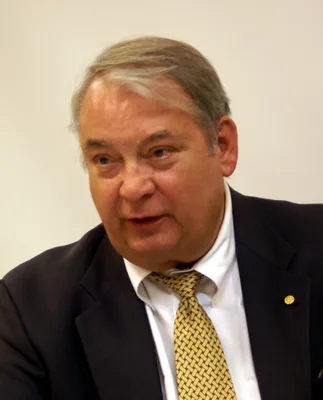
Murad demonstrated that nitroglycerin and related drugs worked by releasing nitric oxide into the body, which relaxed smooth muscle by elevating intracellular cyclic GMP. With W. P. Arnold, C. K. Mittal, S. Katsuki. I…
1979
#14247
Relaxation of bovine coronary artery and activation of coronary arterial guanylate cyclase by nitric oxide, nitroprusside and a carcinogenic nitrosoamine.
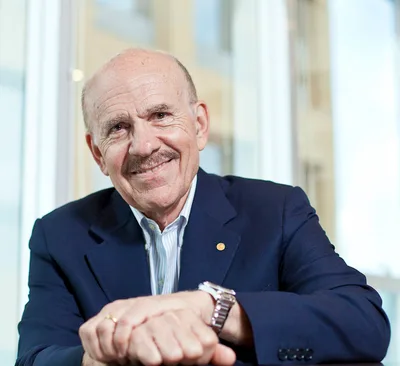
With CA Gruetter, BK Barry, DB McNamara, DY Gruetter, PJ Kadowitz. In 1998 Ignarro shared the Nobel Prize in Physiology or Medicine with Robert F. Furchgott and Ferid Murad "for their discoveries concerning nitric oxi…
1980
#14246
The obligatory role of endothelial cells in the relaxation of arterial smooth muscle by acetylcholine.
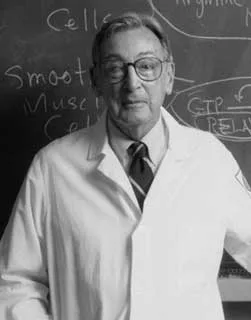
In 1978 Furchgott discovered a substance in endothelial cells that relaxes blood vessels, calling it endothelium-derived relaxing factor (EDRF). By 1986, he had worked out EDRF's nature and mechanism of action, and de…
1976
#14245
Evidence for somatic rearrangement of immunoglobulin genes coding for variable and constant regions.
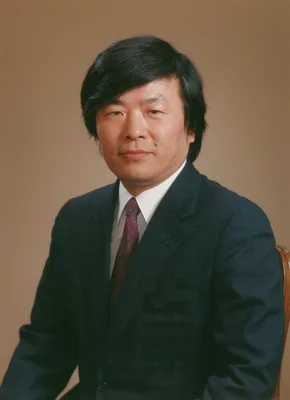
Discovery of V(D)J recombination, the genetic mechanism which produces antibody diversity. In 1987 Tonegawa was awarded the Nobel Prize in Physiology or Medicine "for his discovery of the genetic principle for generat…
1965
#14244
The stimulation of epidermal proliferation by a specific protein (EGF).
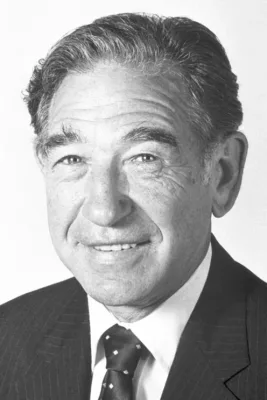
Discovery of Epidermal Growth Factor (EGF). In 1986 Cohen shared the Nobel Prize in Physiology or Medicine with Rita Levi-Montalcini "for their discoveries of growth factors."
1954
#14243
In vitro experiments on the effects of mouse sarcomas 180 and 37 on the spinal and sympathetic ganglia of the chick embryo.
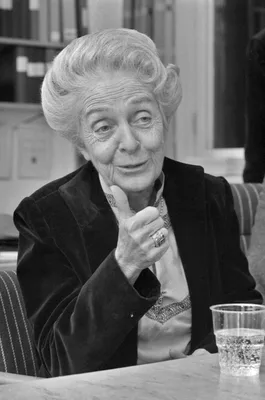
Discovery of nerve growth factor (NGF). Order of authorship in the original publication: Levi-Montalcini, Meyer, Hamburger. In 1986 Levi-Montalcini was awarded half of the Nobel Prize in Physiology or Medicine, and St…
1959
#14242
Receptive fields of single neurones in the cat's striate cortex.
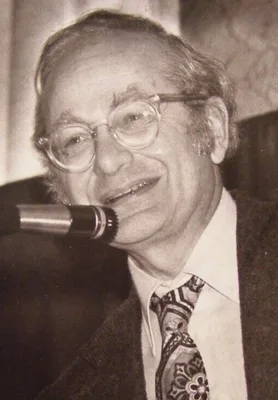
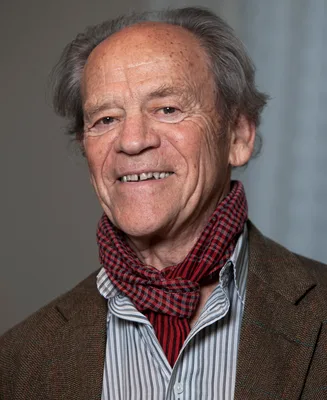
Also: Hubel & Wiesel, Receptive fields, binocular interaction and functional architecture in the cat's visual cortex, J. Physiol., 160, 1962, 106-154. In 1981 Hubel and Wiesel shared half of the Nobel Prize in Physiol…
1973
#14241
Regulation of 3-Hydroxy-3-Methylglutaryl Coenzyme A Reductase activity in human fibroblasts by lipoproteins.
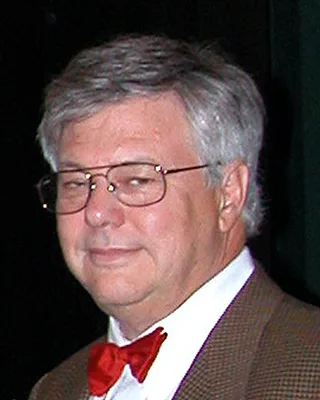
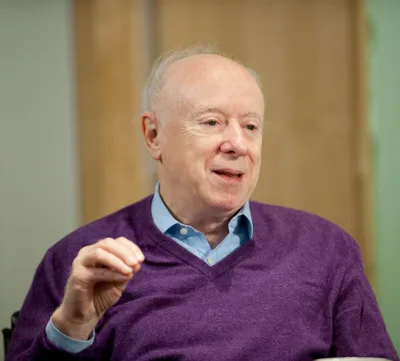
Goldstein and Brown discovered that human cells have low-density lipoprotein (LDL) receptors that remove cholesterol from the blood and that when LDL receptors are not present in sufficient numbers, individuals develo…
1960
#14240
β-Hydroxy-β-methyl-glutaryl coenzyme A reductase, cleavage and condensing enzymes in relation to cholesterol formation in rat liver.
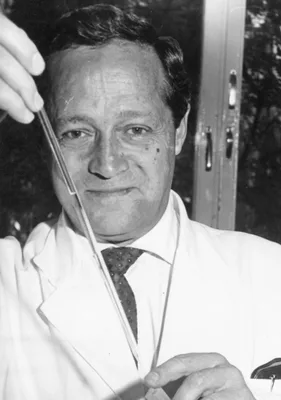
In 1964 Feodor Lynen shared the Nobel Prize in Physiology or Medicine with Konrad Bloch “for their discoveries concerning the mechanism and regulation of the cholesterol and fatty acid metabolism.” Order of authorship…
1942
#14239
On the utilization of acetic acid for cholesterol formation.
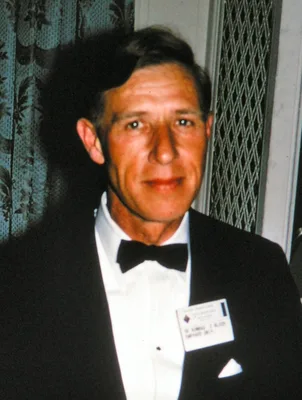
See also, Rittenberg & Bloch, "The Utilization of Acetic Acid for the Synthesis of Fatty Acids," J. Biol. Chem. 160, 1945, 417-424. Bloch, "The Biological Conversion of Cholesterol to Pregnanediol," J. Biol. Chem. 157…
1931
#14238
Zur Kenntnis des Vitamins-A aus Fischtranen.
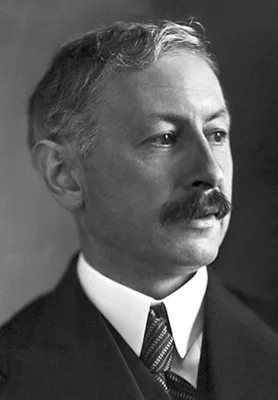
In 1930 Karrer established the correct formula for carotene (the chief precursor of vitamin A), the first demonstration of the chemical structure of a vitamin. Shortly thereafter, he was able to determine the formula …
1990
#14237
Historical atlas of crystallography.
2003
#14236
Trepanation: History, Discovery, Theory. Edited by Robert Arnott, Stanley Finger, and C.U.M Smith.
1892 –1906
#14235
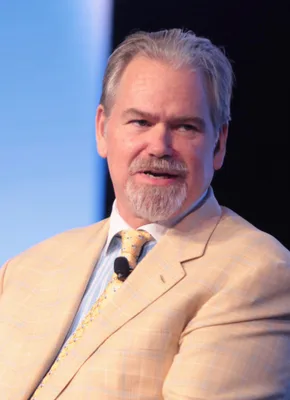
Atlas der pathologischen Histologie des Nervensystems. Herausgegeben von Prof. V. Babes (Bucarest), P. Blocq (Paris, Prof. Ehrlich (Berlin), Prof. Homen (Helsingfors), Prof. P. Marie (Paris, G. Marinesco (Bucarest), Prof. Mendel (Berlin) Prof. Möli (Berlin), Dozen C. v. Monakow (Zürich), Prof. Ramon j Cajal (Barcelon) und Prof. Vanlair (Lüttic). Redigirt von Professor V. Babes und P. Blocq. I. Lieferung: Die krankhaften Veränderungen der Museklnerven und deren Endigungen. II. Lieferung: Régénération des nerves. Degeneration und Entzündung der Nerven.
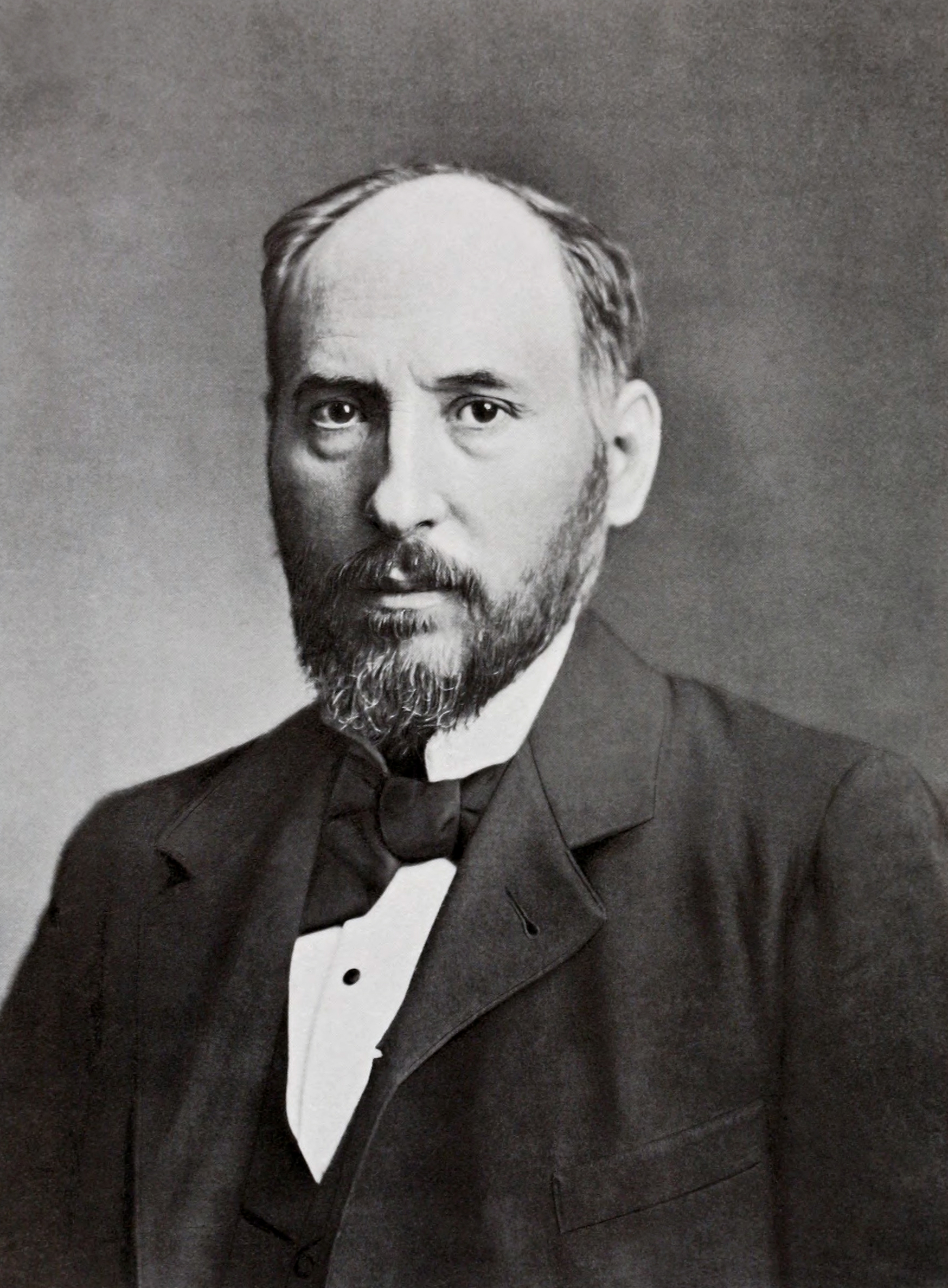
Published in 9 parts, of which part 3 was the last published, in 1906. Authors and titles of each part: 1. Babes & Marinesco. Die krankhaften Veränderungen der Muskelnerven und deren Endigungen (1892). 2. Régénération…
1891
#14234
Anatomie pathologique de la moelle épinière.
1999
#14233
Médecins Sans Frontières. Nobel Lecture.
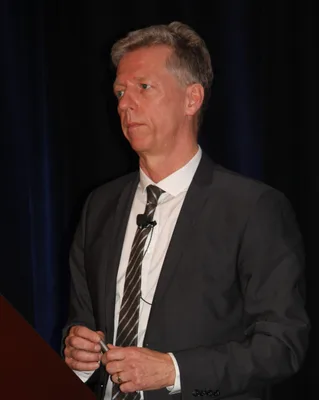
In 1999 Orbinsky accepted the Nobel Peace Prize for Médecins Sans Frontières “in recognition of the organization's pioneering humanitarian work on several continents." He delivered the organization's Nobel Lecture, av…
1970
#14232
Characterization of ovine hypothalamic hypophysiotropic TSH-releasing factor.
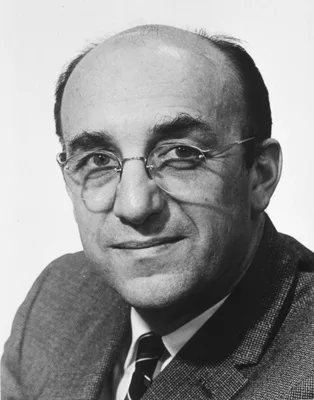
Working with sheep preparations, the authors determined that the molecular structure of TRF (thyroid releasing hormone), is 2-pyrrolidone-5-carboxylyl-histidyl-L-proline amide. On page 324, they showed the molecular s…
1971
#14231
Structure of the porcine LH-and FSH-releasing hormone. II. Confirmation of the proposed structure by conventional sequential analyses.
Publication in May 1971: Working with pig preparations, the authors reinvestigated the peptide that they had previously isolated, which acted as an LH-FSH releasing hormone. They performed an Edman-dansyl degradation …
1959
#14230
Association of specific overt behavior pattern with blood and cardiovascular findings: Blood cholesterol level, blood clotting time, incidence of arcus senilis, and clinical coronary artery disease.
Abstract: "Three groups of men, selected solely according to the behavior pattern which they habitually manifested in their work, were compared with respect to their serum cholesterol levels, clotting times, presence …
1936
#14229
The comparative anatomy of the nervous system of vertebrates, including man. 2 vols.
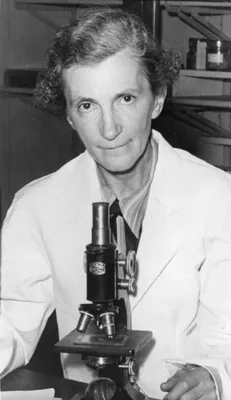
This edition and translation was so extensively reworked and expanded by Kappers, Huber and Crosby that it should be considered a new work. See No. 1247 for the original edition in German. Order of authorship as publi…
1863
#14228
The principles and practice of surgery, embracing minor and oeprative surgery; with a bibliographical index of American surgical writers from the year 1783 to 1860. Illustrated by 400 wood-cuts and nearly 1000 engravings on steel. 2 vols.
The most extensively illustrated American manual of surgery issued during the U.S. Civil War.
1959
#14227
Einführung in die stereotaktischen Operationen mit einem Atlas des menschlichen Gehirns. Introduction to stereotaxis with an atlas of the human brain. Large folio text plus 2 large folio binders of plates with captions.
One of the most elaborately produced medical books of the 20th century, with numerous very large plates folding out to the size of four folio sheets, and numerous photographs with plastic overlays.
2003
#14226
Dental practice in Europe at the end of the 18th century. Edited by Christine Hilliam.
1991
#14225
Brass plate and brazen impudence: Dental practice in the provinces 1755-1855.
1981
#14224
The crystallization of ribsomal proteins from the 50 S subunit of the Escherichia coli and Bacillus stearothermophilus ribosome.
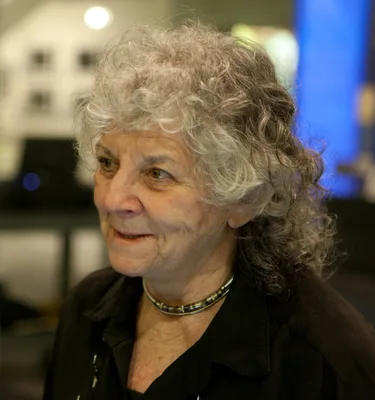
The authors crystallized fragments of the 50S subunit of a thermophile bacterium’s ribosome to 3 angstroms resolution. Order of authorship in the original publication: Appelt, Dyck, et al., Yonath. Digital facsimile f…
1954
#14223
The structure of haemoglobin - IV. Sign determination by the isomorphous replacement method.
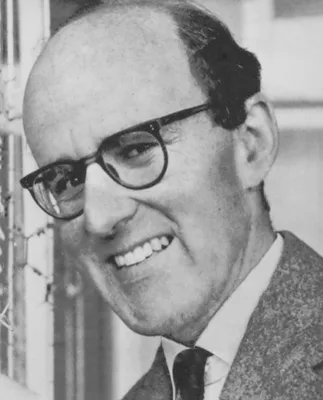
The first demonstration of isomorphous replacement in protein crystallography. This was a key step in determination of the structure of large biological molecules. Harittai, "On the origins of isomorphous replacement …