
Facets
Browse across eight MeSH (opens in new tab) facets — era, geography, science, specialty, technology, history, culture, and reference. Select one tag per group; counts update across the others. What’s new in facet browse how facets relate to subjects and MeSH.
Clear filtersFacet filters
Geography
Specialties & Disease
- Anatomy & Pathology 2
- Cardiology & Blood 43
- Neurology & Psychiatry 9
- Obstetrics & Reproductive 29
- Infectious Disease (General) 0
- Surgery & Anesthesia 78
- Public Health 3
- Immunology & Dermatology 4
- General Clinical Medicine 7
- Military Medicine 5
- Psychology 2
- Alternative & Fringe Medicine 0
- Pediatrics 2
- Ophthalmology & Vision 25
- ENT & Hearing 25
- Urology & Nephrology 11
- Gastroenterology & Hepatology 9
- Pulmonary & Respiratory 14
- Rheumatology, Rehab & Pain 2
- Internal, Emergency & Geriatric 13
- Veterinary Medicine 0
- Epidemiology & Demography 1
- Physiology & Embryology 38
- Dentistry 22
- Plagues & Epidemics 5
- Microbiology & Virology 0
Social & Historical Studies
Institutions & Culture
Reference & Scholarly Works
311 entries match Instruments & Devices [E07]
1834
#4167
On the anatomy and diseases of the neck of the bladder, and of the urethra.
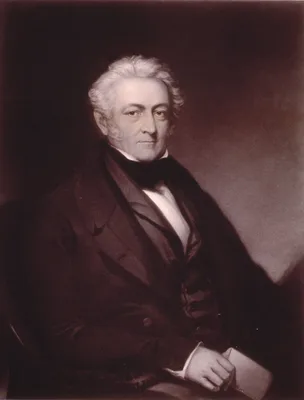
Guthrie was the first to describe non-prostatic obstruction at the neck of the bladder. On p. 252 of the above work is an account of Guthrie’s prostatic catheter for use in trans-urethral prostatectomy.
1837
#2213
A treatise on the diagnosis and treatment of diseases of the chest.
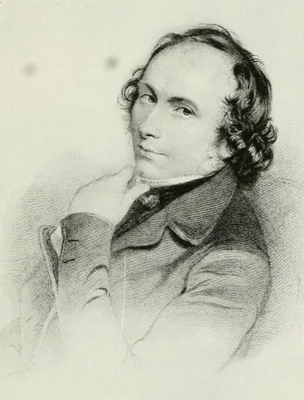
Stokes, most prominent of the Irish school of medicine, established his reputation by his book on diseases of the chest. Important among its contents are his discovery of a stage of pneumonia prior to that described b…
1839
#2676
Abhandlung über Perkussion und Auskultation.
Skoda classified the various sounds obtained on percussion according to their musical pitch and tone. “Skoda’s resonance” is an important diagnostic sign in pneumonia and pericardial effusion. Following Skoda’s work, …
1842 –1843
#6033
Invention du spéculum plein et brisé.
Description of the speculum invented by Récamier.
1845
#1968
Neuralgia - introduction of fluid to the nerve.
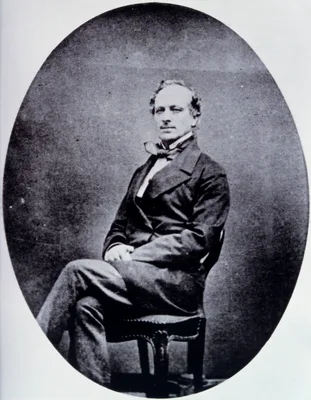
Rynd, an Irish physician, invented the hollow needle used in hypodermic syringes. The description of his instrument is given in Dublin Quart. J. med. Sci., 1861, 32, 13.
1846
#930
On the capacity of the lungs, and on the respiratory functions, with a view of establishing a precise and easy method of detecting disease by the spirometer.
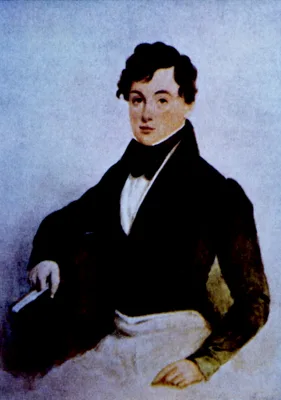
Invention of the spirometer, making possible the determination of the vital capacity of the lungs. Hutchinson used the spirometer while evaluating candidates for life insurance as a physician for Brittania Life. Parti…
1846
#8587
The young stethoscopist; or, the student's aid to auscultation.
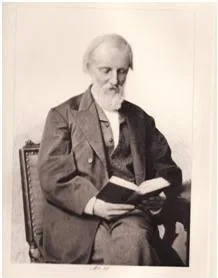
Through this book Bowditch established the stethoscope as a diagnostic tool in America. Digital facsimile from the Medical Heritage Library, Internet Archive, at this link.
1847
#770
Beiträge zur Kenntniss des Einflusses der Respirationsbewegungen auf den Blutlauf im Aortensystem.
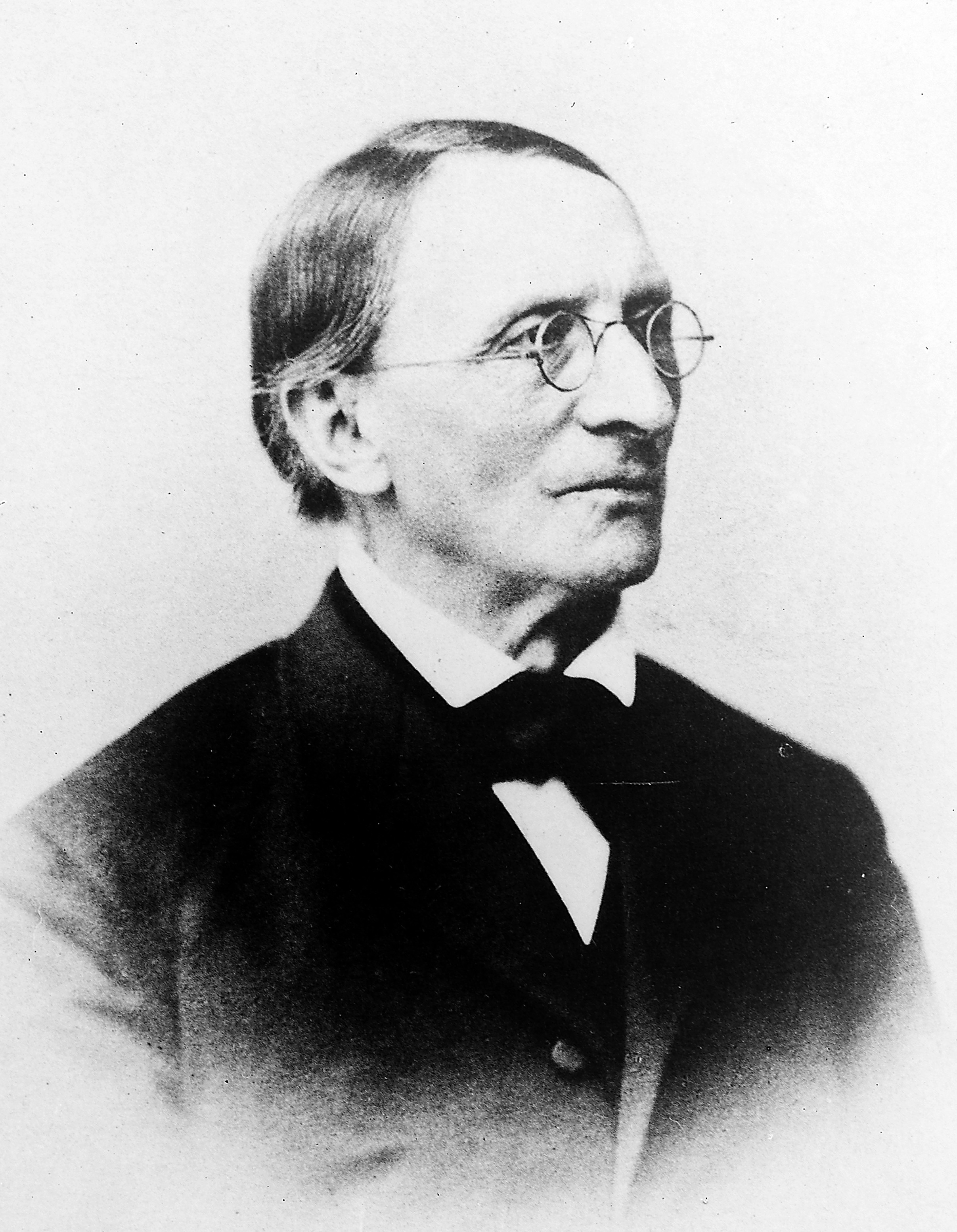
Ludwig changed Poiseuille’s hemodynamometer into the kymograph by the addition of a float and caused this float to write on a recording cylinder. Abridged English translation in Ruskin (No. 3160.1).
1848
#3683
A course of lectures on dental physiology and surgery.
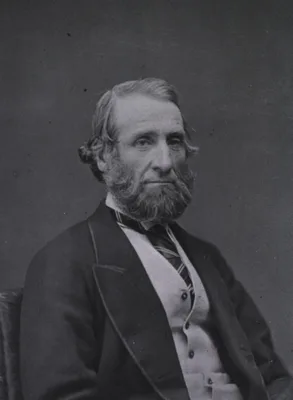
Tomes invented a set of anatomically correct forceps for tooth extraction, thereby elevating this device, which had been previously neglected, to dentistry’s most important extraction instrument. This book was revised…
1848
#5663
On the inhalation of chloroform and ether. With description of an apparatus.
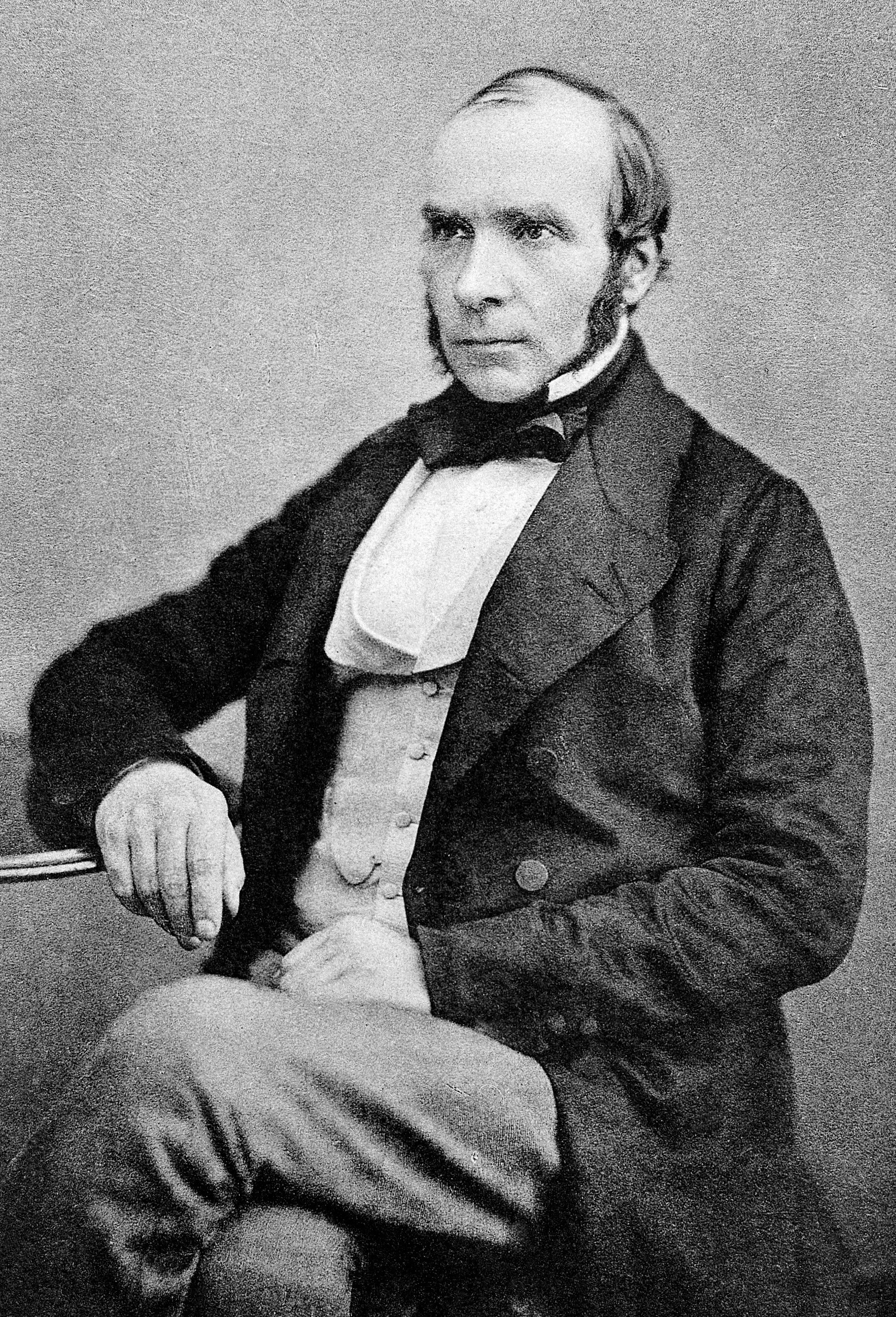
Snow’s chloroform inhaler.
1850
#1265
Vorläufiger Bericht über die Fortpflanzungsgeschwindigkeit der Nervenreizung.
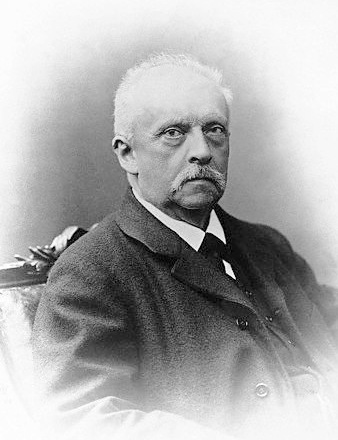
Helmholtz succeeded in measuring the velocity of the nervous impulse, by applying the knowledge and techniques of ballistics to the problem. In 1852, using a pendulum-myograph of his own invention, he measured the dur…
1851
#5866
Beschreibung eines Augen-Spiegels zur Untersuchung der Netzhaut im lebenden Auge.
Invention of the ophthalmoscope, one of the greatest events in the history of ophthalmology. English translation by T. H. Shastid, Chicago, Cleveland Press, 1916.
1852
#5866.1
Der Augenspiegel und des Optometer für practische Aerzte.
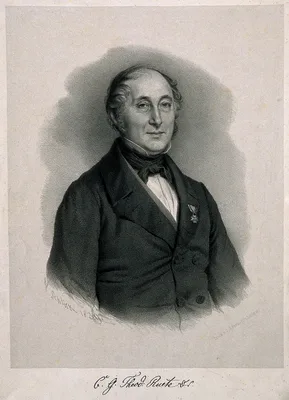
Ruete introduced a practical lens system for examining the inverted image, and improved the illumination, producing the first practical ophthalmoscope.
1853
#5603
Sur un nouveau moyen d’opérer la coagulation du sang dans les artères, applicable à la guérison des anéurismes.
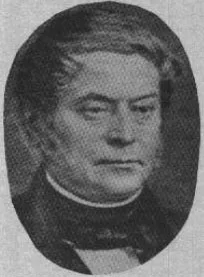
Pravaz invented galvanocautery.
1853
#5869.1
Dissertatio ophthalmologica inauguralis de speculo oculi.
Trigt's thesis contains the first printed illustrations of the fundus of the eye. Digital facsimile from Google Books at this link. The following year Trigt's thesis was translated into German by C. H. Schauenberg as …
1854
#2759
Die bildliche Darstellung des menschlichen Arterienpulses.
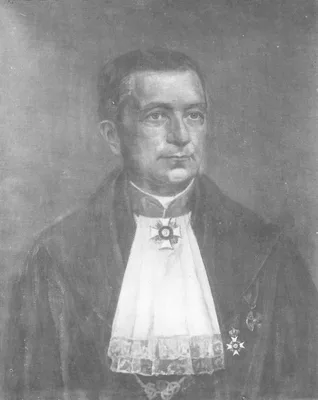
Vierordt invented a sphygmograph which acted on the principle that indirect estimation of blood-pressure could be accomplished by measuring the counter-pressure necessary to obliterate the arterial pulsation. This was…
1854 –1855
#1509
Ueber die Accommodation des Auges.
Helmholtz determined the optical constants and explained the mechanism of accommodation, with the help of the ophthalmometer which he had invented in 1852.
1854 –1855
#3329
Observations on the human voice.
Garcia, a teacher of singing, invented the modern laryngoscope.
1854
#5604
Die Galvanokaustik.
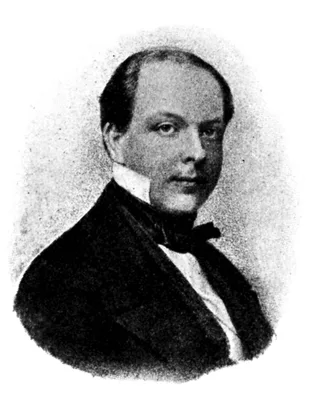
Middeldorpf improved the galvano-cautery and introduced it in major surgery.
1854
#5874
Report on the ophthalmoscope.
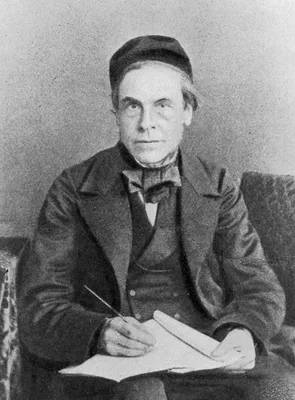
Jones reported that Charles Babbage (1792-1871), the computer pioneer, had produced a simple ophthalmoscope in 1847. After the success of Helmholtz’s instrument in 1851 (No. 5866) Jones wrote about Babbage’s instrumen…
1855
#1969
New method of treating neuralgia by the direct application of opiates to the painful joints.
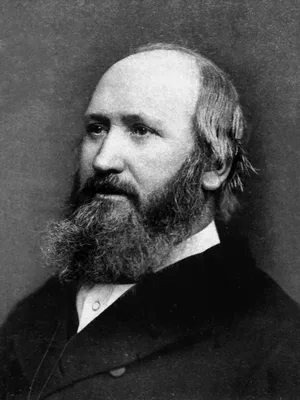
Wood of Edinburgh was the first (1853) to employ hypodermic injection that used a true syringe and hollow needle as a therapeutic procedure. He referred to his invention as "subcutaneous" rather than hypodermic. See a…
1855
#11566
Self-adjusting stethoscope of Dr. Cammann.
The American physician George P. Cammann invented the binaural flexible stethoscope. By 1852 Cammann "had developed a stethoscope with flexible tubing (spirals of wire covered with silk, later rubber, or as he called …
1856
#773
Études expérimentales sur les lésions organiques du coeur.
Faivre made the first accurate estimation of the blood-pressure in man, by connecting the artery with a mercury manometer and making direct readings. These investigations were important, since they established normal …
1856
#2676.1
On the self-adjusting double stethoscope.
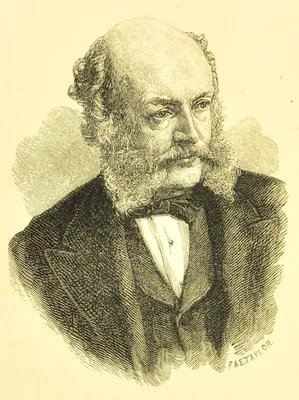
Leared demonstrated a binaural stethoscope at the Great Exhibition, London, 1851. Camman introduced the pattern whose main design continues in use today; this was illustrated in the N.Y. med. Times, Jan. 1855, and rep…
1857
#6043
System of practical surgery. 4th ed.
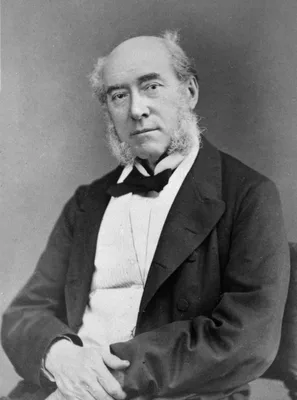
Fergusson’s vaginal speculum is described on p. 724.
1858
#775
Die Erscheinungen und Gesetze der Stromgeschwindigkeiten des Blutes.
Vierordt estimated, by means of a “hemotachometer” of his own invention, the rate of the blood flow in various arteries, and also the influence of the blood volume, pulse rate and respiratory rate upon it.
1858
#3330
Der Kehlkopfrachenspiegel und die Methode seines Gebrauches.
Türck, at first sceptical of Garcia’s laryngoscope, later adopted it and claimed from Czermak priority in its clinical employment; these two gentlemen fought one another bitterly for some years over this point.
1858
#3331
Physiologie Untersuchungen mit Garcia’s Kehlkopfspiegel.
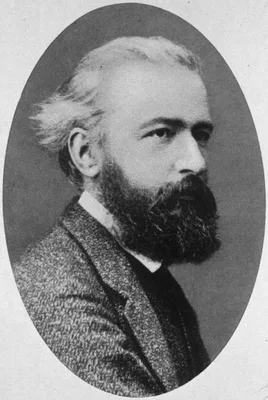
Czermak was the first to demonstrate the utility of the laryngoscope invented by Garcia. He substituted artificial light for sunlight and made other improvements.
1858
#5883
Klinische Analyse der Motilitätsstörungendes Auges.
Alfred Carl Graefe, cousin of Albrecht, made a careful clinical analysis of disordered movements of the eye. He also invented a special “localization ophthalmoscope”, and, with Saemisch, edited the great Handbuch der …
1859
#935.1
Experimental inquiries into the chemical and other phenomena of respiration, and their modifications by various physical agents.
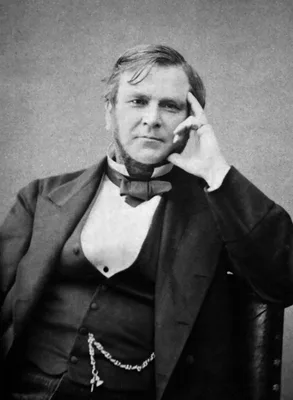
Smith invented a respirometer to study changes in respiratory function under various conditions. See also the following paper (pp. 715-42) on the effects of foods on respiration. For an account of his work in this and…
1859
#812.2
Fissura sterni congenita. New observations and experiments made in Amerika [sic] and Great Britain with illustrations of the case and instruments.
Records first use of telegraphy to record and measure the heart beat and pulse, written and published by the patient, who lived to the age of 45. This was done in Boston with an instrument placed against Groux’s chest…
1860
#776
Recherches sur le pouls au moyen d’un nouvel appareil enregistreur le sphygmographe.
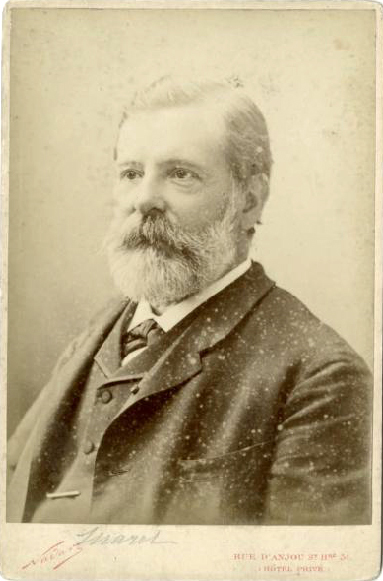
Invention of the modern sphygmograph. Also published in C.R. Acad. Sci. (Paris), 1860, 51, 281-309. Preliminary paper in same journal, 1860, 50, 634-37.
1860
#3333
Praktische Anleitung zur Laryngoscopie.
1860
#3374
Die Untersuchung des Gehörgangs und Trommelfells. Ihre Bedeutung. Kritik der bisherigen Untersuchungsmethoden und Angabe einer neuen.
Invention of the modern otoscope.
1860
#6043.1
On diseases peculiar to women, including displacements of the uterus.
Chapter 5 includes a lengthy description of the “Hodge pessary”. See No. 6185.
1860
#10495
Illustrated wholesale catalogue of surgical and dental instruments, elastic trusses, medical saddle bags, abdominal supporters, shoulder braces and druggists sundries, offered by Snowden & Brother.
Snowden & Brother provided an excellent selection of the exact types of equipment used by the Union Army during the Civil War. Facsimile reprint, with John Weiss & Son 1863 catalogue, with a new introduction by James …
1862
#2166.1
Notes on arrow wounds.
The definitive work on American Indian arrow wounds suffered by U. S. troops and settlers in frontier warfare during the Western expansion of the United States. Bill eventually developed a "Forceps for the Extraction …
1862
#3269
Beiträge zur Laryngoscopie.
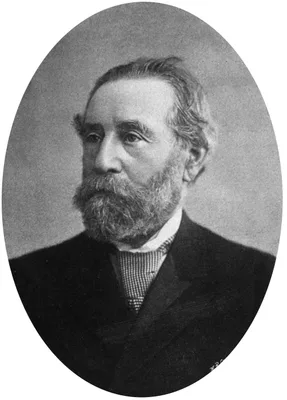
Lewin was probably the first to extirpate a laryngeal growth with the aid of the laryngoscope. Bruns claimed this distinction, but may not have heard of Lewin.
1863
#816
Appareils et expériences cardiographiques.
First direct records of the heart impulse by means of a “cardiac sound” and the sphygmograph – recording tambours, which wrote on a moving drum covered with smoked paper.
1863 –1865
#4537
Observations on defects of sight in brain disease.
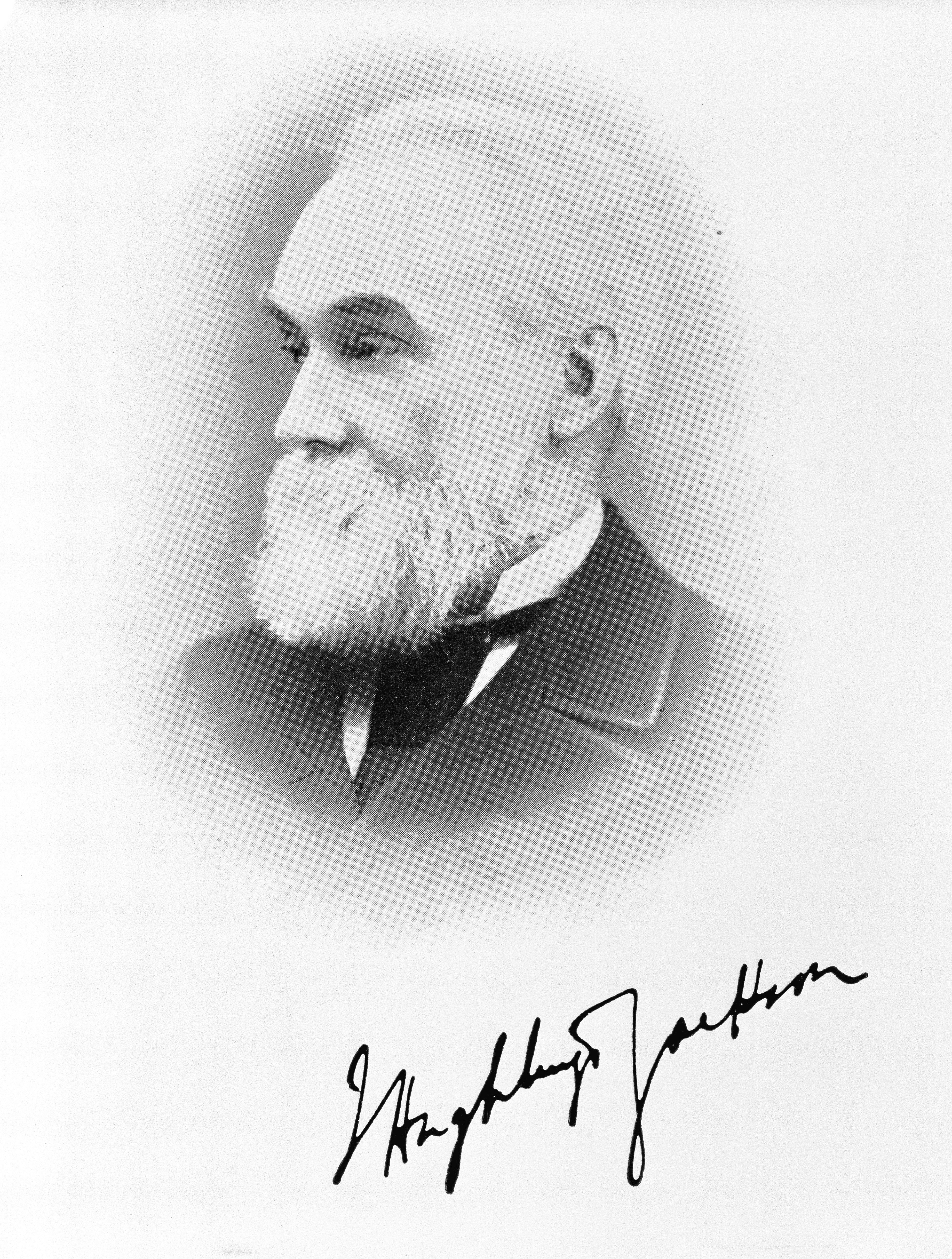
In this work Jackson showed the importance of the ophthalmoscope in the investigation of diseases of the nervous system. Reprinted in Med. Classics, 1939, 3, 918-26.
1863
#10496
A catalogue of surgical instruments, apparatus, appliances, etc. Manufactured and sold by John Weiss & Son.
Though based in England, John Weiss & Son's catalogue offered and illustrated a wide range of equipment that would have been used in the American Civil War or the Crimean War. Facsimile reprint, with Snowdon & Brother…
1864
#623
Untersuchungen über elektrische Nervenreizung.
Among the instruments introduced by Fick for the study of muscle and nerve physiology were the myotonograph, the cosine lever, and an improved thermopile.
1864
#6185
The principles and practice of obstetrics.
Hodge, nearly blind, dictated this superb textbook from memory to his son. It includes his concept of “parallel planes” at the various levels of the pelvic canal, and his placental forceps for the completion of aborti…
1865
#3271
Die Laryngoskopie und die laryngoskopische Chirurgie. 1 vol. and atlas.
Bruns claimed to have been the first to remove a tumor from the larynx with the aid of the laryngoscope.
1865
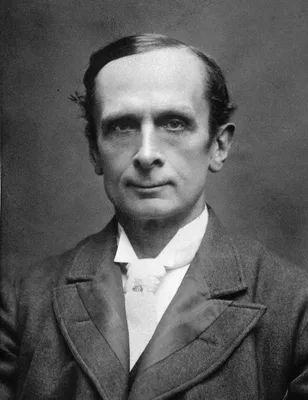
#3334
The use of the laryngoscope in diseases of the throat; with an appendix on rhinoscopy.
1865
#3378
Die Beleuchtungsbilder des Trommelfells im gesunden und kranken Zustande.
Politzer was the first to obtain pictures of the membrana tympani by means of illumination. English translation, New York, 1869.
1865
#3378.1
A new otoscope or speculum auris.
Brunton’s otoscope.
1865
#4172
De l’endoscope et de ses applications au diagnostic et au traitement des affections de l’urèthre et de la vessie.
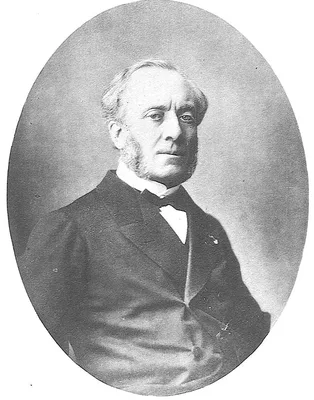
Desormeaux was a pioneer of endoscopy. Digital facsimile from Google Books at this link.
1866
#6057
Clinical notes on uterine surgery, with reference to the management of the sterile condition.
A revolutionary and controversial work, written in Paris while Sims was in voluntary exile because of the U.S. Civil War, and first serialized in Lancet 2 (1864) and 1 (1865). Includes, pp. 16-18, the description of S…
1867
#3274
Removal of a fibrous polyp from the inferior anterior surface of the right vocal cord with the aid of the laryngoscope.
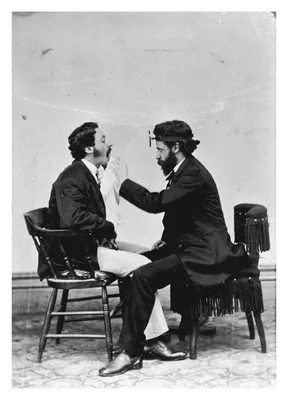
First successful operation for cancer of the larynx.