
Facets
Browse across eight MeSH (opens in new tab) facets — era, geography, science, specialty, technology, history, culture, and reference. Select one tag per group; counts update across the others. What’s new in facet browse how facets relate to subjects and MeSH.
Clear filtersFacet filters
Geography
Specialties & Disease
- Anatomy & Pathology 59
- Cardiology & Blood 48
- Neurology & Psychiatry 49
- Obstetrics & Reproductive 10
- Infectious Disease (General) 2
- Surgery & Anesthesia 14
- Public Health 31
- Immunology & Dermatology 60
- General Clinical Medicine 169
- Military Medicine 8
- Psychology 9
- Alternative & Fringe Medicine 3
- Pediatrics 3
- Ophthalmology & Vision 26
- ENT & Hearing 19
- Urology & Nephrology 13
- Gastroenterology & Hepatology 10
- Pulmonary & Respiratory 5
- Rheumatology, Rehab & Pain 3
- Internal, Emergency & Geriatric 1
- Veterinary Medicine 1
- Epidemiology & Demography 31
- Physiology & Embryology 34
- Dentistry 8
- Plagues & Epidemics 55
- Microbiology & Virology 49
Social & Historical Studies
Institutions & Culture
Reference & Scholarly Works
757 entries match Diagnostics & Imaging [E01]
1843
#7696
Six ethnographic maps illustrative of "The natural history of man".
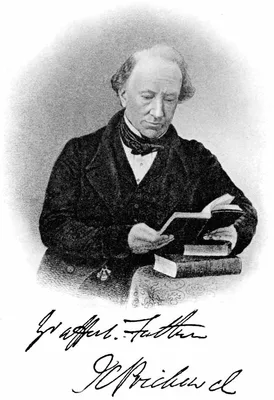
An atlas of six large hand-colored folding maps originally issued to accompany Prichard's popular work, The natural history of man, first issued in 1843. The maps were revised and re-issued in 1851 and 1861.
1844 –1845
#267.1
Cours de microscopie. 1 vol. and atlas.
Donne's and Foucault's work was the first biomedical textbook to be illustrated with images made from photomicrographs, in this case daguerreotypes of blood cells. Among its noteworthy images are the first microphotog…
1845
#543.1
Physiologie pathologique. 2 vols. & atlas.
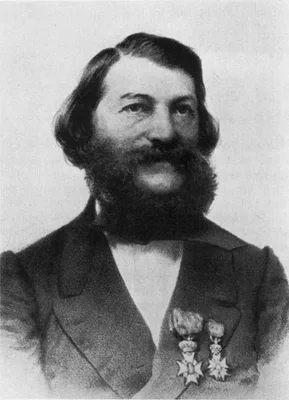
One of the earliest atlases of pathological histology. Lebert’s work played an important role in introducing the cellular idea of pathology, laying the groundwork for Virchow’s theories.
1845
#5859
Anatomische Untersuchungen über die sogenannten leuchtenden Augen bei den Wirbelthieren.
Von Brücke studied the luminosity of the eye in animals, and by passing a tube through a candle flame, was able to see the fundus. See also the same journal, 1847, 225-27.
1845 –1849
#7694
Dr. Heinrich Berghaus’ Physikalischer Atlas: oder, Sammlung von Karten, auf denen die hauptsächlichsten Erscheinungen der anorganischen und organischen Natur nach ihrer geographischen Verbreitung und Vertheilung bildlich dargestellt sind. 2 vols.
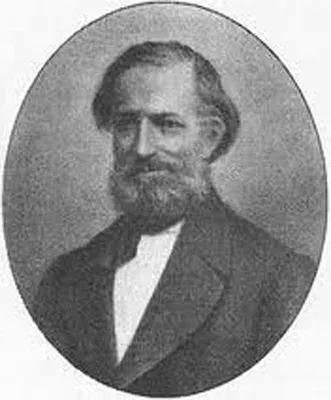
Berghaus created a new genre of thematic atlases. He issued this work gradually in eighteen installments from 1837 to1848. The first edition of the complete atlas consists of ninety maps in two vols., dated 1845 and 1…
1846 –1849
#544
The microscopic anatomy of the human body, in health and disease.
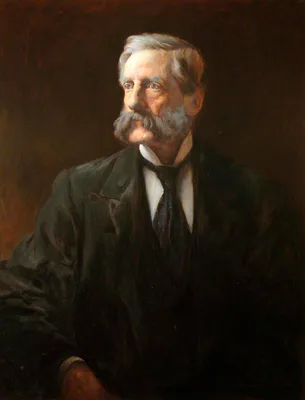
First English textbook on microscopical anatomy. His description of the concentric corpuscles of the thymus (p. 9) led to the term “Hassall’s corpuscles”.
1846
#5861
On a luminous appearance of the human eye, and its application to the detection of disease of the retina and posterior part of the eye.
While a student at the London Hospital, Cumming, by shading the eye of a fellow student from the light, was able to look directly into it and obtain both the retinal reflex and the white light from the entrance of the…
1847
#5862
A manual of the principles and practice of ophthalmic medicine and surgery.
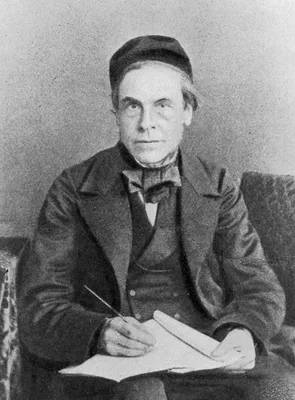
The last important English work on opthalmology published before the invention of the ophthalmoscope. Jones did not appreciate the prototype ophthalmoscope devised by Charles Babbage, and shown to him in 1847. After t…
1848 –1854
#270
Het mikroskoop, deszelfs gebruik, Geschiedenis en tegewoordige Toestand. Eeen handbooek voor natuur - en geneeskundigen. 4 vols.
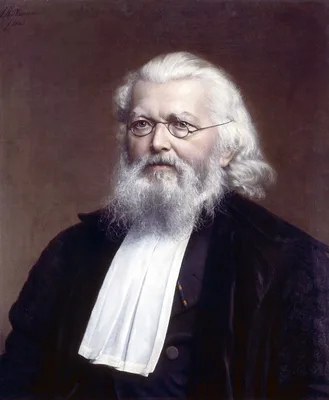
Exhaustive history of the microscope. The work was translated into German, appearing (second edition) in 1866; this last was reprinted Amsterdam, 3 vols., 1970. Digital facsimile of the first edition in Dutch from wel…
1849
#7689
The history of the cholera in Exeter in 1832.
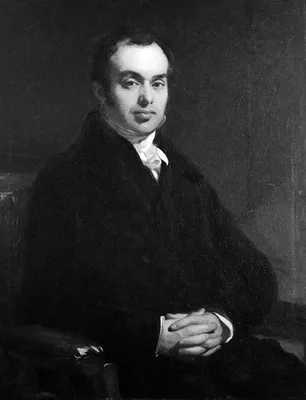
Includes “Map of Exeter in 1832 Shewing the Localities Where the Deaths Caused by Pestilential Cholera Occurred in the Years 1832, 1833 & 1834.” This map used red horizontal bars to illustrate outbreaks in 1832, red d…
1849
#7693
Physical Atlas. A series of maps & illustrations of the geographical distribution of natural phenomena. Embracing I. Geology. II Hydrography. III Meterology. IV. Natural History.
30 double-page maps, 15 of which are after the physical atlas of Berghaus. Contributors included Edward Forbes, George Waterhouse, Abbe Boué, etc. Various concern disease.
1850 –1855
#13157
Descriptive and illustrated catalogue of the histological series contained in the Museum of the Royal College of Surgeons of England. Vol. I. Elementary tissues of vegetables and animals; Vol. II. Structure of the skeleton of vertebrate animals. 2 vols.
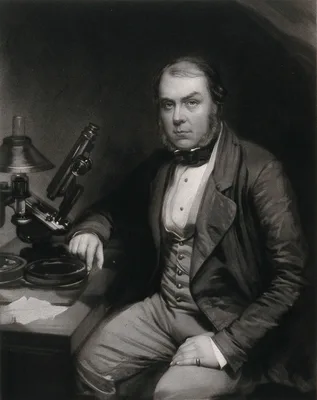
Digital facsimile from the Hathi Trust at this link.
1851
#5866
Beschreibung eines Augen-Spiegels zur Untersuchung der Netzhaut im lebenden Auge.
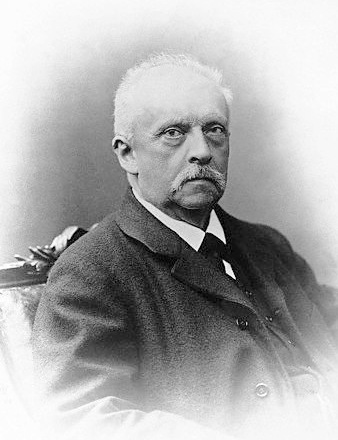
Invention of the ophthalmoscope, one of the greatest events in the history of ophthalmology. English translation by T. H. Shastid, Chicago, Cleveland Press, 1916.
1852
#546
Handbuch der Gewebelehre des Menschen.
Isolation of smooth muscle.
1852
#5866.1
Der Augenspiegel und des Optometer für practische Aerzte.
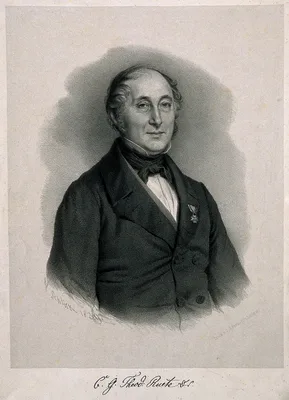
Ruete introduced a practical lens system for examining the inverted image, and improved the illumination, producing the first practical ophthalmoscope.
1853
#5869.1
Dissertatio ophthalmologica inauguralis de speculo oculi.
Trigt's thesis contains the first printed illustrations of the fundus of the eye. Digital facsimile from Google Books at this link. The following year Trigt's thesis was translated into German by C. H. Schauenberg as …
1854 –1855
#3329
Observations on the human voice.
Garcia, a teacher of singing, invented the modern laryngoscope.
1854
#5874
Report on the ophthalmoscope.
Jones reported that Charles Babbage (1792-1871), the computer pioneer, had produced a simple ophthalmoscope in 1847. After the success of Helmholtz’s instrument in 1851 (No. 5866) Jones wrote about Babbage’s instrumen…
1855
#1995
De l’électrisation localisée et de son application à la physiologie, à la pathologie, et à la thérapeutique.
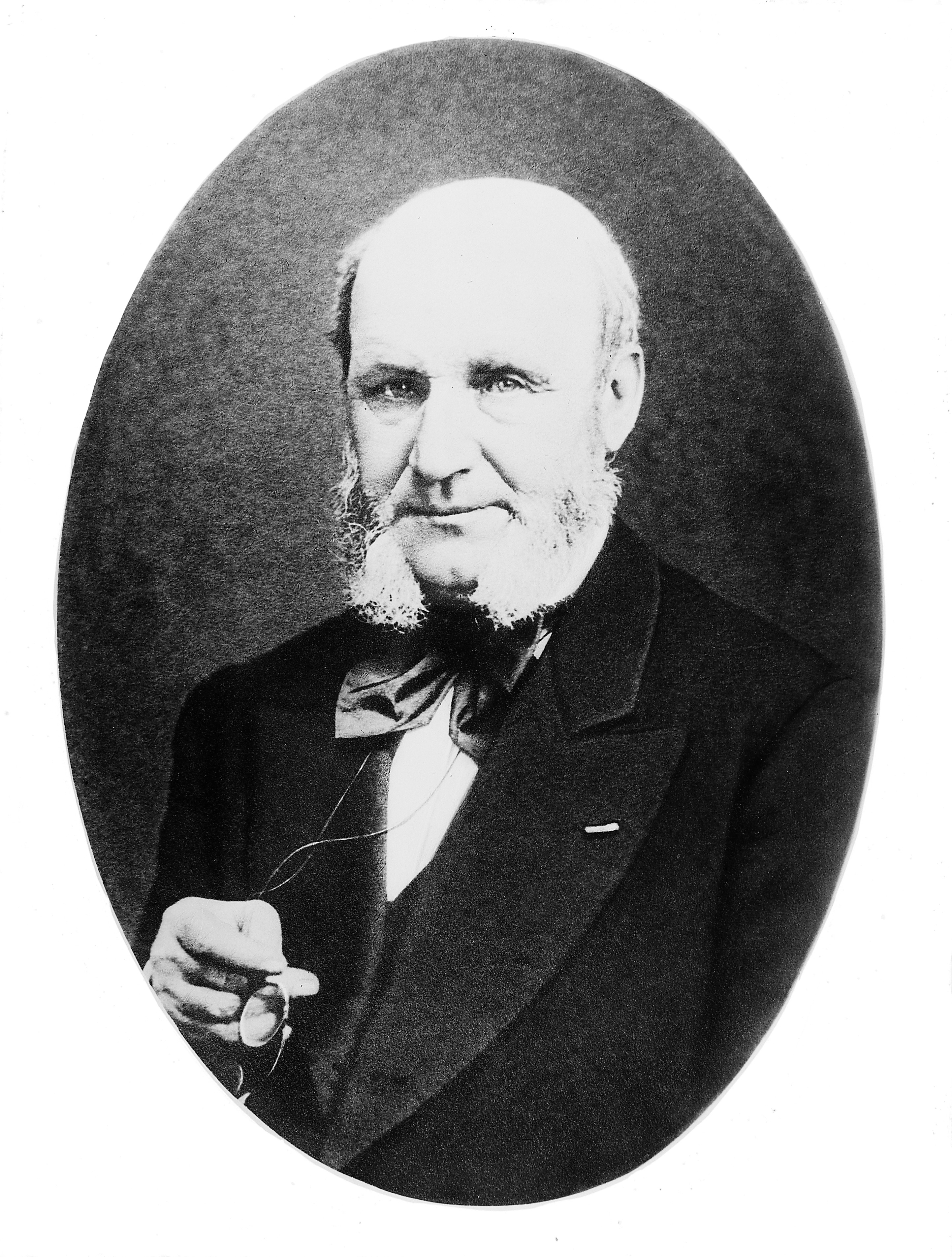
Duchenne classified the electrophysiology of the entire muscular system and summed up his findings in the above work. The application of his results to pathological conditions marks him as the founder of electrotherap…
1855
#5877
Ophthalmoskopische Notizen 4. Seitliche Beleuchtung und mikroskopische Untersuchung am lebenden Auge.
Liebreich introduced lateral illumination in microscopic investigation of the living eye.
1855
#9982
On the mode of communication of the cholera. Second edition, much enlarged.
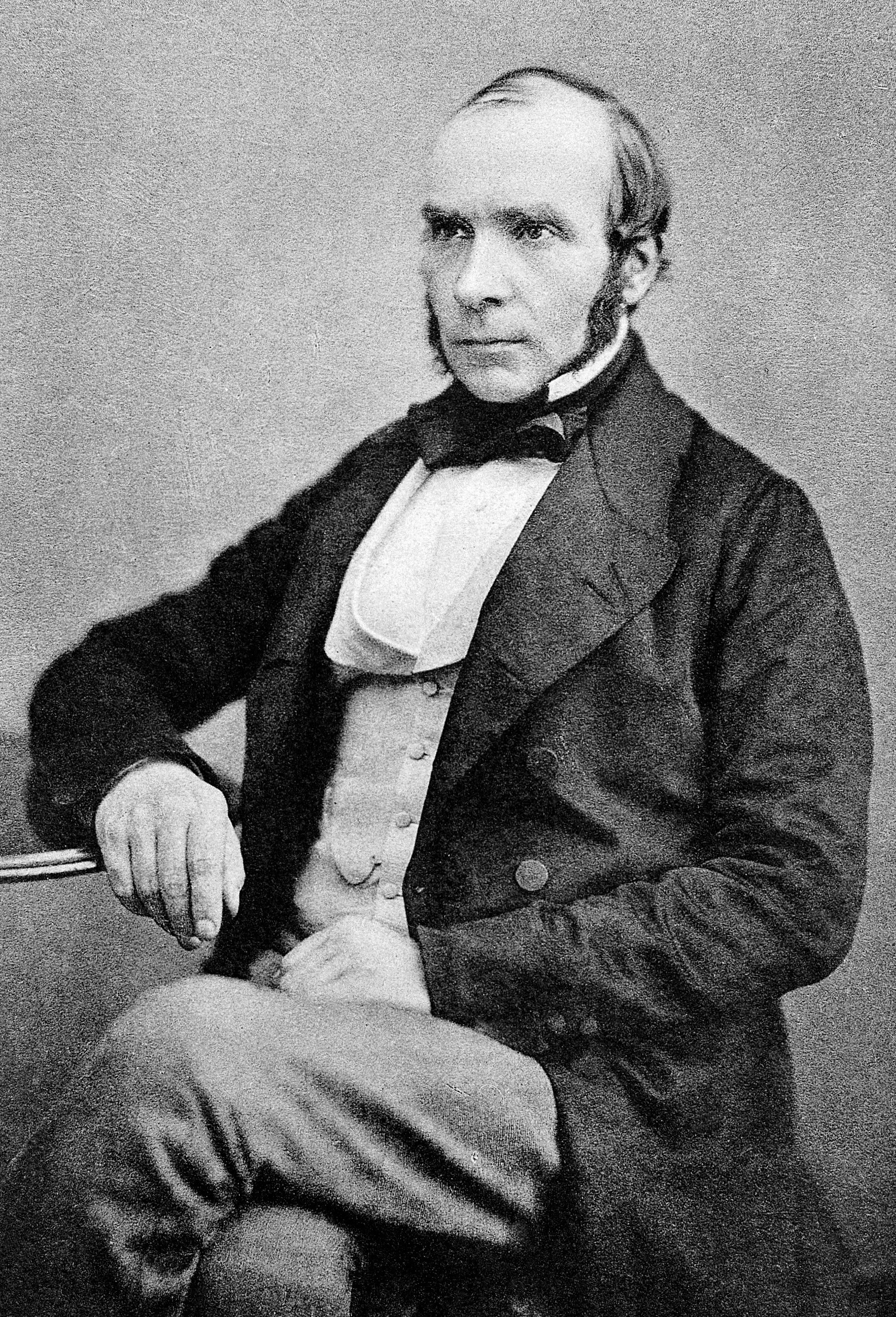
The second edition of Snow's book on cholera, with 162pp. compared to 31pp. in the first edition, incorporated the results of five more years of research, and contained so much additional material that it was essentia…
1858
#548
Mikroskopische Studien aus dem Gebiete der menschlichen Morphologie.
Gerlach introduced several staining methods, the most important of which (a transparent solution of ammonia carmine and gelatin) is called “Gerlach’s stain”; it was the first satisfactory histological stain.
1858
#1561
Ueber die Endigungsweise des Hörnerven im Labyrinth.
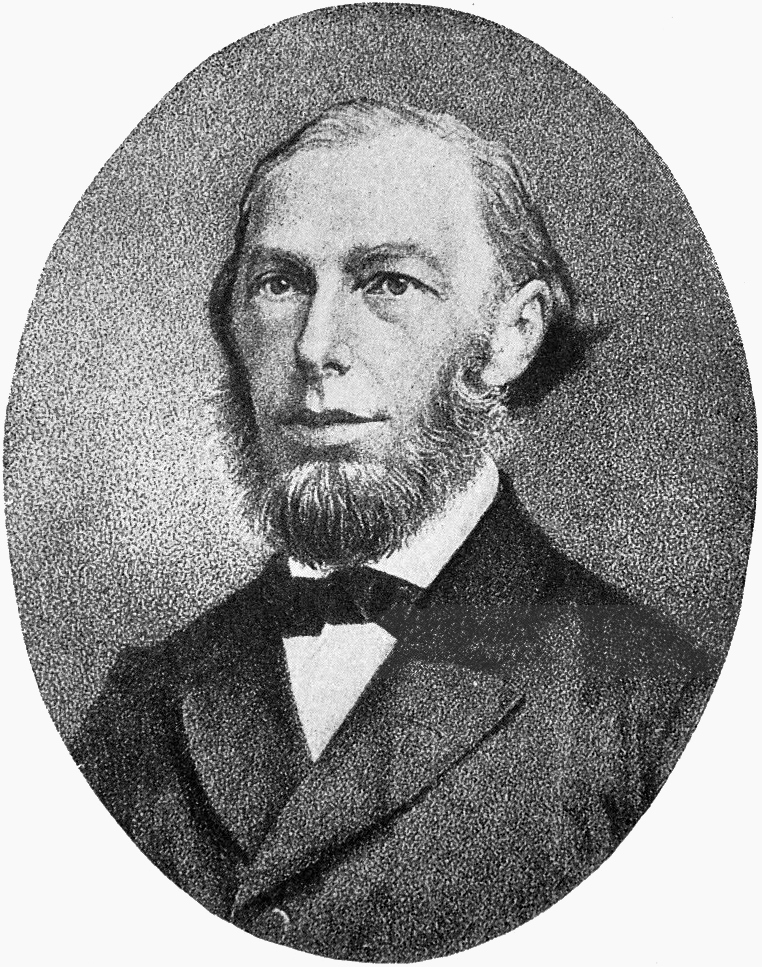
Schultze’s great monographs on the nerve-endings of the sense organs were of prime importance in the development of the science of histology. Besides that dealing with the internal ear, he wrote others dealing with th…
1858
#3330
Der Kehlkopfrachenspiegel und die Methode seines Gebrauches.
Türck, at first sceptical of Garcia’s laryngoscope, later adopted it and claimed from Czermak priority in its clinical employment; these two gentlemen fought one another bitterly for some years over this point.
1858
#3331
Physiologie Untersuchungen mit Garcia’s Kehlkopfspiegel.
Czermak was the first to demonstrate the utility of the laryngoscope invented by Garcia. He substituted artificial light for sunlight and made other improvements.
1858
#5883
Klinische Analyse der Motilitätsstörungendes Auges.
Alfred Carl Graefe, cousin of Albrecht, made a careful clinical analysis of disordered movements of the eye. He also invented a special “localization ophthalmoscope”, and, with Saemisch, edited the great Handbuch der …
1859
#2473
Nouveaux faits pour server à l’histoire de la levure lactique.
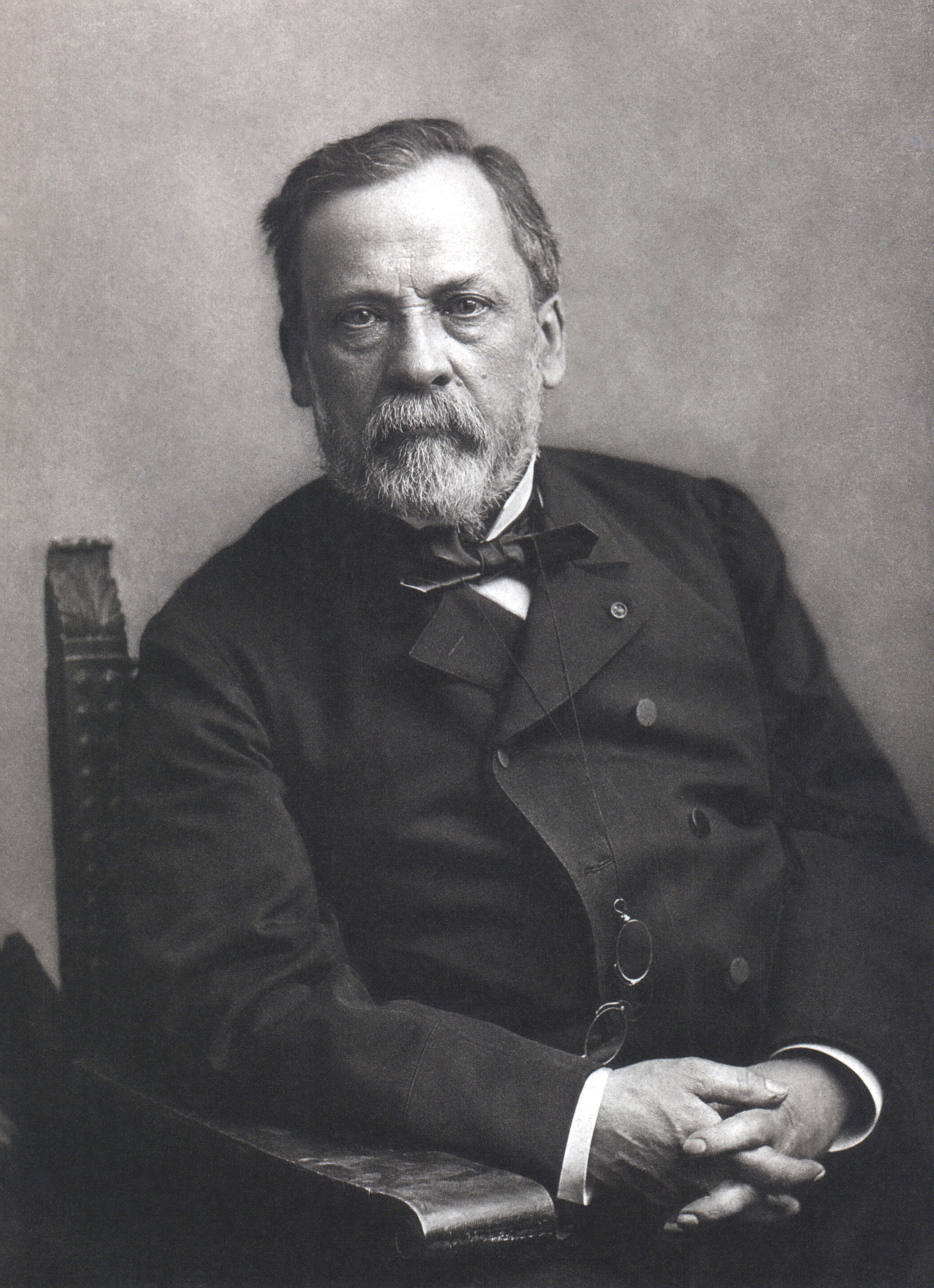
This and the preceding entry mark Pasteur’s commencement of the study of fermentation. This paper described Pasteur’s method of cultivating micro-organisms in a medium free of organic nitrogen to produce fermentations…
1859
#3332
Ueber die Inspektion des Cavum pharyngo-nasale und der Nasenhöhle durch Choanen vermittelstkleiner Spiegel.
Czermak’s method of exploring the nose and nasopharynx with small mirrors.
1860
#3333
Praktische Anleitung zur Laryngoscopie.
1861
#1107
Untersuchungen über den Bau der Lymphdrüsen.
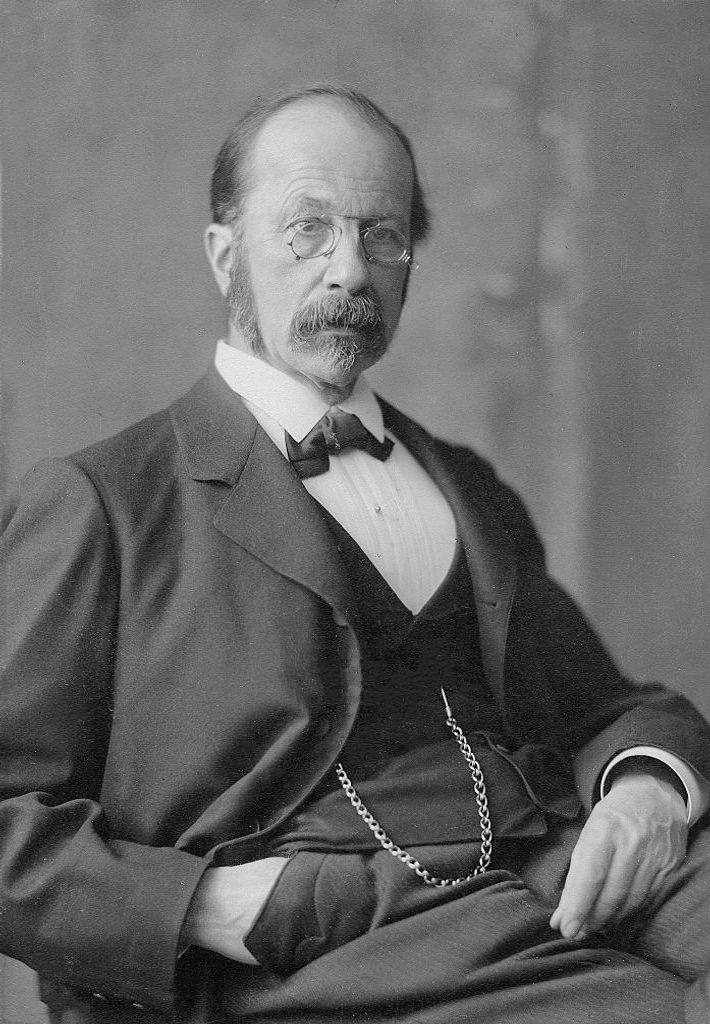
Histology of the lymphatics. His drew the illustrations.
1861 –1867
#14159
Atlas des peripherischen Nervensystems des menschlichen Körpers / Atlas du système nerveux périphérique du corps humain. Mit einem Vorwort von Prof. Dr. Th. W. L. Bischoff, nach der Natur photographirt von Joseph Alb. 10 parts.
Issued in 10 parts in folio (510 x 360 mm). Includes 46 large-format original photographs mounted on sheets of cardboard.
1862
#936
Untersuchungen über den Bau der Nasenschleimhaut, namentlich die Structur und Endigungsweise der Geruchsnerven bei dem Menschen und den Wirbelthieren.
Schultze’s classic paper on the nerves to the neuro-epithelium in the special sense organs marks an epoch in histology. He described the cells of the olfactory muccous membrane, “Schultze’s cells”.
1862
#3269
Beiträge zur Laryngoscopie.
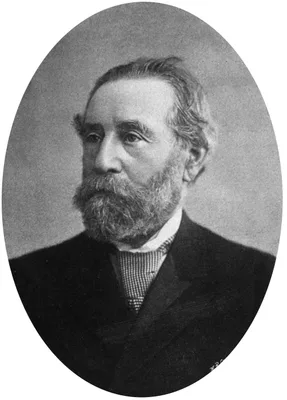
Lewin was probably the first to extirpate a laryngeal growth with the aid of the laryngoscope. Bruns claimed this distinction, but may not have heard of Lewin.
1862
#4973
Mécanisme de la physionomie humaine, ou analyse électro-physiologique de l’expression des passions applicable à la pratique des arts plastiques. Premier fascicule. [All published]. 1 volume of text plus atlas of photographs by Duchenne.
Duchenne studied the mechanism of facial expression during emotion; his atlas of photographs was the first medical book illustrated with photographs of living subjects. Darwin reproduced a number of his photographs in…
1863
#548.1
Ueber Eiter- und Bindegewebskörperchen.
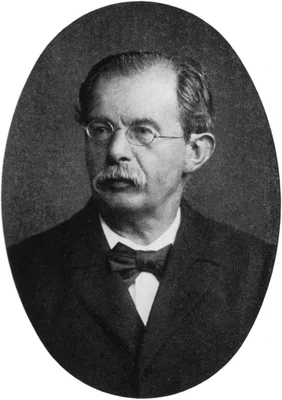
Recklinghausen described granular cells in the frog mesentery, later named “mast cells” by Ehrlich (No. 553.1).
1863
#5892
Atlas der Ophthalmoscopie. Darstellung des Augengrundes im gesunden und krankhaften Zustande enthalten.
First atlas of the fundus. The author was an assistant to Helmholtz at the time of the invention of the ophthalmoscope. The work is illustrated with reproductions of his own paintings. Text in French and German. Engli…
1863 –1865
#4537
Observations on defects of sight in brain disease.
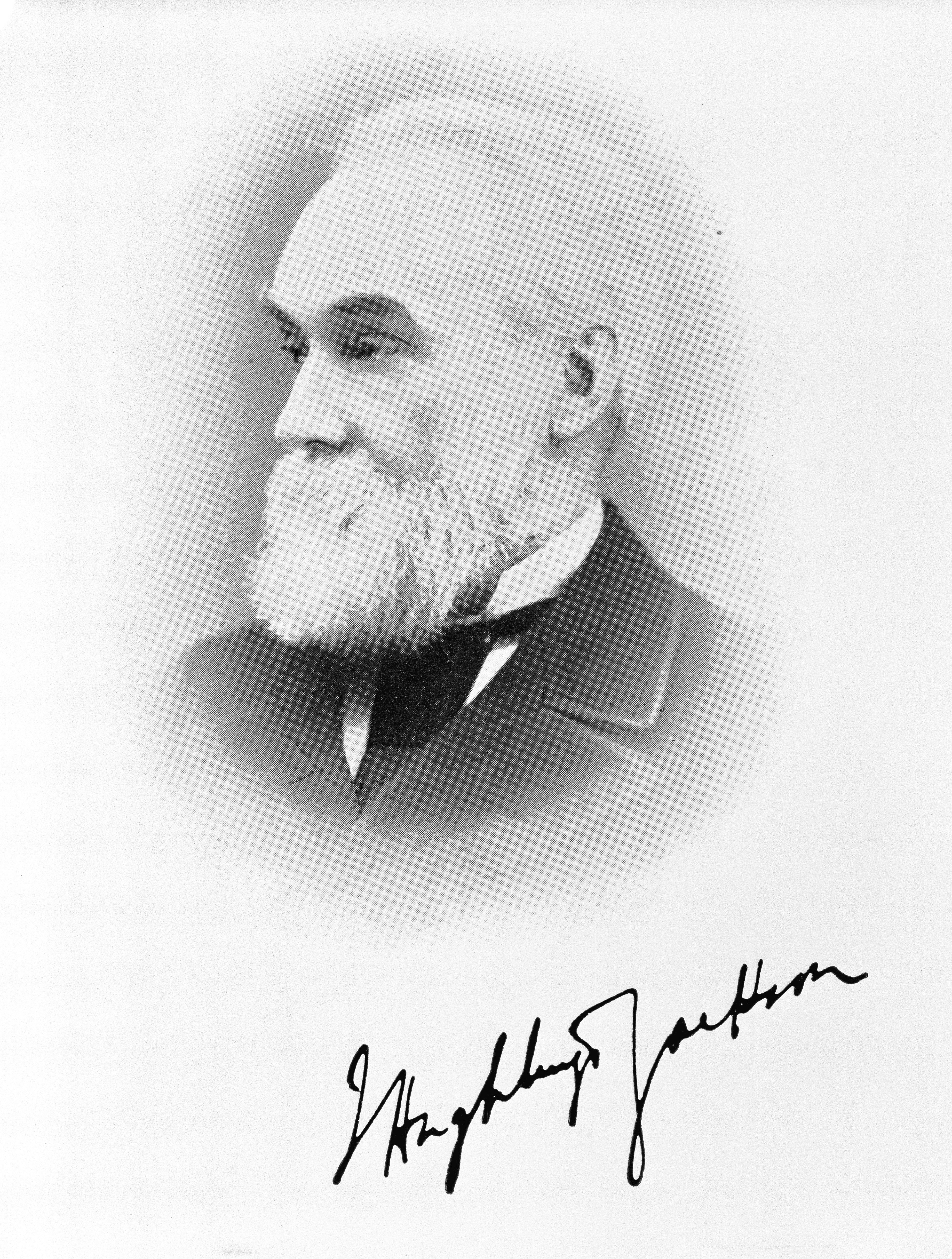
In this work Jackson showed the importance of the ophthalmoscope in the investigation of diseases of the nervous system. Reprinted in Med. Classics, 1939, 3, 918-26.
1863
#14165
Der Gebrauch des Spektroskopes zu physiologischen und ärztlichen Zwecken.
The first monograph on medical spectroscopy. After Hoppe-Seyler published the first paper on the application of spectroscopy to blood chemistry in 1862 (No. 870), Valentin decided to publish his own contributions to t…
1864
#7331
The gray substance of the medulla oblongata and trapezium.
The first American medical book illustrated with photomechanically reproduced plates. Oliver Wendell Holmes praised the book for its remarkable photomicrographs, which may be the first published of brain cross-section…
1865
#1511.1
Method att objectivera effecten av ljusintryck pa retina.
Discovery of the electroretinogram, the beginning of the use of electrophysiological methods for studying visual systems.
1865
#3271
Die Laryngoskopie und die laryngoskopische Chirurgie. 1 vol. and atlas.
Bruns claimed to have been the first to remove a tumor from the larynx with the aid of the laryngoscope.
1865
#3334
The use of the laryngoscope in diseases of the throat; with an appendix on rhinoscopy.
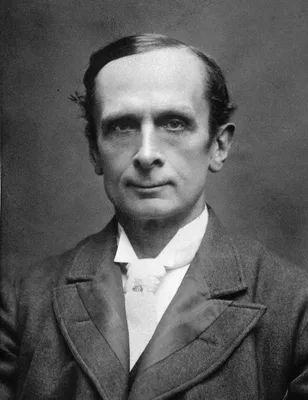
1865
#6873
Photographs (coloured from life) of the diseases of the skin.
The first dermatologic publication illustrated with photographs.
1868
#6872
Clinique photographique de l'hôpital Saint-Louis.
The first French dermatologic book illustrated with photographs. Originally issued in fascicules, 1867-68. The first edition includes 49 or 50 albumin photographs; second edition, entitled Clinique photographique des …
1869
#549
Die Einschmelzungs-Methode, ein Beitrag zur mikroskopischen Technik.
Introduction of paraffin embedding
1869 –1872
#550
Handbuch der Lehre von den Geweben des Menschen und der Thiere. Edited by Salomon Stricker. 2 vols.
Digital facsimile from the Internet Archive at this link. Translated into English by Henry Power as Manual of human and comparative histology. Edited by S. Stricker. 3 vols. London: New Sydenham Society, 1870-73. Digi…
1869 –1876
#2300
Manuel d’histologie pathologique. 3 pts.
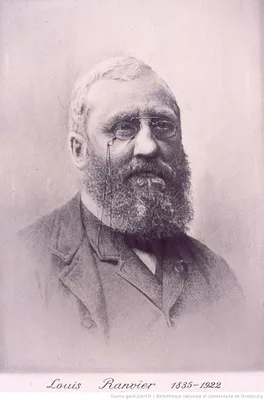
English translations, Philadelphia, 1880, and London, 1882-86.
1869
#5904
Opthalmoskopischer Hand-Atlas.
A fine atlas which was for many years unsurpassed. The illustrations were reproduced from Jaeger’s own paintings, each of which required from 20 to 50 sittings of from two to three hours each. English translation, Lon…
1870
#268
Beschreibung eines Mikrotoms.
His was, more than any other person, responsible for the introduction of the microtome, although Ranvier and other French people had earlier employed microtomes of simpler types.
1871
#2482
Ueber Bakterien in der Pockenhaut.
Weigert was the first to stain bacteria. He introduced many of the best staining methods in use today. Weigert discovered bacteria in hemorrhagic smallpox. In the same paper is described how carmine will color cocci.