
Facets
Browse across eight MeSH (opens in new tab) facets — era, geography, science, specialty, technology, history, culture, and reference. Select one tag per group; counts update across the others. What’s new in facet browse how facets relate to subjects and MeSH.
Clear filtersFacet filters
Geography
Specialties & Disease
- Anatomy & Pathology 9
- Cardiology & Blood 94
- Neurology & Psychiatry 78
- Obstetrics & Reproductive 17
- Infectious Disease (General) 5
- Surgery & Anesthesia 52
- Public Health 101
- Immunology & Dermatology 60
- General Clinical Medicine 46
- Military Medicine 16
- Psychology 9
- Alternative & Fringe Medicine 100
- Pediatrics 6
- Ophthalmology & Vision 5
- ENT & Hearing 3
- Urology & Nephrology 3
- Gastroenterology & Hepatology 10
- Pulmonary & Respiratory 9
- Rheumatology, Rehab & Pain 29
- Internal, Emergency & Geriatric 4
- Veterinary Medicine 8
- Epidemiology & Demography 13
- Physiology & Embryology 41
- Dentistry 7
- Plagues & Epidemics 92
- Microbiology & Virology 82
Social & Historical Studies
Institutions & Culture
Reference & Scholarly Works
101 entries match Public Health [N02.500] · Pharmacology & Therapeutics [D01 / E02]
c. 1477 –c. 1483
#1959.3
Regimen sanitatis Salernitanum (With commentary by [Pseudo-Arnoldus de Villa Nova]). Add: Arnoldus de Villa Nova: Regimen sanitatis ad regem Aragonum.
Probably originating about 1160, the Regimen sanitatis from the medical school at Salerno (where medicine was first treated as a separate science) had greater popular influence than virtually any other medieval medica…
1478
#1959.2
Von Bewahrung und Bereitung der Weine.
The first printed book on wine, its production and preservation, translated from the Latin by Wilhelm von Hirnkofen. It discusses the value of wine in diet and as a medication. Wine has been called the oldest document…
1487
#1961
De particularibus diaetis.
The first separately printed treatise on diet was written by the Egyptian-Jewish physician and philosopher Isaac Judaeus who lived from about 832 to 932 CE. He was also known as Isaac Israeli ben Solomon and Abu Ya'qu…
1492
#1960
Thesaurus pauperum. [Italian:] Tesoro de poveri. Tr: Zucchero Bencivenni.
One of the most popular medical books of the Middle Ages; first written about 1260. After its first printing about 1492 it was reprinted many times in the next 100 years. "Petrus Hispanus was the only practicing physi…
1524
#2118
Von den gifftigen besen Tempffen und Reuchen.
Written in 1473 but not published until 1524, this pamphlet on the diseases of miners is the first known work on industrial hygiene and toxicology. A reprint of the text appears in Münch. Beitr. Lit. Naturwiss. Med., …
1531
#7627
Tacuini sanitatis Elluchasem Elimithar Medici de Baldath, de sex rebus non naturalibus, earum naturis, operationibus, & rectificationibus, publico omnium usui, conseruandae sanitatis, recens exarati. Albengnefit De uirtutibus medicinarum, & ciborum. Iac. Alkindus De rerum gradibus.
A Christian physician of Baghdad, Ibn Butlān traveled widely, eventually settling in Antioch. His treatise on hygiene and dietetics, Taqwām al-sihhah (The Almanac of Health) presented a guide to medical regimen in tab…
1538
#6969
Simeonis Sethi, magistri Antiochiae, Syntagma per literarum ordinem de cibariorum facultate, Lilio Gregorio Gyraldo,... interprete.
First printed edition of Seth's Byzantine encyclopedia of foods, nutrition, and diatetics from plants and animals, with Greek text and Latin translation by scholar and poet Giglio Gregorio Giraldi. Simeon Seth was an …
1555 –1556
#9773
Le benefice commun de tout le monde, ou commodité de vie d’vn chascun, pour la conseruation de santé: Remedes segretz tirées des plantes contre toutes maladies. 3 vols.
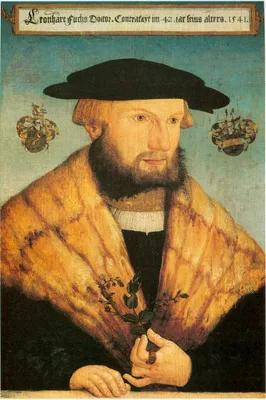
A vernacular guide for living a healthy life compiled from the writings of Fuchs. Includes herbal and dietary remedies, recipes for oils, pills and other preparations to treat maladies such as fever, plague and wounds.
1567
#2118.1
Von der Bergsucht oder Bergkranckheiten drey Bücher…
Paracelsus’s book on the diseases of miners was the first full monograph on the diseases of an occupational group. The first section covers the diseases, mainly pulmonary affections, of miners, including the etiology,…
1569
#1986.1
Artis gymnasticae apud antiquos celeberrimae, nostris temporibus ignoratae.
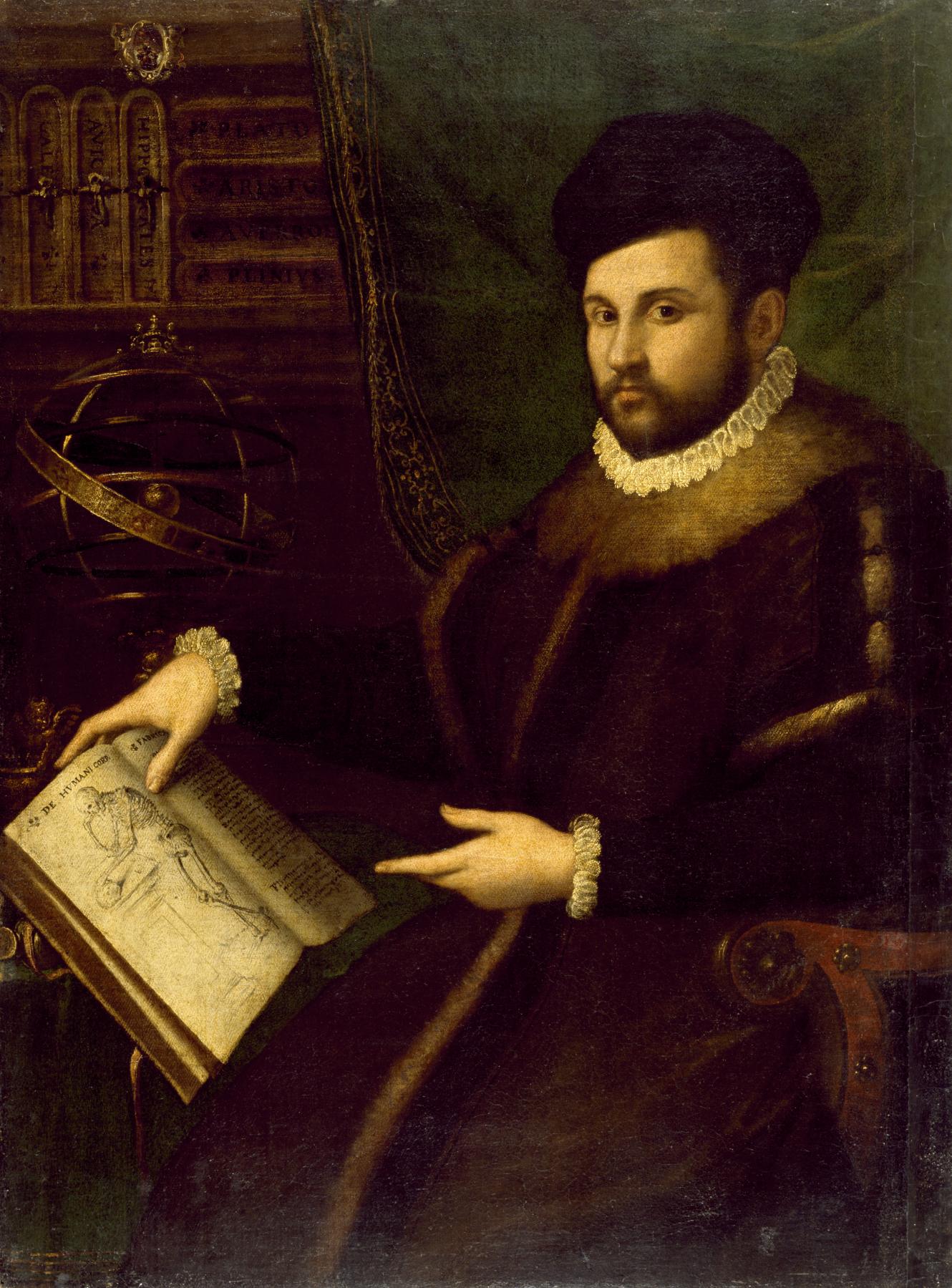
A history, based on extensive study of the classical literature, of the attitudes and practices of the Greeks and Romans concerning diet, hygiene, bathing, and exercise. This is one of the earliest books to discuss th…
1571
#1986.2
De thermis …libri septem. Opus ... in quo agitur de universa aquarum natura, deque differentiis omnibus, ac mistionibus cum terris, cum ignibus, cum metallis, de lacubus, fontibus, fluminibus, de balneis totius orbis, & de methodo medendi per balneas, deque lavationum simul atque exercitationum institutis in admirandis thermis Romanorum....
A comprehensive study of mineral waters, dealing with all the spas of the then-known world. Besides exhaustive coverage of the baths of antiquity and of Bacci’s own time, the work gives considerable attention to wines…
1617
#2144
The surgions mate, or, A treatise discouering faithfully and plainely the due contents of the surgions chest: the uses of the instruments, the vertues and operations of the medicines, the cures of the most frequent diseases at sea: namely, wounds, apostumes, vlcers, fistulaes, fractures, dislocations, with the true maner of amputation, the cure of the scuruie, the fluxes of the belly, of the collica and illiaca passio, tenasmus, and exitus ani, the callenture; with a briefe explanation of sal, sulphur, and mercury; with certaine characters, and tearmes of arte.
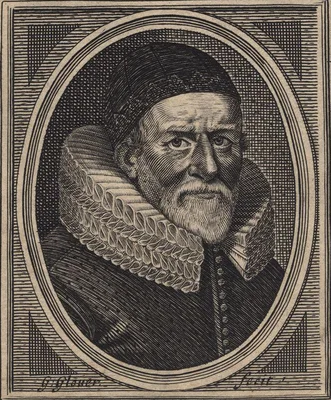
Woodall was the surgeon-general to the East India Company. This was the first textbook for naval surgeons. Woodall, surgeon to Saint Bartholomew's Hospital, was an early advocate of limes and lemons as a preventive me…
1656
#2120
Libellus de lithargyrii fumo noxio morbifico eiusque metallico frequentiori morbo vulgo dicto: Die Hütten Katze Oder Hütten Rauch: Cum Appendice de montano ffaectu asthmatico metallicidis familiari, quem Germanica lingua appellamus Die Bergsuche oder Berg Kranckheit.
Stockhausen had considerable experience in treating the diseases of miners. His book on industrial diseases did much to clarify contemporary knowledge regarding the relative toxicity of lead, mercury, arsenic, cobalt,…
1656
#8591
Flora sinensis, fructus floresque humillime porrigens serenissimo et potentissimo Leopoldo Ignatio, Hungariae regi florentissimo, &c. Fructus saecul promittenti Augustissimos.
The first description published in Europe of an ecosystem of the Far East, including animals as well as plants, with particular attention to Chinese fruit bearing plants, and medicinal properties of Chinese plants. Di…
1664
#145.51
Sylva, or a discourse of forest-trees, and the preservation of timber in His Majesty’s dominions.
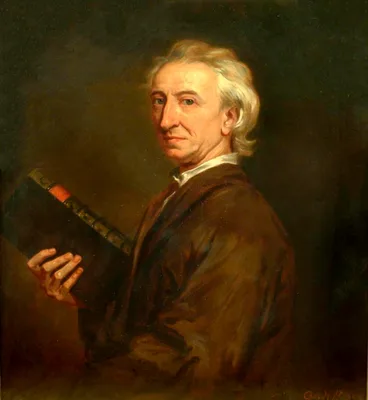
A protest against the careless destruction of England’s forests to fuel the furnaces of the glass and iron industries. The work was influential in establishing a much-needed program of reforestation that had a lasting…
1676
#9511
The family physician, and the house apothecary: Containing I. Medicines against all such diseases people usually advise with apothecaries to be cured of, II. Instructions, whereby to prepare at your own houses all kinds of necessary medicines that are prepared by apothecaries, or prescribed by physicians, III. The exact prices of all drugs, herbs, seeds, simple and compound medicines, as they are sold at the druggists, or may be sold by the apothecaries, IV. That it's plainly made to appear, that in preparing medicines thus at your own houses, that it's not onely a far safer way, but you shall also save nineteen shillings in twenty, comparing it with the extravagant rates of many apothecaries.
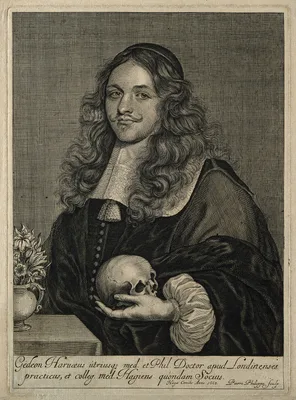
The text of the second edition (1678) is available from Early English Books Online at this link.
1687
#13624
Le bon usage du the, du caffe, et du chocolat pour la preservation & pour la guerison des maladies.
Digital facsimile from Biodiversity Heritage Library at this link.
1700
#2121
De morbis artificum diatriba.

Ramazzini's study of the diseases of workers, De morbis artificium diatriba, was the first comprehensive and systematic treatise on occupational medicine; it was also the foundation work in ergonomics. It deals with p…
1730
#13626
A dissertation upon tea, explaining its nature and properties by many new experiments; and demonstrating from philosophical principles, the various effects it has on different constitutions. To which is added the natural history of tea; and a detection of the several frauds used in preparing it. Also a discourse on the virtues of sage and water, and an enquiry into the reasons why the same food is not equally agreeable to all constitutions....
Digital facsimile from wellcomecollection.org at this link.
1734
#9675
Every man his own doctor: or, The poor planter's physician. Prescribing plain and easy means for persons to cure themselves of all, or most of the distempers, incident to this climate, and with very little charge, the medicines being chiefly of the growth and production of this country.
The first medical hand-book for lay persons written and published in America. It is probable that this book was first published in 1734, though the earliest recorded copy or copies appear to be the "second edition" wi…
1745
#2094
An essay on the West-India dry-gripes… to which is added, an extraordinary case in physick.
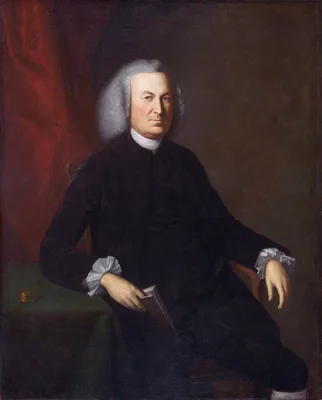
Cadwalader, an American pupil of Cheselden, left a classical account of lead colic and lead palsy. This was later shown by Benjamin Franklin, printer of the above work, to be due to the consumption of Jamaica rum whic…
1746
#8869
Medicina Britannica; or, a treatise on such physical plants as are generally to be found in the fields or gardens of Great-Britain: Containing a particular account of their nature, virtues, and uses. Together with the observations of the most learned physicians, as well ancient as modern, communicated to the late ingenious Mr. Ray, and the learned Dr. Sim. Pauli. Adapted more especially to the occasions of those, whose condition or situation of life deprives them, in a great measure, of the helps of the learned. To which are added, three indexes: The first containing the England and Latin names of the plants treated of: The second of the diseases, and their remedies: The third to the notes.
Short focused his book on the medical uses of plants readily available in England. Many of the plants recommended in the traditional herbal literature were difficult to find in England. Digital facsimile from the Biod…
1752
#11719
Sendschreiben von den Wirkungen des Kafeetranks.
Discussing the consumption and reception of coffee from Britain to Turkey, Knoll dismissed criticisms of coffee, including that it reduced beauty and virility, or that it was contrary to Islam, instead promoting the m…
1757
#2095
De colica pictonum.
Tronchin, sometime physician to Voltaire, showed that the so-called “Poitou colic” was caused by drinking water which had passed through lead gutters. Tronchin introduced inoculation into Holland, France, and Switzerl…
1759
#1770
Observations on the changes of the air and the concomitant epidemical diseases, in the Island of Barbados.
Hillary included good accounts of lead colic and infective hepatitis, and probably the first description of sprue (celiac disease).
1767
#2096
An essay concerning the cause of the endemial colic of Devonshire.
Baker demonstrated that the cider of Devonshire contained lead, while that made in other parts of England did not. He further showed that it was common practice in Devon to line cider presses with lead, and proved tha…
1784
#14210
Die Deutsche [sic] Giftpflanzen, zur Verhütung der tragischen Vorfälle in den Haushaltungen, nach ihren botanischen Kennzeichen, nebst den Heilungsmitteln.
On poisonous plants in Germany, for prevention of tragic household accidents, and remedies for the poisons. Illustrated with 16 plates. Digital facsimile from Google Books at this link.
1787
#10480
Gifthistorie des Thier- Pflanzen- und Mineralreichs, nebst den Gegengiften, und der medicinischen Anwendung der Gifte, nach den neuesten Toxicologen.
This work was not illustrated. Digital facsimile from Bayerische StaatsBibliothek at this link.
1794
#9989
Hortus Americanus, containing an account of the trees, shrubs, and other vegetable productions of South-America and the West-India islands, and particularly of the island of Jamaica; interspersed with many curious and useful observations, respecting their uses in medicine, diet, and mechanics.
Digital facsimile from Biodiversity Heritage Library at this link.
1800
#1768
Historiae Aegypti compendium, Arabice et Latine. Partim ipse vertit, partim a Pocockio versum edendum curavit, notisque illustravit J. White.
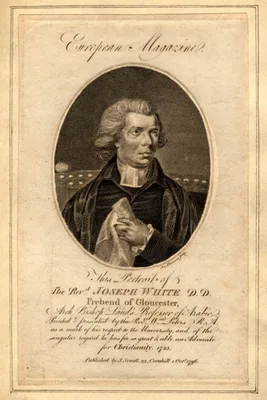
Arabic-Latin bilingual text, edited by White, incorporating a translation begun by Edward Pococke the Younger (1648-1727). Abd al-Latif gave a good description of the fauna and flora of Egypt, its inhabitants and some…
1803
#2097
Sur la colique, vulgairement appelée colique des peintres, des plombiers, du plomb, etc.
1804
#145.54
Recherches chimiques sur la végétation.
In this foundation work on phytochemistry, Saussure analysed the chief active components of plants, their synthesis and decomposition. He specified the relationships between vegetation and the environment. He showed t…
1805
#145.55
Essai sur la géographie des plantes; accompagné d’un tableau physique des régions équinoxiales.
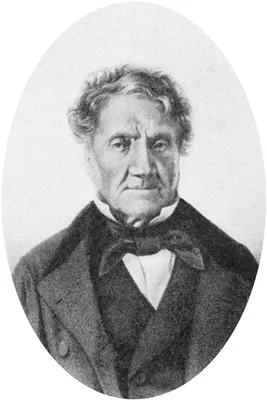
One of the first works on the geographical distribution of plants. Humboldt was a pioneer student of geographical–ecological plant associations. The sheets of this work were reissued as Vol. I of the authors' Voyage a…
1806
#11630
Dissertation sur le café; son historique, ses propriétés, et le procédé pour en obtenir la boisson la plus agréable, la plus salutaire et la plus économique; Par Ant.-Alexis Cadet-de-Vaux...Suivie de son analyse; par Charles-Louis Cadet.
Cadet de Vaux discussed the history of coffee, including the origins of the coffee bean and plant, the proper climate for growing coffee, coffee drinking culture and its introduction to Europe. He also described the b…
1807 –1834
#7452
Voyage aux régions équinoxiales du nouveau continent, fait en 1799, 1800, 1801, 1802, 1803 et 1804. 34 vols.
In 1799 Humboldt and Bonpland embarked on a six-year tour of research through South America and Mexico, a trip which would afterwards be called, justifiably, "the scientific discovery of America." The two amassed exha…
1808
#10067
The pharmacopoeia of the Massachusetts Medical Society,
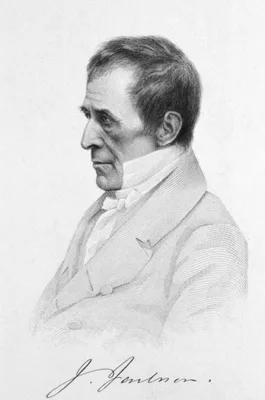
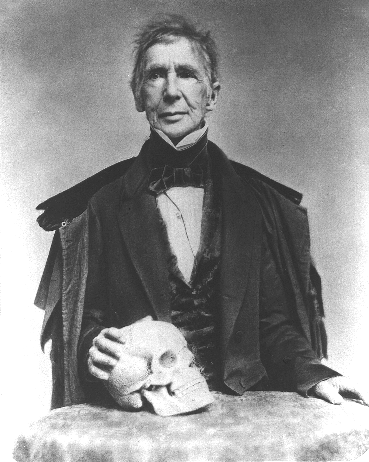
The first state pharmacopeia issued in the United States. Jackson and Warren were the "Committee for the Pharmacopoeia." Digital facsimile from the Internet Archive at this link.
1820
#1604.2
A treatise on the adulterations of food and culinary poisons: Exhibiting the fraudulent sophistications of bread, beer, wine, spirituous liquors, tea, coffee, cream, confectionery, vinegar, mustard, pepper, cheese, olive oil, pickles and other articles employed in domestic economy; and methods of detecting them.
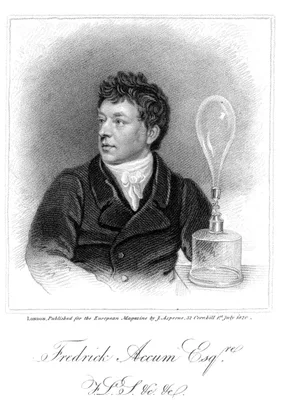
One of the earliest exposures of food adulteration, written by a German chemist who spent most of his career in England. This sensational popular scientific work exposed established scandalous practices within the foo…
1822
#6988
New guide to health; or botanic family physician, containing a complete system of practice, upon a plan entirely new; with a description of the vegetables made use of, and directions for preparing and adminstering them to cure disease. To which is prefixed a narrative of the life and medical discoveries of the author.
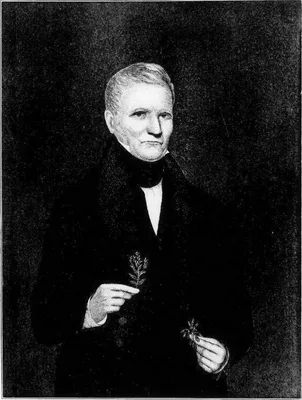
The "Bible" of Thomsonism or "Thomsonian medicine", which employed botanical remedies, often based on native American medicines. Digital facsimile from the Medical Heritage Library, Internet Archive, at this link.
1822
#9326
Traité des maladies des artisans, et de celles qui résultent des diverse professions, d'après Ramazzini; Ouvrage dans lequel on indique les précautions que doivent prendre, sous le rapport de la salubrité publique et particulière, les fabricans, les manufacturiers, les chefs d'ateliers, les artistes, et toutes les personnes qui exercent des professions insalubres.
This second French edition of Ramazzini's De morbis artificum diabriba by Philibert Patissier provides so much new material on the diseases of workers in France as to virtually double the length of Ramazzini’s text. D…
1822
#10751
A narrative of the life and medical discoveries of Samuel Thomson: Containing an account of his system of practice, and the manner of curing disease with vegetable medicine, upon a plan entirely new; to which is added an introduction to his New Guide to Health, or Botanic Family Physician containing the principles upon which the system is founded, with remarks on fevers, steaming, poison &c.
Thomson issued this introductory work shortly before publication of his New Guide. Three issues appeared in 1822: one with 180 pages, another with 182 pages including testimonials, and a 204 page issue with the introd…
1824
#3730
Beobachtungen Über den Nutzen des Berger Leberthrans (Oleum jecoris Aselli, von Gadus asellus L.)
First report of the value of cod-liver oil in the treatment of rickets.
1834
#10394
Jurisprudence de la médecine, de la chirurgie, et de la pharmacie en France, comprenant la médecine légale, la police médicale, la responsabilitié des médecins, chirurgiens, pharmaciens, etc, l'exposé et la discussion des lois, ordonnances, réglemens et instructions concernant l'art de guérir, appuyé des jugemens des cours et des tribunaux.
Digital facsimile from Google Books at this link.
1835
#10108
On the influence of atmosphere and locality; change of air and climate; seasons; food; clothing; bathing; exercise; sleep; corporeal and intellectual pursuits, &c. &c. on human health; constituting elements of hygiéne.
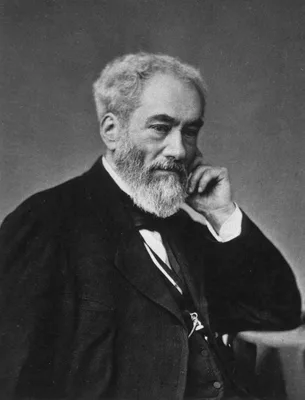
Digital facsimile from the Internet Archive at this link.
1839
#2098
Traité des maladies de plomb ou saturnines. 2 vols.
Classical description of the diseases found among lead workers. Reporting on 1200 cases of lead poisoning, Tanquerel’s studies were so complete that later studies added little to knowledge of the symptoms and signs of…
c. 1839
#10003
Deadly adulteration and slow poisoning unmasked; or, Disease and death in the pot and the bottle; in which the blood-empoisoning and life-destroying adulterations of wines, spirits, beer, bread, flour, tea, sugar, spices, cheese-mongery, pastry, confectionary medicines, &c. &c. &c. are laid open to the public, with tests or methods for the ascertaining and detecting the fraudulent and deleterious adulterations and the good and bad qualities of those articles: with an exposé of medical empiricism and imposture, quacks and quackery, regular and irregular, legitimate and illegitimate: and the frauds and mal-practices of the pawn-brokers and madhouse keepers. New edition
Digital facsimile from the Hathi Trust at this link.
1840
#2099
On a remarkable effect upon the human gums produced by the absorption of lead.
Burton was the first to note the blue line on the gums in lead poisoning – “Burton’s blue line" – an important diagnostic sign. He was physician to St. Thomas’s Hospital, London.
1841
#1984
Des Asclepiades von Bithynien Gesundheitsvorschriften, nach den vorhandenen Handschriften zum ersten Male vollständig bearbeitet und erläutert. Von Robert Ritter von Welz.
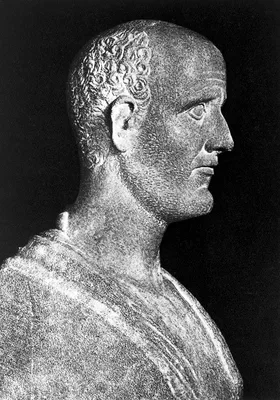
The Greek physician Asclepiades acquired a great reputation in Rome. His remedies included change of diet, friction, bathing, and exercise. The above edition includes Greek, Latin, and German texts. Digital facsimile …
1843
#3060
Essai d’hématologie pathologique.
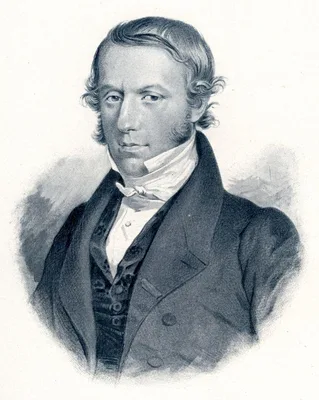
The first monograph on hematology in its "modern" sense. Andral established analysis of the blood on the basis of exact knowledge of the blood components. He analysed the blood fibrin and albumin. He recognized severa…
1845
#9546
Necrose der Kieferknochen, in Folge der Einwikrung von Phosphor-Dämpfen. Ein Beitrag zur Ätiologie der Knochen-Krankheiten.
The production of matches with white phosphorus in German-speaking countries started in 1833. Between 1839 and 1845 Lorinser saw nine cases of what he called "phosphorimus chronicus" in workers with white phosphorus, …
1851 –1876
#31
Oeuvres d’Oribase, texte grec, en grande partie inédit…traduit pour la première fois en français; par les Drs. Bussemaker et Daremberg. 6 vols.
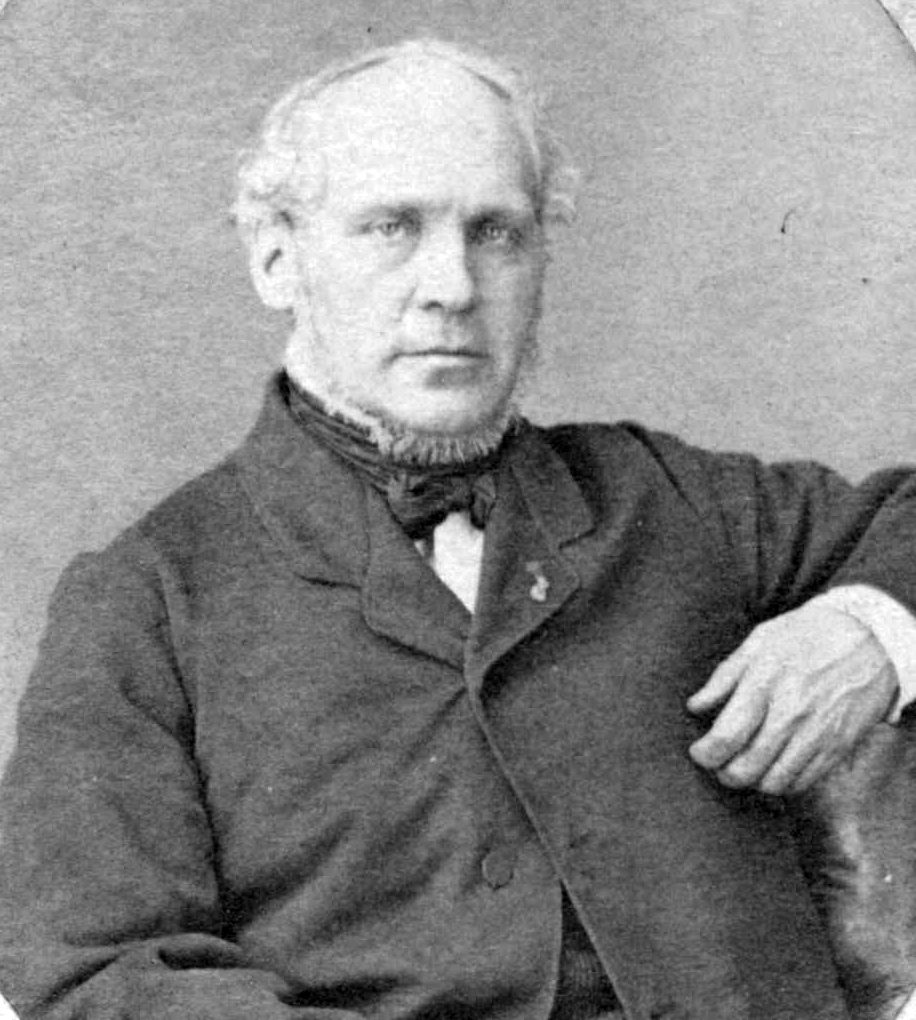
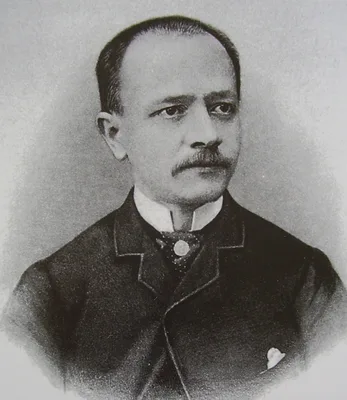
Oribasius was a compiler of existing knowledge rather than an original writer. His output was immense; he compiled the Synagoge, an encyclopedic digest of medicine, hygiene, therapeutics, and surgery from Hippocrates …