
Facets
Browse across eight MeSH (opens in new tab) facets — era, geography, science, specialty, technology, history, culture, and reference. Select one tag per group; counts update across the others. What’s new in facet browse how facets relate to subjects and MeSH.
Clear filtersFacet filters
Geography
Specialties & Disease
- Anatomy & Pathology 59
- Cardiology & Blood 48
- Neurology & Psychiatry 49
- Obstetrics & Reproductive 10
- Infectious Disease (General) 2
- Surgery & Anesthesia 14
- Public Health 31
- Immunology & Dermatology 60
- General Clinical Medicine 169
- Military Medicine 8
- Psychology 9
- Alternative & Fringe Medicine 3
- Pediatrics 3
- Ophthalmology & Vision 26
- ENT & Hearing 19
- Urology & Nephrology 13
- Gastroenterology & Hepatology 10
- Pulmonary & Respiratory 5
- Rheumatology, Rehab & Pain 3
- Internal, Emergency & Geriatric 1
- Veterinary Medicine 1
- Epidemiology & Demography 31
- Physiology & Embryology 34
- Dentistry 8
- Plagues & Epidemics 55
- Microbiology & Virology 49
Social & Historical Studies
Institutions & Culture
Reference & Scholarly Works
Drugs & Technology
59 entries match Anatomy & Pathology [G02.149 / C23] · Diagnostics & Imaging [E01]
1665
#262
Micrographia, or some physiological descriptions of minute bodies made by magnifying glasses; with observations and inquiries thereupon.
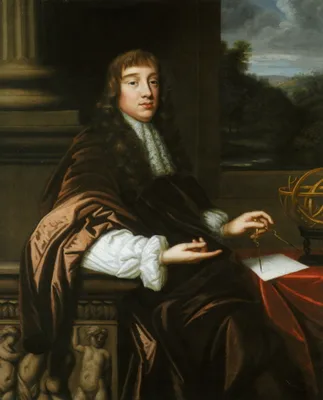
Hooke, at one time research assistant to Robert Boyle, was one of the greatest inventive geniuses of all time. This was the first book devoted entirely to microscopical observations, and also the first book to pair it…
1686 –1718
#265
Ontledingen en ontdekkingen.... 6 vols.
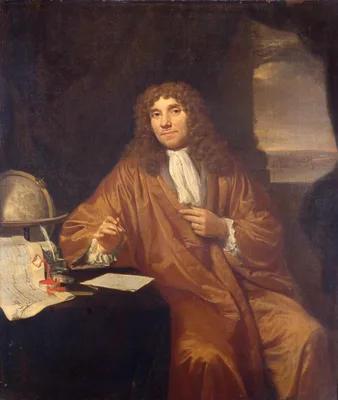
Leeuwenhoek, one of the first and also one of the greatest of the microbiologists, communicated many of his discoveries to the Royal Society in London. This set is a collection in Dutch of many contributions that van …
1686
#66
Opera omnia. 2 vols.
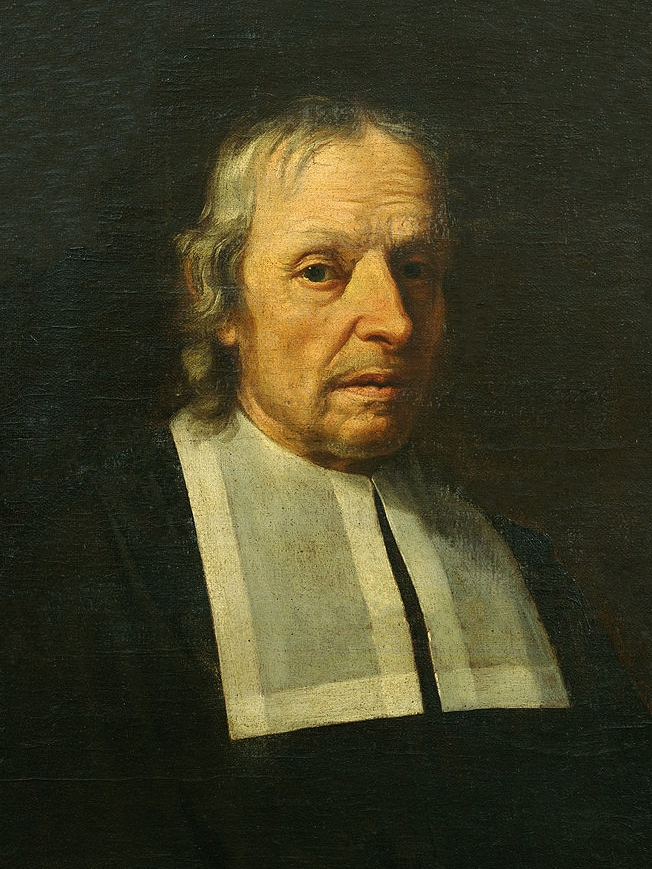
Malpighi was the founder of histology. In 1660 he was the first to see the capillary anastomosis between the arteries and the veins, thus contributing to the completion of Harvey’s work on the circulation. Malpighi wa…
1762
#305
Traité anatomique de la chénille, qui ronge le bois de saule. Augmenté d'une explication abrégée des planches, et d'une description de l'instrument et des outils dont l'auteur s'est servi pour anatomiser à la loupe et au microscope, & pour déterminer la forcer de ses verres, suivant les règles de l'optique, & méchaniquement.
Lyonet’s monograph on the goat moth caterpillar remains a famous example of anatomical examination. It is also a thorough treatise on the microscope and lenses that Lyonet used. Digital facsimile from Biodiversity Her…
1800
#537
Traité des membranes en général et diverses membranes en particulier.
Bichat conceived the idea of a science of anatomy and pathology based upon an accurate classification of the various tissues of the body, their distribution in the various organs and parts, and their particular suscep…
1801
#403
Anatomie générale, appliquée à la physiologie et à la médecine. 4 vols.
Bichat revolutionized descriptive anatomy. Where Morgagni and others had conceived of whole organs being diseased, Bichat showed how individual tissues could be separately affected. He covered tissue pathology, system…
1830
#538
De glandularum secernentium structura penitiori.
Müller’s most important histological work. In it he described the microscopic anatomy of a large series of secreting glands. Müller’s greatest influence was not so much through his own work as through the influence he…
1830
#2611
A short tract on the formation of tumours, and the peculiarities that are met with in the structure of those that have become cancerous; with their mode of treatment.
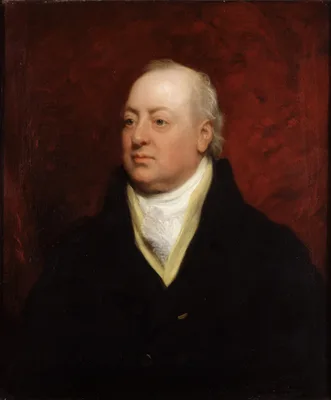
Contains the first illustrations of microscopic sections of cancer; however, Home drew no worthwhile conclusion from his microscopic studies. Digital facsimile from the Internet Archive at this link.
1837
#539
Symbolae ad anatomiam villorum intestinalium, imprimis eorum epithelii et vasorum lacteorum.
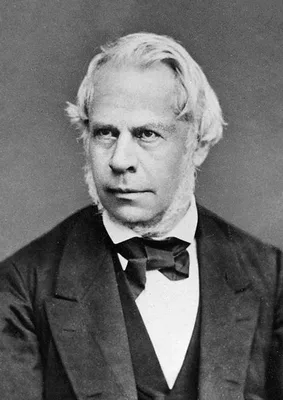
Henle first described the epithelia of the skin and intestines, and defined the structure and function of columnar and ciliated epithelium. He applied the term “epithelium” to all mucous membranes in the body. Modern …
1838 –1857
#11117
Anatomie microscopique. Tome premier: Histologie. Atlas de cinquante-deux planches. Tome second: Histogénèse. Atlas de quarante planches. 2 vols.
This work was issued in parts over nearly 20 years. Parts concerned specific subjects and were sold separately. Digital facsimile from Google Books at this link, and at this link.
1841
#543
Allgemeine Anatomie. Lehre von den Mischungs- und Formbestandtheilen des menschlichen Körpers.
Many of the histological discoveries of Henle are described in the above. He classified tissues histologically. In the section on Gefässnerven (pp. 510, 690) Henle demonstrated the presence of smooth muscle in the end…
1845
#543.1
Physiologie pathologique. 2 vols. & atlas.
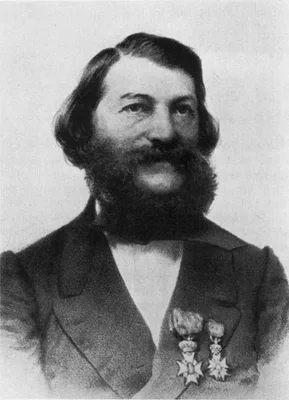
One of the earliest atlases of pathological histology. Lebert’s work played an important role in introducing the cellular idea of pathology, laying the groundwork for Virchow’s theories.
1846 –1849
#544
The microscopic anatomy of the human body, in health and disease.
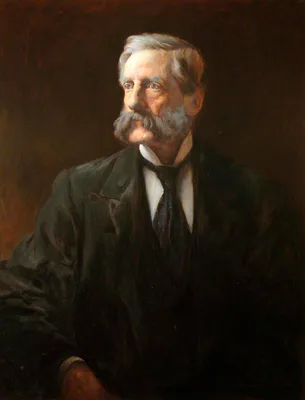
First English textbook on microscopical anatomy. His description of the concentric corpuscles of the thymus (p. 9) led to the term “Hassall’s corpuscles”.
1850 –1855
#13157
Descriptive and illustrated catalogue of the histological series contained in the Museum of the Royal College of Surgeons of England. Vol. I. Elementary tissues of vegetables and animals; Vol. II. Structure of the skeleton of vertebrate animals. 2 vols.
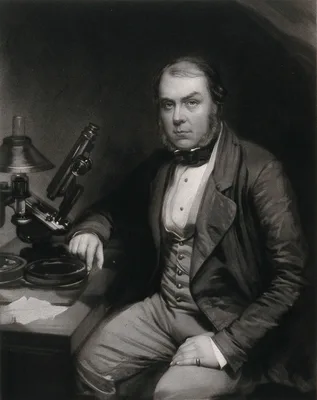
Digital facsimile from the Hathi Trust at this link.
1852
#546
Handbuch der Gewebelehre des Menschen.
Isolation of smooth muscle.
1858
#548
Mikroskopische Studien aus dem Gebiete der menschlichen Morphologie.
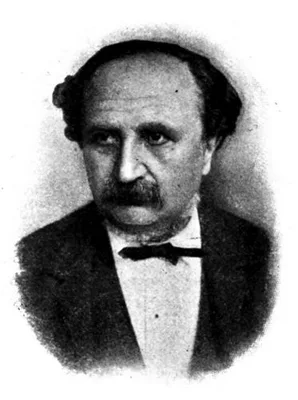
Gerlach introduced several staining methods, the most important of which (a transparent solution of ammonia carmine and gelatin) is called “Gerlach’s stain”; it was the first satisfactory histological stain.
1858
#1561
Ueber die Endigungsweise des Hörnerven im Labyrinth.
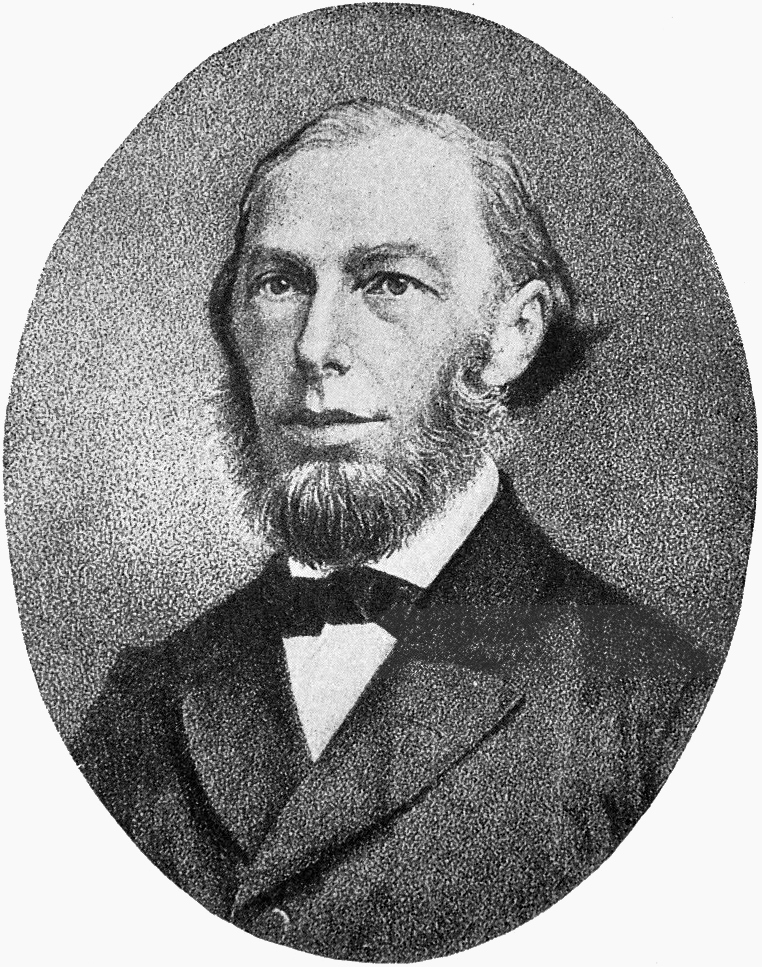
Schultze’s great monographs on the nerve-endings of the sense organs were of prime importance in the development of the science of histology. Besides that dealing with the internal ear, he wrote others dealing with th…
1861
#1107
Untersuchungen über den Bau der Lymphdrüsen.
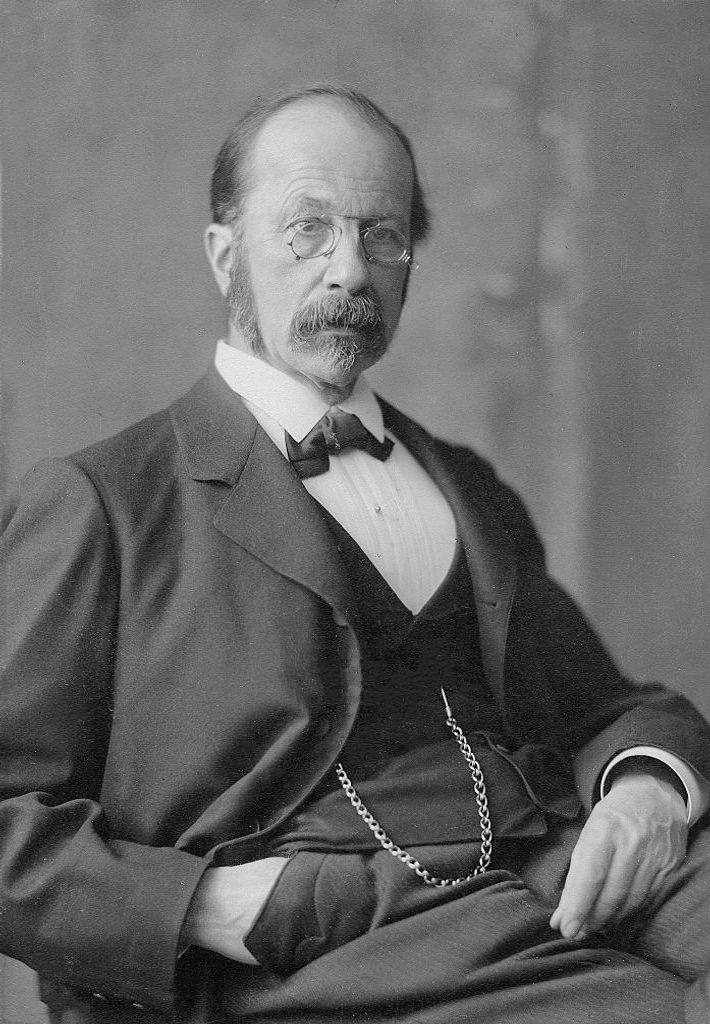
Histology of the lymphatics. His drew the illustrations.
1861 –1867
#14159
Atlas des peripherischen Nervensystems des menschlichen Körpers / Atlas du système nerveux périphérique du corps humain. Mit einem Vorwort von Prof. Dr. Th. W. L. Bischoff, nach der Natur photographirt von Joseph Alb. 10 parts.
Issued in 10 parts in folio (510 x 360 mm). Includes 46 large-format original photographs mounted on sheets of cardboard.
1862
#936
Untersuchungen über den Bau der Nasenschleimhaut, namentlich die Structur und Endigungsweise der Geruchsnerven bei dem Menschen und den Wirbelthieren.
Schultze’s classic paper on the nerves to the neuro-epithelium in the special sense organs marks an epoch in histology. He described the cells of the olfactory muccous membrane, “Schultze’s cells”.
1863
#548.1
Ueber Eiter- und Bindegewebskörperchen.
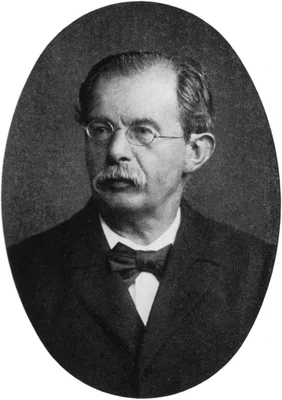
Recklinghausen described granular cells in the frog mesentery, later named “mast cells” by Ehrlich (No. 553.1).
1864
#7331
The gray substance of the medulla oblongata and trapezium.
The first American medical book illustrated with photomechanically reproduced plates. Oliver Wendell Holmes praised the book for its remarkable photomicrographs, which may be the first published of brain cross-section…
1869
#549
Die Einschmelzungs-Methode, ein Beitrag zur mikroskopischen Technik.
Introduction of paraffin embedding
1869 –1872
#550
Handbuch der Lehre von den Geweben des Menschen und der Thiere. Edited by Salomon Stricker. 2 vols.
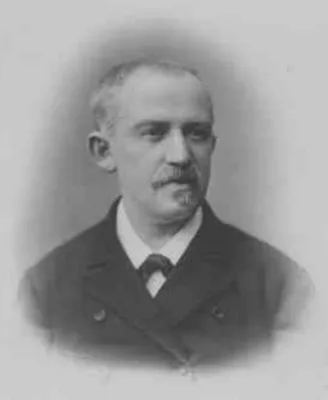
Digital facsimile from the Internet Archive at this link. Translated into English by Henry Power as Manual of human and comparative histology. Edited by S. Stricker. 3 vols. London: New Sydenham Society, 1870-73. Digi…
1869 –1876
#2300
Manuel d’histologie pathologique. 3 pts.
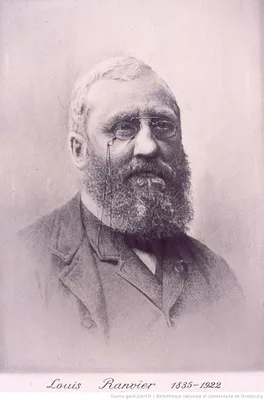
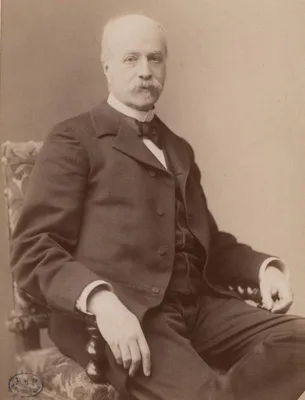
English translations, Philadelphia, 1880, and London, 1882-86.
1877 –1879
#11147
Catalogue des pièces du Musée Dupuytren, publié sous les auspices de la Faculté de Médecine de Paris. 5 vols. text plus 4 vols. atlas.
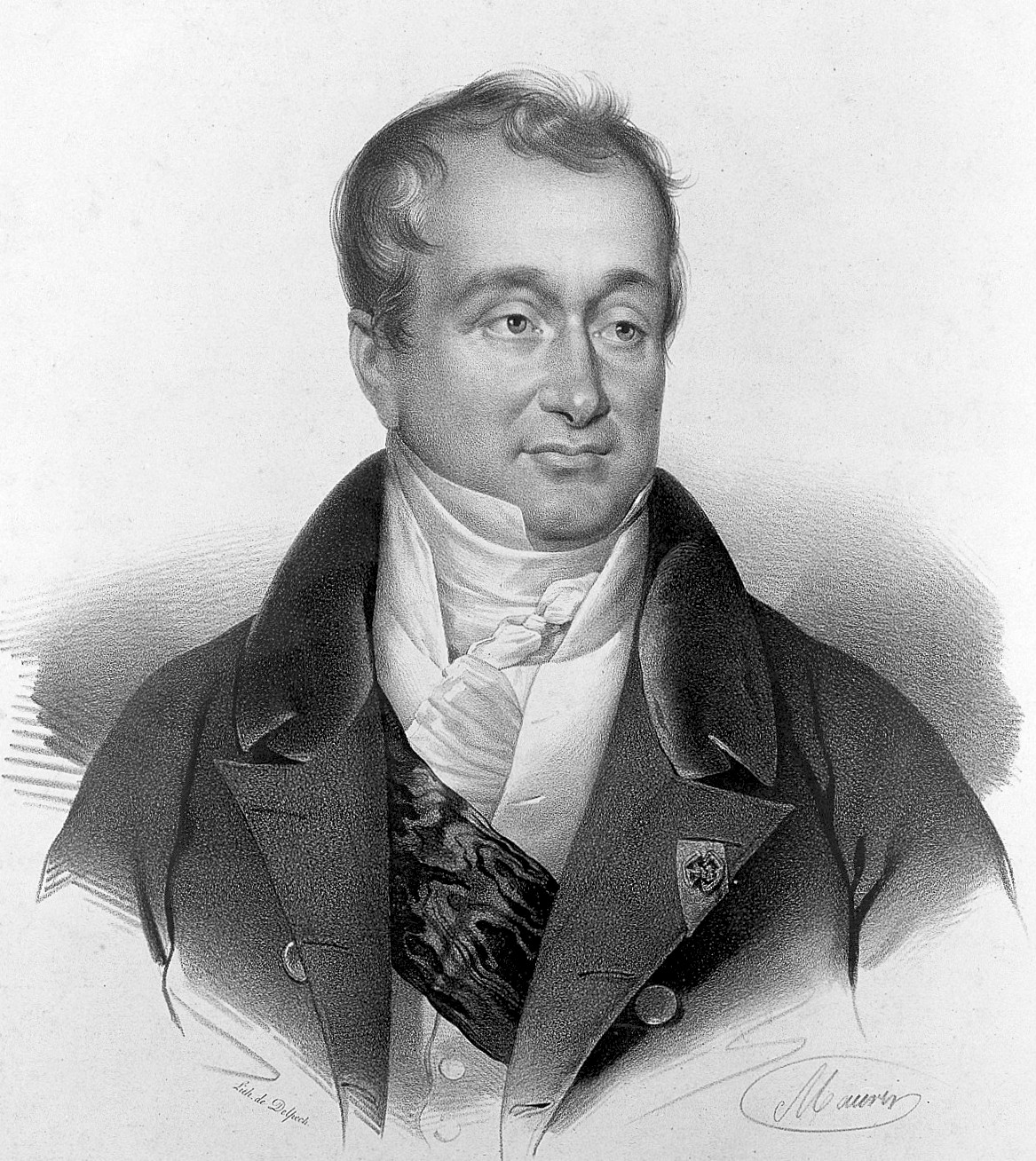
Detailed catalogue, illustrated by photography, of the Musée Dupuytren, a museum of gross pathology. When this catalogue was published the museum contained about 6000 items.
1878
#1276
Leçons sur l’histologie du système nerveux. 2 vols.
Includes his description of the “nodes of Ranvier”, interruptions of the medullary nerve sheaths.
1879
#553
Technique de l’emploi du collodion humide pour la pratique des coupes microscopiques.
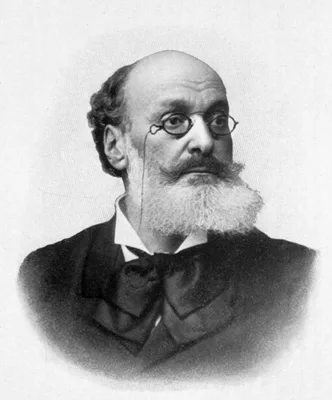
Introduction of collodion for embedding.
1885
#7332
Topographical anatomy of the brain. 3 vols.
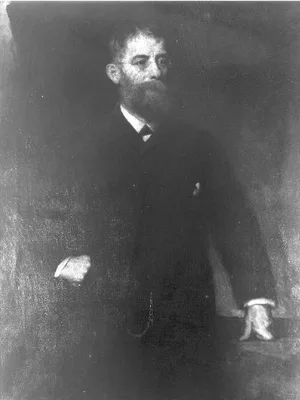
The most outstanding American neurological atlas of the nineteenth century and one of the best American photographically illustrated medical books of the period. The atlas reproduces the specimens, which Dalton prepar…
1886
#554
Ueber die Methylenblaureaction der lebenden Nervensubstanz.
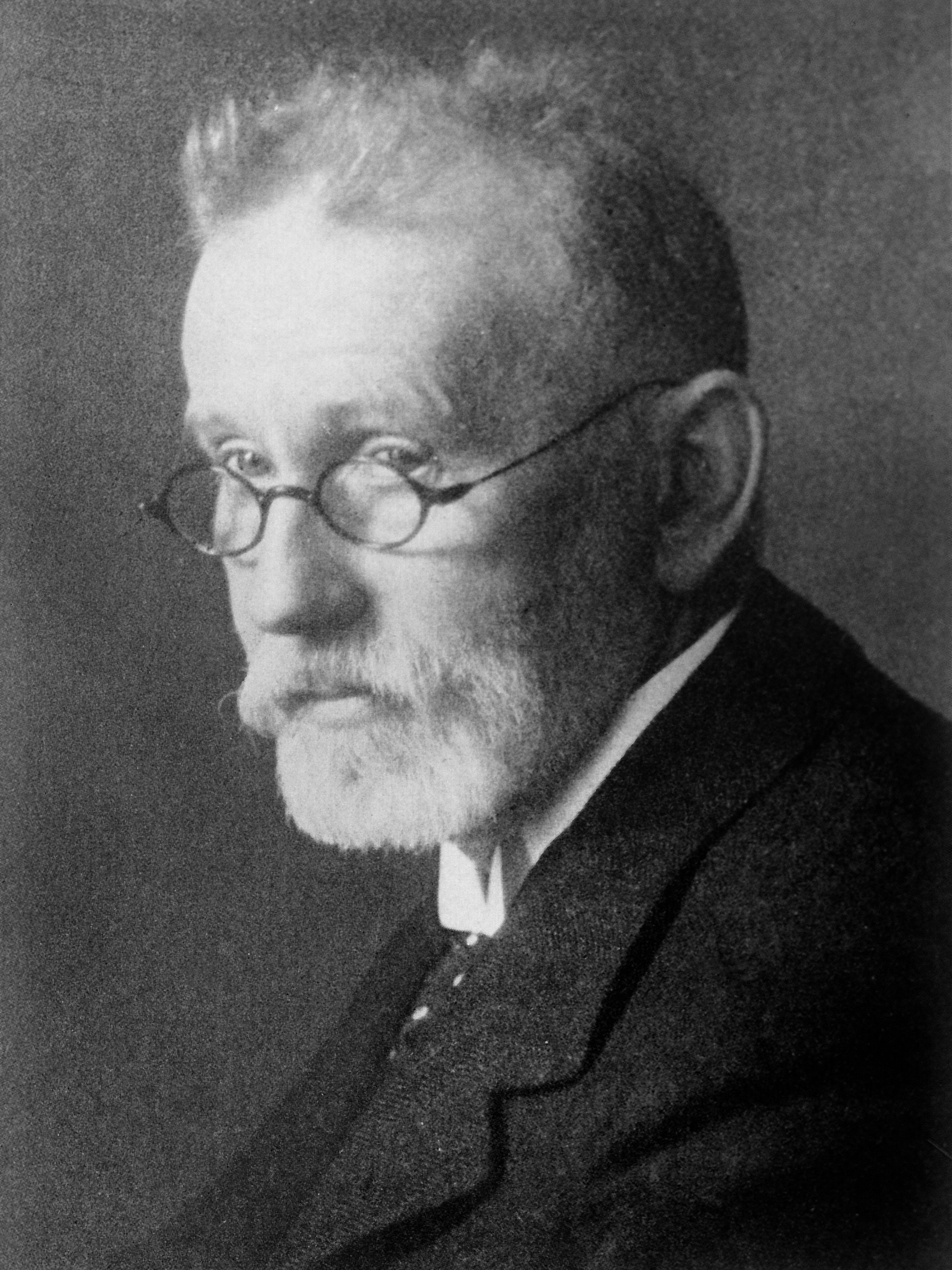
Ehrlich’s method of intravital staining.
1886
#1416
Sulla fina anatomia degli organi centrali del sistema nervoso.
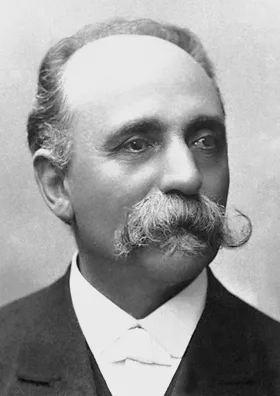
Golgi’s histological studies made a clear conception of the nervous system possible for the first time. He demonstrated the existence of multipolar nerve-cells (Golgi cells) by means of his silver nitrate stain, and d…
1892
#1287
Nuevo concepto de la histologia de los centros nerviosos.
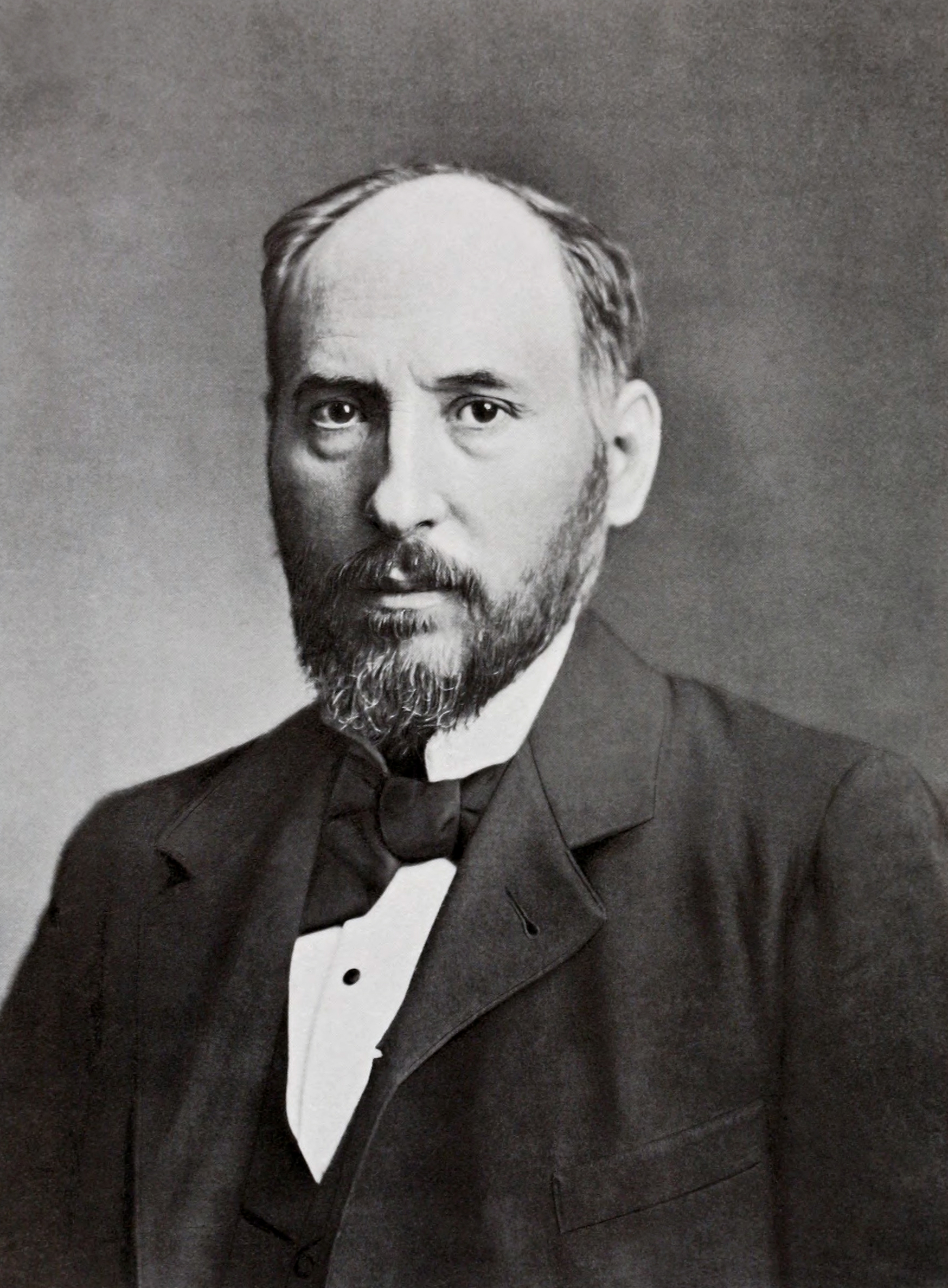
Ramón y Cajal, son of a struggling Aragonese doctor, lived to become one of the greatest of all histologists. He devised many staining methods for nervous tissue and did work of fundamental importance to neuroanatomy.…
1893
#557
Der Formaldehyd als Härtungsmittel. Vorläufige Mittheilung.
Formalin first used for tissue fixation.
1905 –1906
#5440
The histology of the skin lesions in varicella.
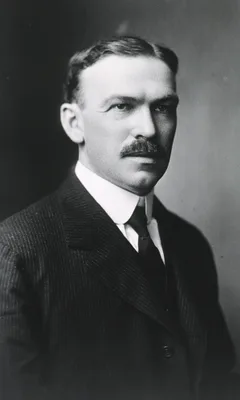
Tyzzer was first to recognize inclusion bodies in varicella.
1905 –1906
#10599
The Edinburgh stereoscopic atlas of Anatomy. Edited by David Waterston. 5 vols.
The first large scale application of stereoscopic photography to anatomy. The 5 parts each contain 50 stereo cards on which are pasted original stereo photographs and corresponding printed descriptive text. Digital fa…
1913 –1914
#560.1
Estudios sobre la degeneración y regeneración de sistema nervioso.
The most complete work on the subject so far written. Ramón y Cajal, great neuroanatomist and histologist, was for many years in charge of the institute bearing his name at Madrid. He gained the Nobel Prize in 1906. E…
1916
#4718
The histology of disseminated sclerosis.
A classic monograph on the pathology of multiple sclerosis.
1916
#1331
The involuntary nervous system. Part 1.
This book sums up the life work of Gaskell, who laid the histological foundation of the modern study of the autonomic nervous system. No more published.
1917
#7116
The fundus oculi of birds especially as viewed by the ophthalmoscope. A study in comparative anatomy and physiology. Illustrated by 143 drawings... also by sixty-one colored paintings prepared for this work by Arthur W. Head.
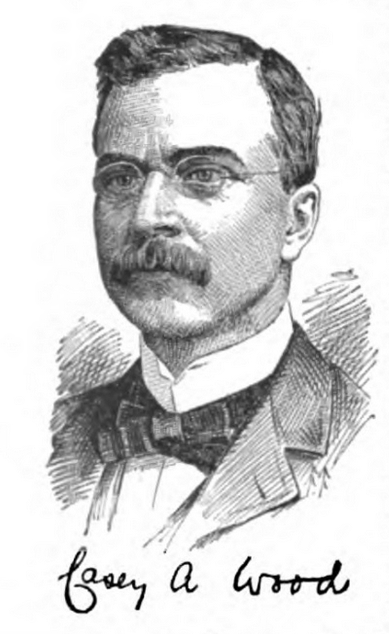
Digital facsimile from the Biodiversity Heritage Library, Internet Archive, at this link.
1919
#12507
The microscopic anatomy of the teeth.
Digital facsimile of the 1919 edition from Biodiversity Heritage Library at this link. Mummery substantially expanded and retitled the second edition of this work as The microscopic & general anatomy of the teeth huma…
1920
#7000
The growth and shedding of the antlers of the deer. The histological phenomena and their relation to the growth of bone.
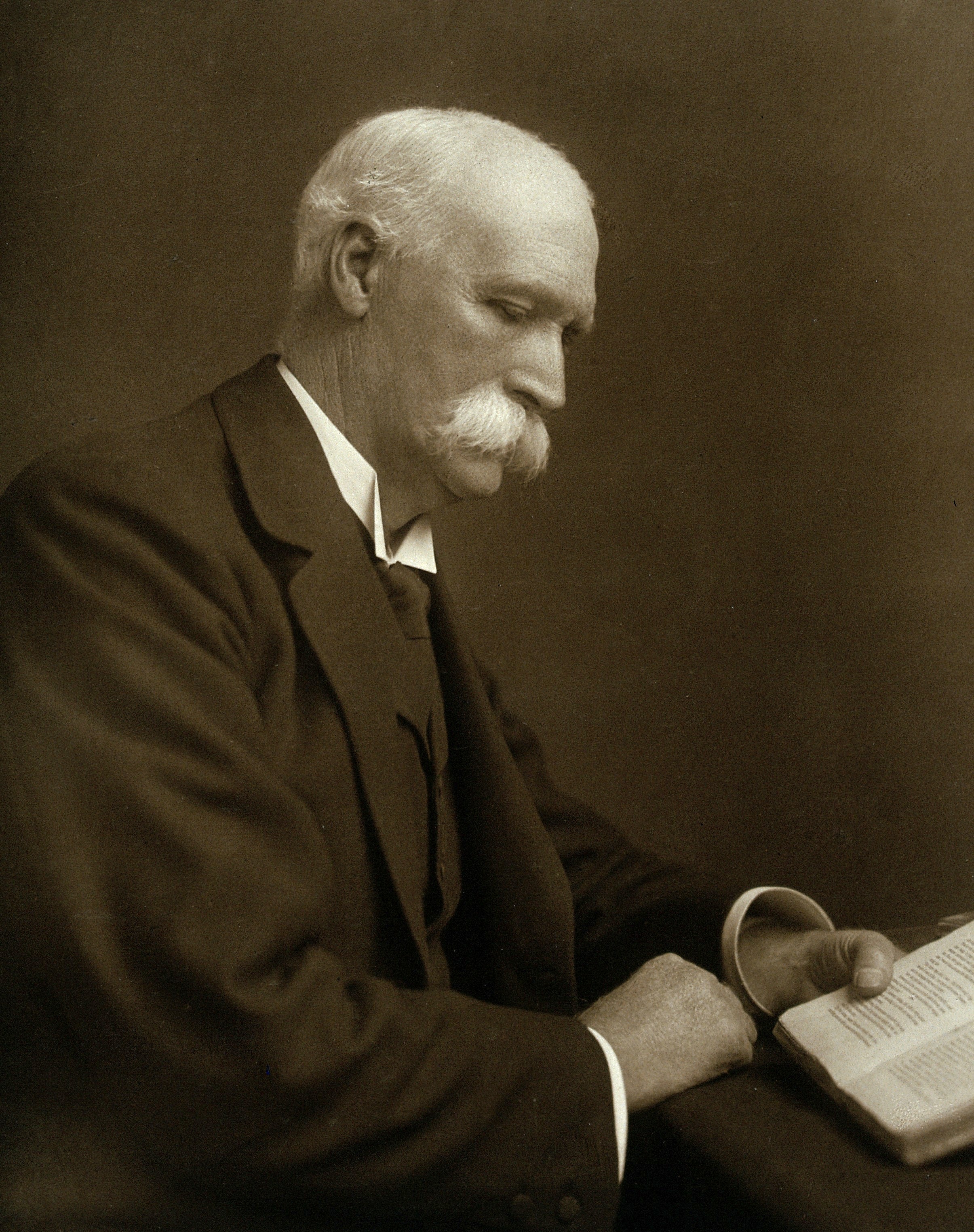
The first study of the unusual and dramatic physiology of the annual growth and shedding of the antlers of deer. "The amount of bony matter annually secreted to form antlers of the larger deer is enormous, antlers of …
1926 –1978
#2311
Handbuch der speziellen pathologischen Anatomie und Histologie. Edited by Friedrich Henke, Otto Lubarsch and Robert Rössle. 13 vols. in 43.
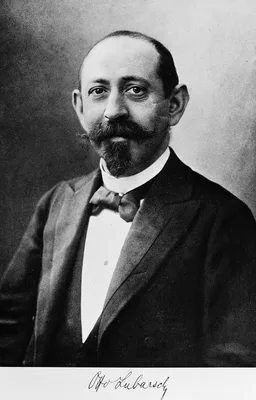
1: Blut, Knochenmark, Lymphknoten, Milz. 1/1: Blut, Lymphknoten von Max Askanazy. 1926. 1/2: Milz, Knochenmark von Max Askanazy. 1927. 3A: Lymphknoten: Diagnostik in Schnitt und Ausstrich: Cytologie und Lymphadenitis …
1941
#1533.1
The anatomy and the histology of the retina in man, ape, and monkey.
A scholarly tour-de-force with a bibliography of over 700 references.
1953
#6623.01
The doctor and the devils.
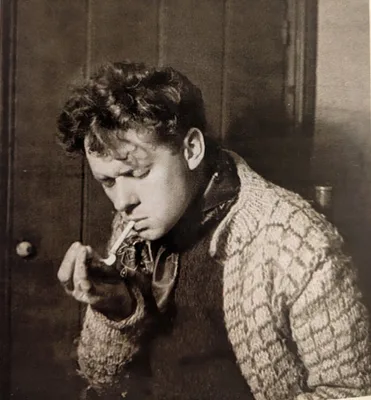
The great lyric poet’s screenplay based on the notorious career of Robert Knox, the anatomist who purchased bodies for dissection from the resurrectionists/murderers, Burke and Hare. This was the first screenplay that…
1956 –1960
#86.4
Collected papers of Paul Ehrlich. Compiled and edited by F. Himmelweit. 3 vols.
Vol. I: Histology, biochemistry, and pathology, Vol. 2: Immunology and cancer research; Vol. 3: Chemotherapy. Most texts are in German. English translations are also published when available. The set includes new Engl…
1971
#7405
Histology of the human eye.
Hogan and Alvarado's work was the first book on histology of the eye to include electron microscopy. It also reproduced spectacular three-dimensional representations of ocular ultrastructures by Joan Esperson Weddell.
1986
#10201
The Visible Human Project.
https://www.nlm.nih.gov/research/visible/visible_human.html "The Visible Human Project® is an outgrowth of the NLM's 1986 Long-Range Plan. It is the creation of complete, anatomically detailed, three-dimensional repre…
1989
#12292
Three-dimensional display in nuclear medicine.
Maximum intensity projection (MIP) or MIP imaging, invented by Jerold Wallis, "is a method for 3D data that projects in the visualization plane the voxels with maximum intensity that fall in the way of parallel rays t…
1991
#7718
Human cross-sectional anatomy: Atlas of body sections and CT images.
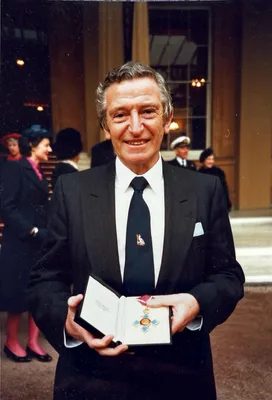
1992
#7354
Brain maps: Structure of the rat brain.
The first computer graphics atlas of the brain of any species, with the illustration files also available separately (1993). The work included a complete and systematic, hierarchically organized set of annotated nomen…