
Facets
Browse across eight MeSH (opens in new tab) facets — era, geography, science, specialty, technology, history, culture, and reference. Select one tag per group; counts update across the others. What’s new in facet browse how facets relate to subjects and MeSH.
Clear filtersFacet filters
Geography
Specialties & Disease
- Anatomy & Pathology 765
- Cardiology & Blood 914
- Neurology & Psychiatry 1,258
- Obstetrics & Reproductive 551
- Infectious Disease (General) 147
- Surgery & Anesthesia 1,553
- Public Health 1,129
- Immunology & Dermatology 1,405
- General Clinical Medicine 487
- Military Medicine 436
- Psychology 202
- Alternative & Fringe Medicine 383
- Pediatrics 247
- Ophthalmology & Vision 412
- ENT & Hearing 293
- Urology & Nephrology 309
- Gastroenterology & Hepatology 316
- Pulmonary & Respiratory 233
- Rheumatology, Rehab & Pain 189
- Internal, Emergency & Geriatric 123
- Veterinary Medicine 165
- Epidemiology & Demography 397
- Physiology & Embryology 924
- Dentistry 259
- Plagues & Epidemics 1,279
- Microbiology & Virology 1,080
Social & Historical Studies
Institutions & Culture
Reference & Scholarly Works
Drugs & Technology
123 entries match Internal, Emergency & Geriatric [G02.403.810]
1855
#11566
Self-adjusting stethoscope of Dr. Cammann.
The American physician George P. Cammann invented the binaural flexible stethoscope. By 1852 Cammann "had developed a stethoscope with flexible tubing (spirals of wire covered with silk, later rubber, or as he called …
1856
#2028.56
On a new mode of effecting artificial respiration.
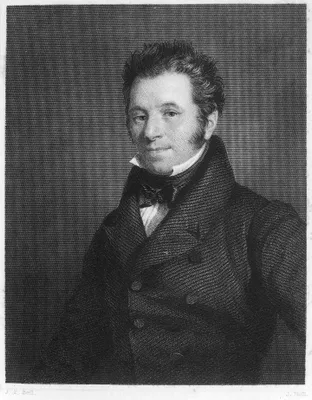
Marshall Hall’s method of artificial respiration.
1856
#2676.1
On the self-adjusting double stethoscope.
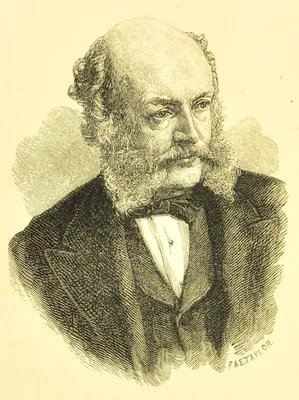
Leared demonstrated a binaural stethoscope at the Great Exhibition, London, 1851. Camman introduced the pattern whose main design continues in use today; this was illustrated in the N.Y. med. Times, Jan. 1855, and rep…
1857
#9165
The seaman's medical friend, a companion to the government medicine chest, intended for use in ships not carrying surgeons. Containing directions for the preservation of health and the cure of diseases, wounds, fractures, dislocations, and other accidents likely to occur at sea. Comprising also the Admiralty scale of medicines. Second edition.
"The present edition of The Seaman's Medical Friend is a new book rather than a mere revision of an old one; since the whole of that portion which relates to the Preservation of health, and the symptoms and treatment …
1858
#2028.57
A new method of resuscitating still-born children, and of restoring persons apparently drowned or dead.
Silvester’s method of artificial respiration.
1860
#8376
On the law of mortality and the construction of annuity tables.
Gompertz-Makeham law. Makeham proposed the age-independent Makeham term that, together with the exponentially age-dependent Gompertz term, compose the Gompertz-Makeham law of mortality--one of the most effective theor…
1860
#8818
Remarks on the uses of some bazaar medicines, and on a few of the common indigenous plants of India, according to European practice.
At the time of publication of this work, which contained texts in both Sanskrit and English, Waring was "Physician to His Highness The Maha Rajah of Travancore." Digital facsimile of the 1860 edition from the Biodiver…
1861
#7815
A manual of military surgery: or, hints on the emergencies of field, camp and hospital practice.
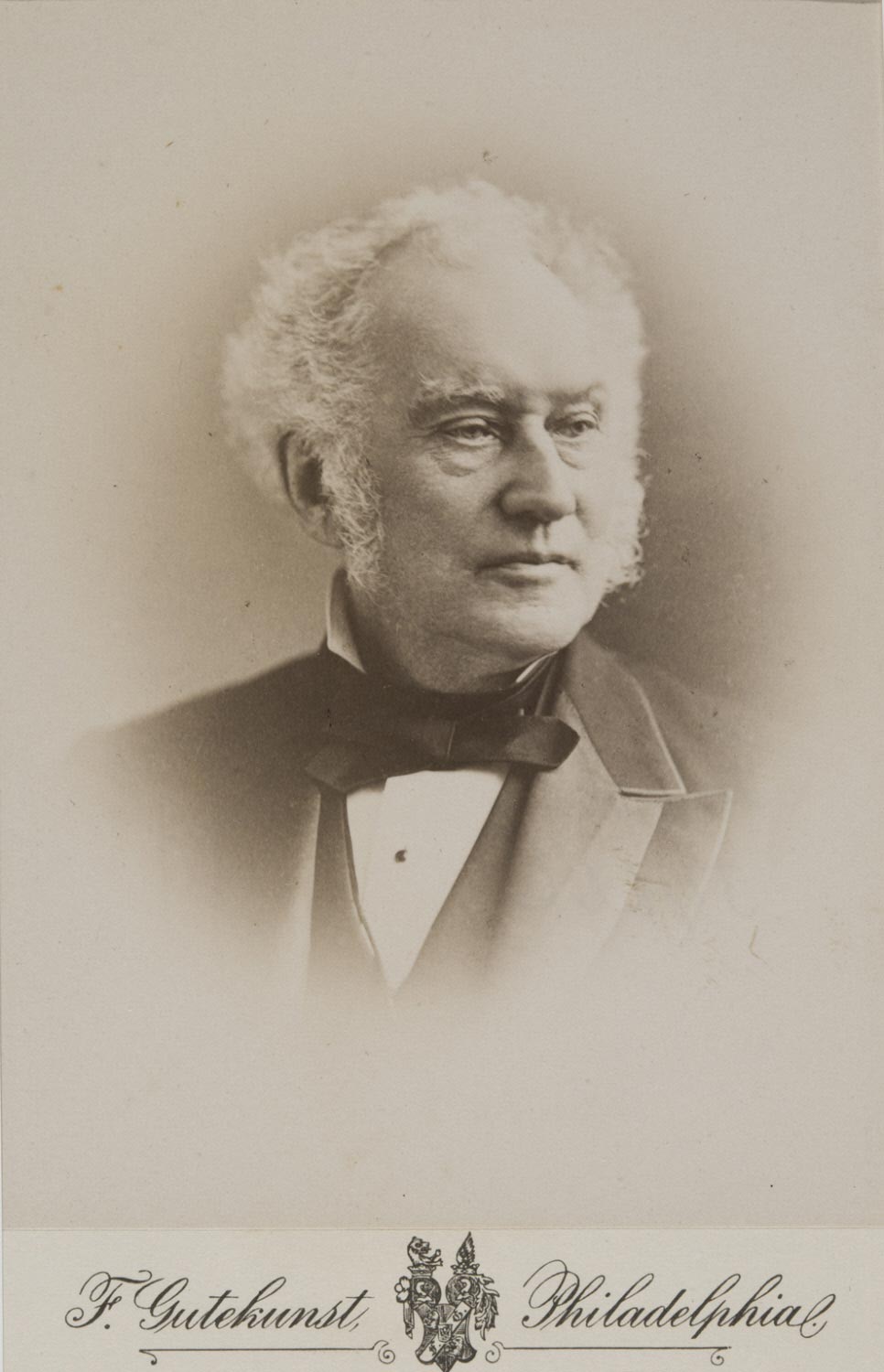
Digital facsimile of the second edition (1862) from the Hathi Trust at this link. Notably in 1862 this small work written for Union surgeons was reprinted in Richmond, Virginia for the use of Confederate surgeons. The…
1864
#2676.2
Ueber dasverschiedene Verhalten gelähmter Muskeln gegen den constanten und inducirten Strom und die Erklärung desselben.
One of the first publications on electrodiagnosis.
1864
#11578
Medical diagnosis with special reference to practical medicine: A guide to the knowledge and discrimination of diseases.
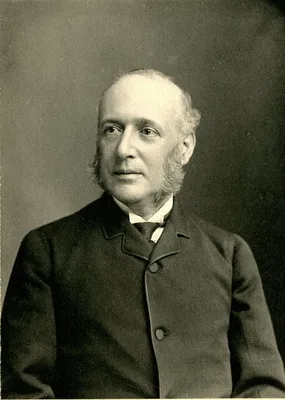
During the Civil War Da Costa was an acting surgeon in Philadelphia where he supervised a ward for patients with heart disease. In this book he presented the first description of a condition that he called "irritable …
1867
#2222
Leçons sur les maladies des vieillards et les maladies chroniques.
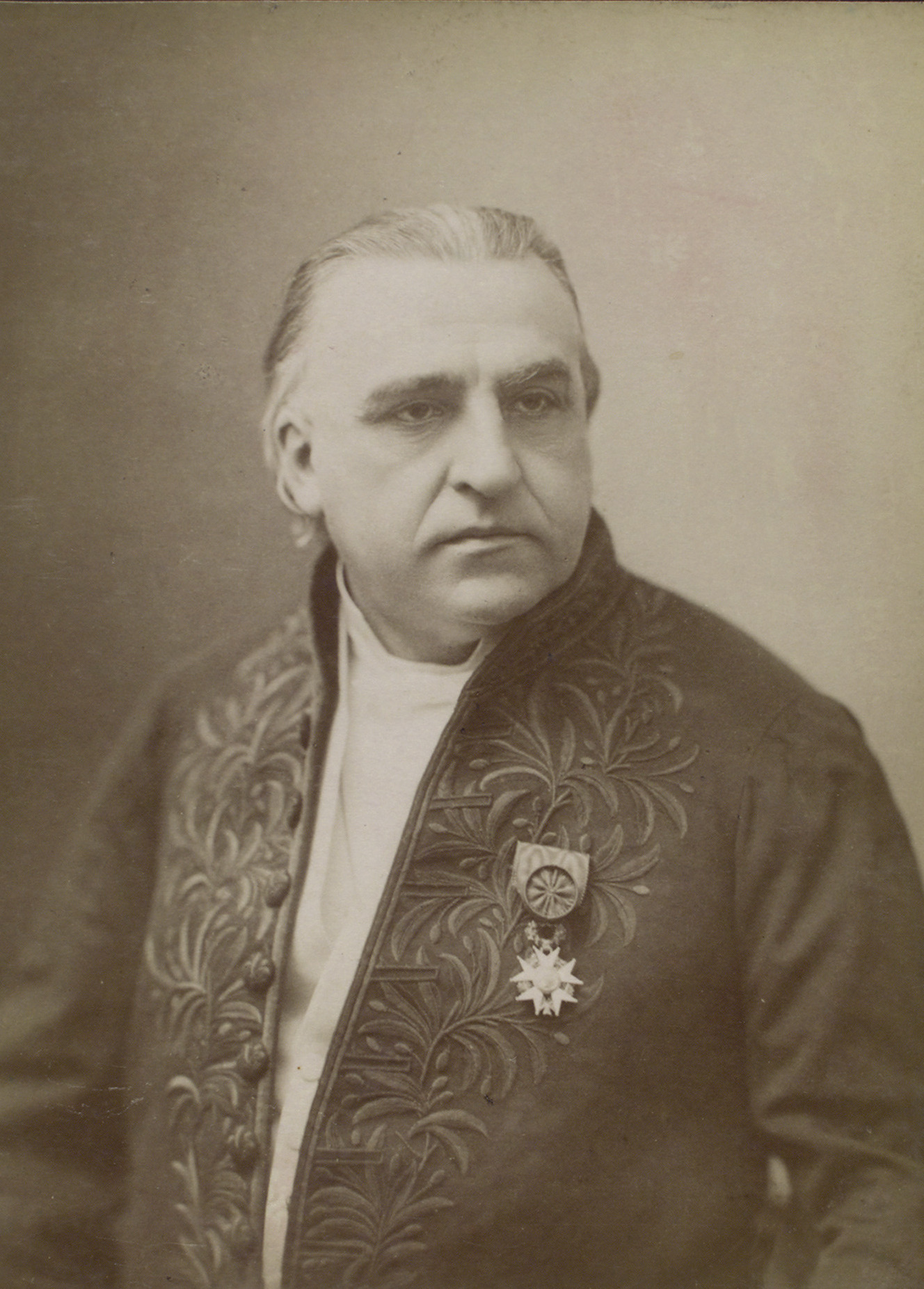
Charcot inaugurated a course of study of geriatrics, at the Salpêtrière, in 1866; his lectures are embodied in the above work. English translation, 1881.
1868
#2677
Das Verhalten der Eigenwärme in Krankheiten.
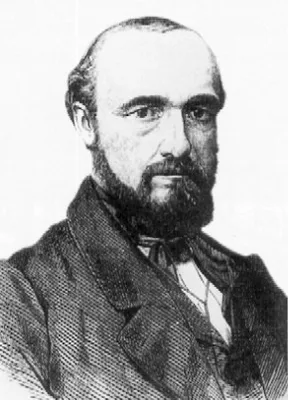
This work on temperature in disease laid the foundation of modern knowledge regarding clinical thermometry. Wunderlich reportedly took over a million measurements from 25,000 people. Temperatures ranged from 97.2 to 9…
1868
#9470
Accidents et maladies: Premier soins a donner avant l'arrivée du médecin.
Digital facsimile from Google Books at this link.
1869
#2028.58
Plain rules for the restoration of persons apparently dead from drowning.
Howard’s method of artificial respiration is taught for resuscitation from drowning.
1869
#2678
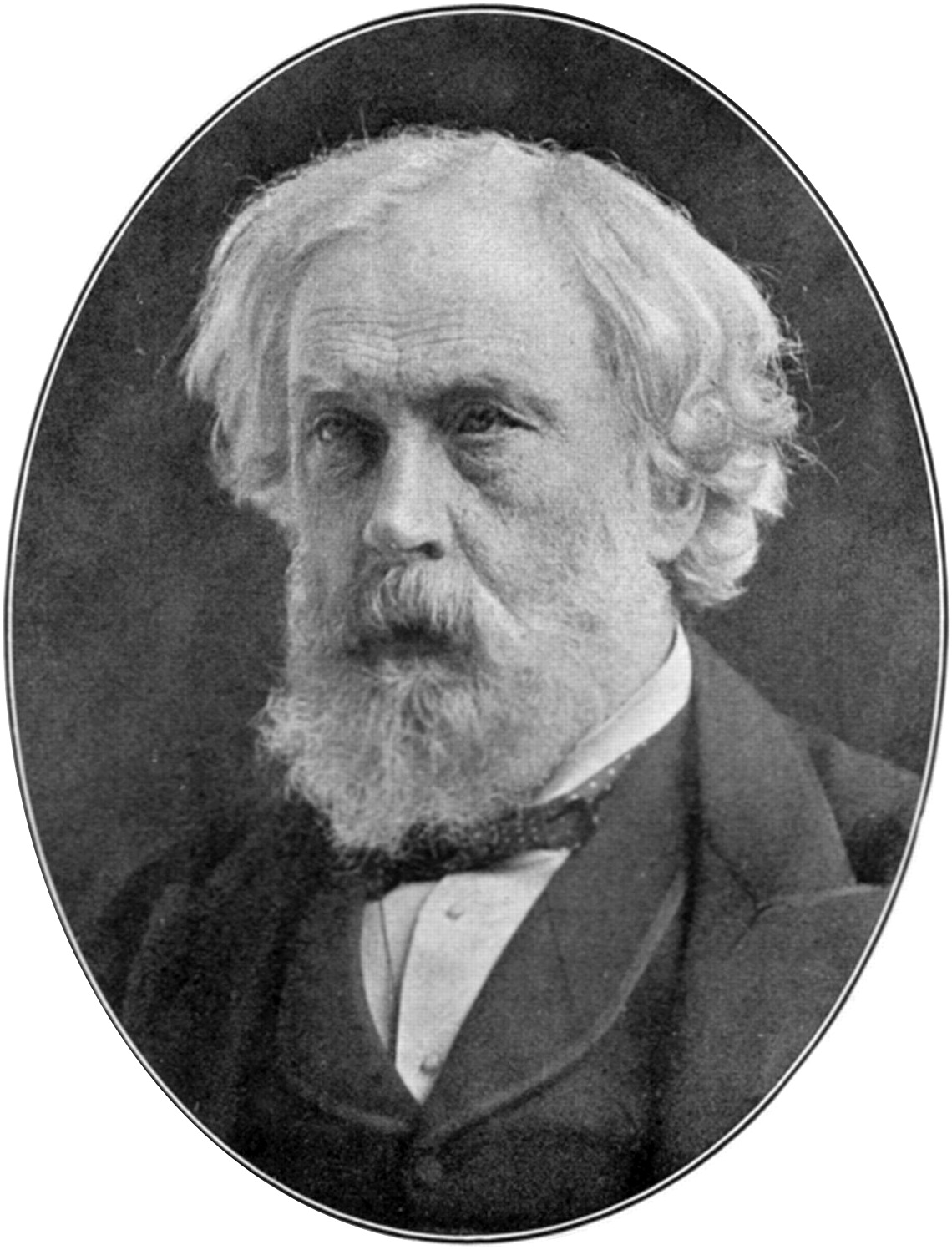
On markings of furrows on the nails as the result of illness.
1870
#2679
Medical thermometry.
Allbutt introduced the modern clinical thermometer.
1871
#12899
Emergencies and how to treat them: The etiology, pathology, and treatment of the accidents, diseases, and cases of poisoning, which demand prompt action.
A “guide in the treatment of cases of emergency occurring in medical, surgical, or obstetrical practice” (p. 3), covering such topics as hemorrhage, burns, loss of consciousness, asphyxia, sunstroke, poisoning and com…
1878
#6193
Traité du palper abdominal au point de vue obstétrical.
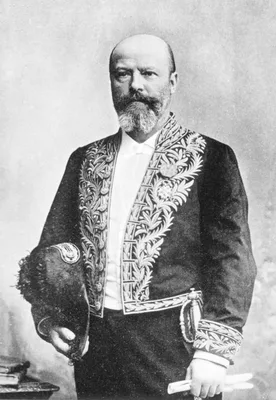
Pinard, professor of obstetrics in Paris, showed the importance of abdominal palpation as an aid to obstetrical diagnosis. English translation, 1885.
1880
#4562
The diagnosis of diseases of the spinal cord.
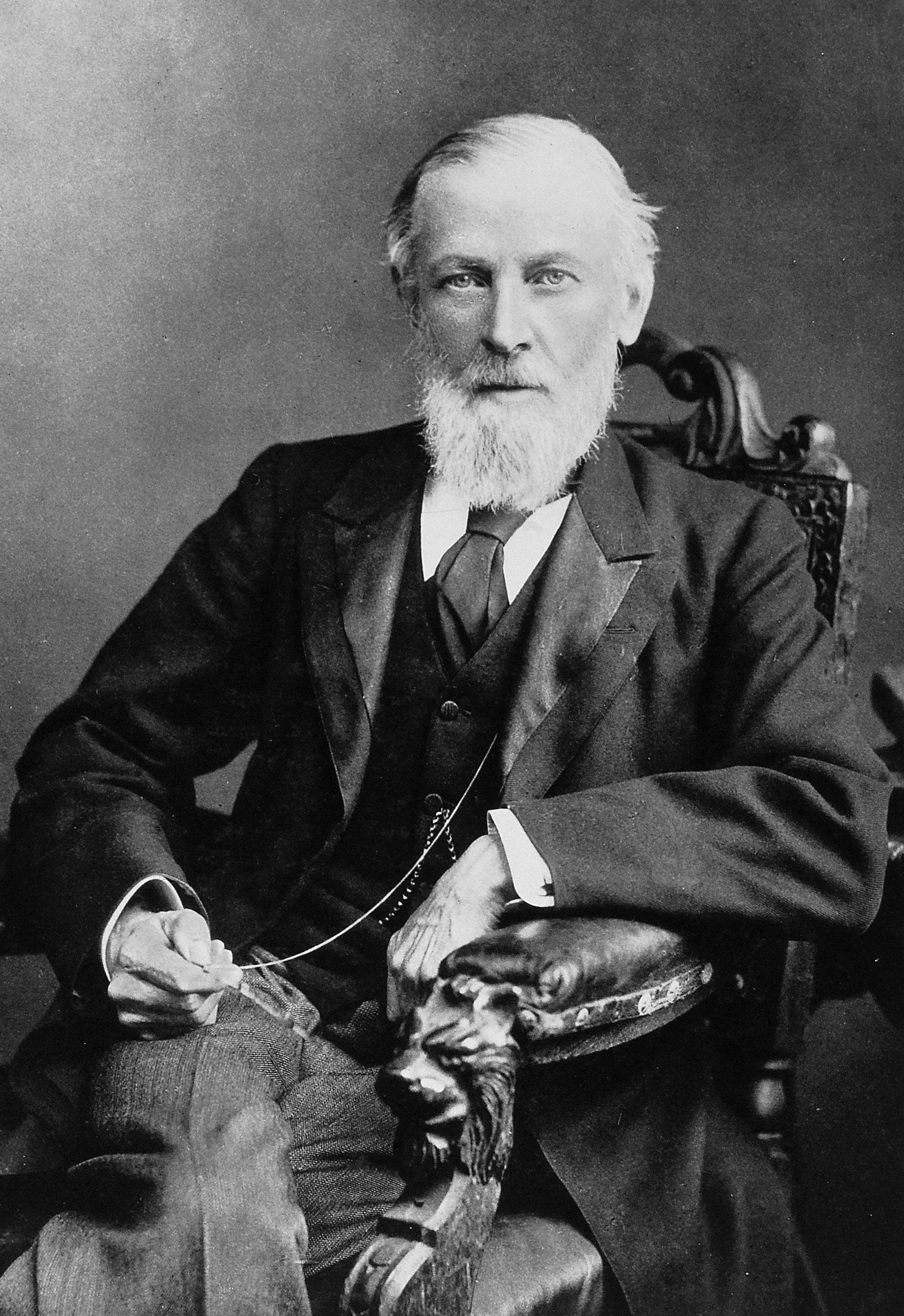
Gowers demonstrated the dorsal spinocerebellar tract, “Gowers’s tract”, and introduced the terms myotatic and knee-jerk, which he elicited with the rubber edge of his stethoscope or a percussion hammer.
1880
#13854
What do do first, in accidents or poisoning.
Expanded as What to do first in accidents and emergencies. A manual explaining the treatment of surgical and other injuries in the absence of the physician (1883). Digital facsimile of the 1880 edition from the Hathi …
1882
#4677
Ein Krankheitssymptom der acuten Meningitis.
Kernig drew attention to a flexor contracture of the leg on attempting to extend it on the thigh (“Kernig’s sign”), almost always present in cerebrospinal meningitis and an important diagnostic sign. A fuller descript…
1883
#13111
Hints in sickness: Where to go and what to do.
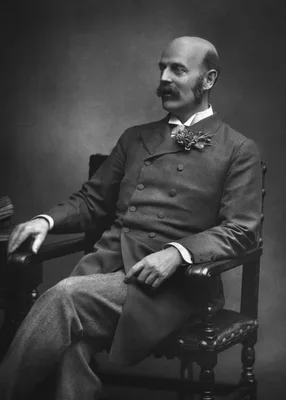
Digital facsimile from Google Books at this link.
1889
#10618
Old age: The results of information received respecting nearly nine hundred persons who had attained the age of eighty years, including seventy-four centenarians.
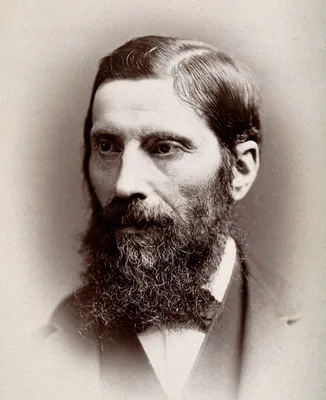
Analysis, illustrated with Woodburytype photographs, of data collected by the "Collective Investigation Committee" of the British Medical Association. Note that in the 1880s attaining the age of 80 was considered wort…
1889
#14344
The action of natural selection in producing old age, decay, and death. In Essays upon heredity and kindred biological problems by August Weismann; authorized translation edited by Edward B. Poulton, Selmar Schönland and Arthur E. Shipley, Chapter 1, "The duration of life," page 23.
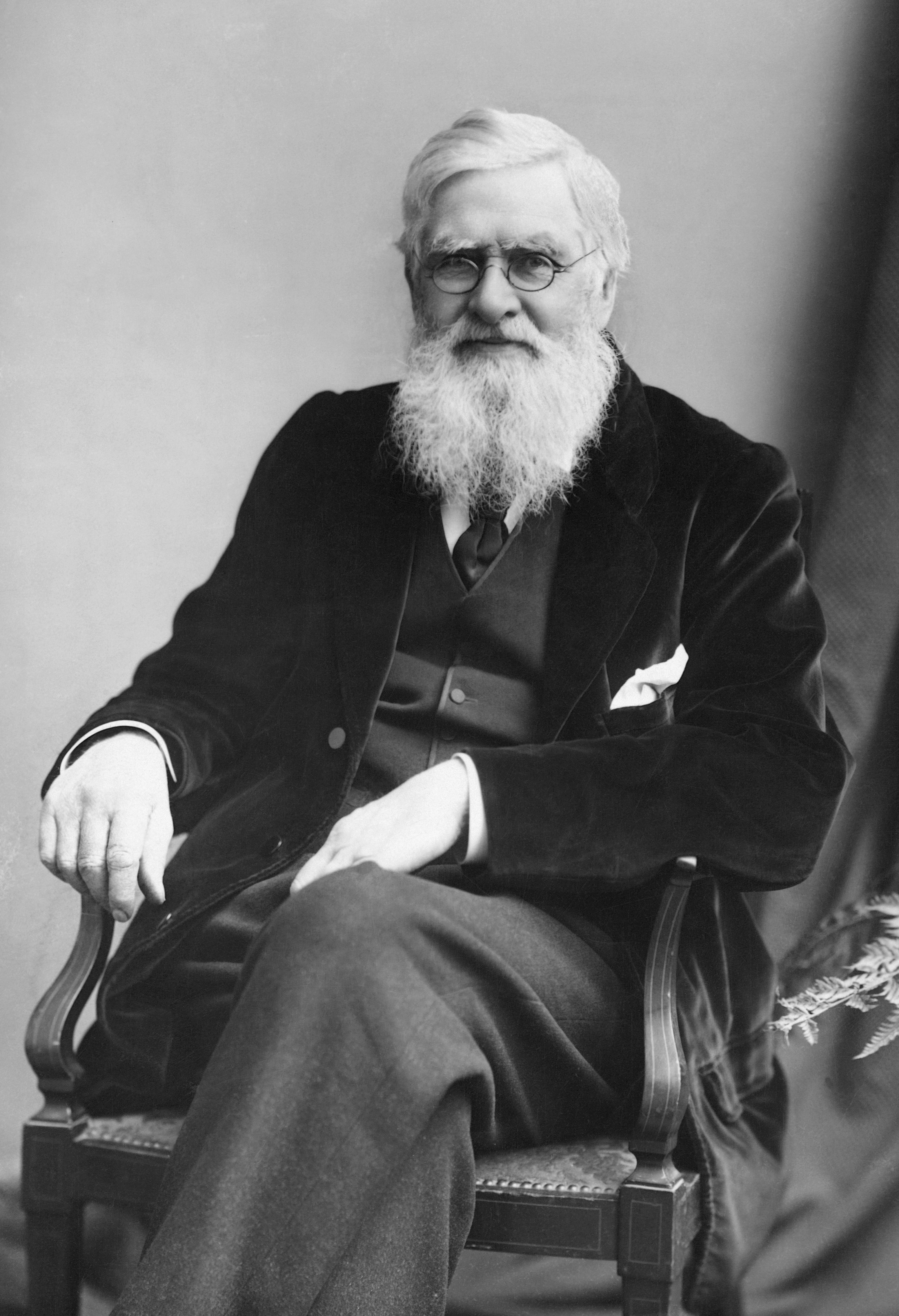
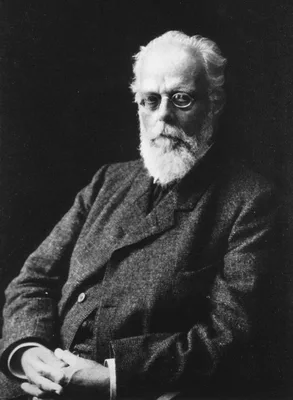
Wallace proposed the first evolutionary theory of aging. He stated that if too many people lived for a long time they would compete for resources needed for other members of the species that were of reproduction age. …
1890
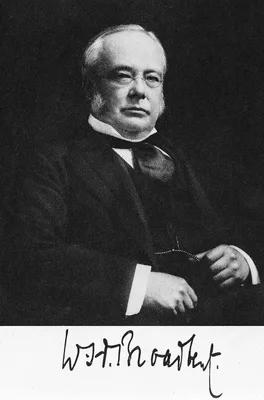
#2680
The pulse.
1894
#11267
Hospitals dispensaries and nursing. Papers and discussions in the International Congress of Charities, Correction and Philanthropy, Section III, Chicago, June 12th to 17th, 1893. Edited by John S. Billings and Henry M. Hurd.
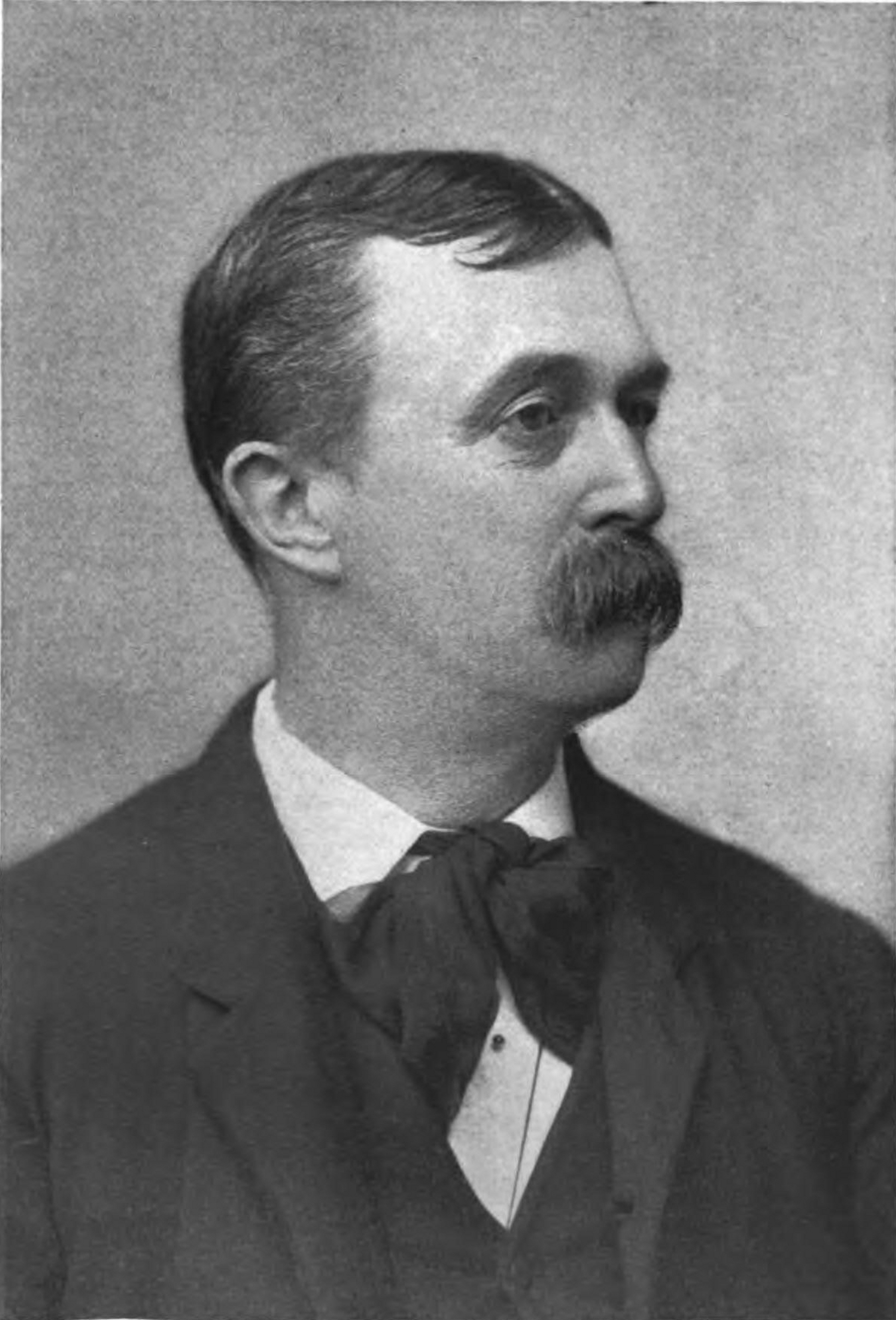
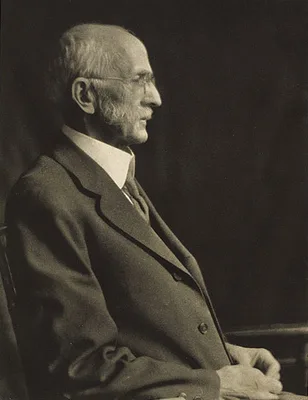
Includes almost 90 articles on all aspects of hospitals and nursing, by luminaries such Henry Burdett, Lavinia Dock, Cardinal Gibbons, Isabel Hampton, Henry Lyman, and Lewis Pilcher, among dozens of others. Florence N…
1904
#2028.59
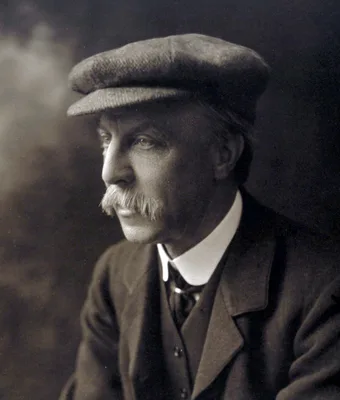
Description of a simple and efficient method of performing artificial respiration on the human subject especially in cases of drowning. To which is appended instruction for the treatment of the apparently drowned.
1904
#11700
An inquiry into the phenomena attending death by drowning and the means of promoting resuscitation in the apparently drowned. Report of a committee appointed by the Society, drawn up by Professor Schäfer, chairman of the committee.
The Schäfer method of artificial respiration. Digital facsimile from the Hathi Trust at this link.
1905
#2818
On methods of studying blood pressure.
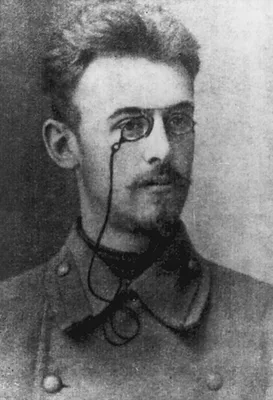
Korotkov introduced the modern method of applying the stethoscope to the brachial artery during blood-pressure examination with Riva-Rocci’s sphygmomanometer, for the purpose of investigating the sounds made by the bl…
1906
#9220
Earthquake in California April 18, 1906. Special report of Maj. Gen. Adolphus W. Greely, U.S.A. on the relief operations conducted by the military authorities of the United States at San Francisco and other points, with accompanying documents.
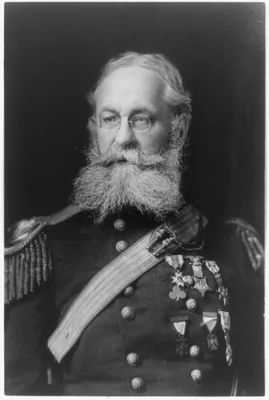
Digital facsimile from the Internet Archive at this link.
1908
#132
The problem of age, growth and death.
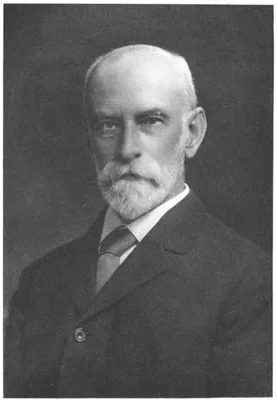
Minot’s theory of aging, based on cytomorphosis and the rate of growth. This work first appeared as a paper in vol. 7 of the Popular Science Monthly, 1907.
1914
#1641.1
Geriatrics: The diseases of old age and their treatment, including physiological old age, home and institutional care, and medico-legal relations.
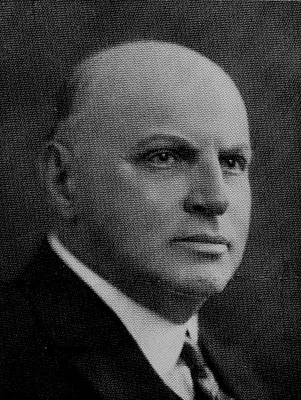
The first modern treatise on the subject. Nascher coined the term “geriatrics” in a paper of that name in N.Y. med. J., 1909, 90, 358-59.
1921
#10823
Early diagnosis of the acute abdomen.
The classic treatise on the initial approach to abdominal pain. This work underwent its 22nd edition in 2011.
1923
#138
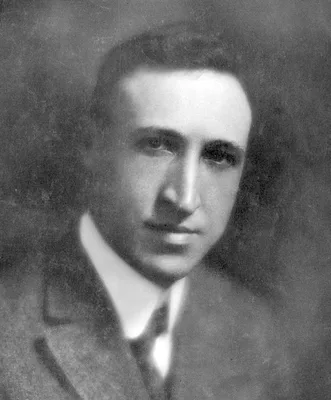
The chemical basis of growth and senescence.
1928
#10950
De retardatione accidentium senectutis cum aliis opusculis de rebus medicinalibus. Nunc primum ediderunt A. G. Little [and] E. Withington.
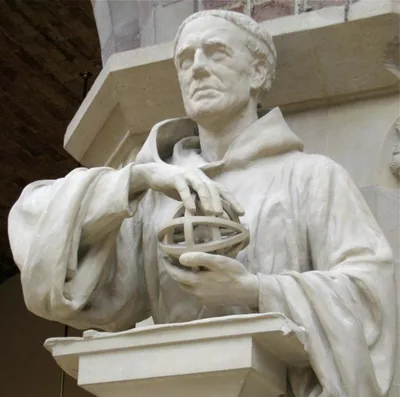
New edition edited from the 1590 printed edition in comparison with existing medieval manuscripts.
1930
#2239
Nosography, the evolution of clinical medicine in modern times. 2nd ed.
A well-illustrated and reliable account.
1932
#2028.6
En oplivingsmethode.
Holger Nielsen (“arm-lift”) method of artificial respiration.
1932
#2241
Classic descriptions of disease.
A collection of classic descriptions of disease by 179 different writers, from ancient times to the present. Foreign papers are translated into English. A second edition of this most interesting and useful book appear…
1932
#12278
Studies in the metabolism of sodium r-lactate. 1. Response of normal human subjects to the intravenous injection of sodium r-lactate. 2. Response of human subjects with acidosis to the intravenous injection of sodium r-lactate. 3. Reponse of human subjects with liver damage, disturbed mineral and water balance, and renal insufficiency to the intravenous injection ofsodium r-lactate.
Hartman added sodium lactate to the standard Ringer's solution to form Ringer's lactate solution, also known as Hartmann's solution.
1934
#7245
Prolonging the life span.
McCay proved that caloric restriction increases the life span of rats, a discovery that triggered extensive further research and experiments in the field of nutrition and longevity.
1935
#10057
The care of the aged, the dying and the dead.
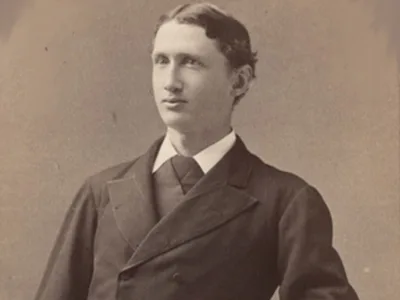
Digital facsimile of the 2nd edition (1940) from the Hathi Trust at this link.
1943
#9379
Shipwreck-survivors: A medical study.
Probably one of the first books on the medical aspects of this particular subject. "In this lecture it will be our purpose, first to describe the various ordeals which befall men after their ship has been lost, the cl…
1949
#7128
The Texas City disaster; a survey of 3,000 casualties.
After ships anchored in Texas City exploded in 1947, injuring and burning some 3,000 persons, the Blockers published a survey of the casualties. For this and other research studies involving trauma and burns the Block…
1951
#1671.11
A classified bibliography of gerontology and geriatrics.
Supplements, in 1957 and 1963.
1954
#12968
The anaesthetist's viewpoint on the treatment of respiratory complications in poliomyelitis during the epidemic in Copenhagen, 1952.
Ibsen developed the first Intensive Care Unit (ICU) during the polio epidemic in Copenhagen in 1952, formally setting up the unit in 1953 in a converted student nurse classroom in the Municipal Hospital in Copenhagen.…
1960
#2243
The history of internal medicine. Selected diseases.
Attempts to list and annotate every reference of fundamental importance in the development of 21 selected diseases.
1960
#2883.4
Closed-chest cardiac massage.
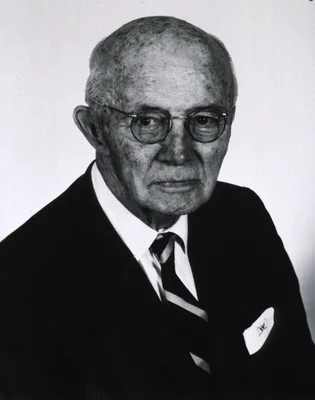
Kouwenhoeven and colleagues developed closed-chest cardiac massage without thoracotomy. Kouwenhoeven has been called "the father of cardiopulmonary resuscitation."
1961
#8381
The serial cultivation of human diploid cell strains.
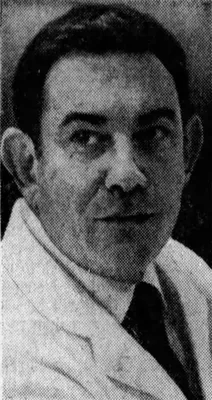
The Hayflick limit. Hayflick demonstrated that a population of normal human fetal cells in a cell culture will divide between 40 and 60 times. The population then enters a senescence phase.
1961
#11671
A new approach to cardiac resuscitation.
"The pioneers of modern cardiopulmonary resucitation describe their breakthrough technique of combining mouth-to-mouth ventilation, closed chest compressions, and transthoracic defibrillation to treat cardiac arrest" …
1962
#10274
The casualty officer's handbook.
The first handbook published in England on what later came to be called emergency medicine. Ellis, appointed to the Leeds General Infirmary in 1952, was the first "Casualty" consultant in England, and remained so unti…