
Facets
Browse across eight MeSH (opens in new tab) facets — era, geography, science, specialty, technology, history, culture, and reference. Select one tag per group; counts update across the others. What’s new in facet browse how facets relate to subjects and MeSH.
Clear filtersFacet filters
Geography
Specialties & Disease
- Anatomy & Pathology 765
- Cardiology & Blood 914
- Neurology & Psychiatry 1,258
- Obstetrics & Reproductive 551
- Infectious Disease (General) 147
- Surgery & Anesthesia 1,553
- Public Health 1,129
- Immunology & Dermatology 1,405
- General Clinical Medicine 487
- Military Medicine 436
- Psychology 202
- Alternative & Fringe Medicine 383
- Pediatrics 247
- Ophthalmology & Vision 412
- ENT & Hearing 293
- Urology & Nephrology 309
- Gastroenterology & Hepatology 316
- Pulmonary & Respiratory 233
- Rheumatology, Rehab & Pain 189
- Internal, Emergency & Geriatric 123
- Veterinary Medicine 165
- Epidemiology & Demography 397
- Physiology & Embryology 924
- Dentistry 259
- Plagues & Epidemics 1,279
- Microbiology & Virology 1,080
Social & Historical Studies
Institutions & Culture
Reference & Scholarly Works
Drugs & Technology
765 entries match Anatomy & Pathology [G02.149 / C23]
1563 –1564
#1093
Opuscula anatomica.
Eustachius is credited with several anatomical discoveries, among them the tensor tympani muscle and the Eustachian tube, published in his chapter entitled De auditus organis. In the last respect, however, he was anti…
1572 –1573
#1539
Externarum et internarum principalium humani corporis partium tabulae.
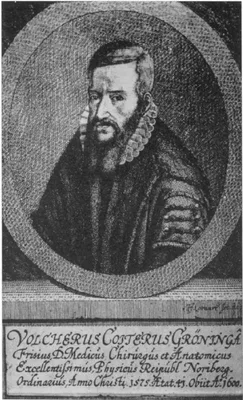
Coiter made several important contributions to the study of human anatomy, and was the first to elevate comparative anatomy to the rank of an independent branch of biology. His Externarum et internarum principalium hu…
1574
#1479
Anatomici libri II … In altero de musculis, palpebrarum atque oculorum motibus deservientibus, accurate disseritur.
First exact description of the lacrimal duct. Carcano gave the true position of the lacrimal gland and showed the route taken by the tears.
1575
#284
Lectiones Gabrielis Falloppi de partibus similaribus humani corporis, ex diversis exemplari eus a Volchero Coiter summa cum diligentia collecta. His accessere diversorum animalium sceletorum explicationes iconibus artificiosis, et genuinis illustratae.
Coiter, a pupil of Fallopius and Eustachius, became town physician of Nuremberg. His book on comparative osteology, contained in his edition of the lectures of Fallopius, extended his studies begun in his work of 1572…
1577
#6836
A profitable treatise of the anatomie of mans body.
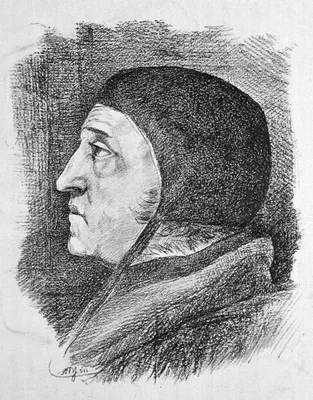
A small book, of which only two copies survived, at the British Library and Cambridge University. As first shown by J F Payne in 1896, this work is very similar to a manuscript (MS 564) in the Wellcome Library. This m…
1579
#1819.1
Tractado breve de anathomia y chirurgia.
Includes some of the first studies of the plants and botanic remedies of the New World. Second edition, Tractado breve de medicina (1592). This is an abridgement of manuscripts left in Mexico by Francisco Hernández. S…
1585
#7595
Anatomicae praelectiones.
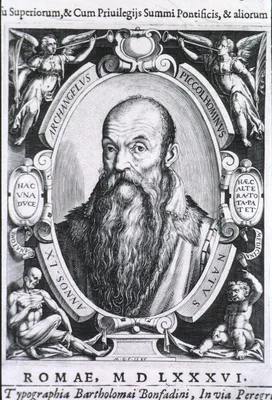
First description of a clear distinction between what is now known as gray and white matter in the central nervous system. The work also includes the first attempt to illustrate the brain in a sagittal view. The nine …
1587
#7337
De humano foetu liber tertio editus, ac recognitus. Eiusdem anatomicarum observationum liber: ac De tumoribus secundum locos affectos liber nunc primum editi.
First edition of Aranzi's Anatomicarum observationum published with the third edition of De humano foetu. In the Anatomicarum observationum Aranzi pointed out that the eye muscles arise from the margin of the optic ca…
1592
#379
Theatrum anatomicum infinitis locis auctum, ad morbos accommodatum....
Includes historical data. Bauhin was professor of anatomy at Basle.
1594
#10373
Alphabet anatomic, auquel est contenue l'explication exacte des parties du corps humain: Réduites en tables selon l'ordre de dissection ordinaire, avec l'ostéologie et plusieurs observations particulières. Avec l'osteologie, & plusieurs observations particulieres.
This innovative didactic work divided the study of anatomy into 91 tables, set in type, but without images. It was unusually popular, with eleven editions in the seventeenth century as well as translations into Latin …
1597
#437
Anatomica corporis virilis et muliebris historia.
1598
#285
Dell’anotomia, et dell’infermità del cavallo.
In 1598 Conte Ottavio Ruini edited and had published in Bologna, with a dedication to Cardinal Pietro Aldobrandini, Dell'anotomia [sic], et dell'infirmita del cavallo [Book ii: Dell'infirmita del cavallo] by il marche…
1599
#13240
Hippostologie, c’est a dire, discours des os du cheval.
The first work on equine anatomy published in France. Héroard wrote the work in 1579 and the manuscript was preserved in the library of Château de Chantilly, but it was not published until 1599, one year after the pub…
1600
#2272
Observationum medicarum, rararum, novarum, etc. 2 vols.
Schenck was the greatest compiler of his day. His Observationes form the easiest source-book for the pathological observations of Sylvius, Vesalius, and Columbus, and represent a lifetime of medical reading and experi…
1600 –1601
#1540
De vocis auditusque organis historia anatomica. 2 pts.
Casseri, originally a servant to Fabrizio, was personally trained by his employer and eventually succeeded to Fabrizio’s chair of anatomy. Like Fabrizio, who studied the development of the chick for clues to human emb…
1602 –1603
#2195
Praxeos seu de cognoscendis, praedicendis, praecavendis, curandisque affectibus homini incommodantibus. 2 vols.
The first attempt at a classification of diseases according to symptoms. Over a period of 50 years Platter dissected more than 300 bodies and made many observations of value to pathological anatomy.
1603
#757
De venarum ostiolis.
Fabricius, teacher of Harvey at Padua, discovered the venous valves, and illustrated them in life-size copperplates in this monograph. He failed to recognize their true function, however, considering their function si…
1603
#1541
In Galeni librum de ossibus.
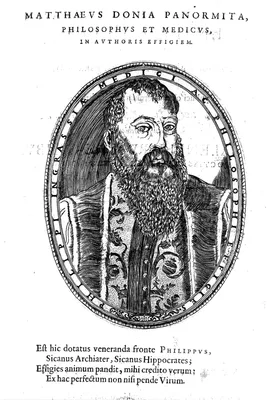
Ingrassia is by some accredited with the discovery of the stapes; he also observed the sound-conducting capacity of the teeth.
1608
#8002
Il vero modo et ordine per dissegnar tutte le parti et membra del corpo humano.
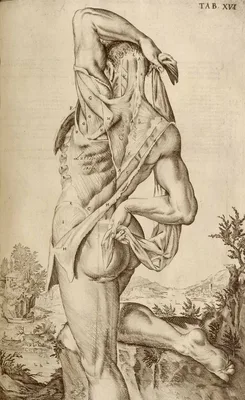
An entirely etched book of 40 leaves, drawn and etched by Fialetti, this was probably the first printed manual on drawing the human body, as distinct from earlier manuals on anatomy for artists. For further informatio…
1611
#380
De anatome corporis humani libri vii.
Guidi, professor of philosophy and medicine at Pisa, discovered the Vidian nerve, the Vidian canal, and the Vidian artery. The above was edited by his nephew.
1611
#6964
Anatomicae institutiones corporis humani.
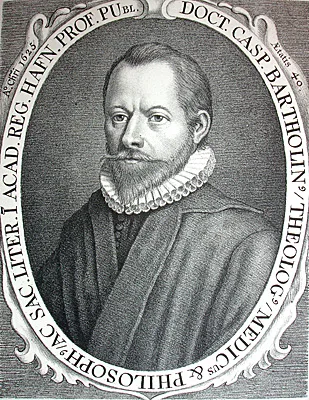
The elder Caspar Bartholin was the first to describe the workings of the olfactory nerve, and introduced the terms nervus olfactorius and nervus vagus. This was a standard textbook for many years, undergoing numerous …
1613
#11237
Catoptri micorcosmici absolutam admirandae partium hominis creaturarum divinarum praestantissimi fabricae eximio artificio sculptam structuram revidendam exhibentis. Engraved by Stephan Michelspacher.
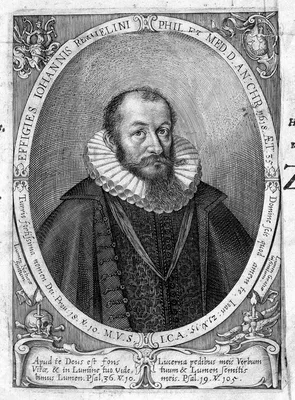
Three large anatomical plates with numerous flaps, in the tradition of fugitive sheets, but larger and more complex. The first edition was issued anonymously without identifying the place of publication or the publish…
1615
#13123
Microcosmographia [In Greek]. A description of the body of man. Together with the controversies thereto belonging. Collected and translated out of all the best authors of anatomy especially out of Gasper Bauhinus and Andreas Laurentius.
As the title page states, the work was a compilation. There were reissues in 1616 and 1618. The second edition (1631) included an engraved title page with the first illustration of a brain dissection. That edition als…
1619
#13147
Procestria anatomica in quibus propununtur plaeraque ad generalem anatomia & partium contemplationeum attinent; quaedam etiam infimi ventris mebra explicantur; et Andreae Laurenti Historia anatomica multis locis castigatur & corrigitur.
Digital facsimile from Google Books at this link. Peter Lauremberg edited the first edition of this anonymous Byzantine text on anatomy. The first illustrated edition was edited by Johann Stephan Bernard and Daniel Wi…
1621
#466
De formatione ovi et pulli.
1627
#381
Tabulae anatomicae lxxiix.
First publication of the very beautiful copperplates engraved by Francesco Valesio after Odoardo Fialetti, a pupil of Titian. Casseri commissioned these plates covering the whole field of human anatomy for his unfinis…
1627
#1094
De lactibus sive lacteis venis.
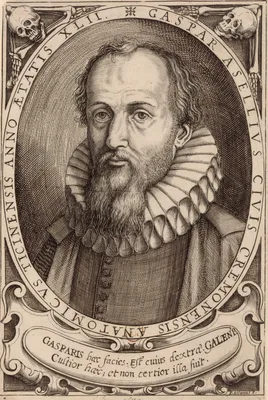
Records the discovery of the lacteal vessels. While performing vivisection on a dog that had recently fed, Aselli noticed a network of vessels in the mesentery and along the peritoneal surface of the intestine. The ve…
1632
#2273
De recondita abscessuum natura.
The first textbook of surgical pathology. It treats of all kinds of swelling under the term “abscess” and describes neoplasms of the genital organs and sarcoma of bones. Tumors of the breast are classified into four g…
1634
#381.1
Anatomie der uuterlicke deelen van het menschelick lichaem: Dienende om te verstaen ende volkometlick wt te beelden alle beroerlicheit des selven lichaems.
The earliest of all independent works on anatomy for graphic or plastic artists. The author, a painter and etcher, drew and engraved all the images himself. Digital facsimile from Google Books at this link.
1641
#9417
Syntagma anatomicum, publicis dissectionibus, in auditorum usum, diligenter aptatum.
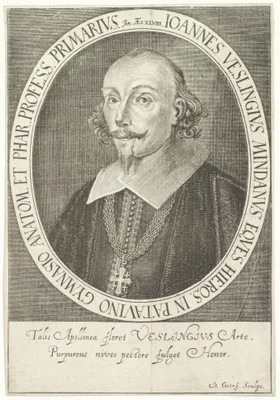
Vesling provided an early discussion of the human lymphatic system. He was one of the first physicians to describe the brain's circle of Willis. Digital facsimile from the Internet Archive at this link.
1642
#7879
Figura ductus cuiusdam cum multiplicibus suis ramulis noviter in pancreate in diversis corporibus humanis observati.
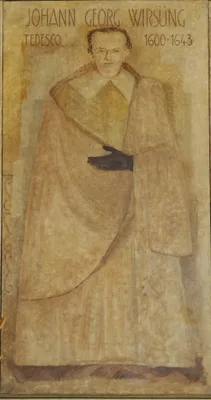
Wirsung, assistant to the celebrated German anatomist Johann Vesling, discovered the excretory duct of the pancreas named for him in 1642. To announce his discovery, Wirsung chose the extremely unusual method of publi…
1645
#1542
Nova auris internae delineatio.
An article which announces the discovery of the long process of the malleus. Folius “accurately discussed the general configuration of the middle ear, described the round and oval windows, delineated the three ossicle…
1645
#61.2
Opera quae extant omnia. Ex recension Joh. Antonidae vander Linden.
Spieghel succeeded Casseri in the chair of anatomy at Padua. This edition of his collected writings contains the second printing of the 97 copperplates first printed in Casseri’s Tabulae anatomicae (No. 381) plus 9 ex…
1645
#289
Zootomia Democritaea: Id est, anatome generalis totius animantium opificii....
One of the most important of the early works on comparative anatomy. It includes the Anatomia porci, attributed to Copho of Salerno. Severinus dissected many animals and was convinced that the microscope would throw l…
1651
#382
Corporis humani disquisitio anatomica.
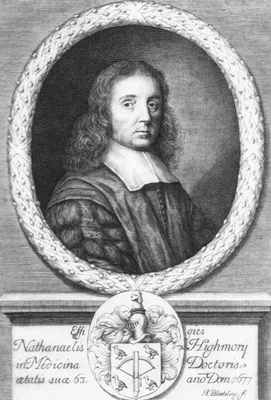
Highmore is remembered for his description of the maxillary sinus, known eponymically as the “antrum of Highmore” (already noticed by Casserius and figured by Leonardo da Vinci), the seminal ducts and the epididymis. …
1651
#1095
Experimenta nova anatomica, quibus incognitum chyli receptaculum, et ab eo per thoracem in ramos usque subclavis vasa lactea deteguntur.
Pecquet discovered the thoracic duct in dogs and its relation to the lacteals. Using a dog that was digesting, he described the thoracic duct, its entry into the subclavian veins, and the receptaculum chyli or chyle r…
1652
#1096
De lacteis thoracicis in homine brutisque.
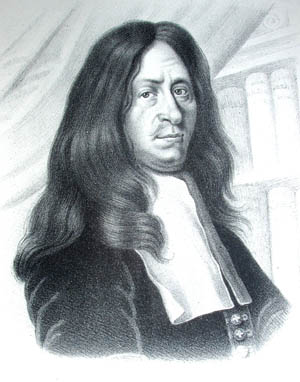
Contains Bartholin’s discovery of the thoracic duct. English translation, 1653.
1652
#3737
Observationes medicae.
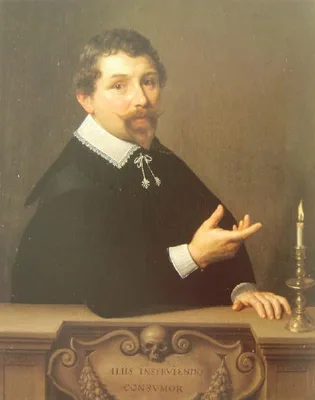
One of the earliest accounts of beri-beri is on pp. 300-05 of this work. Tulp, notable as the demonstrator in Rembrandt’s “Anatomy Lesson”, was among the first, in the same book, to describe the ileo-caecal valve (“Tu…
1653
#1097
Vasa lymphatica.
Bartholin disputed the claim of Rudbeck as to priority in the discovery of the intestinal lymphatics. Although anticipated in this by Rudbeck, there is no doubt that Bartholinus was the first to appreciate the signifi…
1653
#1098
Nova exercitatio anatomica, exhibens ductus hepaticos aquosos, et vasa glandularum serosa.
Rudbeck claimed to have discovered the intestinal lymphatics and their connexion with the thoracic duct in 1651, a claim disputed as to priority by Bartholin (Nos. 1096-97). This book was reproduced in facsimile in 19…
1654
#972
Anatomia hepatis.
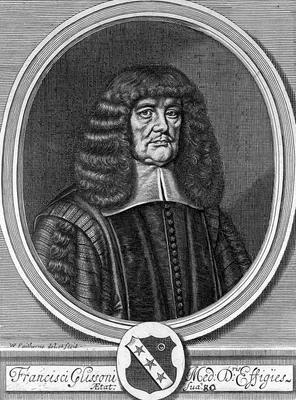
First accurate description of the capsule of the liver (Glisson’s capsule) and its blood-supply. He also described the sphincter of the bile duct (“Glisson’s sphincter”, the sphincter of Oddi). This is the first book …
1654
#1098.1
Anatomia hepatis … subjiciuntur nonnulla de lymphae-ductibus nuper repertis.
Independently of Bartholin and Rudbeck, George Joyliffe (1621-58) observed the lymphatics. He communicated his discovery to Glisson early in 1652 and the latter included an account in the above work (Cap. xxxi). See N…
1656
#1116
Adenographia: sive, glandularum totius corporis descriptio.
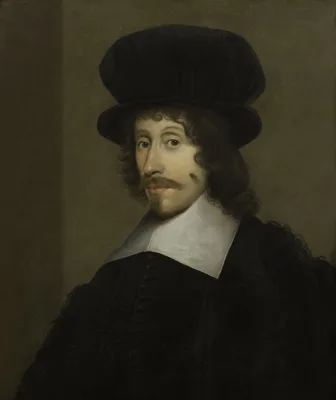
Wharton described the duct of the submaxillary salivary gland (“Wharton’s duct”). He described the thyroid more accurately than his predecessors, naming it. He also described “Wharton’s jelly” of the umbilical cord (p…
1661
#760
De pulmonibus observations anatomicae.
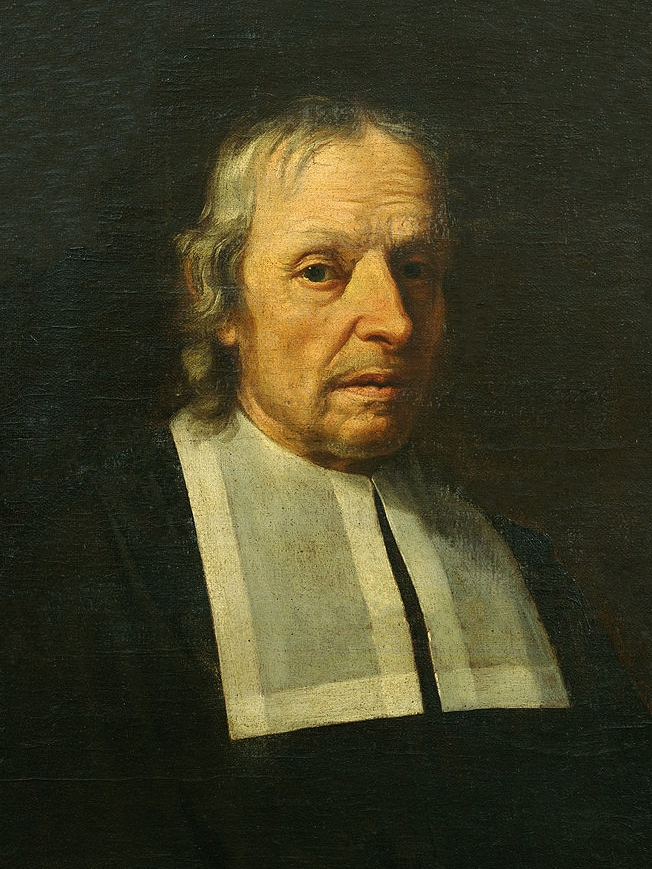
Discovery of the capillary circulation. Malpighi demonstrated that the pulmonary tissues are vesicular in nature and showed that the trachea ends in bronchial filaments. His De pulmonibus includes his demonstration of…
1662
#1543
Observationes anatomicae, quibus varia oris, oculorum & narium vas describuntur novique salivae, lacrymarum & muci fontes deteguntur.
Includes the first account of the excretory duct of the parotid gland (“Stensen’s duct”), discovered by Stensen. He first reported his discovery in a letter to his teacher, Thomas Bartholin, dated April, 22, 1661. Ste…
1662 –1669
#291
Metamorphosis naturalis, ofte historische beschryvinghe.... 3 vols.
Engraved frontispieces in Latin; text in Dutch. None of the volumes is dated. An edition in Latin, also undated, was issued by the same publisher in 3 vols. during the same years with the following title: Metamorphosi…
1662
#7690
Cista medica Hafniensis: variis consiliis, curationibus, casibus rarioribus, Vitis medicorum Hafniensium, aliisq; ad rem medicam, anatomicam, botanicam & chymicam spectantibus referta. Accedit eiusdem Domus anatomica brevissime descripta.
Histories of famous physicians in Copenhagen along with the description of the building designed for the teaching of anatomy there, designated the "Anatomy House". Bartholin's Domus anatomica brevissime descripta was …
1664
#1378
Cerebri anatome: cui accessit nervorum descriptio et usus.
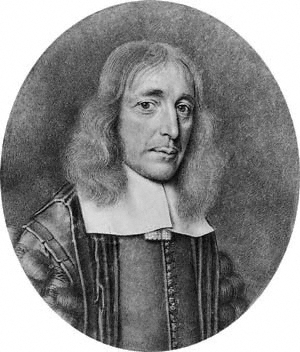
The most complete and accurate account of the nervous system which had hitherto appeared, and the work that coined the term, “neurology". In its preparation Willis was helped by his students Richard Lower and Thomas M…
1665
#1099
Dilucidatio valvularum in vasis lymphaticis et lacteis.
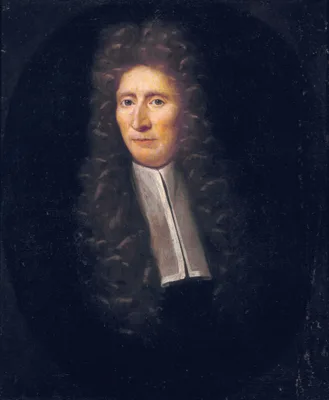
First description of the valves of the lymphatics, discovered by Ruysch. Facsimile reprint, Niewkoop, De Graaf, 1964.
1665
#262
Micrographia, or some physiological descriptions of minute bodies made by magnifying glasses; with observations and inquiries thereupon.
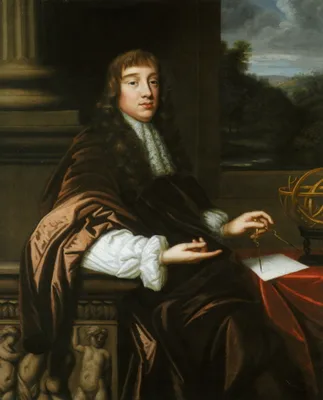
Hooke, at one time research assistant to Robert Boyle, was one of the greatest inventive geniuses of all time. This was the first book devoted entirely to microscopical observations, and also the first book to pair it…