
Facets
Browse across eight MeSH (opens in new tab) facets — era, geography, science, specialty, technology, history, culture, and reference. Select one tag per group; counts update across the others. What’s new in facet browse how facets relate to subjects and MeSH.
Clear filtersFacet filters
Geography
Specialties & Disease
- Anatomy & Pathology 77
- Cardiology & Blood 1
- Neurology & Psychiatry 26
- Obstetrics & Reproductive 16
- Infectious Disease (General) 0
- Surgery & Anesthesia 10
- Public Health 15
- Immunology & Dermatology 6
- General Clinical Medicine 7
- Military Medicine 1
- Psychology 7
- Alternative & Fringe Medicine 6
- Pediatrics 3
- Ophthalmology & Vision 2
- ENT & Hearing 1
- Urology & Nephrology 2
- Gastroenterology & Hepatology 0
- Pulmonary & Respiratory 1
- Rheumatology, Rehab & Pain 0
- Internal, Emergency & Geriatric 0
- Veterinary Medicine 2
- Epidemiology & Demography 4
- Physiology & Embryology 6
- Dentistry 6
- Plagues & Epidemics 14
- Microbiology & Virology 1
Social & Historical Studies
Institutions & Culture
Reference & Scholarly Works
351 entries match Arts, Literature & Humanities [K01.090] · Zoology & Animal Sciences [K01.900.500.750]
1787
#12163
A collection of engravings, tending to illustrate the generation and parturition of animals, and of the human species.
An idiosyncratic collection of rarely reproduced images with explanatory commentaries in English and French, concerning reproduction and obstetric complications in animals and humans. Topics include: The Funis of a nu…
1789 –1791
#8921
The botanic garden: A poem in two parts. Part I. Containing the economy of vegetation. Part II. The loves of the plants. With philosophical notes. 2 vols.
The first edition of part 2, preceded part 1, being published in 1789. This poem was the chief source of Erasmus Darwin's literary fame during his lifetime. Like his other works, this poem contains a great deal of fre…
1792
#6604.91
Redevoeringen over die wijze om de verscheidene hartstogten op onze wezens te verbeelden…
Lectures on the methods of representing the passions in the human face, and on other aspects of medicine and the arts. German translation, Berlin, 1793. See No. 158.
1794
#9833
Engravings, explaining the anatomy of the bones, muscles and joints.
Bell’s atlas of the bones, muscles and joints was issued as a separate work a year after his text, The Anatomy of the Bones, Muscles, and Joints. Bell’s illustrations are some of the most striking in the entire litera…
1797
#401
Tabula sceleti feminini juncta descriptione.
Soemmerring was noted for his accuracy in anatomical illustration, and the above work is a fine example of his artistic sense. For it he selected the skeleton of a well-built girl of 20 years. Great care was taken in …
1797 –1804
#401.3
The anatomy of the human body. 4 vols.
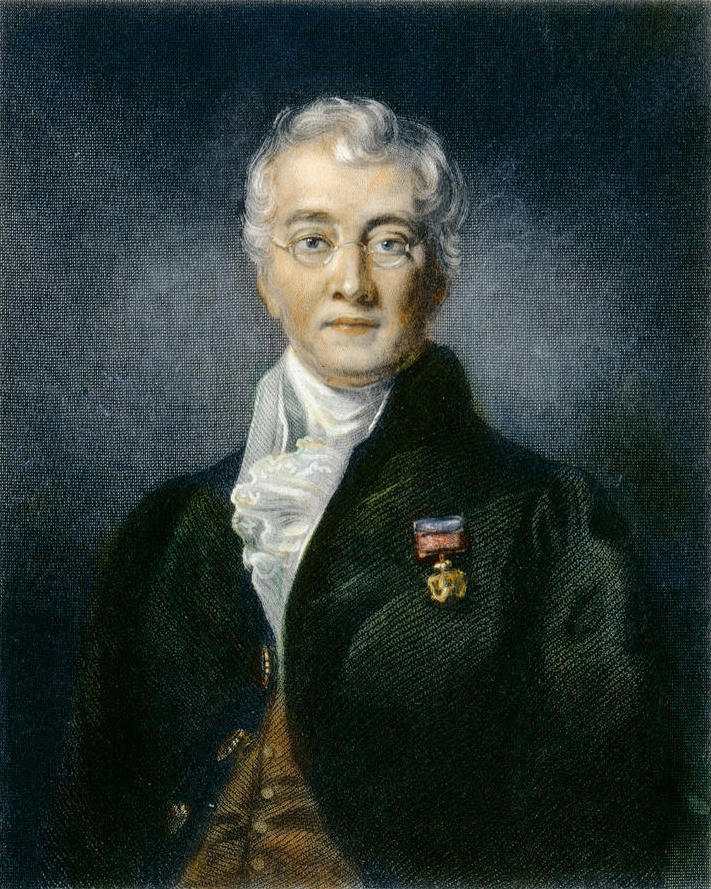
“The first great textbook contributed by the British school to modern anatomy” (Russell, No. 461).
1803
#8922
The temple of nature; or the origin of society. A poem, with philosophical notes.
Erasmus Darwin's last poem, which mainly expounds his theories of evolution. He traces the progress of life form its origin as microscopic specks in premeval seas to its culmination in a civilized human society. The f…
1803
#13026
A poetical petition against tractorising trumpery and the Perkinistic institution: In four cantos. Most respectfully addressed to the Royal College of Physicians.
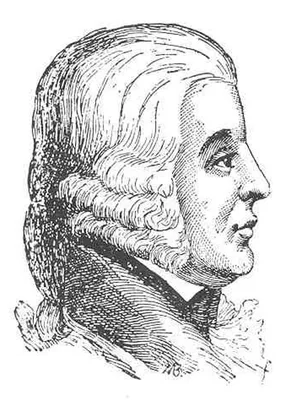
This medical satire in doggerel verse, which was ostensibly an attack on Perkins' metallic tractors, or "Perkinism" was actually written in support of them. The work was best known for its second and greatly expanded …
1804
#12687
Memoirs of the life of Dr. Darwin, chiefly during his residence in Lichfield: With anecdotes of his friends, and criticisms on his writing.
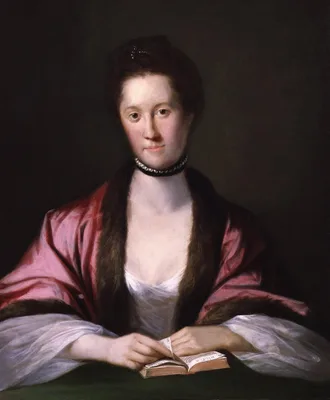
Digital facsimile from the Internet Archive at this link.
1806
#6604.92
Essays on the anatomy of expression in painting.
Bell’s artistic and literary skills combined with his knowledge of anatomy and physiology to make this work a tour de force of art history and the anatomical and physiological basis of facial expression.
1811
#406
Anatomia per uso de’pittori e scultori.
This anatomy for artists and sculptors contains 38 good copperplates in black and red.
1816
#7488
Anatomia per uso degli studiosi di scultura e pittura.
Mascagni's anatomy for artists and sculptors, edited for posthumous publication by Mascagni's literary execultor Francesco Antonmarchi. 15 hand-colored engraved plates after drawings by Antonio Serantoni (1780j-1837),…
1818
#9692
Frankenstein; or, the modern prometheus. 3 vols.
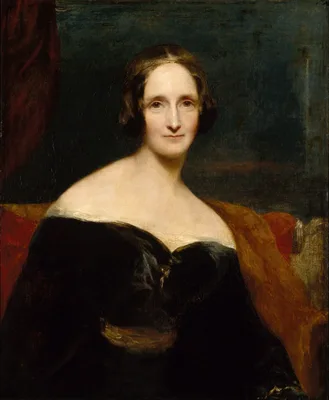
The full digitized text of the 1818 is available from the Internet Archive at this link.
1821 –1831
#409
Anatomie de l’homme, ou descriptions et figures lithographiées de toutes les parties du corps humain. 5 vols.
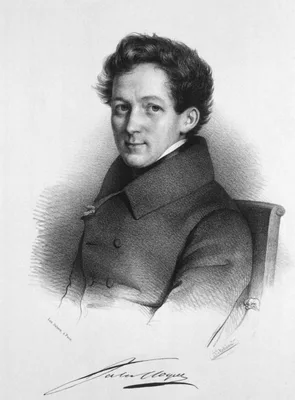
The first anatomical atlas illustrated by lithography, containing 300 plates in folio format. This was one of the most elaborate of the lithographic “incunabula” produced by Charles Philibert de Lasteyrie, one of the …
1822 –1832
#409.1
Anatomia universa… 2 vols.
The largest of all medical books from the standpoint of format. The 44 life size engraved plates are reproduced in double elephant folio size measuring 950 x 635 mm., and include an almost incredible level of detail. …
1822
#8904
Confessions of an opium eater.
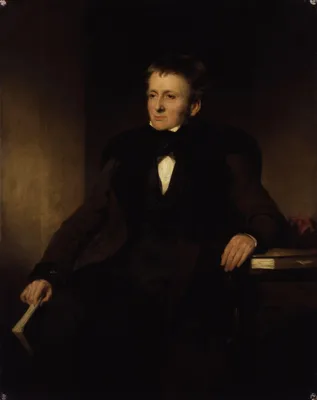
First published anonymously in September and October 1821 in the London Magazine, 4, No. xxi, 293-312, and No. xxii, 353-79, the Confessions was released in book form in 1822, and, after various reprints, again in 185…
1822
#13314
System of surgical anatomy. Part first [all published]: On the structure of the groin, pelvis, and perineum. As connected with inguinal and femoral hernia; Tyeing the iliac arteries; and the operation of lithotomy. Illustrated by nine copper-plate engravings
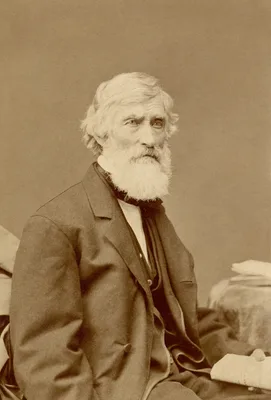
Anderson trained at the Royal College of Surgeons in Edinburgh, emigrated to America in 1820 and, after delivering a series of anatomical lectures in New York under the patronage of Valentine Mott, became affiliated w…
1823 –1826
#7242
Planches anatomiques du corps humain executes d’après les dimensions naturelles. Double elephant folio atlas and small folio text.
Considering that it is among the rarest of all anatomies, and certainly the largest and probably the most spectacular, it is remarkable that two nearly identical editions of Mascagni’s posthumous life-size anatomy wer…
1825 –1829
#10580
Galerie médicale dessinée et lithographiée par Vigneron avec des notices biographiques et littéraires par G. T. Doin.
32 finely lithographed portraits in small folio format with biographies of notable figures in the history of medicine. The original intention was to publish 100 portraits but only 32 were issued.
1825
#10744
Outlines of lectures on mental diseases.
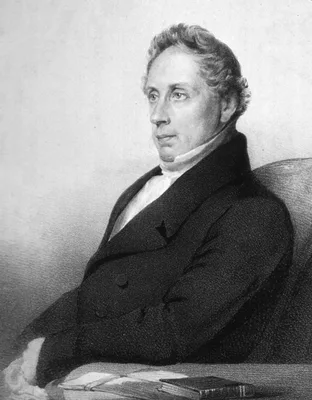
Of particular note for the greatly expanded second edition published in 1826. That edition contained 150 pages compared to 72 pages in the first edition. The second edition also contained 13 plates derived from images…
1829
#11162
Anatomie des formes extérieures du corps humain appliquée à la peinture, à la sculpture et à la chirurgie.
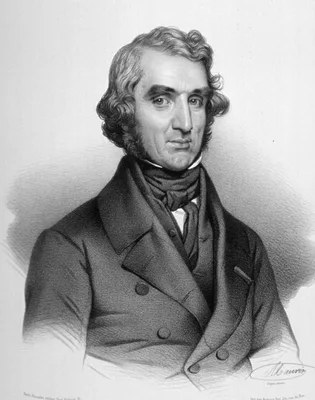
Digital facsimile from the Internet Archive at this link.
1831 –1854
#7246
Traité complet de l'anatomie de l'homme, comprenant la médecine opératoire. 16 vols.
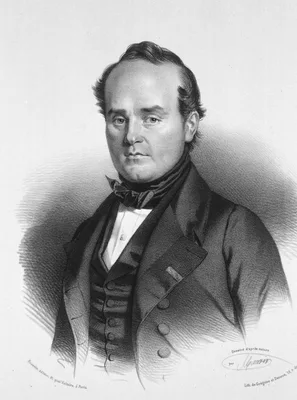
With over 2000 pages of text and 726 lithographed plates (incorporating 3604 individual figures), this work is the most comprehensive, and perhaps the most beautiful anatomical surgical atlas of the 19th century. It w…
1833
#411
Anatomical studies of the bones and muscles, for the use of artists. From drawings by the late John Flaxman, Esq. R.A. Engraved by Henry Landseer. With two additional plates, and explanatory notes, by William Robertson.
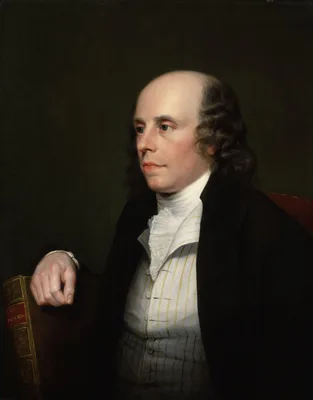
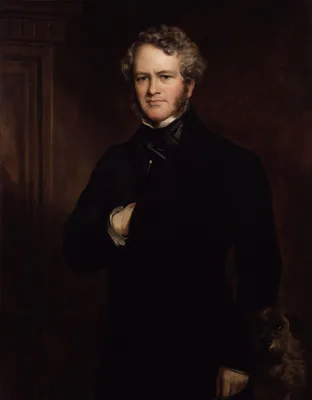
Digital facsimile from digitalcollections.nypl.org at this link.
1833
#6604.93
Essai sur l’iconologie médicale, ou sur les rapports d’utilité qui existent entre l’art du dessin et l’étude de la médecine.
Pioneering study of art and medicine based on collections at Montpellier.
1833
#12866
Dentologia, a poem on the diseases of the teeth and their proper remedies. With notes, practical, historical, illustrative, and explanatory, by Eleazar Parmly.
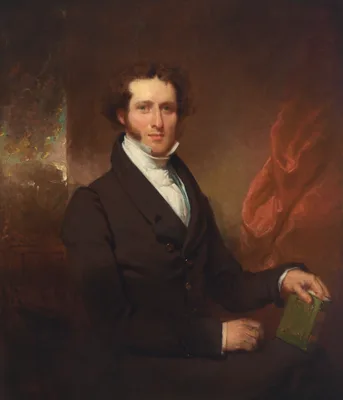
Brown founded the first US dental school, the first US national dental society, called The American Association of Dental Surgeons, and the first US dental journal, entitled the American Journal and Library of Dental …
1840
#6604.94
Némésis médicale illustrée, recueil de satires par François Fabre....contenant trente vignettes dessinées par M. Daumier... 2 vols.
The only medical book illustrated by Honoré Daumier (1808-79), and a great satire in verse on the medical profession. Digital facsimile from BnF Gallica at this link.
1844
#12136
Life in the sickroom: Essays by an invalid.
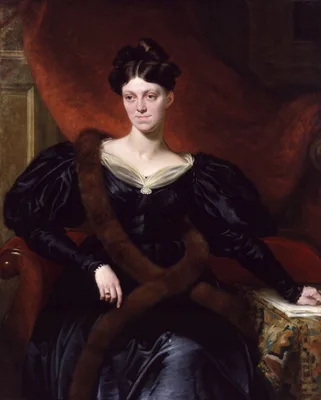
"Life in the Sickroom is one of many first-hand accounts of the experience of being ill written by an invalid. Martineau was ill for six years, but she found taking on the identity of an invalid a reprieve from the st…
1851
#13302
Surgical anatomy.
"The drawings of Maclise for Quain's Anatomy of the arteries and for his own Surgical anatomy are indeed done, as Quain wrote, with spirit and effect. These figures of anatomical dissection seem lifelike; in many plat…
1852
#415
A manual of artistic anatomy.
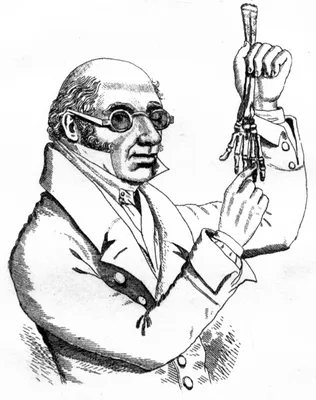
Knox, remembered because of his indiscreet association with the Edinburgh “resurrectionists”, was one of the best teachers of anatomy during the 19th century.
1852
#440
Geschichte und Bibliographie der anatomischen Abbildung.
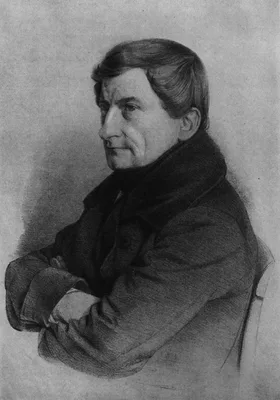
In this classic work Choulant traced the evolution of anatomical illustration from the early schematic plates up to his own time, including a valuable bibliography. Reprinted, Wiesbaden, 1974. An English translation b…
1852
#12047
A curious dance round a curious tree.
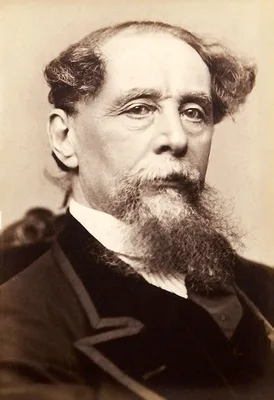
Dickens' account of his visit on the day after Christmas, 1851 to the wards at St. Luke's Hospital for Lunatics, founded in 1751 to provide free care to the impoverished and incurable mentally ill. "The inhabitants of…
1858
#6614
Etudes médicales sur les poètes latins.
1858 –1882
#11660
Horae subsecivae. Locke and Sydenham with other occasional papers. [Vol. 2:] Rab and his friends and other papers.
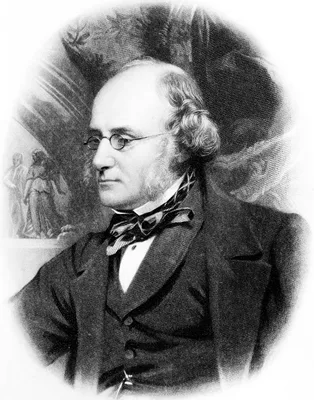
William Osler promoted the value of the writings of the popular medical essayist John Brown to the medical community. He wrote: "To the medical student the writings of Dr. John Brown have this special value - they imp…
1858
#12065
Speech of Charles Dickens, Esq., on behalf of The Hospital for Sick Children, 49, Great Ormond Street. Patron, - Her Majesty the Queen. The objects of the institution are - I. The medical and surgical treatment of poor children. II. The attainment and diffusion of knowledge regarding the diseases of children. 3. The training of nurses for children.
Speech of Charles Dickens as Chairman at the Dinner on Behalf of the Hospital for Sick Children, February 9th, 1858. This 10-page pamphlet was first published in 1858 and reprinted in 1864, in 1865, and in 1874 to rai…
1860
#6615
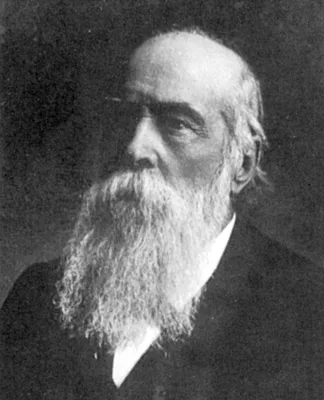
The medical knowledge of Shakespeare.
1861
#3267
The breath of life; or mal-respiration, and its effects upon the enjoyments and life of man.
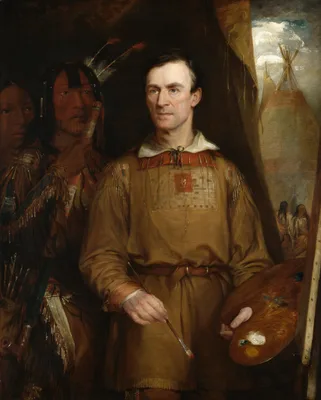
Catlin, the famous American artist, was the first in America to call attention to the bad effects of mouth-breathing. He based his book on observations of native American practices, and illustrated his book with humor…
1861
#10039
Ueber die Beziehungen der darstellenden Kunst zur Heilkunst. Aus dem zehnten Bande der Abhandlungen der Königlichen Gesellschaft der Wissenschaften zu Göttingen.
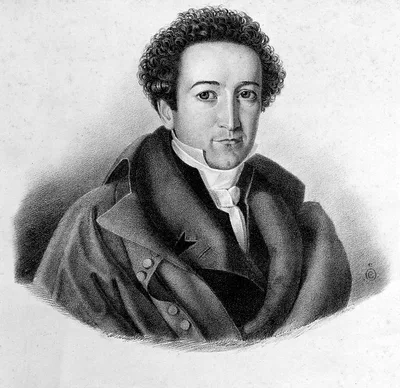
Digital facsimile from Google Books at this link.
1863
#6615.1
A study of Hamlet.
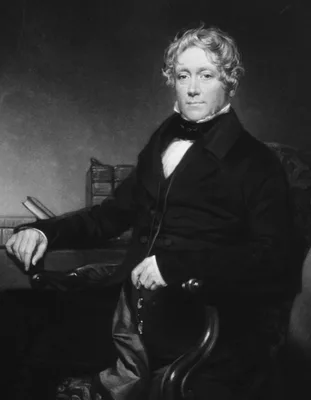
The first psychiatric study of Hamlet. Digital facsimile from the Internet Archive at this link.
1863
#7419
Hospital sketches.
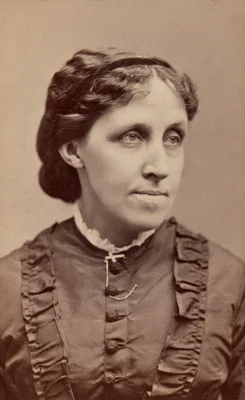
Digital facsimile of the 1863 edition from the Internet Archive at this link. Alcott expanded the work for the edition of 1869. Edited, with an extensive introduction by Bessie Z. Jones (Cambridge: Harvard University …
1864
#7258
Cavernes du Périgord. Objets gravés et sculptés des temps pré-historiques dans l’Europe occidentale.
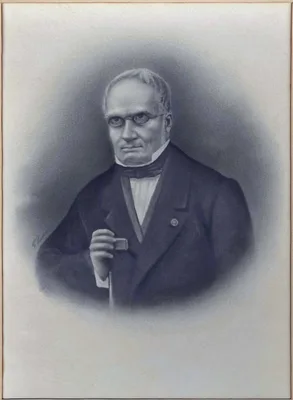
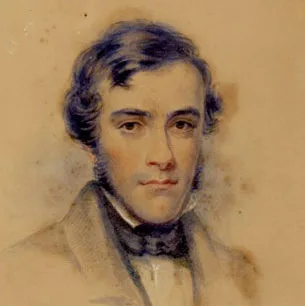
In 1863 Lartet and Christy began systematically examining the caves in the Périgord (Dordogne) region of France. This study of mobiliary or portable art, such as carved stones, carved ivory, carved bones, or carved re…
1865
#11493
Medicinische Blumenlese aus Shakespeare zu eigener und seiner Collegen Kurzweil gesammelt von Georg Cless.
Digital facsimile from Google Books at this link.
1867
#5001
The mad folk of Shakespeare. 2nd ed.
First published as The psychology of Shakespeare, London, 1859.
1871
#13216
The ornithology of Shakespeare. Critically examined, explained, and illustrated.
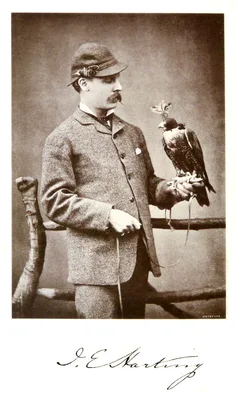
Digital facsimile from Google Books at this link.
1874
#6616
Le Parnasse médicale français, ou dictionnaire des médecins-poètes de la France, anciens ou modernes, morts ou vivants.
Dictionary of French medical poets. Digital facsimile from BnF Gallica at this link.
1875
#9492
Reliquiae Aquitanicae; being contributions to the archaeology and palaeontology of Périgord and the adjoining provinces of southern France. Edited by Thomas Rupert Jones.
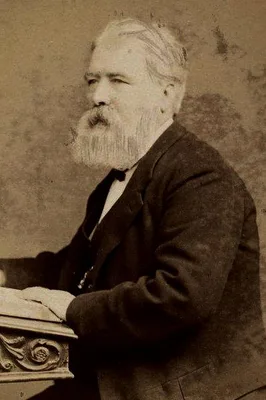
This beautiful and bibliographically complicated work was issued in 17 parts from 1865 to 1875. It includes 82 tinted lithographic plates, and is the first visually spectacular large extensively illustrated publicatio…
1876
#2127.1
Paraffin epithelioma of the scrotum.
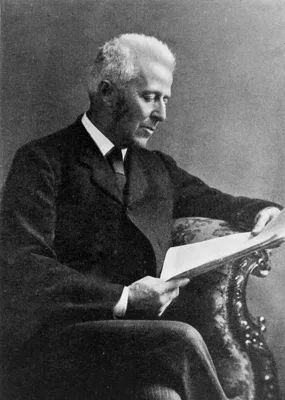
Shale oil shown to be a cause of skin cancer. A teacher of Sir Arthur Conan Doyle, Bell was the model for the character of Sherlock Holmes.
1877
#4799
A case of general paralysis at the age of sixteen.
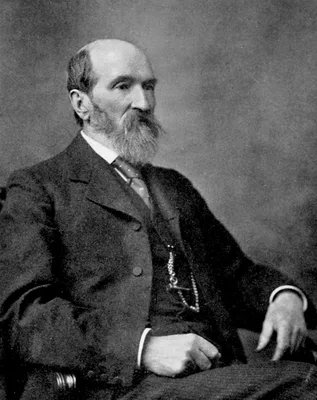
Clouston, eminent English psychiatrist, was the first definitely to recognize the relationship between paresis and congenital syphilis and to report a case. This paper is also of interest as being the only recorded ca…
1877
#4344.1
Spinal disease and spinal curvature, their treatment by suspension and the use of the plaster of Paris bandage.
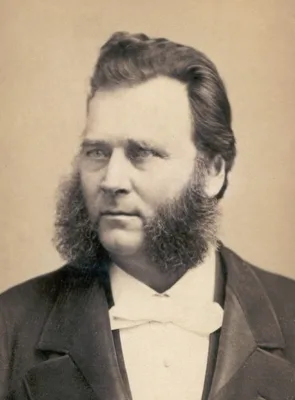
Sayre’s monograph on his methods of treating tuberculosis of the spine and scoliosis is the first American surgical textbook to contain actual mounted photographs, some of which are remarkable for their artistic quali…
1877
#11096
Art anatomy.
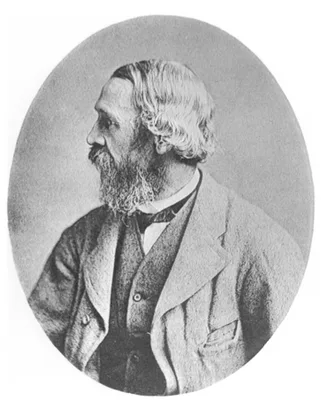
Perhaps the first great American anatomy for artists by an American painter and sculptor. Rimmer not only drew the 900 drawings on the 81 heliotype plates, but he also wrote in the explanatory text on the sheets along…
1884 –1885
#11120
Le mal qu'on a dit des médecins. Première série: auteurs grecs & Latins. Deuxième série: Auteurs français jusqu'a Molière. 2 vols.
Digital facsimile from the Internet Archive at this link. Selections were translated , with annotations by T. C. Minor as The Evil that has been said of doctors: Extracts from early writers. (Cincinnati: Reprint from …