
Facets
Browse across eight MeSH (opens in new tab) facets — era, geography, science, specialty, technology, history, culture, and reference. Select one tag per group; counts update across the others. What’s new in facet browse how facets relate to subjects and MeSH.
Clear filtersFacet filters
Geography
Specialties & Disease
- Anatomy & Pathology 765
- Cardiology & Blood 914
- Neurology & Psychiatry 1,258
- Obstetrics & Reproductive 551
- Infectious Disease (General) 147
- Surgery & Anesthesia 1,553
- Public Health 1,129
- Immunology & Dermatology 1,405
- General Clinical Medicine 487
- Military Medicine 436
- Psychology 202
- Alternative & Fringe Medicine 383
- Pediatrics 247
- Ophthalmology & Vision 412
- ENT & Hearing 293
- Urology & Nephrology 309
- Gastroenterology & Hepatology 316
- Pulmonary & Respiratory 233
- Rheumatology, Rehab & Pain 189
- Internal, Emergency & Geriatric 123
- Veterinary Medicine 165
- Epidemiology & Demography 397
- Physiology & Embryology 924
- Dentistry 259
- Plagues & Epidemics 1,279
- Microbiology & Virology 1,080
Social & Historical Studies
Institutions & Culture
Reference & Scholarly Works
Drugs & Technology
765 entries match Anatomy & Pathology [G02.149 / C23]
1845
#13761
The origin of life: A popular treatise on the philosophy and physiology of reproduction, in plants and animals, including the details of human generation with a full description of the male and female organs. Illustrated by fine colored engravings on stone.
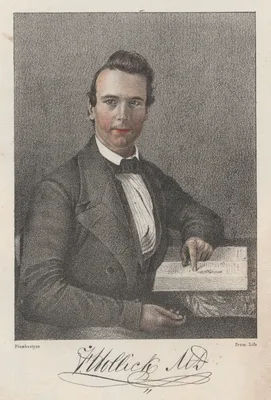
Digital facsimile of the 20th edition from Google Books at this link.
1846 –1849
#544
The microscopic anatomy of the human body, in health and disease.
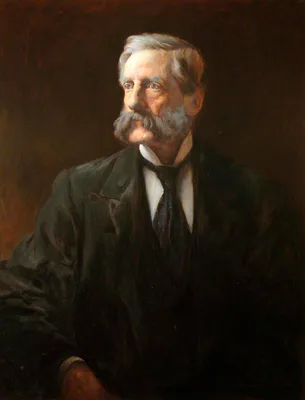
First English textbook on microscopical anatomy. His description of the concentric corpuscles of the thymus (p. 9) led to the term “Hassall’s corpuscles”.
1846 –1848
#331
Lehrbuch der vergleichenden Anatomie. 2 vols.
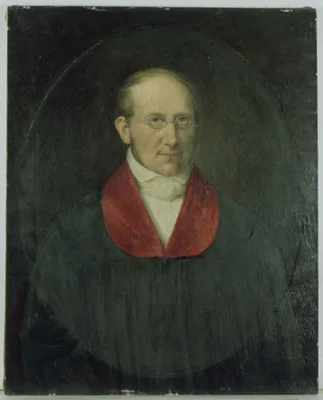
![SIEBOLD, Carl Theodor Ernst von [Karl] (1804 – 1885)](/media/portraits/231)
Vol. 2 was published in 1846; Vol. 1 in 1848. Digital facsimiles of both vols. from Biodiversity Heritage Library at this link. Siebold was the author of Vol. 1, on invertebrates; he introduced the taxa Arthropoda and…
1846
#413
Lehrbuch der Anatomie des Menschen.
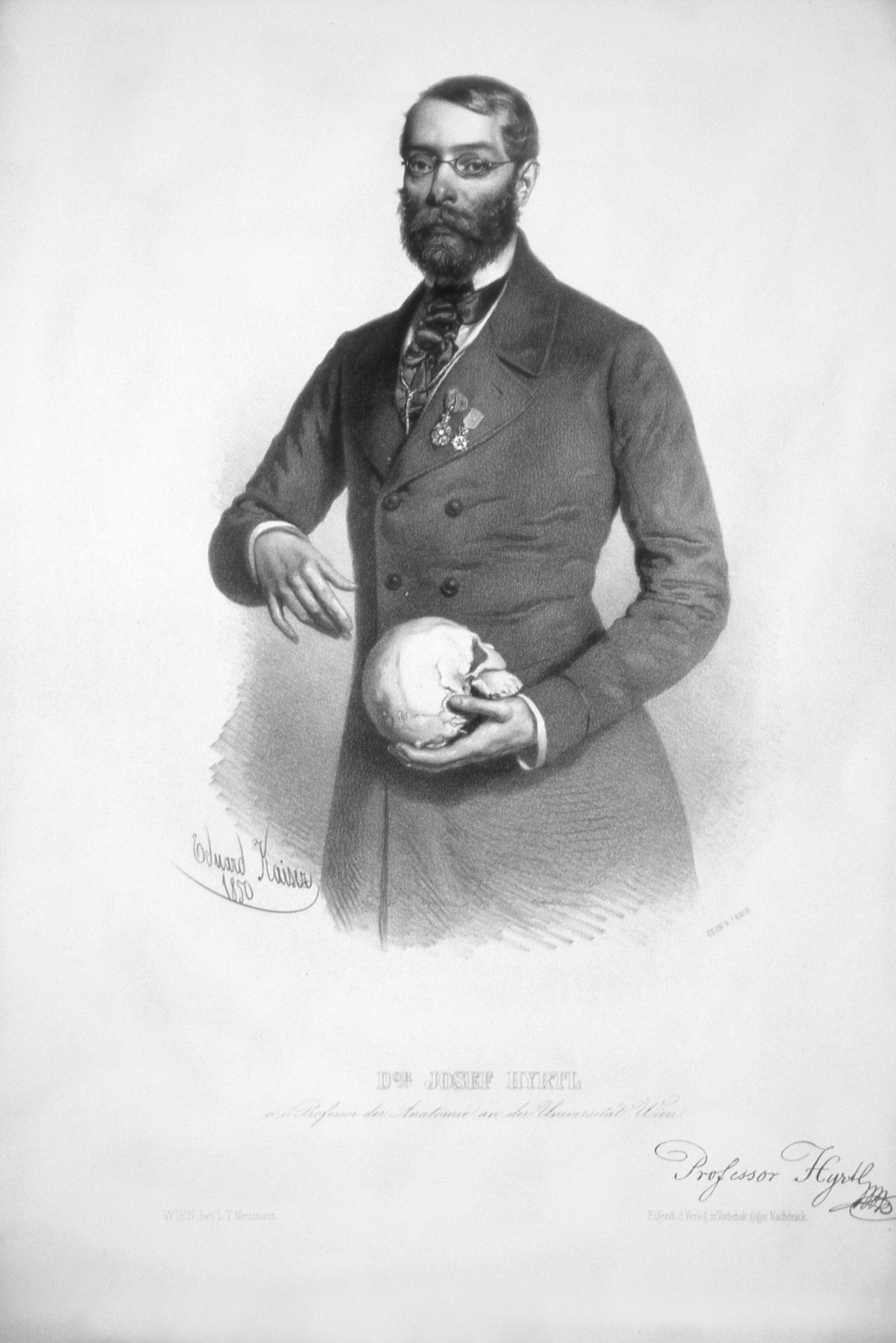
Hyrtl’s Lehrbuch passed through 22 editions and was translated into the principal modern languages.
1846
#79
The works. Edited with an introduction and notes by George Gulliver.
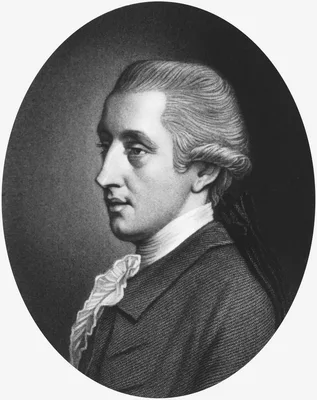
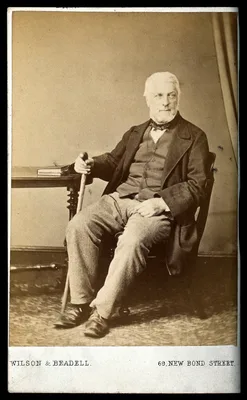
Hewson was a pupil of the Hunters. In 1769 his memoir on the lymphatics in fishes won for him the Copley Medal of the Royal Society. See also Nos. 863, 1102. The editor of this edition provided a detailed historical i…
1846
#2295
Microscopic examination of some of the principal tissues of the animal frame, as observed in the tongue of the living frog, toad, etc.
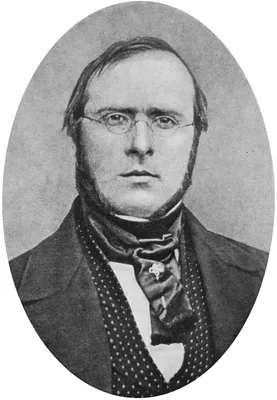
Waller observed the penetration and migration of leucocytes through the endothelial vessel walls.
1846
#2902
Lectures illustrative of various subjects in pathology and surgery.
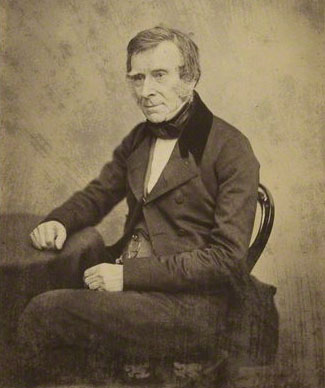
Page 361 contains the first description of intermittent claudication in man. This was first reported (in the horse) by “Boullay” [?J. Bouley] in Arch. gén. Méd.,1831, 27, 425. P. 186: Brodie's test for insufficiency o…
1846 –1849
#13859
Descriptive catalogue of the pathological specimens contained in the museum of the Royal College of Surgeons of England. 5 vols.
Vol.1: General pathology -- Vol.2: Pathology of the blood, and organs of locomotion -- Vol.3 Pathology of the organs of digestion, absorption and circulation -- Vol.4: Pathology of the respiratory and urinary organs, …
1847
#329.1
A description of the characters and habits of troglodytes gorilla, a new species of orang from the Gaboon River, by Thomas S. Savage; Osteology of the same by Jeffries Wyman.
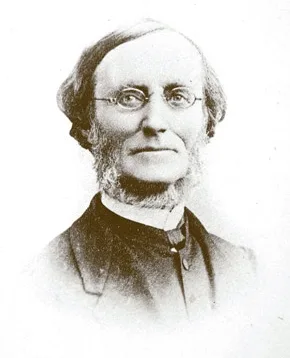
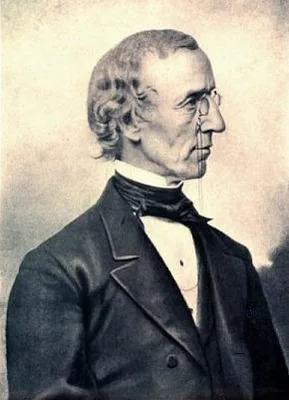
First description of the gorilla. Savage, an American physician/clergyman, worked extensively as a missionary physician in Africa. Digital facsimile from Google Books at this link.
1847
#994
Beobachtung einer tödlichen Peritonitis, als Folge einer Perforation des Wurmfortsatzes.
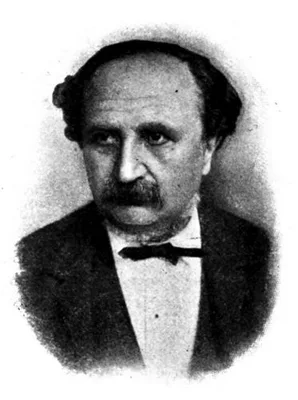
Description of “Gerlach’s valve”, sometimes seen at the orifice of the appendix.
1847
#414
Handbuch der topographischen Anatomie. 2 vols.
Hyrtl, professor of anatomy at Vienna, published the first text on topographical anatomy in German. He was for 30 years the most popular lecturer on the subject in Europe, and ranks as one of the greatest of medical s…
1847
#2434
Om spedalskhed. Udgivet efter Foranstaltning af den Kongelige Norske Regjerings Department for det Indre. 1 vol. and atlas.
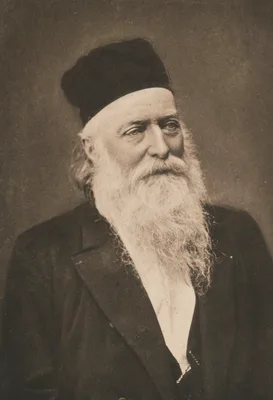
First modern description of leprosy (“Danielssen-Boeck disease’’). Danielssen, physician to the leprosy hospital at Bergen, was the founder of scientific leprology. The extremely rare Atlas consists of 24 plates and t…
1847
#2296
Die pathologischen Pigmente.
On the origin and chemical composition of extracellular and intracellular pigments, and on the supposed formation of new cells by the membranous envelopment of pigmented blood corpuscles or pigment granules.
1848
#545
Bone or osseous tissue.
The discovery of the “fibers of Sharpey” is reported on pp. cxlii-cxliii.
1848
#809
Über die Herznerven des Frosches.
1848
#330
On the archetype and homologies of the vertebrate skeleton.
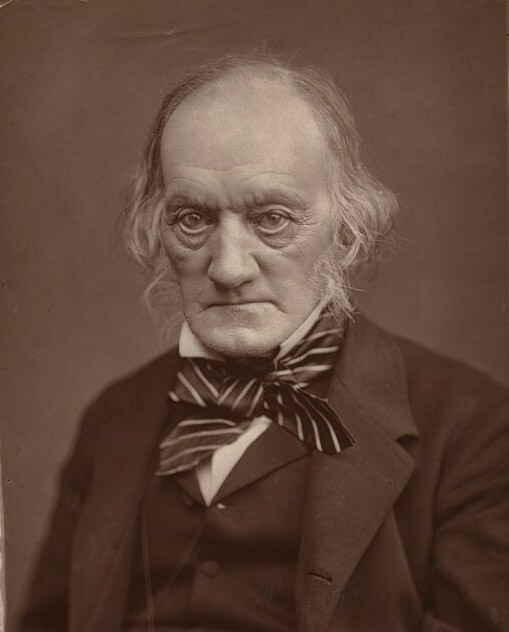
Owen’s vertebral theory of the origin of the skull, later refuted by Thomas Huxley and others. "Owen began working systematically on problems of transcendental morphology in 1841, as part of his curatorial task to arr…
1848 –1851
#7495
Selecta praxis medico-chirurgicae quam Mosquae exercet Alexander Auvert, ...Typis et figuris expressa Parisiis, moderante Ambroise Tardieu.
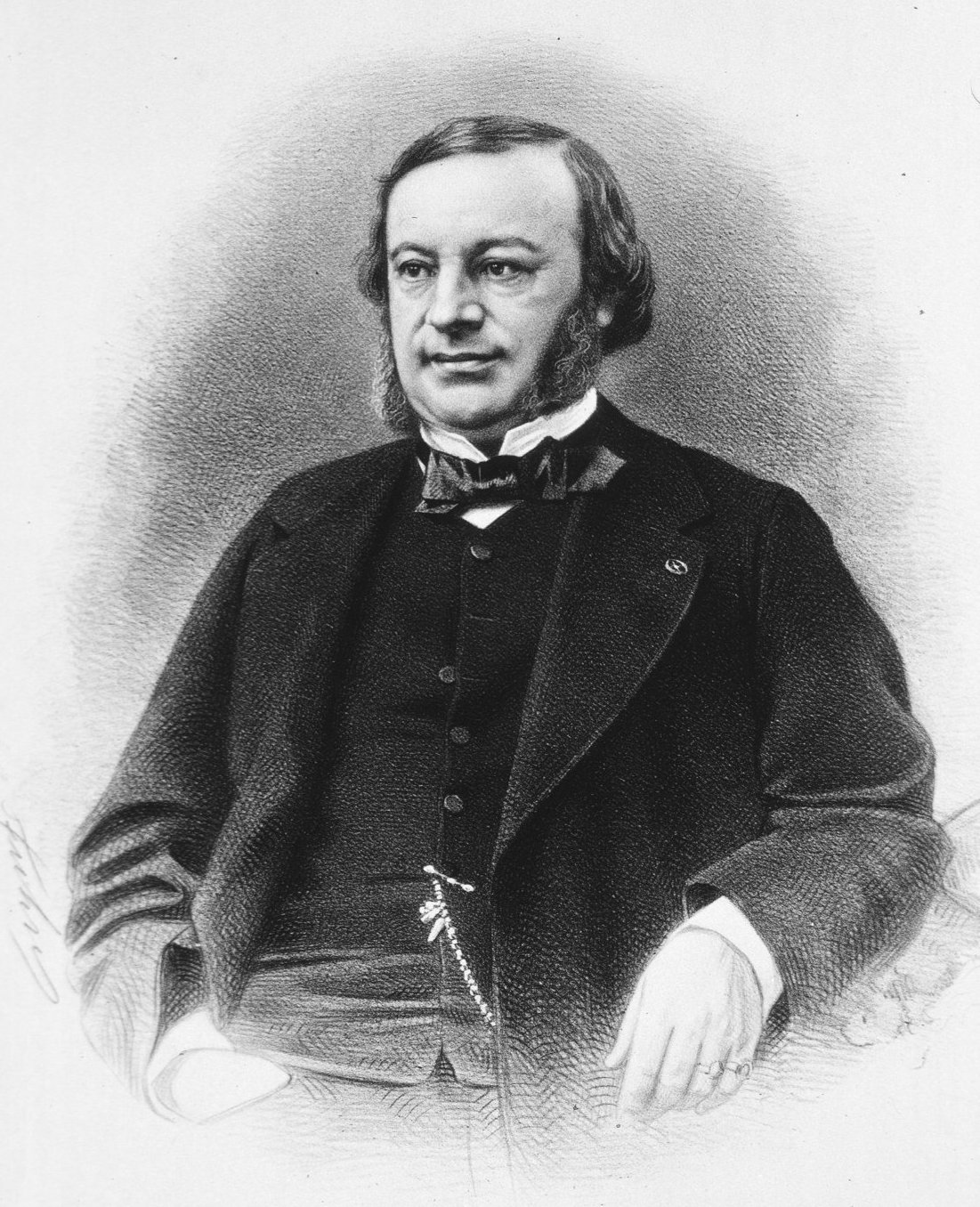
Auvert was professor in Moscow. This folio atlas includes 120 folio plates of pathology subjects, drawn by Schtschegoleff in Moscow. The text is in Latin throughout. The drawings were engraved in Paris by Oudet, print…
1849
#1221
Ueber das Ligamentum pelvoprostaticum oder den Apparat, durch welchen die Harnblase, die Prostata und die Harnröhre an den untern Beckenöffnung befestigt sind.
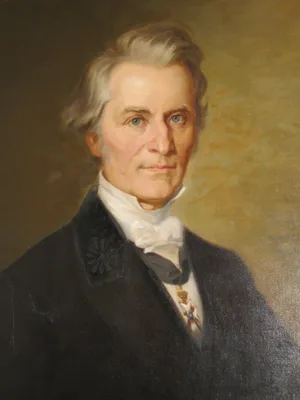
The “cave of Retzius” described.
1849 –1856
#12014
Anatomie comparée. Recueil des planches de myologie dessinées par Georges Cuvier ou exécutées sous ses yeux par MM. Laurillard et Mercier.
Planned by Cuvier as his masterwork on this topic, but unpublished during his lifetime, this posthumous work was published in parts over seven years. The complete work contains 336 plates. Few complete copies exist. D…
1849
#13868
An atlas of anatomical plates of the human body, with descriptive letter-press in English and Hindustani.
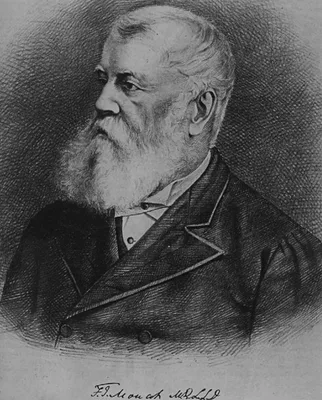
Digital facsimile from the Internet Archive at this link.
1850
#1222
Zur Anatomie der männlichen Geschlechtsorgane un Analdrüsen der Säugethiere.
Leydig was the first to describe the interstitial cells of the testis (“Leydig cells”).
1850 –1855
#13157
Descriptive and illustrated catalogue of the histological series contained in the Museum of the Royal College of Surgeons of England. Vol. I. Elementary tissues of vegetables and animals; Vol. II. Structure of the skeleton of vertebrate animals. 2 vols.
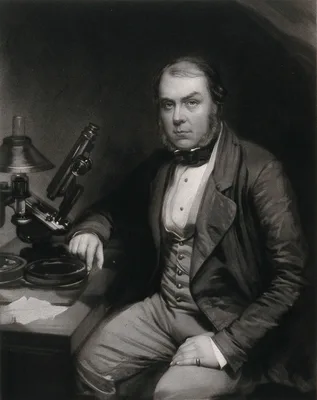
Digital facsimile from the Hathi Trust at this link.
1851
#13302
Surgical anatomy.
"The drawings of Maclise for Quain's Anatomy of the arteries and for his own Surgical anatomy are indeed done, as Quain wrote, with spirit and effect. These figures of anatomical dissection seem lifelike; in many plat…
1851
#14130
Traité complet des maladies vénériennes. Clinique iconographique de l'Hôpital des vénériens. Recueil d'observations, suivies de considérations pratiques sur les maladies qui ont été traitées dans cet hôpital.
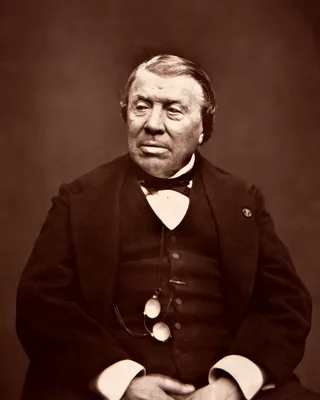
Ricord's extensive work with veneral diseases at the Hopital du Midi includes 66 hand-colored ithographs illustrating a multitude of conditions at various levels of infection in both sexes. The illustrations were draw…
1852
#546
Handbuch der Gewebelehre des Menschen.
Isolation of smooth muscle.
1852
#415
A manual of artistic anatomy.
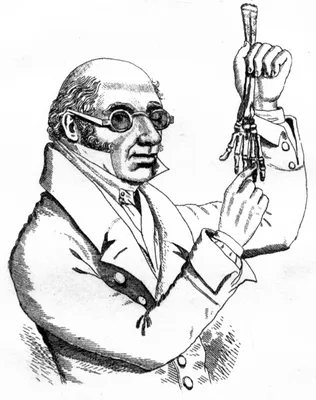
Knox, remembered because of his indiscreet association with the Edinburgh “resurrectionists”, was one of the best teachers of anatomy during the 19th century.
1852 –1859
#416
Anatome topographica sectionibus per corpus humanum congelatum triplici directione ductis illustrata. 8 pts.
Pirogov was the greatest of Russian surgeons. He introduced the teaching of applied topographical anatomy in Russia. His atlas of 220 plates represents the first use on a grand scale of frozen sections in anatomical i…
1852
#440
Geschichte und Bibliographie der anatomischen Abbildung.
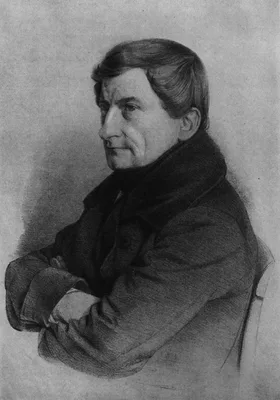
In this classic work Choulant traced the evolution of anatomical illustration from the early schematic plates up to his own time, including a valuable bibliography. Reprinted, Wiesbaden, 1974. An English translation b…
1852
#1126.1
On the anatomy of the Indian rhinoceros (Rh. unicornis L.).
Owen was the first to describe the parathyroids, which he observed in his dissection of a Great Indian Rhinoceros that had lived at the Zoological Society of London from 1834 to 1849. See B. Modarai, A. Sawyer, & H. E…
1852
#2904
Ueber einige der wichtigsen Krankheiten der Arterien.
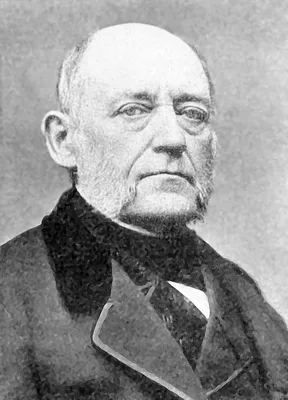
One of Rokitansky’s best works. He described atheroma and calcification in the intima of arteries, and various congenital malformations. Rokitansky "is credited with the initial case report of polyarteritis nodosa in …
1853
#7241
Ueber einen neuen Muskel am Duodenum des Menschens, über elastische Sehnnen, und einige andere anatomische Verhãltnisse.
Treitz, a Czech pathologist, discovered the muscle at the duodenojejunal junction, later called “muscle of Treitz”; the fold of peritoneum over the muscle of Treitz is known as the "ligament of Treitz."
1853
#13860
Descriptive catalogue of the osteological series contained in the museum of the Royal College of Surgeons of England. 2 vols.
Digital facsimile from wellcomecollection.org at this link.
1854
#6833
[In Persian script] Cheragh haa rewshenaaa der asewl pezeshekea [Illumination of the fundamentals of medicine].
Issued in 1271 A. H. (1854 CE), this entirely lithographed book introduced Western anatomical illustration to Persian culture. As part of an effort to modernize medical education in Persia, medical textbooks such as M…
1854
#14061
Kitab fi tashrih beden al-insan [in Persian; English translation: Anatomy of the human body]. Lithographed text.
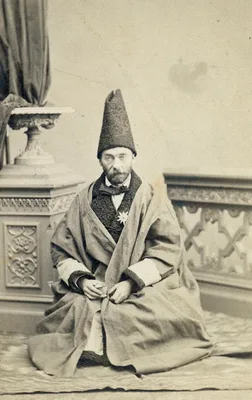
The first original Persian-language anatomy textbook based on western medical science, printed in a very small number of copies for the use of Polak’s Persian students. Polak, an Austrian physician, was responsible fo…
1855 –1871
#417
Handbuch der systematischen Anatomie des Menschen. 3 vols.
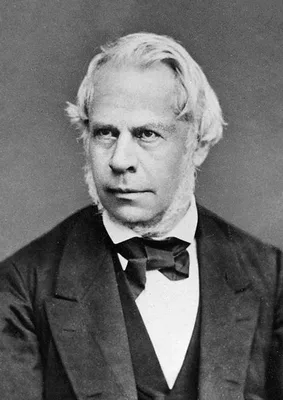
Considered by many authorities to be the greatest of the 19th-century systems of anatomy. Many structures are named after Henle, including the looped portion of the uriniferous tubules of the kidney, the layer of cell…
1855 –1869
#422
Medical anatomy: or, illustrations of the relative position and movements of the internal organs. 7 pts.
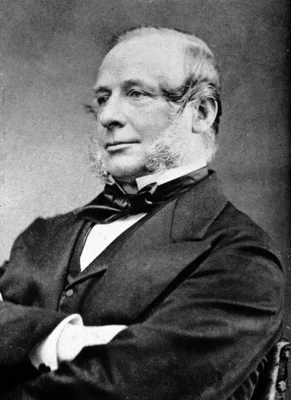
Sibson was professor of medicine at St. Mary’s Hospital. “Sibson’s fascia” and “muscle” are named after him. Plates 19-21 show movements, structure and sounds of the heart.
1855 –1856
#10884
Des caractères anatomiques des grands singes pseudo-anthropomorphes.
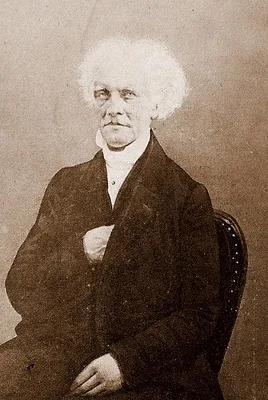
With 16 lithographed plates, this continues to be one of the most frequently cited of all works in the history of primate anatomy.
1856
#11146
Manuel d'anatomie pathologique générale et appliquée: Contenant la description et le catalogue du Musée Dupuytren.
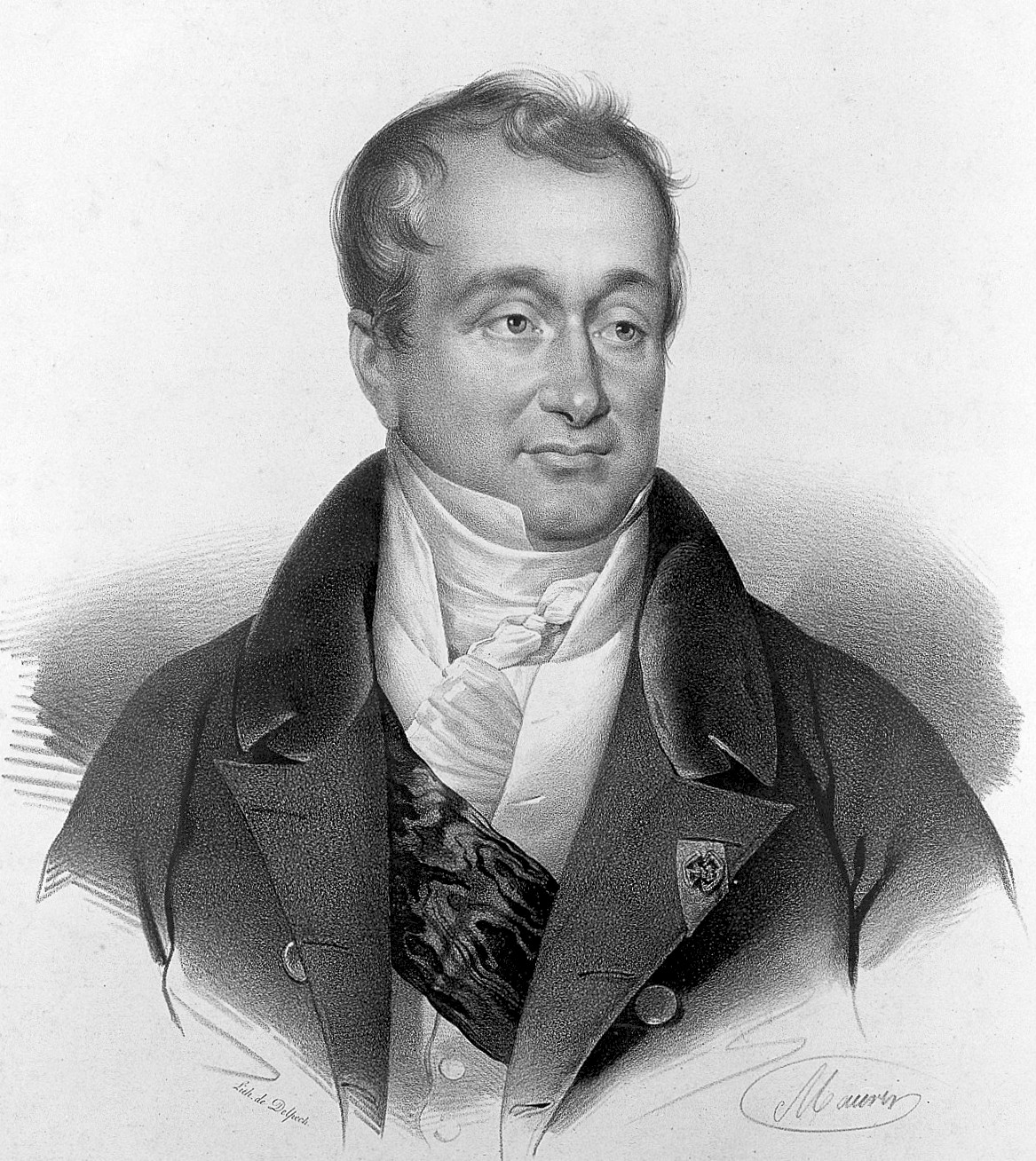
Digital facsimile from Google Books at this link.
1857 –1877
#333
Contributions to the natural history of the United States. 5 vols.
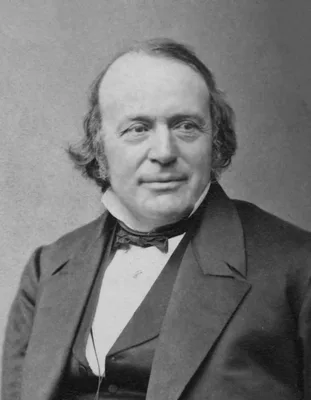
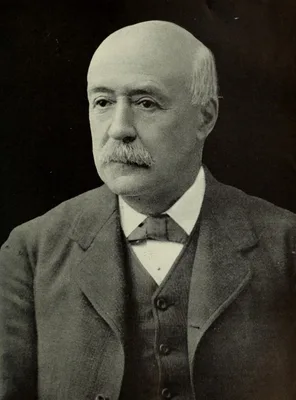
Vols. 1-4 by Louis Agassiz were published from 1857-1862; Vol. 5, North American starfishes by Alexander Agassiz, appeared in 1877. Louis Agassiz was, for his time, the leading comparative anatomist in America and a v…
1857 –1861
#2297.1
Traité d’anatomie pathologique générale et spéciale. 4 vols.
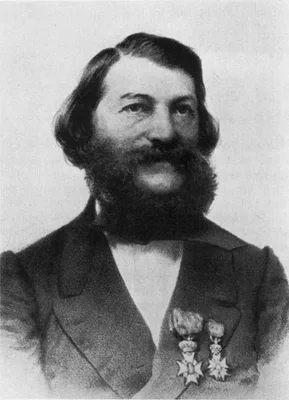
Lebert set out to cover both general and special pathology. The superb hand-colored folio-sized copperplate engravings of macro- and micropathology in this work are among the finest ever published.
1857
#8854
Compendio storico della scuola anatomica di Bologna dal Rinascimento delle scienze e delle letters a tutto il secolo XVIII. Con un paragone fra la sua antichità e quella delle scuole di Salerno e di Padova.
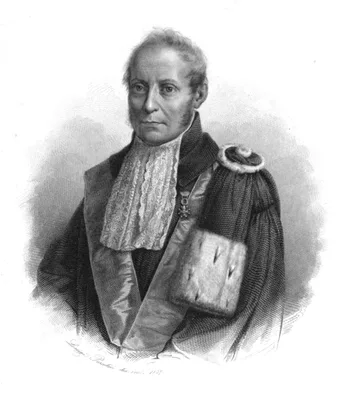
Digital facsimile from Google Books at this link.
1857 –1881
#12016
Leçons sur la physiologie et l'anatomie comparée de l'homme et des animaux faites a la Faculté des Sciences de Paris. 14 vols.
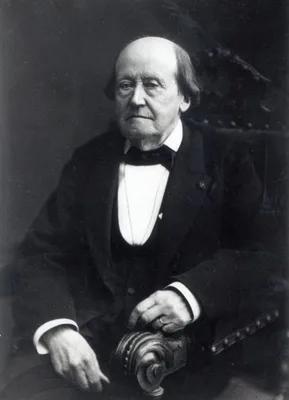
Digital facsimile of all the volumes from Google Books; vol. 1 at this link.
1857
#13248
Untersuchungen uber die Entwickelung des Schädelgrundes im gesunden und krankhaften Zustande und über Einfluss derselben auf Schädelform, Gesichtsbildung und Gehirnbau.
In his Investigations on the development of the base of the skull in healthy and diseased conditions, and on the influence of the same upon skull form, facial structure and brain formation Virchow laid the foundation …
1858
#548
Mikroskopische Studien aus dem Gebiete der menschlichen Morphologie.
Gerlach introduced several staining methods, the most important of which (a transparent solution of ammonia carmine and gelatin) is called “Gerlach’s stain”; it was the first satisfactory histological stain.
1858
#418
Anatomy, descriptive and surgical
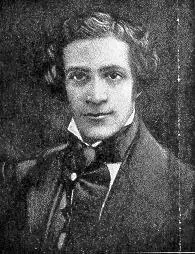
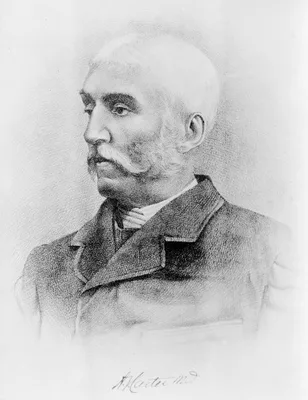
Gray’s textbook of anatomy remains today a standard work on the subject in the English-speaking world. The 37th edition appeared in 1989; the first American edition was published at Philadelphia, 1859. Digital facsimi…
1858
#419
A treatise on the human skeleton, including the joints.
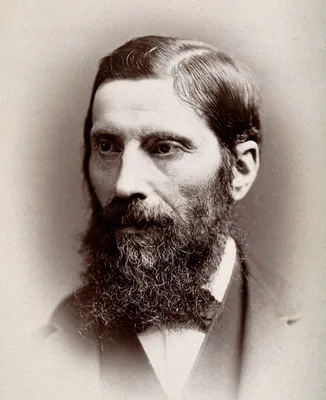
Humphry was professor of anatomy at Cambridge and became the first professor of surgery there. He founded the Journal of Anatomy and Physiology in 1867. “Humphry’s ligament” of the knee-joint is described on p. 546 of…
1858
#420
Des moyens chirurgicaux de favoriser la reproduction des os après les résections.
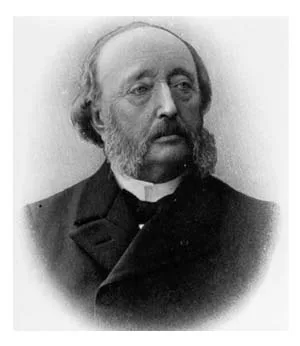
“Ollier’s layer”, the osteogenetic layer of the periosteum.
1858
#1561
Ueber die Endigungsweise des Hörnerven im Labyrinth.
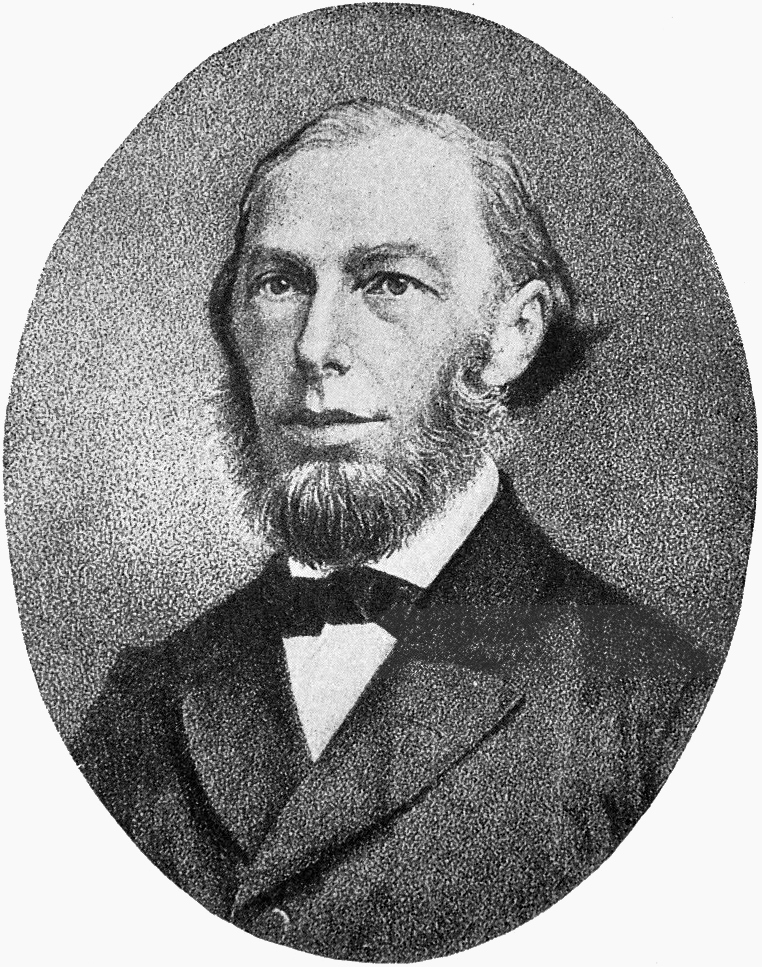
Schultze’s great monographs on the nerve-endings of the sense organs were of prime importance in the development of the science of histology. Besides that dealing with the internal ear, he wrote others dealing with th…
1858
#2298
On the early stages of inflammation.
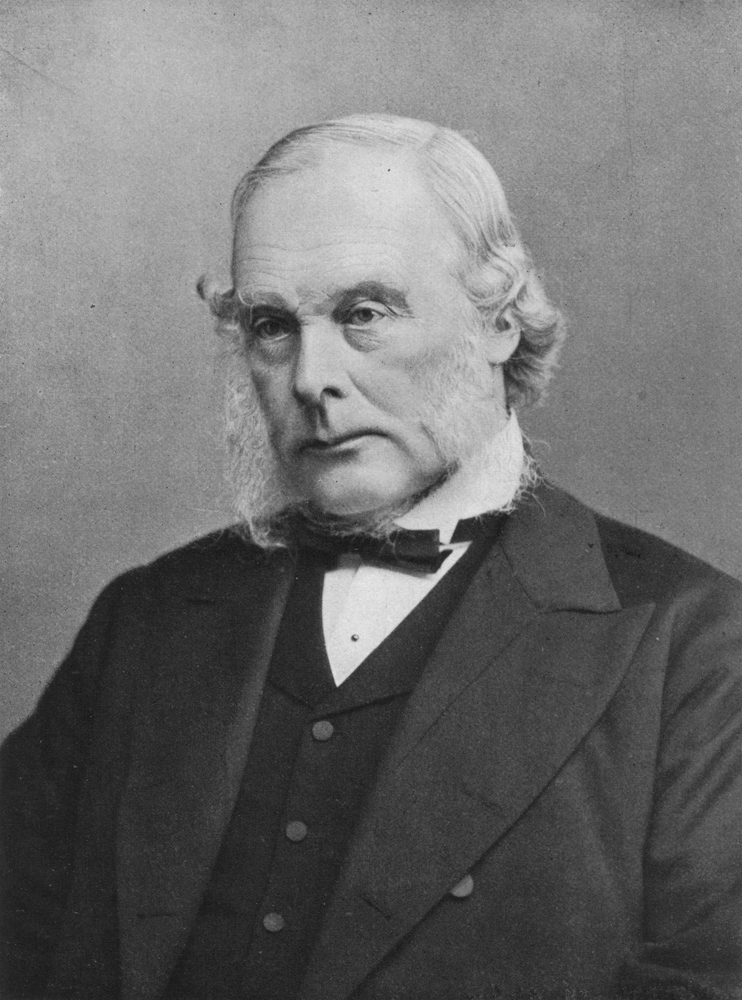
This paper reports the results of one of Lister’s most valuable researches; his conclusions still hold today.
1858
#2299
Die Cellularpathologie in ihrer Begründung auf physiologische und pathologische Gewebelehre.
Virchow was the greatest figure in the history of pathology. His best work, Die Cellularpathologie, is one of the most important books in the history of medicine and the foundation stone of cellular pathology. The Eng…