
Facets
Browse across eight MeSH (opens in new tab) facets — era, geography, science, specialty, technology, history, culture, and reference. Select one tag per group; counts update across the others. What’s new in facet browse how facets relate to subjects and MeSH.
Clear filtersFacet filters
Geography
Specialties & Disease
- Anatomy & Pathology 765
- Cardiology & Blood 914
- Neurology & Psychiatry 1,258
- Obstetrics & Reproductive 551
- Infectious Disease (General) 147
- Surgery & Anesthesia 1,553
- Public Health 1,129
- Immunology & Dermatology 1,405
- General Clinical Medicine 487
- Military Medicine 436
- Psychology 202
- Alternative & Fringe Medicine 383
- Pediatrics 247
- Ophthalmology & Vision 412
- ENT & Hearing 293
- Urology & Nephrology 309
- Gastroenterology & Hepatology 316
- Pulmonary & Respiratory 233
- Rheumatology, Rehab & Pain 189
- Internal, Emergency & Geriatric 123
- Veterinary Medicine 165
- Epidemiology & Demography 397
- Physiology & Embryology 924
- Dentistry 259
- Plagues & Epidemics 1,279
- Microbiology & Virology 1,080
Social & Historical Studies
Institutions & Culture
Reference & Scholarly Works
Drugs & Technology
765 entries match Anatomy & Pathology [G02.149 / C23]
1816
#7488
Anatomia per uso degli studiosi di scultura e pittura.
Mascagni's anatomy for artists and sculptors, edited for posthumous publication by Mascagni's literary execultor Francesco Antonmarchi. 15 hand-colored engraved plates after drawings by Antonio Serantoni (1780j-1837),…
1817 –1826
#2284
Tabulae anatomico-pathologicae. 4 pts.
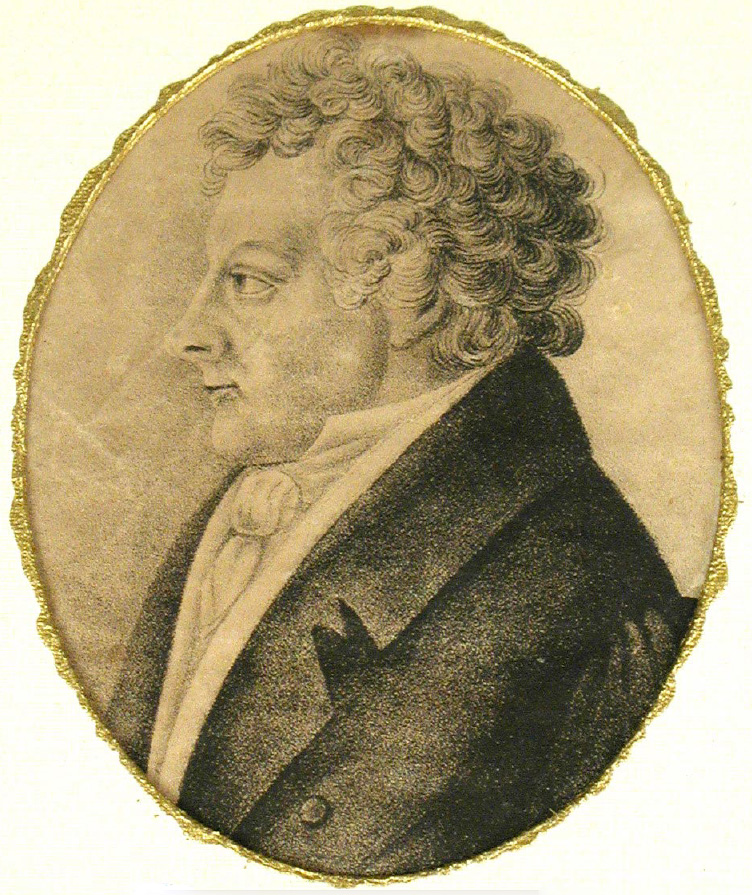
Meckel’s work on embryology brought a better understanding of congenital malformations, which had previously been attributed by many to supernatural influence. This work illustrates a number of anomalies and other dis…
1817
#12746
Nosologie naturelle, ou les maladies du corps humain distribuées par familles. Tome premier. (All published.)
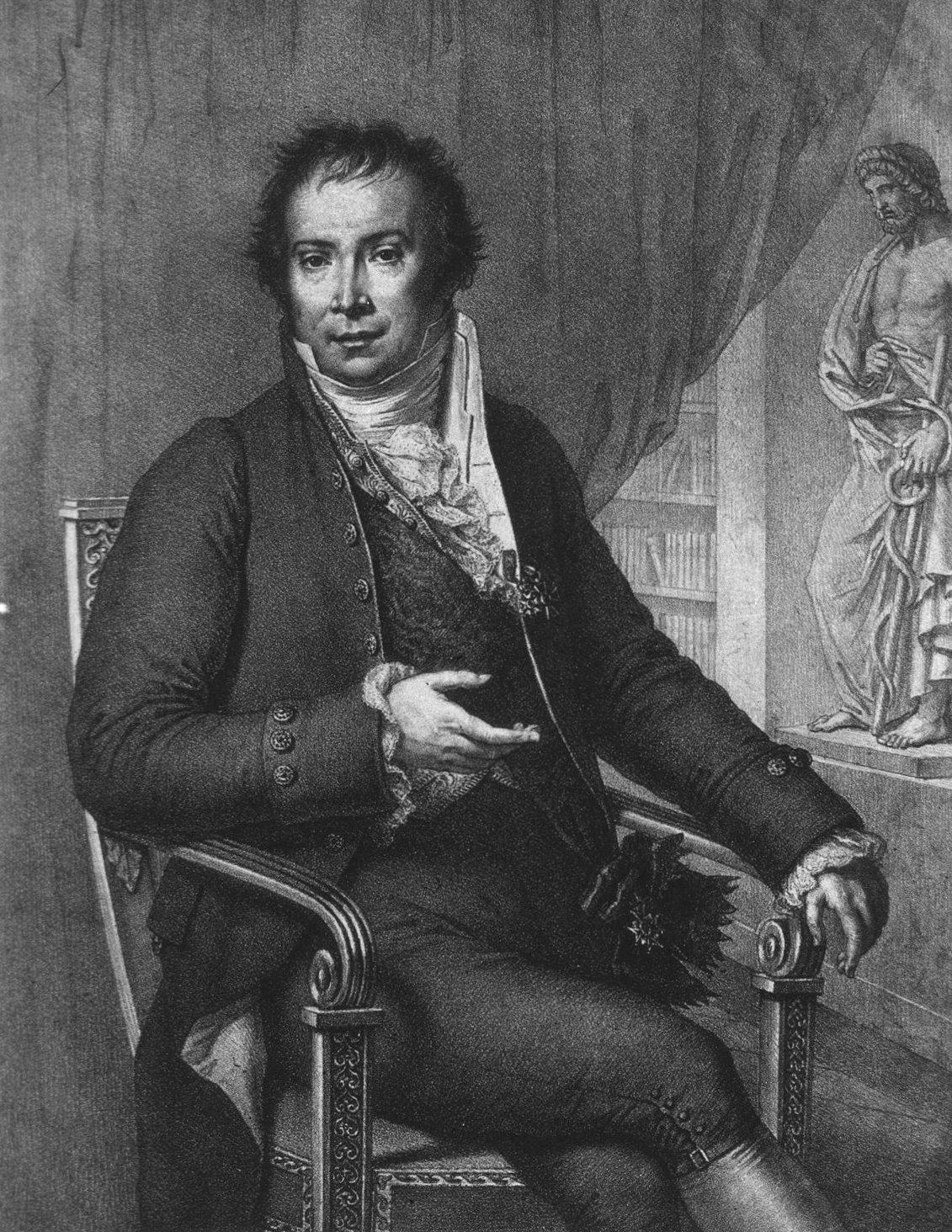
This unfinished work with 22 spectacular plates included some full body images of patients, and unlike other illustrated works by Alibert, it concerned more than skin diseases. Vol. 2 was never published but a second,…
1818
#408
Afbeeldingen van de juiste plaatsing der inwendige deelen van het menschelijk ligchaam.
First anatomical illustrations of frozen sections. De Riemer appears to have been the first to freeze tissues in order to permit fine sectioning for the purposes of diagnosing diseased tissue. Digital facsimile from U…
1818 –1822
#534.57
Philosophie anatomique. Tome Premier. Des organes respiratoires sou le rapport de la détermination et de l'identité de leur pièces osseuses. Avec figures de 116 nouvelles preparations d'anatomie. [Tome Deuxième]. Des monstruosités humaines, ouvrage contenant une classification des monstres; la description et la comparaison des principaux genres; une histoire raisonnée des phénomènes de la monstruosité et des faits primitifs qui la produisent; des vues nouvelles touchant la nutrition du foetus et d'autres circonstrances de son développement....Avec figures des détails anatomiques. 2 vols.
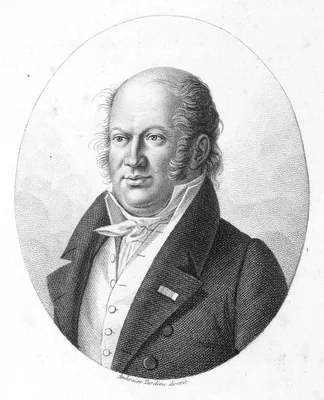
The elder Geoffroy Saint-Hilaire is credited with coining the word teratology, and was the first seriously to attempt the experimental production of anomalies, by manipulating chick eggs. See T. Cahn, La vie et l'oeuv…
1818
#10614
Catalogue of the museum of John Heaviside, Esq.: Comprising human anatomy, natural and morbid, comparative anatomy, and natural history.
Digital facsimile from the Internet Archive at this link.
1820
#9696
Hamse-i Şanizade. Miratü'l Ebdan fi Teşrih-i Azaü'l-İnsan [About anatomy]; Usulü't Tabia [Book of physiology]; Miyaru'l-Etibba [Practice of medicine].
This illustrated compendium of anatomy, physiology, and internal medicine was first medical work in Turkish printed by letterpress in the Ottoman Empire. It was also one of the first medical works in Turkish to draw t…
1820
#13116
Mirât ul-abd fi techrīhh azâ il-insân.
The first book on anatomy and medicine printed in Turkish. The title may be translated as Miroir des corps dans l'anatomie des membres de l''homme. The work was primarily derived from European sources and included 56 …
1821 –1833
#318
System der vergleichenden Anatomie. 6 vols.
Meckel is considered the greatest comparative anatomist before Johannes Müller. Digital facsimile from the Hathi Trust Digital Library at this link.
1821 –1831
#409
Anatomie de l’homme, ou descriptions et figures lithographiées de toutes les parties du corps humain. 5 vols.
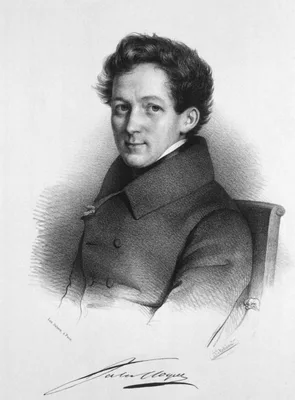
The first anatomical atlas illustrated by lithography, containing 300 plates in folio format. This was one of the most elaborate of the lithographic “incunabula” produced by Charles Philibert de Lasteyrie, one of the …
1821
#9700
Icones cerebri simiarum et quorundam mammalium rariorum.
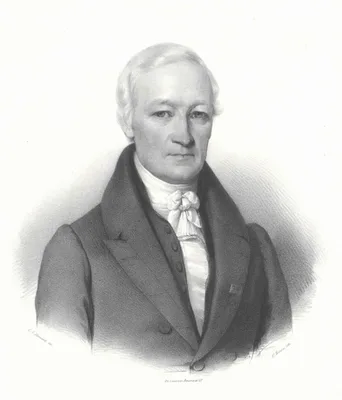
"Although a few more reports were published furing the next hundred years [after Tyson] it was Tiedemann alone who gave a more detailed account, on monkeys, in his... Icones Simiarum.... In monkeys he found the brain …
1822 –1832
#409.1
Anatomia universa… 2 vols.
The largest of all medical books from the standpoint of format. The 44 life size engraved plates are reproduced in double elephant folio size measuring 950 x 635 mm., and include an almost incredible level of detail. …
1822 –1823
#10070
Traité de physiologie appliquée à la pathologie. 2 vols.
Broussais was the inventor of "physiological medicine", a crucial step in the development of modern scientific medicine. (Ackerknecht, Bull. Hist. Med. 27, 320). Translated into English by John Bell and R. La Roche as…
1822
#13314
System of surgical anatomy. Part first [all published]: On the structure of the groin, pelvis, and perineum. As connected with inguinal and femoral hernia; Tyeing the iliac arteries; and the operation of lithotomy. Illustrated by nine copper-plate engravings
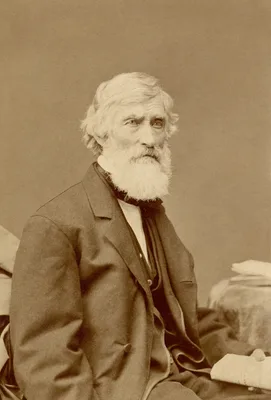
Anderson trained at the Royal College of Surgeons in Edinburgh, emigrated to America in 1820 and, after delivering a series of anatomical lectures in New York under the patronage of Valentine Mott, became affiliated w…
1822 –1826
#13508
A system of anatomical plates of the human body. By John Lizars. Text in 8vo in 12 pts., plus folio atlas with engraved title and 101 plates engraved by William Home Lizars.
Lizars's System of anatomical plates was by far his most successful work, going through many editions. The text of the work was originally issued in 12 parts in octavo format, which were then bound together in book fo…
1823 –1826
#7242
Planches anatomiques du corps humain executes d’après les dimensions naturelles. Double elephant folio atlas and small folio text.
Considering that it is among the rarest of all anatomies, and certainly the largest and probably the most spectacular, it is remarkable that two nearly identical editions of Mascagni’s posthumous life-size anatomy wer…
1824
#12861
Système dentaire des mammifères et des oiseaux, sous le point de vue de la composition et de la détermination de chaque sorte de ses parties, embrassant sous de nouveaux rapports les principaux faites de l'organisation dentaire chez l'homme.
Digital facsimile from Google Books at this link.
1825
#7702
An essay on Egyptian mummies; with observations on the art of embalming among the ancient Egyptians.
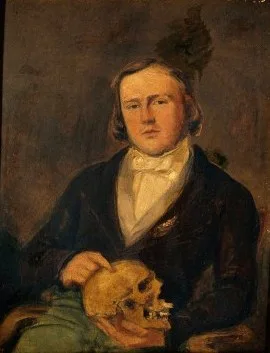
Granville was the first to perform a dissection of an Egyptian mummy. He reported histological observations of samples from a twenty-seventh dynasty Egyptian mummy that he dissected, and he illustrated dissected views…
1825
#13301
Traité d'anatomie chirurgicale, ou anatomie des régions, considérée dans ses rapports avec la chirurgie; ouvrage orné de quatorze planches représentant les principales régions du corps. 2 vols.
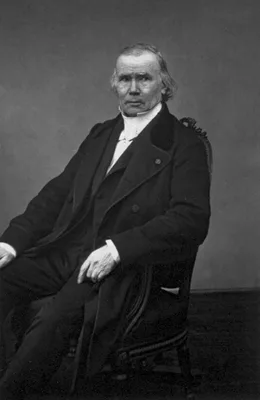
Some copies were issued with the plates hand-colored. Digital facsimile of a black & white copy from Google Books at this link.
1826
#2284.1
The morbid anatomy of the human brain.
Based on over 4000 autopsies performed over 30 years, and illustrated with fine hand-colored plates.
1826
#7511
Descriptio musei anatomici.
Bleuland's catalogue of his museum of anatomical and pathological specimens. Digital facsimile from Universiteit Utrecht at this link.
1827 –1831
#2285
Reports of medical cases, selected with a view of illustrating the symptoms and cure of diseases by a reference to morbid anatomy. 2 vols. in 3.
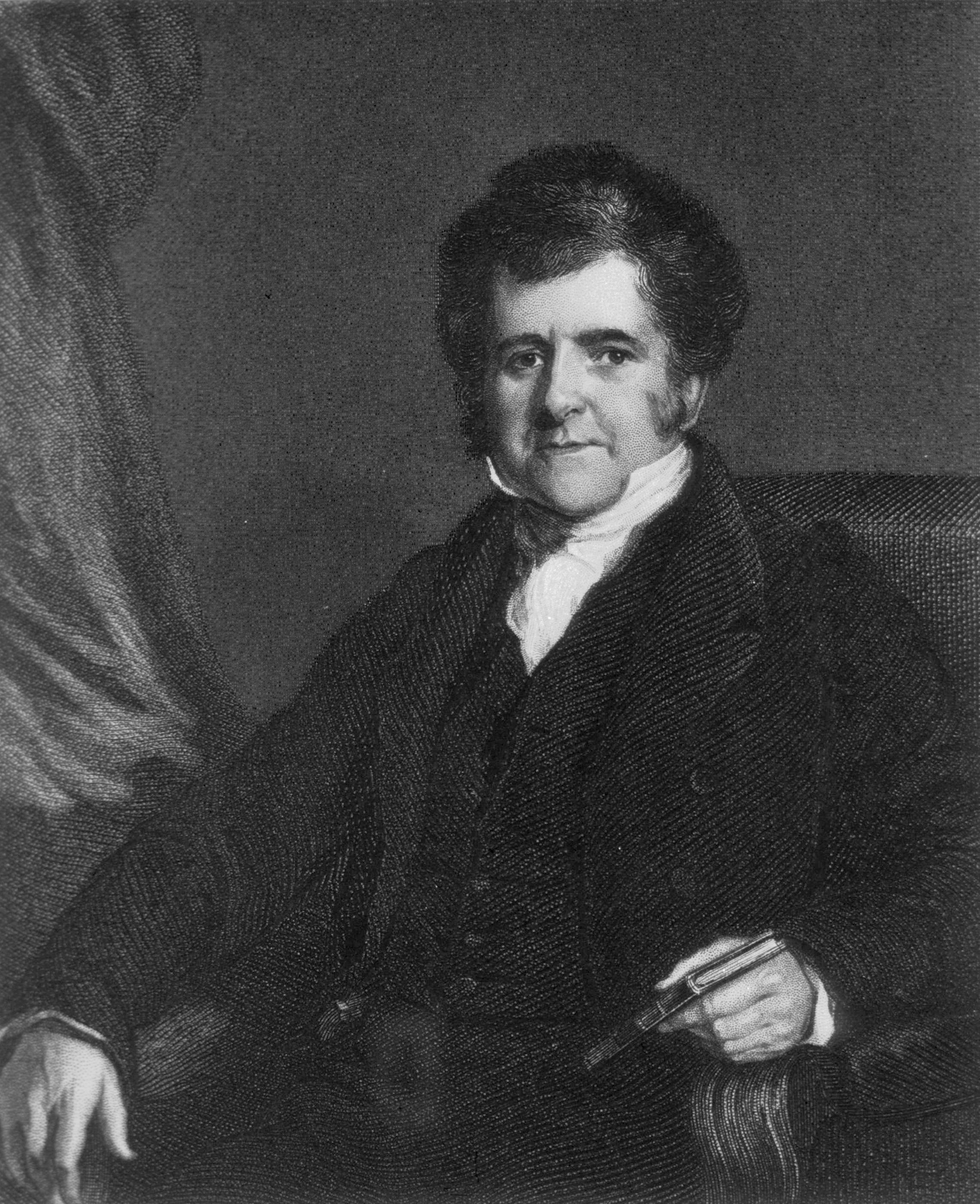
Beside's Bright's classic description of chronic non-suppurative nephritis, known eponymically as “Bright’s disease”, the Reports contain numerous other outstanding contributions to general pathology, neuropathology, …
1827
#14285
Der Leichnam des Menschen in seinen physischen Verwandlungen nach Beobachtungen und Versuchen.
The human corpse in its physical transformations according to observations and experiments.
1828
#410
Elements of descriptive and practical anatomy.
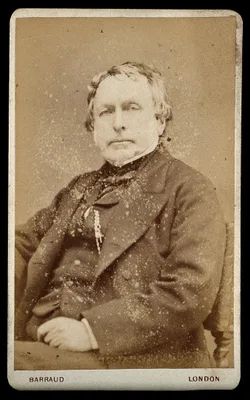
Among the most important of the English textbooks on anatomy. An eleventh edition was published in 1908-29.
1828
#2285.1
Traité des maladies des enfans nouveau-nés et à la mamelle. 1 vol. and atlas.
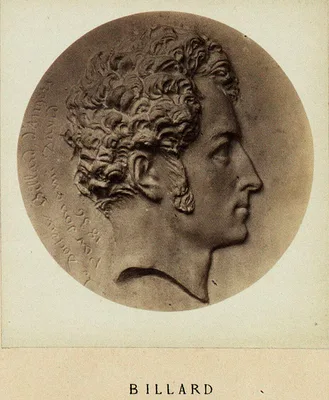
The first significant work on the pathological anatomy of infants. Billard performed several hundred autopsies on infants and children and correlated the data obtained with clinical observations he had made. This pion…
1828
#1776.1
Researches into the causes, nature and treatment of the more prevalent diseases of India, and of warm climates generally. Illustrated with cases, post mortem examinations, and numerous coloured engravings of morbid structures. 2 vols.
A landmark in geographical pathology, superbly illustrated. Annesley’s cases, collected over many years’ service throughout India, represented the most complete treatment of diseases on the sub-continent to date. Digi…
1828
#7096
Report from the select committee on anatomy. House of Commons, 22 July 1828.
In the first half of 1828, in response to increasing calls for reform, the British Parliament appointed a committee to "enquire into the manner of obtaining subjects for dissection by schools of Anatomy and the State …
1828
#7512
Otium academicum, continens descriptionem speciminum nonnullarum partium corporis humani et animalium subtilioris anatomiae ope in physiologicum usum praeparatarum, aliarumque, quibus morborum organicorum natura illustrator.
Issued in 12 fascicules from 1826 to 1828. Consists of 3 parts concerning anatomy and physiology, comparative anatomy specimens and pathological specimens. Includes 37 plates printed in color; 35 plates in black & whi…
1828
#10023
Myology, illustrated by plates.
This large folio work contains 8 hand-colored lithographed plates by F. R. Say, each with multiple lift-up flaps. It is probably the largest format anatomical work ever published in English with lift-up flaps, with up…
1829 –1842
#2286
Anatomie pathologique du corps humain. 2 vols.
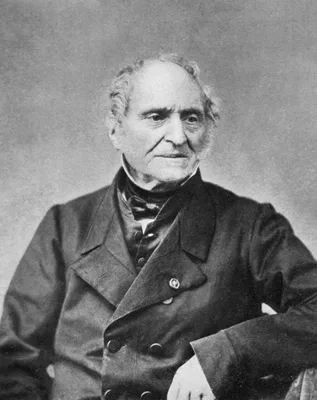
The fine hand-colored lithographs of gross pathology make this one of the greatest works of its kind. Cruveilhier, first Professor of Pathological Anatomy in Paris, gave the first description of multiple sclerosis (in…
1829
#2287
A treatise on pathological anatomy.
First American work on pathology. Horner was Professor of Anatomy at Pennsylvania, and made several anatomical discoveries.
1829 –1833
#2288
Traité d’anatomie pathologique. 2 vols. and atlas.
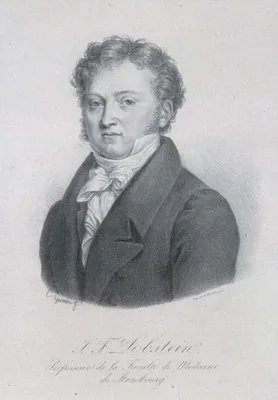
Includes a historical review of the subject from the time of the Ancient Egyptians to Corvisart, and a summary of the advances in pathology during the preceding 50 years. Vol. 2, pp. 553-600 deals with diseases of the…
1829
#5769
Illustrations of the diseases of the breast.
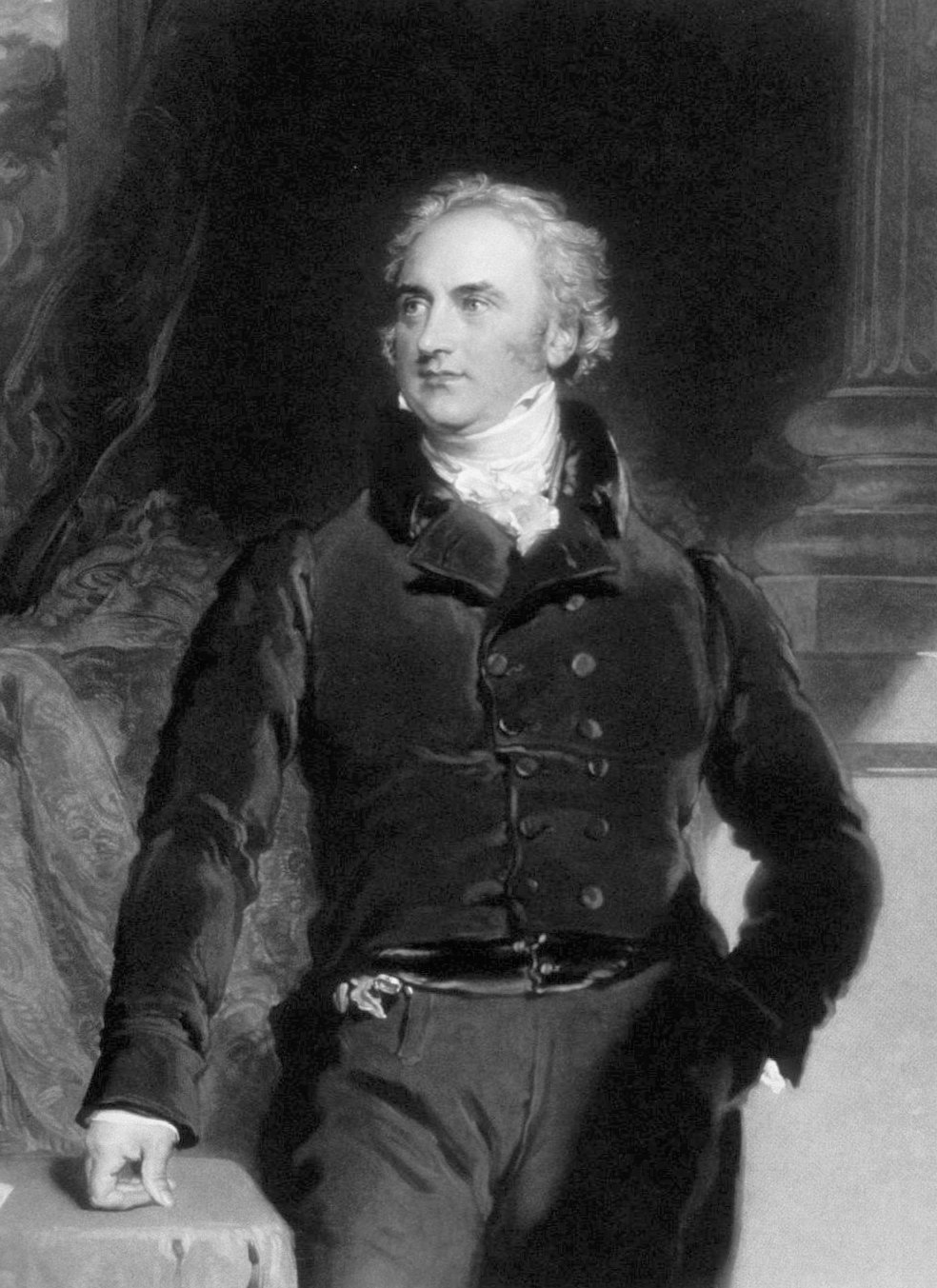
Includes one of the earliest descriptions of hyperplastic cystic disease of the breast, which Cooper referred to as “hydatid disease”.
1829 –1836
#5589.1
Clinique chirurgicale, exercée particulièrement dans les camps et les hôpitaux militaires depuis 1792 jusqu’en 1829. 5 vols. plus atlas to vols. 1-3, and atlas to vol. 5.
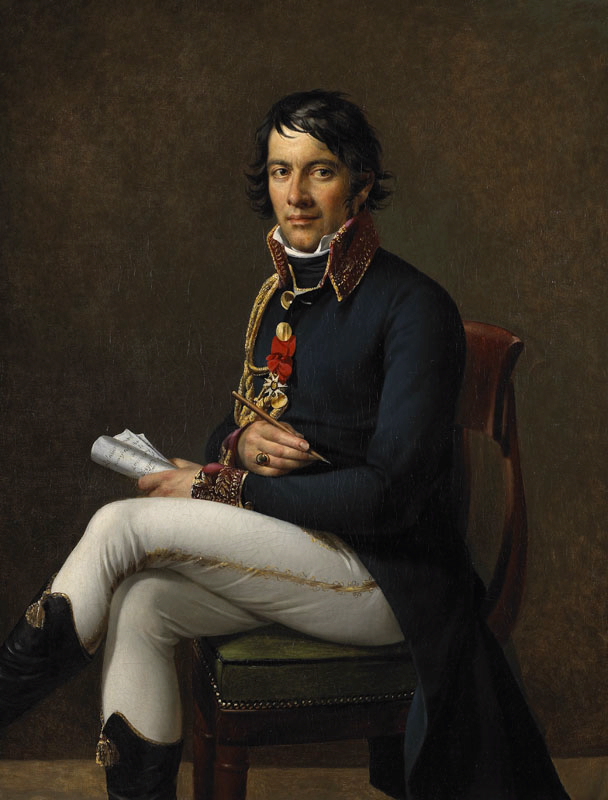
Larrey’s most comprehensive surgical treatise, and the only one of his works that is extensively illustrated. Many of the plates concern surgical pathology.
1829
#7497
A catalogue of the preparations in the anatomical museum of Guy’s Hospital arranged and edited, by desire of the Treasurer of the Hospital, and of the teachers of the Medical and Surgical School.
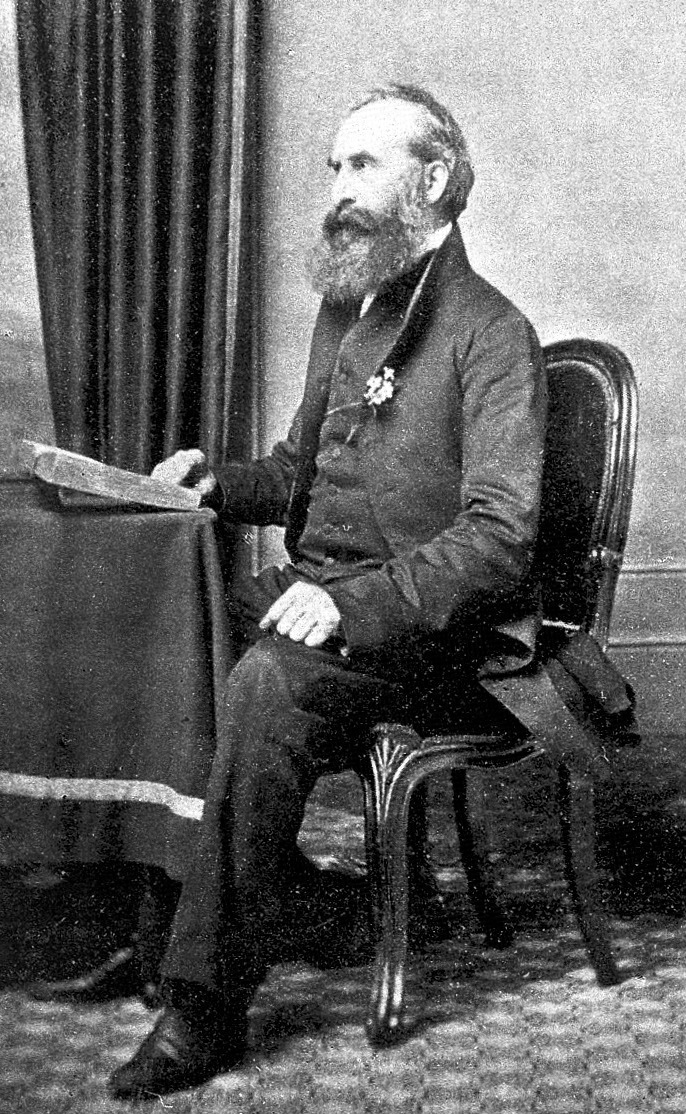
Digital facsimile of Part II, Morbid Anatomy, from the Internet Archive at this link.
1829
#11162
Anatomie des formes extérieures du corps humain appliquée à la peinture, à la sculpture et à la chirurgie.
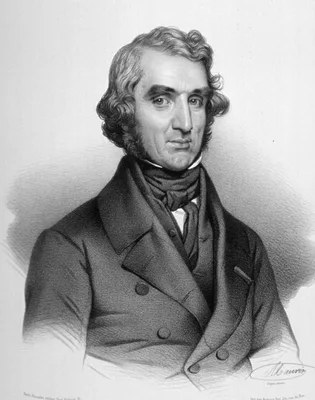
Digital facsimile from the Internet Archive at this link.
1829
#11760
Address to the community, on the necessity of legalizing the study of anatomy
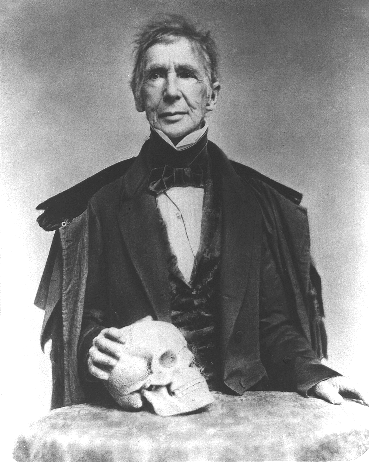
The petition to the Massachusetts legislature to legalize "the procuring of subjects for anatomical dissections" (from George Hayward's printed notice on the verso of the title page). Nine members of the Massachusetts…
1830
#538
De glandularum secernentium structura penitiori.
Müller’s most important histological work. In it he described the microscopic anatomy of a large series of secreting glands. Müller’s greatest influence was not so much through his own work as through the influence he…
1830
#1456.1
Arteriarum capitis superficialium icon nova.
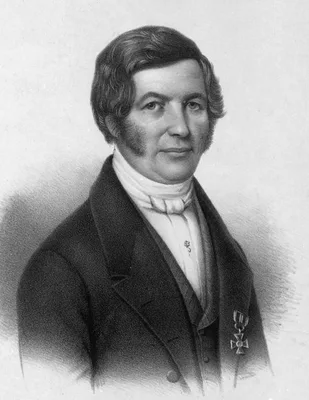
Includes description of the “canal of Schlemm”, the circular canal at the junction of the cornea and the sclerotic.
1830
#2611
A short tract on the formation of tumours, and the peculiarities that are met with in the structure of those that have become cancerous; with their mode of treatment.
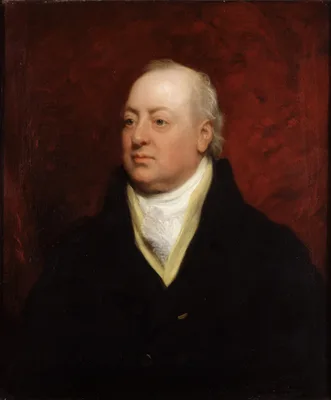
Contains the first illustrations of microscopic sections of cancer; however, Home drew no worthwhile conclusion from his microscopic studies. Digital facsimile from the Internet Archive at this link.
1831
#768.1
A critical and experimental essay on the circulation of the blood.
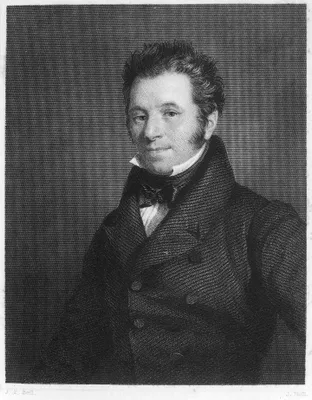
Marshall Hall clearly distinguished arterioles and venules from capillaries, and he described arteriovenous shunts.
1831
#200
Über den Zwischenkiefer des Menschen und der Thiere von Goethe. Jena, 1786. Mit 5 Kupfertafeln.
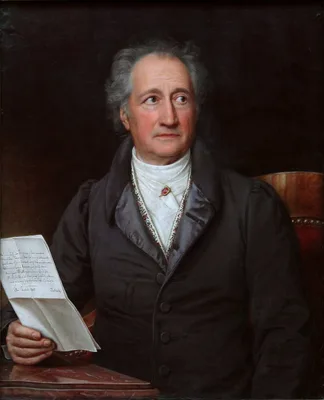
Goethe believed that in 1784 he demonstrated the presence of the intermaxillary (premaxillary) bone in man, proving an anatomical connection between man and the lower animals, and certifying to Goethe that there is no…
1831 –1854
#7246
Traité complet de l'anatomie de l'homme, comprenant la médecine opératoire. 16 vols.
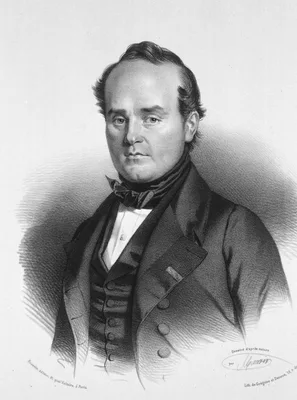
With over 2000 pages of text and 726 lithographed plates (incorporating 3604 individual figures), this work is the most comprehensive, and perhaps the most beautiful anatomical surgical atlas of the 19th century. It w…
1831
#9807
Beredeneerde beschrijving van het Museum Anatomico-Physiologicum van P. de Riemer.
Digital facsimile from Universiteit Utrecht at this link.
1831
#9995
Anatomy. Copy of a letter from the council of the Royal College of Surgeons in London, to Viscount Melbourne.
On December 5, 1831, the notorious London "resurrection men" John Bishop and Thomas Williams were executed for the murder of an itinerant fourteen-year-old (known only as the "Italian Boy"), whose corpse they had then…
1831
#11759
Report of the Select Committee of the House of Representatives ... legalizing the study of anatomy.
This was the first law passed in the United States consigning the bodies of those who died in workhouses, hospitals, and similar institutions, the bodies of whom were "unclaimed," to medical schools for dissection. "S…
1832
#325
Memoir on the pearly nautilus (Nautilus pompilius, Linn.).
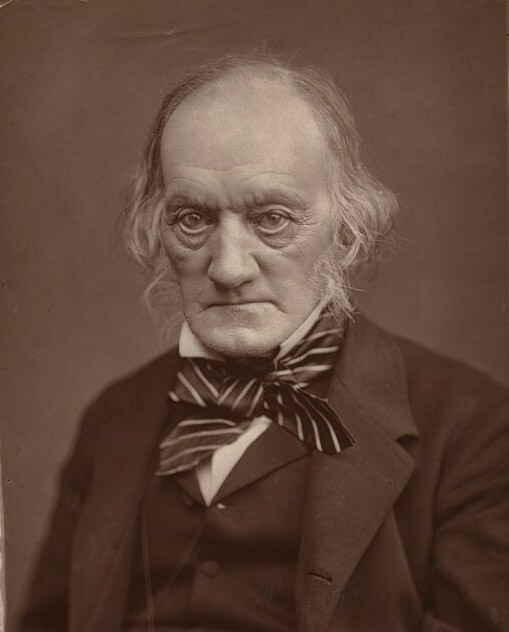
1832
#1119
The anatomy of the thymus gland.
Cooper, the most popular surgeon in London during the early part of the 19th century, was connected with both Guy’s and St. Thomas’s Hospitals. Among his best works is his description of the thymus; he described the “…
1832 –1834
#2247
Leçons orales de clinique chirurgicale. 4 vols.
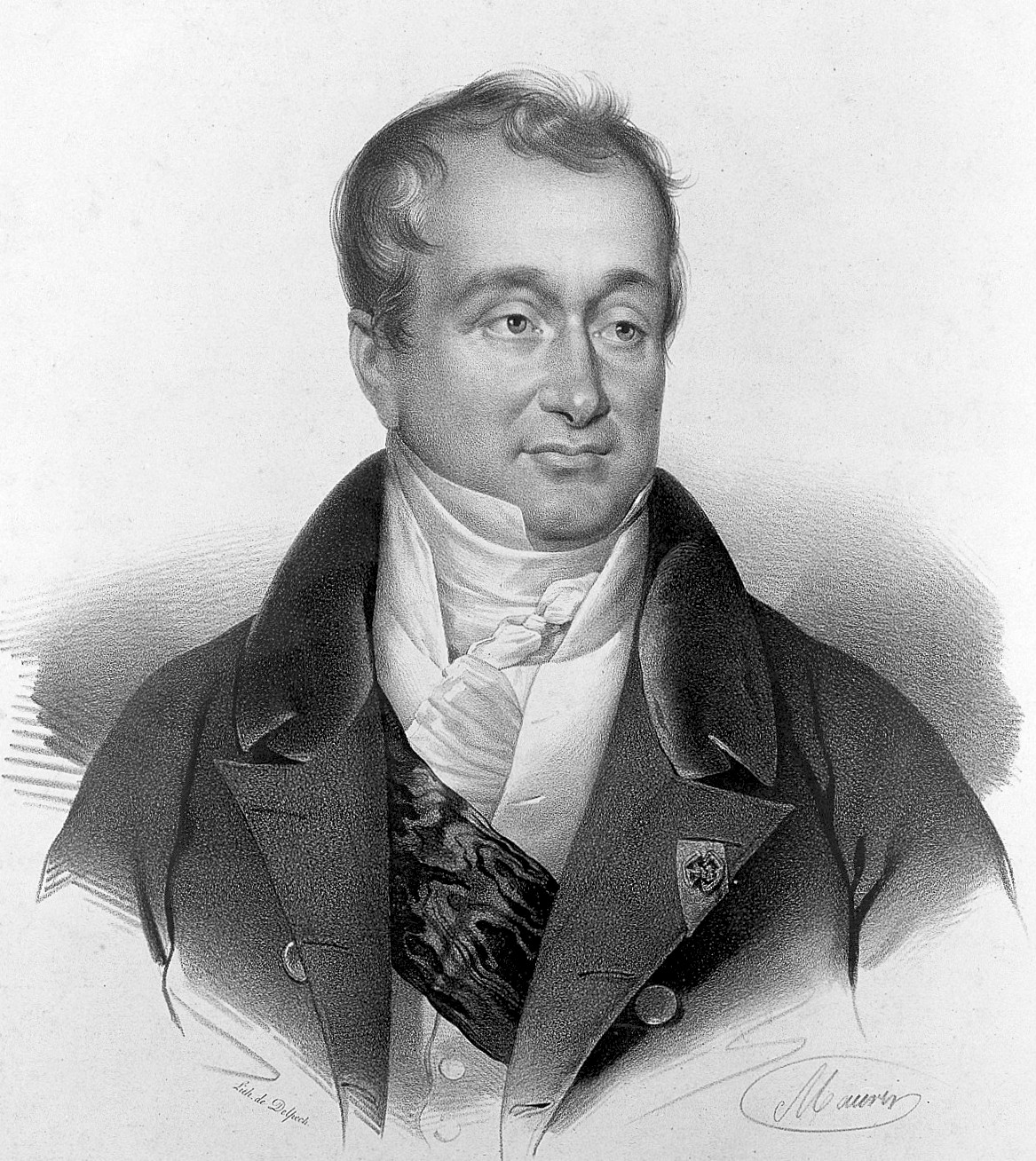
Dupuytren was born in poverty and died a millionaire. He became the best surgeon of his time in France. He was a “shrewd diagnostician, an operator of unrivaled aplomb, a wonderful clinical teacher, and a good experim…
1832
#9993
Anatomy. Proceedings at the National Political Union, respecting legislative interference in the study of anatomy, and the supply of bodies for anatomical research.
Digital facsimile from the Internet Archive at this link.