
Facets
Browse across eight MeSH (opens in new tab) facets — era, geography, science, specialty, technology, history, culture, and reference. Select one tag per group; counts update across the others. What’s new in facet browse how facets relate to subjects and MeSH.
Clear filtersFacet filters
Geography
Specialties & Disease
- Anatomy & Pathology 18
- Cardiology & Blood 20
- Neurology & Psychiatry 8
- Obstetrics & Reproductive 0
- Infectious Disease (General) 0
- Surgery & Anesthesia 2
- Public Health 19
- Immunology & Dermatology 28
- General Clinical Medicine 8
- Military Medicine 4
- Psychology 0
- Alternative & Fringe Medicine 2
- Pediatrics 1
- Ophthalmology & Vision 5
- ENT & Hearing 1
- Urology & Nephrology 4
- Gastroenterology & Hepatology 10
- Pulmonary & Respiratory 19
- Rheumatology, Rehab & Pain 2
- Internal, Emergency & Geriatric 0
- Veterinary Medicine 0
- Epidemiology & Demography 0
- Physiology & Embryology 53
- Dentistry 1
- Plagues & Epidemics 14
- Microbiology & Virology 13
Social & Historical Studies
Institutions & Culture
Reference & Scholarly Works
411 entries match Chemistry & Biochemistry [K01.900.200]
1923
#9333
The absorption and translocation of lead by plants: A contribution to the application of the method of radioactive indicators in the investigation of the change of substance in plants.
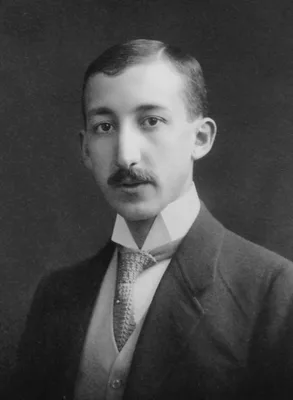
The first application of radioactive tracers in biological studies. Digital facsimile from PubMedCentral at this link. Hevesy received the 1943 Nobel Prize in Chemistry "for his work on the use of isotopes as tracers …
1924
#963.1
The determination of gases in blood and other solutions by vacuum extraction and manometric measurement.
Method for the manometric analysis of gases in blood and other solutions.
1924
#1036
Basal metabolism in health and disease.
1924
#748
Chemical dynamics of life phenomena.
1924
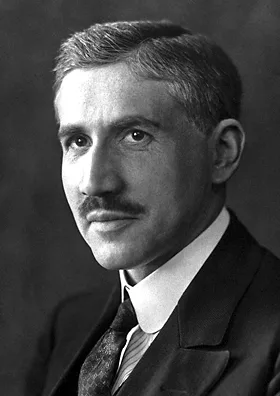
#747
Studies in nuclein metabolism. II. The isolation of a nucleotide from human blood.
Jackson demonstrated the existence of pentose nucleotides in normal blood.
1924
#7384
Proiskhozhedenie Zhizni.
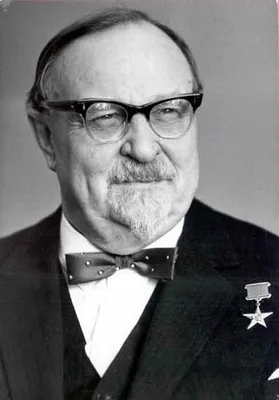
Oparin’s central thesis was that the first organisms to emerge in the anaerobic environment of the primitive Earth must have been heterotrophic bacteria. He proposed that life had been preceded by a lengthy period of …
1924
#9334
Radiochemical method of studying the circulation of lead in the body.
First application of radioactive tracers in animals, specifically rabbits and guinea pigs. See also Hevesy et al, "Radiochemical method of studying the circulation of bismuth in the body," C. R. Acad. Sci. (Paris) 178…
1925
#749
A study of the oxidation of the ammonium salts of normal saturated fatty acids and its biological significance.
1925
#3786
Generalized giant lymph follicle hyperplasia of lymph nodes and spleen; a hitherto undescribed type.
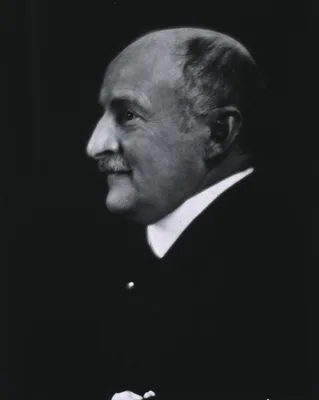
See No. 3787. With G. Baehr and N. Rosenthal.
1926
#3785
Der Morbus Gaucher und die ihm ähnlichen Erkrankungen. (Die lipoidzellige Splenohepatomegalie Typus Niemann und die diabetische Lipoidzellenhyperplasie der Milz.)
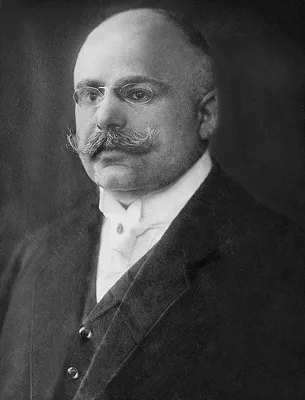
“Niemann-Pick disease” – a group of inherited, severe metabolic disorders, first noted by Albert Niemann in 1914, (No. 3784) in 1914. Pick’s account is of greater importance.
1926
#14025
The isolation and crystallization of the enzyme urease.
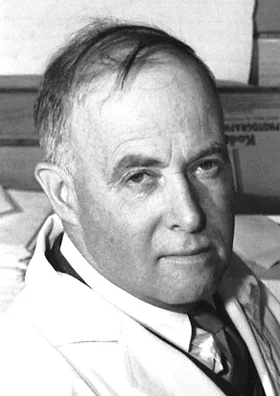
Sumner first isolated and crystallized an enzyme (urease) and proved that enzymes are proteins. One month after publication of the above paper Sumner reinforced his discovery by recrystalizing urease, publishing a fol…
1927
#3787
Follicular lymphadenopathy with splenomegaly: a newly recognized disease of the lymphatic system.
“Brill-Symmers disease” (see No. 3786).
1928
#750
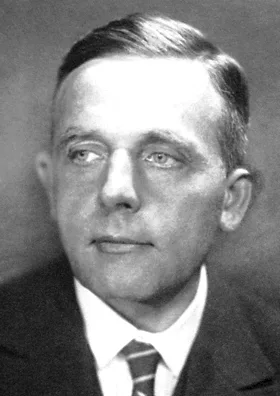
Ueber die katalytischen Wirkungen der lebendigen Substanz.
1929
#969
Ueberden Absorptionsspektrum des Atmungsferments.
Warburg discovered the nature and function of the respiratory ferment. In 1931 Warburg was awarded the Nobel Prize in Physiology or Medicine "for discovery of the nature and mode of action of the respiratory enzyme."
1929
#751
Phosphorus compounds of muscle and liver.
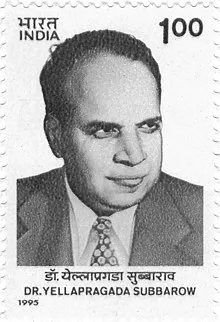
Discovery of adenosine-5′-triphosphate (ATP).
1929
#7467
The origin of life.
Haldane suggested that organic molecules could have been synthesized in an early atmosphere of carbon dioxide.
1929
#12327
Glycogen formation in the liver from d- and 1-lactic acid.
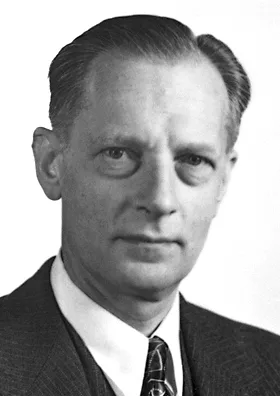
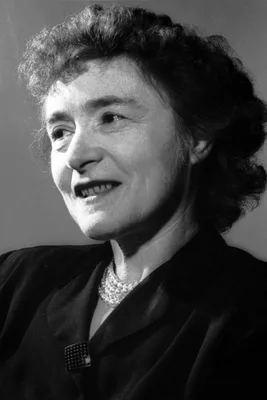
The Cori cycle (also known as the lactic acid cycle), a metabolic pathway in which lactate produced by anaerobic glycolysis in muscles is transported to the liver and converted to glucose, which then returns to the mu…
1930
#1038.1
Crystalline pepsin.
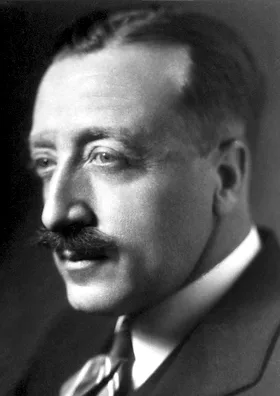
Crystallization of pepsin and its identity as a protein. In 1946 Northrop shared half of the Nobel Prize in Chemistry with Wendell Meredith Stanley "for their preparation of enzymes and virus proteins in a pure form."…
1930
#12830
The moving boundary method of studying the electrophoresis of proteins. (Nova Acta Reg. Soc. Scient. Upsaliensis, IV, 7, No. 4.)
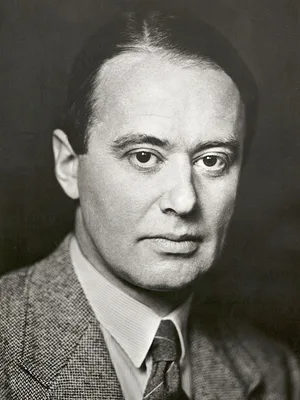
Tilesius's doctoral dissertation introduced the laboratory technique of moving-boundary electrophoresis, a technique for separation of chemical compounds by electrophoresis in free solution. For this work, and the wor…
1931
#1195
Ueber die chemische Untersuchung der Sexualhormone.
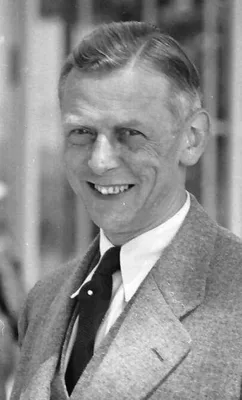
The male sex hormone, androsterone, was isolated in crystalline form by Butenandt. In 1939 Butenandt received half of the Nobel Prize in Chemistry "for his work on sex hormones." The other half was awarded to Leopold …
1931
#14238
Zur Kenntnis des Vitamins-A aus Fischtranen.
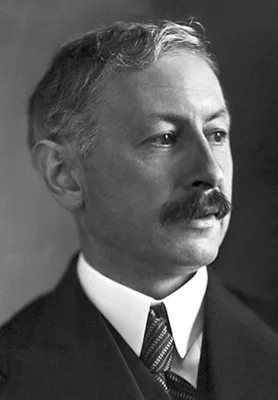
In 1930 Karrer established the correct formula for carotene (the chief precursor of vitamin A), the first demonstration of the chemical structure of a vitamin. Shortly thereafter, he was able to determine the formula …
1932
#970
Ueber ein neues Oxydationsferment und sein Absorptionsspektrum.
1932
#6918
X-ray studies of the structures of hair, wool, and related fibres. I. General.
Astbury, a student of William Lawrence Bragg, was the first to study proteins by X-ray analysis. He applied X-ray analysis to the structure of hair, wool, and related fibers, of which the protein keratin is the princi…
1933
#971
Carbonic anhydrase: Its preparation and properties.
Isolation of carbonic anhydrase.
1933
#1114
The quantitative study of lymphocyte production.
1933
#5221
A sixth venereal disease. Climatic bubo, lymphogranuloma inguinale, esthioméne, chronic ulcer and elephantiasis of the genito-ano-rectal region, inflammatory stricture of the rectum.
In this exhaustive review of the literature, Stannus considered all the conditions he discussed to be different manifestations of infection by the same organisms – the agent causing lymphogranuloma venereum. Includes …
1933
#14280
Synthesis of ascorbic acid.
Haworth and Hirst successfully synthesized vitamin C in the laboratory. This was the first vitamin to be artificially produced. Their breakthrough made it possible for vitamin C, or ascorbic acid as Haworth called it,…
1934
#1924.3
Zur Kenntnis der pharmakologischen Wirkungen der Natursekreten und Extrakten männlicher accessorischer Geschlechtsdrüsen.
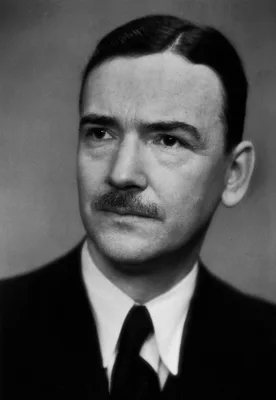
Prostaglandins. Von Euler reported that a lipid fraction of human seminal fluid had potent activities on smooth muscle, hence the name. Later, prostaglandins were found to be widely distributed in mammalian tissues an…
1934
#6923
X-Ray photographs of crystalline pepsin.
Bernal and Hodgkin took the first X-ray photograph of a protein structure—crystalline pepsin. They showed that crystals of pepsin give an X-ray diffaction pattern, beginning protein crystallography. This may also be t…
1934
#9340
I. Un nouveau type de radioactivité. II. Séparation chimique des nouveaux radioéléments émetteur d’électrons positifs.
Discovery of artificially produced radionuclides or radioisotopes. In February 1934, the Joliot-Curies reported the first artificial production of radioactive material after discovering radioactivity in aluminum foil …
1935
#1581
Geschichte der physiologischen Chemie.
Reprinted, Hildesheim, 1970.
1935
#2524.5
Isolation of a crystalline protein possessing the properties of tobacco-mosaic virus.
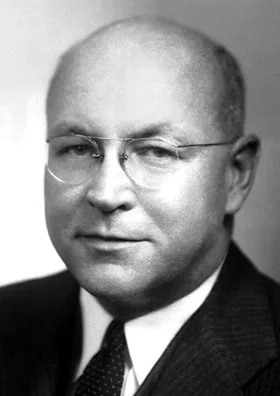
Stanley first crystallized a virus— tobacco mosaic virus. The following year Bawden, Pirie, Bernal and Fankuchen (No. 12005) showed that tobacco mosaic virus molecules are asnisometric and consist of ribonucleoprotein…
1937
#751.1
Citric acid in intermediate metabolism in animal tissues.
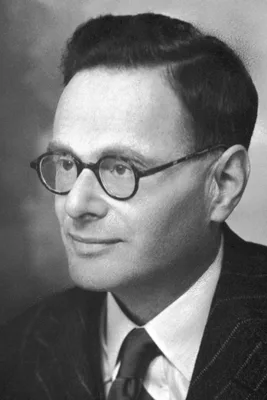
Citric acid cycle (CAC) of aerobic carbohydrate metabolism (Krebs cycle). Three months after his initial publication on CAC Krebs published a supplementary paper aimed at the medical audience, rather than the biochemi…
1937
#12831
A new apparatus for electrophoretic analysis of colloidal mixtures.
Between 1931 and 1937, with financial support from the Rockefeller Foundation, Tiselius developed his "Tiselius apparatus" for moving boundary electrophoresis. In this paper he demonstrated that electrophoresis separa…
1937
#12832
Electrophoresis of serum globulin. II- Electrophoretic analysis of normal and immune sera.
Tiselius showed that an antibody that he produced in a rabbit by immunizing it with albumin (ovalbumin) was clearly located in the gamma globulin fraction. He summarized the paper with this statement: "Investigation o…
1938
#3787.1
Hemolysins as the cause of clinical and experimental hemolytic anemias.
Acquired hemolytic anemia was the first condition to be recognized as an auto-immune disease.
1938
#6915
Das Gleichgewicht zwischen Hämoglobin and Sauerstoff.
Haurowitz discovered that crystalline deoxyhemoglobin changes in shape and color on reaction with oxygen, suggesting that it is a molecular lung.
1938
#7016
Chemisch-Pharmazeutisches Bio-und Bibliographikon. Herausgegeben von der Gesellschaft für Geschichte der Pharmazie durch Fritz Ferchl. 2 vols.
1938
#14279
The application of isotopic indicators in biological research.
A summary of Hevesy's research on the topic for which he received the 1943 Nobel Prize in Chemistry. (Thanks to Juan Weiss for this reference.)
1939
#3787.2
Radiotherapy in Hodgkin’s disease (malignant granulomatosis). Anatomic and clinical foundations; governing principles; results.
Gilbert was among the first to achieve durable responses to radiotherapy in Hodgkin’s disease.
1939
#6914
The nature of the chemical bond and the structure of molecules and crystals: An introduction to modern structural chemistry.
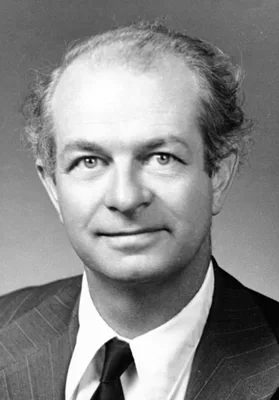
This book set forth in detail Pauling's valence-bond theory based on the quantum-mechanical concept of resonance between two energy states, which led to his highly innovative idea that the hybridization of orbitals (e…
1941
#6898
Metabolic generation and utilization of phosphate bond energy.
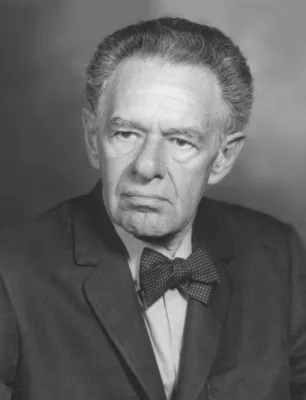
In this paper about group potential and the transfer of acetyl and phosphoryl groups Lipmann proposed that acetyl phosphate acted as an acetyl door in the biosynthesis of essential metabolites and that ATP functioned …
1942
#14239
On the utilization of acetic acid for cholesterol formation.
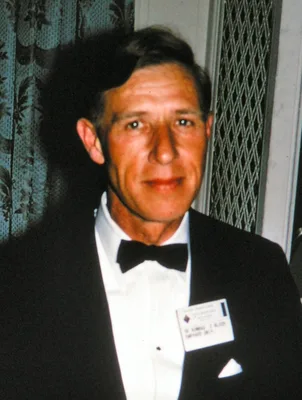
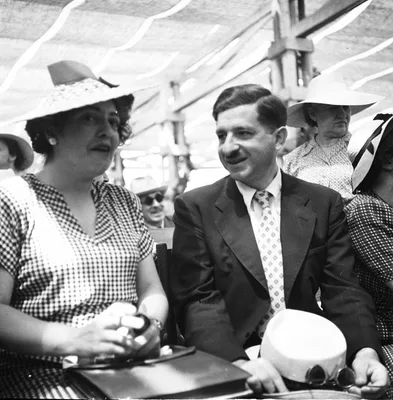
See also, Rittenberg & Bloch, "The Utilization of Acetic Acid for the Synthesis of Fatty Acids," J. Biol. Chem. 160, 1945, 417-424. Bloch, "The Biological Conversion of Cholesterol to Pregnanediol," J. Biol. Chem. 157…
1943 –1955
#11332
Catalogue of the Ferguson collection of books mainly relating to alchemy, chemistry, witchcraft and gypsies in the Library of the University of Glasgow. 2 vols. including Supplement (1955).
Due to wartime paper rationing only 40 copies of the first printing of the catalogue were published when it was issued in 1943; it was reprinted in the 21st century. Ferguson is best known as the author of the extensi…
1943
#12192
Barometric pressure: Researches in experimental physiology. Translated from the French by Mary Alice Hitchcock and Fred A. Hitchcock. [Foreward by John F. Fulton].
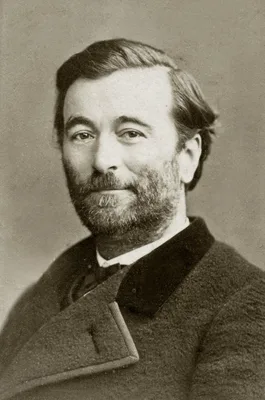
Digital facsimile from the Internet Archive at this link.
1944
#751.2
Chemical, clinical, and immunological studies on the products of human plasma fractionation. I. The characterization of the protein fractions of human plasma.
Cohn invented fractionation of plasma proteins, also called blood fractionation. (Order of authorship in the original publication: Cohn, Oncley, Strong, Hughes, Armstrong.) Digital facsimile from PubMedCentral at this…
1945
#2659.4
The synchrotron: a proposed high energy particle accelerator.
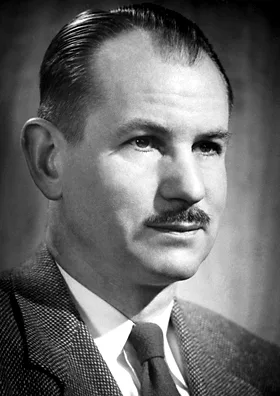
In 1951 McMillan shared the Nobel Prize in Chemistry with Glenn Theodore Seaborg "for their discoveries in the chemistry of the transuranium elements."
1945
#14284
Acetylation of sulfanilamide by liver homogenates and extracts.
Discovery of co-enzyme A and its importance for intermediary metabolism. This discovery illuminated “the process by which cells make available the energy to drive their manufacturing processes” (Judson, p. 245). In 19…
1946
#751.3
A common factor in the enzymatic acetylation of sulfanilamide and of choline.
Lipmann shared the 1953 Nobel Prize in Physiology or Medicine for his discovery of coenzyme A, an important catalytic substance involved in the cellular conversion of food into energy. He first described the discovery…
1946
#3788
The biological actions and therapeutic applications of the ß-chloroethyl amines and sulfides.
Introduction of nitrogen mustard in treatment of Hodgkin’s disease