
Facets
Browse across eight MeSH (opens in new tab) facets — era, geography, science, specialty, technology, history, culture, and reference. Select one tag per group; counts update across the others. What’s new in facet browse how facets relate to subjects and MeSH.
Clear filtersFacet filters
Geography
Specialties & Disease
- Anatomy & Pathology 134
- Cardiology & Blood 11
- Neurology & Psychiatry 35
- Obstetrics & Reproductive 26
- Infectious Disease (General) 5
- Surgery & Anesthesia 14
- Public Health 129
- Immunology & Dermatology 38
- General Clinical Medicine 28
- Military Medicine 11
- Psychology 16
- Alternative & Fringe Medicine 17
- Pediatrics 5
- Ophthalmology & Vision 2
- ENT & Hearing 3
- Urology & Nephrology 4
- Gastroenterology & Hepatology 4
- Pulmonary & Respiratory 3
- Rheumatology, Rehab & Pain 0
- Internal, Emergency & Geriatric 7
- Veterinary Medicine 11
- Epidemiology & Demography 12
- Physiology & Embryology 94
- Dentistry 10
- Plagues & Epidemics 44
- Microbiology & Virology 92
Social & Historical Studies
Institutions & Culture
Reference & Scholarly Works
1,480 entries match Zoology & Animal Sciences [K01.900.500.750]
1765
#100
Saggio di osservazioni microscopiche concernenti il sistema della generazione dei Signori de Needham e Buffon. IN: Dissertazione due… pp. [2]-87.
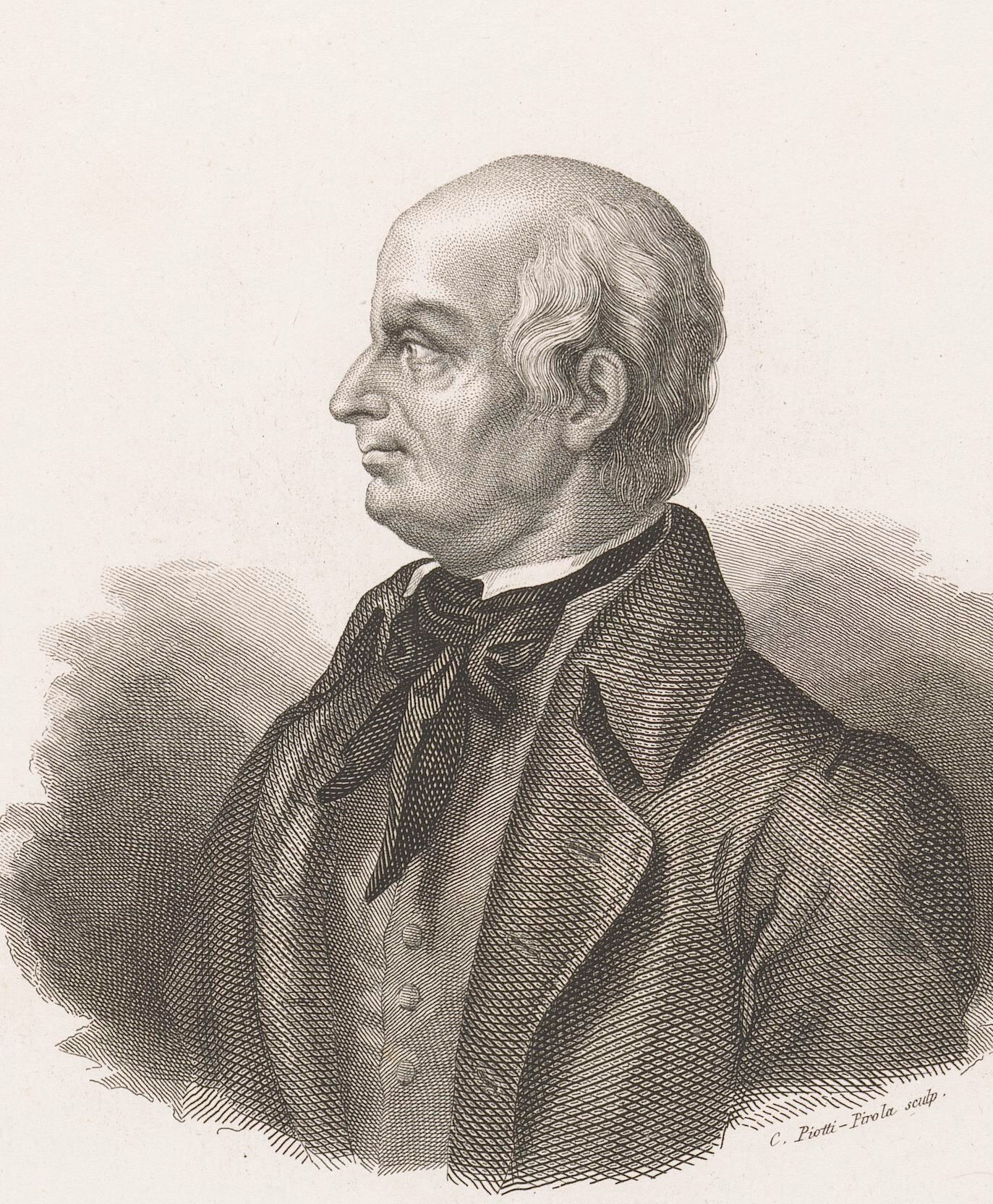
Spallanzani, a believer in preformation theory, found that he could prevent contamination by microorganisms in strongly heated infusions protected from aerial contamination, but he observed that as soon as air was all…
1766
#308.1
The anatomy of the horse.
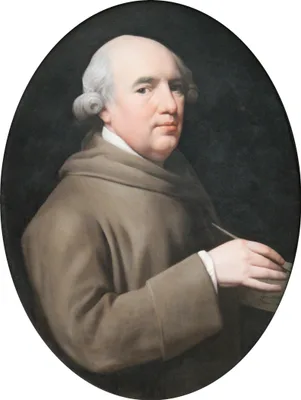
The first original work on equine anatomy after Ruini (No. 285). Stubbs, the great painter of animals, prepared his own dissections of horse carcasses, and personally engraved the 24 double folio plates for this work,…
1766
#10570
The Aurelian or natural history of English insects; namely, moths and butterflies.
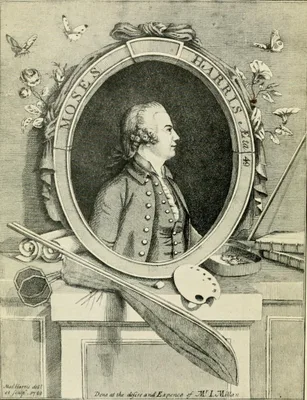
Harris drew and engraved his own illustrations. The second edition (1778) was considerably expanded, and with four more plates than the first, for a total of 45. Some of the hand-colored copies were hand-colored by th…
1768
#101
Prodromo di un opera da imprimersi sopra le riproduzione animali.
In this preliminary to a larger work on regeneration which was never published, Spallanzani described regenerative capacities of remarkable complexity and repetitiveness in the land snail, salamander and toad and frog…
1768
#9517
Specimen medicum: Exhibens synopsin reptilium emendatam cum experimentis circa venena et antidota reptilium austriacorum.
"Laurenti is considered the auctor of the class Reptilia (reptiles) through his authorship of Specimen Medicum, Exhibens Synopsin Reptilium Emendatam cum Experimentis circa Venena (1768) on the poisonous function of r…
1771
#6604.9
Verzeichnis einer Samlung von Bildnissen, gröstentheils berühmter Aerzte; so wohl in Kupferstichen, schwarzer Kunst und Holzschnitten, als auch in einigen Handzeichungen: diesem sin verschiedene Nachrichten und Unmerkungen Vorgesekt, die so wohl zur Geschichte der Arzenengelahrtheit; als vornehinsich zur Geschichte der Künste gehören.
“Very valuable reports on artistic anatomy and the history of anatomic illustration” (Choulant). Probably represents the first history of medical portraiture. Digital facsimile from Googe Books at this link.
1771
#11615
A catalogue of the animals of North America: Containing, an enumeration of the known quadrupeds, birds, reptiles, fish, insects, crustaceous and testaceous animals ... to which are added short directions for collecting, preserving, and transporting, all kinds of natural history curiosities.
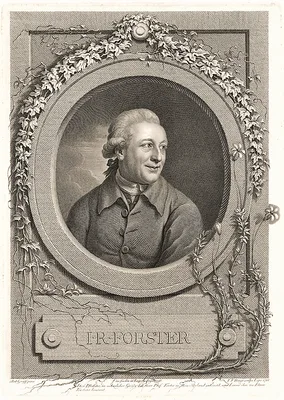
Largely based on specimens he had access to from the British collections of Thomas Pennant and Anna Blackburne, this was Forster's attempt to systemize on the Linnean model the fragmented field of natural history stud…
1771
#13011
Aldrovandus Lotharingiae, ou catalogue des animaux, quardupedes, reptiles, oseaux, poissons, insectes, vermisseaux et coquillages qui habitent la Lorraine et les Trois-Évechés.
A catalogue of "over 1100 quadrupeds, birds, reptiles, amphibians, fish, insects, worms and mollusks native to Lorraine. Buc’hoz follows the classification schemes of Argenville, Brisson, Buffon, Daubenton and Geoffro…
1771
#13257
Ornithologia Britannica: seu Avium omnium Britannicarum tam Terrrestrium quam Aquaticarum catalogus, sermone Latino, An;glico & Gallico redditus: Cui subjicitur appendix, aves Alienigenas, in Angliam raro adventientes, complectens.
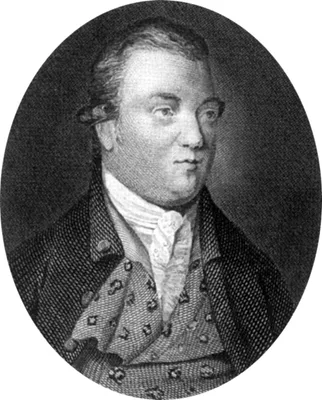
This was probably the first natural history treatise published in England that employed binomial nomenclature. Semi-facsimile edition edited by Alfred Newton and published by The Willoughby Society in 1880 as Tunstall…
1772
#920
Observations on the different kinds of air.
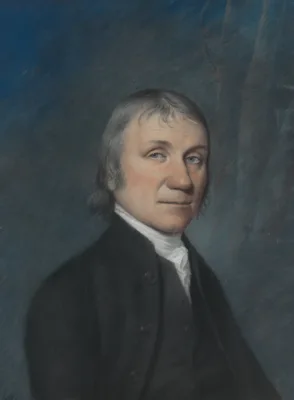
The isolation of oxygen was first achieved by Priestley. He also demonstrated that plants immersed in water give off oxygen and that this gas is essential for animal life.
1772
#154
Von der Physiognomik.
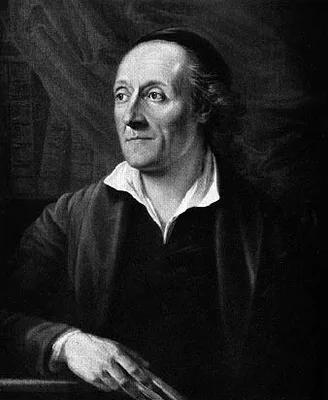
Lavater was the last of the descriptive physiognomists. He expanded the above work into Physiognomische Fragmente zur Beförderung der Menschenkenntnis und Menschenliebe, 1775-78. This was translated into English by H.…
1773
#589
Of the electric property of the torpedo.
The first accurate study of the electrical organs of the torpedo fish were made by Walsh, who was given the Copley Medal of the Royal Society for his work on the subject. Walsh proved that the shock of the torpedo was…
1773
#155
Théorie de la figure humaine.
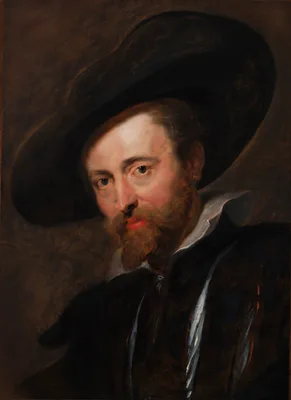
This work on the human figure, published more than 100 years after the death of Rubens, is one of a handful of anatomical treatises illustrated by an artist of the first magnitude.
1773 –1774
#11779
Vermium terrestrium et fluviatilium, seu animalium infusoriorum, helminthecorum, et testaceorum non marinorum, succincta historia. 2 vols.
In this work Müller arranged the Infusoria into genera and species for the first time. Digital facsimile from the Biodiversity Heritage Library at this link.
1774
#6157
Anatomia uteri humani gravidi tabulis illustrata. The anatomy of the human gravid uterus exhibited in figures.
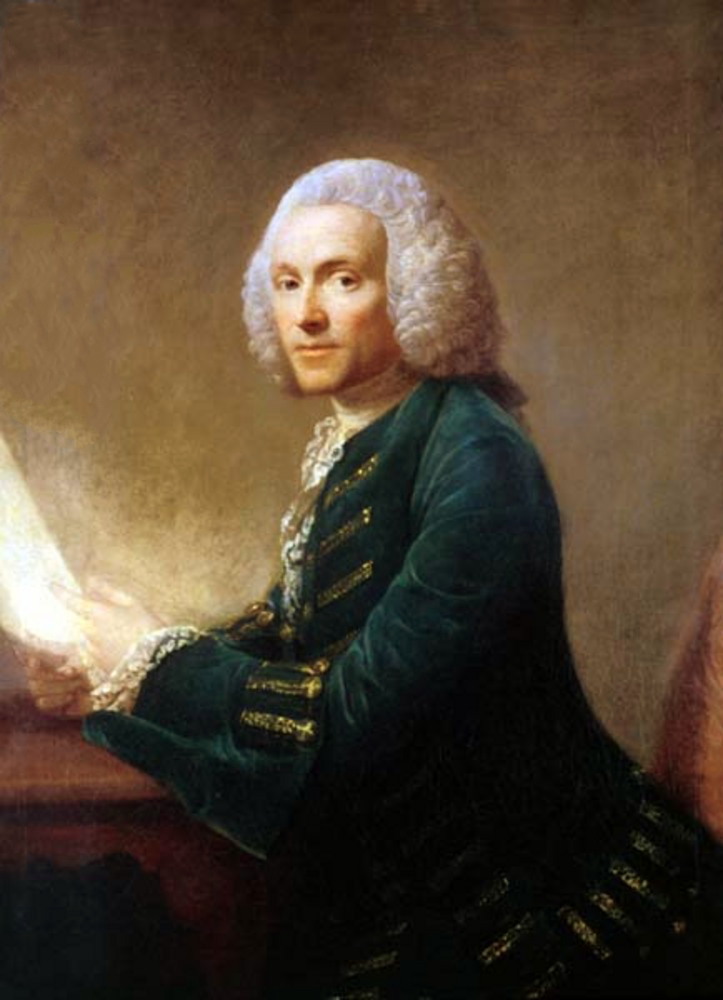
Hunter originally trained as Smellie’s assistant. Once he achieved brilliant professional and financial success he became a great collector of rare books and manuscripts, coins, paintings, minerals, shells, and antiqu…
1775
#399.1
Septemdecim tabulae…
Santorini died before the completion of these anatomical plates which he intended to be his chef d’oeuvre. This elegantly printed volume is the only significant medical book printed by the celebrated Giambattista Bodo…
1776
#102
Opusculi di fisica animale e vegetabile. 2 vols.
Later refutation of the theory of spontaneous generation. Spallanzani’s conclusions were similar to those expressed by Pasteur nearly a century later. His collected works were published in Milan, 2 vols., 1932-33. Eng…
1776
#1601.1
Observations sur les maladies des nègres, leurs causes, leurs traitemens et les moyens de les prévenir.
Study of the health conditions and diseases of black slaves in the Americas. Digital facsimile of the 1776 edition from Google Books at this link. Second edition, expanded to two volumes. Paris: L'Auteur, 1792.
1777
#145.53
Specimen zoologiae geographicae, quadrupedem domicilia et migrationes sistens dedit, tabulamque mundi zoographicam adjunxit.
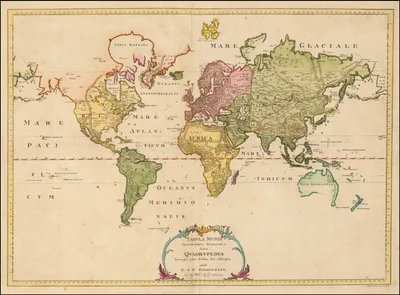
The first textbook of zoogeography, containing the first world map showing the distribution of mammals. French translation of part 1 only by Jakob Mauvillon: Zoologie géographique. Premier article, L'homme (Cassel: Im…
1777
#10347
Two essays. [Essay I. Of suicide]
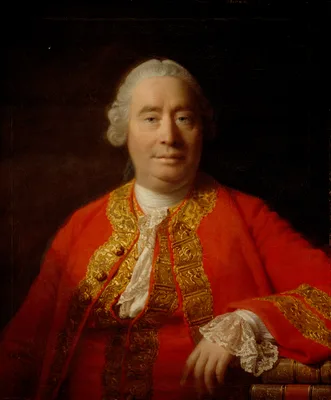
Of suicide, "probably the most widely read and most influential philosophical treatment of suicide written in modern times," was written in 1755 and originally intended to be published as one of five essays, including…
1778
#1551
Dissertations sur l’organe de l’ouie. 1. De l’homme. 2. Des reptiles. 3. Des poissons.
1778
#6381
History of the origin of medicine, delivered at the anniversary meeting of the Medical Society of London, January 19, 1778, and printed at their request. To which are since added, various historical illustrations.
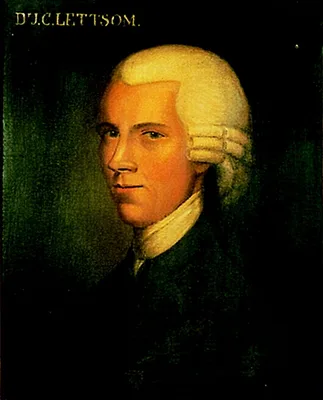
The work covers the "origin of medicine" from the time of the Creation to the Trojan War (6000 – 1184 BCE), and describes both Old and New World medical practices of the period. The lectures were necessarily relativel…
1778
#7662
Museum Britannicum : being an exhibition of a great variety of antiquities and natural curiosities, belonging to that noble and magnificent cabinet, the British Museum, illustrated with curious prints, engraved after the original designs, from nature, other objects: and with distinct explanations of each figure.
Digital facsimile from the Internet Archive at this link.
1778 –1793
#8222
Geographische Geschichte des Menschen und der allgemein verbreiteten vierfüßigen Thiere: nebst einer hieher gehörigen Zoologischen Weltcharte. 3 vols.
Digital facsimile from the Bayerische StaatsBibliothek at this link.
1779
#401.1
Nouveau recueil d’ostéologie et de myologie…
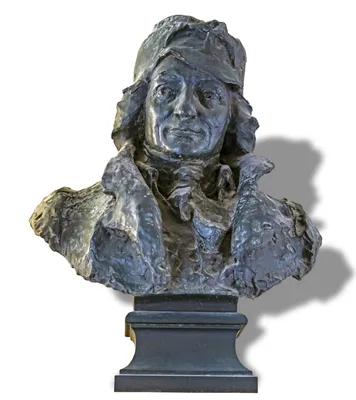
“Without contest the most beautiful of all anatomies for the artist and one of the most remarkable books of its time” (Hahn & Dumaitre). The plates in this work are more fantastic than any other anatomy, suggesting th…
1779
#103
Experiments on vegetables, discovering their great power of purifying the common air in the sun-shine, and of injuring it in the shade at night. To which is joined, a new method of examining the accurate degree of salubrity of the atmosphere.
Discovery of photosynthesis. Ingen-Housz showed that the green parts of plants, when exposed to light, fix the free carbon dioxide of the atmosphere, but that in darkness plants have no such power. Thus he proved that…
1780
#981
Dissertazioni di fisica animale e vegetable. 2 vols.
In the first patrt of this work, Della digestione dissertazione prima Spallanzani confirmed earlier doctrines of the solvent property of the gastric juice and discovered the action of the saliva in digestion. He state…
1780
#11798
Testacea musei Caesarei Vindobonensis, que jussu Mariae Theresiae Ausgustae.
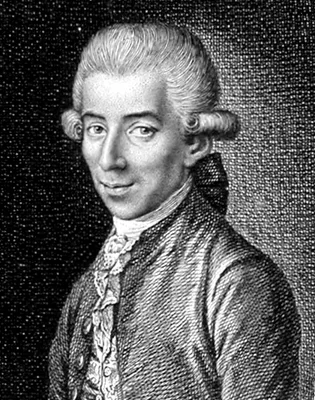
Born was commissioned in 1776, by Maria-Therese, Empress of the Holy Roman Empire, to inventory and arrange the imperal collection that formed the foundation of the imperial museum, now the Naturhistorische Museum in …
1781
#10230
Some account of the termites, which are found in Africa and other hot climates. In a letter from Mr. Henry Smeathman...to Sir Joseph Banks, Bart.
Pioneering study of tropical termites, their mounds, and their behavior, well illustrated with engravings. Digital facsimile from the Royal Society at this link.
1782
#7376
Natuurkundige verhandelingen van Petrus Camper over den orang outang; en eenige andere aap-soorten. Over den rhinoceros met den dubbelen horen; en over het rendier.
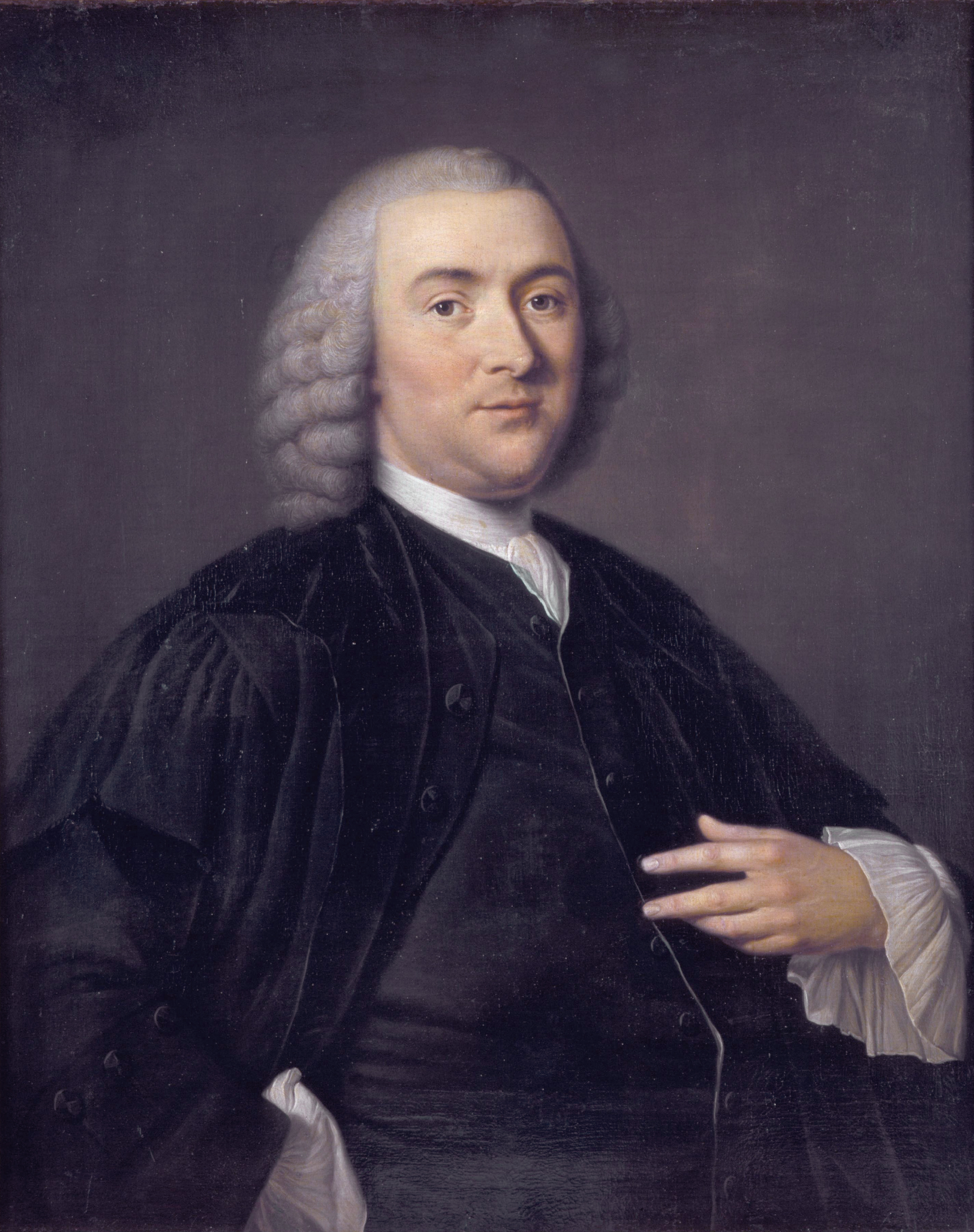
Having dissected five orang-outang cadavers, Camper showed that the Bornean orang-outang was a previously undescribed species, and showed that the structure of its vocal organs did not permit speech. Digital facsimile…
1783
#12037
Lettera dell' Abate Spallanzani al Sig. Marchese Lucchesini.
Records on pp. 80-104 Spallanzani's work on the torpedo. In the 1780's Spallanzani turned to marine biology, making several trips to the Mediterranean region. On his visit to Portovenere in 1783 "he instituted the fir…
1784 –1787
#11618
Arctic zoology. 3 vols.
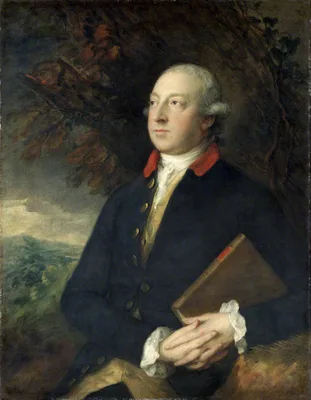
Pennant had "intended to write a "Zoology of North America" but as he explained in the "Advertisement", since he felt mortified by the loss of British control over America, this was changed to Arctic Zoology.[22] The …
1784 –1812
#11742
[Vols I and II:] Figures of non-descript shells collected in the different voyages to the South Seas since the year 1764 ... [Vols III and IV:] The universal conchologist, exhibiting the figure of every known shell, accurately drawn and painted after nature: With a new systematic arrangement by the author.... 4 vols.
"The first two volumes, devoted to shells of the South Seas, were originally published as a separate work in 1784. Martyn then extended the work to four volumes with an additional 80 plates. ‘From the introduction to …
1785
#8943
Entomologia Parisiensis; sive, catalogus insectorum quae in agro Parisiensi reperiuntur; secondum methodum Geoffraeanam in sections, genera & species distributus; Cui addit sun nomina trivalia & sere recentae novae species.
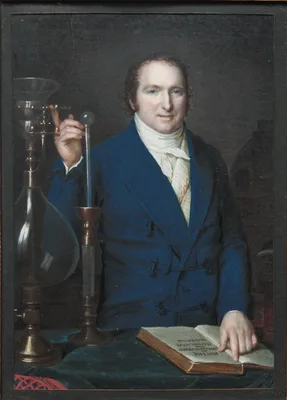
In this work co-written with Geoffroy, Fourcroy presented a major contribution to the systemization of entomology. Digital facsimile from the Internet Archive at this link.
1785
#13086
Observations générales sur les maladies des climats chauds, leurs causes, leur traitement, et les moyens de les prévenir.
Digital facsimile from BnF Gallica at this link.
1786
#309
Observations on certain parts of the animal oeconomy.
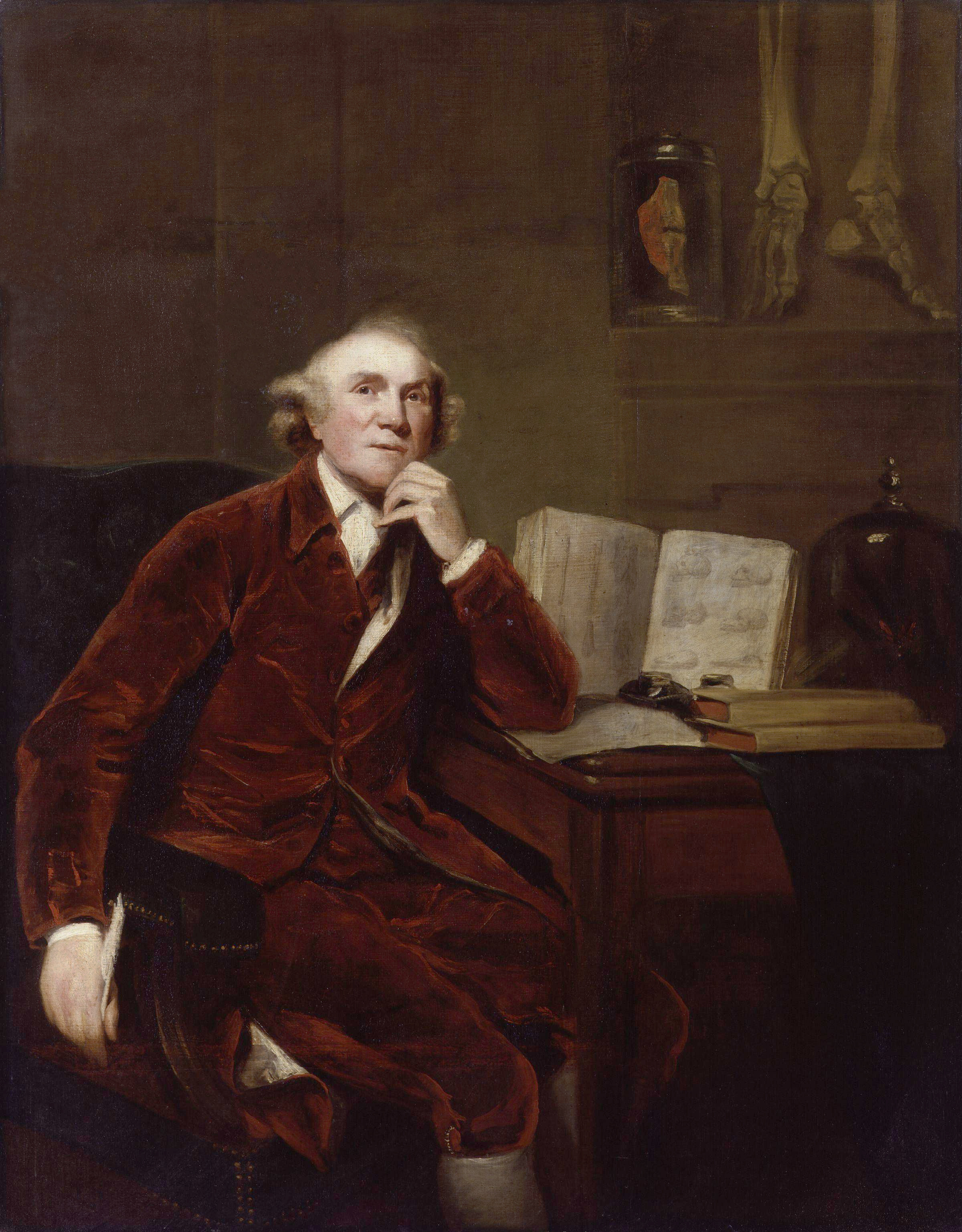
Includes John Hunter’s observations on the secondary sexual characteristics in birds, on the descent of the testis, on the air sac in birds, on the structure of the placenta, etc., together with the original descripti…
1786
#2466
Animalcula infusoria fluviatilia et marina, quae detexit, systematice descripsit et ad vivum delineari.
Müller was the first to attempt a systematic classification of infusoria. He published several papers on the subject, the best being the above posthumous work. Muller described 8 species of the genus Vibrio (included …
1787
#8026
Descripcion de diferentes piezas de historia natural las mas del ramo maritimo.
This catalogue of Carrbean fish was the first scientific treatise printed in Cuba and also the first illustrated book printed in Cuba. Digital facsimile from Biodiversity Heritage Library at this link.
1787
#10480
Gifthistorie des Thier- Pflanzen- und Mineralreichs, nebst den Gegengiften, und der medicinischen Anwendung der Gifte, nach den neuesten Toxicologen.
This work was not illustrated. Digital facsimile from Bayerische StaatsBibliothek at this link.
1787
#12163
A collection of engravings, tending to illustrate the generation and parturition of animals, and of the human species.
An idiosyncratic collection of rarely reproduced images with explanatory commentaries in English and French, concerning reproduction and obstetric complications in animals and humans. Topics include: The Funis of a nu…
1787
#13908
Descripcion de diferentes piezas de historia natura, las mas del ramo maritimo.
The first scientific book printed in Cuba. The striking illustrations are by the author's son, and depict fish, turtles, and crustacieans observed along the Cuban shoreline. The final section contains three alarming i…
1788
#8216
Observations sur le tétanos; Ses différences, ses causes, ses symptômes, avec le traitement de cette maladie & les moyens de la prévenir. Précédées d'un discours sur les moyens de perfectionner la médecine-pratique sous la zone torride. Suivies d'observations sur la santé des femmes enceintes dans ces régions; leurs maladies aux différentes époques de la grossesse; l'accouchement & les suites; la conservation des nouveau-nés jusqu'à l'adolescence. Terminées par le rapprochement des vices & des abus des hôpitaux d'entre les tropiques, & les moyens d'y remédier. Par M. Dazille. Pour servir de développement & de suite à ce que cet auteur a écrit du tétanos dans ses ouvrages sur les maladies des nègrse [sic], & sur les maladies des climats chauds.
Primarily concerning the diseases of black slaves. Digital facsimile from the Internet Archive at this link.
1788
#13163
Voyages intéressans dans différentes colonies françaises, espagnoles, anglaises, &c; contenant des observations importantes relatives à ces contrées; & un mémoire sur les maladies les plus communes à Saint-Domingue, leurs remèdes, & le moyen de s'en préserver moralement & phisiquement: Avec des anecdotes singulières, qui n'avaient jamais été publiés....
The final section addresses maladies affecting the residents of Saint-Domingue. Unlike many of his contemporaries Bourgeois assiduously recorded the medical practices of the enslaved and subjugated African and Indigen…
1788
#13593
The theory of rain.
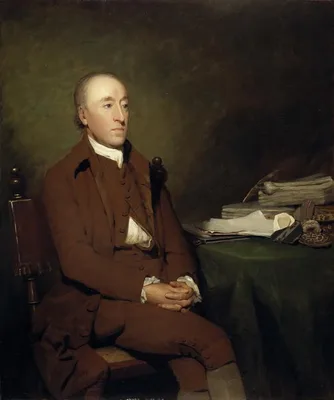
In this paper on the operation of the water-cycle in meteorology Hutton hypothesized that rain was caused by a mixture of air currents of differing temperatures, either saturated or nearly saturated with moisture. "Hi…
1789 –1791
#8921
The botanic garden: A poem in two parts. Part I. Containing the economy of vegetation. Part II. The loves of the plants. With philosophical notes. 2 vols.
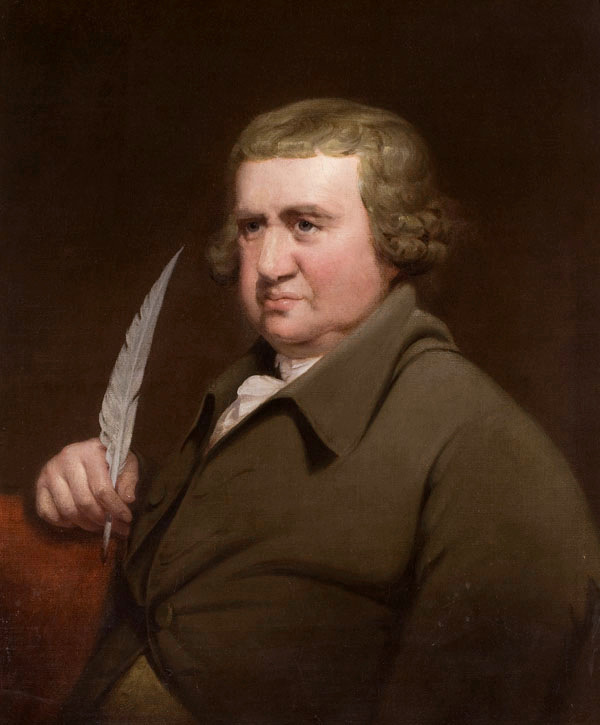
The first edition of part 2, preceded part 1, being published in 1789. This poem was the chief source of Erasmus Darwin's literary fame during his lifetime. Like his other works, this poem contains a great deal of fre…
1790
#7366
Journal of a voyage to New South Wales with sixty five plates of non descript. animals, birds, lizards, serpents, curious cones of trees and other natural productions
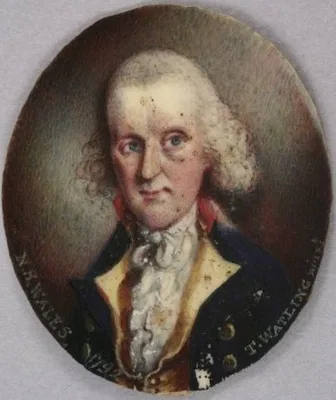
This work described many Australian species for the first time. It includes natural history illustrations after watercolor paintings by Sarah Stone. Digital facsimile from Biodiversity Heritage Library at this link
1792
#6604.91
Redevoeringen over die wijze om de verscheidene hartstogten op onze wezens te verbeelden…
Lectures on the methods of representing the passions in the human face, and on other aspects of medicine and the arts. German translation, Berlin, 1793. See No. 158.
1792 –1813
#9087
The natural history of British insects; explaining them in their several states, with the periods of their transformations, their food, oeconomy, &c. Together with the history of such minute insects as require investigation by the microscope. The whole illustrated by coloured figures, designed and executed from living specimens. 16 vols.
Includes a total of 576 plates, of which 568 were colored.
1792
#13816
The animal kingdom, or zoological system, of the celebrated Sir Charles Linnæus. containing a complete systematic description, arrangement, and nomenclature, of all the known species and varieties of the mammalia, or animals which give suck to their young; Class I Mammalia. Being a translation of that part of the Systema naturae, as lately published, with great improvements, by Professor Gmelin of Goettingen. Together with numerous additions from more recent zoological writers, and illustrated with copperplates.

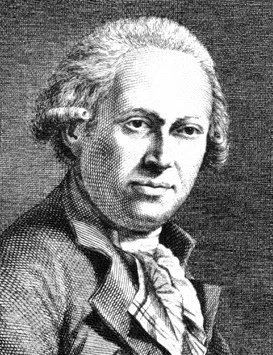
English translation of parts 1 and 2 of the 13th edition of Linnaeus's Systema naturae (1788-1793) edited by Johann Friedrich Gmelin. Digital facsimile from Biodiversity Heritage Library at this link.
1793
#5451
A short account of the malignant fever, lately prevalent in Philadelphia: With a statement of the proceedings that took place on the subject in different parts of the United States.
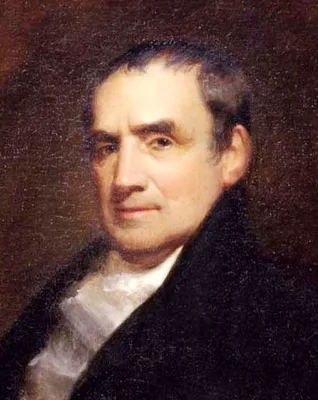
Carey was a Philadelphia publisher and economist rather than a physician. In this little book, which passed through four editions in a few months, Carey left a graphic description of the great yellow fever epidemic of…