
Facets
Browse across eight MeSH (opens in new tab) facets — era, geography, science, specialty, technology, history, culture, and reference. Select one tag per group; counts update across the others. What’s new in facet browse how facets relate to subjects and MeSH.
Clear filtersFacet filters
Geography
Specialties & Disease
- Anatomy & Pathology 18
- Cardiology & Blood 20
- Neurology & Psychiatry 8
- Obstetrics & Reproductive 0
- Infectious Disease (General) 0
- Surgery & Anesthesia 2
- Public Health 19
- Immunology & Dermatology 28
- General Clinical Medicine 8
- Military Medicine 4
- Psychology 0
- Alternative & Fringe Medicine 2
- Pediatrics 1
- Ophthalmology & Vision 5
- ENT & Hearing 1
- Urology & Nephrology 4
- Gastroenterology & Hepatology 10
- Pulmonary & Respiratory 19
- Rheumatology, Rehab & Pain 2
- Internal, Emergency & Geriatric 0
- Veterinary Medicine 0
- Epidemiology & Demography 0
- Physiology & Embryology 53
- Dentistry 1
- Plagues & Epidemics 14
- Microbiology & Virology 13
Social & Historical Studies
Institutions & Culture
Reference & Scholarly Works
411 entries match Chemistry & Biochemistry [K01.900.200]
1794
#9526
Considerations on the medicinal use, and on the production of factitious airs and on the manner of obtaining them in large quantities: In two parts.
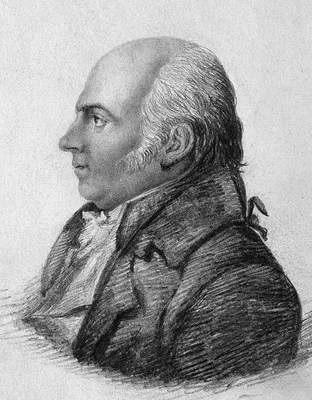
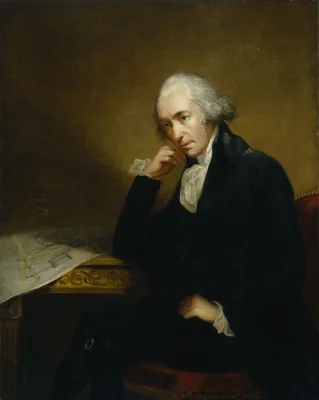
The engineer James Watt collaborated with the physician, Thomas Beddoes, in this project. This was Watt's only contribution to medicine. While much of Beddoes' work proved ineffective it did result in Humphrey Davy's …
1802
#1488
On the theory of light and colours.
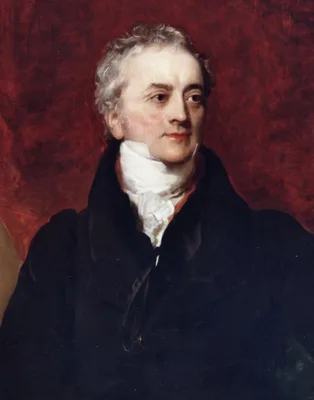
Young, the “Father of physiological optics”, established the wave theory of light, explaining the phenomena of interference and dispersion.
1804
#145.54
Recherches chimiques sur la végétation.
In this foundation work on phytochemistry, Saussure analysed the chief active components of plants, their synthesis and decomposition. He specified the relationships between vegetation and the environment. He showed t…
1806
#11410
La découverte d'un nouveau principe végétal dans le suc des asperges.
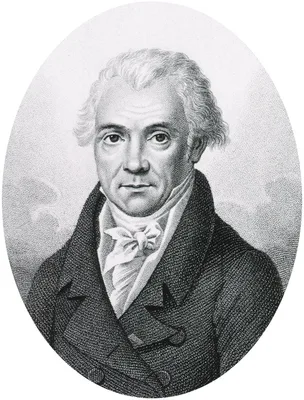
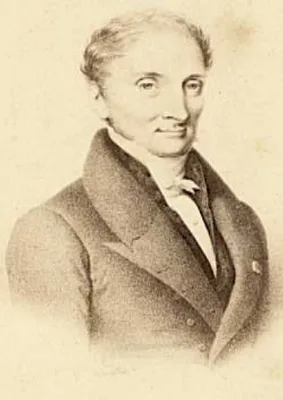
Isolation of Asparagine, the first amino acid to be isolated.
1810
#668.1
On cystic oxide, a new species of urinary calculus.
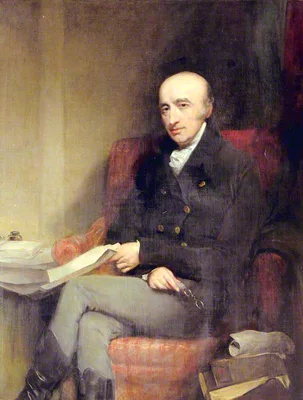
Cystine, the first amino-acid to be isolated, was prepared by Wollaston from a urinary calculus. This was also the first report of cystinuria.
1810
#13422
Catalogue des livres de la bibliothèque de feu M.A.F. de Fourcroy... avec la table des auteurs, et celle des anonymes.
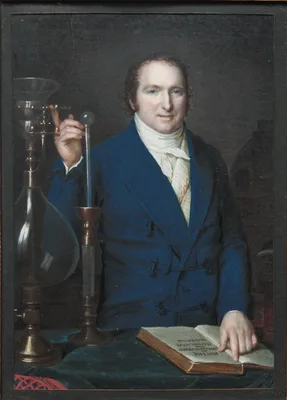
Digital facsimile from Google Books at this link.
1811
#1389.1
Analyse de la matière cérèbrale de l’homme et de quelques animaux.
First complete chemical analysis of the nervous system.
1815
#668.2
Recherches chimiques sur plusieurs corps gras, et particulièrement sur leurs combinations avec les calculs. Cinquième mémoire. Des corps qu’on a appelés adipocire, c’est-à-dire, de la substance cristallisée des calculs biliaires humains, du spermacéti et de la substance grasse des cadavres.
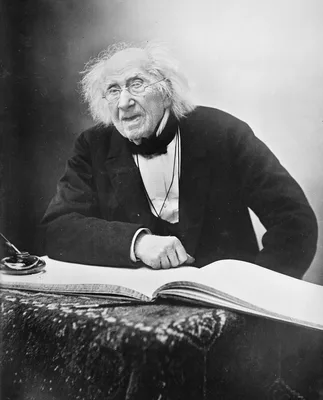
Chevreul characterized cholesterol.
1816
#13438
Catalogue of the library of the late Dr. Joseph Priestley, containing many scarce and valuable books. For sale by Thomas Dobson.
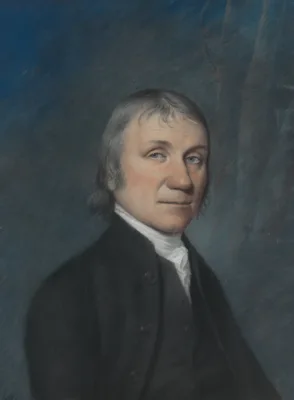
Digital facsimile from U.S. National Library of Medicine at this link.
1820
#668.3
Mémoire sur la conversion de matiéres animales en nouvelles substances par le moyen de l’acide sulfurique.
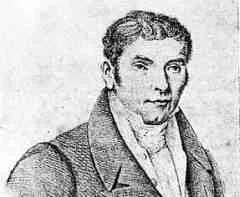
Isolation of glycine and leucine.
1820 –1821
#11411
Neueste phytochemische Entdeckungen zur Begründung einer wissenschaftlichen Phytochemie. 2 vols.
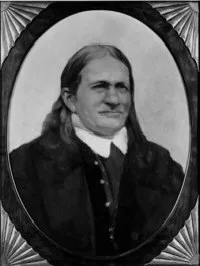
On pp. 144-146 of vol. 1 Runge reported the isolation of relatively pure caffeine for the first time. He called it "Kaffebase." Digital facsimile from Google Books at this link. In 1821 the French chemists Pierre-Jose…
1823
#669
Recherches chimiques sur les corps gras d’origine animale.
A classic study of animal fats. Chevreul discovered that fats are composed of fatty acids and glycerol.
1824
#987
On the nature of the acid and saline matters usually existing in the stomachs of animals.
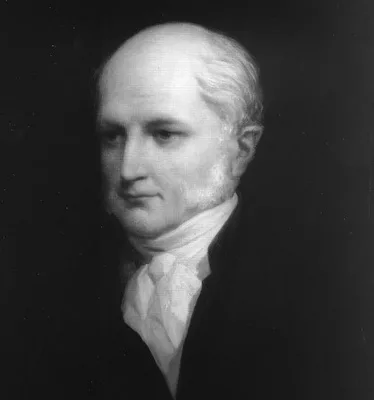
Proof that the gastric juice contains free hydrochloric acid.
1825
#14177
Commentatio de vera materiae sanguini purpureum colorem impertientis natura.
Engelhart’s dissertation, presented before the medical faculty at the University of Göttingen, contains the first determination of the molecular mass of a protein (hemoglobin). Engelhart proved that the ratio of iron …
1826
#1848.1
Sur une substance particulière contenue dans l’eau de la mer.
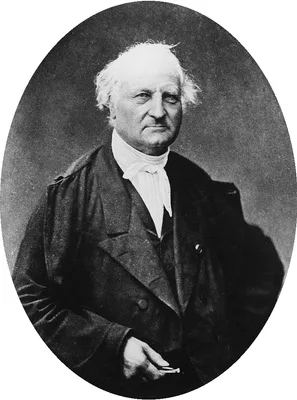
Isolation of bromine.
1827
#670
Nouvelles observations sur l’endosmose et l’exosmose.
The process by which water passes through a membrane from a solution on the one side to another solution on the other side has been known, since the classic work of Dutrochet, as “endosmosis” or “exosmosis”; the press…
1828
#671
Ueber künstliche Bildung des Harnstoffs.
The synthetic preparation of urea was the first occasion that an organic compound was built up from inorganic materials. Wöhler’s discovery led eventually to the brilliant results that have been achieved in attempts t…
1832
#672
Neues eigenthümliches stickstoffhaltiges Princip, in Muskelfleisch gefunden.
Isolation of creatine from muscle.
1832
#1852
Ueber die Verbindungen, welche durch die Einwirkung des Chlors auf Alkohol, Aether, ölbildenes Gas und Essiggeist entstehen.
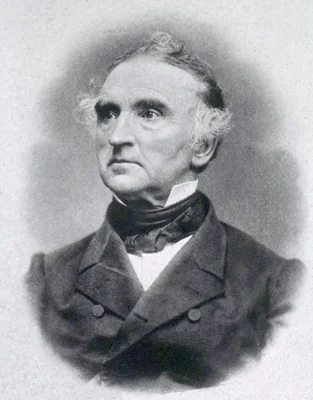
Discovery, in 1831, of chloroform and chloral. Independently chloroform was discovered by Souberian and by Guthrie.
1832
#3762
On some morbid appearances of the absorbent glands and spleen.
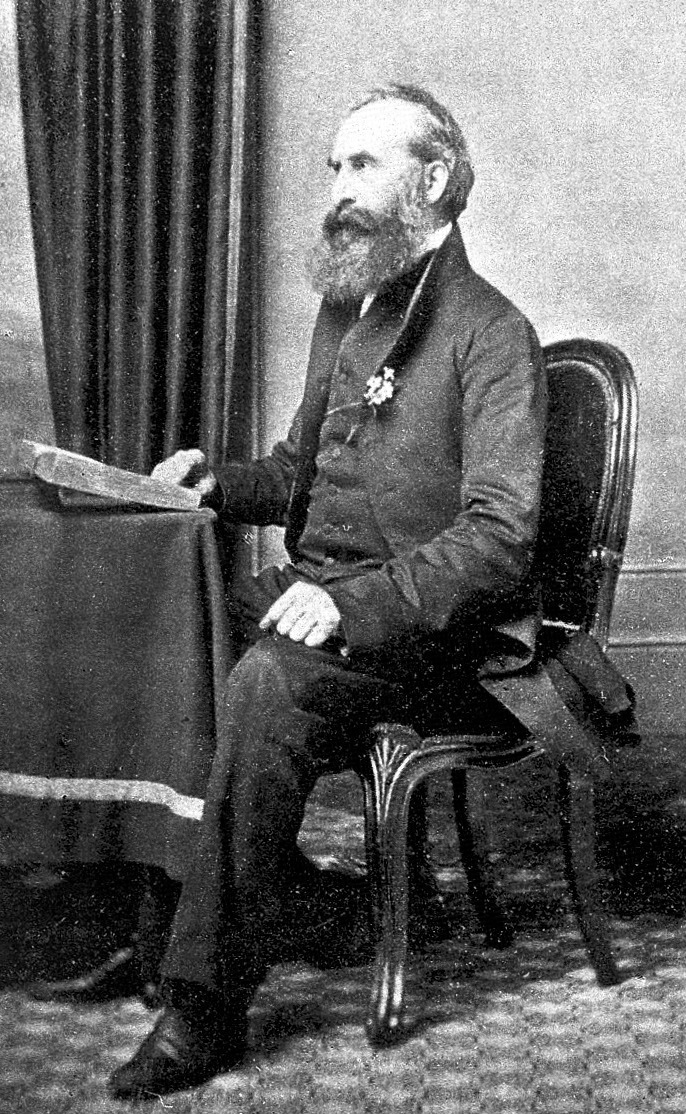
First full description of lymphadenoma, which Wilks in 1865 referred to as “Hodgkin’s disease”. This is more typically designated as Hodgkin's lymphoma. In 1666 Malpighi had vaguely outlined the condition. Hodgkin was…
1836
#3763
Commentatio de splenis hypertrophia et historia extirpationis splenis hypertrophici cum fortuna adversa.
While most people in Germany still considered splenectomy beyond the bounds of possibility, Quittenbaum performed the operation in 1829, establishing it as a surgical procedure.
1837
#673
Ueber Knorpel und Knochen.
Isolation of chondrin and glutin.
1837
#674
Vorlaüfige Mittheilung betreffend Versuche über die Weingährung und Fäulniss.
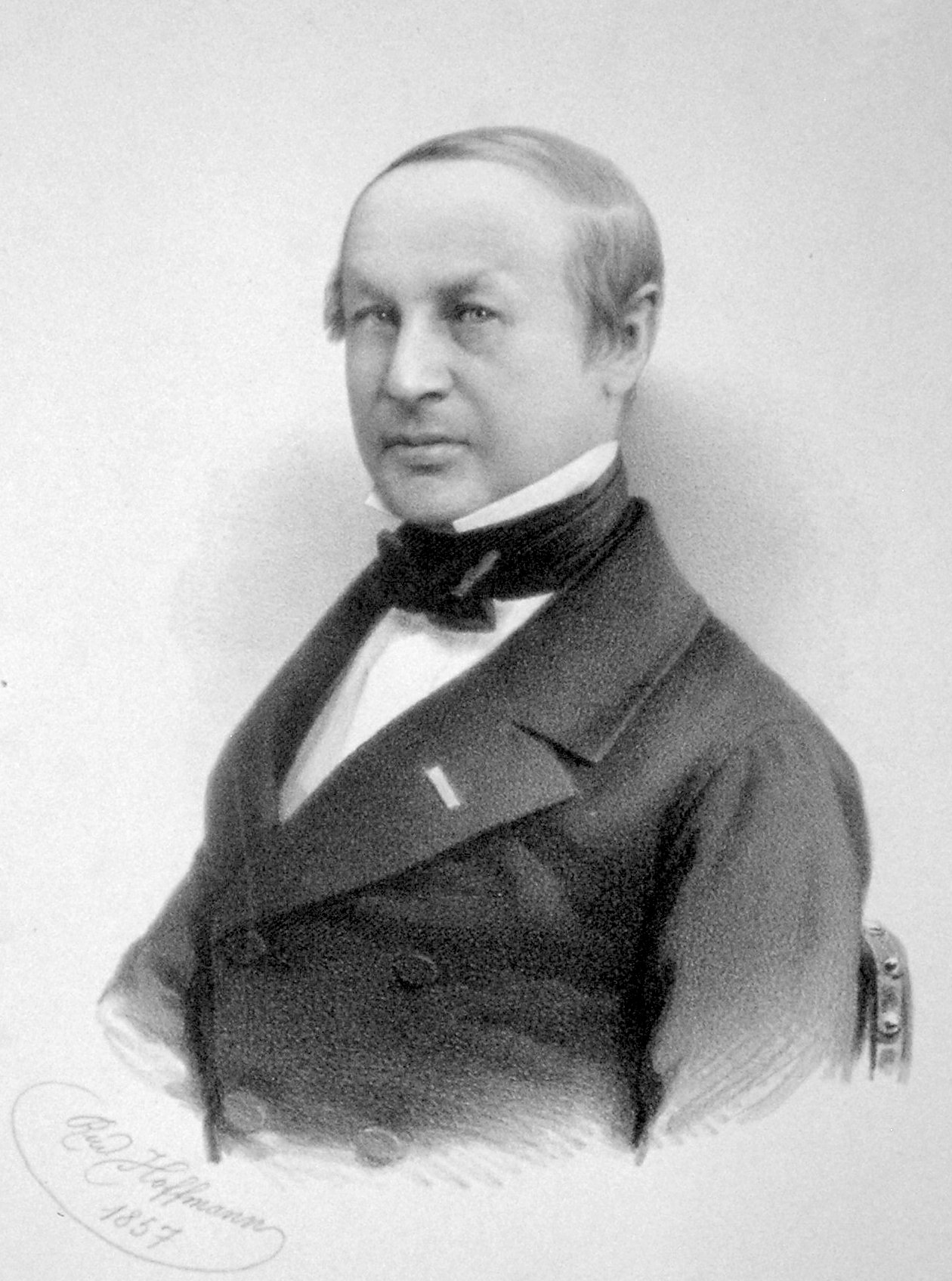
Proof that putrefaction is produced by living bodies. Independently of Cagniard-Latour, Schwann discovered the yeast cell. He is regarded as the founder of the germ theory of putrefaction and fermentation.
1837
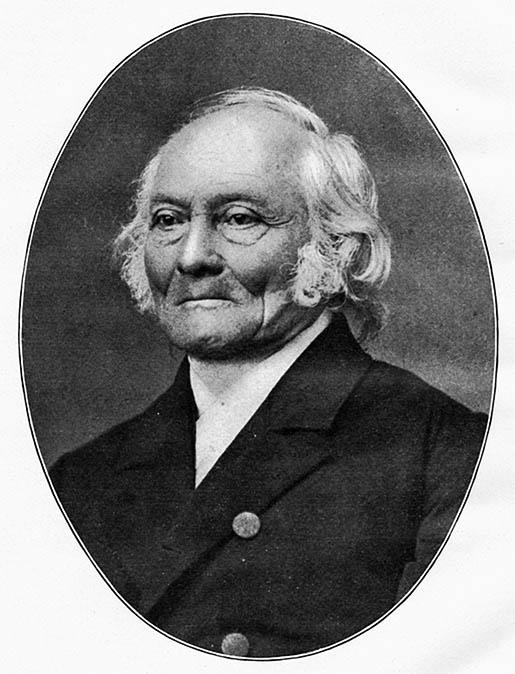
#1105
Microscopische Beobachtungen über die sichtbare Fortbewegung der Lymphkörnchen in den Lymphgefässen der Froschlarven.
1838
#675
Mémoire sur la fermentation vineuse.
The earliest demonstration of the true nature of yeast was made by Cagniard-Latour in 1836. All his work on the subject is summed up in this paper. Digital facsimile from Google Books at this link.
1838
#676
Action de l’acide hydrochlorique sur la protéine.
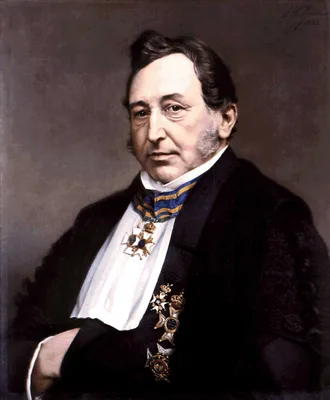
Mulder gave the name protéine (protein) to a substance which he believed to be the essential constituent of all organized bodies. Later, with Liebig, he found there was no such definite compound, but the work remained…
1839
#992
Analyses comparées des alimens consommés et des produits rendus par une vache laitière.
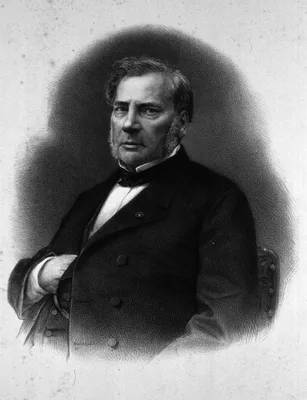
The first analysis of foodstuffs and fertilizers. Boussingault made a balance of intake and outgo of nutrients in food and excreta.
1839 –1840
#1856
The elements of materia medica, comprehending the natural history, preparation, properties, composition, effects and uses of medicines. 2 vols.
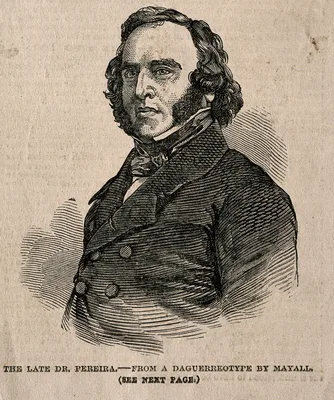
The first great English work on the subject, widely published and used in England and America. Pereira was Professor of Materia Medica at the School of Pharmacy set up by the Pharmaceutical Society of Great Britain. D…
1840
#6921
Der Chemismus in der thierischen Organisation.
Hünefeld accidentally observed the first protein crystals— those of hemoglobin—in partically dried samples of mammalian blood blood pressed between glass plates. On page 160 Hünefeld noted that he had seen, in some sa…
1842
#606
Bemerkungen über die Kräfte der unbelebten Natur.
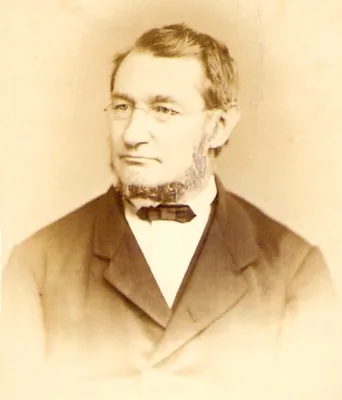
Mayer demonstrated the principle of the conservation of energy as far as physiological processes are concerned.
1842
#677
Die organische Chemie in ihrer Anwendung auf Physiologie und Pathologie.
First classification of the organic foodstuffs and the processes of nutrition. With this book Liebig introduced the concept of metabolism into physiology. English translation, London, 1842.
1842
#678
Umwandlung der Benzoësäure in Hippursäure im lebenden Organismus.
Discovery that benzoic acid taken in with food is excreted in the urine as hippuric acid. (But see the footnote to p. 474 of Garrison’s History of medicine, 1929.)
1843
#992.3
Du suc gastrique et de son rôle dans la nutrition.
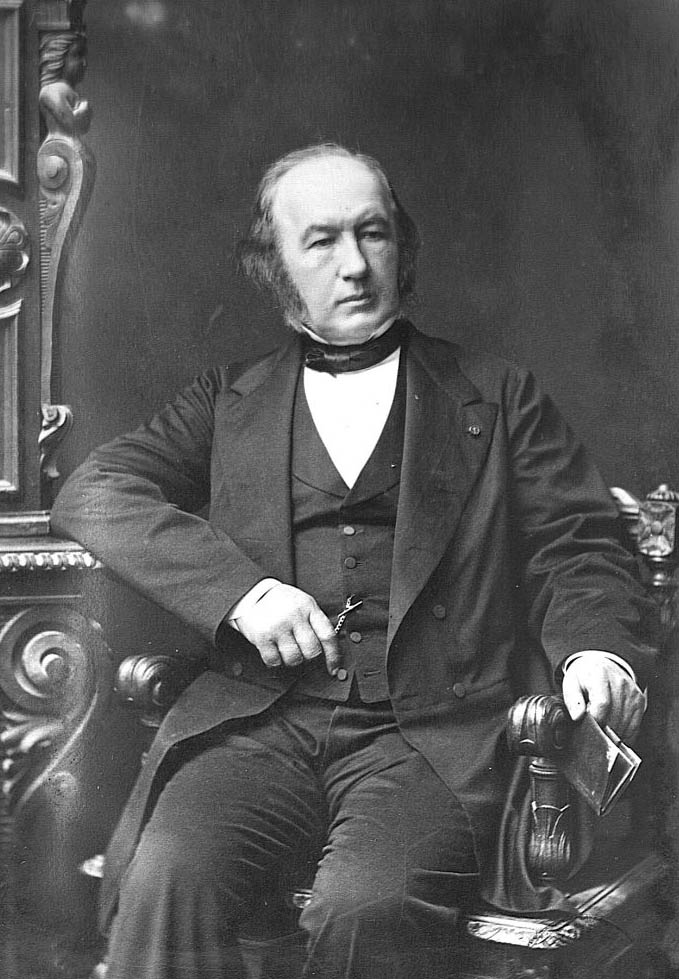
Bernard showed that if sucrose is injected directly into the blood it is eliminated by the kidneys while glucose is retained, and that gastric juice transforms sucrose into assimilable sugar. See F. J. Holmes, Claude …
1844
#679
Notiz über eine neue Reaction auf Galle und Zucker.
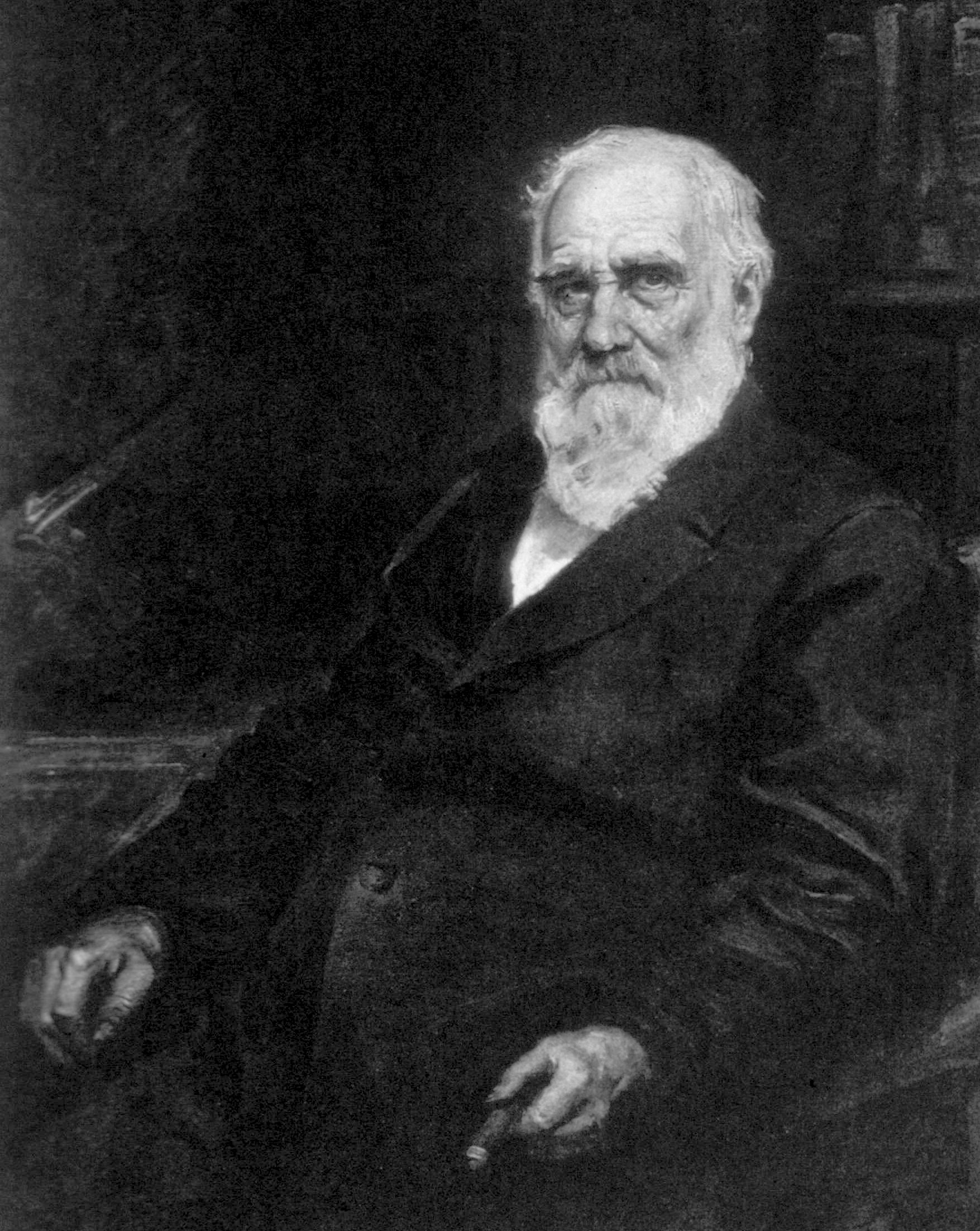
Pettenkofer’s test for bile. Previously there had been no means of recognizing the presence of the bile salts.
1844
#12695
On superstitions connected with the history and practice of medicine and surgery.
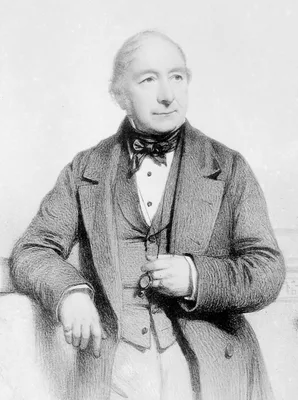
Digital facsimile from the Hathi Trust at this link.
1845
#1504
On the vision of objects on and in the eye.
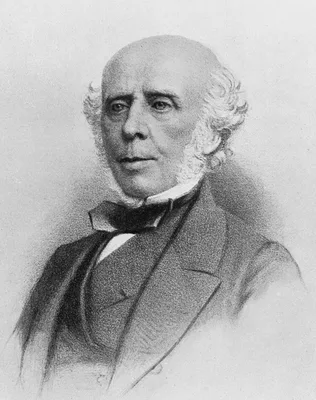
An introduction to the then little-known subject of catoptrics.
1847
#6922
Thèses de physique et de chimie, Presentées à la Faculté des Sciences de Paris.
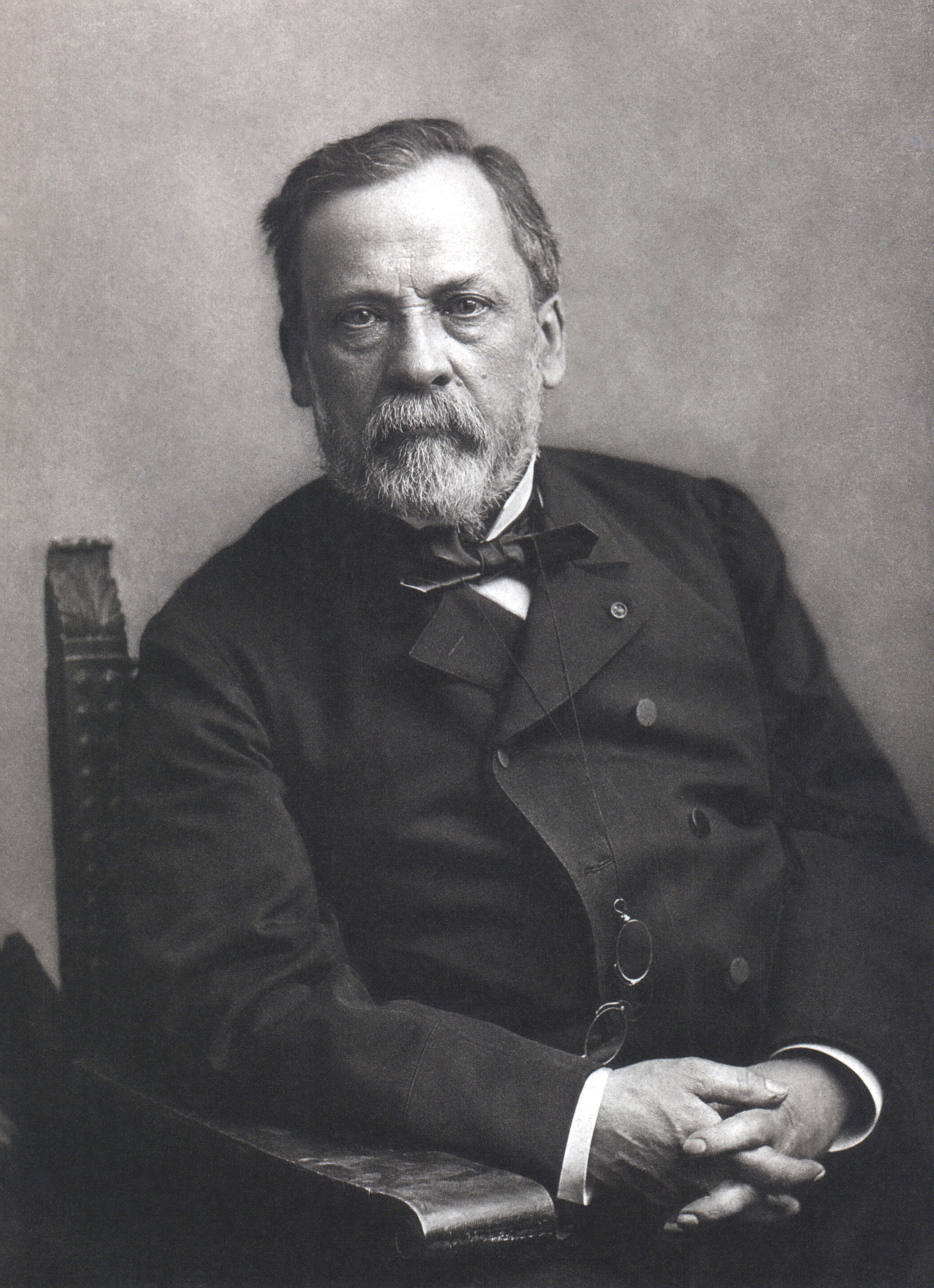
Pasteur reported a series of “investigations into the relation between optical activity, crystalline structure, and chemical composition in organic compounds, particularly tartaric and paratartaric acids. This work fo…
1848
#680
Quantitative Bestimmung des Zuckers im Harn.
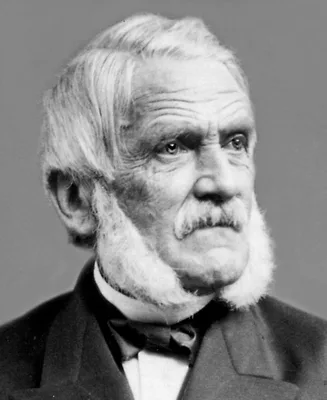
Fehling’s test for sugar in the urine.
1848
#681
Untersuchung der Ochsengalle.
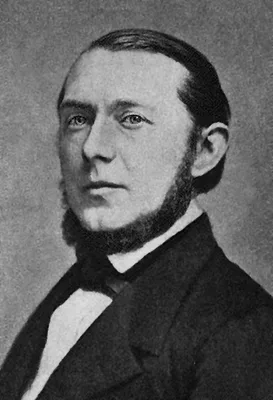
1849
#682
Ueber die endosmotischen Aequivalent und die endosmotische Theorie.
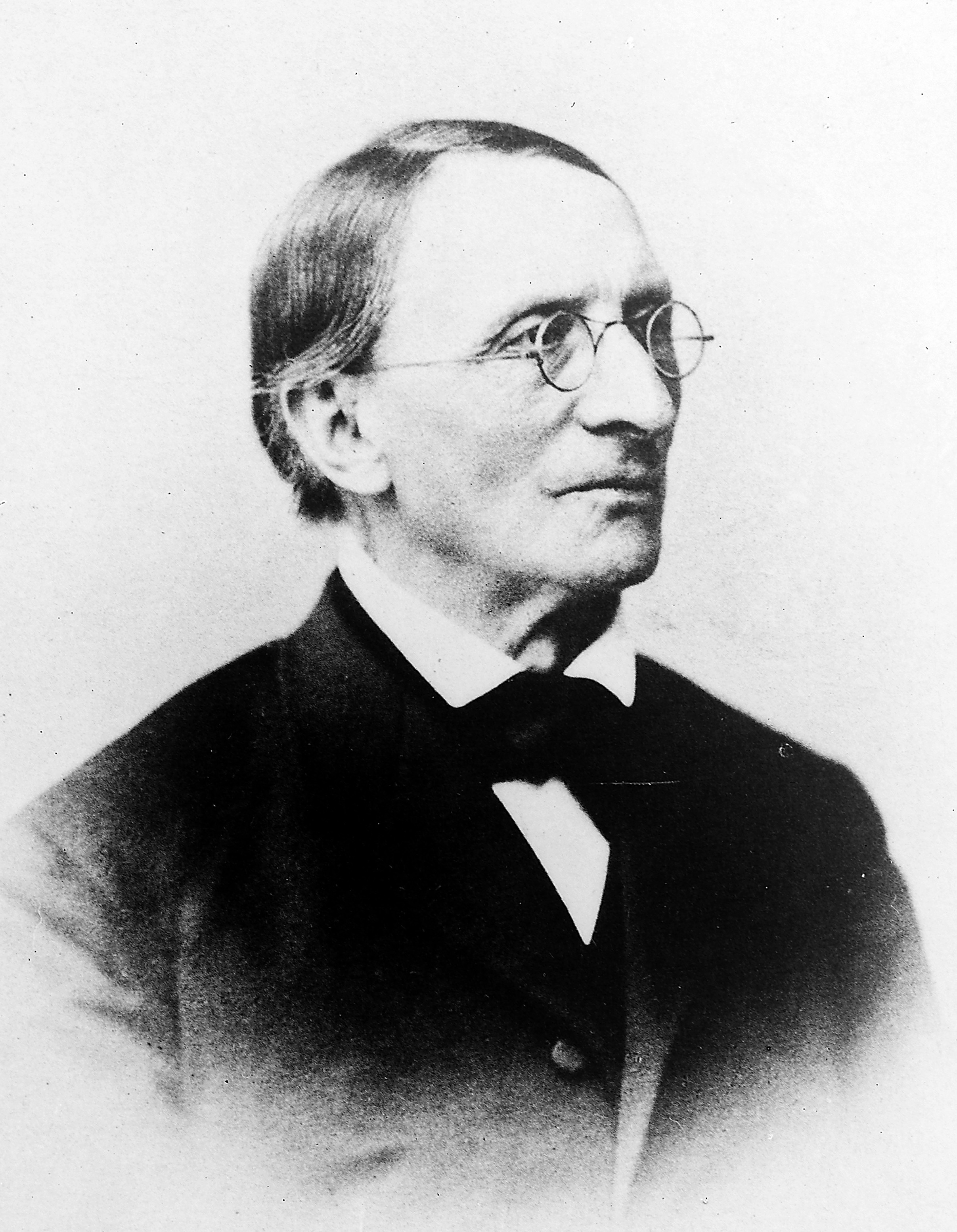
In this development of his theory of urinary secretion (see No. 1232) Ludwig made important observations on endosmosis.
1849
#683
Sur un réactif propre aux composés protéiques.
Millon discovered a special reagent for proteids.
1849
#1106
De cursu lymphae in vasis lymphaticis.
Noll advanced the theory that lymph is formed by the diffusion of fluids from the blood through the vessel walls into the surrounding tissues.
1852
#999
Die Verdauungssäfte und der Stoffwechsel.
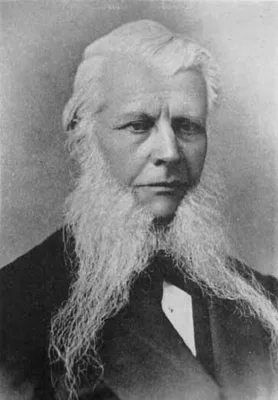
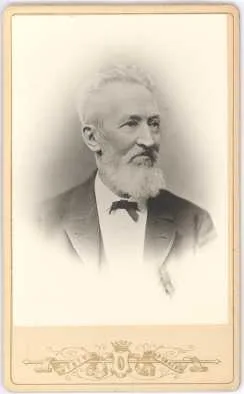
Even after the work of Prout and Beaumont, some physiologists thought that the free acid of the gastric juice was lactic acid; Bidder and Schmidt finally proved that normally the gastric juice always contains HCl in e…
1852
#115
Der Kreislauf des Lebens.
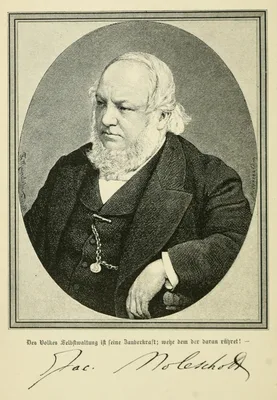
This work attacked Liebig’s theories, although courteously. Moleschott, a Dutch physiologist, evolved a purely materialistic conception of the world. He considered life a magnificent metabolic process, and thought a p…
1853
#684
Atlas der physiologischen Chemie.
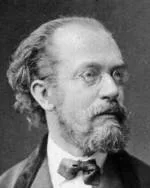
1853
#685
Ueber einige Harnstoffverbindungen und eine neue Methode zur Bestimmung von Kochsalz und Harnstoff im Ham.
Liebig’s method of estimating urea.
1854
#685.1
Ueber das Vorkommen von Leucin und Tyrosin in der menschlichen Leber.
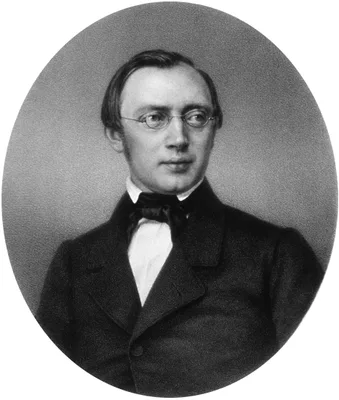
Discovery of leucine and tyrosine in the urine.
1854
#686
On osmotic force.
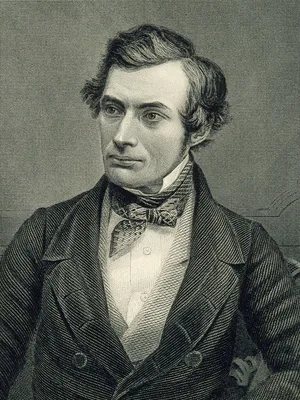
Investigation of osmotic force; provided important information for the physiologists.
1854
#2124
Mémoire sur les effets de la compression de l’air.
An early paper on “caisson sickness”.
1854
#13388
Chemical atlas; or, the chemistry of familiar objects: Exhibiting the general principles of the science in a series of beautifully colored diagrams, and accompanied by explanatory essays, embracing the latest views of the subjects illustrated. Designed for the use of students and pupils in all schools where chemistry is taught.
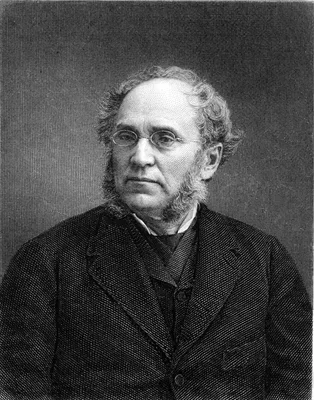
The diagrams in this pioneering work in information graphics were printed in red and black; a variety of other colors were applied by hand. Digital facsimile from digital.sciencehistory.org at this link.