
Latest Entries
Recently added and updated annotations in the corpus.
2022
#14022
The complete sequence of a human genome.


The first sequence of the complete human genome, telomere to telomere, including transcriptional and epigenetic state of the repeat elements, adding 8% novel genome information left unresolved since the 2001 draft seq…
1986
#14021
The anatomy of the infant head.
1971
#14020
The anatomical basis of medical practice.
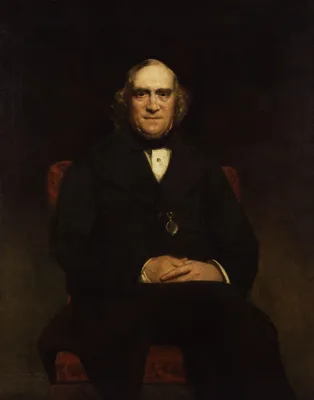
A notorious anatomy textbook that was pulled from the market by the publisher due to protest over its use of Playboy magazine type models to illustrate female external anatomy, as well as its sexist language. Preface:…
1887
#14019
The topographical anatomy of the child.
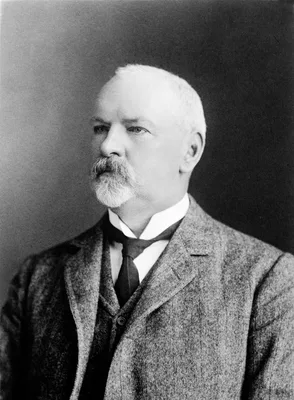
The first part of this work concerns cross-sectional anatomy; the second part systematically discusses the differences between anatomy in children and adults of different parts of the body.
1982
#14018
Agrobacterium rhizogenes inserts T-DNA into the genomes of the host plant root cells.

Chilton was the first (1977) to demonstrate the presence of a fragment of Agrobacterium Ti plasmid DNA in the nuclear DNA of crown gall tissue. Her research on Agrobacterium also showed that the genes responsible for …
1834
#14017
Graphic illustrations of abortion and the diseases of menstruation. Consisting of twelve plates from drawings engraved on stone, and coloured by Mr. J. Perry, and two copperplates from the Philosophical transactions, coloured by the same artist. The whole representing forty-five specimens of aborted ova and adventitious productions of the uterus, with preliminary observations, explanations of the figures, and remarks anatomical and physiological.
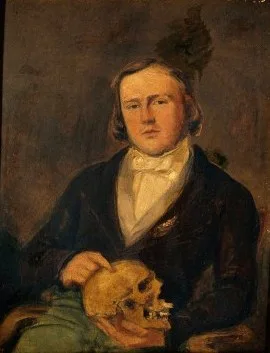
Concerns miscarriage and aberrant gestation rather than removal or expulsion of embryo or fetus. Digital facsimile from wellcomecollection.org at this link.
1994
#14016
Location of a breast cancer susceptibility gene, BRACA2, to chromosome 13q12-13.
Stratton and colleagues discovered the BRCA2 gene. Oder of authorship in the original publication: Wooster, Neuhausen, Mangion....Stratton. (Thanks to Juan Weiss for this reference and its interpretation.)
1994
#14015
A strong candidate for the breast and ovarian cancer susceptibility gene BRCA1.
Discovery of the BRCA1 gene using the technique of restriction fragment length polymorphism (RFLP). (Thanks to Juan Weiss for this reference and its interpretation.)
2019
#14014
Machine learning identification of surgical and operative factors associated with surgical expertise in virtual reality simulation.

"Abstract "Importance Despite advances in the assessment of technical skills in surgery, a clear understanding of the composites of technical expertise is lacking. Surgical simulation allows for the quantitation of ps…
2012
#14013
A physics-based virtual simulator for cranial microneurosurgery training.
"Abstract "BACKGROUND: "A virtual reality neurosurgery simulator with haptic feedback may help in the training and assessment of technical skills requiring the use of tactile and visual cues. "OBJECTIVE: "To develop a…
2019
#14012
Sir William Osler's Leonardo da Vinci collection: Flight, anatomy and art.
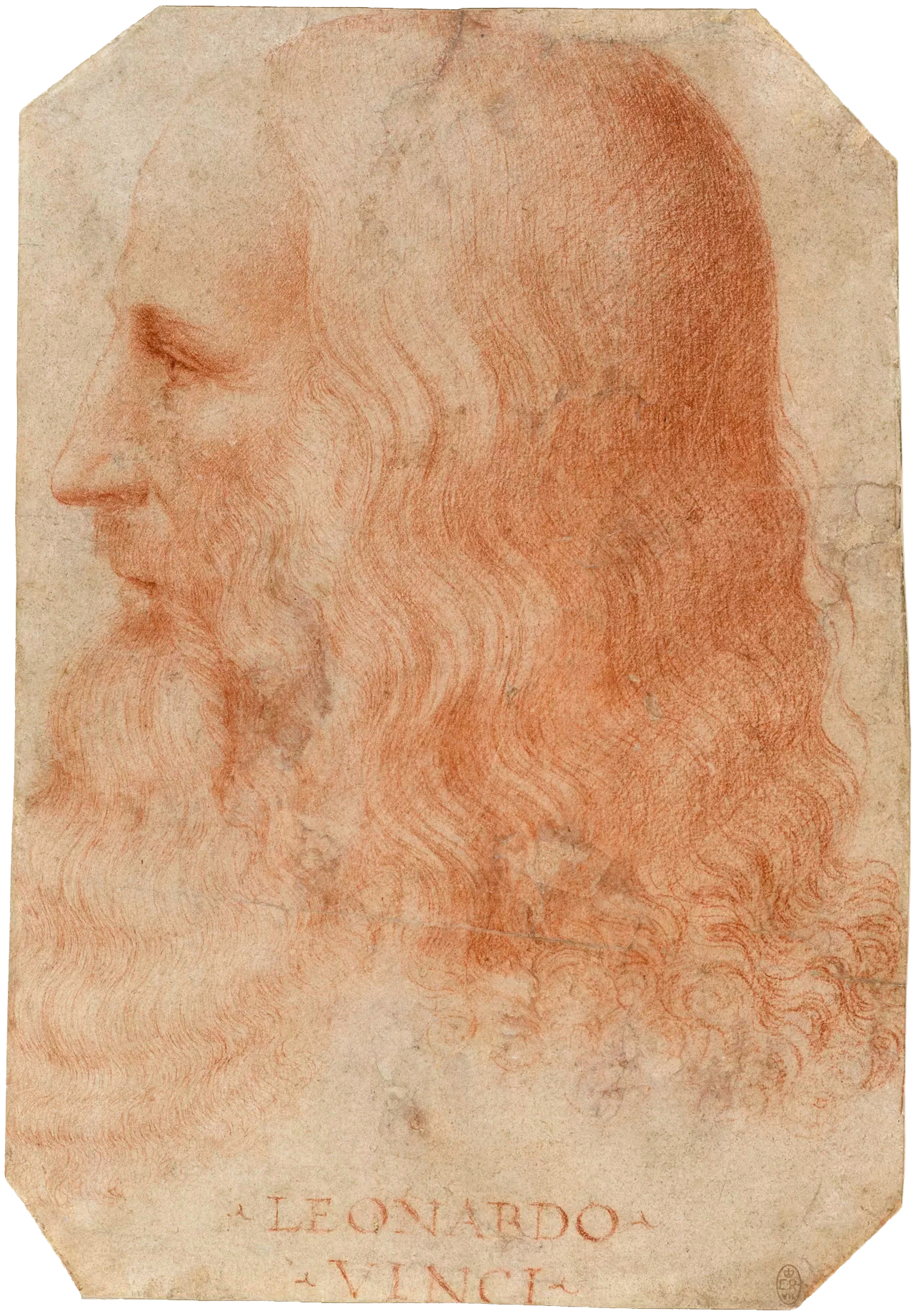
2008
#14011
A history of neuro-oncology.
1993
#14010
The C. elegans heterochronic gene lin-4 encodes small RNAs with antisense complementarity to lin-14.


Ambros and colleagues discovered the first known microRNA (miRNA), a small single-stranded non-coding RNA molecule (containing about 22 nucleotides) found in plants, animals and some viruses, that functions in RNA sil…
1992
#14009
Unusual resistance to peptidyl transferase to protein extraction procedures.
Noller demonstrated that the ribosome is a ribozyme, a critical step in understanding how ribosomes translate the genetic information in DNA into the language of proteins.
1993
#14008
A novel gene containing a trinucleotide repeat that is expanded and unstable on Huntington's disease chromosomes.
Identification by the many scientists in The Huntington's Disease Collaborative Research Group, including Gusella, of the single defective gene on chromosome 4 that causes the progressive brain disorder, Huntington's …
1979
#14007
Characterization of a 54K Dalton cellular SV40 tumor antigen present in SV40 transformed cells and uninfected embryonal carcinoma cells.
Levine discovered the tumor suppressor protein p53, also known as Tumor protein P53. Because it prevents cancer formation TP 53 is classified as a tumor suppressor gene. The discovery was completed in 1989 and recorde…
1975
#14006
Application of synchrotron radiation to protein crystallography: Preliminary results.
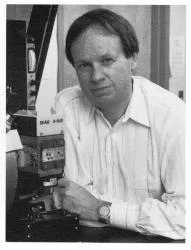
First report on the application of synchrotron radiation to protein crystallography. Order of authorship in the original publication: Phillips, Wlodwawer..., Hodgson. Digital facsimile from pnas.org at this link. "Syn…
1943
#14005
Electron microscope studies of bacterial viruses.
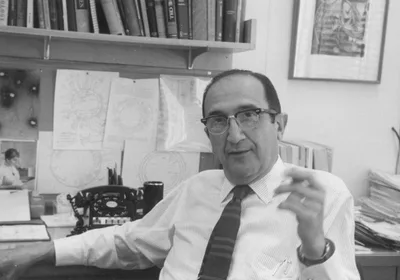
This work demonstrated the absorption of the phages on the host cell, and the lysis of the host cell and the liberation of a hundred or so daughter paritcles from each cell. It also showed that the particles multiply …
1942
#14004
The identification and characterization of bacteriophages with the electron microscope.
First identification, observation under the electron microscope, and reproduction of photomicrographs of bacteriophages taken through the electron microscope. Digital facsimile, but with poor reproductions of the two …
1926
#14003
Le bactériophage et son comportement.
In this book d'Hérelle reported on the results of quantitative work based on the plaque-count, and dilution methods of assay that he invented. He described a three-step process for the life history of the bacteriophag…
1696
#14002
G[othofredi]. G[uillelmi]. L[eibnitii]. Relatio ad inclytam Societatem Leopoldinam Naturae Curiosorum, de novo antidysenterico Americano magnis successibus comprobato.
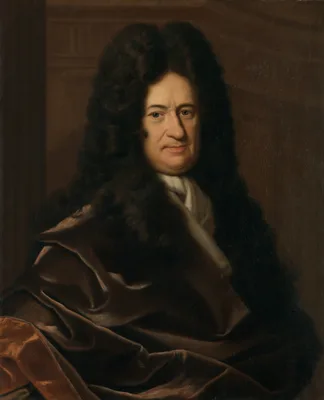
This study of the ipecacuanha root and its effects as a emetic, nauseant, expectorant and dispahoretic, Leibniz issued on what he called "the new American antidysentery drug" after reading about the root in Piso and M…
1955
#14001
Structure of tobacco mosaic virus.
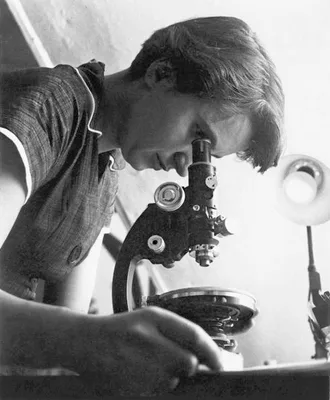
The first discovery of the geometry of a protein structure. Franklin, whose X-ray photographs of DNA were crucial to Watson and Crick's discovery of the molecule's double helix structure in 1953, began researching the…
1954
#14000
Plaque formation and isolation of pure lines with poliomyelitis viruses.
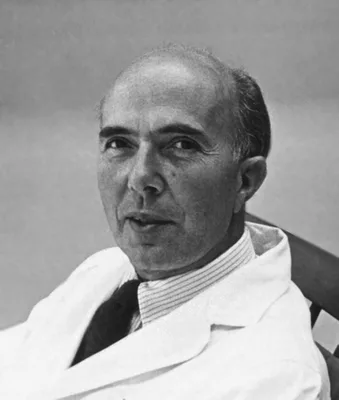
Dulbecco and Vogt were the first to successfully grow the poliovirus in vitro. They were also able to plaque purify it-- an essential step for subsequent vaccine production.
1952
#13999
Production of plaques in monolayer tissue cultures by single particles of an animal virus.
Following Max Delbruck's advice, Dulbecco visited the major centers of animal virus work in the US in order to discover a way to quantitatively assay animal viruses by a plaque technique, similar to the technique that…
1952
#13998
The structure of synthetic polypeptides. 1. The transform of atoms on a helix.
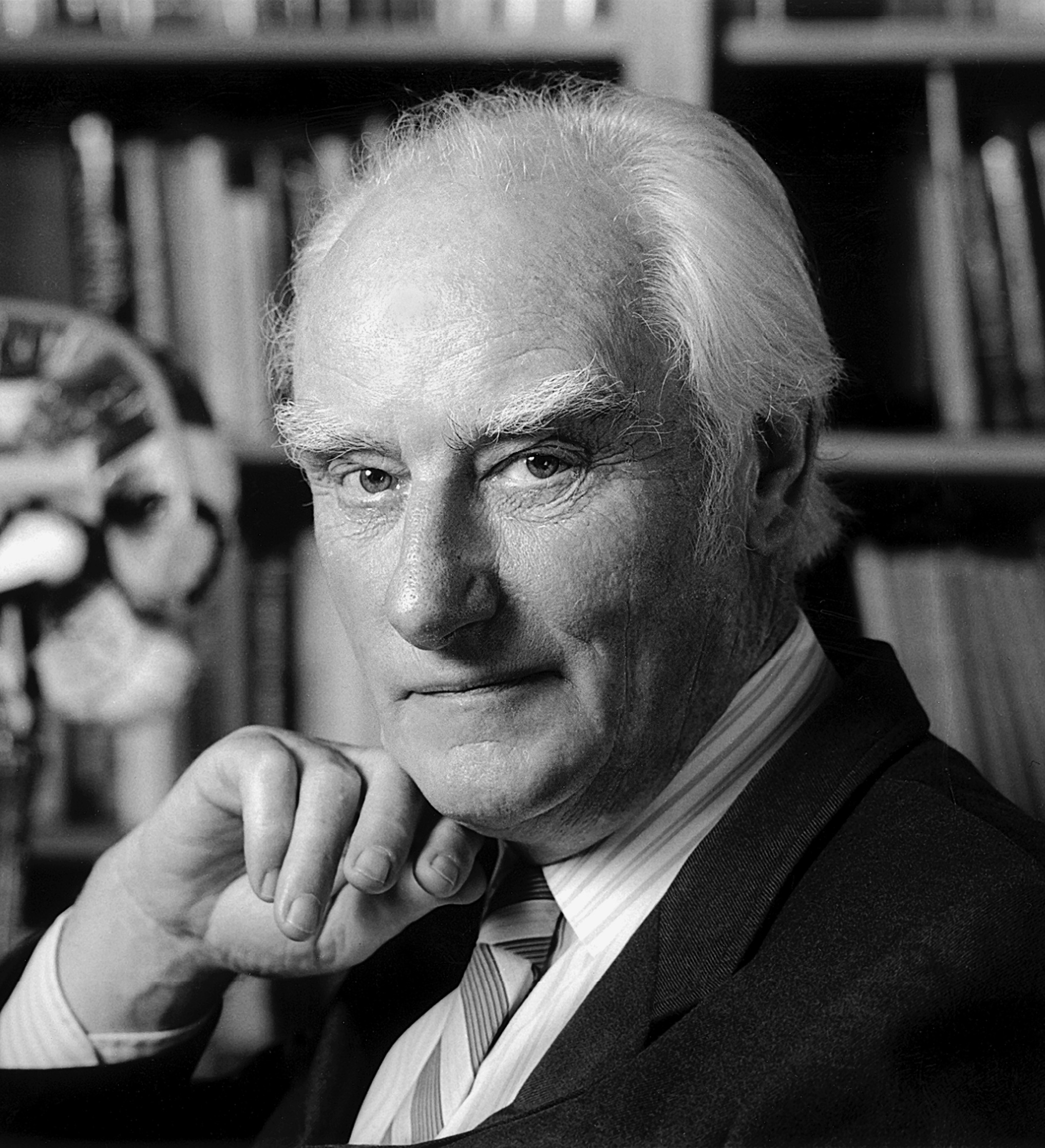
This paper gives the formulae for the Fourier transforms of a number of helical structures, and provides evidence that the structure of a synthetic polypeptide was based on the alpha helix of Pauling and Corey. "It wa…
1968
#13997
Los Médicos y las Enfermedades de Monterrey [1881]. Memorias de Gonzalitos que se publican con una introducción sobre su vida y su obra por Francisco Guerra.
Edition by Francisco Guerra and first publication of a manuscript by Eleuterio in the Wellcome Library. According to the catalogue of the Wellcome archives the contents are as follows: "Los médicos y las enfermedades …
1927
#13996
Metatarsus atavicus: The identification of a distinct type of foot disorder.
"Morton's toe," the condition of having a first metatarsal which is short in relation to the second metatarsal. It is a type of brachymetatarsia. See also Morton, The human foot: Its evolutionary development, physiolo…
1960
#13995
L'opéron: Groupe de gènes à expression coordonnée par un opérateur.
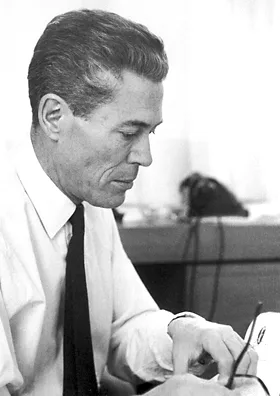
Jacob and Monod received their share of the Nobel Prize in 1965 for their discoveries concerning the operon and viral synthesis. The first operon they described was the lac operon in E. coli. Their operon theory sugge…
1954
#13994
Induction spontanée du développement du bactériophage lambda au cours de la recombinaison génétique, chez Escherichia coli K 12.
Wollman and Jacob discovered zygotic induction. This occurs when a bacterial cell carrying the silenced DNA of a bacteriophage transfers the viral DNA along with its own DNA in its chromosome to another bacterial cell…
1980
#13993
Are snRNPs involved in splicing?
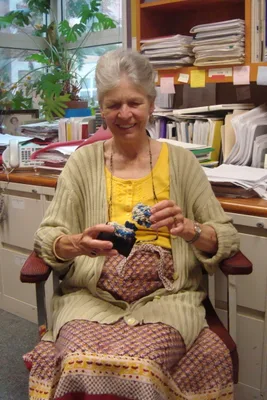
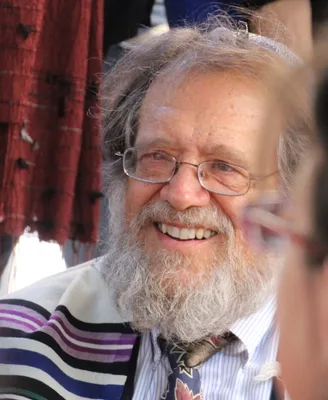

Steitz and Lerner used immunoprecipitation with human antibodies from patients with autoimmunity to isolate and identify the novel entities snRNPs (pronounced "snurps") and detect their role in splicing. A snRNP is a …
1965
#13992
The synthesis of a self-propagating and infectious nucleic acid with a purified enzyme.
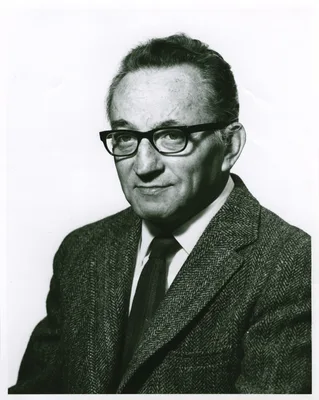
Spiegelman's Monster, the name given to an RNA chain of only 218 nucleotides that can be reproduced by the RNA replication enzyme RNA-dependent RNA polymerase, also called RNA replicase. Spiegelman achieved the first …
1984
#13991
Completion of mouse embryogenesis requires both the maternal and paternal genomes.
Solter discovered mammalian genomic imprinting that causes parent-of-origin specific gene expression, with consequences for development and disease. "Genomic imprinting is an epigenetic phenomenon that causes genes to…
1986
#13990
Fluorescence detection in automated DNA sequence analysis.


Invention of the first semi-automated DNA sequencing machine by Leroy H. Hood, Lloyd M. Smith and colleagues. Abstract of the paper: "We have developed a method for the partial automation of DNA sequence analysis. Flu…
1983
#13989
Expression of chimaeric genes transferred into plant cells using a Ti-plasmid-derived vector.
Schell and Montagu discovered the gene transfer mechanism between Agrobacterium and plants, which resulted in the development of methods to alter Agrobacterium into an efficient delivery system for gene engineering in…
1967
#13988
Specific binding of the λ phage repressor to λ DNA.
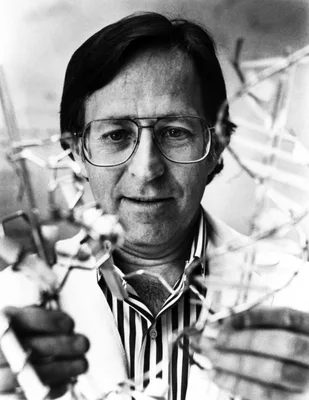
Ptashne was the first to demonstrate specific binding between protein and DNA. Abstract for the paper: "Genetic experiments show that a group of genes may be switched off by the product of a regulator gene, called a r…
1968
#13987
Mechanism of DNA chain growth, I. Possible discontinuity and unusual secondary structure of newly synthesized chains.

The Okazakis discovered what became known as Okazaki fragments, short sequences of DNA nucleotides (approximately 150 to 200 base pairs long in eukaryotes) which are synthesized discontinuously and later linked togeth…
1978
#13986
Mutagenesis at a specific position in a DNA sequence.
Smith and Hutchison introduced site-directed mutagenesis, or oligonucleotide-directed mutagenesis, into molecular biology, resolving the problem of how to determine the effect of a single mutant gene with efficiency. …
1980
#13985
Transforming gene product of Rous sarcoma virus phosphorylates tyrosine.
Tony Hunter discovered that tyrosine phosphorylation is a fundamental mechanism for transmembrane-signal transduction in response to growth factor stimulation, and that disregulation of such tyrosine phosphorylation, …
1964
#13984
A mechanism for gene conversion in fungi.
Holliday described a mechanism of DNA-strand exchange that attempted to explain gene-conversion events that occur during meiosis in fungi. That model became known as the Holliday Junction. "A Holliday junction is a br…
1952
#13983
Recombination in Bact. coli K 12: Unidirectional transfer of genetic material.
Hayes "developed the concept of a donor–recipient partnership with uni-directional transfer of genetic material. The importance of this discovery was quickly emphasised and widely recognised when he found that only a …
2000
#13982
Architecture of RNA polymerase II and implications for the transcription mechanism.

Kornberg devoted two decades to the development of methods to visualize the atomic structure of RNA polymerase and its associated protein components. Initially, Kornberg took advantage of expertise with lipid membrane…
1979
#13980
Expression in Escherichia coli of chemically synthesized genes for human insulin (plasmid construction / lac operon / fused proteins / radioimmunoassay / peptide purification).
Working at Genentech, Kleid and Goeddel and colleagues were the first scientists to apply genetic engineering techniques, incorporating chemically synthesized DNA encoding human insulin into E. coli, that expressed, a…
2001
#13979
Deutsche Medizin im Dritten Reich: Karrieren vor und nach 1945.
1976
#13978
DNA gyrase: An enzyme that introduces superhelical turns into DNA (Escherichia coli / ATP-dependent reaction / superhelix density).

Order of authorship in the original publication: Gellert, Mizuuchi, O'Dea, Nash. Discovery of DNA gyrase, the first type II topoisomerase to be discovered. "It is the only type II enzyme to retain its historical name.…
1998
#13977
Derivation of pluripotent stem cells from cultured human primordial germ cells.
Order of authorship in the original publication: Shamblott, Axelman,... Gearheart. Gearheart led the team that successfully developed human embryonic germ cells, pluripotent stem cells derived from primordial germ cel…
1976
#13976
Reovirus messenger RNA contains a methylated, blocked 5'-terminal structure: m7G(5')ppp(5')GmpCp.
Furuichi, working in Shatkin's laboratory, discovered that the viral mRNAs synthesized in vitro by the virion-associated RNA polymerase of reovirus contain a unique 5′-terminal structure m7GpppNm or cap. The precise b…
1983
#13975
Metallothionein - human GH fusion genes stimulate growth of mice.
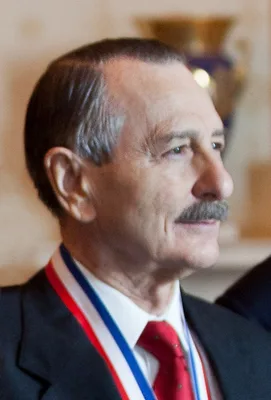
Brinster and Palmiter created the first "transgenic" animals, transferring non-native genes into mice through genetic engineering techniques. The cover of the issue of Science magazine in which this paper was publishe…
1986
#13974
A human DNA segment with properties of the gene that predisposes to retinoblastoma and osteosarcoma.


Isolation of the first human tumor suppressor gene. Order of authorship in the original publication: Friend, Bernards, Rogeli, Weinberg, Rapaport, Albert, Dryja.
1971
#13973
Polyadenylic acid sequences in the heterogeneous nuclear RNA and rapidly-labeled polyribosomal RNA of HeLa cells: Possible evidence for a precursor relationship.
Edmonds discovered the poly-A tails on eukaryotic mRNA. The addition of a poly(A) tail to an RNA transcript, typically a messenger RNA (mRNA), is called polyadenylation. Poly(A)polymerase was first identified in 1960 …
1976
#13972
A colony bank containing synthetic Col El hybrid plasmids representative of the entire E. coli genome.
First description of a "complete" genomic library. This paper includes the Carbon-Clarke equation used for calculating the number of clones required when constructing a clone library to ensure a given probability (usu…