
Latest Entries
Recently added and updated annotations in the corpus.
1969
#13971
Isolation of pure lac operon DNA.
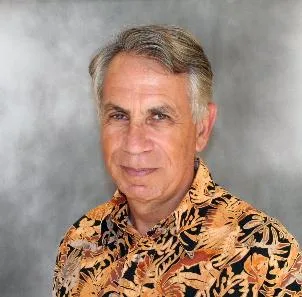
Order of authorship in the original publication: Shapiro, MacHattie, Eron, Ihler, Ippen, Beckwith. Beckwith led the research group that in 1969 isolated the first gene from an organism, specifically a gene from a bact…
1952
#13970
Genetic exchange in salmonella.
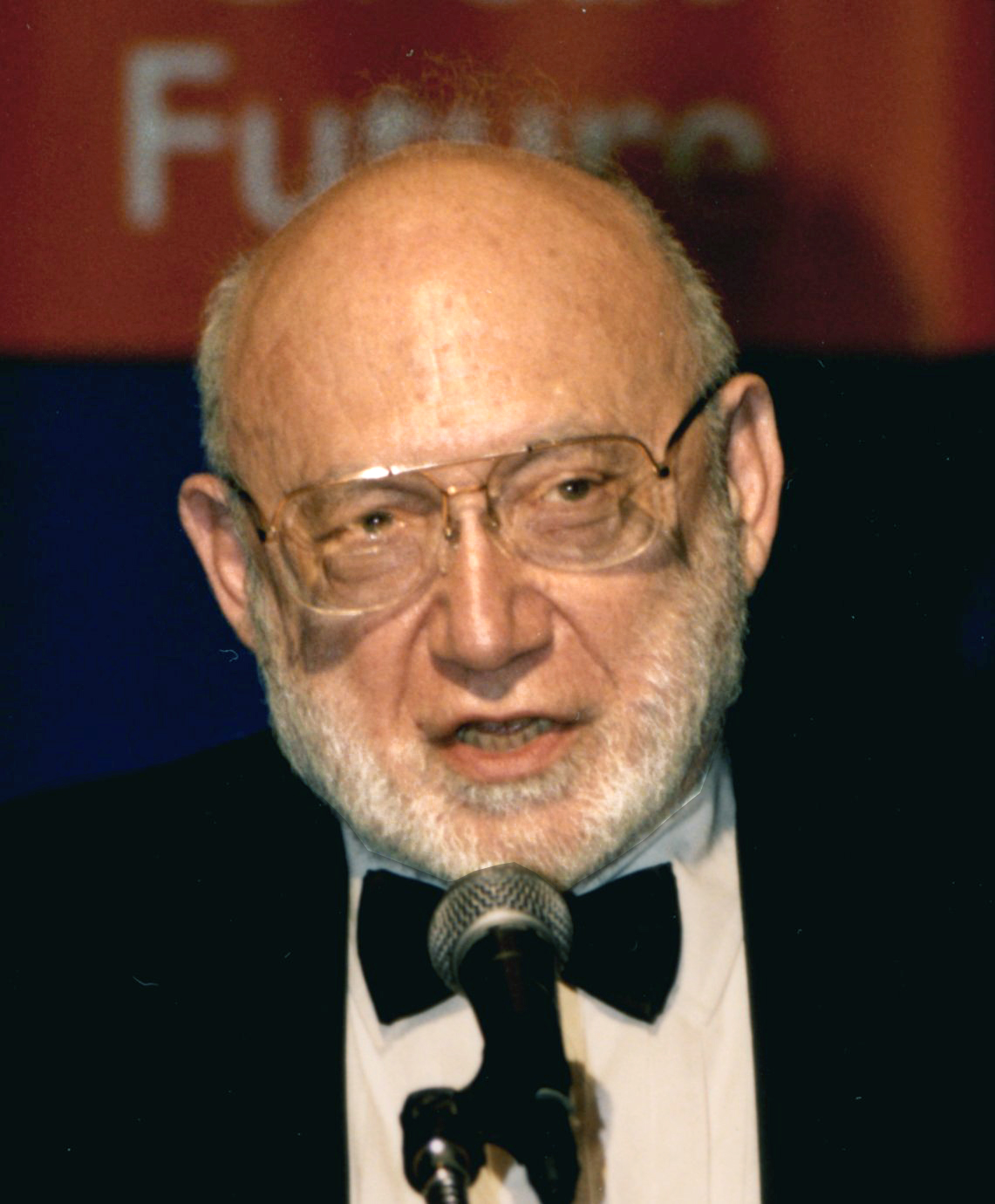
Working as a graduate student with Lederberg, Zinder discovered that a bacteriophage can carry genes from one bacterium to another. Initial experiments were carried out using Salmonella. Zinder and Lederberg named thi…
1978
#13969
Inhibition of Rous sarcoma virus replication and cell transformation by a specific oligodeoxynucleotide (tridecamer deoxyribonucleotide/hybridization competitor/hybridon).
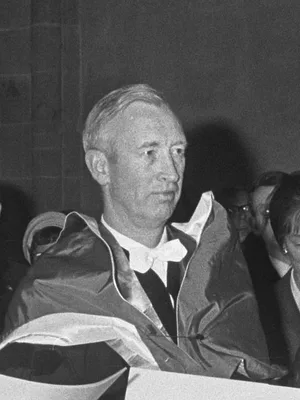
Zamecnick and Stephenson reported the first example of specific inhibition of gene expression by an oligonucleotide when they demonstrated that a short oligonucleotide inhibited Rous sarcoma virus replication in cell …
1964
#13968
Co-linearity of the gene with the polypeptide chain.
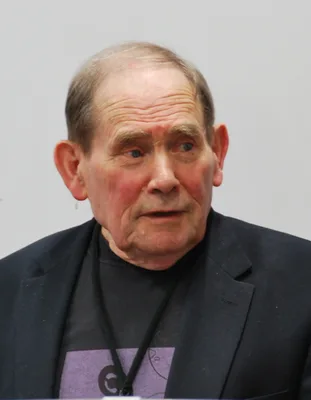
Order of authorship in the original publication: Sarabhai, Stretton, Brenner, Bolle. Brenner (Nobel Prize 2002) and colleagues performed the first study to show co-linearity; i.e., that there is a simple congruence be…
1966
#13967
Codon-anticodon pairing: The wobble hypothesis.
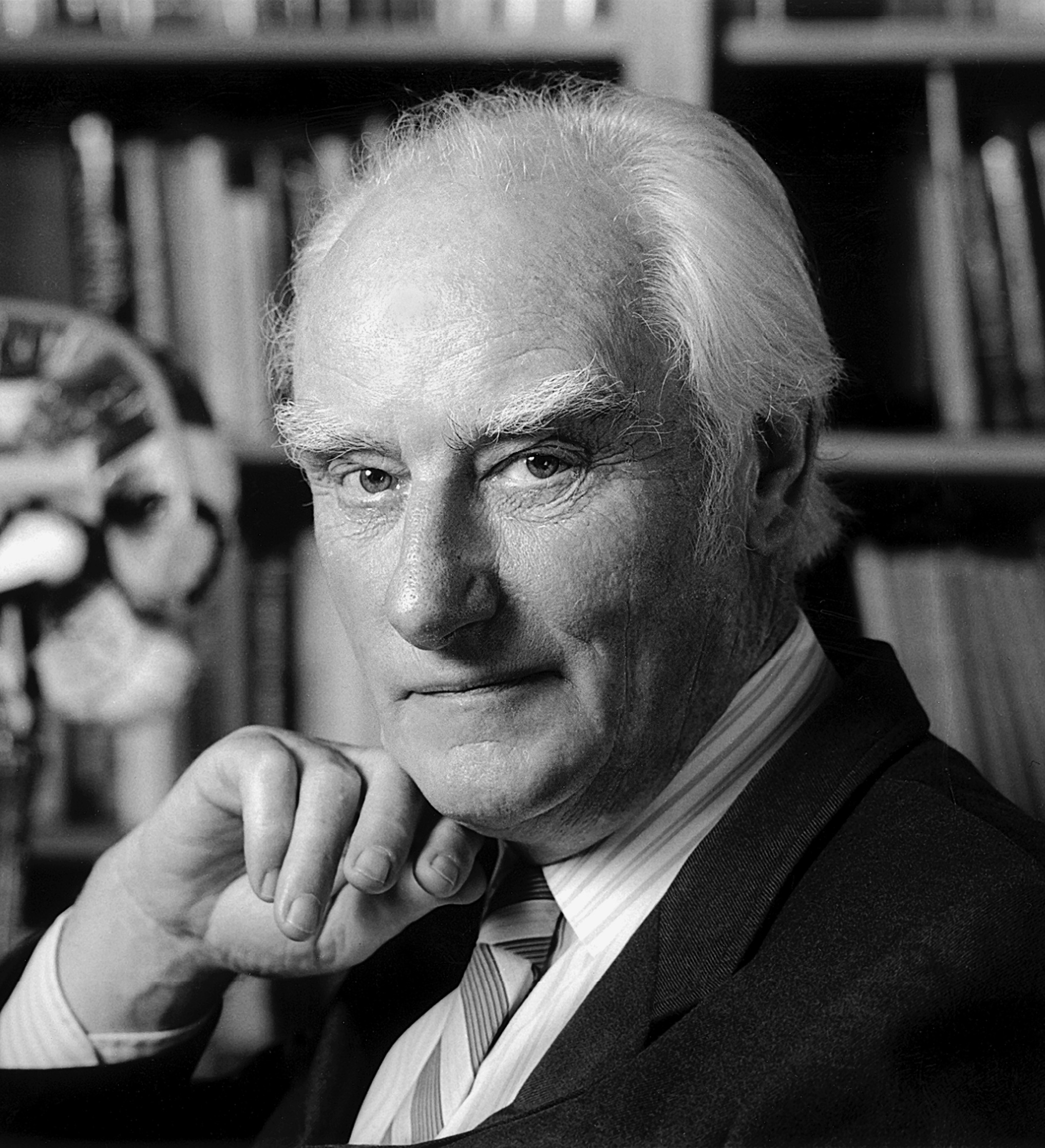
"In the genetic code, there are 43 = 64 possible codons (3 nucleotide sequences). For translation, each of these codons requires a tRNA molecule with an anticodon with which it can stably complement. If each tRNA mole…
1990
#13966
Linkage of early-onset familial breast cancer to Chromosome 17q21.
King showed that breast cancer can be inherited due to mutations in the Breast cancer type 1 susceptibility protein, a protein that in humans is encoded by the BRAC1 gene. BRCA1 is a human tumor suppressor gene (also …
1953
#13965
The transplantability of nuclei of arrested hybrid blastulae (R. pipiens female X R. catesbeiana male).
King and Briggs cloned a frog by nuclear transfer of embryonic cells. Their experiment was the first successful nuclear transplanation performed in metazoans. The same cloning technique, using somatic cells, was later…
1971
#13964
Mutation and cancer: Statistical study of retinoblastoma.
In this paper Knudson first described his "two-hit hypothesis," also known as the "Knudson hypothesis," which explains the incidence of hereditary cancers, such as retinoblastoma. "Humans inherit two copies of every g…
1965
#13963
The twisted circular form of polyoma viral DNA.
Discovery of DNA supercoiling. DNA supercoiling refers to the amount of twist in a particular DNA strand, which determines the amount of strain on it. A given strand may be "positively supercoiled" or "negatively supe…
1960
#13962
Strand separation and specific recombination in deoxyribonucleic acids: Biological studies: Physical chemical studies.
While working in the laboratory of Paul Doty at Harvard University, Marmur discovered that the denaturation of DNA was reversible (DNA hybridization) and depended on salt- and GC-content. Marmur and Doty accurately de…
1981
#13961
Isolation of a pluripotent cell line from early mouse embryos cultured in medium conditioned by teratocarcinoma stem cells (embryonic stem cells/inner cell masses/differentiation in vitro/embryonal carcinoma cells/growth factors) .
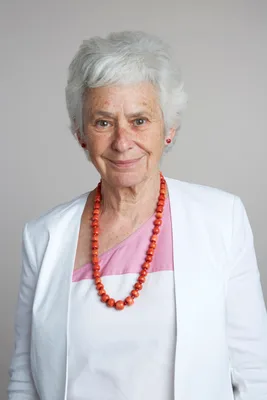
Martin used a different approach that avoided in vivo alteration. She reasoned that an ES cell line might be obtained by culturing cells isolated from blastocysts in a medium that had previously been conditioned by an…
1981
#13960
A complete nucleotide sequence of an infectious clone of cauliflower mosaic virus by M13mp7 shotgun sequencing.
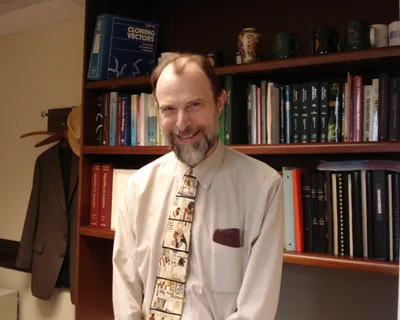
Messing and colleagues employed shotgun sequencing to sequence the genome of cauliflower mosaic virus, the first genome sequenced by the shotgun method. They developed the shotgun DNA sequencing method with single and…
1971
#13958
Inhibition of prostaglandin synthesis as a mechanism of action for aspirin-like drugs.
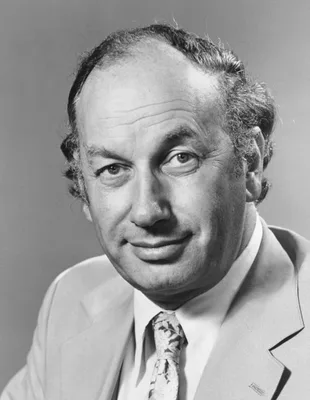
In 1982 Vane shared the Nobel Prize in Physiology or Medicine with Sune Bergström and Bengt Samuelsson for "their discoveries concerning prostaglandins and related biologically active substances."
1998
#13957
Potent and specific genetic interference by double-stranded RNA in Caenorhabditis elegans.
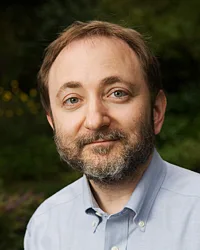
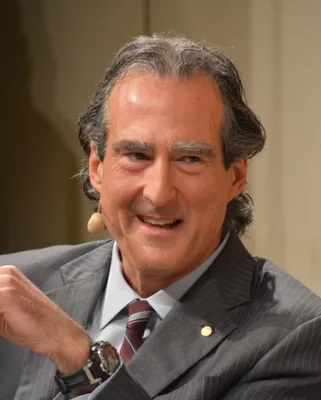
The authors reported that tiny snippets of double-stranded RNA (dsRNA) effectively shut down specific genes, driving the destruction of messenger RNA (mRNA) with sequences matching the dsRNA. As a result, the mRNA can…
1973
#13956
Double helix at atomic resolution.
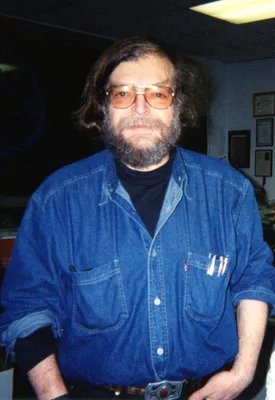
Order of authorship in the original publication: Rosenberg, Seeman,...Rich. This paper was the first confirmation of the double-helix structure at atomic resolution. See also: Roberta Ogilvie Day, Nadrian C. Seeman,..…
1963
#13955
A multiple ribosomal structure in protein synthesis.
Alexander Rich discovered polysomes, clusters of ribosomes which read one strand of mRNA simultaneously. Order of authorship in the original publication: Warner, Knopf, Rich. Digital facsimile from PubMedCentral at th…
1955
#13954
The structure of collagen.
Rich and Crick solved the structure of collagen, the main structural protein in the extracellular matrix found in the body's various connective tissues. As the main component of connective tissue, it is the most abund…
2000
#13953
The structural basis of ribosome activity in peptide bond synthesis.
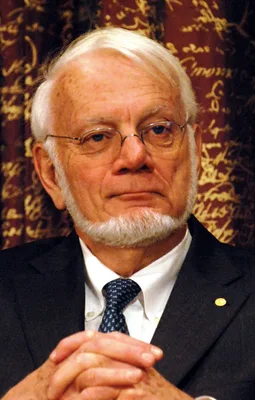
With Poul Nissen, Jeffrey Hansen, Nenad Ban, Peter B. Moore. Steitz shared the 2009 Nobel Prize in Chemistry with Venkatraman Ramakrishnan and Ada Yonath "for studies of the structure and function of the ribosome."
2000
#13952
Structure of the 30S ribosomal subunit.
Ramakrishnan and colleagues determined the complete molecular structure of the 30S subunit of the ribosome and its complexes with several antibiotics. " The Abstract: "Genetic information encoded in messenger RNA is t…
1966
#13951
Isolation of the LAC repressor.
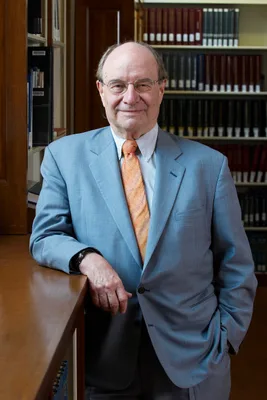
With his Ph.D. student Benno Müller-Hill, Gilbert was the first to purify the lac repressor, just beating out Mark Ptashne for purifying the first gene regulatory protein.
1987
#13950
Nucleosomes inhibit the initiation of transcription but allow chain elongation with the displacement of histones.

Within the nucleosome Kornberg found that roughly 200 bp of DNA are wrapped around an octamer of histone proteins. With Yahli Lorch, Kornberg showed that a nucleosome on a promoter prevents the initiation of transcrip…
1990
#13949
A novel mediator between activator proteins and the RNA polymerase II transcription apparatus.
Kornberg discovered that transmission of gene regulatory signals to the RNA polymerase machinery is accomplished by an additional protein complex dubbed the Mediator. As noted by the Nobel Prize committee, "the great …
1974
#13948
Chromatin structure: A repeating unit of histones and DNA.
While a postdoctoral fellow working with Aaron Klug and Francis Crick at the MRC in the 1970s, Kornberg discovered the nucleosome as the basic protein complex packaging chromosomal DNA in the nucleus of eukaryotic cel…
1968
#13947
The integrated state of viral DNA in SV40-transformed cells.
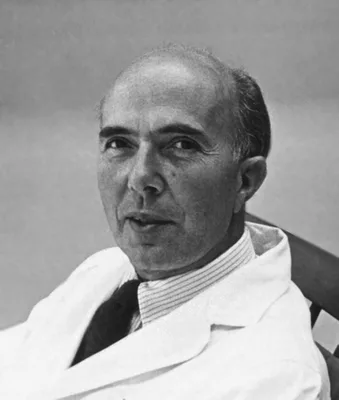
Dulbecco and his group demonstrated that the infection of normal cells with certain types of viruses (oncoviruses) led to the incorporation of virus-derived genes into the host-cell genome, and that this event lead to…
1953
#13946
Evidence for 2-chain helix in crystalline structure of sodium deoxyribonucleate.
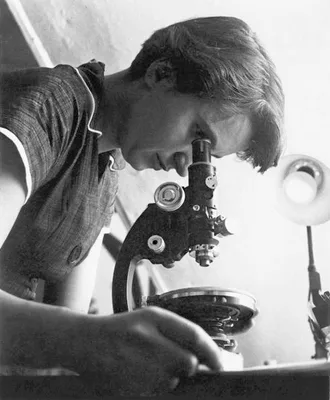
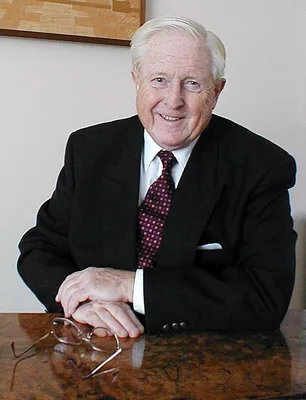
Franklin and Gosling's completed Patterson synthesis of the A-form of DNA, based on work begun in 1952, represents the first independent confirmation that the Watson-Crick double-helix model was correct. "We suggest t…
1967
#13945
The complete amino acid sequence of the tryptophan synthesase a protein (α Subunit) and its colinear relationship with the genetic map of the gene.
Yanofsky showed that changes in DNA sequence can produce changes in protein sequence at corresponding positions. His work is considered the best evidence in favor of the one gene-one enzyme hypothesis. Order of author…
1964
#13944
On the colinearity of gene structure and protein structure.
Yanofsky and colleagues established that gene sequences and protein sequences are colinear in bacteria. Order of authorship in the original publication: Yanofsky, Carlton, ... Henning. In genetics, coliniarity is a pr…
2000
#13943
Gene therapy of severe combined immunodeficiency (SCID)-XI disease.

In 1999, With Marina Cavazzana-Calvo and Salima Hacein-Bey, Fischer achieved the first clinical successes in the world of gene therapies for about ten bubble children,[8] two of whom unfortunately developed leukaemias…
1959
#13942
On the topology of the genetic fine structure.
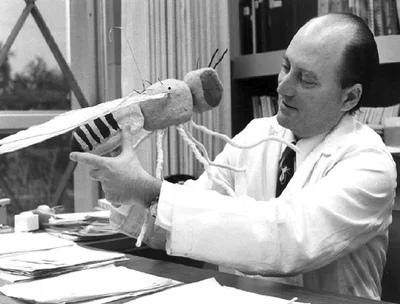
Benzer developed "the T4 rII system, a new genetic technique involving recombination in T4 bacteriophage rII mutants. After observing that a particular rII mutant, a mutation that caused the bacteriophage to eliminate…
1952
#13941
Mammalian chromosomes in vitro I: The karyotype of man.
Since the turn of the twentieth century, chromosomes prepared on microscope slides formed clumps that made it extremely difficult to distinguish them. Although the preparations made the identification of individual ch…
1987
#13940
Targeted correction of a mutant HPRT gene in mouse embryonic stem cells.
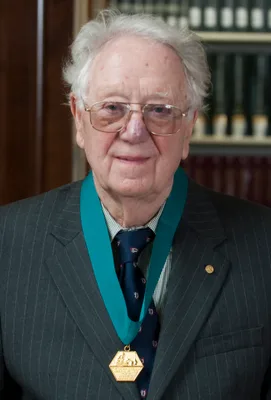
Smithies discovered, simultaneously with Mario Capecchi and Martin Evans, the technique of homologous recombination of transgenic DNA with genomic DNA, a much more reliable method of altering animal genomes than previ…
1966
#13939
N-Formyl-methionyl-sRibonucleic acid and chain initiation in protein biosynthesis - polypeptide synthesis directed by a bacteriophage ribonucleic acid in a cell-free system.
Marcker discovered that the biosynthesis of proteins is always initiated by a tRNA molecule that carries the modified amino acid formyl-methionine.
1952
#13938
Rôle des cations bivalents dans l'induction du développement du prophage par les agents reducteurs.
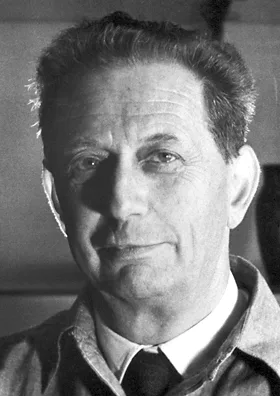
Lwoff gave the name "prophage" to the form in which the genome of the bacteriophage is perpetuated in lysogenic bacteria. The bacteriophages produced by these bacteria, known as temperate bacteriophages, can therefore…
1951
#13937
Conditions de l'efficacité inductice du rayonnement ultra-violet chez une bactérie lysogène.
Lwoff successfully explained how the process of lysogeny works. The bacteriophage’s genes are incorporated into the bacteria’s genetic material, but remain latent until a trigger factor causes a new phage to be formed…
1985
#13936
Repetitive zinc-binding domains in the protein transcription factor IIIA from Xenopus oocytes.
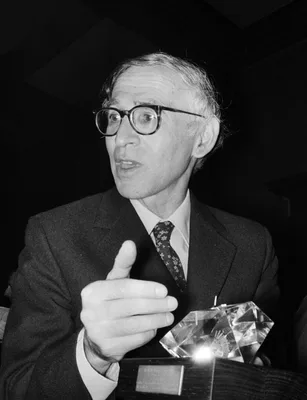
Discovery of Zinc fingers, a protein structural motif. "Zinc fingers were first identified in a study of transcription in the African clawed frog, Xenopus laevis in the laboratory of Aaron Klug. A study of the transcr…
1968
#13935
Reconstruction of three-dimensional structures from electron micrographs.
Klug and deRosier invented methods for two-dimensional and three-dimensional digital image processing of electron microscope images. The latter method provided the theory behind the development of computed tomography …
1974
#13934
Genetic control of the cell division cycle in yeast.
In 2001 Hartwell shared the Nobel Prize in Physiology or Medicine with Tim Hunt and Sir Paul M. Nurse "for their discoveries of key regulators of the cell cycle." See also No. 13933. In this paper the authors demonstr…
1970
#13933
Genetic control of the cell-division cycle in yeast 1. Detection of mutants.
This was the first paper to describe cdc mutants. The authors also coined the term 'execution point' — the stage in the cell cycle when the gene function is required. In this paper, three cdc genes were described, whi…
1982
#13932
Self-splicing RNA: Autoexcision and autocyclization of the ribosomal RNA intervening sequence of tetrahymena.

Discovery of ribozymes (ribonucleic acid enzymes). Cech discovered that RNA itself could cut strands of RNA, suggesting that life might have started as RNA. "In the 1970s, Cech had been studying the splicing of RNA in…
1987
#13931
Site-directed mutagenesis by gene targeting in mouse embryo-derived stem cells.
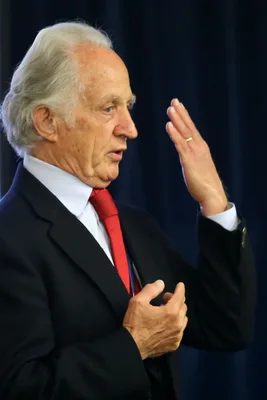
In 2007 Capecchi shared the 2007 Nobel Prize in Physiology or Medicine with Martin J. Evans and Oliver Smithies "for their discoveries of principles for introducing specific gene modifications in mice by the use of em…
1991
#13930
A novel multigene family may encode odorant receptors: A molecular basis for odor recognition.
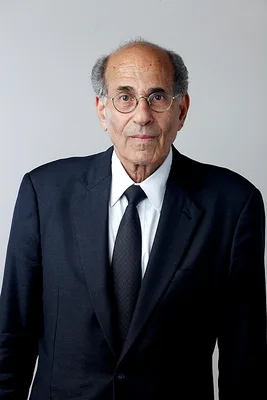

"In their landmark paper published in 1991, Buck and Axel cloned olfactory receptors, showing that they belong to the family of G protein coupled receptors. By analyzing rat DNA, they estimated that there were approxi…
1979
#13929
Transformation of mammalian cells with genes from procaryotes and eucaryotes.
Axel, along with microbiologist Saul J. Silverstein and geneticist Michael H. Wigler, discovered a technique of cotransformation via transfection. This process, which allows foreign DNA to be inserted into a host cell…
1975
#13928
Darwinian evolution in the genealogy of haemoglobin.
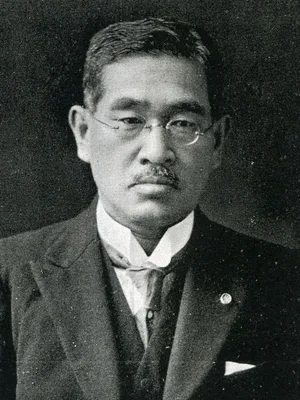
In 1975 Goodman and his collaborators used sequence data to reconstruct the evolutionary history of hemoglobin (including possible ancestral sequences) and analyze which sites on the hemoglobin complex had evolved at …
1820
#13927
Hamse-i-Sânizade.
Written in Ottoman Turkish, and printed in Istabul, this was the first illustrated medical book printed in the Muslim world. Digital facsimile from the Bayerische StaatsBibliothek at this link.
2012
#13926
Learning with the lights off: Educational film in the United States. Edited by Devin Orgeron, Marsha Orgeron, Dan Streible.
2012
#13925
The educated eye: Visual culture and pedagogy in the life sciences. Edited by Nancy Anderson and Michael R. Dietrich.
1912
#13924
The cinematograph as an aid to medical education and research: A lecture illustrated by moving pictures of ultramicroscopic life in the blood and tissues, and of surgical operations.
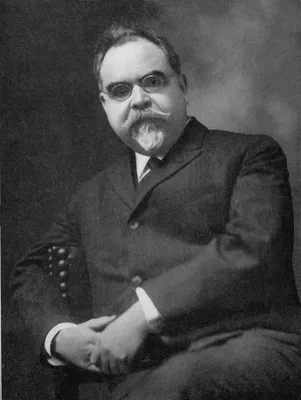
1903
#13923
Notes on the treatment of yellow fever at Las Animas Hospital, the hospital of the Sanitary Department, during the epidemic of 1900 at Havana, Cuba.
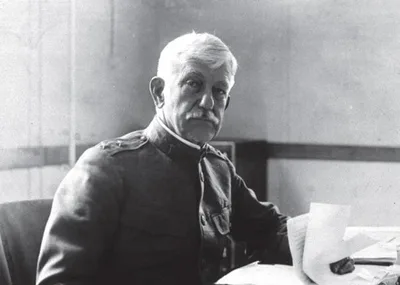
In 1901 Gorgas was sent to Havana to undertake a special campaign against the yellow fever mosquito Aëdes aegypti. His methods of sanitation were so successful that in three months yellow fever was practically eradica…
1743
#13922
Museum Richterianum continens fossilia animalia, vegetabilia marina.
Catalogue of the cabinet of curiosities formed by the merchant and collector Johann Richter. Digital facsimile from Biodiversity Heritage Library at this link.
1706
#13921
Wondertooneel der nature, geopent in eene korte beschryvinge der hoofddeelen van de byzondere zeldsaamheden daar in begrepen; in orde gebragt en bewaart.
Catalogue of the collection of natural history commenced by Anthony Breda and considerably enriched and expanded by his brother-in-law Levinus Vincent, a merchant of luxurious textiles. Digital facsimile from the Biod…