
Facets
Browse across eight MeSH (opens in new tab) facets — era, geography, science, specialty, technology, history, culture, and reference. Select one tag per group; counts update across the others. What’s new in facet browse how facets relate to subjects and MeSH.
Clear filtersFacet filters
Geography
Specialties & Disease
- Anatomy & Pathology 765
- Cardiology & Blood 914
- Neurology & Psychiatry 1,258
- Obstetrics & Reproductive 551
- Infectious Disease (General) 147
- Surgery & Anesthesia 1,553
- Public Health 1,129
- Immunology & Dermatology 1,405
- General Clinical Medicine 487
- Military Medicine 436
- Psychology 202
- Alternative & Fringe Medicine 383
- Pediatrics 247
- Ophthalmology & Vision 412
- ENT & Hearing 293
- Urology & Nephrology 309
- Gastroenterology & Hepatology 316
- Pulmonary & Respiratory 233
- Rheumatology, Rehab & Pain 189
- Internal, Emergency & Geriatric 123
- Veterinary Medicine 165
- Epidemiology & Demography 397
- Physiology & Embryology 924
- Dentistry 259
- Plagues & Epidemics 1,279
- Microbiology & Virology 1,080
Social & Historical Studies
Institutions & Culture
Reference & Scholarly Works
1,553 entries match Surgery & Anesthesia [E04 / G02.403.810]
1852 –1855
#7168
Commentarii et annotationes in Suśruta Āyurvedam. 2 vols.
Hessler, editor and translator of the first edition of Suśruta published in the West (3 vols., 1844-50) followed that edition with two separate volumes of commentary.
1853
#4462
Amputations.
The first successful amputation of the hip-joint was performed by Brashear in 1806 at Bardstown, Kentucky; he first amputated the thigh through its middle third, and tied off the bleeding vessels; then he made a long …
1853
#4463
Exsection of the clavicle.
J. H. Johnson (New Orleans med. surg. J., 1850, 6, 474-76) stated that McCreary performed the first resection of the clavicle in the United States on 4 May, 1811. Valentine Mott reported the operation in 1828. See No.…
1853
#4329
On the nature and treatment of the deformities of the human frame.
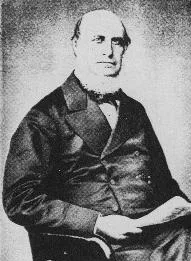
Little was the first eminent orthopedic surgeon in the British Isles. He studied under Stromeyer and, in 1838, he founded the Orthopaedic Institution, now the (Royal) National Orthopaedic Hospital, London. The above w…
1853
#3263
On the surgical treatment of morbid growths within the larynx, illustrated by an original case and statistical observations, elucidating their nature and forms.
Thyrotomy for removal of cancer of the larynx. The operation took place in May 1851, and the patient died in 1852.
1853
#3590
Considérations sur l’étranglement de l’intestin dans la cavité abdominale et sur un mode d’étranglement non décrit par les auteurs. Thèse pour le doctorat en médecine.... No. 128.
Retrocaecal hernia (“Rieux’s hernia”) first described. Digital facsimile from the Internet Archive at this link.
1853
#5602
The science and art of surgery.
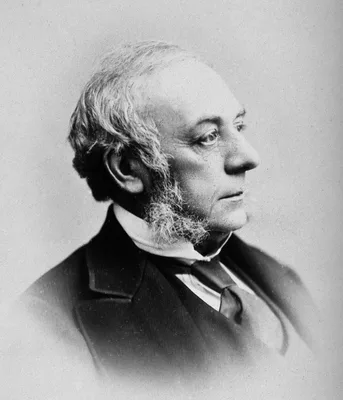
The most popular textbook on the subject for many years. Erichsen was surgeon to University College Hospital, London, and Lister served as his house surgeon.
1853
#5603
Sur un nouveau moyen d’opérer la coagulation du sang dans les artères, applicable à la guérison des anéurismes.
Pravaz invented galvanocautery.
1854
#4465
Kostno-plasticheskoye udlineniye kostei goleni pri vilushtshenii stopi. [Osteoplastic elongation of the bones of the leg in amputation of the foot.]
Pirogov’s method of complete osteoplastic amputation of the foot. German translation, Leipzig, 1854.
1854
#3452
Ueber Anlegung einer künstlichen Magenöffnung am Menschen durch Gastrotomie.
Fenger’s operation.
1854
#4418.1
Essay on a new method of treating ununited fractures and certain deformities of the osseous system.
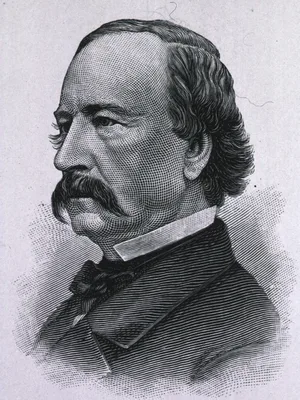
Experimenting on animals and cadavers, Brainard developed a special bone drill or “perforator” introduced subcutaneously to perforate the bone ends, simulating a recent fracture, and thus stimulating callus formation.
1854
#5747
Elkoplasty, or anaplasty applied to the treatment of old ulcers.
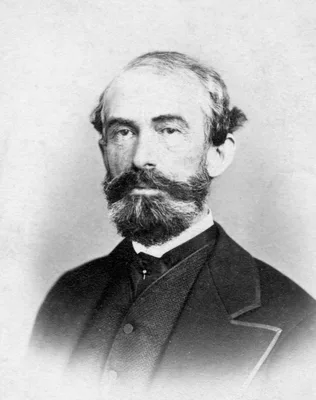
Hamilton was among the first to treat ulcers by skin-grafting. He made the flap smaller than the space which it was intended to fill, “trusting to growth and expansion of the graft to complete the cure”. Also publishe…
1854
#5771
Traité des maladies du sein et de la région mammaire.
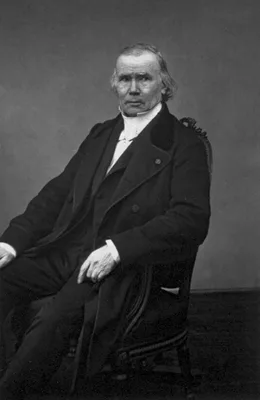
Velpeau was the leading French surgeon of the first half of the 19th century. His treatise on tumors of the breast, his best work, was the most important of its time on the subject. It includes a good account of hyper…
1854
#5551
Glossulae quatuor magistrorum super chirurgiam Rogerii et Rolandi nunc primum ad fidem codicis Mazarinei edidit
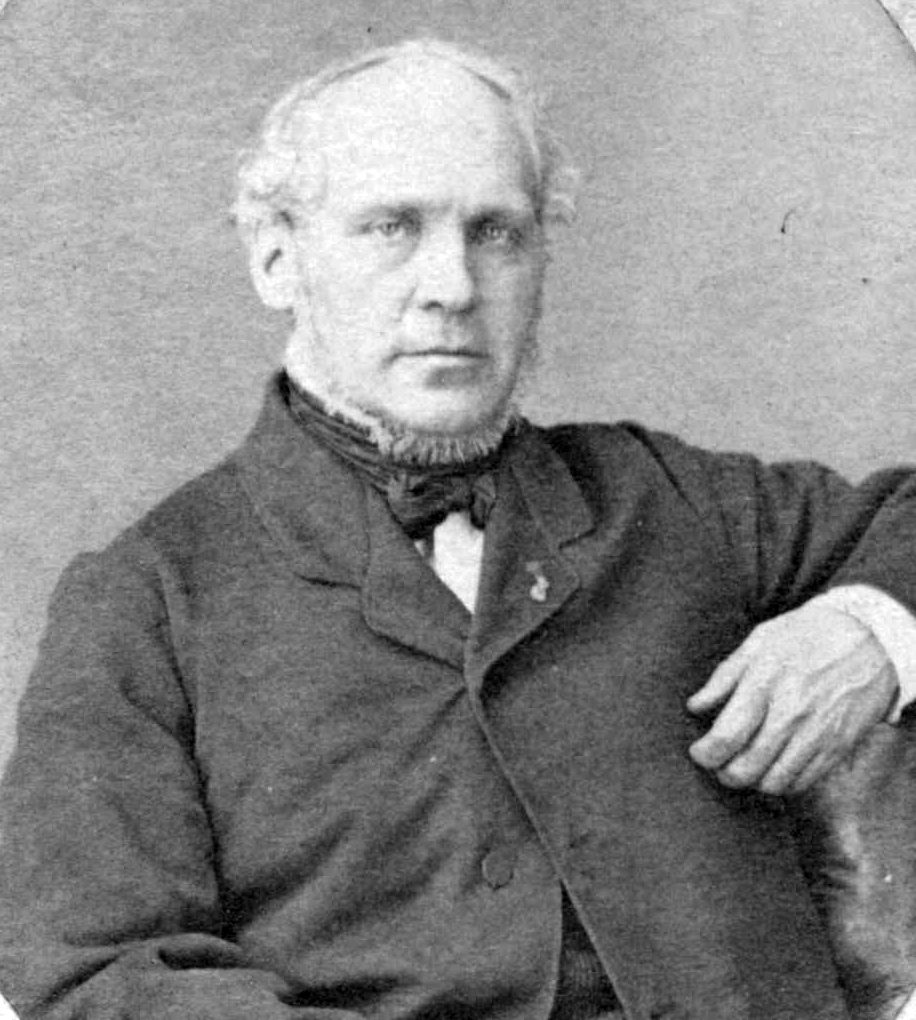
In Roger of Salerno's Practica chirurgiae, which appeared about 1180, end-to-end suture is described, as is the value of mercurial inunction in chronic skin diseases; in his recommendation of seaweed for the treatment…
1854
#5555
La chirurgie de maître Jean Yperman, le père de la chirurgie flamande (1295-1351). Mise au jour et annotée par J. M. F. Carolus.
Jan Yperman, became the first authority on surgery in the Low Countries during the 14th century. He was also the first medical writer in the Dutch language. He probably born in or near Ypres in Belgium, and may have s…
1854
#5604
Die Galvanokaustik.
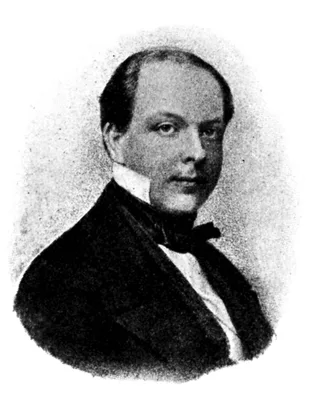
Middeldorpf improved the galvano-cautery and introduced it in major surgery.
1854
#4464
Ueber Resectionen und Amputationen.
1855
#1742
Deformities after fractures.
Hamilton was a medical inspector of the U.S. Army and later became Professor of Surgery at Bellevue Hospital. See No. 4420.
1855
#1969
New method of treating neuralgia by the direct application of opiates to the painful joints.
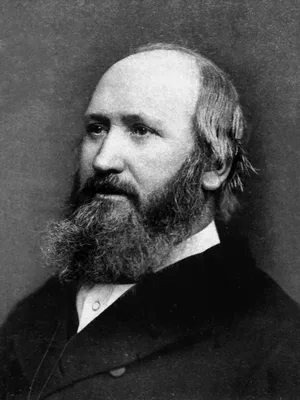
Wood of Edinburgh was the first (1853) to employ hypodermic injection that used a true syringe and hollow needle as a therapeutic procedure. He referred to his invention as "subcutaneous" rather than hypodermic. See a…
1855
#4330
Zur Pathologie des menschlichen Fusses.
First description of osteoperiostitis of the metatarsal bones, named “Busquet’s disease” after the latter’s description of it in Rev. Chir. (Paris), 1897, 17, 1065.
1855
#4331
Exsection of the head of the femur and removal of the upper rim of the acetabulum, for morbus coxarius, with perfect recovery.
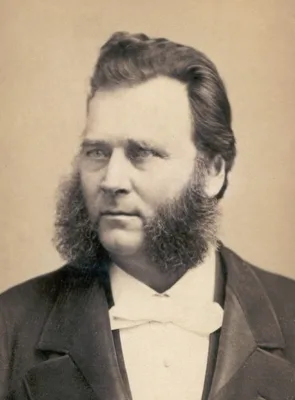
Resection of the hip for ankylosis.
1856
#2079
Analyse physiologique des propriétés des systèmes musculaires et nerveux au moyen de curare.
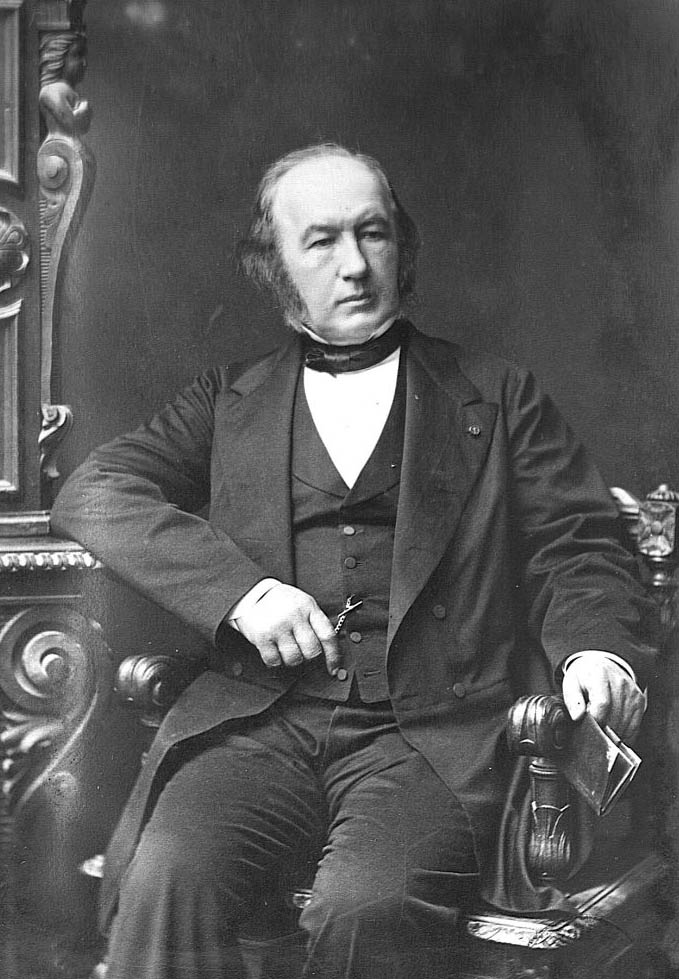
Bernard paralysed motor nerve-endings with curare and demonstrated the independent excitability of muscle. He showed that curare acted by stopping the transmission of impulses from motor nerves to voluntary muscles.
1856
#14062
Kitab-i jarrahi wa yak risalah dar kahhali [in Persian; English translation: Book on surgery with a treatise on ophthalmology]. Lithographed text.
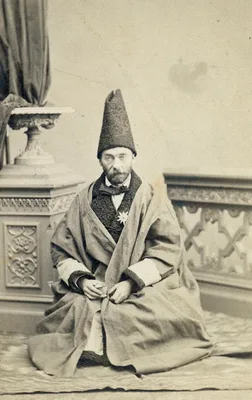
The first Persian-language surgery and ophthalmology textbook based on Western medical science. Polak based his textbook on Joseph Maximilien Chelius’s Handbuch der Chirurgie (1830) and Handbuch der Augenheilkunde (18…
1857
#4466
Dell’amputazione del femore al terzo inferiore e della disarticulazione del ginocchio.
Gritti’s amputation of the thigh was later improved by Stokes (see No. 4470).
1857
#3591
Hernia retroperitonealis. Ein Beitrag zur Geschichte innerer Hernien.
Treitz described retroperitoneal hernia through the duodeno-jejunal recess – “Treitz’s hernia”.
1857
#3456
De polypis oesophagi atque de tumore ejus generis primo prospere exstirpato.
First operation for tumor of the esophagus.
1857
#11701
Adnotationes ad Rhinoplasticen. Commentatio quam consensu et auctoritate ....ad veniam legendi.
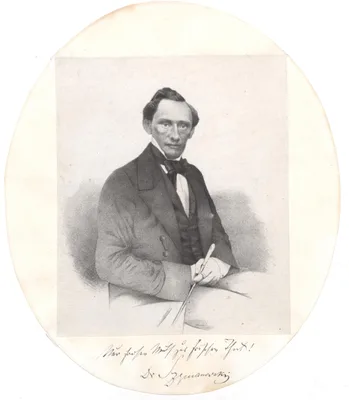
Digital facsimile of the 1847 edition from dspace.ut.ee at this link. Szymanoski's dissertation was translated into German as "Zur plastischen Chirurgie," Vierteljahrschrift für die praktische Heilkunde, 60 (1858) 127…
1857
#12322
Report of an operation for removing a foreign body from beneath the heart. Published by the San Francisco County Medico Chirurgical Association as an additional paper to its Transactions for the year 1857.
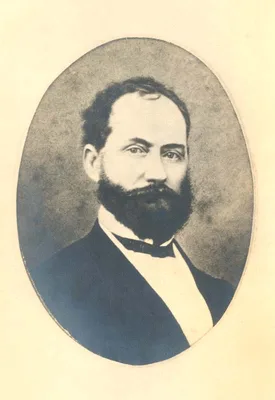
Perhaps the earliest separate publication on a surgical operation issued in California.
1857
#13248
Untersuchungen uber die Entwickelung des Schädelgrundes im gesunden und krankhaften Zustande und über Einfluss derselben auf Schädelform, Gesichtsbildung und Gehirnbau.
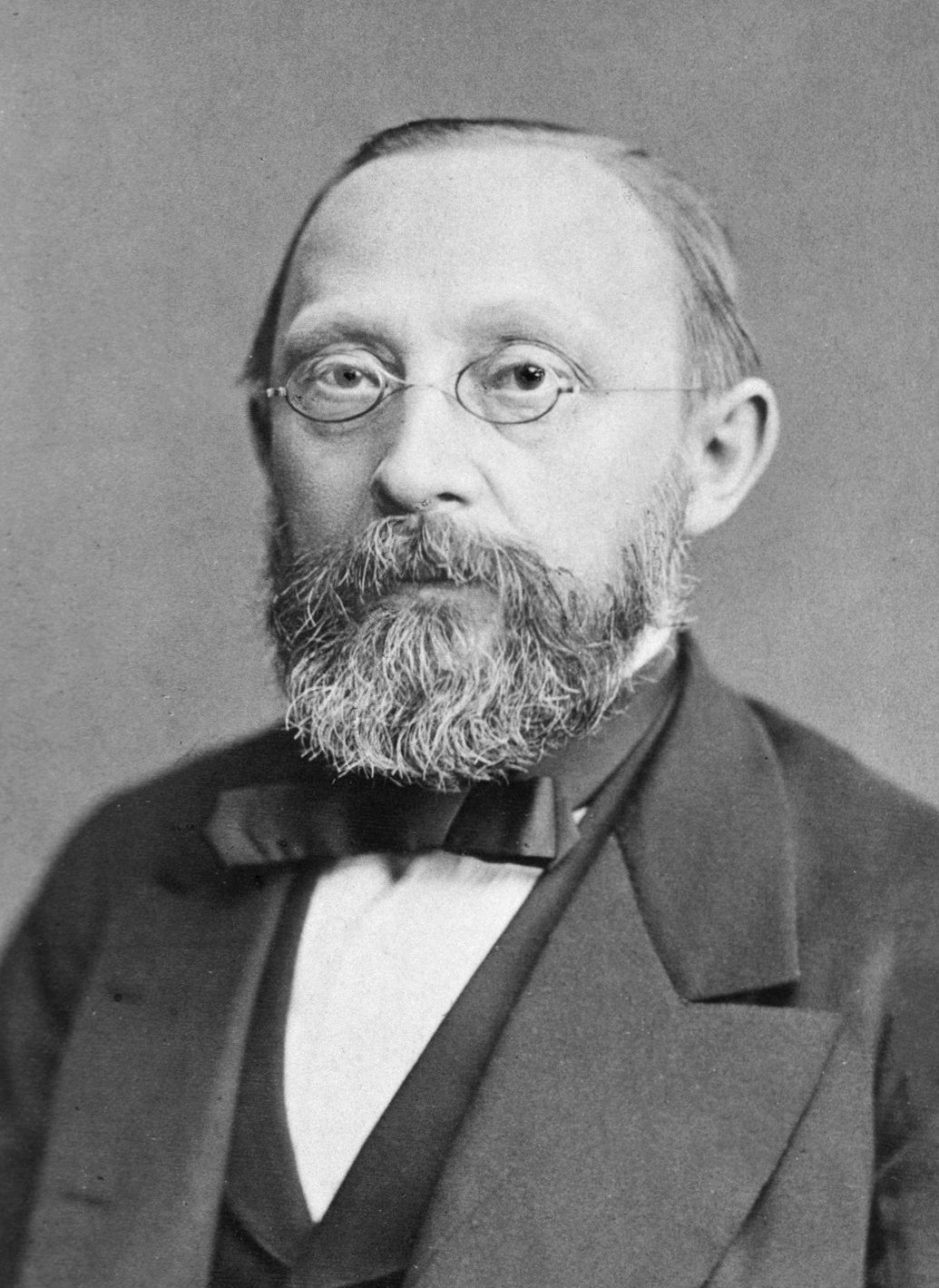
In his Investigations on the development of the base of the skull in healthy and diseased conditions, and on the influence of the same upon skull form, facial structure and brain formation Virchow laid the foundation …
1858
#4467
On amputation by a long and a short rectangular flap.
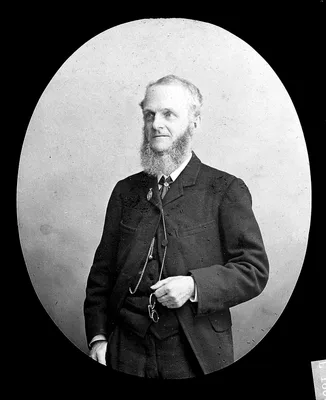
Teale’s method of amputation.
1858
#418
Anatomy, descriptive and surgical
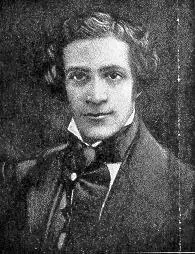
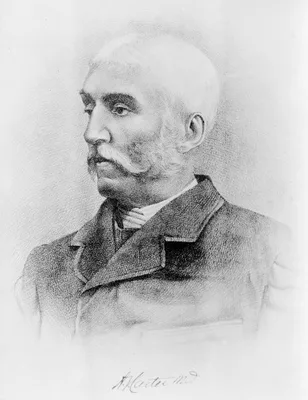
Gray’s textbook of anatomy remains today a standard work on the subject in the English-speaking world. The 37th edition appeared in 1989; the first American edition was published at Philadelphia, 1859. Digital facsimi…
1858
#419
A treatise on the human skeleton, including the joints.
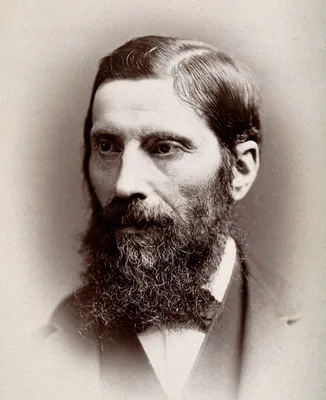
Humphry was professor of anatomy at Cambridge and became the first professor of surgery there. He founded the Journal of Anatomy and Physiology in 1867. “Humphry’s ligament” of the knee-joint is described on p. 546 of…
1858
#2960
Case of aneurism of the femoral artery for which ligatures were successively applied to the femoral, profunda, external and common iliac.
1858
#3457
Description of the operation of gastrotomy.
First gastrostomy in Britain.
1858
#4854
Exsection of the trunk of the second branch of the fifth pair of nerves, beyond the ganglion of Meckel, for severe neuralgia of the face; with three cases.
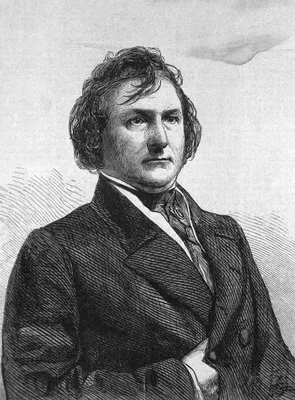
First excision of the superior maxillary nerve for the treatment of trigeminal neuralgia.
1858
#5605
Silver sutures in surgery.
Sims, famous American gynecologist, introduced a silver wire suture, in order to avoid sepsis. See No. 6037.
1858
#5666
On chloroform and other anaesthetics: Their action and administration. Edited, with a memoir of the author, by Benjamin W. Richardson.
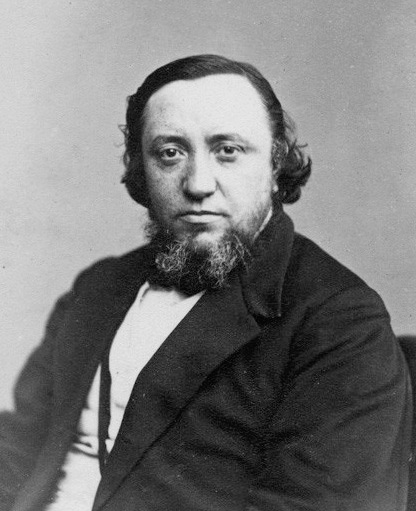
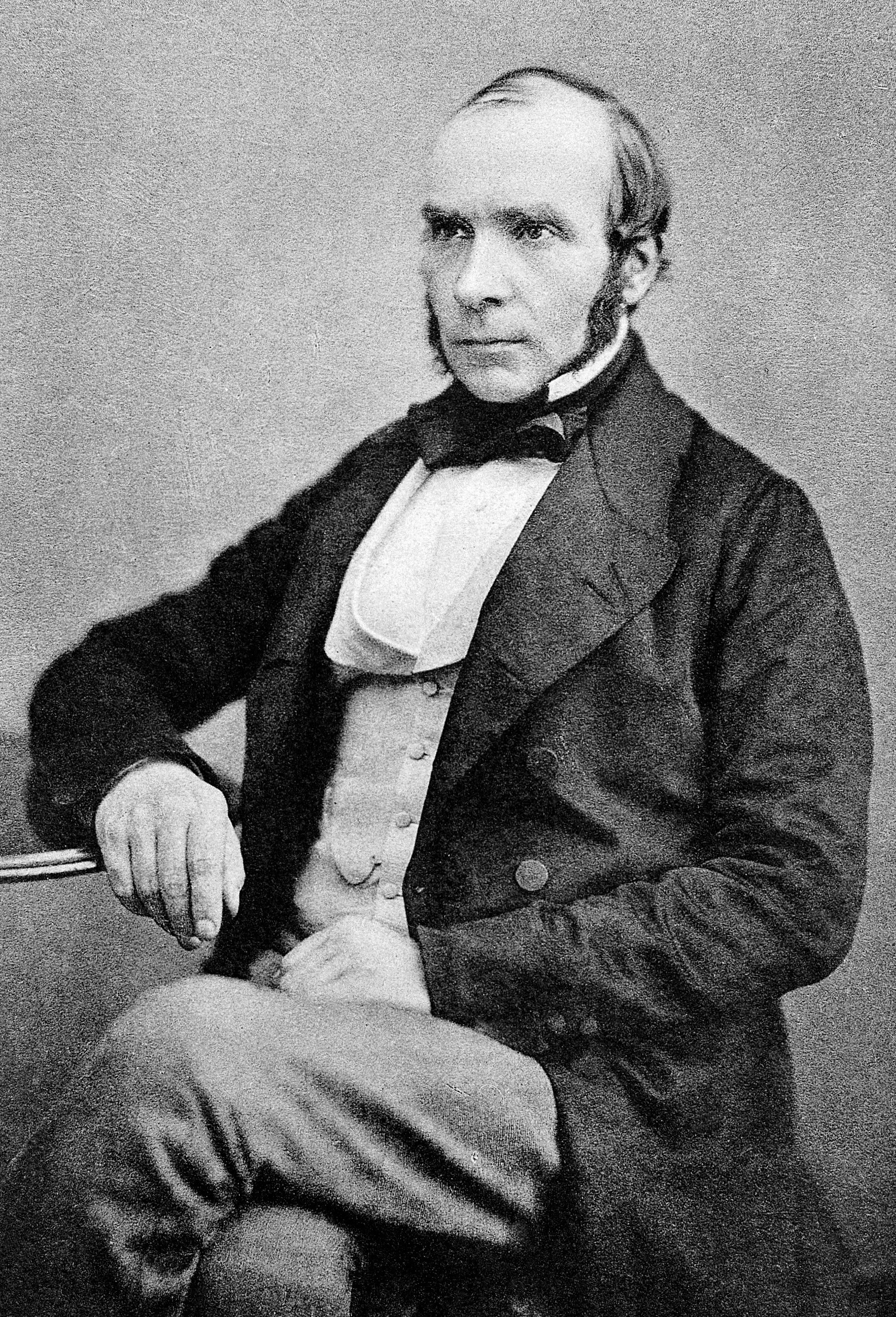
Snow, the first specialist in anesthesiology, delivered Queen Victoria with the aid of chloroform in 1853 and 1857. This work was edited for publication after Snow's premature death by Richardson, who included a biogr…
1858
#13193
Anatomie chirurgicale homolographique, ou Déscription et figures des principales regions du corps humain, representées de grandeur naturelle, d'après des sections planes pratiquées sur des cadavres congeles....
Contains 25 plates lithographed by Lemercier after drawings by the author representing natural size sections taken in horizontal, sagittal and oblique planes from various portions of the body. The first plate of the s…
1859
#3459
Commentatio de fistulis ventriculi externis et chirurgica earum sanatione.
First operation for gastric fistula.
1859
#5791
Geschichte der Chirurgie von den Urzeiten bis zu Anfang des achtzehnten Jahrhunderts.
1859
#5606
Traite pratique de la suppuration et du drainage chirurgical. 2 vols.
Chassaignac, who introduced india-rubber tubes to drain abscesses, put the whole subject of surgical drainage on a scientific and methodical footing.
1859
#5607
A system of surgery; pathological, diagnostic, therapeutic, and operative. 2 vols.
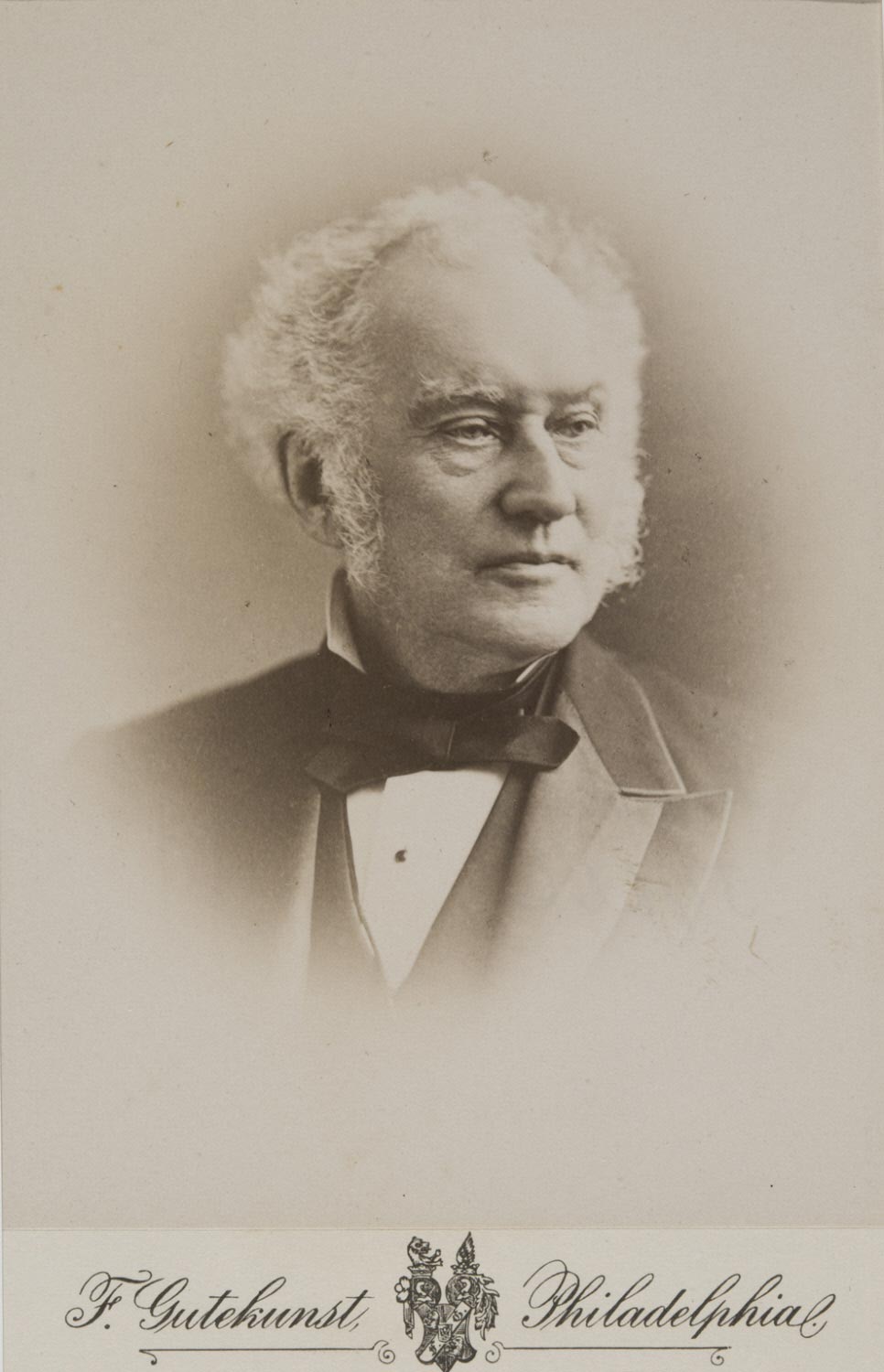
A profound intellect in 19th-century American surgery, Gross was both a surgical innovator and an outstanding author of numerous works that became classics. This massive treatise containing nearly 2500 pages was inten…
1859
#10891
Original contributions to the practice of conservative surgery; being a selection from the surgical cases occurring in the practice of James G. Beaney.
The first work on surgery written and published in Australia, and one of the first medical works on any subject written and published in Australia.
1859
#11364
A manual of operative surgery on the dead body.
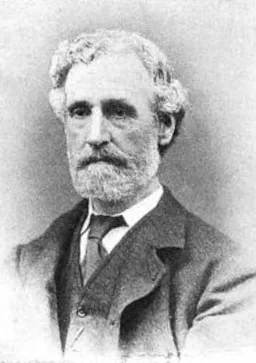
Smith's concept was the teaching of surgery in a manner analogous to the teaching of anatomy--i.e. from a cadaver. His book organizes and explains the operations that student surgeons could practice on a cadaver. Digi…
1860
#1864
Du coaltar saponiné, désinfectant énergique, arrètant les fermentations, de ses applications a l'hygiène, la thérapeutique, a l'histoire naturelle.
Lemaire was first to point out the antiseptic properties of carbolic acid. Digital facsimile from BnF Gallica at this link.
1860
#1865
Ueber eine neue organische Base in den Cocablättern.
Isolation of cocaine, 1859, from the coca leaf, brought from Peru by Scherzer.
1860 –1862
#4419
New treatment for fractures of the femur.
Buck’s extension apparatus, an improved method of treating fractures of the femur. Reprinted in Med. Classics, 1939, 3, 764-82.
1860
#4420
A practical treatise on fractures and dislocations.
The first comprehensive treatise in English on the treatment of fractures and dislocations. See No. 1742.
1860
#4421
Luxation traumatique suivie de luxation volontaire du fémur droit.
“Perrin–Ferraton disease” of the hip, later more fully dealt with by L. Ferraton, Rev. Orthop. (Paris), 1905, 2 sér., 6, 45-51.
1860
#4422
A new instrument for the treatment of fractures of the lower extremity.
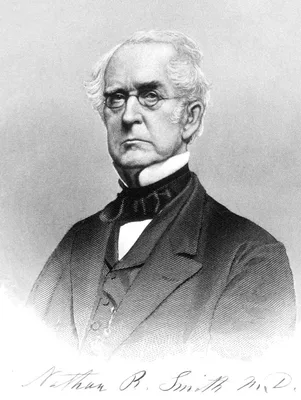
Smith devised an anterior or suspensatory splint for use in the treatment of fractures of the femur. The apparatus was heavily used during the U.S. Civil War and was especially valuable in treating compound fractures.