
Facets
Browse across eight MeSH (opens in new tab) facets — era, geography, science, specialty, technology, history, culture, and reference. Select one tag per group; counts update across the others. What’s new in facet browse how facets relate to subjects and MeSH.
Clear filtersFacet filters
Geography
Specialties & Disease
- Anatomy & Pathology 7
- Cardiology & Blood 94
- Neurology & Psychiatry 27
- Obstetrics & Reproductive 5
- Infectious Disease (General) 1
- Surgery & Anesthesia 76
- Public Health 8
- Immunology & Dermatology 50
- General Clinical Medicine 1
- Military Medicine 0
- Psychology 3
- Alternative & Fringe Medicine 0
- Pediatrics 44
- Ophthalmology & Vision 12
- ENT & Hearing 5
- Urology & Nephrology 0
- Gastroenterology & Hepatology 9
- Pulmonary & Respiratory 5
- Rheumatology, Rehab & Pain 4
- Internal, Emergency & Geriatric 0
- Veterinary Medicine 2
- Epidemiology & Demography 4
- Physiology & Embryology 23
- Dentistry 3
- Plagues & Epidemics 27
- Microbiology & Virology 22
Social & Historical Studies
Institutions & Culture
Reference & Scholarly Works
454 entries match Genetics & Heredity [K01.900.300]
1953
#7138
Genetical implications of the structure of deoxyribonucleic acid.
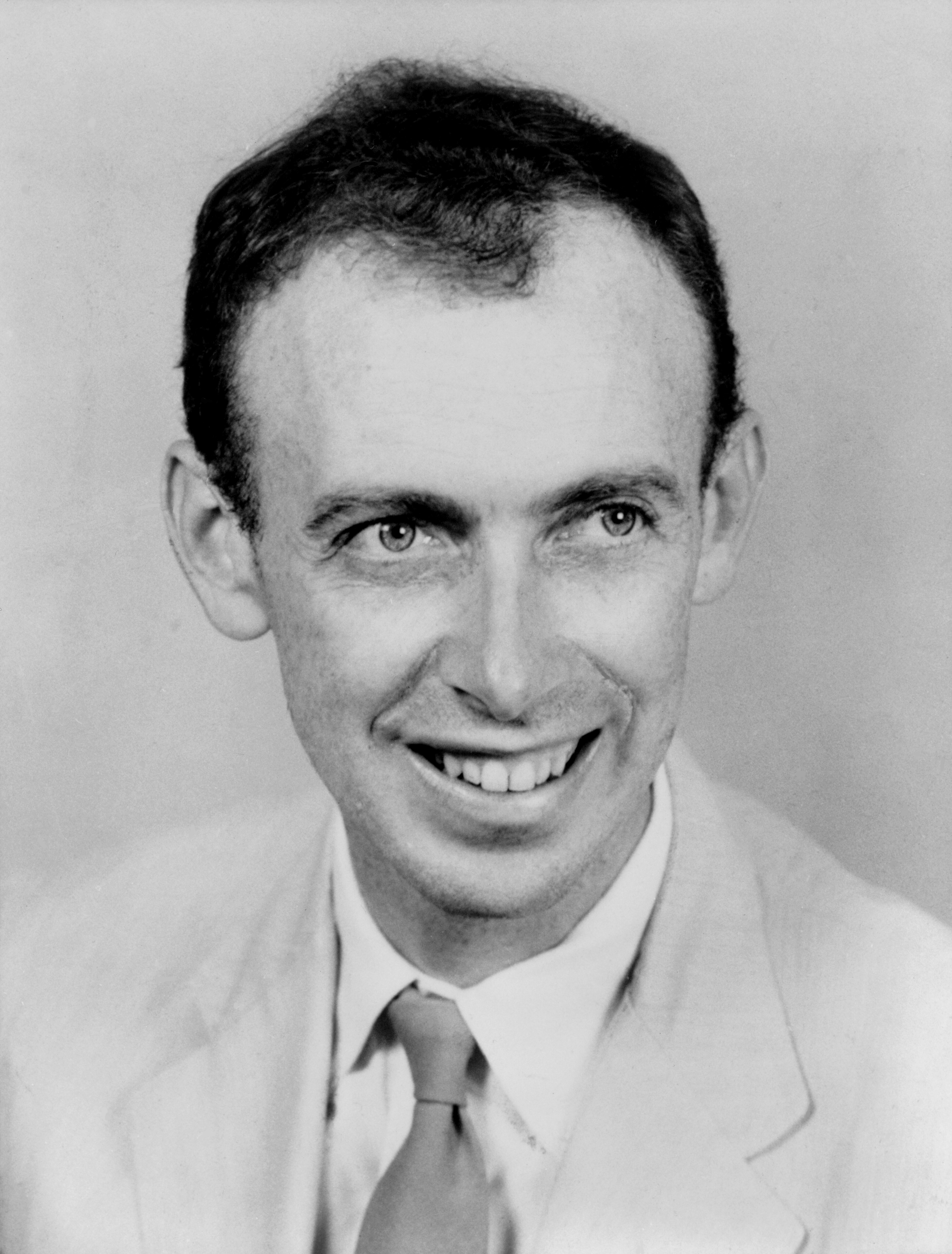
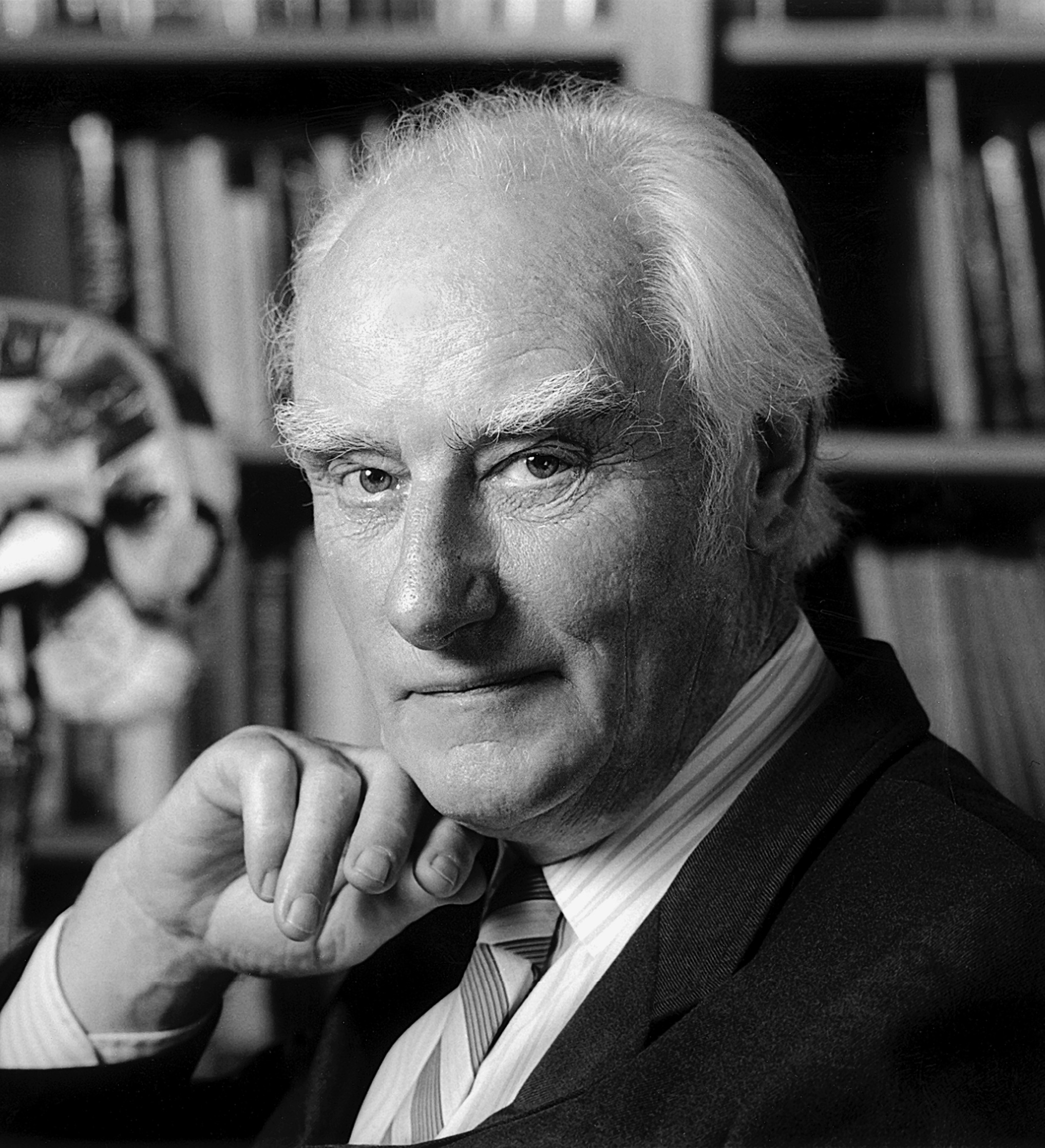
In this paper published on May 30, 1953 Watson and Crick proposed the method of replication of DNA. This discovery has been called as significant, or possibly even more significant, than their discovery of the double-…
1953
#11678
Closure of atrial septal defects with the aid of hypothermia; experimental accomplishments and the report of one successful case.
Lewis performed the first successful open heart operation, closing an atrial septal defect in a 5-year-old girl on September 2, 1952. The procedure took 5.5 minutes. For the next three years Lewis and colleagues opera…
1953
#14072
Induction of instability at selected loci in maize.
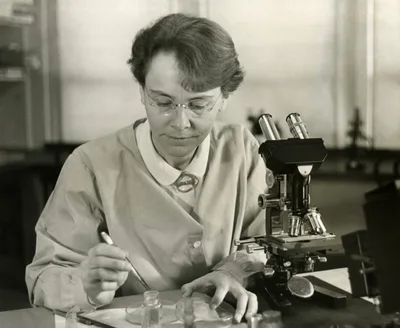
McClintock (Nobel Prize 1983) discovered transposable elements or jumping genes. She found that certain parts of chromosome had switched position. This refuted the then-popular theory that genes were fixed in their po…
1954
#3047.6
Controlled cross circulation for open intracardiac surgery; physiologic studies and results of creation and closure of ventricular septal defects.
Warden and colleagues undertook the first repair of various cardiac anomalies. With M. Cohen, and R.C. Read.
1954
#11887
Protection afforded by sickle-cell trait against subtertian malarial infection.
Allison was the first to connect a hereditary disease (sickle cell disease) to an infectious disease (malaria). He proved that heterozygous and homozygous individuals to the sickle cell trait or disease respectively s…
1955
#3047.7
Controlled cross circulation for direct-vision intracardiac surgery; correction of ventricular septal defects, atrioventricularis communis, and tetralogy of Fallot.
Controlled cross circulation (human heart–lung “machine”) for intracardiac surgery.
1956
#256.5
The chromosome number in man.
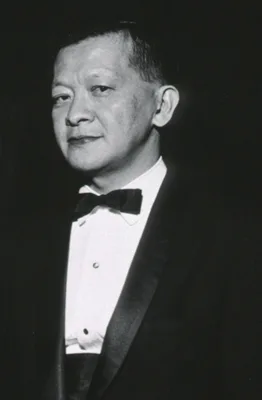
Proof that the normal chromosome number in man is 46.
1957
#3155.1
Gene mutations in human haemoglobin: the chemical difference between normal and sickle cell haemoglobin.
Sickle-cell hemoglobin differs from normal hemoglobin by a single amino acid (valine for glutamic acid).
1957
#9726
Drug reactions, enzymes and biochemical genetics.
Motulsky clearly stated that inheritance might explain many individual differences in the efficacy of drugs and in the occurence of adverse drug reactions.
1958
#2578.30
Histocompatibility genes of the mouse.
Snell made fundamental contributions to transplantation genetics. At his suggestion genes governing transplantation were called histocompatibility genes and Gorer’s Antigen II became Histocompatibility-2 (H-2). In 198…
1958
#7401
L’Hérédité en ophtalmologie.
English translation St. Louis: C.V. Mosby, 1961.
1958
#12971
Influence of light on the hyperbilirubinaemia of infants.
In 1956 Sister Jean Ward of the Premature Unit of the Rochford General Hospital in Essex, England noted the benefit of phototherapy when she took infants outside because she assumed that fresh air had healing benefits…
1958
#13560
The suppressor-mutator system of control of gene action in maize.
In this paper McClintock described a novel mobile genetic element that she called Suppressor-Mutator (Spm), and its complex regulation. She discovered that Spm could switch back and forth between an “inactive” form an…
1959
#3155.2
Genetic basis of the thalassaemia diseases.
1959
#4962.5
Étude des chromosomes somatiques de neuf enfants mongoliens.
Discovery of trisomy-21, cause of Down’s syndrome. With M. Gautier and R. Turpin.
1959
#258.2
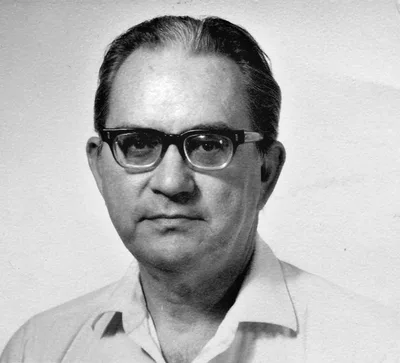
Classic papers in genetics.
1959
#7402
Les cataractes congénitales.
1959
#9727
Moderne problem der humangenetik.
In this paper Vogel coined the term pharmacogenetics, as the study of the role of genetics in drug response.
1959
#13942
On the topology of the genetic fine structure.
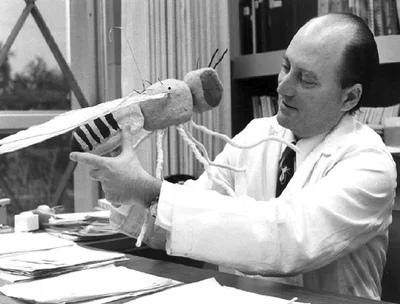
Benzer developed "the T4 rII system, a new genetic technique involving recombination in T4 bacteriophage rII mutants. After observing that a particular rII mutant, a mutation that caused the bacteriophage to eliminate…
1960
#13995
L'opéron: Groupe de gènes à expression coordonnée par un opérateur.
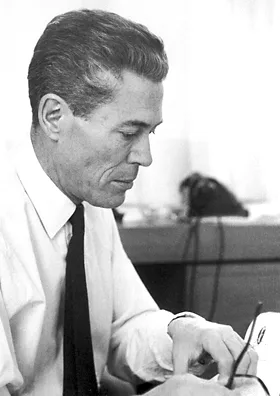
Jacob and Monod received their share of the Nobel Prize in 1965 for their discoveries concerning the operon and viral synthesis. The first operon they described was the lac operon in E. coli. Their operon theory sugge…
1961
#3155.3
Stomatocytosis: a hereditary red cell anomaly associated with haemolytic anaemia.
With R. Sephton Smith and R. M. Hardisty.
1961
#256.7
Gene action in the X-chromosome of the mouse (Mus musculus L).
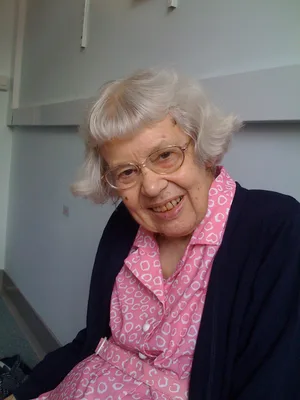
Theory of differential inactivation of the X-chromosome. See also Amer. J. hum. Genet., 1962, 14, 135-48.
1961
#7468
Genetic nucleic acid: Key material in the origin of life.
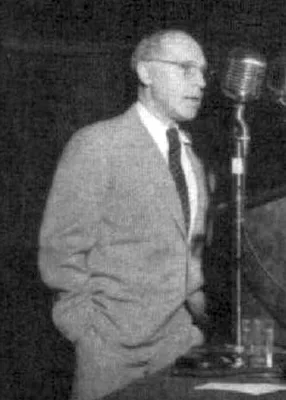
Muller was one of the earliest proponents of a genetics-first theory for the origin of life.
1962
#256.12
Adult frogs derived from the nuclei of single somatic cells.
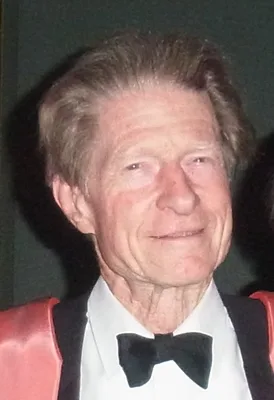
Demonstration that somatic and germinal nuclei are genetically equivalent. Using somatic cell nuclear transfer (SCNT), Gurdon (Nobel Prize 2012) transplanted cell nuclei from mature intestinal tadpole cells into enucl…
1963
#3924.4
A simple phenylalanine method for detecting phenylketonuria in large populations of newborn infants.
Bacterial inhibition test for phenylketonuria.
1963
#14103
Recurrent Dupuytren's contracture.
Hueston described Dupuytren's diathesis, including early onset, bilateral involvement, postive family history, and presence of ectopic lesions. He noted that patents presenting Dupuytren's diathesis experience more se…
1964
#257.1
The genetical evolution of social behaviour I, II.
Hamilton’s mathematical theory of kin selection as an explanation for the evolution of social behavior (including supposedly altruistic behavior), is the foundation of sociobiology.
1964
#11372
Dominant erbliche Akrocephalosyndaktylie.
Pfeiffer syndrome, a rare genetic disorder characterized by the premature fusion of certain bones of the skull (craniosynostosis) which affects the shape of the head and face. In addition, the syndrome includes abnorm…
1964
#11694
Successful two-stage correction of transposition of the great vessels.
The Mustard cardiovascular procedure, which "allows total correction of transposition of the great vessels. The procedure employs a baffle to redirect caval blood flow to the left atrium which then pumps blood to the …
1965
#4154.8
Genetic classification of ichthyosis.
Sex-linked recessive ichthyosis shown to be an important but not uncommon entity. See also Kerr & Wells: Sex-linked ichthyosis. Ann. hum. Genet., 1965, 29, 33-50.
1965
#258.3
A history of genetics.
1965
#258.4
A short history of genetics. The development of the main lines of thought: 1864-1939.
1965
#258.8
Kurze Geschichte der Genetik bis zur Wiederentdeckung der Vererbungsregeln Gregor Mendels. Zweite Ausgabe.
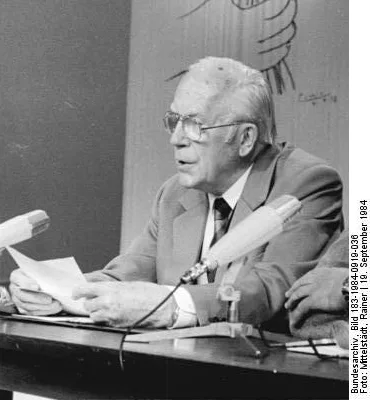
Revised and enlarged English translation, Cambridge, Mass., Massachusetts Institute of Technology Press,1972.
1965
#11587
Congenital heart disease: Correlation of pathologic anatomy and angiography. 2 vols.
With Lewis Carey and Richard Lester.
1966
#3155.4
Man’s haemoglobins: including the haemoglobinopathies and their investigation.
Explains the current distribution of sickling throughout the world.
1966
#258.5
The gene: A critical history.
1966
#12369
Creation of an atrial septal defect without thoracotomy. A palliative approach to complete transposition of the great arteries.
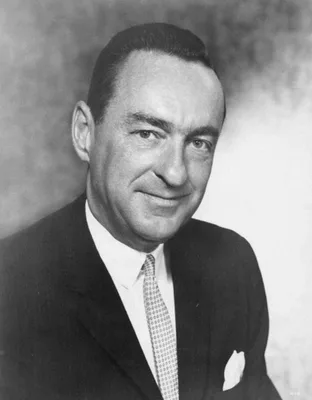
Rashkind balloon atrial septostomy to treat transposition of the great vessels.
1966
#14202
Mendelian inheritance in man; catalogs of autosomal dominant, autosomal recessive, and X-linked phenotypes.
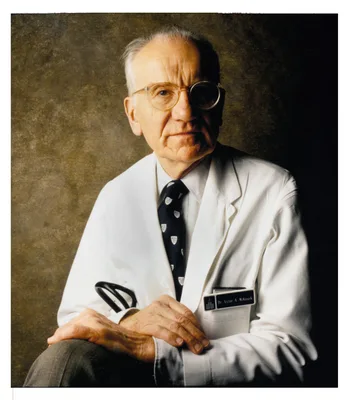
Last expanded printed edition: 12th edition, 3 vols., 1998. "Dr Victor A. McKusick wrote an article in 1962 for the Quarterly Review of Biology titled ‘On the X Chromosome of Man’ (1). At that time, X-linkage had been…
1967
#6235.2
Intrauterine diagnosis and management of genetic defects.
Amniocentesis used to diagnose genetic disorders in utero. First detailed report. See also Fuchs, F., Genetic information from amniotic fluid contents. Lancet, 1960, 2, 180. "During the course of the criminal investig…
1967
#258.6
The origins of genetics: A Mendel source book.
1967
#7732
Osteotomies totales de la face: Syndrome de Crouzon, syndrome d'Apert: oxcephalies, scaphocephalies, turricephalies.
1968
#6916
Molecular pathology of human haemoglobin.
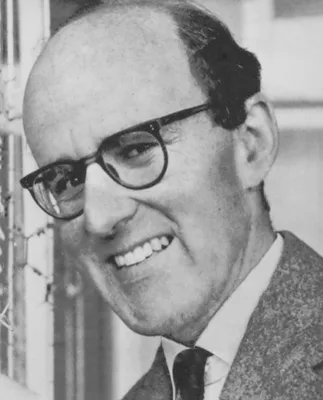
Perutz opened up "the field of 'molecular pathology,' relating a structural abnormality to a disease" (Aaron Klug, "Max Perutz 1914-2002," Science 295 ([2002] 2383). Specifically Perutz showed that hemoglobin molecule…
1968
#13935
Reconstruction of three-dimensional structures from electron micrographs.
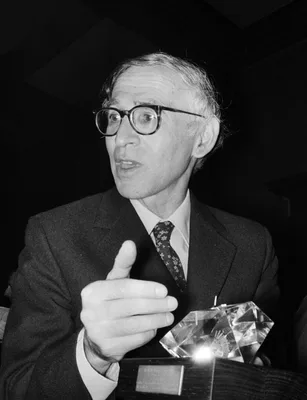
Klug and deRosier invented methods for two-dimensional and three-dimensional digital image processing of electron microscope images. The latter method provided the theory behind the development of computed tomography …
1969
#3047.22
A new approach to “anatomic” repair of transposition of the great arteries.
The Rastelli procedure. “Intraventricular rerouting of left ventricular output through the ventricular septal defect to the aorta and establishing of a new right ventricular outflow through the ventriculotomy and an e…
1969
#13971
Isolation of pure lac operon DNA.
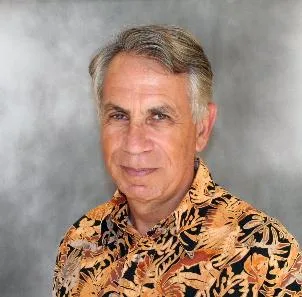
Order of authorship in the original publication: Shapiro, MacHattie, Eron, Ihler, Ippen, Beckwith. Beckwith led the research group that in 1969 isolated the first gene from an organism, specifically a gene from a bact…
1970
#6889
A restriction endonuclease from Hemophilus influenzae. II. Base sequence of the recognition site.
Discovery of the first type II restriction enzyme (HindII). Smith shared the 1978 Nobel Prize in Physiology or Medicine with Werner Arber and Daniel Nathans "for the discovery of restriction enzymes and their applicat…
1970
#13933
Genetic control of the cell-division cycle in yeast 1. Detection of mutants.
This was the first paper to describe cdc mutants. The authors also coined the term 'execution point' — the stage in the cell cycle when the gene function is required. In this paper, three cdc genes were described, whi…
1971
#258.7
The origins of theoretical population genetics.
1971
#6890
Specific cleavage of simian virus 40 DNA by restriction endonuclease of Hemophilus influenzae.
Nathans showed that the restriction enzyme discovered by Hamilton Smith cleaved SV40 DNA into 11 specific pieces. Nathans and his student Kathleen Danna wrote: "The availability of pieces of SV40 DNA from specific sit…
1971
#13964
Mutation and cancer: Statistical study of retinoblastoma.
In this paper Knudson first described his "two-hit hypothesis," also known as the "Knudson hypothesis," which explains the incidence of hereditary cancers, such as retinoblastoma. "Humans inherit two copies of every g…