
Facets
Browse across eight MeSH (opens in new tab) facets — era, geography, science, specialty, technology, history, culture, and reference. Select one tag per group; counts update across the others. What’s new in facet browse how facets relate to subjects and MeSH.
Clear filtersFacet filters
Geography
Specialties & Disease
- Anatomy & Pathology 765
- Cardiology & Blood 914
- Neurology & Psychiatry 1,258
- Obstetrics & Reproductive 551
- Infectious Disease (General) 147
- Surgery & Anesthesia 1,553
- Public Health 1,129
- Immunology & Dermatology 1,405
- General Clinical Medicine 487
- Military Medicine 436
- Psychology 202
- Alternative & Fringe Medicine 383
- Pediatrics 247
- Ophthalmology & Vision 412
- ENT & Hearing 293
- Urology & Nephrology 309
- Gastroenterology & Hepatology 316
- Pulmonary & Respiratory 233
- Rheumatology, Rehab & Pain 189
- Internal, Emergency & Geriatric 123
- Veterinary Medicine 165
- Epidemiology & Demography 397
- Physiology & Embryology 924
- Dentistry 259
- Plagues & Epidemics 1,279
- Microbiology & Virology 1,080
Social & Historical Studies
Institutions & Culture
Reference & Scholarly Works
Drugs & Technology
765 entries match Anatomy & Pathology [G02.149 / C23]
1666
#13899
Modo practico de embalsamar cuerpos defunctos, para preservarlos incorruptos....
On embalming corpses, and on human cadavers. This work includes (pp. 98-127) instructions for the embalming process in Spain, with woodcut illustrations of the tools used and recipes for the ointments. The author also…
1667
#577
Elementorum myologiae specimen.
In this work Stensen, in collaboration with the mathematician Vincenzio Viviani (1622-1703), a pupil of Galileo, developed a geometrical description of muscular contraction, and attempted to show theoretically that mu…
1667 –1673
#292.1
Observationes anatomicae selectiores. [Part II: Observationum anatomicarum… pars altera]. 2 vols.
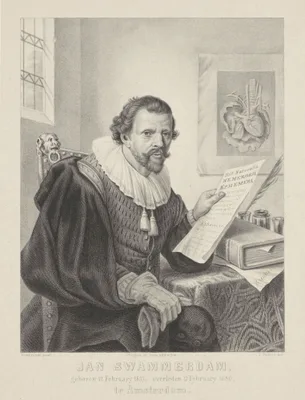
The only publications of one of the earliest scientific societies, active from 1664 to 1672. Founded by Gerard Blaes, and numbering Jan Swammerdam among its members, the college devoted itself to comparative anatomica…
1668
#1210
De virorum organis generationi inservientibus, de clysteribus et de usu siphonis in anatomia.
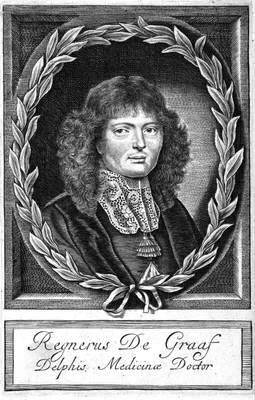
Exact and detailed account of the male reproductive system. This work and No. 1209 were translated into English and published as Suppl. 17 to J. Reprod. Fertil, 1972. Facsimile of originals, Nieuwkoop, De Graaf, 1965.
1668
#292
Onomasticon zoicon, plerorumque animalium differentias & nomina propria pluribus linguis exponens. Cui accedunt mantissa anatomica, et quaedam de variis fossilium generibus.
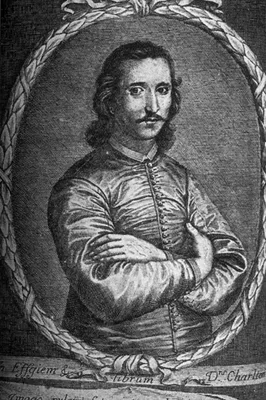
Gives a list of the English, Latin, and Greek names of all the then known animals. Digital facsimile from the Internet Archive at this link.
1669
#293
Dissertatio epistolica de bombyce.
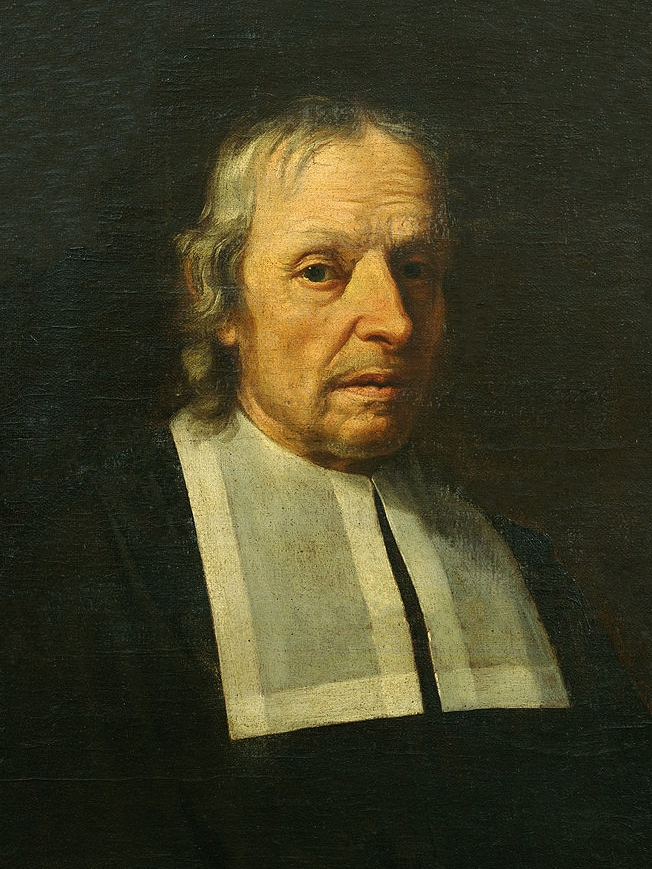
Malpighi’s work on the silkworm represents the first monograph on an invertebrate and records one of the most striking pieces of research work on his part. He dissected the silkworm under the microscope with great ski…
1670
#383
Spicilegium anatomicum.
Kerckring made important investigations on the development of the foetal bones. He was the first to describe the large ossicle sometimes present at the lambdoidal suture; his name is remembered in the valvulae connive…
1671
#294.1
Esperienze intorno a diverse cose naturali…
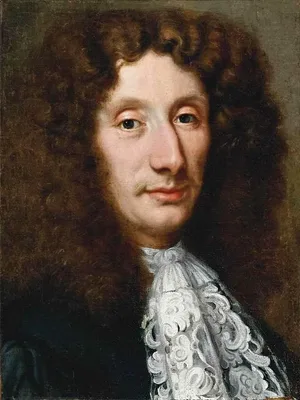
Includes the first scientific study of an electric fish. While the torpedo’s peculiar properties had provoked scientific speculation since at least the time of Aristotle, Redi was the first to perform an actual dissec…
1671 –1676
#295
Mémoires pour servir à l’histoire des animaux. 2 vols.
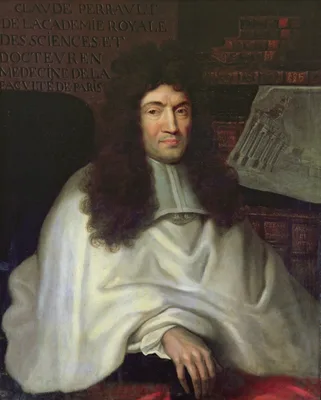
Perrault was the leader of a team of comparative anatomists that included Guichard Joseph Duverney, Jean Pecquet, Moyse Charas and Philippe de la Hire; they were often called the “Parisians” in contemporary literature…
1672
#384
Anatomia chirurgica.
First book devoted entirely to surgical anatomy.
1672
#1209
De mulierum organis generationi inservientibus.
De Graaf demonstrated ovulation anatomically, pathologically and experimentally. In the above work he included the first account of the “Graafian follicle”. Translation of Chapter XII, dealing with the ovaries, by G. …
1673
#9676
Miscellanea anatomica, hominis, brutorumque variorum, fabricam diversam magna parte exhibentia.
The "first comprehensive manual of comparative anatomy based on the original and literary researches of a working anatomist. Blasius's observation on human anatomy are followed by eighty five pages devoted to the anat…
1675
#13272
Ephemeri Vita. Of afbeeldingh van 's menschen leven, Vertoont in de Wonderbaarlijcke en nooyt gehoorde Historie van het vliegent ende een-dagh-levent Haft of Oever-aas. Een dierken, ten aansien van sijn naam, over al in Neerlandt bekent.
In his final publication Swammerdam studied the anatomy, development and behavior of the mayfly. Translated into English as Emphemeri vita: Or the natural history and anatomy of the ephemeron, a fly that lives but fiv…
1677
#1100
Exercitatio anatomico-medica de glandulis intestinorum, earumque usu et affectionibus.
Independently of Bartholin and Rudbeck, George Joyliffe (1621-58) observed the lymphatics. He communicated his discovery to Glisson early in 1652 and the latter included an account in the above work (Cap. xxxi). See N…
1679
#974.1
Cicutae aquaticae historia et noxae.
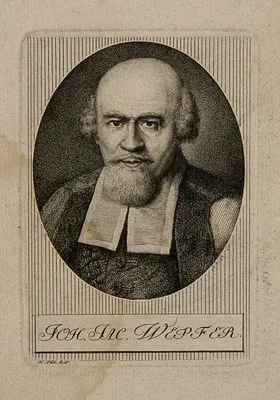
This is primarily a work on the poisonous water hemlock, its dangerous effects, its medicinal uses, and antidotes to counter the poison. However, it also contains the first description of the tiny glands in the mucosa…
1679
#2274
Sepulchretum, sive anatomia practica ex cadaveribus morbo denatis. 2 vols.
This is the first collection of systematized pathological anatomy. It contains clinical and pathological descriptions of nearly 3,000 cases selected from the literature from the time of Hippocrates, but mainly from th…
1681
#296
Anatome animalium, terrestrium variorum, volatilium, aquatilium, serpentum, insectorum, ovorumque, structuram naturalem, ex veterum, recentiorum, propriisque observationibus proponens, figuris variis illustrata.
“The first comprehensive manual of comparative anatomy based on the original and literary researches of a working anatomist” (Cole). Blaes anticipated Cowper in finding the Cowper’s glands, which he illustrated in his…
1681
#297
Musaeum Regalis Societatis, or a catalogue and description of the natural and artificial rarities belonging to the Royal Society and preserved at Gresham College. Whereunto is subjoyned the comparative anatomy of stomachs and guts.
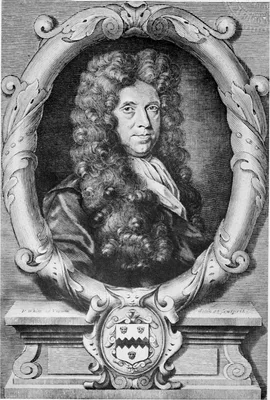
Grew, secretary to the Royal Society, compiled this illustrated catalogue of its museum, then housed at Gresham College. Published with the catalogue is Grew’s study of the stomach organs, which is the first zoologica…
1683
#298
The anatomy of an horse.
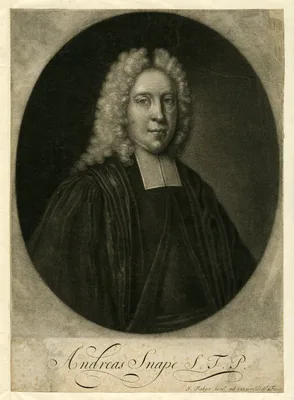
First book in English on equine anatomy, largely a translation of Ruini (No. 285).
1684
#974.2
Du ductu salivati hactenus non descriptio.
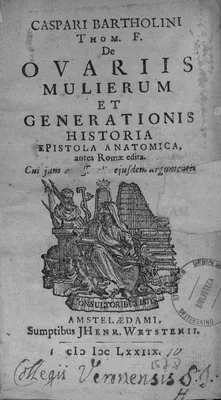
“Bartholin’s duct” and “gland”, the sublingual salivary gland and ducts.
1684
#1379
Neurographia universalis.
Vieussens, professor at Montpellier, was the first to describe the centrum ovale correctly. The publication of the above work threw new light on the subject of the configuration and structure of the brain, spinal cord…
1684
#1212
Observations anatomiques.
Includes a brief description of “Cowper’s glands”.
1684
#11684
Myographia nova, or a graphical description of all the muscles in the human body; with one and forty copper-plates.
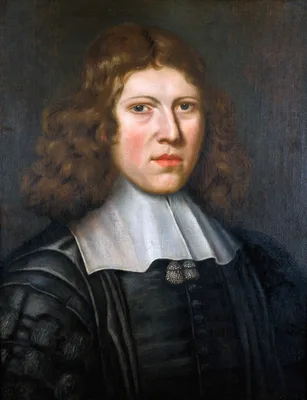
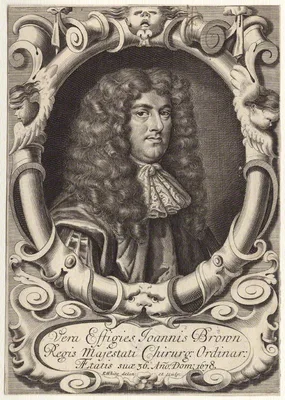
Browne's treatise on the muscles consisted of six lectures, illustrated by copperplates. It was, however, a plagiarism, as was pointed out by James Yonge: it put together text from the Muskotomia by William Molins wit…
1685
#385
Anatomia humani corporis, centum et quinque tabulis, per artificiosiss. G. de Lairesse ad vivum delineatis.
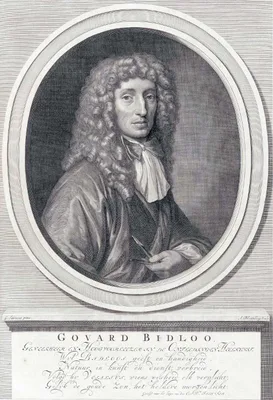
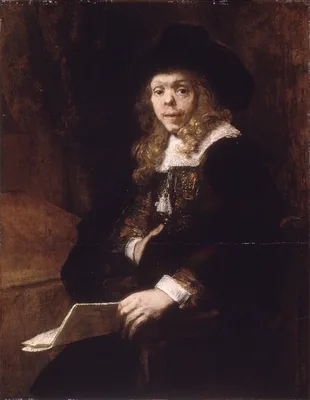
This large folio by Dutch physician, anatomist, poet, and playwright Govert Bidloo contains an engraved title, engraved portrait of Bidloo by Abraham Bloteling after Gérard de Lairesse and 105 engraved plates after La…
1685
#1101
De ductu salivali novo, saliva, ductibus oculorum aquosis, et humore oculi aqueo.
Nuck’s name has been attached to the glands and duct described by him.
1685
#9575
Opera omnia, anatomica et medica partim jam antea excusa, sed plurimis locis ab ipso auctore emendata, & aucta, partim nondum edita. Nunc simul collecta, & diligenter recognita, per Timannum de Diemerbroeck ... quorum elenchum sequens pagina indicabit.
Edited by the author's son.
1685
#11174
Bibliotheca anatomica sive recens in anatomia inventorum thesaurus locupletissimus, in quo integra qtque absolutissima totius corporis humani descriptio, eiusdémque oeconomia è praestantissimorum quorumque anatomicorum tractatibus singularibus, tum facenus in lucem edis, tum etiam indeditis, concinnata exhiibetur....2 vols.
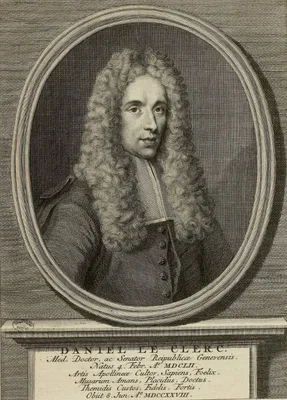
With reproductions of the original engraved plates, Bibliotheca anatomica was the most extensive compilation of anatomical treatises published in the 17th century. It was an extensive anatomical library in 2 thick vol…
1686 –1718
#265
Ontledingen en ontdekkingen.... 6 vols.
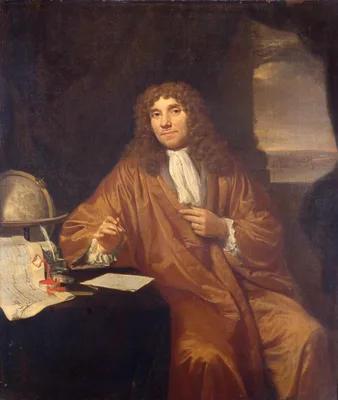
Leeuwenhoek, one of the first and also one of the greatest of the microbiologists, communicated many of his discoveries to the Royal Society in London. This set is a collection in Dutch of many contributions that van …
1686
#66
Opera omnia. 2 vols.
Malpighi was the founder of histology. In 1660 he was the first to see the capillary anastomosis between the arteries and the veins, thus contributing to the completion of Harvey’s work on the circulation. Malpighi wa…
1687
#975
De glandulis in intestino duodeno hominis detectis.
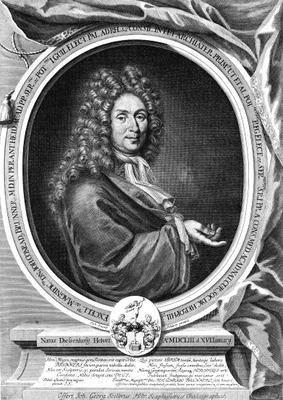
“Brunner’s glands”, earlier described by Wepfer (No. 974.1).
1689
#12782
Anatome ossium novis inventis illustrata.
Gagliardi, a papal physician, fiirst described the lamellar structure of the bones. He also carried out some tests and comparative research between human and calf bones, and probably first described a case of bone tub…
1691
#386
Anatomia per uso et intelligenza del disegno ricercata non solo su gl’ossi, e muscoli del corpo humano.
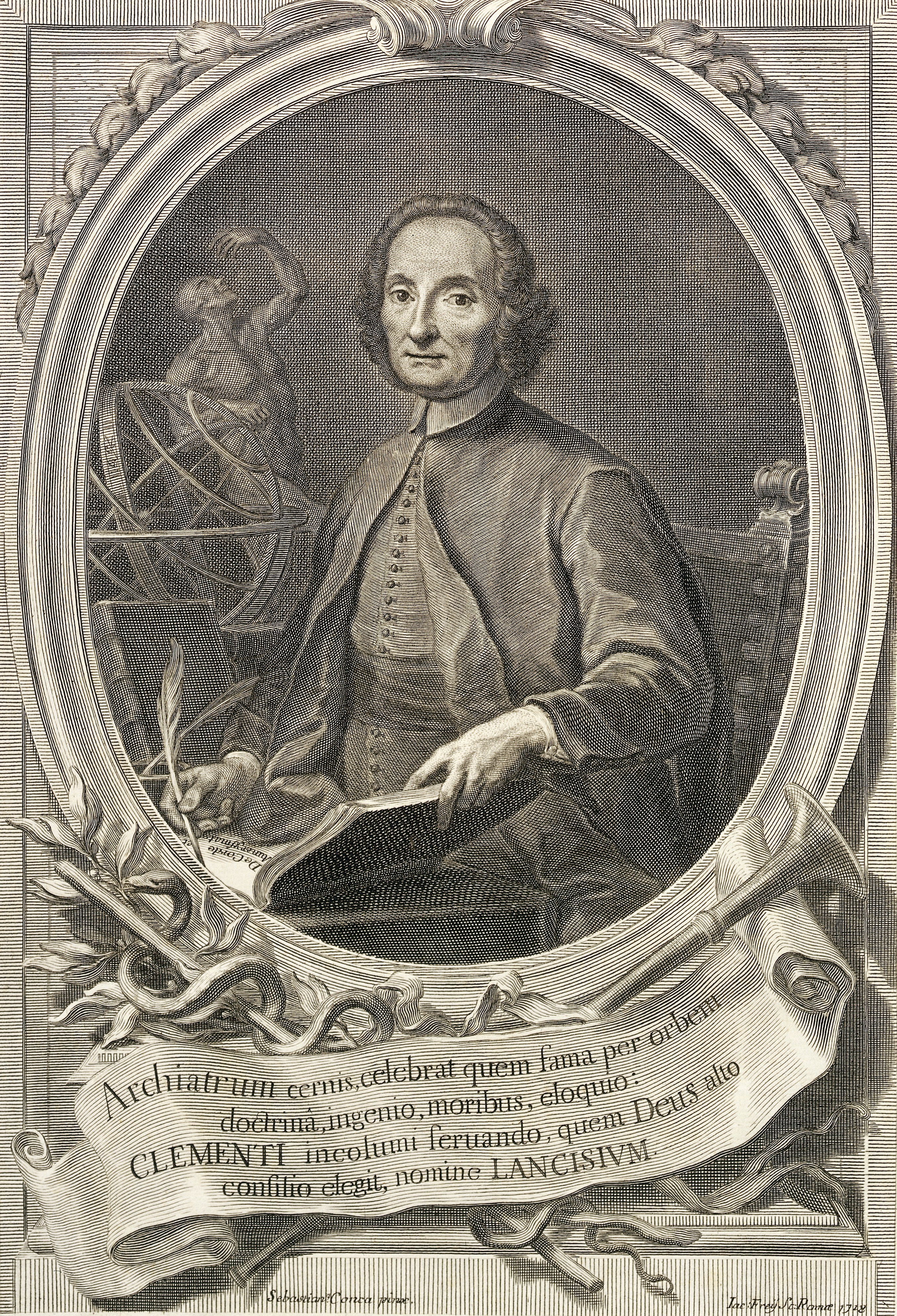
Contains 56 copper-plates, excellent anatomically and artistically, with commentary by Giovanni Maria Lancisi. This is one of the finest of all books on anatomy for artists. English translation with plates re-engraved…
1691
#387
Osteologia nova, or some new observations of the bones.
Havers discovered the Haversian canals and made important observations of the physiology of bone growth and repair. The Haversian lamellae, glands, and folds, are also named after him. The Haversian canals were observ…
1691
#1213
Adenographia curiosa et uteri foeminei anatome nova.
Description of the “canal of Nuck”.
1693
#388
Anatomia corporis humani, in qua omnia tam veterum, quam recentiorum anatomicarum inventa methodo nova & intellectu facillima describuntur, ac tabulis aenis repaesentantur.
This work was widely used for some years after publication, superseding Bartholin in popularity. Second edition, with supplement, 2 vols., Louvain, 1706-12.
1698
#385.1
The anatomy of humane bodies, with figures drawn after the life by some of the best masters in Europe.
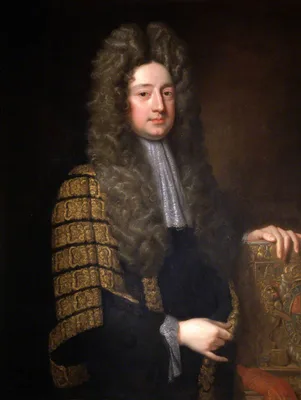
The largest in format, and most elaborate and beautiful of all 17th century English treatises on anatomy, and also one of the most extraordinary plagiarisms in the entire history of medicine. Cowper purchased sets of …
1699
#1214
An account of two new glands and their excretory ducts, lately discovered in human bodies.
Cowper’s description of the glands which bear his name. He was forestalled in their discovery by Jean Méry.
1699
#153
Orang-outang, sive homo sylvestris: Or, the anatomy of a pygmie compared with that of a monkey, an ape, and a man.
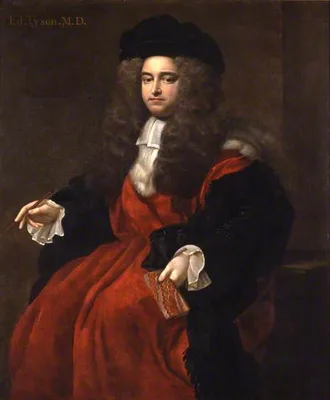
The earliest work of importance in comparative morphology. Tyson compared the anatomy of man and monkeys and between the two he placed the chimpanzee, which he regarded as the typical pygmy. This was the origin of the…
1701 –1715
#389
Thesaurus anatomicus primus [-decimus]... Het eerste [-tiende] anatomisch cabinet....
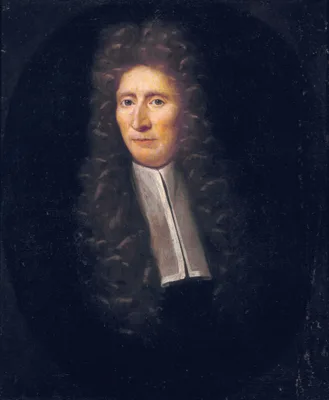
Probably the most original artist in the history of anatomical preparations, Ruysch enjoyed making up elaborate three-dimensional emblems of mortality from his specimens. These fantastic, dream-like concoctions constr…
1704
#68
Opera omnia medico-practica et anatomica.
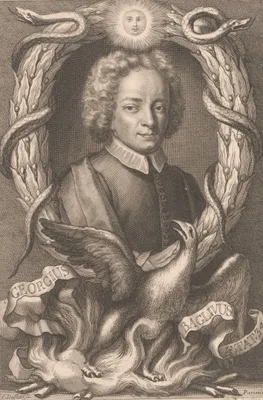
Baglivi, Professor of Anatomy at Rome, had a short but brilliant career. He wrote Praxis medica and De fibra motrice, and originated the so-called “solidar” pathology; he also devoted much time to experimental physiol…
1707
#1216
De sterilitate mulierum.
The Nabothian cysts and glands of the cervix uteri first described (sect. xv).
1707
#13900
Myographiae comparatae specimen: or, a comparative description of all the muscles in a man and in a quadruped. Shewing their discoverer, origin, progress, insertion, use, and difference. To which is added, an account of the muscles peculiar to a woman. With an etymological table, and several useful index's.
"As for the comparative part of this treatise, or the interlacing the descriptions of the human muscles with these of the canine, that needs no apology. The many useful discoveries known from the dissection of quadrup…
1708
#763
Disputatio medica inauguralis de circulo sanguinis in corde.
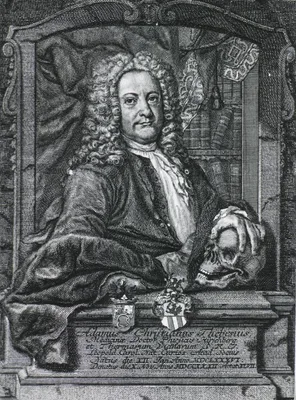
First description of the coronary valves and the venae thebesii.
1713
#390
The anatomy of the humane body.
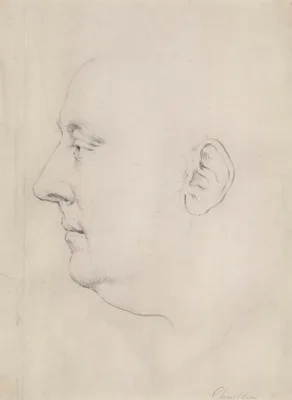
Although Cheselden is best known for his accomplishments in the field of surgery, he wrote two important books on anatomy. The above was for many years a textbook of the English medical schools and ran through 13 edit…
1714
#1312
Tabulae anatomicae.
A romantic history attaches to this fine collection of plates, drawn by Eustachius himself and completed in 1552. They remained unprinted and forgotten in the Vatican Library until discovered in the early 18th century…
1715
#7247
Traité nouveau de la structure et des causes du mouvement naturel du coeur. IN: Oeuvres françoises de M. Vieussens dédiées a nosseigneurs des états de la province de Languedoc.
The first work on cardiac anatomy and pathology. Vieussens was the first to describe the course of the coronary arteries and the coronary sinus. He also described collateral vessels connecting the left anterior descen…
1719
#1215
Description de l’urèthre de l’homme.
“Littre’s glands” described.
1720
#303
Amphitheatrum zootomicum.
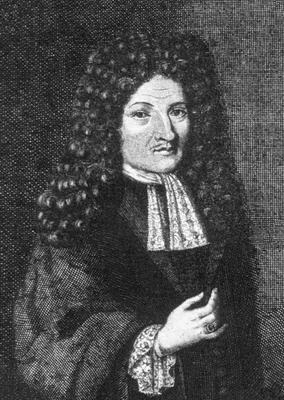
“First extensive work on the comparative anatomy of vertebrates” (Casey Wood).
1720
#976
Dissertatio anatomica qua novum bilis diverticulum circa orificium ductus choledochi ut et valvulosam colli vesicae felleae constructionem ad disceptandum proponit.
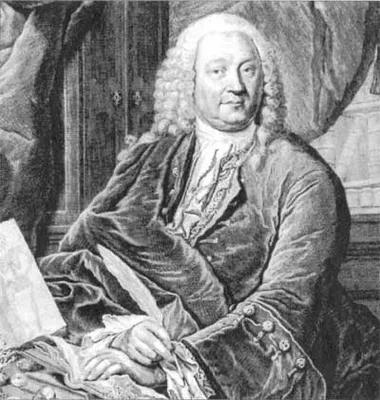
Following Vater’s classic description of the ampulla of the bile duct, it was named the “ampulla of Vater”.
1721
#11314
Catalogus rerum memorabilium quae in theatro anatomico academia, quae Lugduni Batavorum floret, demonstantur per Franciscum Schuyl.
Numerous editions and translations of the catalogue of the anatomical museum of the University of Leiden were published, probably to supply the needs of medical students from various countries. Digital facsimile of th…