
Facets
Browse across eight MeSH (opens in new tab) facets — era, geography, science, specialty, technology, history, culture, and reference. Select one tag per group; counts update across the others. What’s new in facet browse how facets relate to subjects and MeSH.
Clear filtersFacet filters
Geography
Specialties & Disease
- Anatomy & Pathology 7
- Cardiology & Blood 94
- Neurology & Psychiatry 27
- Obstetrics & Reproductive 5
- Infectious Disease (General) 1
- Surgery & Anesthesia 76
- Public Health 8
- Immunology & Dermatology 50
- General Clinical Medicine 1
- Military Medicine 0
- Psychology 3
- Alternative & Fringe Medicine 0
- Pediatrics 44
- Ophthalmology & Vision 12
- ENT & Hearing 5
- Urology & Nephrology 0
- Gastroenterology & Hepatology 9
- Pulmonary & Respiratory 5
- Rheumatology, Rehab & Pain 4
- Internal, Emergency & Geriatric 0
- Veterinary Medicine 2
- Epidemiology & Demography 4
- Physiology & Embryology 23
- Dentistry 3
- Plagues & Epidemics 27
- Microbiology & Virology 22
Social & Historical Studies
Institutions & Culture
Reference & Scholarly Works
454 entries match Genetics & Heredity [K01.900.300]
1885
#231
Die Bedeutung der Zellenkerne für die Vorgänge der Vererbung.
Along with Roux, Kölliker stated that hereditary characters were transmitted by the cell nucleus.
1886
#4704
Ueber eine bestimmte Form der primären combinirten Systemerkrankungen des Rückenmarks.
“Strümpell’s disease” – hereditary spastic spinal paralysis, previously described by Erb and by Charcot.
1886
#4750
The peroneal type of progressive muscular atrophy. Thesis for the degree of M.D. in the University of Cambridge.
Tooth described peroneal muscular atrophym a hereditary motor and sensory neuropathy of the peripheral nervous system, independently of, and in the same year as, Charcot and Marie. Known as Charcot-Marie-Tooth (CMT) d…
1886
#2393
La syphilis héréditaire tardive.
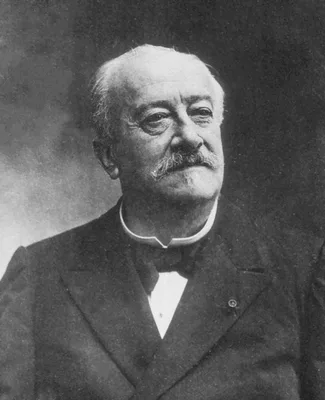
Fournier, one of the greatest syphilologists, did more than any other person to develop the knowledge regarding congenital syphilis. Through his writings, the importance of syphilis as a cause of degenerative diseases…
1886
#3067.1
A case of haemophilia: pedigree through five generations.
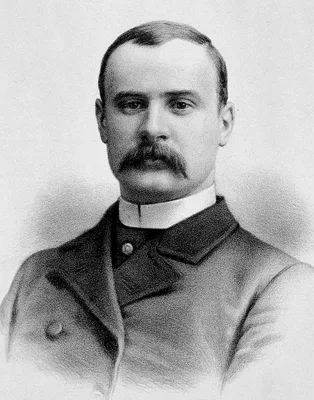
True hemophilia in a female. The family was the subject of several later investigations, the last being reported in Lancet, 1973, 2,734.
1886
#3790
Congenital absence of hair and mammary glands with atrophic condition of the skin and its appendages in a boy whose mother had been almost wholly bald from alopecia areata from the age of six.
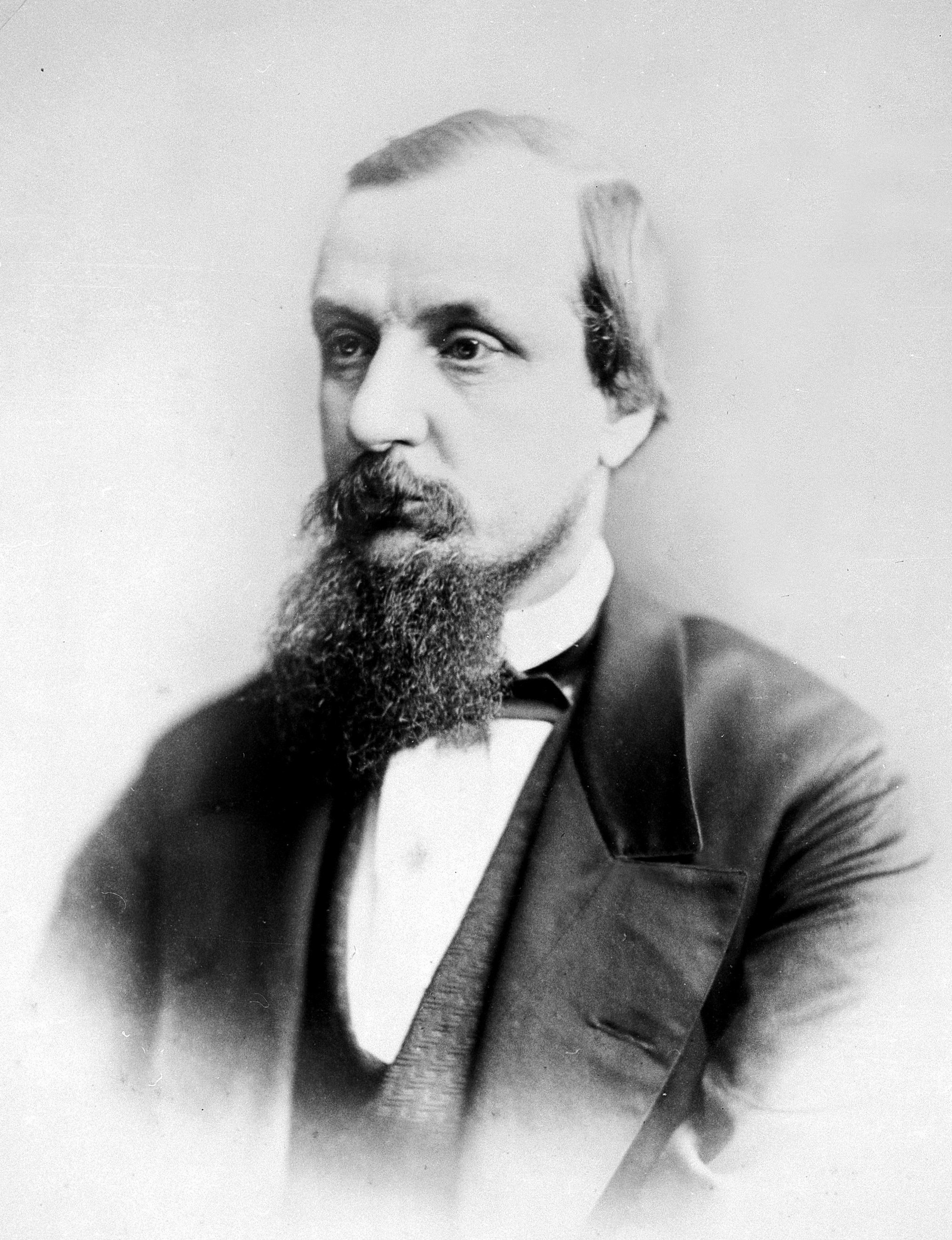
First description of progeria.
1887
#4705
On arrested cerebral development, with special reference to its cortical pathology.
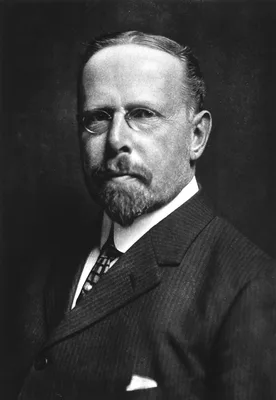
Sachs described the cerebral changes in amaurotic familial idiocy. Earlier, Tay (No. 5918) had recorded the ocular manifestations of this condition, which became known as “Tay-Sachs’s disease”. Two further papers on t…
1887 –1888
#3489
Stuhlträgheit Neuegeborener in Folge von Dilatation und Hypertrophie des Colons.
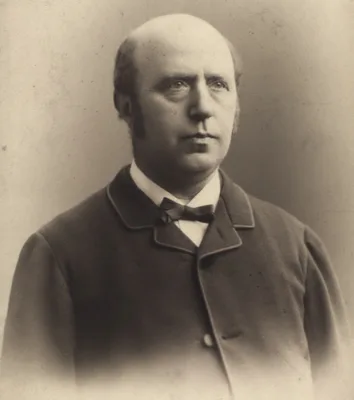
Hirschsprung’s diseases (congenital megacolon).
1887
#4093
Dermatitis venenata: An account of the action of external irritants upon the skin.
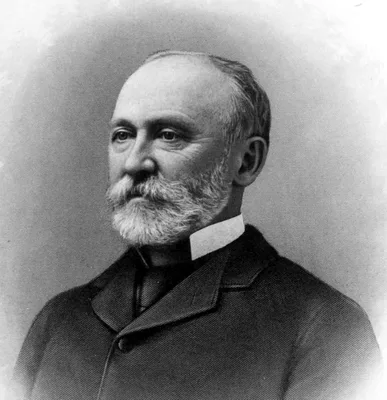
White, a pupil of Hebra, was an outstanding personality in American dermatology; he held the first chair in that subject in the U.S.A. The eponym “White’s disease” refers to his description of keratosis follicularis i…
1888
#2792
Contribution à l’anatomie pathologique de la maladie bleu (cyanose cardiaque).
The “tetralogy of Fallot.” He gave an important, but not the first, account of this condition (see Nos. 2726.1 & 2761). Abstract translation in Willius & Keys, Cardiac classics, 1941, pp. 689-90.
1888
#3489.1
Fälle von angeborener Pylorusstenose, beobachtet bei Säuglingen.
Hirschsprung first made the medical world aware of congenital hypertrophic pyloric stenosis as a distinct clinical entity. In this paper he made no suggestions concerning therapy.
1888
#231.1
Zellen-Studien.
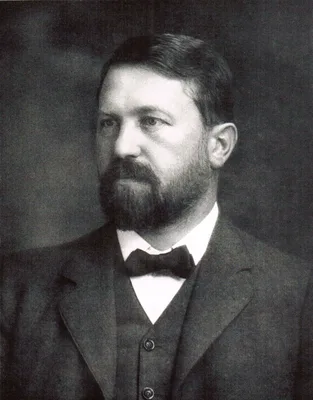
Boveri gave decisive proof of the maintenance of chromosomal individuality.
1888
#11271
Hereditary angio-neurotic oedema.
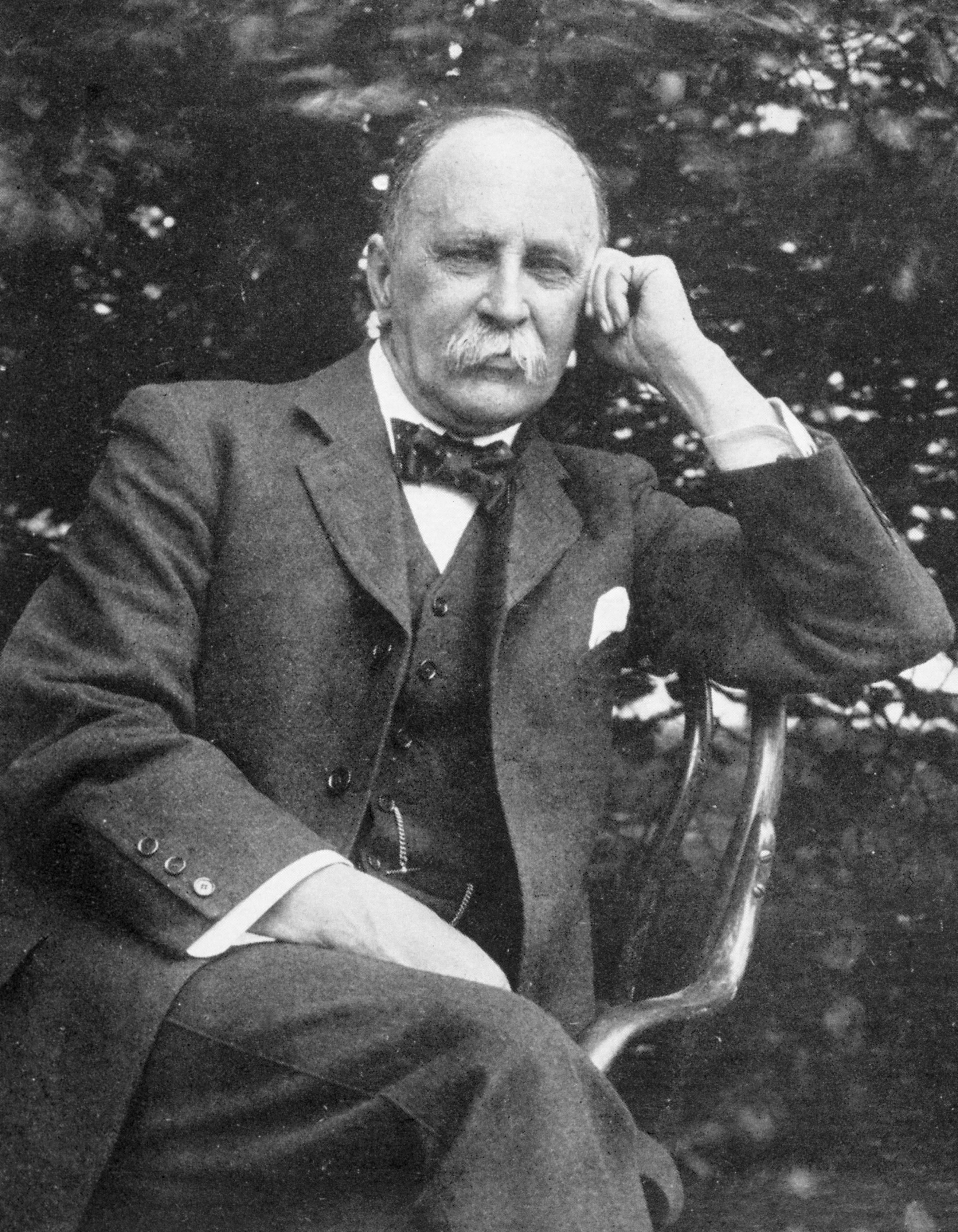
Osler was the first in the English-speaking world to describe what is now called hereditary angioedema. In this paper he presented "an interesting study of the heredity of a case, with a genealogical table" (Golden & …
1889
#3916
Ueber Haemochromatose.
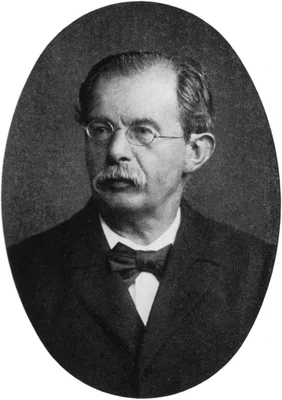
Recklinghausen gave to hemochromatosis its present name.
1889
#233
Natural inheritance.
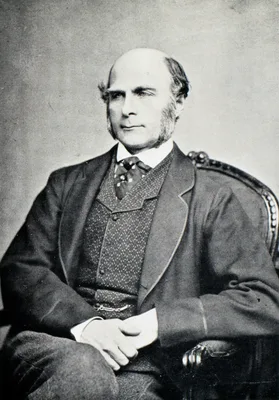
By the employment of statistical methods Galton propounded a “law of filial regression”. This book represents the first statistical study of biological variation and inheritance.
1890
#3069
Die Gelenkerkrankungen bei Blutern mit Berücksichtigung der Diagnose.
König gave a detailed description of joint involvement in hemophilia.
1890
#4355
Zur operativen Behandlung der angeborenen Hüftgelenksverrenkungen.
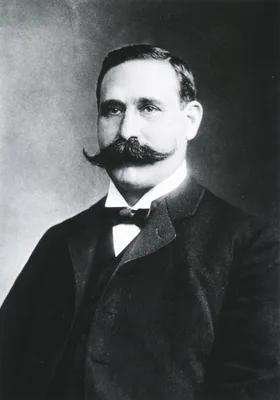
Hoffa’s method of operative treatment of congenital dislocation of the hip-joint.
1891
#4359
Die angeborene Verschiebung des Schulterblattes nach oben.
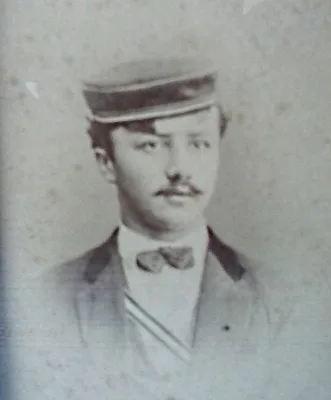
Classic description of “Sprengel’s deformity”, a congenital upward displacement of the scapula.
1891
#5937
Colour-blindness and colour-perception.
Includes (p. 262 et seq.) description of Edridge-Green’s lantern test for color-blindness. This was officially adopted in Great Britain in 1915 in place of the Holmgren test.
1891
#234
Amphimixis, oder die Vermischung der Individuen.
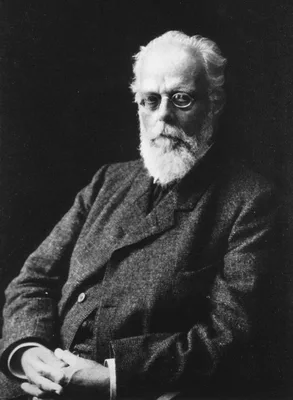
By “amphimixis” Weismann meant the union of the two parent germs, which he considered the principal source of heritable variation in evolution by natural selection. English translation in Weismann’s Essays upon Heredi…
1892
#4361
Untersuchungen über die sogenannte foetale Rachitis (Chondrodystrophia foetalis).
First study of the cartilage changes in achondroplasia.
1892
#235
Aufsätze über Vererbung und verwandte biologische Fragen.
Weismann produced experimental evidence that acquired characters are not transmitted.
1892
#236
Das Keimplasma.
Weismann elaborated the theory of the continuity of the germ plasm. English edition, 1893.
1893
#4708.1
Sur l’hérédo-ataxie cérébelleuse.
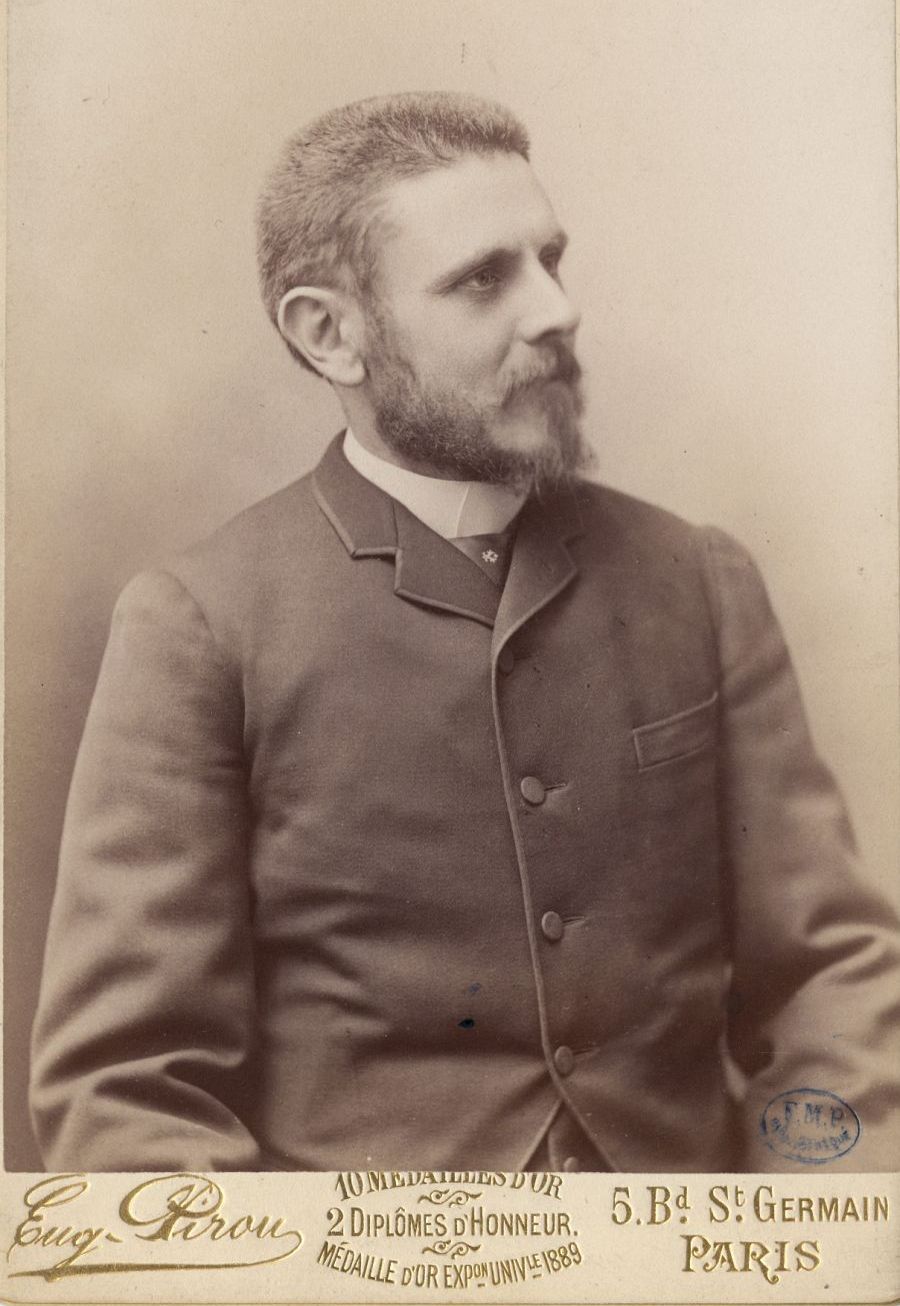
Original description of hereditary cerebellar ataxia.
1894
#237
Materials for the study of variation treated with especial regard to discontinuity in the origin of species.
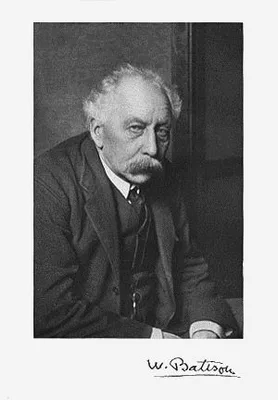
Bateson was convinced that discontinuity was the more important type of variation among animals and plants “in some unknown way a part of their nature and not directly dependent upon natural selection at all”. He show…
1894
#10595
Klinische Abbildungen: Sammlung von Darstellungen der Veränderung der äusseren Körperform bei inneren Krankheiten.
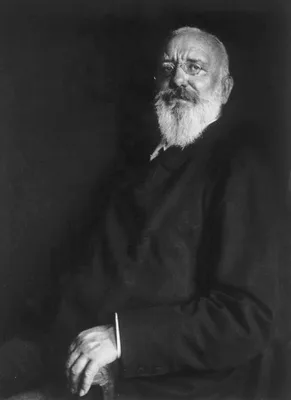
Includes 57 fine heliogravure reproductions of artistic photographs of disease, including numerous congenital deformities. Digital facsimile from Google Books at this link.
1895
#3918
Ueber die Pentosurie, eine neue Anomalie des Stoffwechsels.
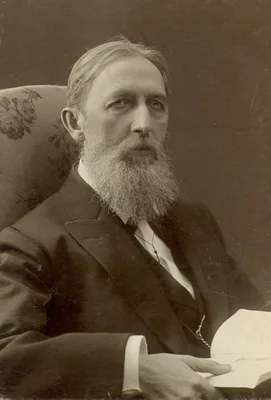
Pentosuria first described.
1895
#4365
The operative treatment of congenital dislocation of the hip-joint.
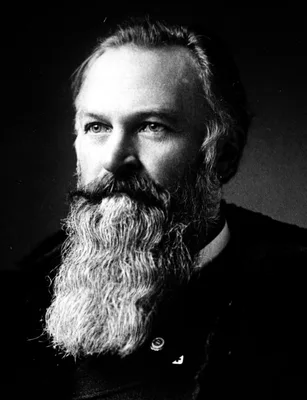
Lorenz suggested a bloodless method for closed reduction of congenital dislocation of the hip-joint – the “Hoffa–Lorenz” method.
1895
#4428
Ueber den Gang bei angeborener Hüftgelenksluxation.
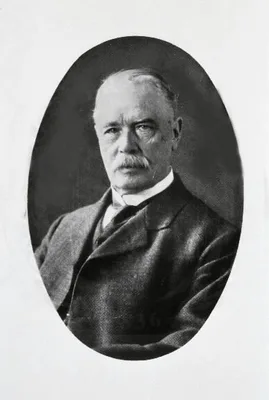
“Trendelenburg’s sign” of congenital dislocation of the hip-joint.
1896
#2710
Epistaxis répété chez un sujet porteur de petits angiomes cutanés et muqueux.
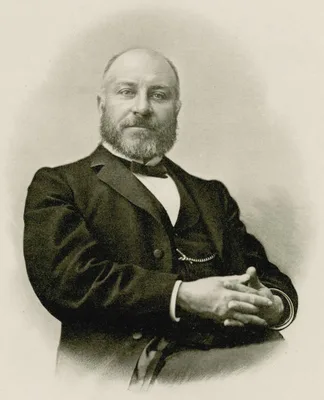
Rendu’s account of multiple hereditary telangiectasis (“Rendu–Osler–Weber disease”).
1896
#3840.1
Deaf-mutism and goitre.
Pendred syndrome, a genetic disorder leading to congenital bilateral (both sides) sensorineural hearing loss and goitre with euthyroid or mild hypothyroidism (decreased thyroid gland function).
1896
#4365.1
Un cas de déformation congénitale des quatre membres, plus prononcée aux extrémités, charactérisée par l’allongement des os avec un certain degré d’amincissement.
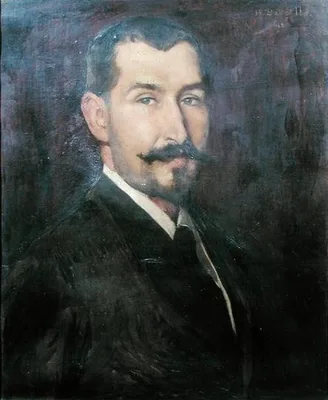
“Marfan syndrome”. Marfan described only the skeletal deformities. He called the condition dolichostenomelia. Later writers recorded bilateral ectopia lentis and cardiovascular complications in this syndrome.
1896
#4366
Deformities: A treatise on orthopaedic surgery.
Includes a valuable discussion of congenital anomalies of the bones and joints from the orthopedic point of view. Greatly expanded second edition, 2 vols., London, 1912.
1897
#2806
Die angeborenen Defecte der Kammerscheidewand des Herzens.
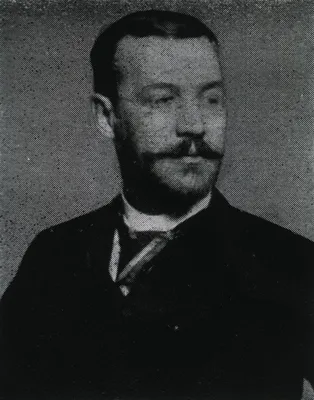
“Riding aorta”, patent interventricular septum and right ventricular enlargement – the “Eisenmenger syndrome”.
1897
#3792
On a condition of mixed premature and immature development.
Hastings Gilford gave progeria its name; it was first fully reported by him in Practitioner, 1904, 73, 188-217. Digital facsimile of the 1897 paper from PubMedCentral at this link.
1897
#4367
Ueber eine seltene Form von Erkrankung der Knochen und Gelenke.
“Bruck’s disease” – deformity of bones, multiple fractures, ankylosis of joints, and muscular atrophy.
1897
#239
The average contribution of each several ancestor to the total heritage of the offspring.
Galton’s “law of ancestral heredity”.
1898
#4369
Sur la dysostose cléido-crânienne héréditaire.
In their important description of cleido-cranial dysostosis, Marie and Sainton gave to it its present name. It was first described by Morand (No. 4302.1) in 1760. English translation in Bick, Classics of orthopaedics,…
1898
#10269
Traité des maladies chirurgicales d'origine congénitale.
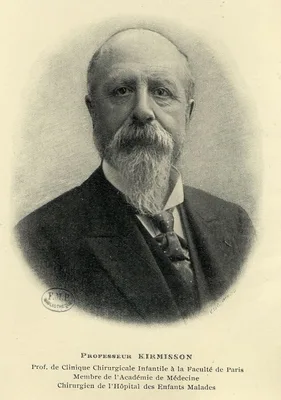
The first book entirely devoted to the surgical treatment of congenital abnormalities. The work also contains pp. 593-698 an exposition of Kirmisson's staged reduction of congenital dislocations of the hip, and discus…
1898
#11716
Die angeborenen Herzkrankheiten.
The first systematic treatise on congenital heart defects. Digital facsimile from the Internet Archive at this link.
1899
#4129
Le trophoedème chronique héréditaire.
“Meige’s disease” – first described by Nonne (No. 4106).
1900
#6367
Dark sclerotics and fragilitas ossium.
“Eddowes’s syndrome” – blue sclerotics and fragility of the bones, occurring as a familial syndrome; osteogenesis imperfecta. See also No. 6358.1.
1900
#239.01
Das Spaltungsgesetz der Bastarde.
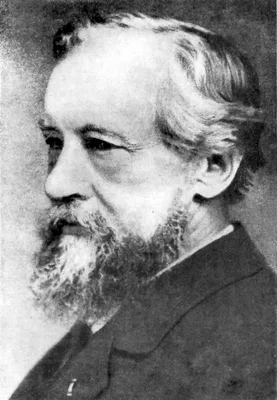
De Vries and Correns independently rediscovered and confirmed Mendel’s laws. This is De Vries’s most important paper on the subject. De Vries’s first published paper on the topic is “Sur la loi de disjonction des hybr…
1900
#239.1
G. Mendel’s Regel über das Verhalten der Nachkommenschaft der Rassenbastarde.
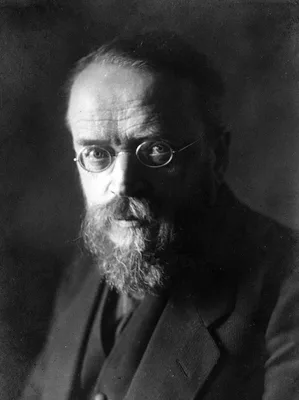
Correns had come to the same conclusions as Mendel before seeing the latter’s 1865 paper. Of the three “rediscoverers” of Mendel’s laws, Correns showed the greatest understanding of them. English translation in No. 25…
1900
#239.2
Über künstliche Kreuzung von Pisum sativum.
With Correns and de Vries, Tschermak brought Mendel’s work into prominence and confirmed it, although Tschermak may not have fully understood the Mendelian laws before he had read Mendel’s work. See also Tschermak’s f…
1900
#11360
Cases with symmetrical congenital notches in the outer part of each lid and defective development of the malar bones.
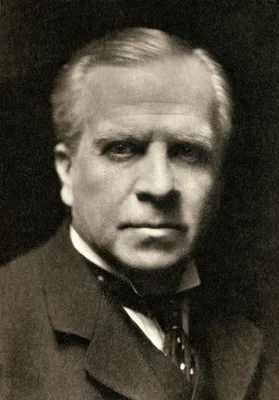
Treacher Collins syndrome (TCS), a genetic disorder characterized by deformities of the ears, eyes, cheekbones, and chin. Also known as mandibulofacial dysostosis.
1901
#2711
On a family form of recurring epistaxis, associated with multiple telangiectases of the skin and mucous membranes.
“Rendu–Osler–Weber disease.” Multiple hereditary telangiectasis was first described by Legg (No. 2707) in 1876 and later by Rendu (No. 2710) and Weber (No. 2714). Reprinted in Medical Classics, 1939, 4, 243-53.
1901
#3866
A study of congenital sarcoma of the liver and suprarenal. With report of a case.
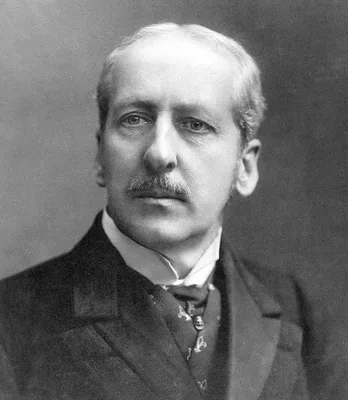
Pepper’s type of adrenal medullary tumor.
1901 –1903
#240
Die Mutationstheorie. 2 vols.
The theory of mutation was first advanced by de Vries. English translation, 2 vols., Chicago, 1909-10.
1902
#241
Mendel’s principles of heredity: A defence.
The first book on Mendelism in English, and the first English textbook of genetics. It contains a reprint of the first English translation of Mendel’s “Versuch über Pflanzen-Hybriden” from the J. Roy. Horticult. Soc.,…