
Facets
Browse across eight MeSH (opens in new tab) facets — era, geography, science, specialty, technology, history, culture, and reference. Select one tag per group; counts update across the others. What’s new in facet browse how facets relate to subjects and MeSH.
Clear filtersFacet filters
Geography
Specialties & Disease
- Anatomy & Pathology 7
- Cardiology & Blood 6
- Neurology & Psychiatry 9
- Obstetrics & Reproductive 0
- Infectious Disease (General) 1
- Surgery & Anesthesia 17
- Public Health 11
- Immunology & Dermatology 13
- General Clinical Medicine 5
- Military Medicine 1
- Psychology 8
- Alternative & Fringe Medicine 0
- Pediatrics 0
- Ophthalmology & Vision 0
- ENT & Hearing 0
- Urology & Nephrology 1
- Gastroenterology & Hepatology 1
- Pulmonary & Respiratory 1
- Rheumatology, Rehab & Pain 7
- Internal, Emergency & Geriatric 3
- Veterinary Medicine 0
- Epidemiology & Demography 24
- Physiology & Embryology 24
- Dentistry 1
- Plagues & Epidemics 8
- Microbiology & Virology 6
Social & Historical Studies
Institutions & Culture
Reference & Scholarly Works
248 entries match Physics, Math & Biomechanics [K01.900.400]
1964
#8178
Automated multiphasic screening and diagnosis.

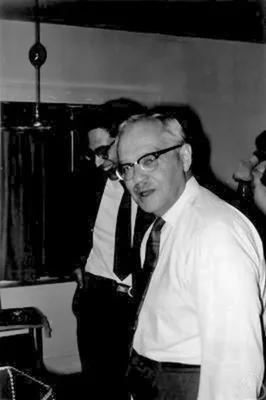
Describes aspects of the pioneering automated multiphasic screening and diagnosis program at the Kaiser Foundation Health Plan, the origins of their medical informatics system, developed by Collen and colleagues at Ka…
1965
#7356
Use of computers in biology and medicine.
1965
#8834
Computers in biomedical research. Edited by Ralph W. Stacy and Bruce Waxman. 2 vols.
Section A, Chapter 2: "New mathematical methods in the life sciences" by George B. Dantzig. Section D, Chapter 12: "The application of computers to electroencephalography" by Mary A. B. Brazier. Section E, Chapter 13:…
1966
#14064
"Fertile" intestine nuclei.
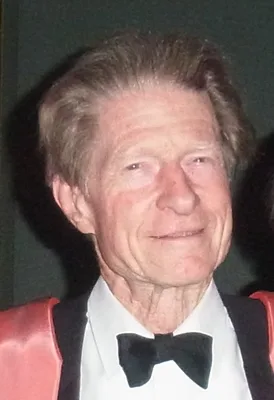
Gurdon and Uehlinger replaced the cell nucleus of frog ova with frog intestinal nuclei to generate tadpoles, some of which became fertile adult male and female frogs. In 2012 the Nobel Prize in Physiology or Medicine …
1968
#7948
Evaluation of the MEDLARS demand search service.
The first large-scale evaluation of a "major operating information system." A detailed analysis of the performance of the Medical Literature and Analysis System (MEDLARS) in relation to 300 actual "demand search" requ…
1968
#8172
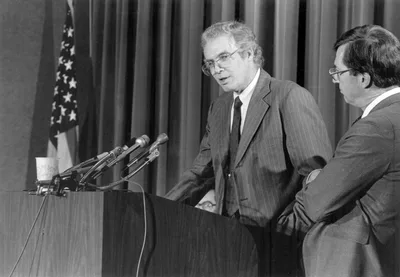
The computer and medical care.
1968
#11551
Hydrodynamics and hydraulics by Daniel Bernoulli and Johann Bernoulli. Translated by Thomas Carmody and Helmut Kobus.
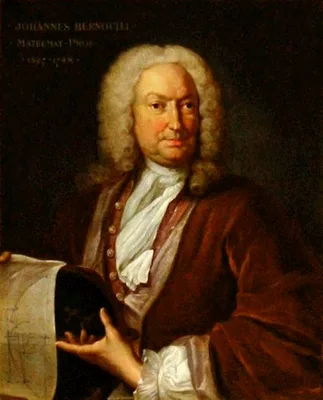
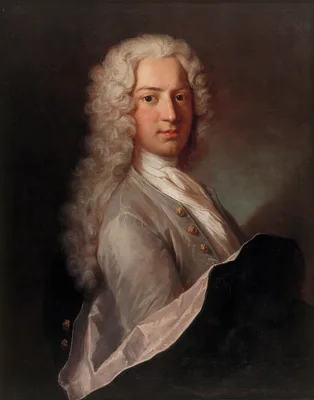
Daniel Bernoulli’s Hydrodynamica, published in 1738, marks the first appearance of many topics central to modern science - from the kinetic theory of gases to the principles of jet propulsion. John Bernoulli’s Hydraul…
1969
#7487
Exploring the ocean world: A history of oceanography.
1969
#10611
Computerized mapping of disease and environmental data. A report of the Mapping of Disease (MOD) Project.
This appears to be the earliest monograph on computerized disease mapping. At the time the research was conducted both computer graphics processing and data output in mainframe computers were inadequate for drawing al…
1970
#8380
George A Sacher, Life table modification and life prolongation. IN: Handbook of the biology of aging, edited by Caleb E. Finch and Leonard Hayflick, pp. 582–638.
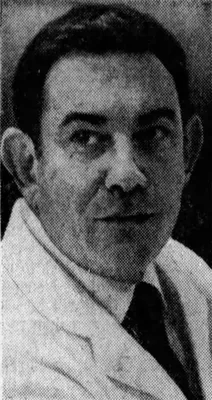
"The building of a connection between the Gompertz equation and the biology of ageing owes much to the work of biophysicist George Sacher [10] of the Argonne National Laboratory, whose introduction to ageing stemmed f…
1970
#11564
Clinical electrocardiography and computers.
"The definitive text of the emerging field of computerized electrocardiography" (W. Bruce Fye).
1972
#9628
The voyage of the Challenger.
1972
#10505
Medical geography: Techniques and field studies. Ediited by N. D. McGlashan
Chapter 5: "Computers and mapping in medical geography" by R. W. Armstrong appears to be one of the earliest reviews of this subject.
1973
#2700.4
Computerized transverse axial scanning (tomography).
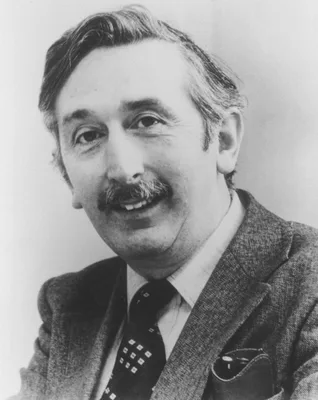
Hounsfield invented computer-assisted tomography (CAT), or computed tomography (CT). In 1979 Hounsfield shared the Nobel Prize in Physiology or Medicine with Allen M. Cormack "for the development of computer assisted …
1973
#257.5
Construction of biologically functional bacterial plasmids in vitro.
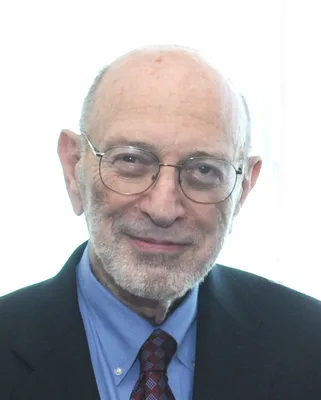
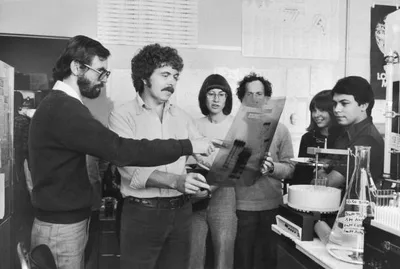
Cohen, Boyer and associates developed the first practical method for cloning genes, by the formation of recombinant plasmids which can be used to infect plasmid-free bacteria. The authors demonstrated that if DNA is f…
1973
#12648
Atlas zur Biomechanik der Gesunden und kranken Hüfte,
Translated into English by Ronald J. Furlong and Paul Maquet as Biomechanics of the normal and diseased hip. Theoretical foundation, technique and results of treatment: An atlas. Berlin: Springer-Verlag, 1976.
1974
#6909
Computerized transaxial x-ray tomography of the human body.
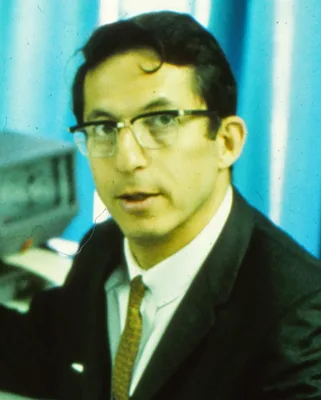
Ledley and team developed the developed the ACTA 0100 CT Scanner (Automatic Computerized Traverse Axial)— the first whole-body computed tomography scanner. With G. Di Chiro, A. J. Luessenhop, and H.L. Twigg. For furth…
1974
#7521
Telediagnosis: A new community health resource, Observations on the feasibility of telediagnosis based on 1000 patient transactions.
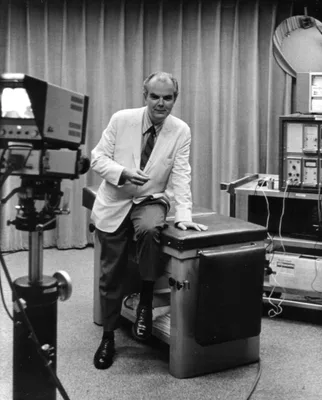
In 1968 Bird founded and directed the first "telemedicine" system, which linked a medical station at Boston's Logan Airport with doctors at Massachusetts General Hospital, who supplied remote diagnosis, treatment and …
1974
#8386
Hospital computer systems: How to use computers in medical centers for better patient care. Edited by Morris F. Collen.
This is the first comprehensive book on the subject. The authors describe in detail, with numerous references, the limited hospital computer systems in operation at the time both in the United States and in Europe. Th…
1974
#9487
"A computer-based system for the study and control of drug interactions in hospitalized patients," P. L. Morselli, S. Garattini, and S. N. Cohen, Drug interactions, 363-373.
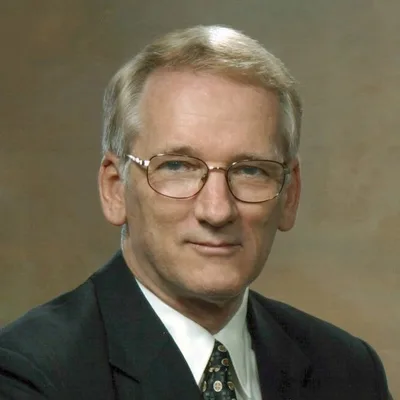
MEDIPHOR System (Monitoring and Evaluation of Drug Interactions by a Pharmacy-Oriented Reporting System) developed by Cohen, Shortliffe and colleagues at Stanford University Medical School, published as a chapter in t…
1974
#10963
Genome construction between bacterial species in vitro: Replication and expression of staphylococcus plasmid genes in Escherichia coli.
Confirmation of the success of methods outlined in No. 257.5. Abstract: "Genes carried by EcoRI endonuclease-generated fragments of Staphylococcus plasmid DNA have been covalently joined to the E. coli antibiotic-resi…
1975
#7522
Telemedicine: Explorations in the use of telecommunications in health care.
The first book on telemedicine, with contributions by 18 authors, including Kenneth T. Bird. In the final chapter the editors summarize telemedicine programs then operational in the United States. The book also includ…
1975
#9486
A model of inexact reasoning in medicine.
"MYCIN was an early backward chaining expert system that used artificial intelligence to identify bacteria causing severe infections, such as bacteremia and meningitis, and to recommend antibiotics, with the dosage ad…
1977
#10964
Expression in Escherichia coli of a chemically synthesized gene for the hormone somatostatin.
Order of authorship in the original paper: Itakura, Hirose, Crea..., Bolivar, Boyer. Synthesis of the gene for somatostatin (growth hormone-inhibiting hormone (GHIH). This was the first demonstration of a foreign gene…
1977
#12031
The construction of molecular cloning vehicles. II. A multipurpose cloning system.
Order of authorship in the original publication Bolivar, Rodriguez, Betlach...Boyer...The authors describe the composition and molecular construction of pBR-322 (named after Bolivar and Rodriguez) and call it "the mos…
1978
#1716.1
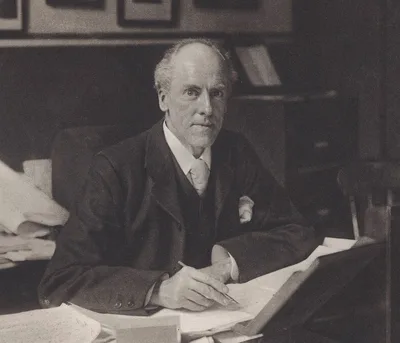
The history of statistics in the 17th and 18th centuries against the changing background of intellectual, scientific and religious thought. Lectures by Karl Pearson given at University College London during the academic sessions 1921-1933.
1978
#9720
Recombinant DNA: The untold story.
1978
#9831
Multiphasic health testing services.
'In 1968 Morris F. Collen, MD and his team at KP’s Medical Methods Research (MMR) built a medical information system that peers described in the era as the most advanced of its kind. It was an aspiration of medical in…
1978
#13969
Inhibition of Rous sarcoma virus replication and cell transformation by a specific oligodeoxynucleotide (tridecamer deoxyribonucleotide/hybridization competitor/hybridon).
Zamecnick and Stephenson reported the first example of specific inhibition of gene expression by an oligonucleotide when they demonstrated that a short oligonucleotide inhibited Rous sarcoma virus replication in cell …
1979
#8173
The growth of medical information systems in the United States.
"About a fourth of the operating cost off hospitals is expended on information handling. (p. 2).
1979
#9769
Health, medicine and mortality in the sixteenth century. Edited by Charles Webster.
Chapter 11 is an analysis of the life and work of librarian and key early pioneer in medical informatics, Sanford V. Larkey by Margaret Pelling. Another chapter, by Paul Slack, “Mirrors of health and treasures of poor…
1979
#13929
Transformation of mammalian cells with genes from procaryotes and eucaryotes.

Axel, along with microbiologist Saul J. Silverstein and geneticist Michael H. Wigler, discovered a technique of cotransformation via transfection. This process, which allows foreign DNA to be inserted into a host cell…
1979
#13980
Expression in Escherichia coli of chemically synthesized genes for human insulin (plasmid construction / lac operon / fused proteins / radioimmunoassay / peptide purification).
Working at Genentech, Kleid and Goeddel and colleagues were the first scientists to apply genetic engineering techniques, incorporating chemically synthesized DNA encoding human insulin into E. coli, that expressed, a…
1980
#8175
Applications of artificial intelligence for organic chemistry: The Dendral project.
1980
#11488
The seeds of artificial intelligence: SUMEX-AIM.
A semi-popular and extensively illustrated summary of research on artificial intelligence in medicine at Stanford Medical School as directed by Edward A. Feigenbaum, Stanley N. Cohen, Carl Djerassi, and Elliott C. Lev…
1981
#9728
The DNA story: A documentary history of gene cloning.
1981
#13068
The mismeasure of man.
A critique of statistical methods and cultural motivations underlying biological determinism. "Gould argues that the primary assumption underlying biological determinism is that, “worth can be assigned to individuals …
1981
#13285
Establishment in culture of pluripotential cells from mouse embryos.
Evans and Kauffman were the first to identify, isolate and successfully culture embryonic stem cells using mouse blastocysts. This discovery opened the doors to the creation of “murine genetic models” -- mice that hav…
1981
#13961
Isolation of a pluripotent cell line from early mouse embryos cultured in medium conditioned by teratocarcinoma stem cells (embryonic stem cells/inner cell masses/differentiation in vitro/embryonal carcinoma cells/growth factors) .

Martin used a different approach that avoided in vivo alteration. She reasoned that an ES cell line might be obtained by culturing cells isolated from blastocysts in a medium that had previously been conditioned by an…
1982
#7431
A history of the National Library of Medicine: The nation's treasury of medical knowledge.
Digital facsimile from the National Library of Medicine at this link; from the Internet Archive at this link. Chapter XX is "Evolution of Computerized Bibliographies."
1982
#10046
Splicing life: A report on the social and ethical issues of genetic engineering with human beings.
Digital facsimile from the Internet Archive at this link.
1983
#12061
Differential equations and mathematical biology.
"This textbook shows how first-order ordinary differential equations (ODEs) are used to model the growth of a population, the administration of drugs, and the mechanism by which living cells divide. The authors presen…
1983
#13989
Expression of chimaeric genes transferred into plant cells using a Ti-plasmid-derived vector.
Schell and Montagu discovered the gene transfer mechanism between Agrobacterium and plants, which resulted in the development of methods to alter Agrobacterium into an efficient delivery system for gene engineering in…
1984
#11363
Readings in medical artificial intelligence: The first decade. Edited by William Clancey and Edward H. Shortliffe.
1986
#1716.2
The history of statistics: The measurement of uncertainty before 1900.
The first comprehensive history of statistics from about 1700 to 1900.
1986
#10201
The Visible Human Project.
https://www.nlm.nih.gov/research/visible/visible_human.html "The Visible Human Project® is an outgrowth of the NLM's 1986 Long-Range Plan. It is the creation of complete, anatomically detailed, three-dimensional repre…
1986
#13990
Fluorescence detection in automated DNA sequence analysis.

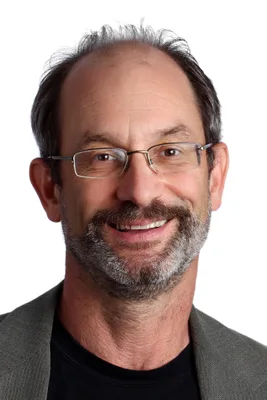
Invention of the first semi-automated DNA sequencing machine by Leroy H. Hood, Lloyd M. Smith and colleagues. Abstract of the paper: "We have developed a method for the partial automation of DNA sequence analysis. Flu…
1987
#13931
Site-directed mutagenesis by gene targeting in mouse embryo-derived stem cells.
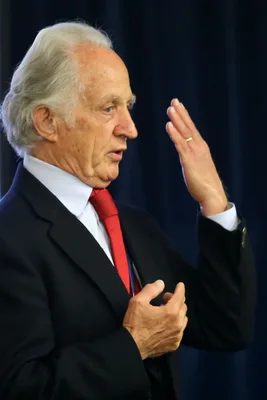
In 2007 Capecchi shared the 2007 Nobel Prize in Physiology or Medicine with Martin J. Evans and Oliver Smithies "for their discoveries of principles for introducing specific gene modifications in mice by the use of em…
1987
#13940
Targeted correction of a mutant HPRT gene in mouse embryonic stem cells.
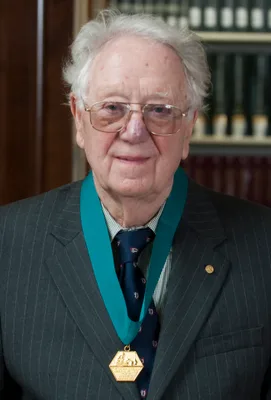
Smithies discovered, simultaneously with Mario Capecchi and Martin Evans, the technique of homologous recombination of transgenic DNA with genomic DNA, a much more reliable method of altering animal genomes than previ…
1990
#7355