
Facets
Browse across eight MeSH (opens in new tab) facets — era, geography, science, specialty, technology, history, culture, and reference. Select one tag per group; counts update across the others. What’s new in facet browse how facets relate to subjects and MeSH.
Clear filtersFacet filters
Geography
Specialties & Disease
- Anatomy & Pathology 765
- Cardiology & Blood 914
- Neurology & Psychiatry 1,258
- Obstetrics & Reproductive 551
- Infectious Disease (General) 147
- Surgery & Anesthesia 1,553
- Public Health 1,129
- Immunology & Dermatology 1,405
- General Clinical Medicine 487
- Military Medicine 436
- Psychology 202
- Alternative & Fringe Medicine 383
- Pediatrics 247
- Ophthalmology & Vision 412
- ENT & Hearing 293
- Urology & Nephrology 309
- Gastroenterology & Hepatology 316
- Pulmonary & Respiratory 233
- Rheumatology, Rehab & Pain 189
- Internal, Emergency & Geriatric 123
- Veterinary Medicine 165
- Epidemiology & Demography 397
- Physiology & Embryology 924
- Dentistry 259
- Plagues & Epidemics 1,279
- Microbiology & Virology 1,080
Social & Historical Studies
Institutions & Culture
Reference & Scholarly Works
1,553 entries match Surgery & Anesthesia [E04 / G02.403.810]
1589 –1591
#8466
Der Bücher und Schriften des Edlen, Hochgelehrten und Bewehrten Philosophi und Medici, Philipi Thephrasti Bombast von Hohen hem, Paracelsi genannt. Edited by Johannes Huser. 10 vols.
First edition of Paracelsus's collected works. Though all the autographs of Paracelsus's writings were later lost, Huber, who was born shortly after Paracelsus's death, was able to collect a great number of autographs…
1593
#5566
De gangraena et sphacelo.
Fabricius, the “Father of German Surgery”, was the first to advocate the amputation above the gangrenous or injured part. He is accredited with the first amputation of the thigh. In his work he makes no reference to P…
1594
#3669
La chirurgie françoise recueillie des antiens médecins et chirurgiens.
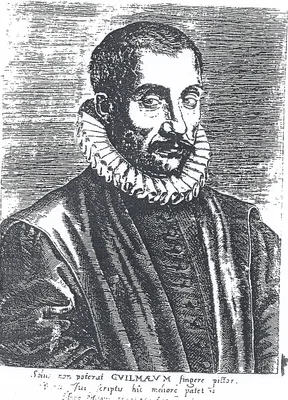
Guillemeau was Paré’s son-in-law. His splendidly illustrated work is of special importance for dentistry and for surgery for cleft lip. It describes pyorrhea alveolaris for the first time and is also the first work to…
1596
#5567
A discourse on the whole art of chyrurgerie.
The first systematic work on the whole subject of surgery written in England. Lowe was the founder of the Faculty of Physicians and Surgeons of Glasgow. This was the first medical organization in Great Britain to incl…
1597
#5734
De curtorum chirurgia per insitionem.
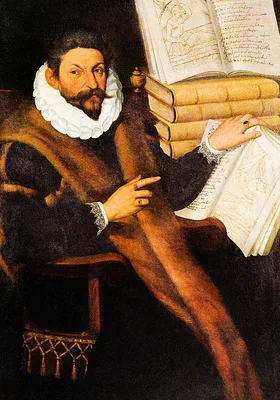
Tagliacozzi of Bologna became famous for his work on rhinoplasty, but Paré and Fallopius both abused him and his work, and the Church (which regarded such operations as meddling with the work of God) exhumed his body …
1606 –1641
#5570
Observationum et curationum chirurgicarum centuriae. 6 vols.
Fabricius’s most important work; it was the best collection of case-records available for many years. Among other things, Fabricius used a magnet to extract an iron splinter from the eye – an idea suggested to him by …
1607
#2245
De combustionibus.
First book devoted entirely to burns. Fabry was the first to classify burns. Translated into English by John Steer as: Gulielm, Fabricius Hildamus, his experiments in chyrurgerie concerning combustions or burnings mad…
1610
#5568
Thesaurus chirurgiae.
An anthology of 16th century writers; a good summary of the surgical knowledge of that period.
1614
#3789
Observationum in hominis affectibus plerisque, corpori & animo, functionum laesione, dolore, aliave molestia & vitio incommodantibus, libri tres.
First known report of a case of death from hypertrophy of the thymus, in an infant, is reported on p. 172; it is reproduced on p. 239 of J. Ruhräh’s Pediatrics of the past, New York, 1925. Platter first described flex…
1616
#2143
De rara medicatione vulnerum.
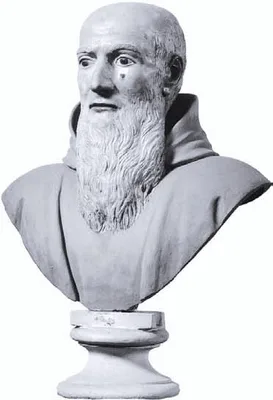
Like Paré, Magati believed that gunshot wounds were not in themselves poisonous. He suggested a bandage moistened with plain water in place of the various salves then in vogue.
1626
#12781
Barbiere di Tiberio Malfi da Monte Sarchio Barbiere, e consule dell’arte in Napoli Libri Tre. Ne qualisi ragiona dell’eccellenza dell’Arte, e de’ suoi precetti. Delle Vene, e regole d’aprirle.
Published when barbers saw their work increasingly competed with by professional surgeons, Malfi’s book stresses medical knowledge of barbers and their expertise in performing medical procedures. It is Illustrated wit…
1632
#2273
De recondita abscessuum natura.
The first textbook of surgical pathology. It treats of all kinds of swelling under the term “abscess” and describes neoplasms of the genital organs and sarcoma of bones. Tumors of the breast are classified into four g…
1632
#12780
Nuoua, et vtilissima prattica di tutto quello ch'al diligète barbiero s'appartiene: E particolarmente del cauar sangue ....
An extensively llustrated manual published specifically for barber surgeons, published in the vernacular, and instructing them in the art of bloodletting and phlebotomy, embalming dead bodies, curing headaches, and va…
1646
#60.1
Opera quae extant omnia, partim ante hac excusa, partim nunc recens in lucem edita; omnia abo authore recognita...aucta.
The collected works of the “father of German surgery”. Digital facsimile from the Bayerische StaatsBiliothek at this link. German translation: Wund-Artzney, gantzes Werck und aller Bücher, so viel deren vorhanden, wel…
1650
#3729
De rachitide sive morbo puerili, qui vulgo The Rickets dicitur tractatus.
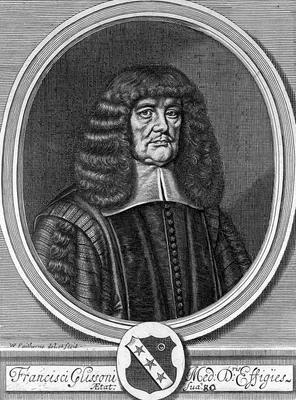
Although anticipated by Whistler and others in the description of infantile rickets, Glisson’s account was the fullest that had till then appeared. He was first (Chap. 22) to describe infantile scurvy. Glisson’s book …
1655
#3669.1
Χειροπλοθήκη seu armamentarium chirurgicum.
Scultetus is famous for his illustrations of surgical procedures and both surgical and dental instruments. With respect to dentistry he describes and illustrates stomatological operations and includes fine illustratio…
1661
#5645.90
De nivis usu medico observationes variae…
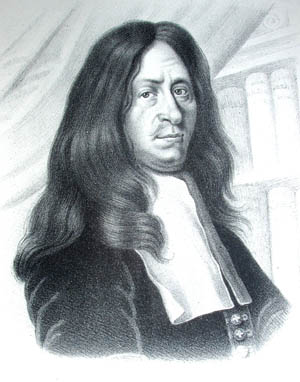
The first work after Avicenna to discuss the use of snow as an anesthetic.
1664
#5572
Observationum medico-chirurgicarum rariorum sylloge.
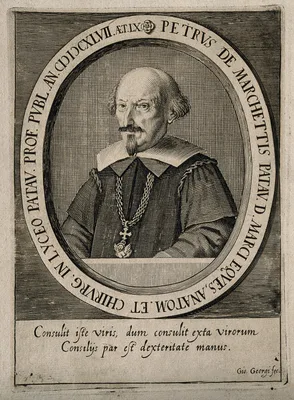
Pietro de Marchetti was Professor of Surgery at Padua. His book contains many valuable observations in surgery.\\
1668
#5735
Heel- en geneeskonstige aanmerkingen.
Van Meekeren was first to record a bone graft. He states (Chap. 1) that he read a report of it in a letter received by the Rev. Engebert Sloot of Slooterdijk from John Kraanwinkel, a missionary in Russia, where the op…
1672
#384
Anatomia chirurgica.
First book devoted entirely to surgical anatomy.
1676
#5573
Severall chirurgicall treatises.
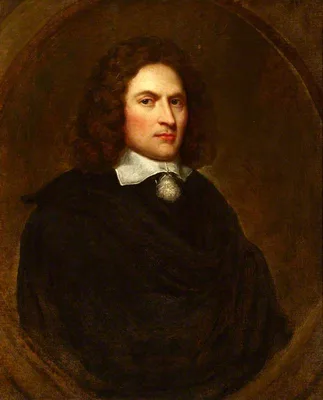
Wiseman ranks in surgery as high as does Sydenham in medicine. He made many valuable contributions to the subject; he was the first to describe tuberculosis of the joints (“tumor albus”) and he gave a good account of …
1679
#4436
Currus triumphalis, è terebinthô. Or an account of the many admirable vertues of oleum terebinthinae. More particularly, of the good effects produced by its application to recent wounds, especially with respect to the hemorrhagies of the veins, and arteries, and the no less pernicious weepings of the nerves, and lymphaducts. Where also, the common methods, and medicaments, used to restrain hemorrhagies, are examined, and divers of them censured. And lastly, A new way of amputation, and a speedier convenient method of curing stumps, than that commonly practised, is with divers other useful matters recommended to the military surgeon.…
Describes how Yonge used turpentine to arrest hemorrhage, and presents the first account of a flap amputation. It also shows that Yonge was familiar with tourniquets. Digital facsimile from Google Books at this link.
1682
#8836
Wounds of the brain proved curable, not only by the opinion and experience of many (the best) authors, but the remarkable history of a child four years old cured of two very large depressions, with the loss of a great part of the skull, a portion of the brain also issuing thorough a penetrating wound of the dura and pia mater…
Probably the first monograph in English on surgery of the head and brain. Yonge was a naval surgeon who set up in practice in Plymouth after he gave up the sea. He had just performed the operation for an injury of the…
1693
#4298
Lettre écrite à Monsieur le Chevalier Guillaume de Waidegrave …contenant une dissertation physique sur la continuité de plusieurs os, à l’occasion d’une fabrique surprenante d’un tronc de squelette humain, où les vertebres, les côtes, l’os sacrum, & les os des iles, qui naturellement sont distincts & separés, ne font qu’un seul os continu & inseparable.
First description of ankylosing spondylitis. The British Museum copy of the title page of this work has been mutilated, apparently deliberately, in two places; the author’s surname may originally have appeared as “O’C…
1695
#5574
La chirurgie complète.
This “quiz-compend” passed through eighteen editions. Among other things it mentions the use of vitriol buttons for checking hemorrhage and the mode of manual compression used at the Hôtel-Dieu. English translation, L…
1700
#4299
Opera posthuma.
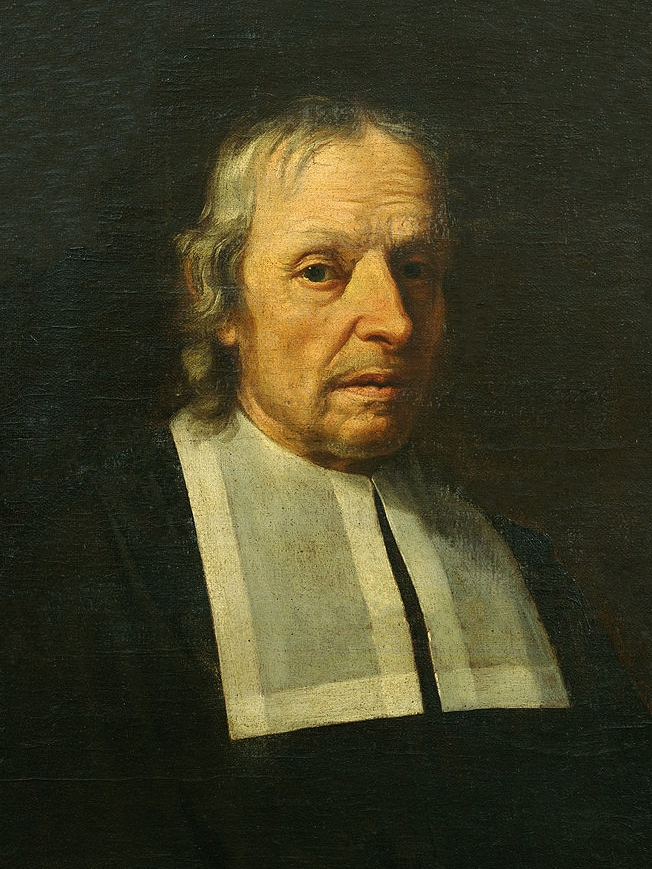
Page 68: first description of leontiasis ossea.
1703
#14121
L'art de faire les raports en chirurgie, où l'on ensiegne la pratique, les formules & le stile le plus en usage parmi les chirurgiens commis aux rapports; avec un extrait des arrest, statuts & reglemens faits en consequence.
Digital facsimile from Google Books at this link. (Thanks to Webb Dordick for this reference.)
1705
#4300
L’art de guérir les maladies des os. Ou l'on traite des luxations & des fractures, avec les instrumens necessaires & une machine de nouvelle invention pour les reduire: ensemble des exostoses & des caries, des anchyloses, des maladies des dents, & de la charte ou rachitis, maladie ordinaire aux enfans.
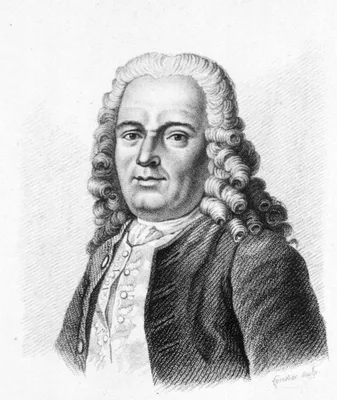
Petit was the first director of the Académie de Chirurgie, Paris. He is particularly remembered for his work on bone diseases. He invented the screw tourniquet, gave the first account of osteomalacia, and was first to…
1707
#5575
Cours d’opérations de chirurgie, de demonstrées au Jardin Royal.
Dionis taught operative surgery at the Jardin-du-Roi, Paris, a famous training ground for surgeons. English translation, London, 1710.
1719
#3575
Observation sur une nouvelle espèce de hernie.
“Littre’s hernia” – so named from his description of diverticulum hernia. Later Richter (No. 3578) described this condition more fully.
1719
#5576
Chirurgie in welcher Alles was zur Wund-Artzney gehöret, nach der neuesten und besten Art gründlich abgehandelt....
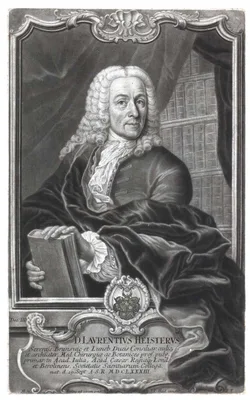
Heister was the founder of scientific surgery in Germany. His book contains many interesting illustrations and includes an account of tourniquets used in his time; Heister introduced a spinal brace. This was the most …
1721
#11173
Bibliotheca chirurgica sive rerum ad artem Machoanicam quoquô spectantium thesaurus absolutissimus quo omnes prorsus humani corporis affectiones chiurgi manum, aut aliam aliquam eiusdem operam exposcentes, ordine alphabetico explicantur. 4 vols.
A compilation of mostly complete surgical treatises, representing what Manget considered an essential surgical library of then-modern as well as classical texts-- a surgical library in 4 large volumes. Digital facsimi…
1725
#8095
Opera omnia anatomica & chirurgica. Edited by Herman Boerhaave and Bernhard Siegfried Albinus. 2 vols.
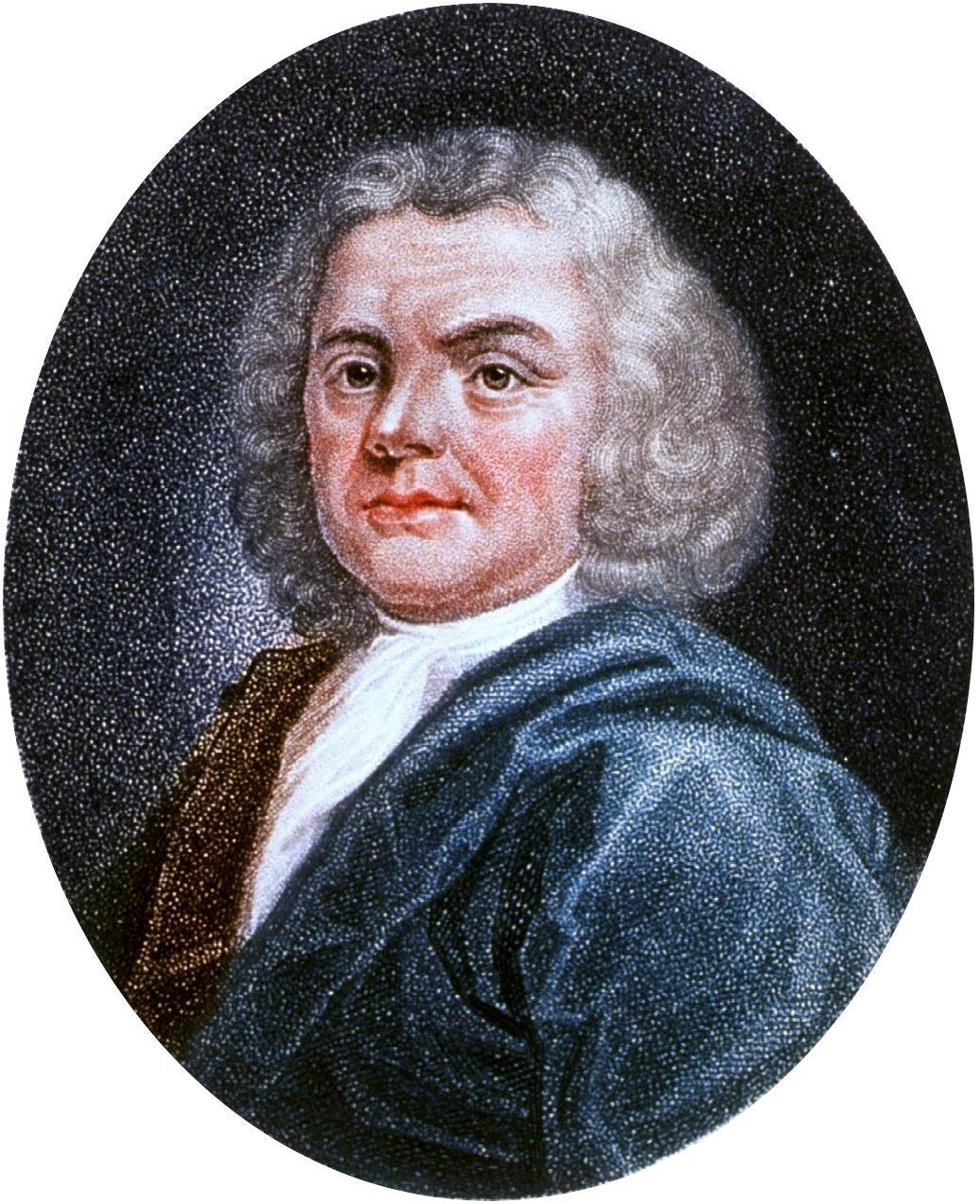
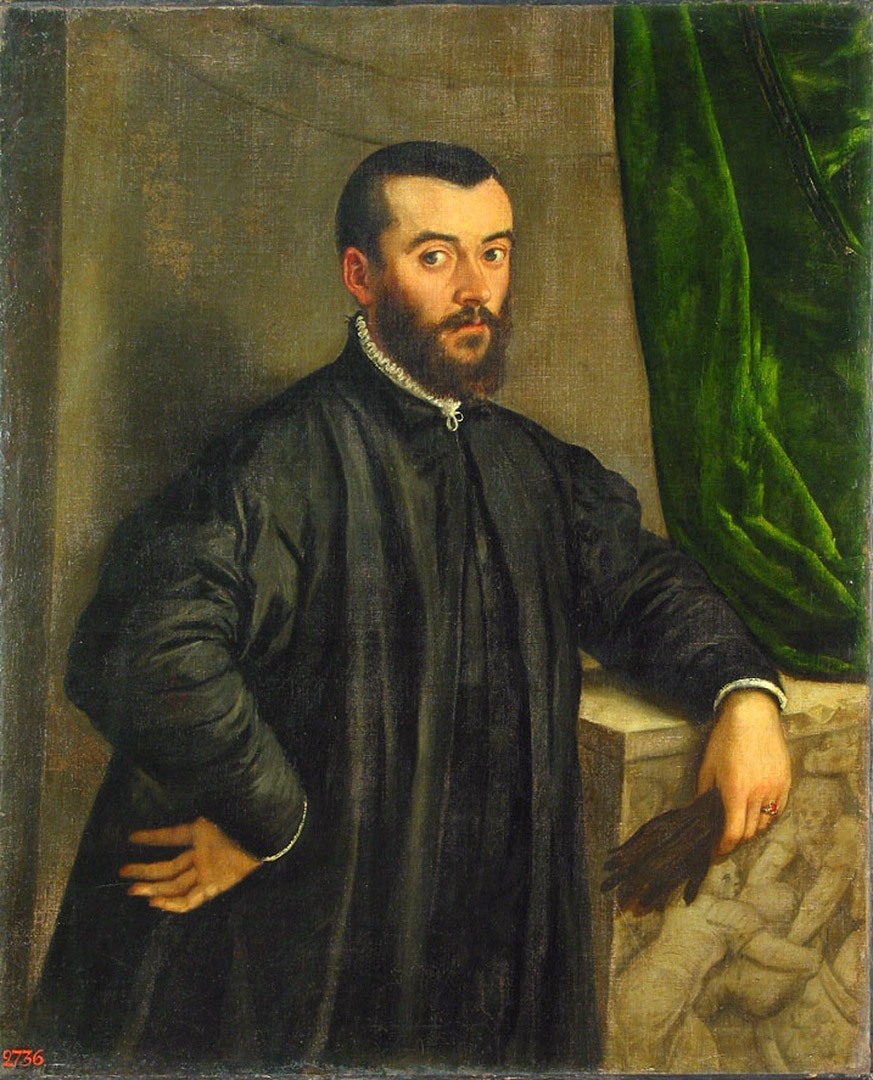
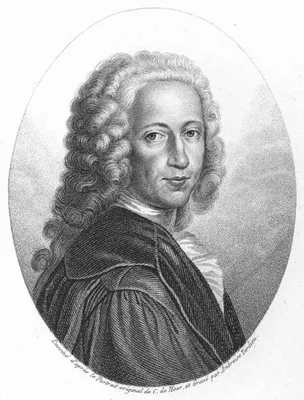
Vesalius's collected works with the famous woodcuts reproduced as copperplate engravings by Jan Wandelaar (1690-1759). Notably Boerhaave and Albinus had this edition published because Vesalius's works still had practi…
1730
#3421
De motus hemorrhoidalis, et fluxus hemorrhoidum.
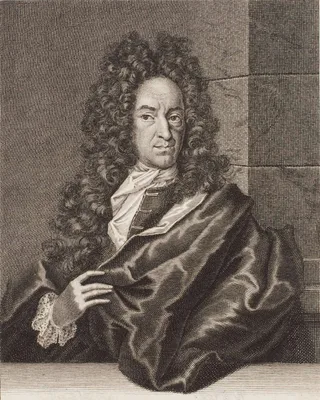
An early work specifically on hemorrhoids.
1732
#3418
Diverses observations anatomiques.
Littré was first to suggest colostomy in intestinal obstruction – “Littré’s operation”.
1733
#4438
An account of a new method of treating diseases of the joints of the knee and elbow.
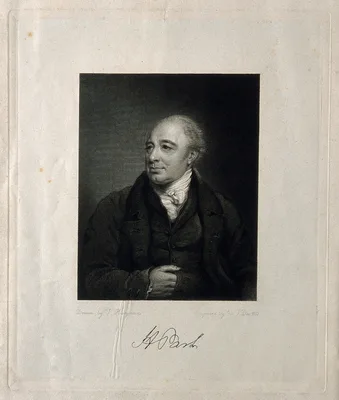
This was originally a letter to Pott. Park became famous for his operation of excision and arthrodesis as a treatment for destructive joint disease. The title page is misprinted “MDCCXXXIII”; the letter is dated 1783.…
1736
#3559
Of an inguinal rupture, with a pin in the appendix caeci, incrusted with stone; and some observations on wounds in the guts.
First recorded successful appendectomy. Amyand was Sergeant-Surgeon to George II and first principal surgeon to Westminster Hospital. See also the paper in Surg. Gynec. Obstet., 1953, 97, 643-52, which reproduces part…
1741
#4301
L’orthopédie ou l’art de prévenir et de corriger dans les enfans, les difformités du corps. 2 vols.
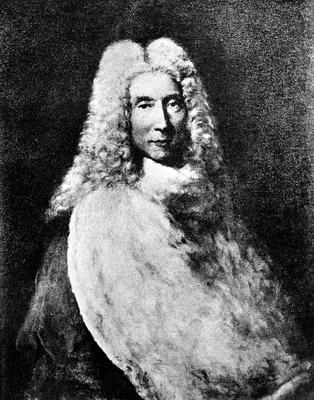
The first book specifically on orthopedics, which term Andry himself introduced. He advised attention to proper posture in the prevention and correction of spinal curvature; he had a practical knowledge of body mechan…
1742
#3423
De mutuo intestinorum ingressu.
First recorded successful operation for intussusception in an adult. The paper is also included in Haller’s Disputationes, vol. 1.
1744
#3355
Instruments proposed to remedy some kinds of deafness proceeding from obstructions in the external and internal auditory passages.
Cleland, an army surgeon, devised the method of catheterization of the Eustachian tube by way of the nose; he designed the instruments necessary for the operation.
1744
#4302
De iis, qui ex tuberculis gibberosi fiunt.
Platner affirmed the tuberculous nature of humpback, which had earlier been surmised by Hippocrates and confirmed by Galen.
1745
#2094
An essay on the West-India dry-gripes… to which is added, an extraordinary case in physick.
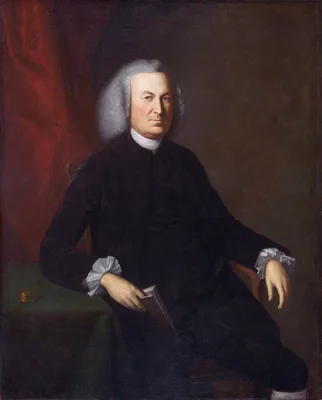
Cadwalader, an American pupil of Cheselden, left a classical account of lead colic and lead palsy. This was later shown by Benjamin Franklin, printer of the above work, to be due to the consumption of Jamaica rum whic…
1751
#7490
Traité des maladies des os. 2 vols.
Contains a description of the eponymous "Duverney fracture" and the first full description of osteoporosis. Digital facsimile from Google Books at this link.
1754
#12175
Graecorum chirurgici libri Sorani unus de fracturarum signis. Oribasii duo de fractis et de luxatis e collectione Nicetae ab antiquissimo et optimo codice Florentino descripti conversi atque edited ab Antonio Cocchio.
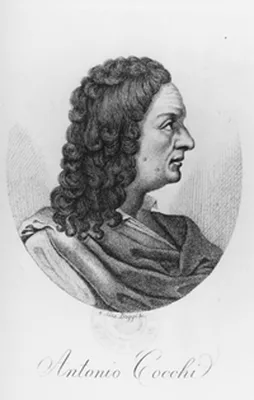
A scholarly edition of the Nicetas Codex containing various texts on fractures and luxations. Digital facsimile from Google Books at this link.
1755
#9190
Memoire sur les cors des pieds.
The first publication on podiatry, a pamphlet of 19, [1] pp. informally issued by Rousselot to promote his practice. Because of the non-standard title page without mention of place, publisher or date, the pamphlet see…
1756
#3576
A treatise on ruptures.
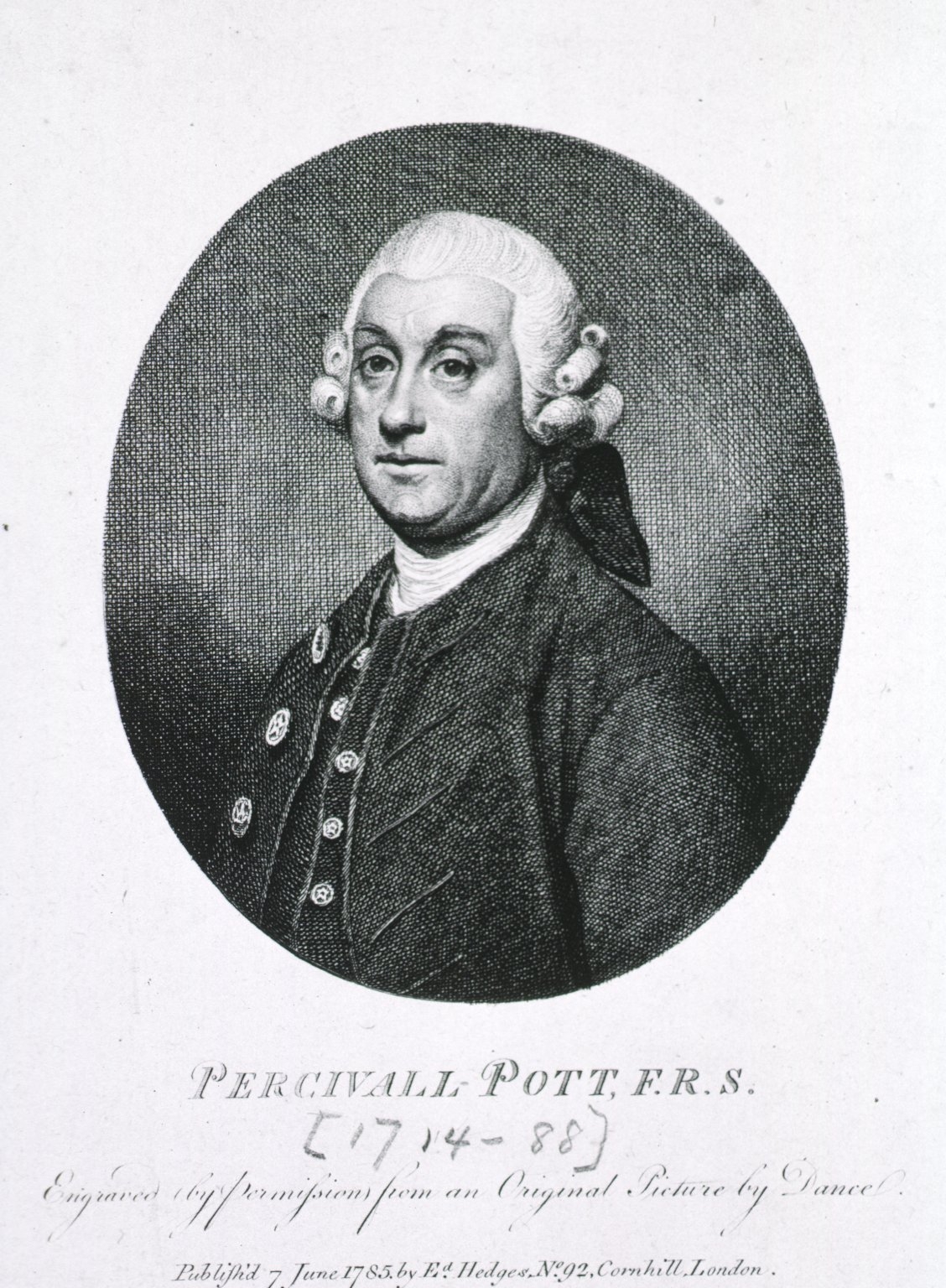
Pott was surgeon to St. Bartholomew’s Hospital. Through a fall in the street he was confined to bed for many days, and during that period wrote his classic book on hernia. He refuted many of the old theories concernin…
1760
#4850.5
Observations on the nature and consequences of wounds and contusions of the head, fractures of the skull, concussions of the brain, etc.
This book, which showed Pott’s extensive knowledge of surgical literature, systematized the treatment of head injuries. It shows what a variety of injuries of the head could be sustained even before the advent of the …
1762
#4302.1
Nouvelles observations, ou méthode certaine sur le traitement des cors.
The first formally published pamphlet (45pp.) on podiatry or chiropody. Rousselot argued that podiatry should become a specialty of surgery. Author's first name is unknown. Digital facsimile from BnF Gallica at this l…
1762
#4407
An account of a new method of reducing shoulders (without the use of an ambe) which have been several months dislocated, in cases where the common methods have proved inefficient.
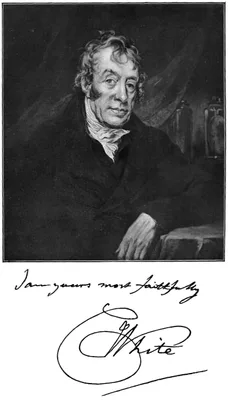
White’s method of reducing shoulder dislocations by means of suspending the patient from the affected arm. This method either reduced the dislocation entirely, or moved the head of the humerus into a position where it…
1765
#3424.2
Remarks on the disease commonly called a fistula in ano.
Probably the greatest English classic of colon-rectal surgery. Pott recommended the practice of simple division rather than the newer, more complicated methods proposed by Cheselden and Le Dran, and audaciously pointe…