
Facets
Browse across eight MeSH (opens in new tab) facets — era, geography, science, specialty, technology, history, culture, and reference. Select one tag per group; counts update across the others. What’s new in facet browse how facets relate to subjects and MeSH.
Clear filtersFacet filters
Geography
Specialties & Disease
- Anatomy & Pathology 3
- Cardiology & Blood 5
- Neurology & Psychiatry 7
- Obstetrics & Reproductive 3
- Infectious Disease (General) 3
- Surgery & Anesthesia 13
- Public Health 30
- Immunology & Dermatology 13
- General Clinical Medicine 0
- Military Medicine 10
- Psychology 0
- Alternative & Fringe Medicine 25
- Pediatrics 2
- Ophthalmology & Vision 2
- ENT & Hearing 0
- Urology & Nephrology 2
- Gastroenterology & Hepatology 4
- Pulmonary & Respiratory 1
- Rheumatology, Rehab & Pain 0
- Internal, Emergency & Geriatric 1
- Veterinary Medicine 2
- Epidemiology & Demography 21
- Physiology & Embryology 4
- Dentistry 8
- Plagues & Epidemics 79
- Microbiology & Virology 33
Social & Historical Studies
Institutions & Culture
Reference & Scholarly Works
Drugs & Technology
385 entries match Americas (non-U.S.) [Z01.107]
1903 –1910
#8543
Datos par la materia médica Argentina. 2 vols. (Vol. 2: Trabajos de Instituto de Farmacología de la Facultad de Ciencias Médicas de Buenos Aires No. 25).
Digital facsimile from the Internet Archive at this link.
1903
#13923
Notes on the treatment of yellow fever at Las Animas Hospital, the hospital of the Sanitary Department, during the epidemic of 1900 at Havana, Cuba.
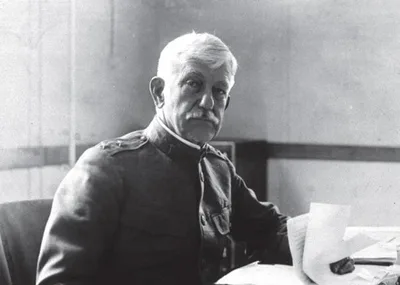
In 1901 Gorgas was sent to Havana to undertake a special campaign against the yellow fever mosquito Aëdes aegypti. His methods of sanitation were so successful that in three months yellow fever was practically eradica…
1904
#5299
Note on the occurrence of Leishman–Donovan bodies in “cachexial fevers” including kala-azar.
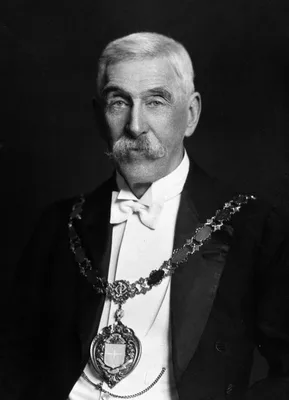
Rogers demonstrated the Leishman–Donovan bodies in kala-azar. See also the same journal, 1904, 2, 645-50. At about the same time Bentley reported similar findings in India.
1904
#13362
Pathologie intertropicale. Doctrines et clinique.
Digital facsimile from BnF Gallaica at this link.
1908
#5532.1
Uma mycose pseudococcidica localisada na bocca e observada no Brazil. Contribuiçao ao conhocimento das hyphoblastomycoses americanas.
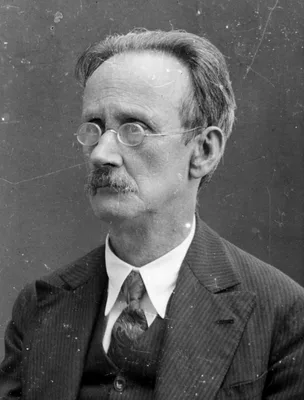
South American blastomycosis.
1908
#5534.1
Un nuovo protozoa parassito de’ conigli incontrato nelle lesioni anatomiche d’una malattia che ricorda in molti punti il kala azar dell’uomo.
Splendore discovered Toxoplasma in a rabbit; it was named T. cuniculi.
1908
#6455.1
Physiological and medical observations among the Indians of Southwestern United States and Northern Mexico.
Digital facsimile from the Internet Archive at this link.
1908
#7444
Notes of a botanist on the Amazon & Andes, being records of travel on the Amazon and its tributaries, the Trombetas, Rio Negro, Uaupés, Casiquiari, Pacimoni, Huallaga, and Pastas; as also to the cataracts of the Orinoco, along the eastern side of the Andes of Peru and Ecuador, and the shores of the Pacific during the years 1849-1864. Edited and condensed by Alfred Russel Wallace..., with a biographical introduction, portrait, seventy-one illustrations and seven maps. 2 vols.
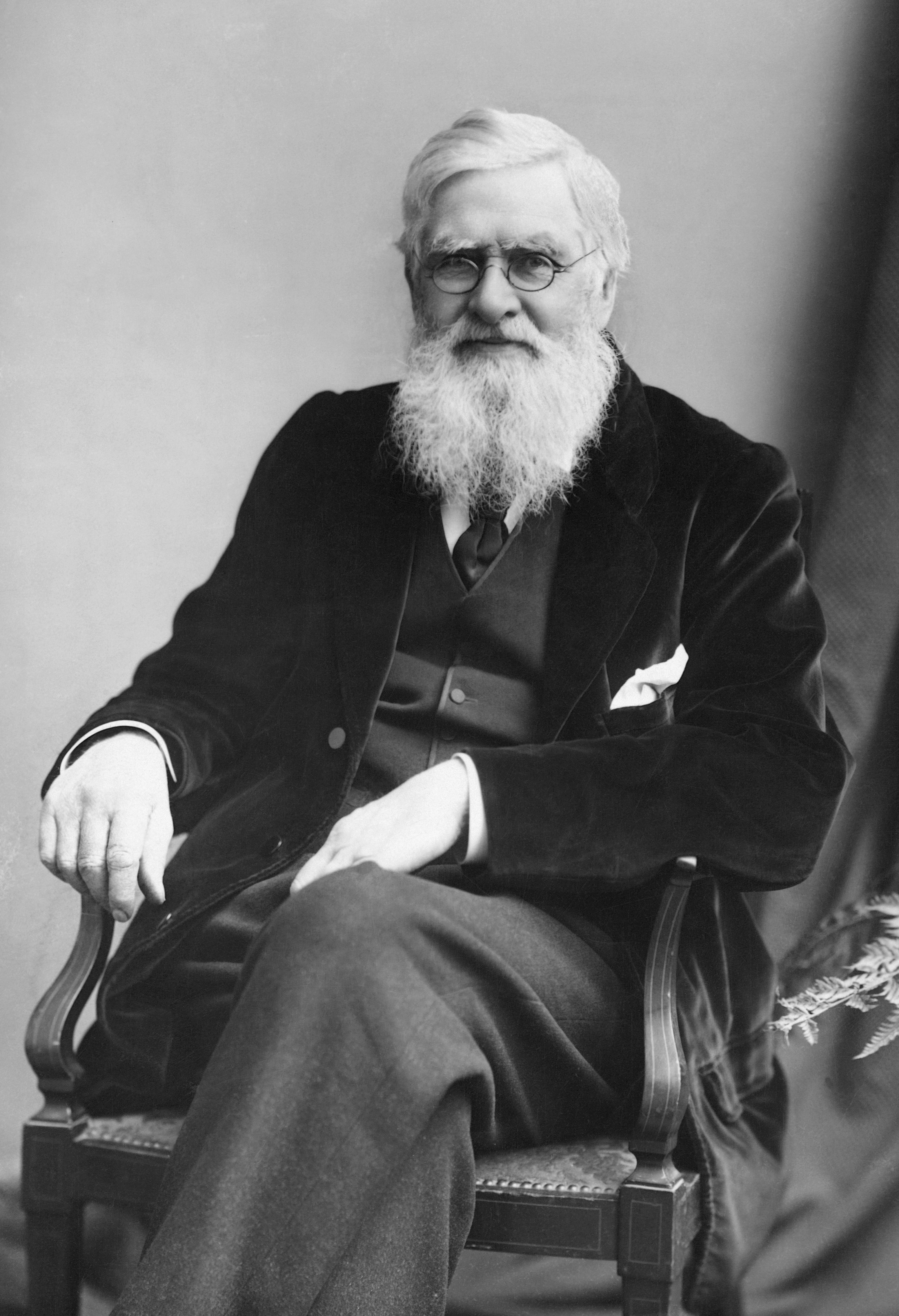
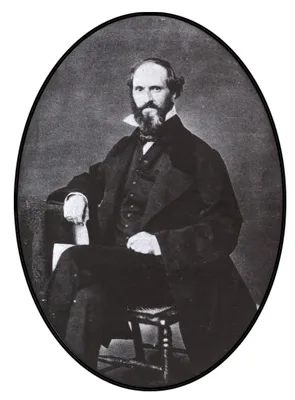
Digital facsimile from Google Books at this link.
1909
#5283
Nova tripanozomiaze humana. Estudos sobre a morfolojia e o ciclo evolutivo do Schizotrypanum cruzi n.gen., n.sp., ajente etiolojico de nova entidade morbida do homen.
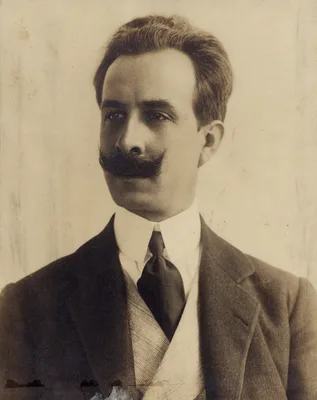
Chagas discovered T. cruzi, causal organism in American trypanosomiasis (“Chagas’s disease”). Partial English translation in Kean (No. 2268.1).
1909
#5299.1
L’ulcère de Bauru ou le bouton d’orientau Brésil.
Muco-cutaneous leishmaniasis of South America. English translation in Kean (No. 2268.1).
1909
#5533
Descripción de elementos endo-globulares hallados en las enfermos de fiebre verrucosa.
The causal organism of Oroya fever and verruga peruana, endemic in Peru, was named Bartonella bacilliformis after Barton, who was one of the first to observe it.
1909
#5460
Sanitation of the tropics with special reference to malaria and yellow fever.
1910
#1766.502
Medical education in the United States and Canada.
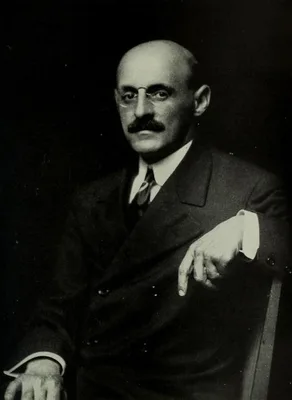
This report caused massive reforms in North American medical education, including the closure or merging with stronger institutions, of 76 medical schools between 1910 and 1920. Part 1 is a history and analysis of med…
1910
#5380
The relation of typhus fever (tabardillo) to Rocky Mountain spotted fever.
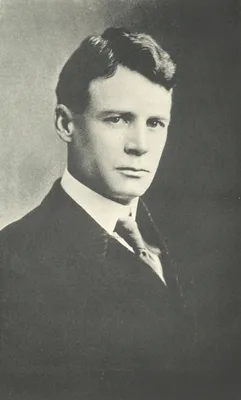
Ricketts and Wilder differentiated Rocky Mountain spotted fever and typhus.
1910
#5380.1
The etiology of the typhus fever (tabardillo) of Mexico City. A further preliminary report.
Demonstration of the causal organism of typhus.
1911
#2115
A defensa contra o ophidismo.
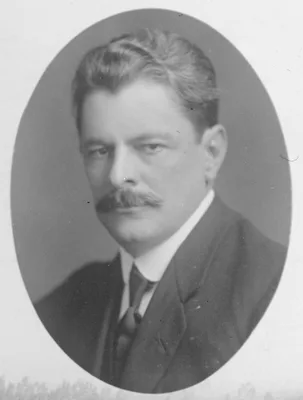
Brazil founded the Instituto Butantan, São Paulo, one of the first institutes to produce antivenin sera on a large scale. French translation, 1911. Digital facsimile of the Portuguese edition from Biodiversity Heritag…
1911
#5285.1
Contribuiçao para o estudo da anatomia patolojica da “molestia de Carlos Chagas”.
Demonstration of the mode of reproduction of T. cruzi. Text in Portuguese and German. See also the paper by Chagas in pp. 219-75 of the same journal.
1911
#5460.1
Fiebre amarilla y fiebre espiroquetal; endemias y epidemias en Muzo, de 1907 a 1910.
Franco, J. Martínez-Santamaria, and G. Toro-Villa described epidemics of yellow fever spread by mosquitoes other than Ae. aegypti. Later F. L. Soper, et al., Amer. J. Hyg., 1933, 18, 555-87, substantiated this.
1912
#2914
Esclerosis secundaria de la arteria pulmonar y su cuadro clinico (Cardiacos negros).
A classical description of “Ayerza’s syndrome or disease” (cor pulmonale), to which Arrillaga named after Abel Ayerza, who first mentioned the disease in a lecture given in 1901. Corvisart mentioned the condition in 1…
1912
#10921
Does a human tick-borne disease exist in British Columbia?
Report on the first cases of "tick paralysis", a potentially lethal disease treatable by removing the tick. Follow-up paper by Todd: "Tick bite in British Columbia," Canad. med. Assoc. J., 2 (1912) 1118-1119. Unlike m…
1913
#5300.1
Un cas de kala-azar à Asuncion (Paraguay).
Migone first noted the existence of visceral leishmaniasis in the Americas (Paraguay).
1914
#2020
Nuevo procedimiento para la transfusion de la sangre.
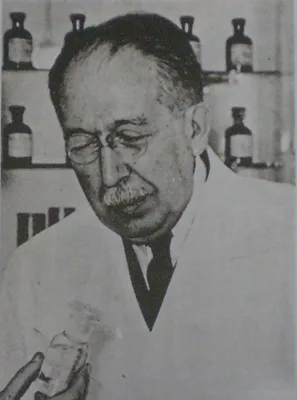
Agote was the first to transfuse citrated blood. Text in Spanish and French.
1914
#5301
Sobre o tratemento de leishmaniose tegumentar.
Vianna introduced tartar emetic in the treatment of S. American leishmaniasis. His preliminary announcement on this form of treatment was made to the Brazilian Dermatological Society and appears in Arch. brasil. Med.,…
1914
#5536
Les grains botryomycotiques. Leur signification en pathologie et en biologie générales.
Thèse de Paris, No. 267, 1914. Magrou showed botriomycosis (granuloma pyogenicum) to be due to a staphylococcus.
1915
#9182
The north-west Amazons: Notes of some months spent among cannibal tribes.
"This 1915 volume recounts Captain Thomas Whiffen’s travels in Brazil and Colombia in the region between the rivers Issa (or Içá) and Apaporis, and the Putumayo District. The study looks at the way in which the indige…
1915
#9259
Sanitation in Panama.
"Gorgas capitalized on the momentous work of ... Walter Reed, who had himself built much of his work on insights of a Cuban doctor, Carlos Finlay, to prove the mosquito transmission of yellow fever. He won internation…
1915
#12573
Report of first expedition to South America 1913.
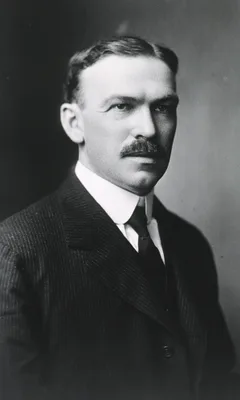
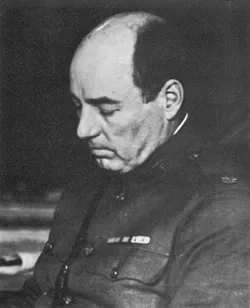
Strong was the first professor of tropical medicine at Harvard. The Harvard School of Tropical Medicine was founded in 1913, the year they undertook this expedition. Digital facsimile from Google Books at this link.
1916
#2085
On the ‘vomiting sickness’ of Jamaica.
Discovery of the cause of the “vomiting sickness of Jamaica”: ackee poisoning.
1916 –1917
#5006
The institutional care of the insane in the United States and Canada. Edited by Henry M. Hurd. 4 vols.
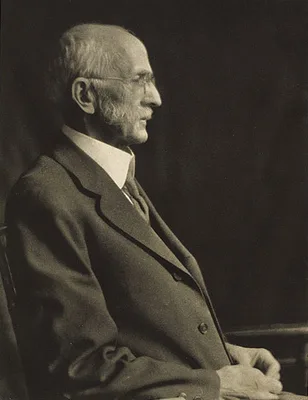
Hurd was Professor of Psychiatry at Johns Hopkins University. The work includes his history of American psychiatry. Digital facsimile from the Hathi Trust at this link.
1918
#11014
The medical report of the Rice Expedition to Brazil.
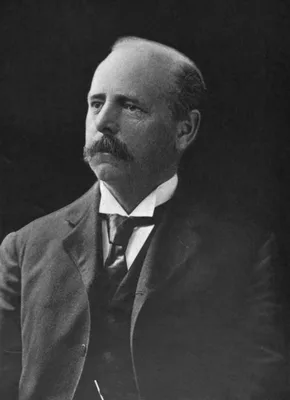
The expedition was led by Alexander H. Rice, Jr., an American physician, geographer, geologist and explorer noted for his expeditions to the Amazon Basin. "As a geographer and explorer Rice specialized in rivers.[1][7…
1919
#11739
In Flanders fields and other poems by John McCrae. With an essay in character by Sir Andrew MacPhail.
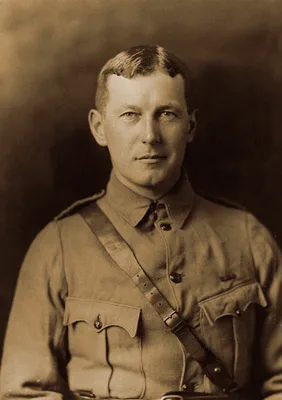
McCrae's poem, In Flanders Fields, was among the most popular poems of World War I. He was inspired to write it on May 3, 1915, after presiding over the funeral of friend and fellow soldier Lieutenant Alexis Helmer, w…
1921
#4241
Un nuevo procedimiento para explorar al riñón.
Perirenal insufflation of oxygen, for the roentgenological study of the kidney.
1922
#8712
South America from a surgeon's point of view.
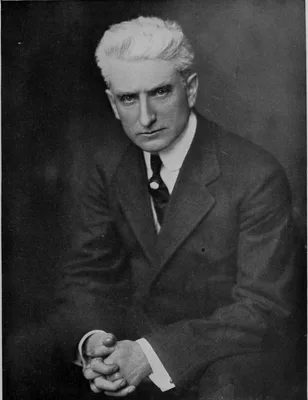
Martin, "Director-General, American College of Surgeons," and Managing Editor, Surgery, Gynecology and Obstetrics, visited South American with William J. Mayo, who wrote the introduction. Digital facsimile from Google…
1925
#2917
Consideraciones sobre la denominación de “Enfermedad de Ayerza”.
In 1901 Argentinian physician Abel Ayerza (1861-1918) lectured on the syndrome of chronic cyanosis, dyspnoea, erythremia, and sclerosis of the pulmonary artery, “Ayerza’s disease” (cor pulmonale). He did not publish t…
1925
#9445
The Medical Services: Official history of the Canadian forces in the Great War: 1914-1919.
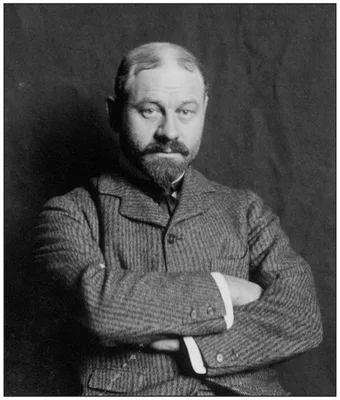
Digital facsimile from the Internet Archive at this link.
1926
#12574
Medical report of the Hamilton Rice Seventh expedition to the Amazon In conjunction with the Department of Tropical Medicine of Harvard University, 1924-1925
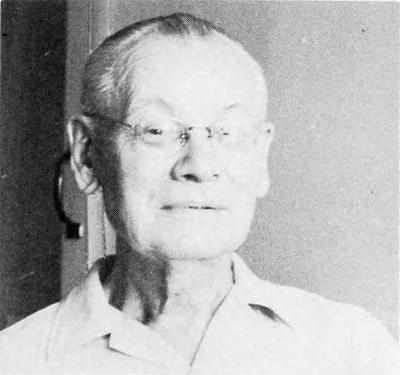
"The Hamilton Rice Seventh Expedition to Amazonia was undertaken [under the leadership of Richard Pearson Strong] partly for general geographical exploration and partly for medical investigation in a section of the Am…
1927 –1952
#6598
Historia de la medicina en el Uruguay. 3 vols.
1927
#8711
South America, amplified to include all of Latin America: The Vandyck Cruise.
Medical visits to Latin America on behalf of the American College of Surgeons, of which Martin was a founder. Includes chapters by William J. Mayo, among others.
1928
#5396.1
Experiments relating to the pathology and the etiology of Mexican typhus (tabardillo).
Mooser differentiated murine from epidemic typhus. The causative organism was later named Rickettsia mooseri.
1928
#6728
Dictionary of American medical biography. Lives of eminent physicians of the United States and Canada, from the earliest times.
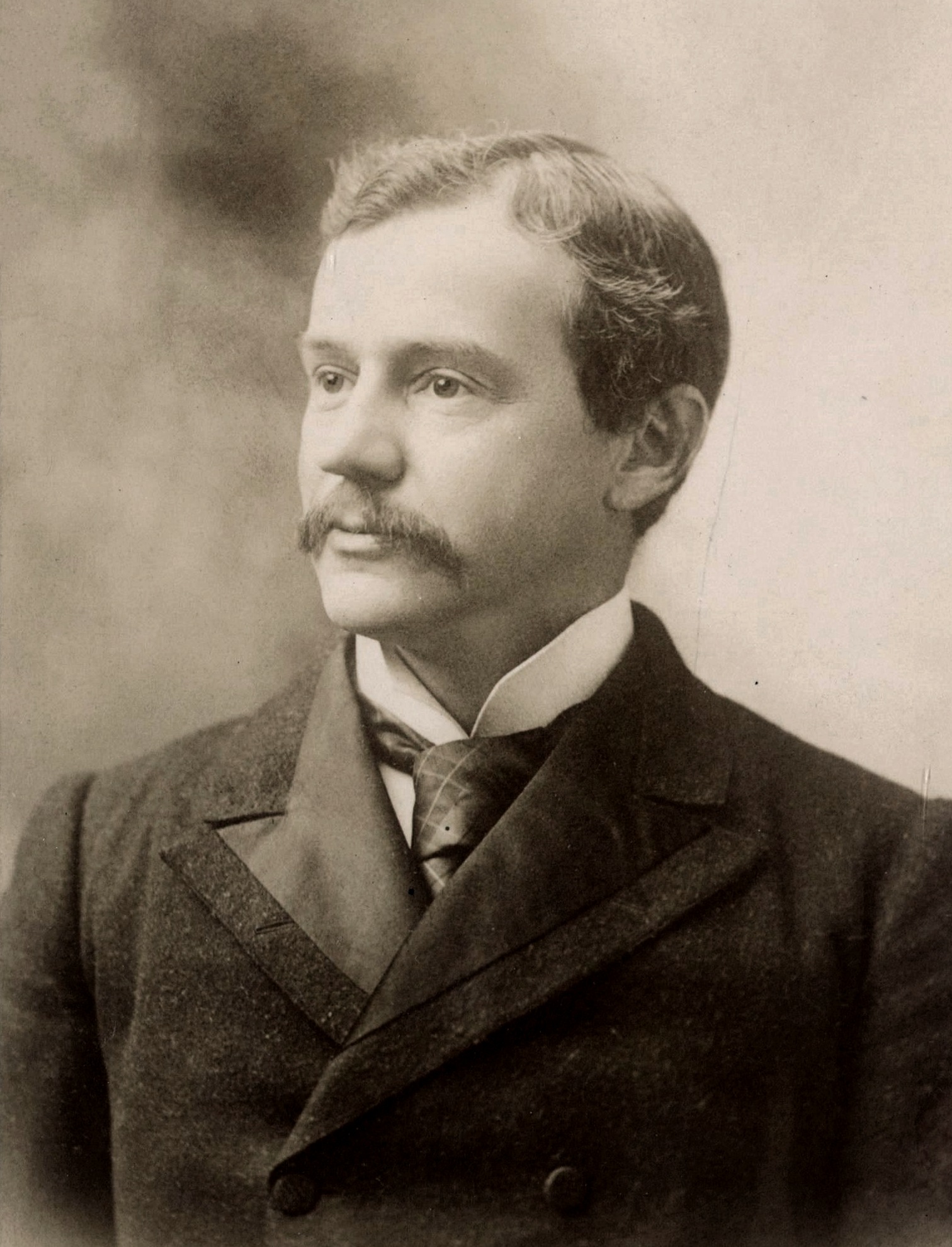
This is the revised and expanded third and final edition of Kelly's A cyclopedia of American medical biography, comprising the lives of eminent deceased physicians and surgeons from 1610 to 1910. (Philadelphia: W.B. S…
1928
#6583
Four centuries of medical history in Canada. 2 vols.
1928
#9271
Use of plants by the Chippewa Indians. Smithsonian Institution-Bureau of American Ethnology Annual Report 44.
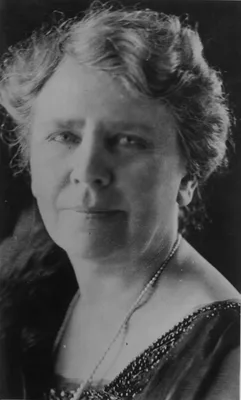
Digital facsimile from the Internet Archive at this link.
1928
#9289
Ethnobotany of the Meskwaki Indians.
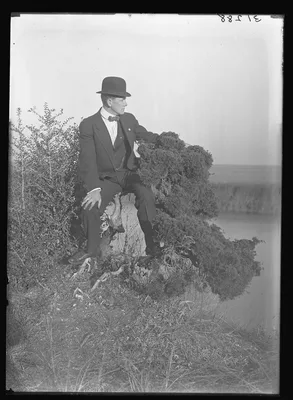
1929
#4397
Sur une forme de dystrophie osseuse familiale.
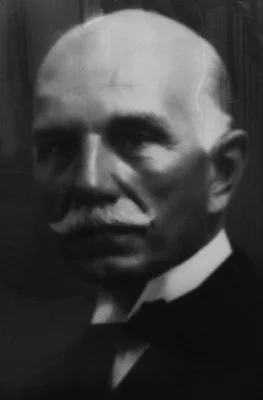
“Morquio’s disease”, eccentro-osteochondrodysplasia.
1930
#6596.9
History of Haitian medicine.
1931
#11026
History of medicine in the province of Quebec.
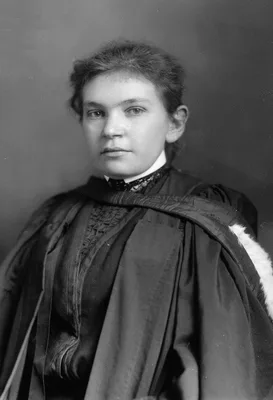
Reprinted, with additions, from "The Storied Province of Quebec". Digital facsimile from the Hathi Trust at this link.
1932
#9295
Ethnobotany of the Ojibwe Indians.
Digital facsimile from nwic.edu at this link.
1932
#13289
Sobre in caso de galactorrea y amenorrea.
Ahumada-Del Castillo syndrome: galactorrhoea-amenorrhoea not associated with pregnancy; oestrogen deficiency and decreased urinary gonadotropin levels.
1933
#1198
Chemical and physiological properties of crystalline oestrogenic hormones.
Estriol obtained from placental tissue.
1933
#6584