
Facets
Browse across eight MeSH (opens in new tab) facets — era, geography, science, specialty, technology, history, culture, and reference. Select one tag per group; counts update across the others. What’s new in facet browse how facets relate to subjects and MeSH.
Clear filtersFacet filters
Geography
Specialties & Disease
- Anatomy & Pathology 1
- Cardiology & Blood 1
- Neurology & Psychiatry 4
- Obstetrics & Reproductive 0
- Infectious Disease (General) 1
- Surgery & Anesthesia 2
- Public Health 15
- Immunology & Dermatology 0
- General Clinical Medicine 1
- Military Medicine 20
- Psychology 0
- Alternative & Fringe Medicine 2
- Pediatrics 0
- Ophthalmology & Vision 0
- ENT & Hearing 0
- Urology & Nephrology 0
- Gastroenterology & Hepatology 0
- Pulmonary & Respiratory 0
- Rheumatology, Rehab & Pain 0
- Internal, Emergency & Geriatric 0
- Veterinary Medicine 0
- Epidemiology & Demography 1
- Physiology & Embryology 1
- Dentistry 0
- Plagues & Epidemics 4
- Microbiology & Virology 0
Social & Historical Studies
Institutions & Culture
Reference & Scholarly Works
Drugs & Technology
62 entries match United States [Z01.058] · Social & Political History [K01.850]
1775
#2155
Plain, concise, practical remarks, on the treatment of wounds and fractures; to which is added an appendix, on camp and military hospitals; principally designed for the use of young military surgeons in North America.
The first surgical work written by an American and printed in North America. Jones’s work was the accepted guide to surgical practice during the American Revolutionary War.
1778
#2157
Directions for preserving the health of soldiers: recommended to the consideration of the officers of the Army of the United States. Published by order of the Board of War.
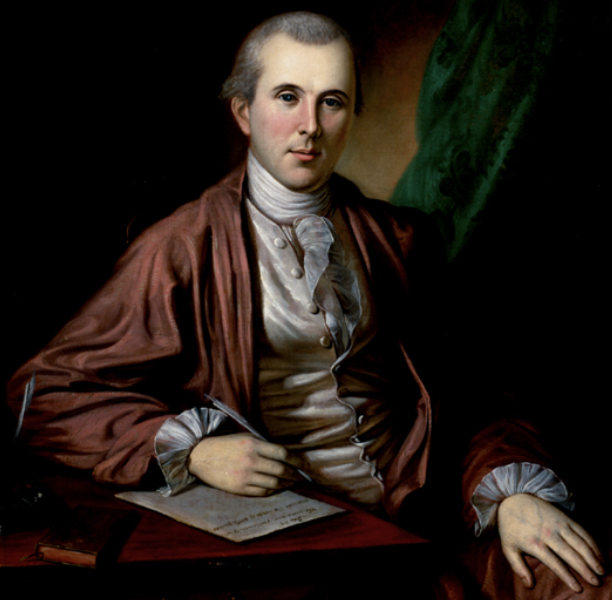
A reprint from the Philadelphia Packet, No. 284. The pamphlet was reprinted by the Massachusetts Temperance Alliance in Boston, 1865, for distribution to the Union soldiers.
1789 –1793
#80
Medical inquiries and observations. 2 vols.
Rush was considered the ablest American clinician of his time. He was a friend of Benjamin Franklin and one of the signers of the Declaration of Independence. His many writings are distinguished for their classical st…
1823
#6584.9
A military journal during the American Revolutionary War, from 1775-1783…
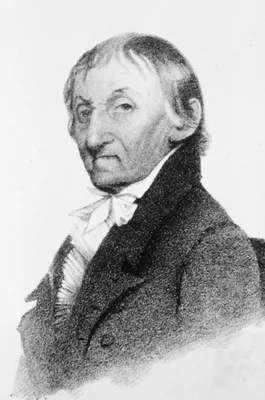
The first American medical historian, Thacher gave the best contemporary account of medicine during the Revolutionary War, as well as an important history of the war in general. See No. 6710.
1828
#6710
American medical biography. 2 vols.
Thacher was the first American medical historian. The above biography is a valuable source of information on the early medical history of the United States. Reprinted, New York, Da Capo Press, 1967.
1850
#10295
An historical sketch of the state of medicine in the American Colonies, from their first settlement to the period of the Revolution.
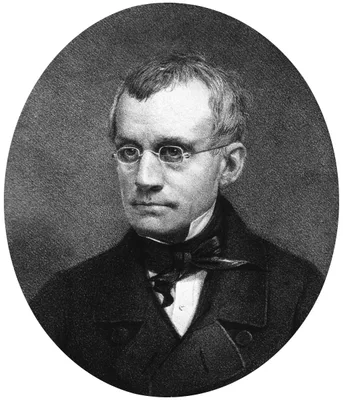
A pioneering historical interpretation of the development of medicine in the 13 colonies up to the American Revolution. Digital facsimile from the Internet Archive at this link. This is the second, significantly expan…
1873
#11388
Letter of Johns Hopkins to the trustees of "The Johns Hopkins Hospital".
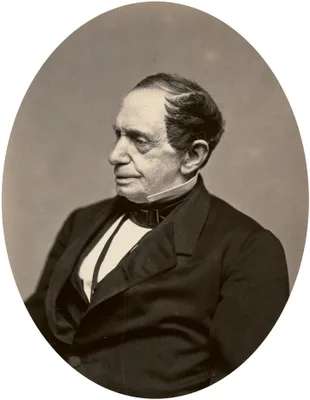
The letter published in this 12-page pamphlet was dated March 10th, 1873. It outlined financier and philanthropist Johns Hopkins' planned bequest and general plans for the Johns Hopkins Hospital. Hopkins died in Decem…
1874
#6585
Contributions to the annals of medical progress and medical education in the United States before and during the War of Independence.
Digital facsimile from the Hathi Trust at this link.
1930 –1933
#6588
Medicine in Virginia in the seventeenth (eighteenth, nineteenth) century. 3 vols.
1931
#9213
Medical men in the American Revolution 1775-1783.
Digital edition from U.S. Army Medical Department Office of Medical History at this link.
1932
#8074
Medical care for the American people. The final report of the Committee on the Costs of Medical Care.
See Gore, "A forgotten landmark medical study from 2932 by the Committee on the Cost of Medical Care," Proc (Bayl Univ Med Cent). 2013 Apr; 26 (2): 142–143. Available from PubMedCentral at this link. See also, Ross, "…
1937
#8594
Dr. Bodo Otto and the medical background of the American revolution by James E. Gibson.
Oddo, born in Germany, is one of the better-known American surgeons in the American revolutionary war; however he published nothing and is primarily known from this biography.
1946
#8741
The midwest pioneer: His ills, cures, & doctors.
The first general history of frontier or pioneer medicine in America, covering mainly the first half of the 19th century, and including many folk medicine treatments. First published privately in Crawfordsville, India…
1947
#6595
American medical research, past and present.
1949
#6596
Aesculapius comes to the Colonies. The story of the early days of medicine in the thirteen original colonies.
1956
#7418
Lincoln's fifth wheel: the political history of the U. S. Sanitary Commission.
1957
#10282
Medicine in Chicago, 1850-1950: A chapter in the social and scientific development of a city.
Second edition, Champaign, IL: University of Illinois Press, 1991.
1961
#10370
Physicians to the Presidents, and their patients: A Biobibliography.
Digital facsimile from PubMedCentral at this link.
1962
#7927
The cholera years: The United States in 1832, 1849, and 1866.
Edition with new Afterword published in 1987.
1966
#6596.2
Medicine in America: historical essays.
1968
#7884
The evolution of preventive medicine in the United States Army, 1607–1939.
Available from the U.S. Army Medical Department, Office of Medical History, at this link.
1968
#7928
The trial of the assassin Guiteau: Psychiatry and law in the gilded age.
1972
#12490
Public health and the state: Changing views in Massachusetts, 1842-1936.
1973
#8621
Medical men at the siege of Boston, April, 1775- April, 1776.
1973
#9153
Mental institutions in America: Social policy to 1873.
1976
#8658
Physician signers of the Declaration of Independence.
1978
#2188.2
Naval and maritime medicine during the American revolution.
1980
#6596.4
Medicine in colonial Massachusetts, 1620-1820. Edited by Philip Cash, Eric H. Christanson and J. Worth Estes.
A well-illustrated collection of essays covering medicine in Massachusetts but also applicable in some cases to the history of medicine and surgery throughout the American colonies.
1981
#2188.3
The [United States] Army Medical Department, 1775-1818.
1982
#6596.6
The social transformation of American medicine: The rise of a sovereign profession and the making of a vast industry.

1982
#12492
The healthiest city: Milwaukee and the politics of health reform.
1983
#9156
Mental illness and American society, 1875-1940.
1984
#10105
The AMA and U.S. health policy since 1940.
1987
#6596.61
The care of strangers: The rise of America’s hospital system.
1987
#11024
Physiology in the American context, 1850-1940. Edited by Gerald L. Geison.
Traces the development of American physiology in the cultural context of the period. Divided into three parts: social and institutional history; physiology in relation to other fields; and instruments, materials and t…
1988
#8788
Ritual healing in suburban America. By Meredith B. McGuire with the assistance of Debra Kantor.
1989
#8727
Plagues and politics: The story of the United States Public Health Service.

1989
#10079
Chills and fever: Health and disease in the early history of Alaska.
1992
#10077
The social ideas of American physicians (1776-1976): Studies of the humanitarian tradition in medicine.
1994
#9742
The health of the presidents: The 41 United States presidents through 1993 from a physician's point of view.
1998
#10806
Medicine and the American Revolution: How diseases and their treatments affected the colonial army.
1999
#9113
The gospel of germs: Men, women, and the microbe in American life.
1999
#10429
Conduct unbecoming a woman: Medicine on trial in turn-of-the-century Brooklyn.
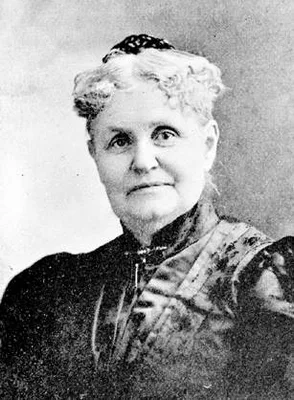
"In the spring of 1889, Brooklyn's premier newspaper, the Daily Eagle, printed a series of articles that detailed a history of midnight hearses and botched operations performed by a scalpel-eager female surgeon named …
2001
#10335
Dying in the City of the Blues: Sickle cell anemia and the politics of race and health.
"Set in Memphis, home of one of the nation's first sickle cell clinics, Dying in the City of the Blues reveals how the recognition, treatment, social understanding, and symbolism of the disease evolved in the twentiet…
2002
#8384
A traffic of dead bodies: Anatomy and embodied social identity in nineteenth century America.
2002
#8663
New Deal medicine: The rural health programs of the Farm Security Administration.
"Drawing on oral histories, archival records, and medical journals from the 1930s and 1940s, Grey finds the programs were both a rehearsal for more modern forms of medical organization and a lightning rod for critics …
2005
#10080
Must we all die? Alaska's enduring struggle with tuberculosis.
2005
#10515
Plague and fire: Battling black death and the 1900 burning of Honolulu's Chinatown.
2006
#8596
Dr. Franklin's medicine
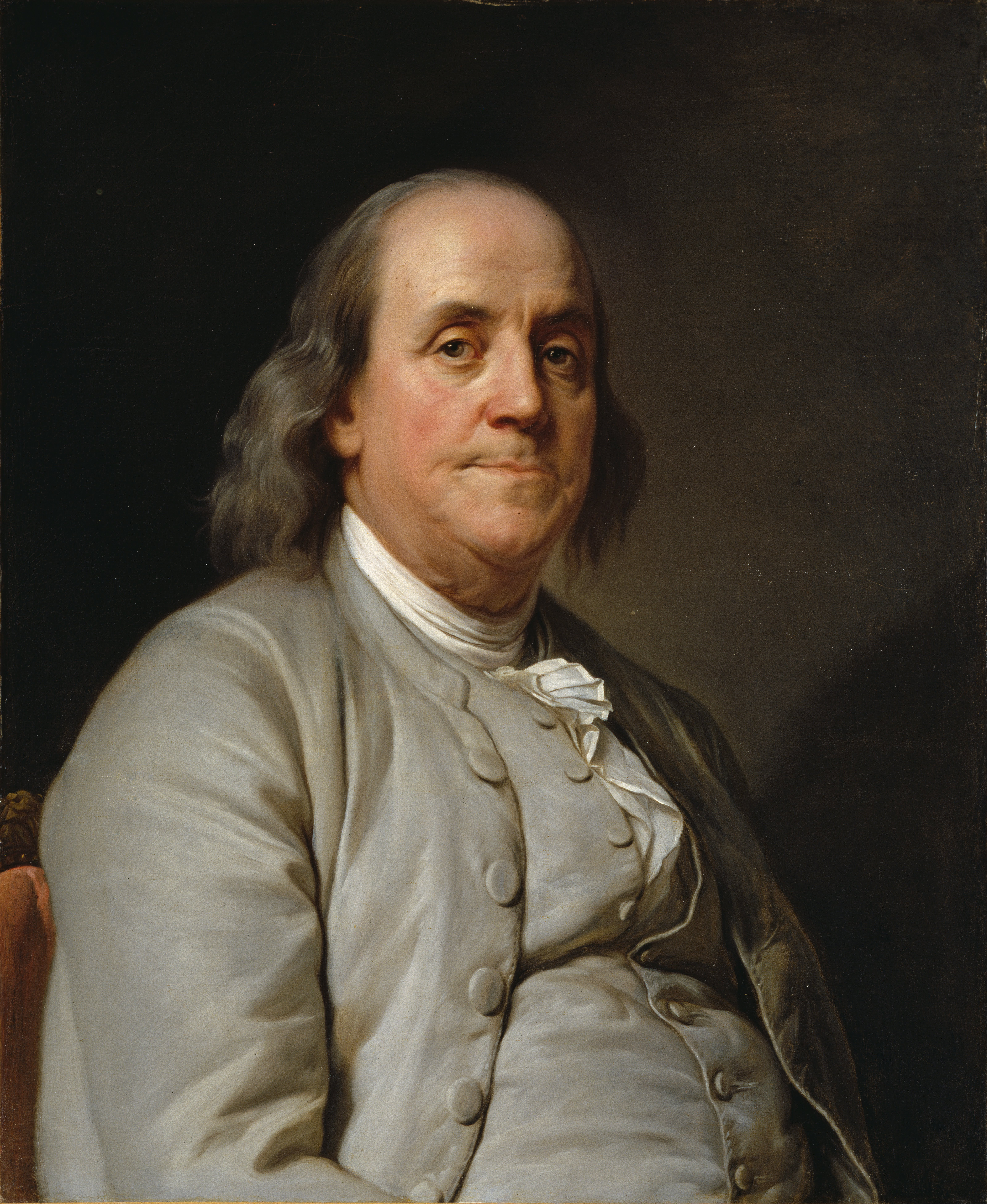
The history of medicine, and Franklin's involvements in it, within the context of his life and career.
2006
#9155