
Facets
Browse across eight MeSH (opens in new tab) facets — era, geography, science, specialty, technology, history, culture, and reference. Select one tag per group; counts update across the others. What’s new in facet browse how facets relate to subjects and MeSH.
Clear filtersFacet filters
Geography
Specialties & Disease
- Anatomy & Pathology 79
- Cardiology & Blood 1
- Neurology & Psychiatry 4
- Obstetrics & Reproductive 1
- Infectious Disease (General) 0
- Surgery & Anesthesia 5
- Public Health 1
- Immunology & Dermatology 0
- General Clinical Medicine 1
- Military Medicine 0
- Psychology 0
- Alternative & Fringe Medicine 0
- Pediatrics 0
- Ophthalmology & Vision 0
- ENT & Hearing 0
- Urology & Nephrology 1
- Gastroenterology & Hepatology 0
- Pulmonary & Respiratory 0
- Rheumatology, Rehab & Pain 0
- Internal, Emergency & Geriatric 0
- Veterinary Medicine 1
- Epidemiology & Demography 0
- Physiology & Embryology 5
- Dentistry 2
- Plagues & Epidemics 0
- Microbiology & Virology 0
Social & Historical Studies
Institutions & Culture
Reference & Scholarly Works
Drugs & Technology
79 entries match Modern [K01.400.504] · Arts, Literature & Humanities [K01.090]
1611
#380
De anatome corporis humani libri vii.
Guidi, professor of philosophy and medicine at Pisa, discovered the Vidian nerve, the Vidian canal, and the Vidian artery. The above was edited by his nephew.
1613
#11237
Catoptri micorcosmici absolutam admirandae partium hominis creaturarum divinarum praestantissimi fabricae eximio artificio sculptam structuram revidendam exhibentis. Engraved by Stephan Michelspacher.
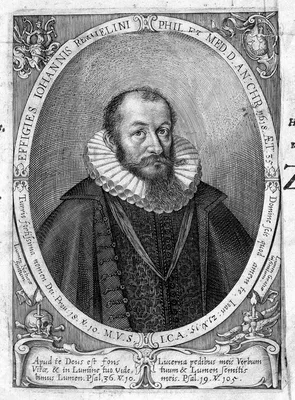
Three large anatomical plates with numerous flaps, in the tradition of fugitive sheets, but larger and more complex. The first edition was issued anonymously without identifying the place of publication or the publish…
1627
#381
Tabulae anatomicae lxxiix.
First publication of the very beautiful copperplates engraved by Francesco Valesio after Odoardo Fialetti, a pupil of Titian. Casseri commissioned these plates covering the whole field of human anatomy for his unfinis…
1627
#1094
De lactibus sive lacteis venis.
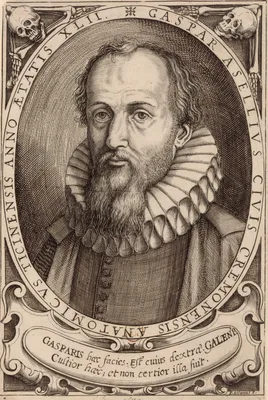
Records the discovery of the lacteal vessels. While performing vivisection on a dog that had recently fed, Aselli noticed a network of vessels in the mesentery and along the peritoneal surface of the intestine. The ve…
1634
#381.1
Anatomie der uuterlicke deelen van het menschelick lichaem: Dienende om te verstaen ende volkometlick wt te beelden alle beroerlicheit des selven lichaems.
The earliest of all independent works on anatomy for graphic or plastic artists. The author, a painter and etcher, drew and engraved all the images himself. Digital facsimile from Google Books at this link.
1645
#61.2
Opera quae extant omnia. Ex recension Joh. Antonidae vander Linden.
Spieghel succeeded Casseri in the chair of anatomy at Padua. This edition of his collected writings contains the second printing of the 97 copperplates first printed in Casseri’s Tabulae anatomicae (No. 381) plus 9 ex…
1651
#382
Corporis humani disquisitio anatomica.
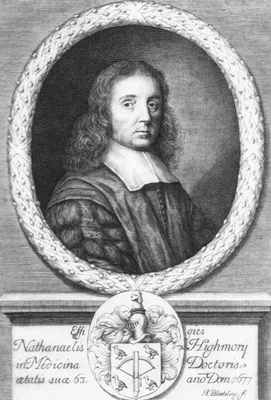
Highmore is remembered for his description of the maxillary sinus, known eponymically as the “antrum of Highmore” (already noticed by Casserius and figured by Leonardo da Vinci), the seminal ducts and the epididymis. …
1670
#383
Spicilegium anatomicum.
Kerckring made important investigations on the development of the foetal bones. He was the first to describe the large ossicle sometimes present at the lambdoidal suture; his name is remembered in the valvulae connive…
1684
#1379
Neurographia universalis.
Vieussens, professor at Montpellier, was the first to describe the centrum ovale correctly. The publication of the above work threw new light on the subject of the configuration and structure of the brain, spinal cord…
1685
#385
Anatomia humani corporis, centum et quinque tabulis, per artificiosiss. G. de Lairesse ad vivum delineatis.
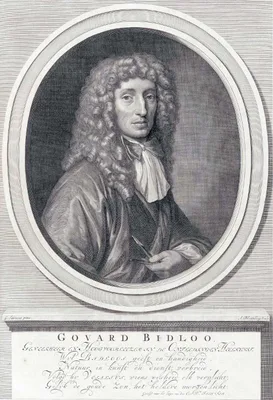
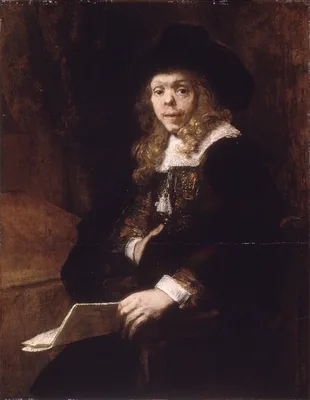
This large folio by Dutch physician, anatomist, poet, and playwright Govert Bidloo contains an engraved title, engraved portrait of Bidloo by Abraham Bloteling after Gérard de Lairesse and 105 engraved plates after La…
1691
#386
Anatomia per uso et intelligenza del disegno ricercata non solo su gl’ossi, e muscoli del corpo humano.
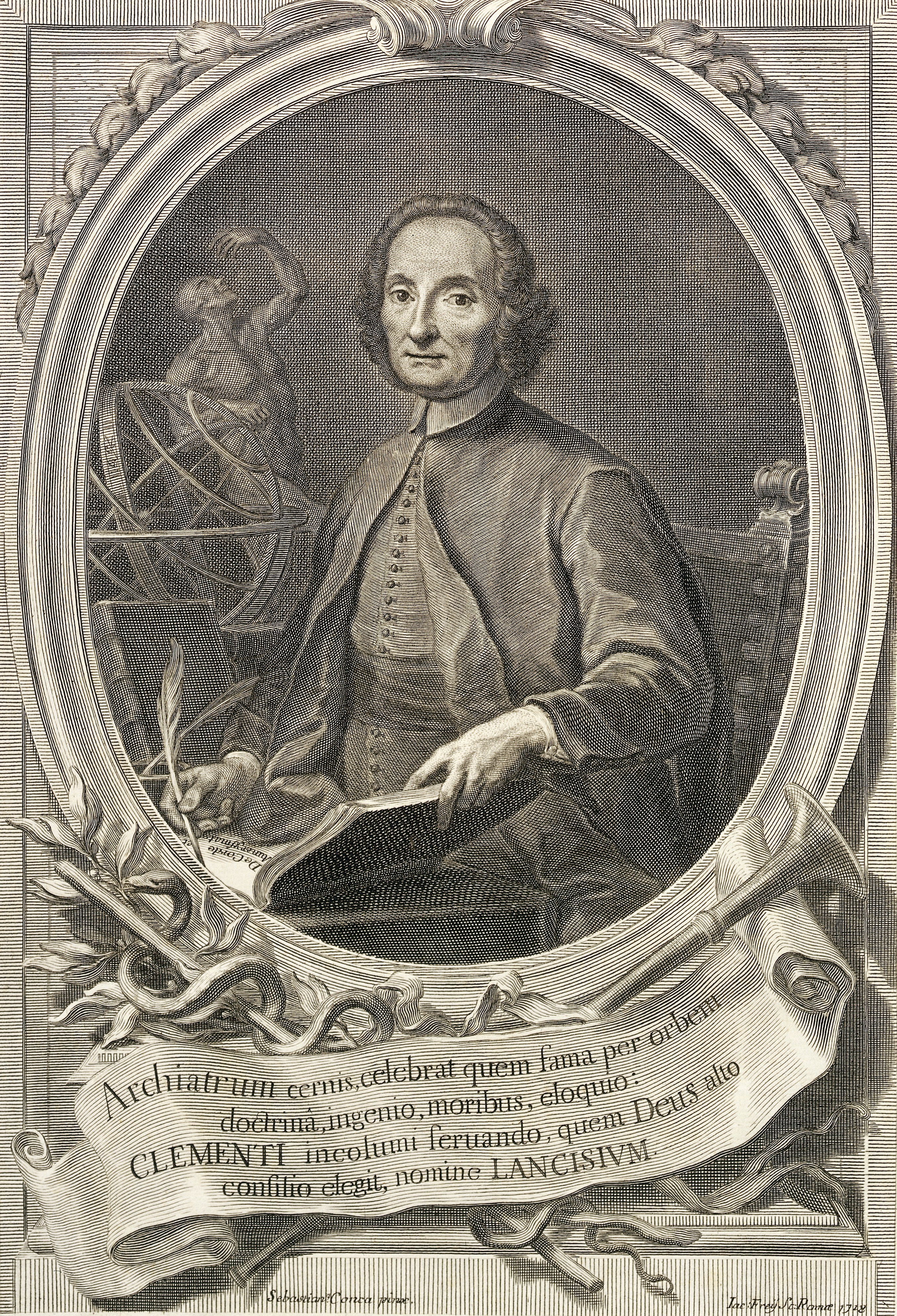
Contains 56 copper-plates, excellent anatomically and artistically, with commentary by Giovanni Maria Lancisi. This is one of the finest of all books on anatomy for artists. English translation with plates re-engraved…
1693
#388
Anatomia corporis humani, in qua omnia tam veterum, quam recentiorum anatomicarum inventa methodo nova & intellectu facillima describuntur, ac tabulis aenis repaesentantur.
This work was widely used for some years after publication, superseding Bartholin in popularity. Second edition, with supplement, 2 vols., Louvain, 1706-12.
1698
#385.1
The anatomy of humane bodies, with figures drawn after the life by some of the best masters in Europe.
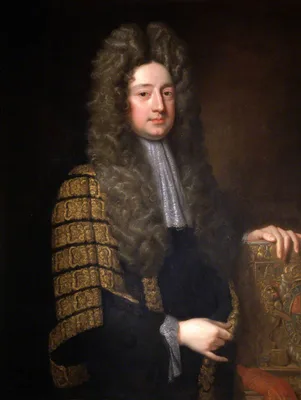
The largest in format, and most elaborate and beautiful of all 17th century English treatises on anatomy, and also one of the most extraordinary plagiarisms in the entire history of medicine. Cowper purchased sets of …
1701 –1715
#389
Thesaurus anatomicus primus [-decimus]... Het eerste [-tiende] anatomisch cabinet....
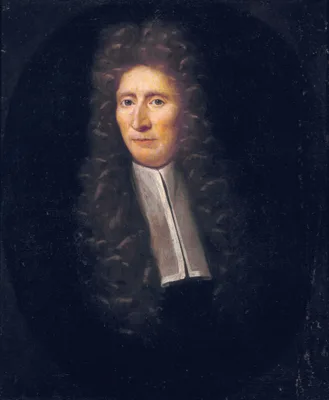
Probably the most original artist in the history of anatomical preparations, Ruysch enjoyed making up elaborate three-dimensional emblems of mortality from his specimens. These fantastic, dream-like concoctions constr…
1713
#390
The anatomy of the humane body.
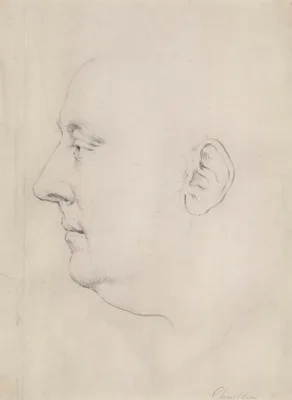
Although Cheselden is best known for his accomplishments in the field of surgery, he wrote two important books on anatomy. The above was for many years a textbook of the English medical schools and ran through 13 edit…
1714
#1312
Tabulae anatomicae.
A romantic history attaches to this fine collection of plates, drawn by Eustachius himself and completed in 1552. They remained unprinted and forgotten in the Vatican Library until discovered in the early 18th century…
1724
#392.1
Myotomia reformata.
This work made a modest first appearance in 1694 as an octavo, but Cowper worked until his death on a new edition which was finally published posthumously under the supervision and at the expense of Richard Mead (1673…
1725
#8095
Opera omnia anatomica & chirurgica. Edited by Herman Boerhaave and Bernhard Siegfried Albinus. 2 vols.
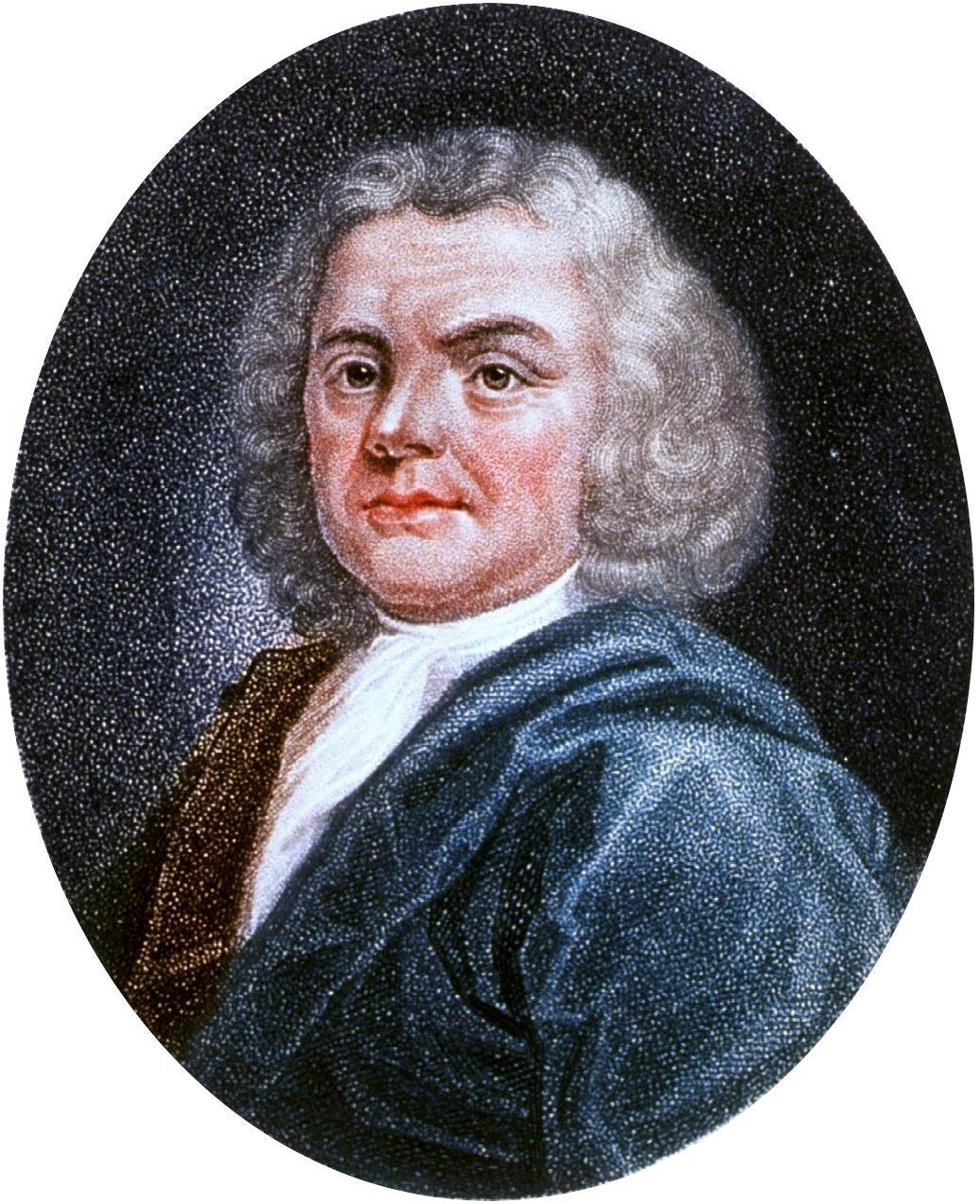
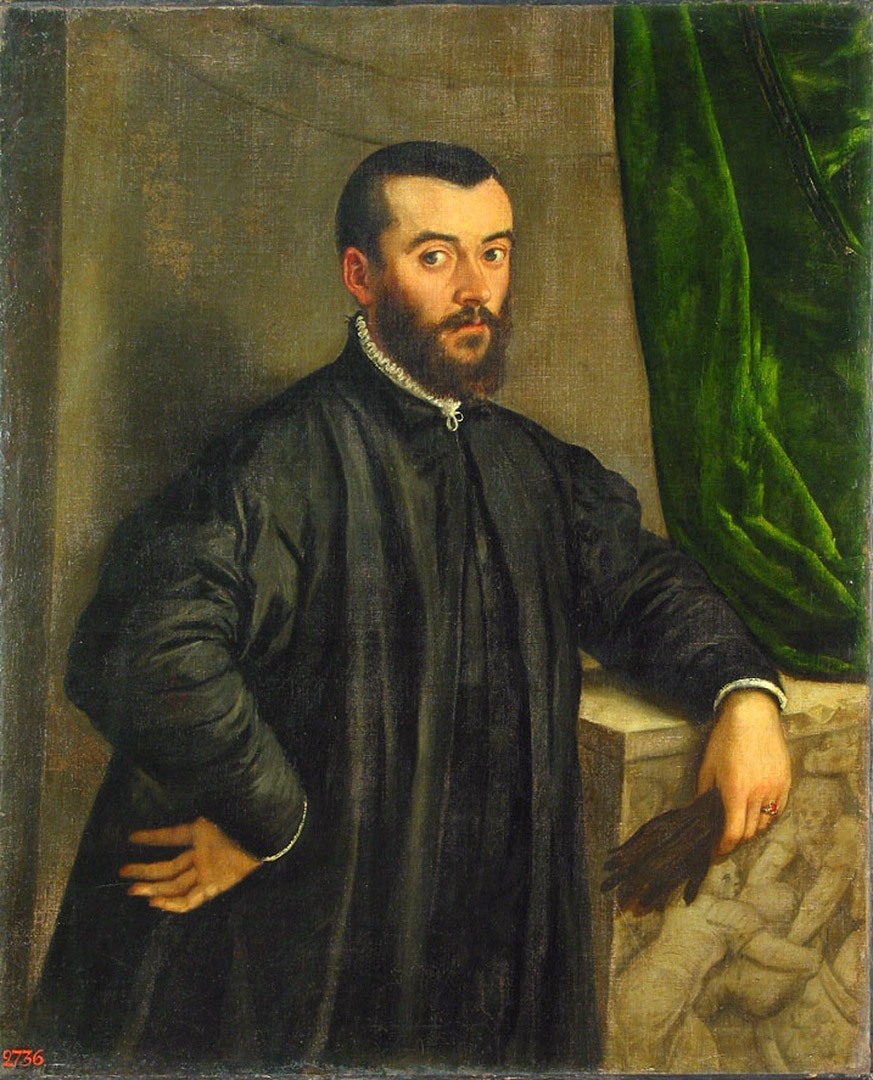
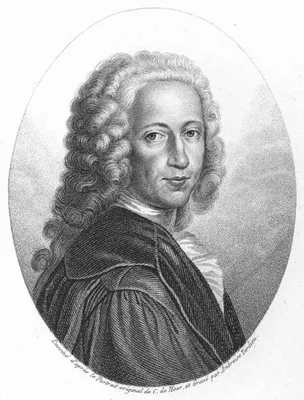
Vesalius's collected works with the famous woodcuts reproduced as copperplate engravings by Jan Wandelaar (1690-1759). Notably Boerhaave and Albinus had this edition published because Vesalius's works still had practi…
1733
#395
Osteographia, or the anatomy of the bones.
This splendidly designed and illustrated work contained full and accurate descriptions of all the human bones, as well as many of animals. Cheselden is the first person to have used the camera obscura to gain precisio…
1734
#7552
Historia musculorum hominis.
Very detailed descriptions of all the muscles of the human body, with illustrations drawn and engraved by Jan Wandelaar depicting the muscles of the hand, life-size with all the muscles, tendons, ligaments, and bones.…
1736
#7507
Dissertatio de arteries et venis intestinorum hominis. Adjecta icon coloribus distincta.
The small color mezzotint printed by the painter Jan Ladmiral included with this pamphlet on the arteries and veins of the human intestine was among the earliest applications of full color printing, and the first use …
1737 –1747
#399
Tabulae sceleti et musculorum corporis humani.
The splendid series of 40 large copperplates of the bones and muscles in this work were drawn and engraved by Jan Wandelaar (1690-1759). They established a newstandard in anatomical illustration, and remain unsurpasse…
1741
#395.2
Tabulae anatomicae.
![PIETRO DA CORTONA, [Pietro BERRETINI] (1596 – 1669)](/media/portraits/743)
27 anatomical copperplates after drawings by the most influential painter of the Italian Baroque movement, who also excelled as an architect. The editor, Cajetano Petrioli, supplied the text and small numbered anatomi…
1743 –1756
#397
Icones anatomicae. 8 pts.
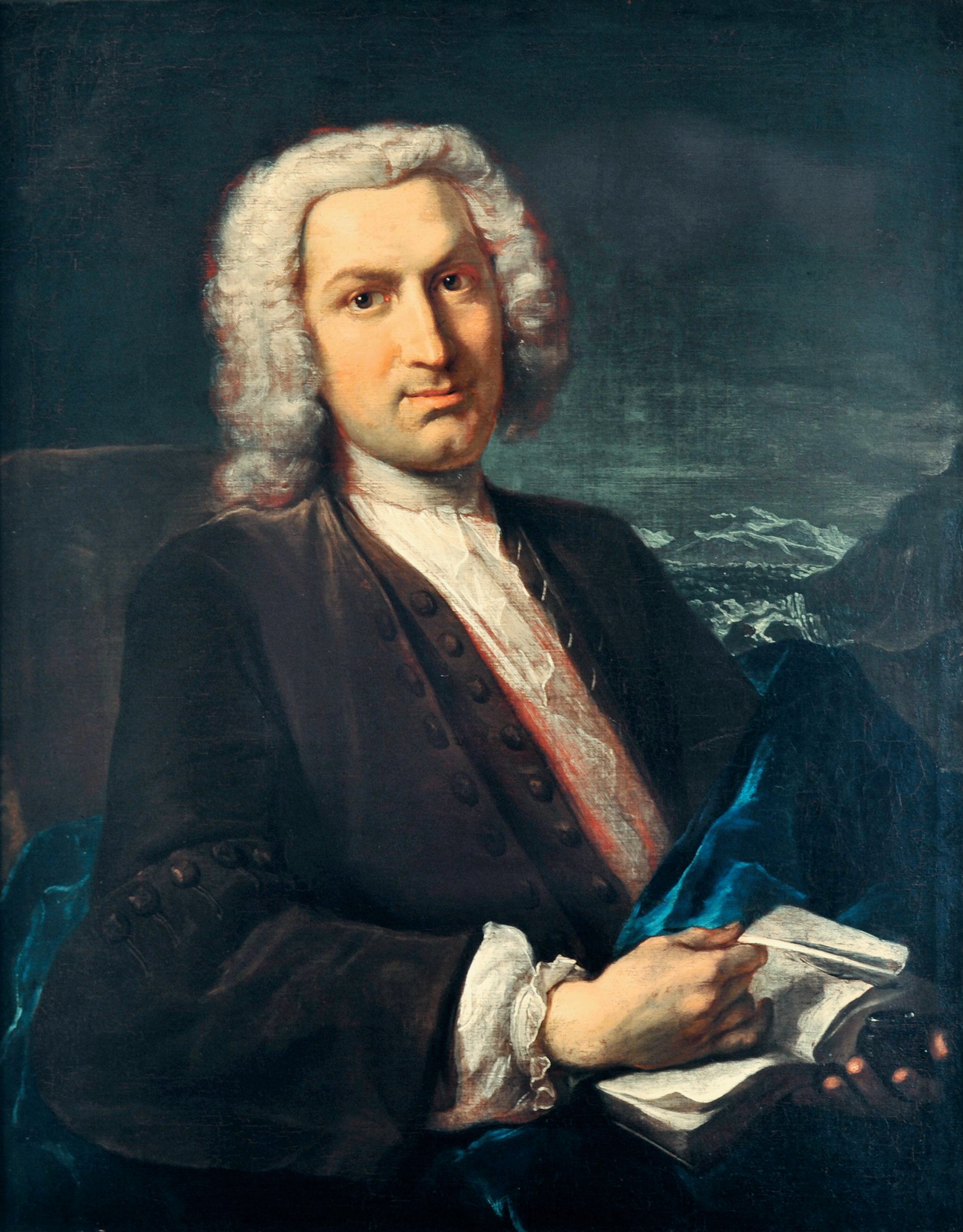
Accurate and beautiful engravings of the diaphragm, uterus, ovaries, vagina, arteries, with explanatory observations. About fifty years after they were originally published the most visually spectacular versions of Ha…
1745
#398
Essai d’anatomie en tableaux imprimés, qui represent au naturel tous les muscles de la face, du col, de la tête, de la langue & du larinx. d'après les parties disséquées & préparées par Monsieur Duverney....comprenant hit grandes planches.
Remarkable for its striking mezzotints printed in color. Digital facsimile from the Internet Archive at this link.
1748
#7491
Anatomie de la tête, en tableaux imprimés qui représentent au naturel le cerveau sous différentes coupes, la distribution des vaisseaux dans toutes les parties de la tête, les organes des sens et une partie de la névrologie, d'après les pièces disséquées et préparées par M. Duverney, en huit grandes planches dessinées, peintes, gravées et imprimées en couleur et grandeur naturelle....
Includes eight spectacular plates printed in color by Gautier d'Agoty with text by Duvereny. Digital facsimile from the Internet Archive at this link.
1754
#7492
Anatomie generale des visceres, et de la nevrologie, angeologie et osteologie du corps humain, en figures, de couleurs et grandeurs naturelles dediée et présentée.
Includes 18 full-page color-printed mezzotints, 12 of the plates designed to fit together in threes to make four life-size human figures. Gautier credited Mertrud, the King's Surgeon with some of the anatomical work i…
1756
#7489
An essay on the demonstration of the human structure, half as large as nature, in four tables, from the pictures painted after dissections, for that purpose.
Four large mezzotint plates issued with an accompanying text.
1759
#7006
Traité d'ostéologie. 2 vols.
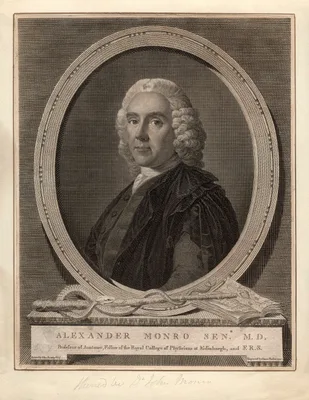
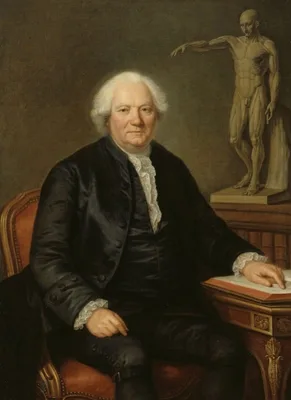
Monro Primus' textbook on the anatomy of the bones was originally published in 1726 as an octavo volume without plates, and went through more than ten editions. The French translation, published in large folio, transl…
1775
#399.1
Septemdecim tabulae…
Santorini died before the completion of these anatomical plates which he intended to be his chef d’oeuvre. This elegantly printed volume is the only significant medical book printed by the celebrated Giambattista Bodo…
1779
#401.1
Nouveau recueil d’ostéologie et de myologie…
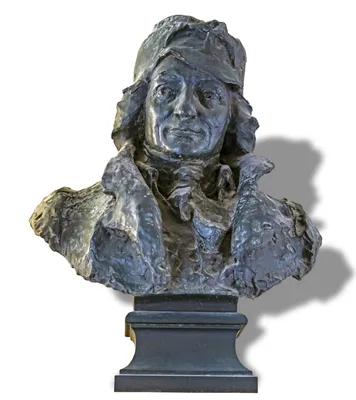
“Without contest the most beautiful of all anatomies for the artist and one of the most remarkable books of its time” (Hahn & Dumaitre). The plates in this work are more fantastic than any other anatomy, suggesting th…
1787
#1104
Vasorum lymphaticorum corporis humani historia et ichnographia.
Mascagni, Professor of Anatomy at Siena, made several discoveries regarding the lymphatics. His beautiful atlas contained 41 engravings of the lymphatics and gained him lasting fame. He had previously published a Prod…
1797
#401
Tabula sceleti feminini juncta descriptione.
Soemmerring was noted for his accuracy in anatomical illustration, and the above work is a fine example of his artistic sense. For it he selected the skeleton of a well-built girl of 20 years. Great care was taken in …
1797 –1804
#401.3
The anatomy of the human body. 4 vols.
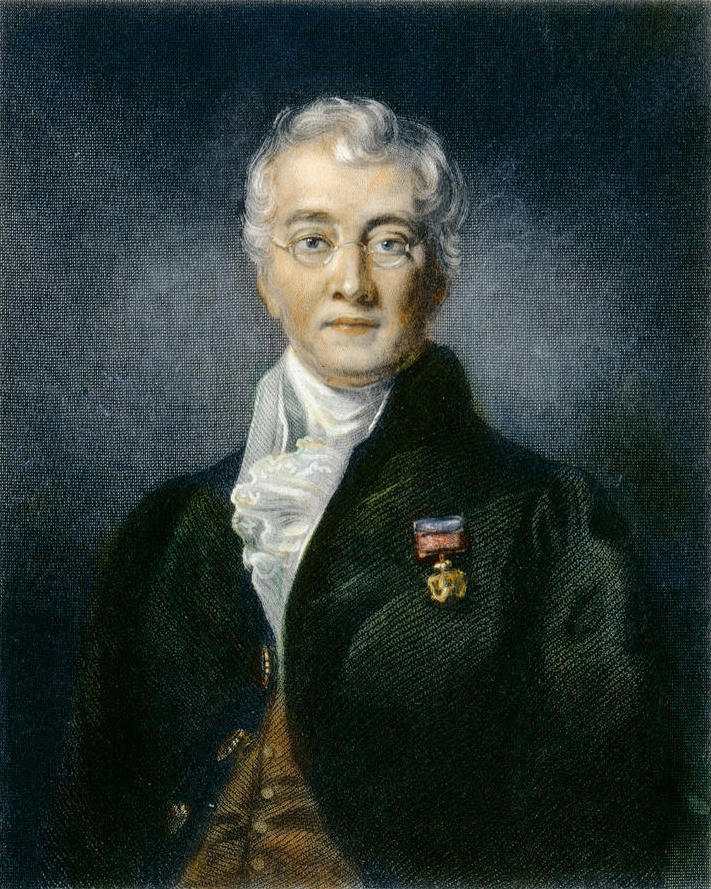
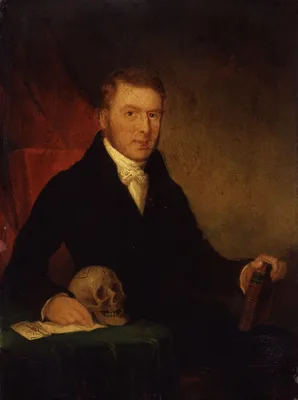
“The first great textbook contributed by the British school to modern anatomy” (Russell, No. 461).
1798 –1803
#402
A system of dissections. 2 vols.
Published in 7 fascicules and appendix while Bell was still a student, this was Bell’s first independent venture as an author. The anatomical work of Charles Bell and his brother John was among the most significant in…
1811
#406
Anatomia per uso de’pittori e scultori.
This anatomy for artists and sculptors contains 38 good copperplates in black and red.
1812
#14179
Anatomie du gladiateur combattant, applicable aux beaux arts . . . .
Salvage's 21 plates after his own drawings "are based on three casts of bodies dissected to different anatomical layers and set in the pose of the Borghese Gladiator. For these casts he preferred to use the bodies of …
1813
#13214
Kaitai hatsumo [Explanation of Human Anatomy]. 5 vols.
The first Japanese exposition of the whole system of human anatomy, based on original observation. The work includes the records of three dissections performed in Kyoto in 1783, 1798, and 1802. “A Japanese treatise on…
1816
#7488
Anatomia per uso degli studiosi di scultura e pittura.
Mascagni's anatomy for artists and sculptors, edited for posthumous publication by Mascagni's literary execultor Francesco Antonmarchi. 15 hand-colored engraved plates after drawings by Antonio Serantoni (1780j-1837),…
1818
#408
Afbeeldingen van de juiste plaatsing der inwendige deelen van het menschelijk ligchaam.
First anatomical illustrations of frozen sections. De Riemer appears to have been the first to freeze tissues in order to permit fine sectioning for the purposes of diagnosing diseased tissue. Digital facsimile from U…
1821 –1831
#409
Anatomie de l’homme, ou descriptions et figures lithographiées de toutes les parties du corps humain. 5 vols.
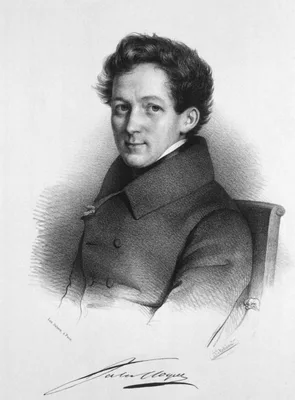
The first anatomical atlas illustrated by lithography, containing 300 plates in folio format. This was one of the most elaborate of the lithographic “incunabula” produced by Charles Philibert de Lasteyrie, one of the …
1822 –1832
#409.1
Anatomia universa… 2 vols.
The largest of all medical books from the standpoint of format. The 44 life size engraved plates are reproduced in double elephant folio size measuring 950 x 635 mm., and include an almost incredible level of detail. …
1822
#13314
System of surgical anatomy. Part first [all published]: On the structure of the groin, pelvis, and perineum. As connected with inguinal and femoral hernia; Tyeing the iliac arteries; and the operation of lithotomy. Illustrated by nine copper-plate engravings
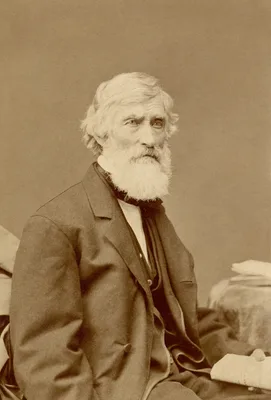
Anderson trained at the Royal College of Surgeons in Edinburgh, emigrated to America in 1820 and, after delivering a series of anatomical lectures in New York under the patronage of Valentine Mott, became affiliated w…
1822 –1826
#13508
A system of anatomical plates of the human body. By John Lizars. Text in 8vo in 12 pts., plus folio atlas with engraved title and 101 plates engraved by William Home Lizars.
Lizars's System of anatomical plates was by far his most successful work, going through many editions. The text of the work was originally issued in 12 parts in octavo format, which were then bound together in book fo…
1823 –1826
#7242
Planches anatomiques du corps humain executes d’après les dimensions naturelles. Double elephant folio atlas and small folio text.
Considering that it is among the rarest of all anatomies, and certainly the largest and probably the most spectacular, it is remarkable that two nearly identical editions of Mascagni’s posthumous life-size anatomy wer…
1828
#10023
Myology, illustrated by plates.
This large folio work contains 8 hand-colored lithographed plates by F. R. Say, each with multiple lift-up flaps. It is probably the largest format anatomical work ever published in English with lift-up flaps, with up…
1829
#11162
Anatomie des formes extérieures du corps humain appliquée à la peinture, à la sculpture et à la chirurgie.
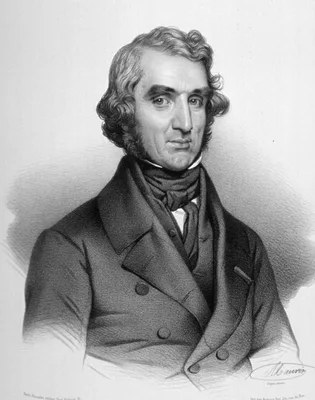
Digital facsimile from the Internet Archive at this link.
1831 –1854
#7246
Traité complet de l'anatomie de l'homme, comprenant la médecine opératoire. 16 vols.
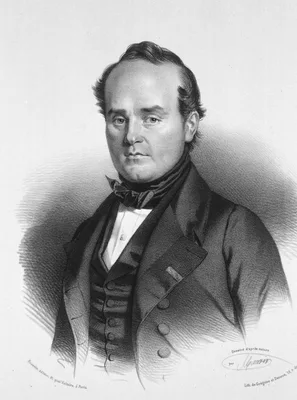
With over 2000 pages of text and 726 lithographed plates (incorporating 3604 individual figures), this work is the most comprehensive, and perhaps the most beautiful anatomical surgical atlas of the 19th century. It w…
1833
#411
Anatomical studies of the bones and muscles, for the use of artists. From drawings by the late John Flaxman, Esq. R.A. Engraved by Henry Landseer. With two additional plates, and explanatory notes, by William Robertson.
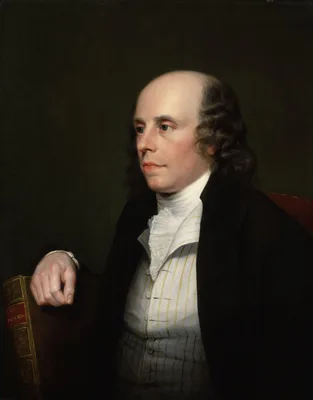
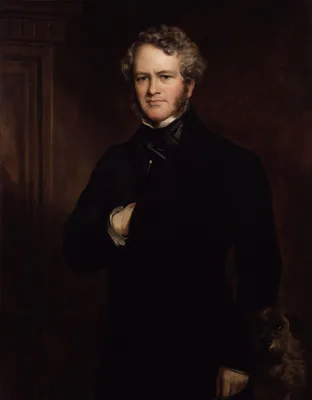
Digital facsimile from digitalcollections.nypl.org at this link.
1833
#411.1
The hand: Its mechanism and vital endowments as evincing design.
Classic work on the anatomy, physiology, bio-mechanics, comparative anatomy, and adaptive importance of the hand. Issued as a volume in a series entitled the "Bridgewater Treatises." The first edition has 288pp. An en…