
Facets
Browse across eight MeSH (opens in new tab) facets — era, geography, science, specialty, technology, history, culture, and reference. Select one tag per group; counts update across the others. What’s new in facet browse how facets relate to subjects and MeSH.
Clear filtersFacet filters
Geography
Specialties & Disease
- Anatomy & Pathology 6
- Cardiology & Blood 1
- Neurology & Psychiatry 1
- Obstetrics & Reproductive 2
- Infectious Disease (General) 0
- Surgery & Anesthesia 1
- Public Health 6
- Immunology & Dermatology 2
- General Clinical Medicine 14
- Military Medicine 0
- Psychology 0
- Alternative & Fringe Medicine 0
- Pediatrics 0
- Ophthalmology & Vision 0
- ENT & Hearing 0
- Urology & Nephrology 0
- Gastroenterology & Hepatology 0
- Pulmonary & Respiratory 0
- Rheumatology, Rehab & Pain 0
- Internal, Emergency & Geriatric 0
- Veterinary Medicine 0
- Epidemiology & Demography 1
- Physiology & Embryology 8
- Dentistry 0
- Plagues & Epidemics 3
- Microbiology & Virology 4
Social & Historical Studies
Institutions & Culture
Reference & Scholarly Works
88 entries match Diagnostics & Imaging [E01] · Zoology & Animal Sciences [K01.900.500.750]
1630
#259
Persio tradotto.
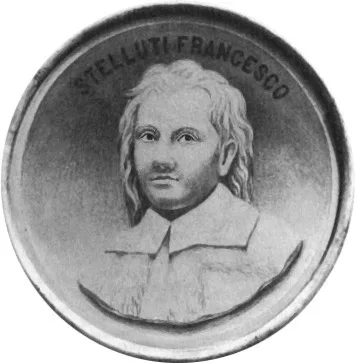
The first book to contain illustrations of natural objects as seen through the microscope— specifically an engraving of the exterior surface of bees. The work includes the Latin text of the Satyrae VI of Aulus Persius…
1665
#262
Micrographia, or some physiological descriptions of minute bodies made by magnifying glasses; with observations and inquiries thereupon.
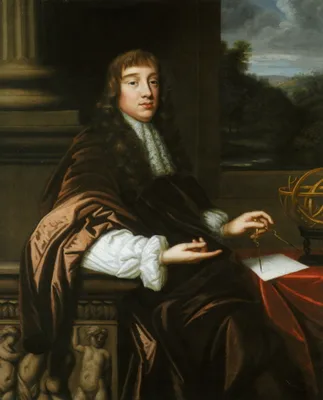
Hooke, at one time research assistant to Robert Boyle, was one of the greatest inventive geniuses of all time. This was the first book devoted entirely to microscopical observations, and also the first book to pair it…
1686 –1718
#265
Ontledingen en ontdekkingen.... 6 vols.
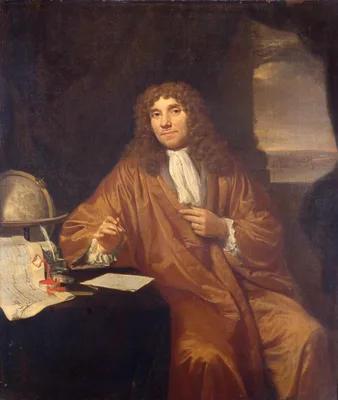
Leeuwenhoek, one of the first and also one of the greatest of the microbiologists, communicated many of his discoveries to the Royal Society in London. This set is a collection in Dutch of many contributions that van …
1691
#264
Observationes circa viventia, quae in rebus non viventibus reperiuntur. Cum micrographia curiosa siue Rerum minutissimarum obseruationibus, quæ ope microscopij recognitæ ad viuum exprimuntur. His accesserunt aliquot animalium testaceorum icones non antea in lucem editae. Omnia curiosorum naturæ exploratorum vtilitati & iucunditati expressa & oblata.
Illustrates several early microscopes, including the famous microscopes of the Bolognese Joseph Campani. Contradicting Redi, Bonanni tried to show that spontaneous generation was possible in animals "without blood and…
1762
#305
Traité anatomique de la chénille, qui ronge le bois de saule. Augmenté d'une explication abrégée des planches, et d'une description de l'instrument et des outils dont l'auteur s'est servi pour anatomiser à la loupe et au microscope, & pour déterminer la forcer de ses verres, suivant les règles de l'optique, & méchaniquement.
Lyonet’s monograph on the goat moth caterpillar remains a famous example of anatomical examination. It is also a thorough treatise on the microscope and lenses that Lyonet used. Digital facsimile from Biodiversity Her…
1777
#145.53
Specimen zoologiae geographicae, quadrupedem domicilia et migrationes sistens dedit, tabulamque mundi zoographicam adjunxit.
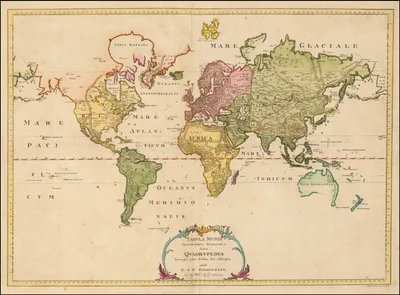
The first textbook of zoogeography, containing the first world map showing the distribution of mammals. French translation of part 1 only by Jakob Mauvillon: Zoologie géographique. Premier article, L'homme (Cassel: Im…
1778 –1793
#8222
Geographische Geschichte des Menschen und der allgemein verbreiteten vierfüßigen Thiere: nebst einer hieher gehörigen Zoologischen Weltcharte. 3 vols.
Digital facsimile from the Bayerische StaatsBibliothek at this link.
1876
#145.6
The geographical distribution of animals. 2 vols.
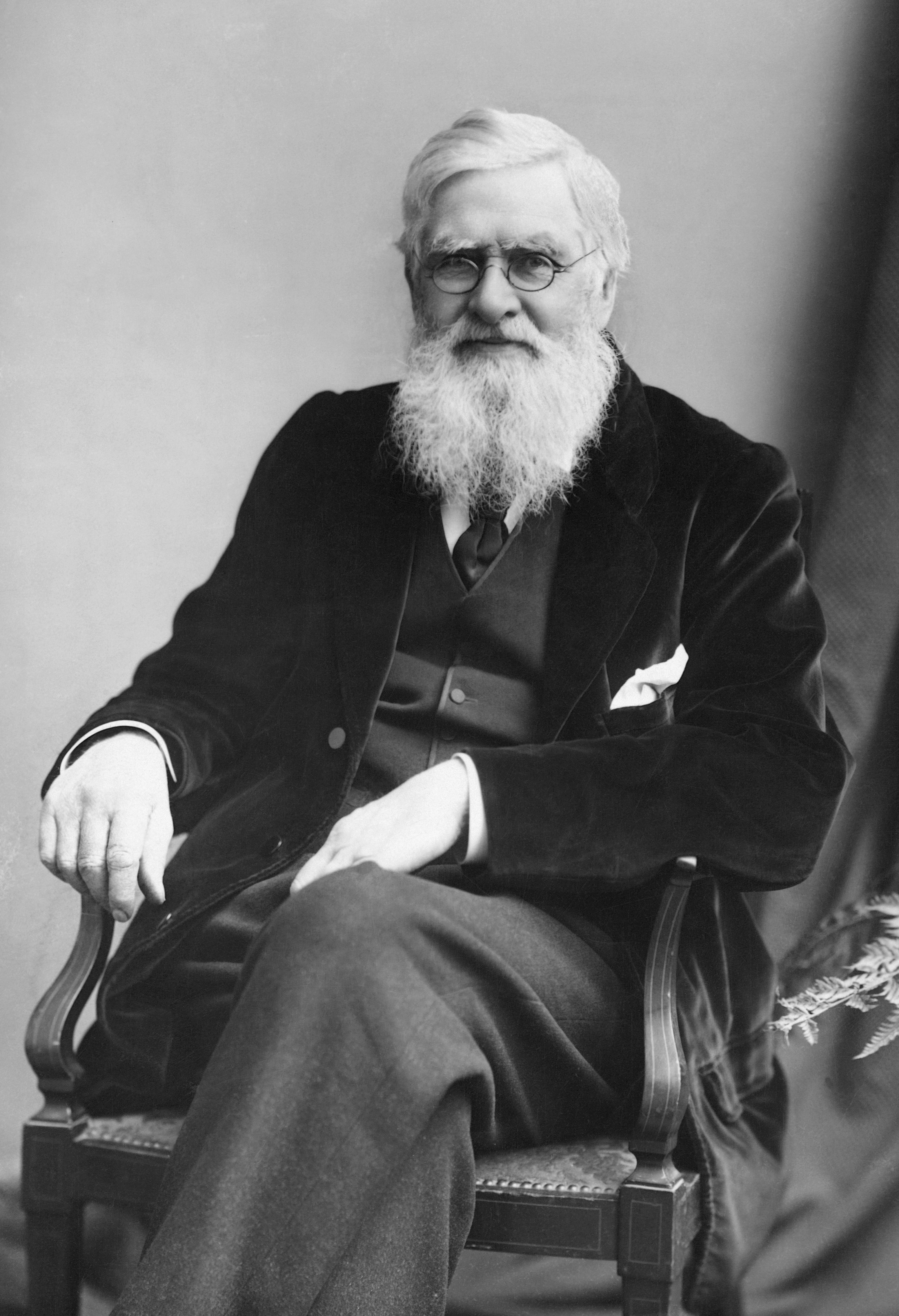
"In 1872, at the urging of many of his friends, including Darwin, Philip Sclater, and Alfred Newton, Wallace began research for a general review of the geographic distribution of animals. He was unable to make much pr…
1877
#4344.1
Spinal disease and spinal curvature, their treatment by suspension and the use of the plaster of Paris bandage.
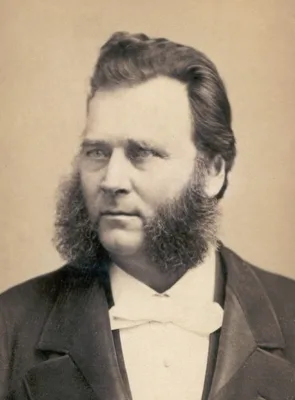
Sayre’s monograph on his methods of treating tuberculosis of the spine and scoliosis is the first American surgical textbook to contain actual mounted photographs, some of which are remarkable for their artistic quali…
1894
#10595
Klinische Abbildungen: Sammlung von Darstellungen der Veränderung der äusseren Körperform bei inneren Krankheiten.
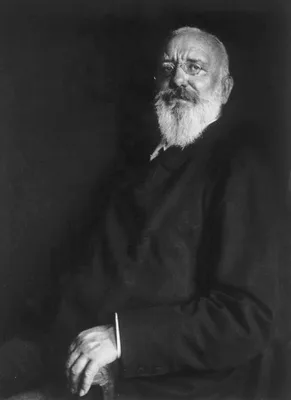
Includes 57 fine heliogravure reproductions of artistic photographs of disease, including numerous congenital deformities. Digital facsimile from Google Books at this link.
1895
#8653
An atlas of the fertilization and karyokinesis of the ovum.
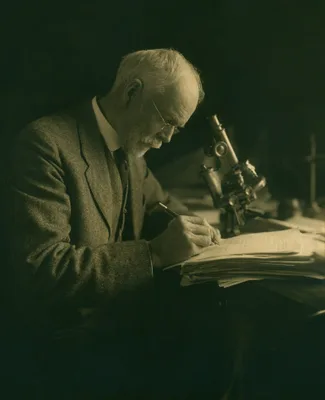
The first atlas of photomicrographs showing fertilization and cellular development during mitosis. The photomicrographs were taken by Leaming. Digital facsimile from the Internet Archive at this link.
1896
#10607
Versuche über Photographie mittelst der Röntgen’schen Strahlen.
"Eder was the director of an institute for graphic processes and the author of an early history of photography. With the photochemist Valenta, he produced a portfolio in January 1896, less than a month after Wilhelm C…
1896
#10608
14 Photographien mit Röntgen-strahlen aufgenommen im physikaloschen Verein zu Frankfurt A. M.
This collection of x-ray photographs published within a few months of Röntgen's discovery includes applications in archaeology and anthropology (x-rays of mummies) and forensic medicine (for the investigation of gunsh…
1909
#12426
Der Lymphozyt als gemeinsame Stammzelle der verschiedenen Blutelemente in der embryonalen Entwicklung und im postfetalen Leben der Säugetiere.
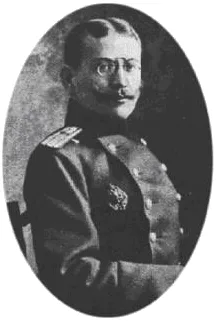
Maximow developed and introduced a unitarian theory of hematopoiesis, a theory upon which the modern concept of blood cells' origin and differentiation is based. He introduced the term "stem cell." Translated into Eng…
1912
#6917
Interferenz-Erscheinungen bei Röntgenstrahlen. . . . Eine quantitative Prüfung der Theorie für die Interferenz-Erscheinungen bei Röntgenstrahlen
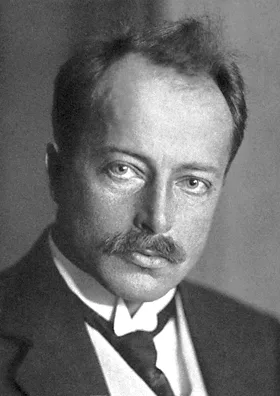
Discovery of the diffraction of X-rays in crystals. Laue’s discovery was of dual importance: it allowed the subsequent investigation of X-radiation by means of wavelength determination, and it provided the means for t…
1913
#6919
The diffraction of short electromagnetic waves by a crystal.
At the age of 22, Bragg discovered that the regular pattern of dots produced on a photographic plate by an X-ray beam passing through a crystal could be regarded as a reflection of electromagnetic radiation from plane…
1913
#6920
The reflection of x-rays by crystals.
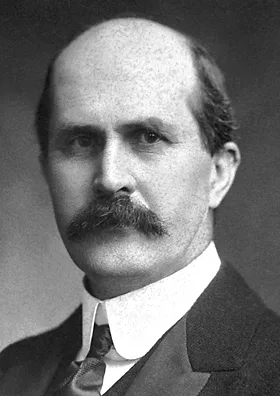
Discovery of X-ray crystallography. The father and son team of physicists, William Henry Bragg and William Lawrence Bragg, constructed the first X-ray spectrometer using crystals as gratings, using a known wavelength …
1914
#13877
Book of monsters.
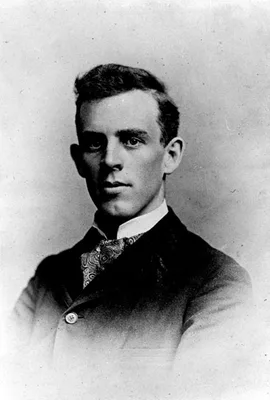
The first book of macro photographs (extreme close-up photography) of insects.
1915
#9646
X rays and crystal structure.
Digital facsimile from the Internet Archive at this link.
1916
#14094
The differentiation of cells as a criterion for cell identification, considered in relation to the small cortical cells of the thymus.
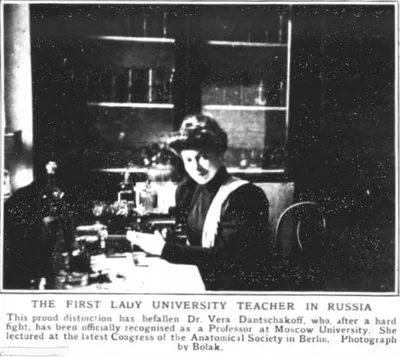
First use of the term "stem cells" in English. Digital facsimile from rupress.org at this link.
1920
#7000
The growth and shedding of the antlers of the deer. The histological phenomena and their relation to the growth of bone.
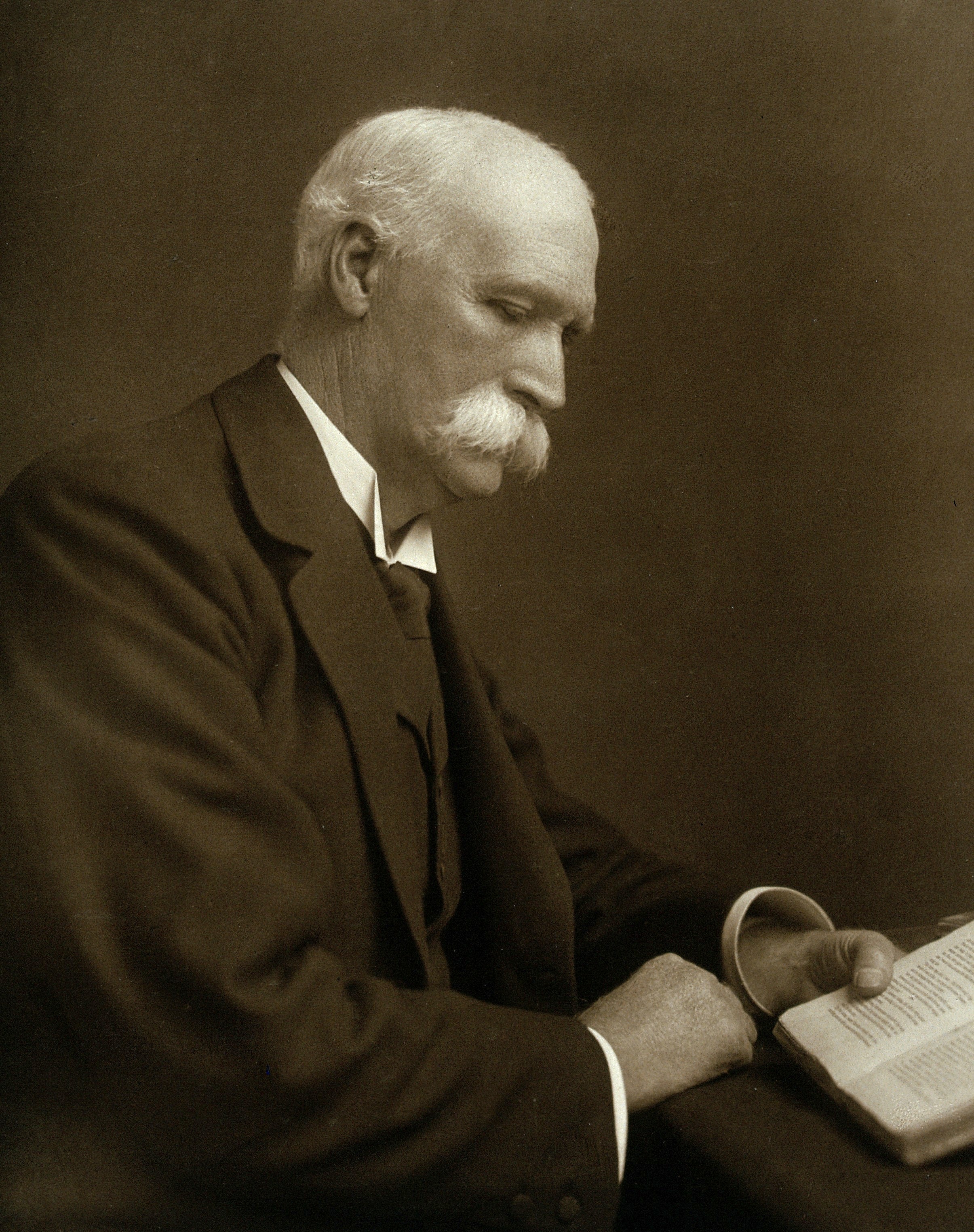
The first study of the unusual and dramatic physiology of the annual growth and shedding of the antlers of deer. "The amount of bony matter annually secreted to form antlers of the larger deer is enormous, antlers of …
1926
#14025
The isolation and crystallization of the enzyme urease.
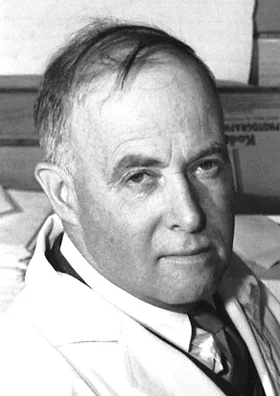
Sumner first isolated and crystallized an enzyme (urease) and proved that enzymes are proteins. One month after publication of the above paper Sumner reinforced his discovery by recrystalizing urease, publishing a fol…
1932
#6918
X-ray studies of the structures of hair, wool, and related fibres. I. General.
Astbury, a student of William Lawrence Bragg, was the first to study proteins by X-ray analysis. He applied X-ray analysis to the structure of hair, wool, and related fibers, of which the protein keratin is the princi…
1934
#6229
Roentgen visualization of the placenta.
Direct radiography of the placenta. "Clilan (C.B.) Powell, longtime owner of the Amsterdam News, was born in 1894 to former Virginia slaves. Very little is known about his childhood. He received his medical degree in …
1934
#6923
X-Ray photographs of crystalline pepsin.
Bernal and Hodgkin took the first X-ray photograph of a protein structure—crystalline pepsin. They showed that crystals of pepsin give an X-ray diffaction pattern, beginning protein crystallography. This may also be t…
1935
#2524.5
Isolation of a crystalline protein possessing the properties of tobacco-mosaic virus.
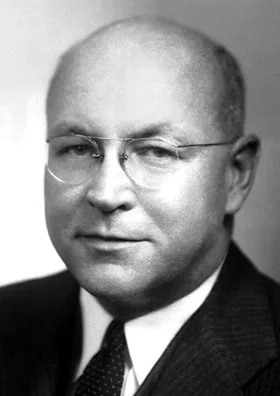
Stanley first crystallized a virus— tobacco mosaic virus. The following year Bawden, Pirie, Bernal and Fankuchen (No. 12005) showed that tobacco mosaic virus molecules are asnisometric and consist of ribonucleoprotein…
1936
#12005
Liquid crystalline substances from virus infected plants.
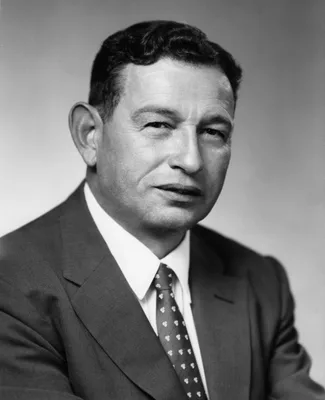
Order of authorship in the original publication: Bawden, Pirie, Bernal, Fankuchen. The authors isolated and crystallized tobacco mosaic virus, finding for the first time that a virus contained nucleic acids, when othe…
1952
#13998
The structure of synthetic polypeptides. 1. The transform of atoms on a helix.
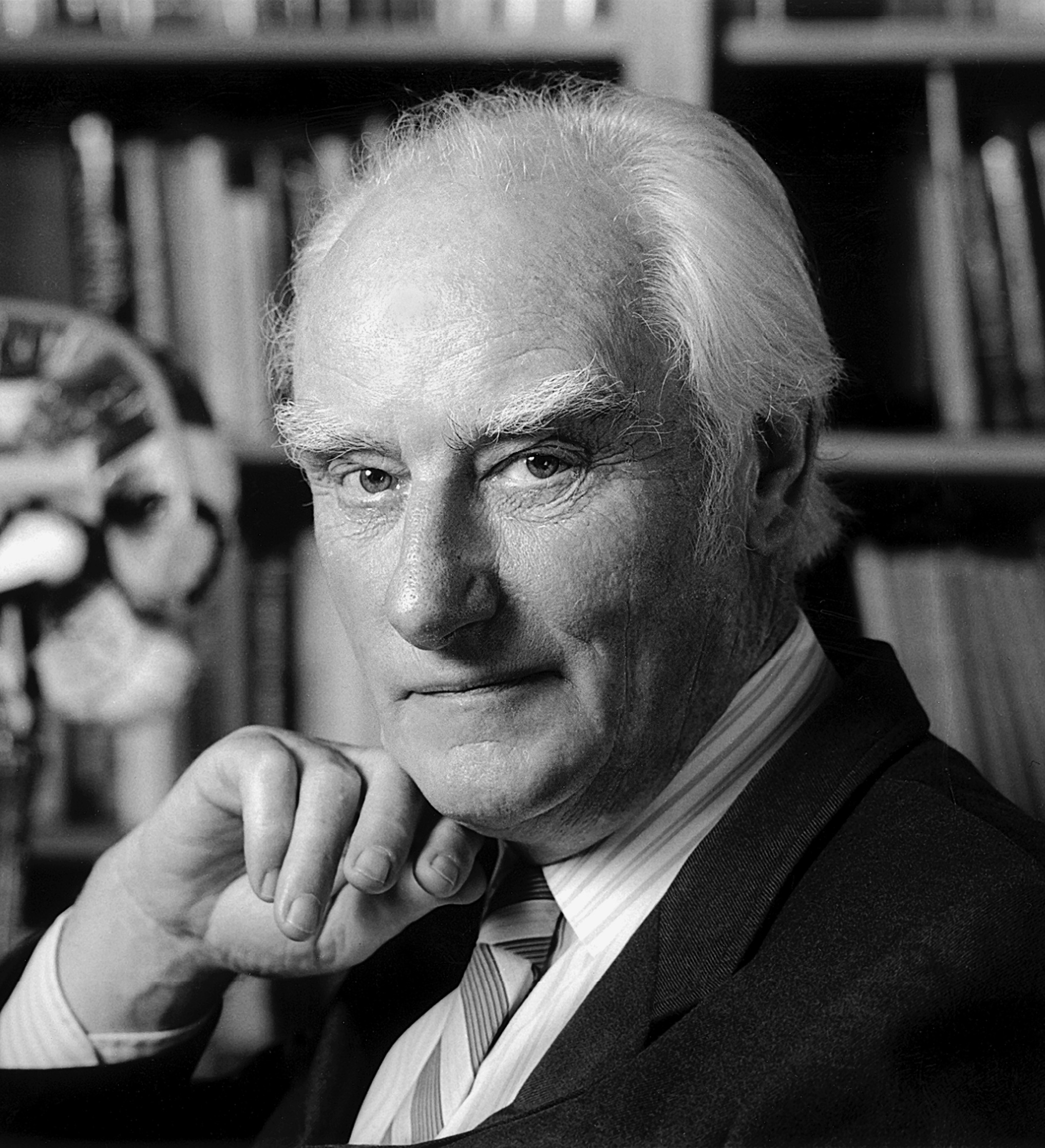
This paper gives the formulae for the Fourier transforms of a number of helical structures, and provides evidence that the structure of a synthetic polypeptide was based on the alpha helix of Pauling and Corey. "It wa…
1953
#6623.01
The doctor and the devils.
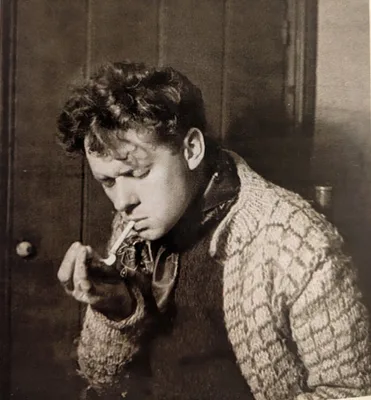
The great lyric poet’s screenplay based on the notorious career of Robert Knox, the anatomist who purchased bodies for dissection from the resurrectionists/murderers, Burke and Hare. This was the first screenplay that…
1953
#256.4
Helical structure of crystalline deoxypentose nucleic acid.
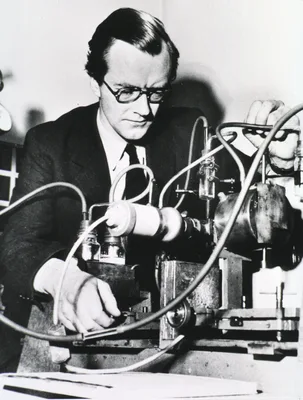
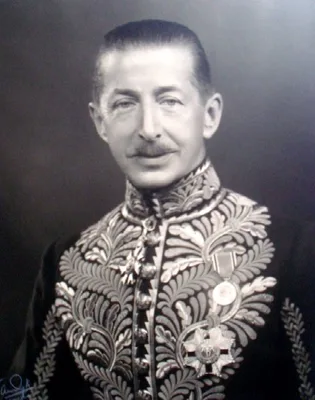
In 1962 Wilkins shared the Nobel Prize in Physiology or Medicine with Crick and Watson "for their discoveries concerning the molecular structure of nucleic acids and its significance for information transfer in living…
1953
#13946
Evidence for 2-chain helix in crystalline structure of sodium deoxyribonucleate.
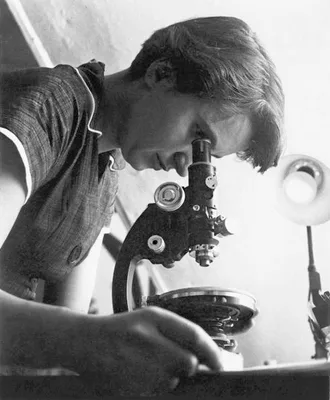
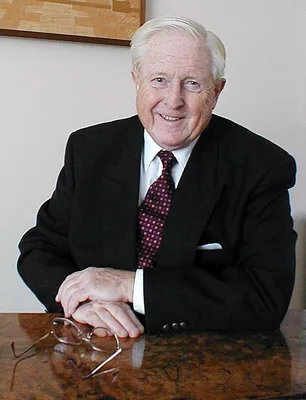
Franklin and Gosling's completed Patterson synthesis of the A-form of DNA, based on work begun in 1952, represents the first independent confirmation that the Watson-Crick double-helix model was correct. "We suggest t…
1955
#6928
The crystal structure of the hexacarboxylic acid derived from B12 and the molecular structure of the vitamin.
The final structure of vitamin B12. With J. Pickworth, J.H. Robertson, K.N. Trueblood, R.J. Prosen, J. G. White. In 1964 Hodgkin was awarded the Nobel Prize in Chemistry "for her determinations by X-ray techniques of …
1962
#256.12
Adult frogs derived from the nuclei of single somatic cells.
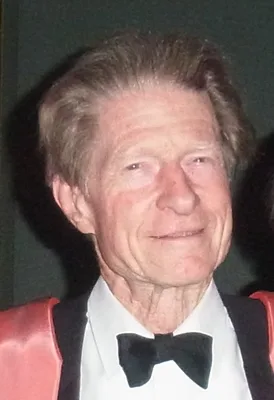
Demonstration that somatic and germinal nuclei are genetically equivalent. Using somatic cell nuclear transfer (SCNT), Gurdon (Nobel Prize 2012) transplanted cell nuclei from mature intestinal tadpole cells into enucl…
1963
#12427
Cytological demonstration of the clonal nature of spleen colonies derived from transplanted mouse marrow cells.
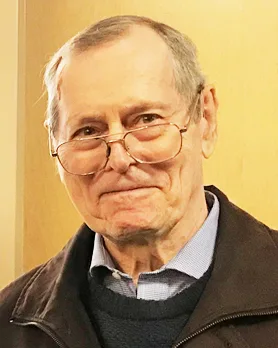
McCulloch and Till discovered the blood-forming stem cell, the hematopoietic stem cell (HSC), through their pioneering work in mice. McCulloch and Till began a series of experiments in which bone marrow cells were inj…
1963
#12428
The distribution of colony-forming cells among spleen colonies.
Evidence that stem cells are capable of self-renewal. (Order of authorship in the original publication: Siminovitch, McCullch, Till). Digital facsimile from tspace.library.utoronto.ca at this link.
1966
#14064
"Fertile" intestine nuclei.
Gurdon and Uehlinger replaced the cell nucleus of frog ova with frog intestinal nuclei to generate tadpoles, some of which became fertile adult male and female frogs. In 2012 the Nobel Prize in Physiology or Medicine …
1973
#257.5
Construction of biologically functional bacterial plasmids in vitro.
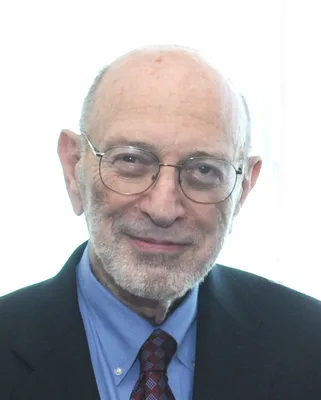
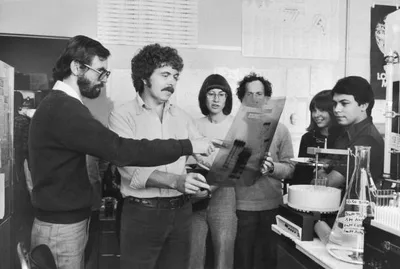
Cohen, Boyer and associates developed the first practical method for cloning genes, by the formation of recombinant plasmids which can be used to infect plasmid-free bacteria. The authors demonstrated that if DNA is f…
1974
#10047
Genome construction between bacterial species in vitro: Replication and expression of staphylococcus plasmid genes in Escherichia coli.
Creation of the first transgenic organism: expression of Staphylococcus aureus genes in Escherichia coli. Digital facsimile from pnas.org at this link.
1974
#10551
The Darwin correspondence project.
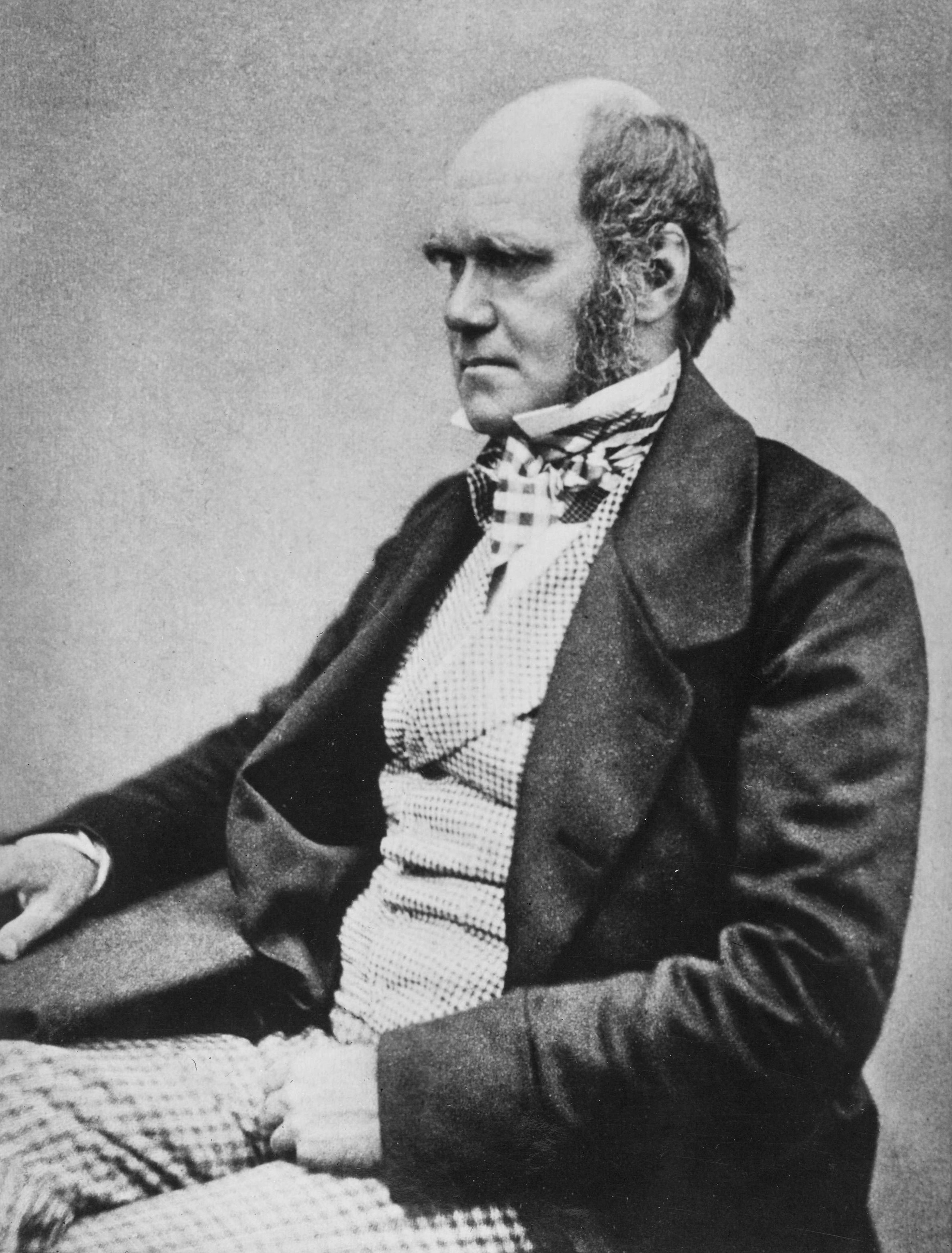
http://www.darwinproject.ac.uk/" "Search over 12000 letters and articles..."
1974
#10963
Genome construction between bacterial species in vitro: Replication and expression of staphylococcus plasmid genes in Escherichia coli.
Confirmation of the success of methods outlined in No. 257.5. Abstract: "Genes carried by EcoRI endonuclease-generated fragments of Staphylococcus plasmid DNA have been covalently joined to the E. coli antibiotic-resi…
1975
#14182
Three-dimensional model of purple membrane obtained by electron microscopy.
The invention of Cryogenic electron microscopy (cryo-EM). The novel technique was achieved by "by applying the method to tilted specimens, and using the principles put forward by De Rosier and Klug (GM - 13935), for t…
1977
#10964
Expression in Escherichia coli of a chemically synthesized gene for the hormone somatostatin.
Order of authorship in the original paper: Itakura, Hirose, Crea..., Bolivar, Boyer. Synthesis of the gene for somatostatin (growth hormone-inhibiting hormone (GHIH). This was the first demonstration of a foreign gene…
1977
#11208
Charles Darwin: An annotated bibliographical handlist
This bibliography has been extensively supplemented by the Freeman Bibliographical Database at Darwin Online edited by John van Wyhe. "The database has been supplemented by the entries from unpublished manuscript corr…
1977
#12031
The construction of molecular cloning vehicles. II. A multipurpose cloning system.
Order of authorship in the original publication Bolivar, Rodriguez, Betlach...Boyer...The authors describe the composition and molecular construction of pBR-322 (named after Bolivar and Rodriguez) and call it "the mos…
1978
#9720
Recombinant DNA: The untold story.
1978
#13969
Inhibition of Rous sarcoma virus replication and cell transformation by a specific oligodeoxynucleotide (tridecamer deoxyribonucleotide/hybridization competitor/hybridon).
Zamecnick and Stephenson reported the first example of specific inhibition of gene expression by an oligonucleotide when they demonstrated that a short oligonucleotide inhibited Rous sarcoma virus replication in cell …
1979
#13929
Transformation of mammalian cells with genes from procaryotes and eucaryotes.
Axel, along with microbiologist Saul J. Silverstein and geneticist Michael H. Wigler, discovered a technique of cotransformation via transfection. This process, which allows foreign DNA to be inserted into a host cell…
1979
#13980
Expression in Escherichia coli of chemically synthesized genes for human insulin (plasmid construction / lac operon / fused proteins / radioimmunoassay / peptide purification).
Working at Genentech, Kleid and Goeddel and colleagues were the first scientists to apply genetic engineering techniques, incorporating chemically synthesized DNA encoding human insulin into E. coli, that expressed, a…
1981
#9728
The DNA story: A documentary history of gene cloning.
1981
#13285
Establishment in culture of pluripotential cells from mouse embryos.
Evans and Kauffman were the first to identify, isolate and successfully culture embryonic stem cells using mouse blastocysts. This discovery opened the doors to the creation of “murine genetic models” -- mice that hav…