
Facets
Browse across eight MeSH (opens in new tab) facets — era, geography, science, specialty, technology, history, culture, and reference. Select one tag per group; counts update across the others. What’s new in facet browse how facets relate to subjects and MeSH.
Clear filtersFacet filters
Geography
Specialties & Disease
- Anatomy & Pathology 37
- Cardiology & Blood 5
- Neurology & Psychiatry 5
- Obstetrics & Reproductive 0
- Infectious Disease (General) 4
- Surgery & Anesthesia 2
- Public Health 64
- Immunology & Dermatology 15
- General Clinical Medicine 12
- Military Medicine 22
- Psychology 5
- Alternative & Fringe Medicine 5
- Pediatrics 1
- Ophthalmology & Vision 0
- ENT & Hearing 1
- Urology & Nephrology 2
- Gastroenterology & Hepatology 1
- Pulmonary & Respiratory 2
- Rheumatology, Rehab & Pain 2
- Internal, Emergency & Geriatric 0
- Veterinary Medicine 2
- Epidemiology & Demography 17
- Physiology & Embryology 10
- Dentistry 3
- Plagues & Epidemics 17
- Microbiology & Virology 48
Social & Historical Studies
Institutions & Culture
Reference & Scholarly Works
768 entries match Natural History & Evolution [K01.900.500]
1820
#13239
Medical notes on climate, diseases, hospitals, and medical schools, in France, Italy, and Switzerland; comprising an inquiry into the effects of a residence in the South of Europe, in cases of pulmonary consumption, and illustrating the present state of medicine in those countries.
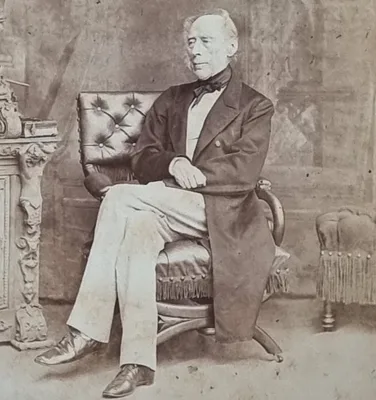
Pages 153-59 contain an account of Clark's visit to the Hopital Necker in Paris, with a detailed discussion of the use of the stethoscope introduced by Laennec, one year earlier, in 1819. This was possibly the first a…
1821
#7772
A journal of travels into the Arkansas territory, during the year 1819. With occasional observations on the manners of the aborigines. Illustrated by a map and other engravings.
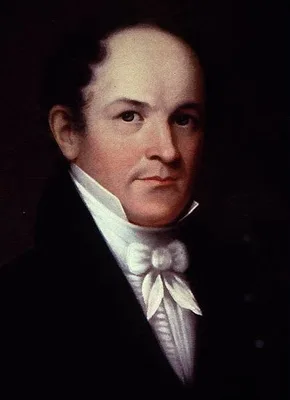
Nuttall travelled from Philadelphia, down the Ohio and Mississippi rivers to the Arkansas. From there he travelled across Arkansas to the interior of the modern Oklahoma; returning via the Arkansas and Mississippi riv…
1822
#7695
Grundtræk til en almindelig Plantegeographie.
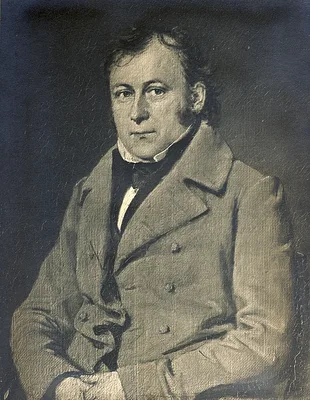
The first atlas of the geography of plants, including distribution maps for the eastern and western hemisphere. Schouw translated the work into German and had the translation published the following year: Grundzüge ei…
1823
#6584.9
A military journal during the American Revolutionary War, from 1775-1783…
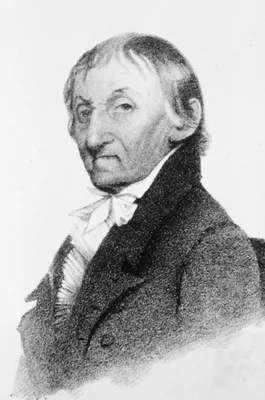
The first American medical historian, Thacher gave the best contemporary account of medicine during the Revolutionary War, as well as an important history of the war in general. See No. 6710.
1823
#7254
Reliquiae diluvianae; or, observations on the organic remains contained in caves, fissures, and diluvial gravel, and on other geological phenomena, attesting the action of an universal deluge.
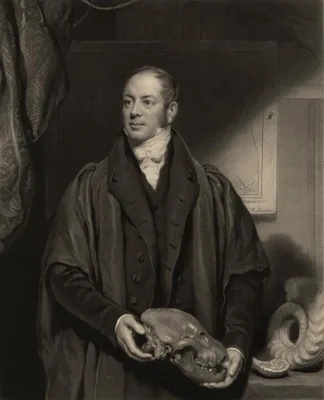
Buckland’s elaborately illustrated Reliquiae diluvianae (Relics of the Flood) describes his geological and paleontological researches of the early 1820s, including his investigations of the Kirkdale and Paviland caves…
1823
#13349
Histoire de description du Muséum royal d'histoire naturelle, ouvrage rédigé d'après les ordres de l'administration du muséum.
Digital facsimile from BnF Gallica at this link.
1824 –1828
#9484
American entomology, or descriptions of the insects of North America. Illustrated by coloured figures from original drawings executed from nature. 3 vols.
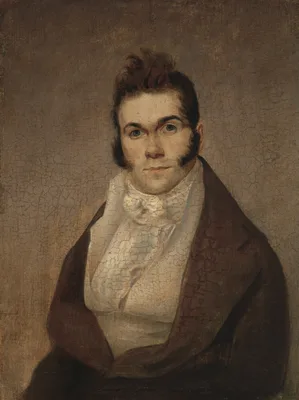
Plates by Titian Ramsay Peale, H. Bridport, C. A. Lesueur, W. W. Wood, and C. Tiebout; engraved by Tiebout, G. Lang, and Longacre. Digital facsimile from the Internet Archive at this link.
1826
#8523
Materia Indica; or, some account of those articles which are employed by the Hindoos and other eastern nations, in their medicine, arts, and agriculture; comprising also formulae, with practical observations, names of diseases in various eastern languages, and a copious list of oriental books immediately connected with general science. 2 vols.
Digital facsimile from the Internet Archive at this link.
1826 –1838
#10437
Voyage autour du monde, exécuté par ordre du Roi, sur la corvette de Sa Majesté, la Coquille, pendant les années 1822, 1823, 1824 et 1825. 6 vols. plus 4 atlases.
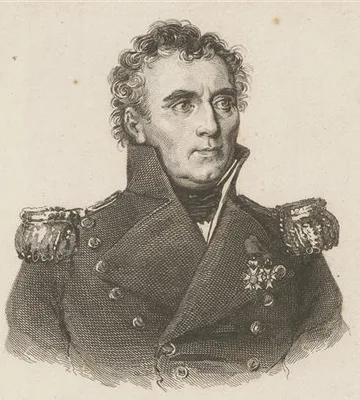
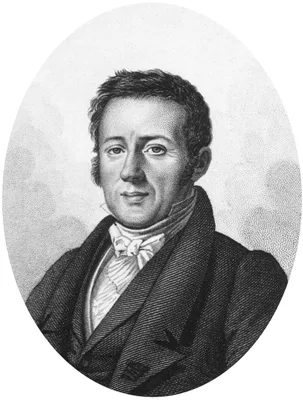
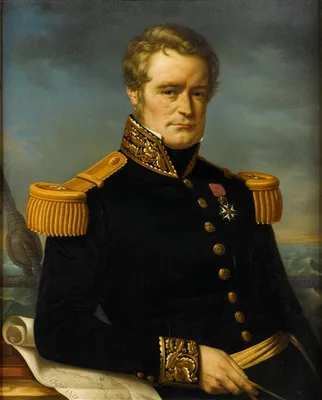
Duperrey undertook this circumnavigation under the sponsorship of the French Minister of Marine, to study terrestrial magnetism and meteorology, and to confirm or correct the position of islands and landmarks that wer…
1826
#11415
Observations on the May-Bug, and its ravages on plum and other trees, and also on the means of preventing the mischief.
Griffth was probably the first American woman to publish in the sciences outside of materia medica and childcare. This article was probably her earliest non-geological publication. See Robt S. Cox, "A spontaneous flow…
1827 –1834
#9545
Pharmaceutische Waarenkunde mit illuminirten Kupfern nach der Natur gezeichnet von Ernst Schenk. Begonnen von Friedemann Goebel. Fortgesetzt von Gustav Kunze. 14 parts in 2 vols.
1827
#13198
Synopsis of the Newcastle Museum, late The Allan, formerly The Tunstall, or Wycliffe Museum: To which are prefixed Memoirs of Mr. Tunstall, the founder, and of Mr. Allan, the Late Proprietor, of the collection; with occasional remarks on the species, by those gentlemen and the editor.
Ornithologist and collector Marmaduke Tunstall began collecting for his private museum in London in the 1770s, acquiring numerous 'curiosities brought by Captain Cook'; he moved the collections in 1776 to his home at …
1828
#6710
American medical biography. 2 vols.
Thacher was the first American medical historian. The above biography is a valuable source of information on the early medical history of the United States. Reprinted, New York, Da Capo Press, 1967.
1828
#7605
A prodromus of a synopsis animalium, comprising a catalogue raisonné, of the zootomical collection of Joshua Brookes, Esq., F.R.S. etc. Part the first; and of the anatomical preparations; part the second, which will be sold by auction in various lots about the middle of May, unless the whole be previously purchased by private contract, including the large and interesting department of nature history, etc. & c., the catalogue of which is now preparing, and will be published as speedily as possible. Likewise the extensive premises....2 vols.
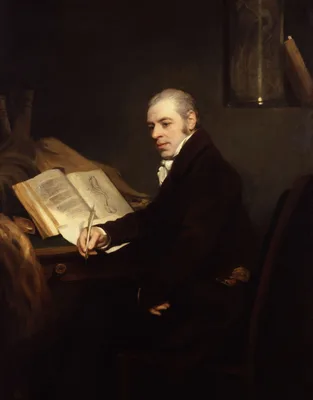
Brookes initially tried to sell his collection en bloc before consigning it to auction in 1830. Digital facsimile from Google Books at this link.
1828
#10071
The constitution of man considered in relation to external objects.
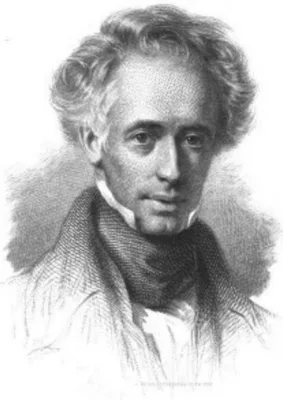
"Combe argues that the human mind is best understood through Phrenology, and that the relative size of the various regions of the brain defined by Phrenology determines a persons behavior and potential interactions wi…
1829
#7293
Notice sur les ossemens humains fossiles des cavernes du Département du Gard, présentée à l’Académie des Sciences le 29 juin 1829.
Christol excavated of the caverns of Pondres and Souvignarges, northeast of Montpellier in the department of Gard. These caverns, which showed no evidence of accidental disturbance, contained human remains intermixed …
1830 –1845
#6754
Medicinisches Schriftsteller-Lexicon der jetzt lebenden Aerzte, Wundärzte, Geburtschelfer, Apotheker, und Naturforscher aller gebildeten Völker. 33 vols.
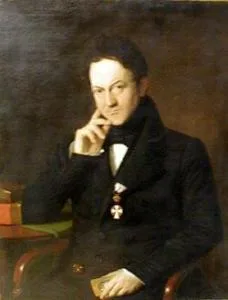
In 25 vols. and and 8-vol. supplement, Callisen’s great medical bibliography of writings by physicians, surgeons, obstetricians, pharmacists, and naturalists then living gives a complete view of the literature of the …
1830
#7604
Museum Brookesianum: A descriptive and historical catalogue of the remainder of the anatomical & zootomical museum, of Joshua Brookes, Esq. F.R.S. F.L.S. F.Z.S. &c.: comprising nearly one half of the original collection, and embracing an almost endless assemblage of every species of anatomical, pathological, obstetrical, and zootomical preparations, as well as subjects in natural history, of the choicest and rarest species in every department : which will be sold by auction, by Messrs. Wheatley & Adlard, at the Theatre of Anatomy, Blenheim Street, Great Marlborough Street, on Monday, the 1st of March, 1830, and 22 following evenings, (Saturdays & Sundays excepted,) at half-past six o'clock precisely
Digital facsimile from the Internet Archive at this link.
1830 –1860
#7606
Catalogue of the contents of the Museum of the Royal College of Surgeons of England: Parts I-II , Plants and invertebrate animals in the dried state (1860); Part III, The human and comparative osteology (1830); Part IV, Fasiculus I, Comprehending the first division of the preparations of natural history in spirit (1830); Part V, comprehending the preparations of monsters and malformed parts in spirit, and in a dried state (1831); Part VI, Comprehending the vascular and miscellaneous preparations in a dried state (1831).
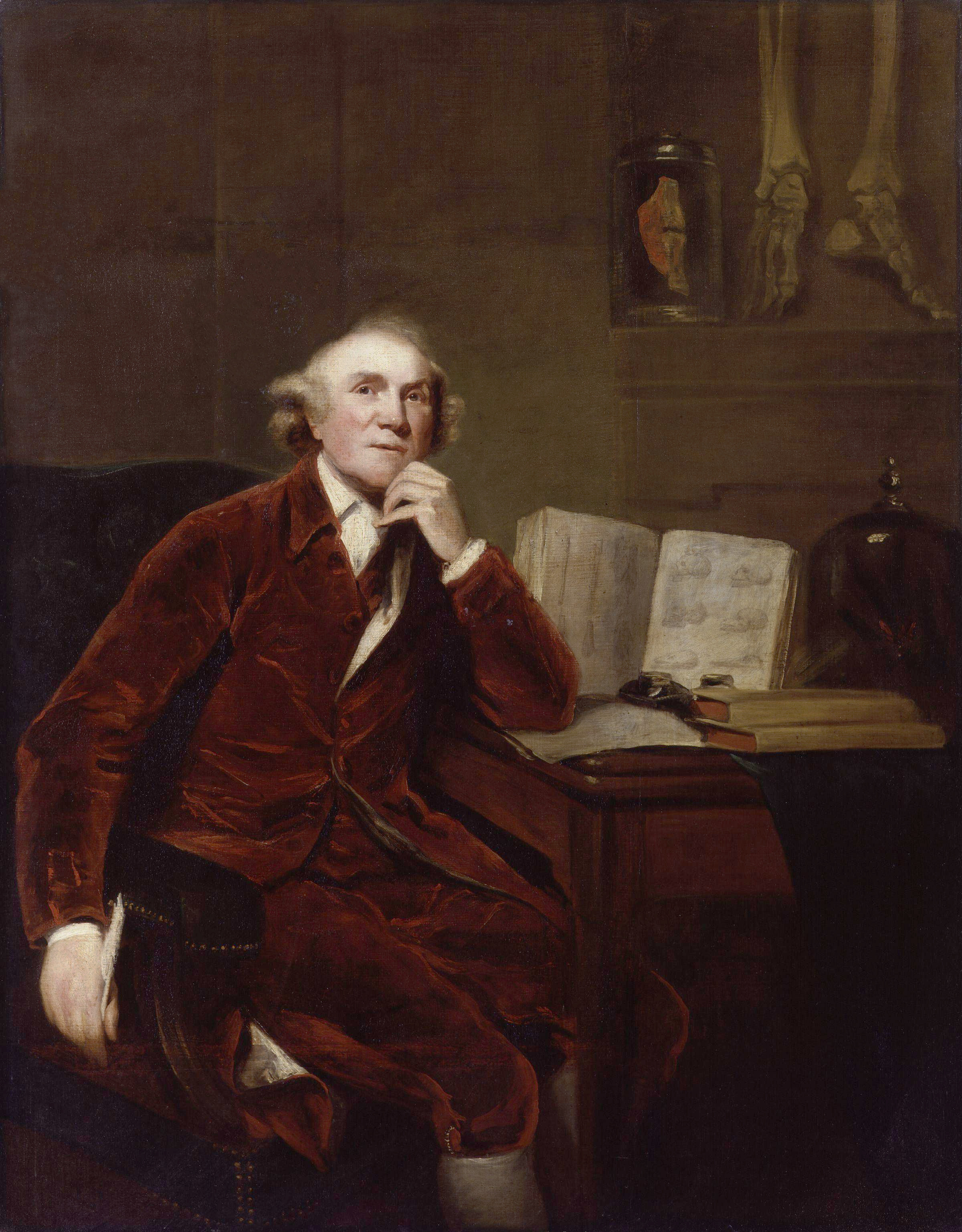
By numerous authors, many unidentified. All published. From the Preface to part I: "The present Volume... completes the series of Hunterian Catalogues. The specimens included in it consist of Plants and Invertebrate A…
1830 –1836
#9485
American conchology, or descriptions of the shells of North America illustrated from coloured figures from original drawings executed from nature. 7 parts. Parts 1–6: New Harmony, 1830–1834; Part 7: Philadelphia, 1836.
The printer or publisher of part 7 is not identified. Digital facsimile from the Biodiversity Heritage Library at this link.
1830
#9713
Sketches of the medical topography of the Mediterranean; comprising an account of Gibraltar, the Ionian Islands, and Malta. To which is prefixed a sketch of a plan for memoirs on medical topography
Digital facsimile from Google Books at this link.
1831
#200
Über den Zwischenkiefer des Menschen und der Thiere von Goethe. Jena, 1786. Mit 5 Kupfertafeln.
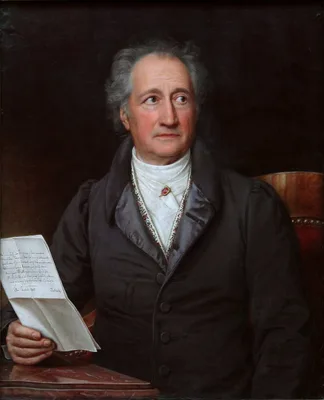
Goethe believed that in 1784 he demonstrated the presence of the intermaxillary (premaxillary) bone in man, proving an anatomical connection between man and the lower animals, and certifying to Goethe that there is no…
1831
#216.3
On naval timber and arboriculture.
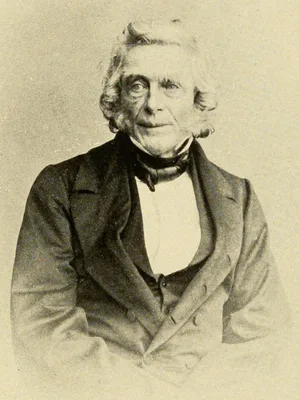
The “first clear and complete” anticipation of the Darwinian theory of evolution by natural selection. The appendix to Matthew’s work actually uses the expression, “natural process of selection”. See W.J. Dempster, Pa…
1831
#10441
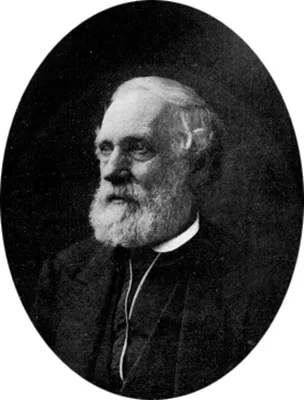
Circular of the Philadelphia Museum: Containing directions for the preparation and preservation of objects of natural history.
1832 –1834
#7773
A manual of the ornithology of the United States and of Canada. Vol. 1: The land birds. Vol. 2: The water birds.
Digital facsimile from the Internet Archive at this link.
1832
#8951
Aeliani de natura animalium libri septemdecim. Verba ad fidem librorum manuscriptorum constituit et annotationibus illustravit Fridericus Jacobs.
![AELIANUS, Claudius [Κλαύδιος Αἰλιανός] (175 – 235)](/media/portraits/10094)
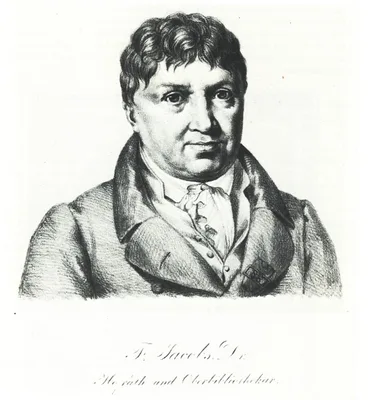
The first modern critical edition of the text, which collated medieval manuscripts against the previous printed editions. Digital facsimile of the 1832 edition from the Internet Archive at this link
1832
#9680
Medical zoology, and mineralogy; or, illustrations and descriptions of the animals and minerals employed in medicine and of the preparations derived from them: Including also an account of animal and mineral poisons: With figures coloured from nature.
Includes 42 hand-colored plates. Digital facsimile from the Biodiversity Heritage Library at this link.
1832
#11642
Outlines of the geographical distribution of British plants; belonging to the division of vasculares or cotyledones.
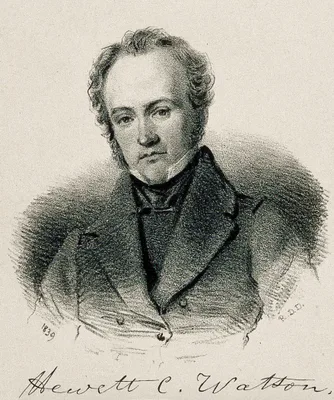
“Watson's major botanical endeavour was producing several versions of a work first entitled Outlines of the Geographical Distribution of British Plants (1832); it reached its most extensive form as Cybele Britannica, …
1832
#13354
Illustrations of the family of Psittacidæ, or parrots: The greater part of them species hitherto unfigured, containing forty-two lithographic plates, drawn from life, and on stone.
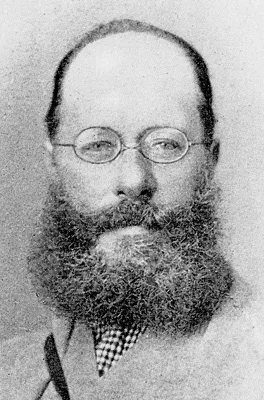
For this work Lear drew portraits of mostly live specimens directly on stone, creating artistic masterpieces that established his reputation as a natural history painter. Lear issued only 175 copies and ran out of fun…
1833 –1834
#203.8
Recherches sur les ossemens fossiles découvertes dans les cavernes de la province de Liège. 2 vols. and atlas.
A physician from Delft, Schmerling found extensive human remains and artifacts associated with the remains of extinct animals in the caverns around Liège. These human remains were distinctively different anatomically …
1833 –1866
#10177
The naturalist's library. Edited by Sir William Jardine. 40 vols.
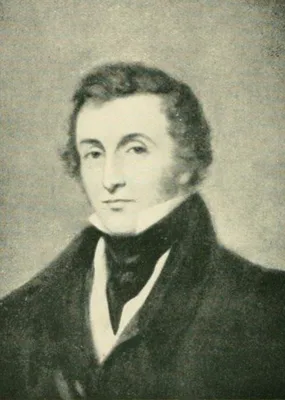
"1833, Natural History of Humming Birds, Part I, (Ornithology Vol. VI) by William Jardine, with memoir of Carl Linnaeus. (online) 1833, Monkeys, (Mammalia Vol. I) by William Jardine, with a memoir of Comte de Buffon (…
1835 –1836
#2532
Del mal del segno calcinaccio o moscardino malattia che affligge i bachi da seta e sul modo di liberarne le bigattaje anche le piu infestate. 2 vols.
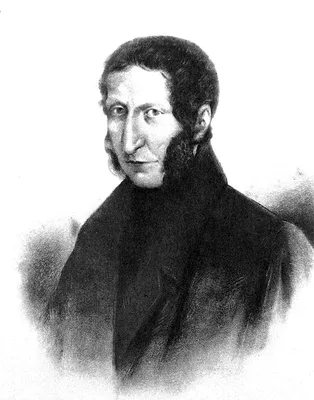
Bassi preceded Louis Pasteur in the discovery that microorganisms can be the cause of disease (the germ theory of disease). He discovered that the muscardine disease of silkworms--a disease that was destroying the sil…
1835
#8920
For private distribution. The following pages contain extracts from letters addressed to Professor Henslow by C. Darwin, Esq.
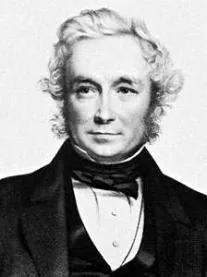
Darwin's teacher, John Stevens Henslow, had some of Darwin's letters to him published for private distribution as a pamphlet while Darwin was on the Beagle circumnavigation. Estimates of the number of copies printed v…
1835
#10108
On the influence of atmosphere and locality; change of air and climate; seasons; food; clothing; bathing; exercise; sleep; corporeal and intellectual pursuits, &c. &c. on human health; constituting elements of hygiéne.
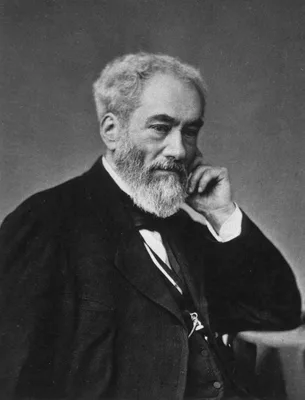
Digital facsimile from the Internet Archive at this link.
1836
#7374
Ledetraad til Nordisk Oldkyndighed.
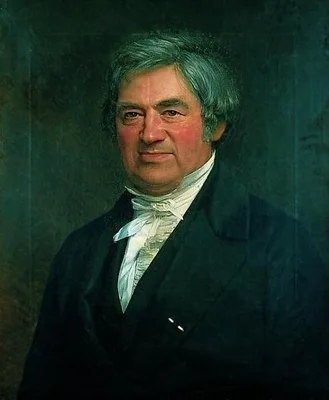
Thomsen's work established the "Three-Age system," according to which artifacts were first made of stone, then bronze, and then iron. This basic chronology underpins the archaeology of most of the "Old World.”
1836
#13037
Catalogue des oiseaux.
Catalogue of the collection of over 3400 New World, Africa, Asian, Australian and European stuffed birds gather by the ornithologist, botanist and politican, following the order of the display of these specimens in La…
1837
#674
Vorlaüfige Mittheilung betreffend Versuche über die Weingährung und Fäulniss.
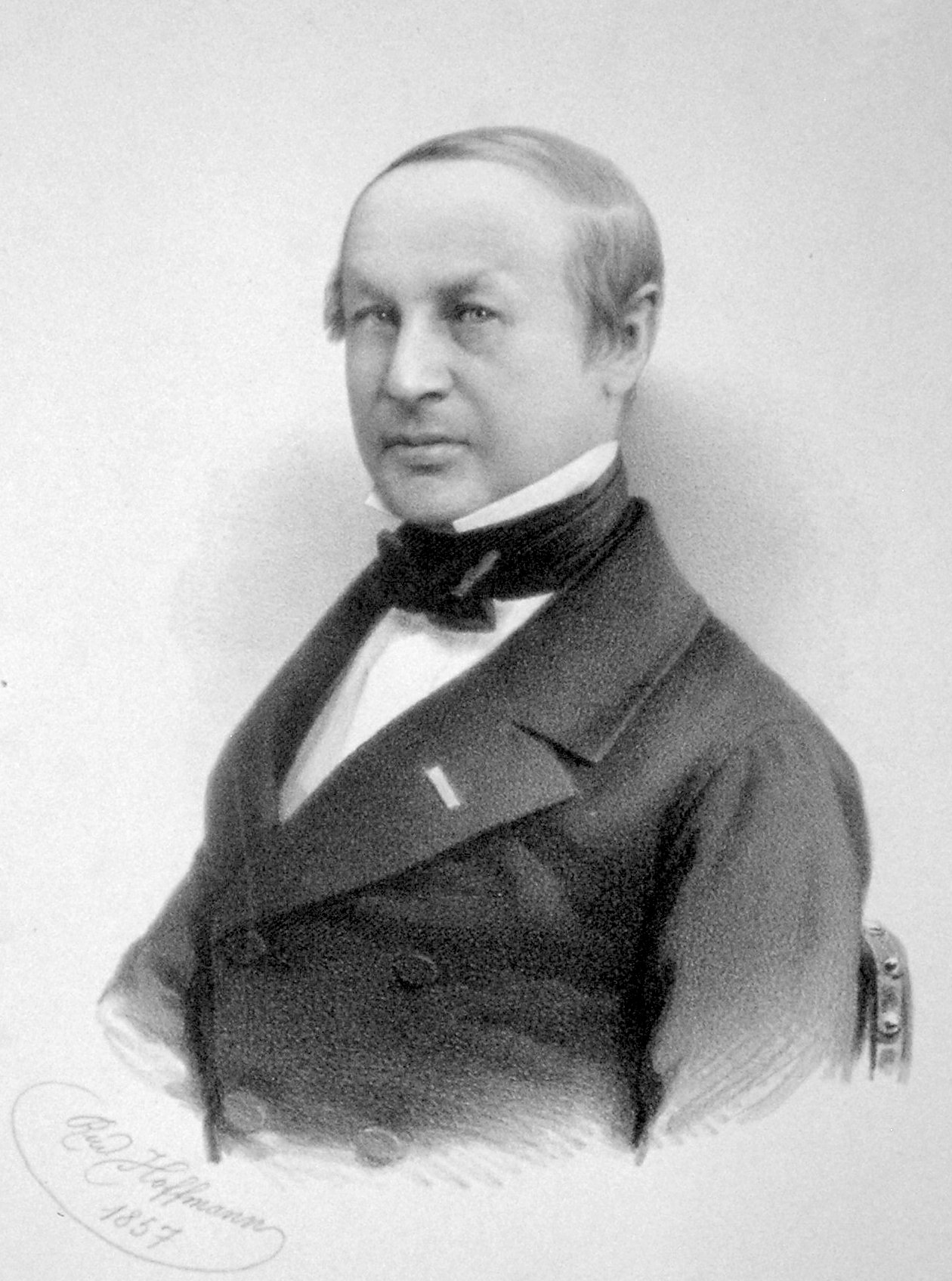
Proof that putrefaction is produced by living bodies. Independently of Cagniard-Latour, Schwann discovered the yeast cell. He is regarded as the founder of the germ theory of putrefaction and fermentation.
1837
#7311
Note sur les ossements fossiles des terrains tertiaires de Simorre, de Sansan, etc., dans le département du Gers, et sur la découverte récente d’une mâchoire de singe fossile.
First published account of the discovery of the first anthropomorphic fossil ape. Lartet's discovery, made in 1836 at Sansan, was the first to challenge Cuvier’s assertion that both humans and apes were products of th…
1838
#675
Mémoire sur la fermentation vineuse.
The earliest demonstration of the true nature of yeast was made by Cagniard-Latour in 1836. All his work on the subject is summed up in this paper. Digital facsimile from Google Books at this link.
1839
#4029
Zur Pathogenie der Impetigines.
The discovery of a fungus as the cause of favus (Achorion schönleinii). Schönlein communicated this important discovery in a letter of less than 200 words and one illustration. It represents the first conspicuous step…
1839
#5517
Auffindung von Pilzen auf der Schleimhaut der Speiseröhre einer Typhus-Leiche.
Discovery of Candida albicans, which Berg (No. 5518) showed to be the causal organism in thrush.
1839
#7438
Journal of researches into the geology and natural history of the various countries visited by H. M. S. Beagle ....
Darwin’s first published book, now universally known as The Voyage of the Beagle, is the most often read and the most often printed of all his works, after On the origin of species. Its relation to the background of D…
1840
#6502
Geschichte der arabischen Aerzte und Naturforscher.
This has traditionally been considered the first major history of Arab medicine. It was written mostly in the form of a chronological series of bio-bibliographies, and should also be considered a pioneering bibliograp…
1840 –1843
#7437
The zoology of the voyage of H.M.S. Beagle, under the command of Captain Fitzroy, R. N., during the years 1832 to 1836. Edited by Charles Darwin. 5 pts in 3 vols.
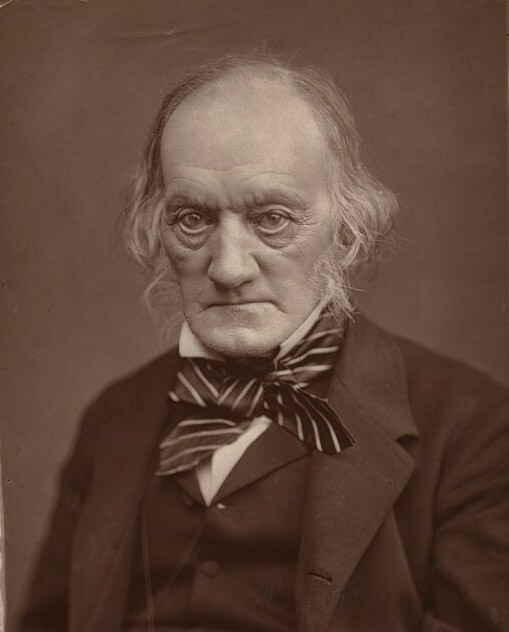
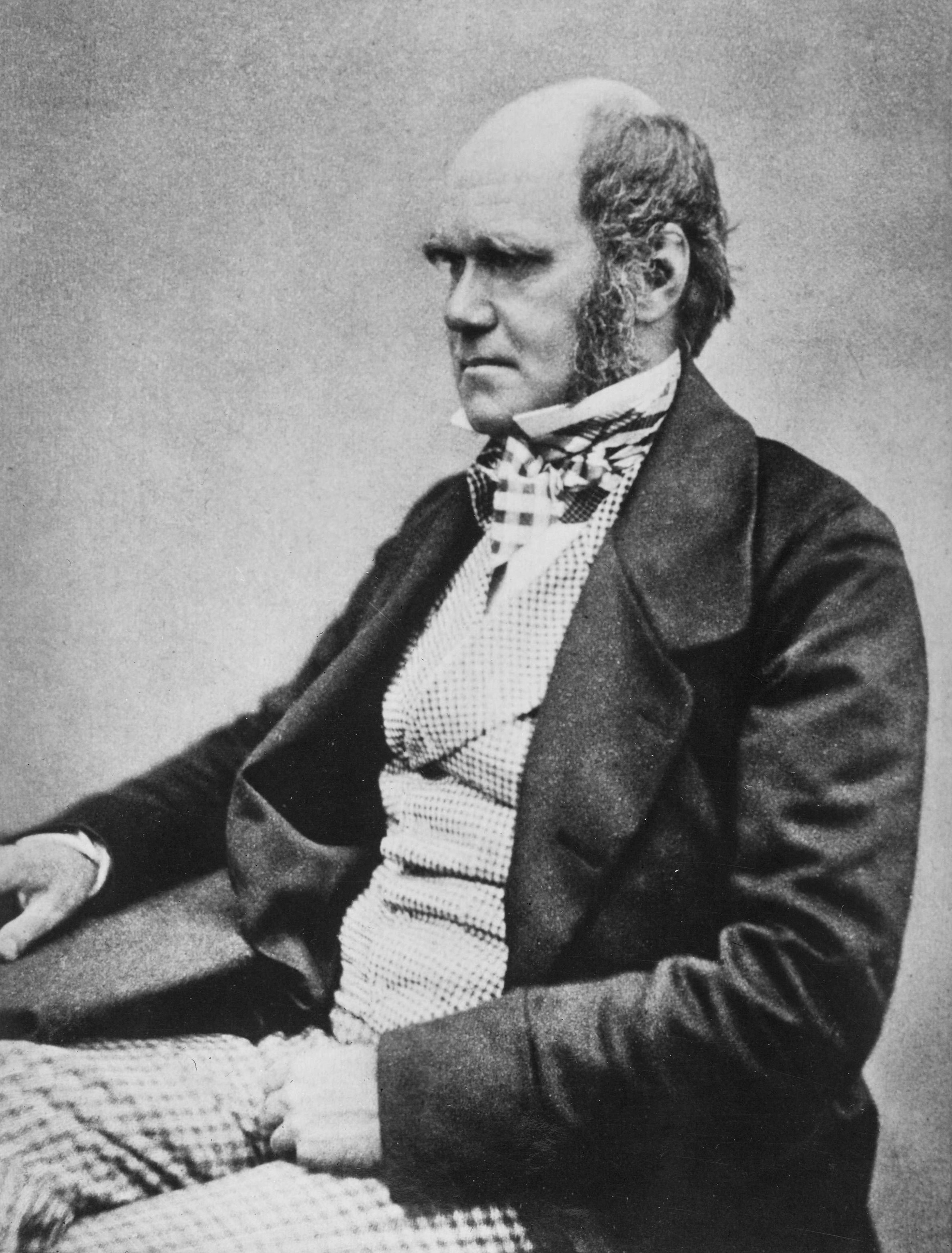
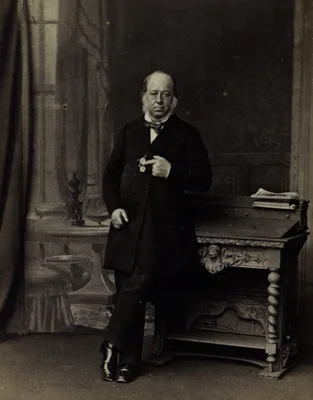
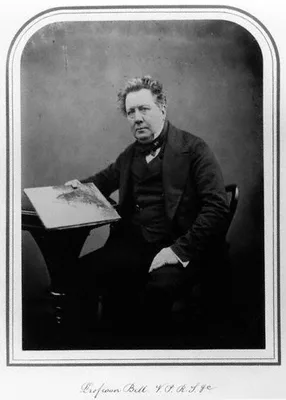
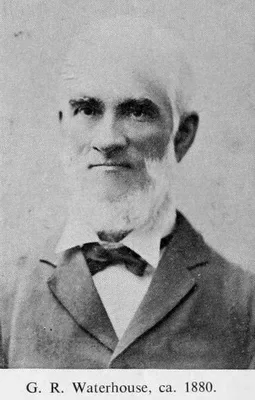
Part 1: Fossil mammalia by Richard Owen; Part 2: Mammalia by George Waterhouse; Part 3: Birds by John Gould; Part 4: Fish by Leonard Jenyns; Part 5: Reptiles by Thomas Bell. Digital facsimile from the Internet Archive…
1841
#5518
Torsk i mikroskopiskt anatomiskt hänseende.
Discovery of Candida albicans in thrush.
1841
#13014
Journals of two expeditions of discovery in North-West and Western Australia, during the years 1837, 38, and 39...describing many new discovered, important, and fertile districts, with observations on the moral and physical conditions of the aboriginal inhabitants, &c. &c. 2 vols.
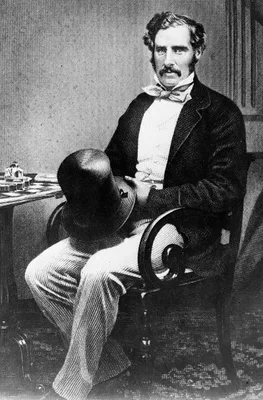
"In 1837, at the age of 25, Grey led an ill-prepared expedition that explored North-West Australia. British settlers in Australia at the time knew little of the region and only one member of Grey's party had been ther…
1841
#13694
Report on British fossil reptiles. Part II. In: Report of the eleventh meeting of the British Association for the Advancement of Science, held at Plymouth, July 1841, pp. 60-204.
In this review article Owen coined the term Dinosaur (pp. 102-103). In surveying fossil bones and teeth found by Gideon Mantell, William Buckland, and others, he observed that three genera--Iguanodon, Megalosaurus, an…
1842
#4034
Sur une espèce de mentagre contagieuse résultant du développement d’un nouveau cryptogame dans la racine des poils de la barbe de l’homme.
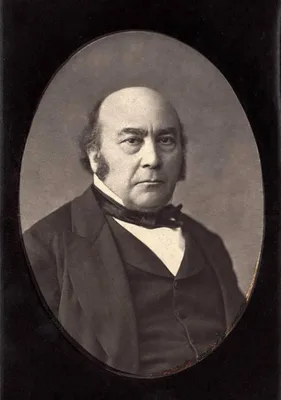
First accurate description of Trichophyton mentagrophytes, the fungus responsible for sycosis barbae. English translation of this and Gruby’s other five papers read to l’Académie des Sciences in Zakon & Benedek, David…
1842
#5519
Recherches anatomiques sur une plante cryptogame qui constitue le vrai muguet des enfants.
Independently of Berg, Gruby found Candida albicans in thrush. He demonstrated its fungal nature.
1842
#8916
The structure and distribution of coral reefs. Being the first part of the geology of the voyage of the Beagle, under the command of Capt. Fitzroy, R. N. During the years 1832 to 1836.
With slight modification, Darwin's work remains the accepted explanation for these phenomena. "Even if he had done nothing else, the theory of the coral islands alone would have placed Darwin in the very front of inve…